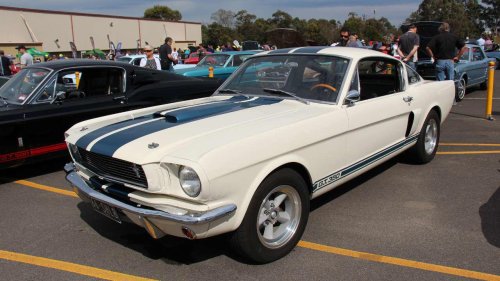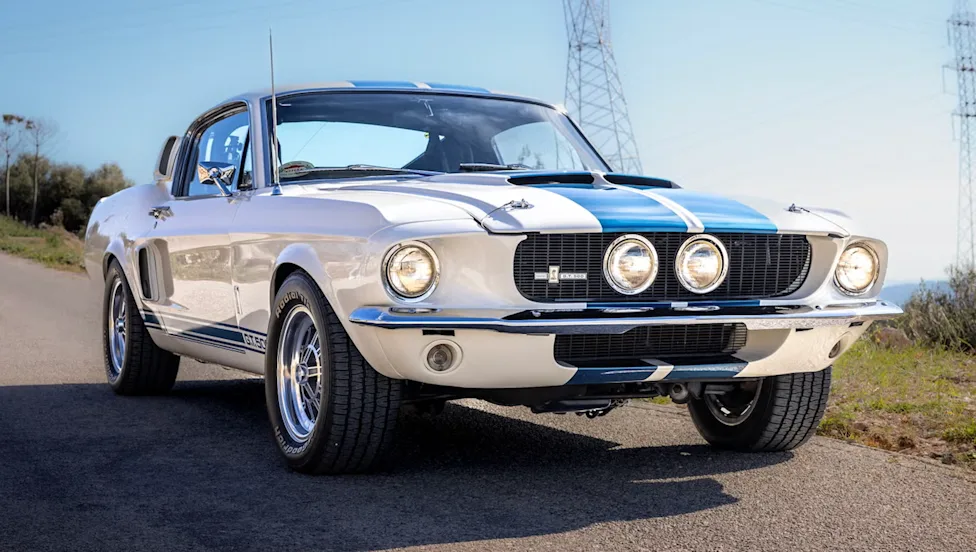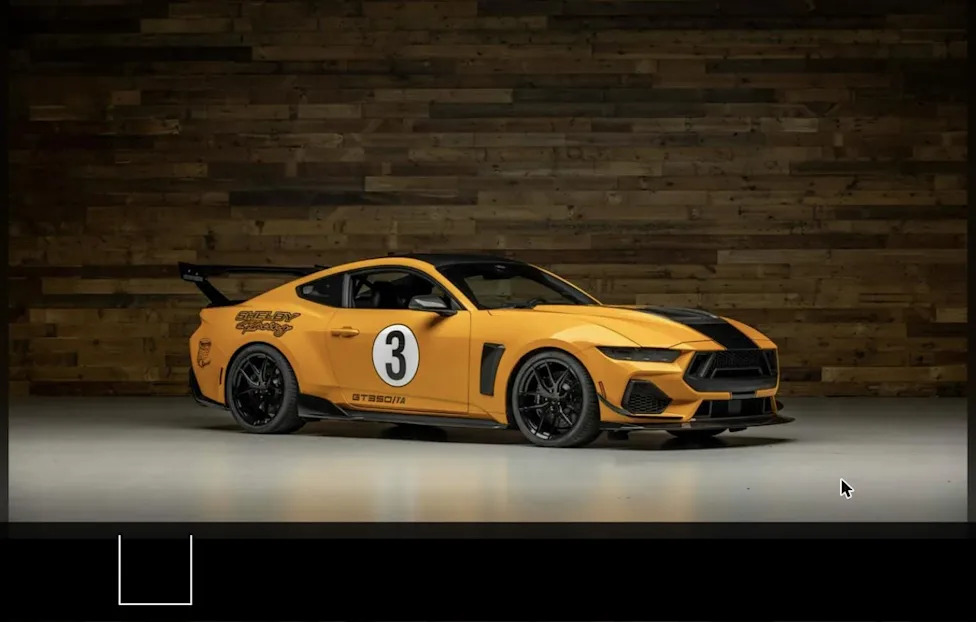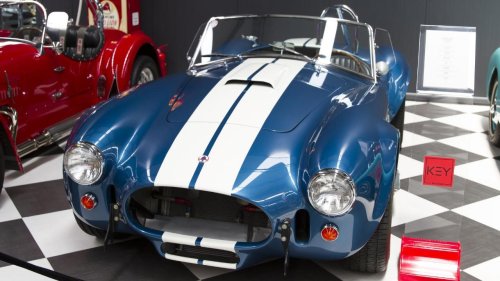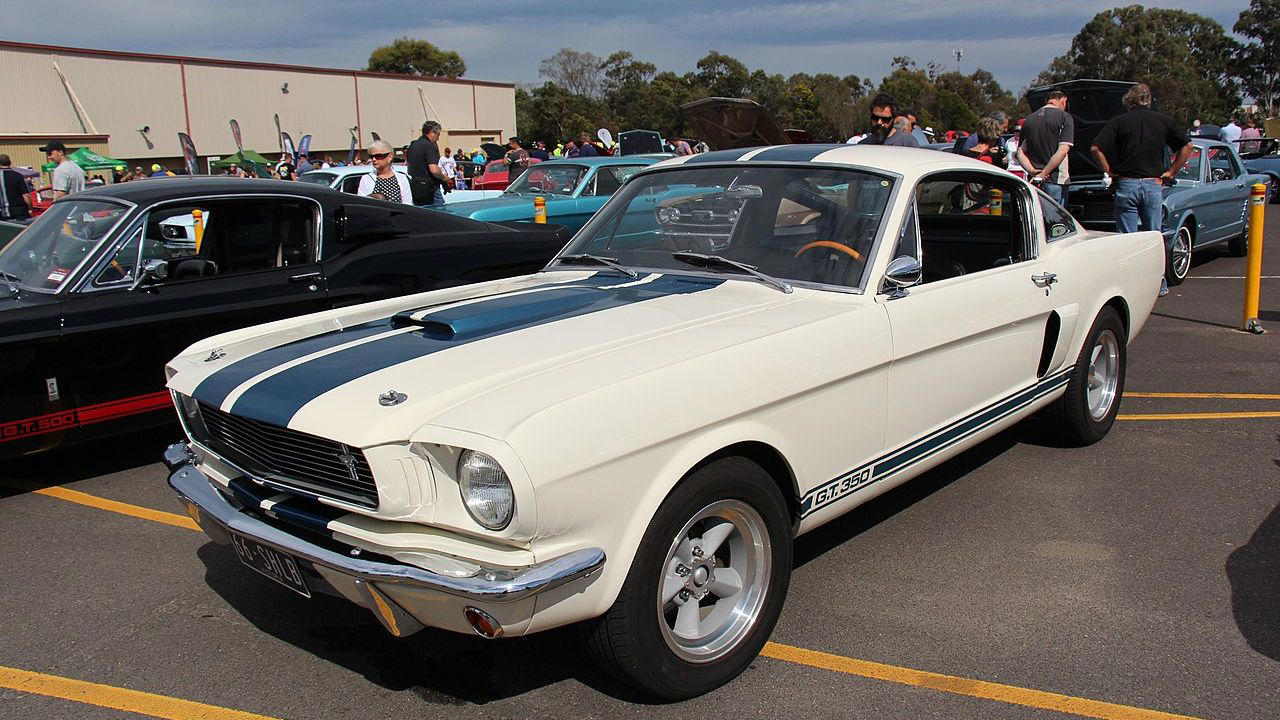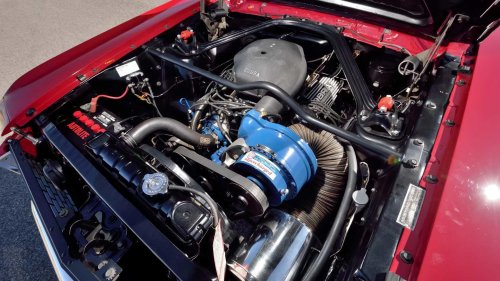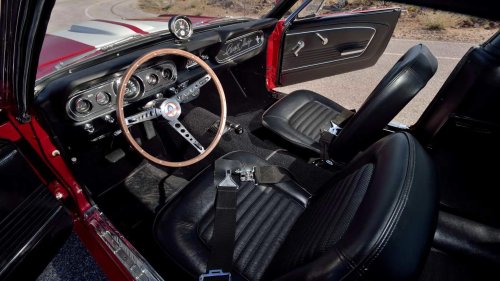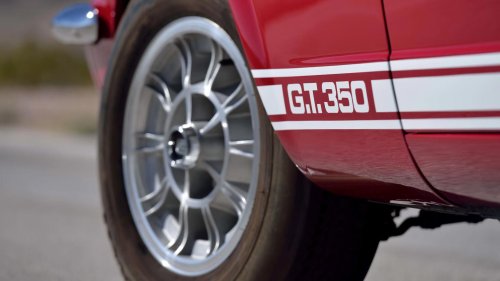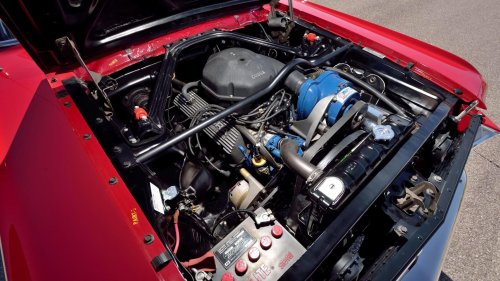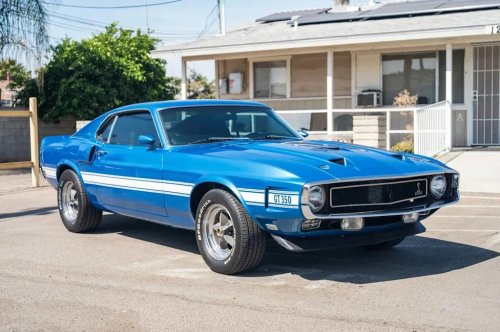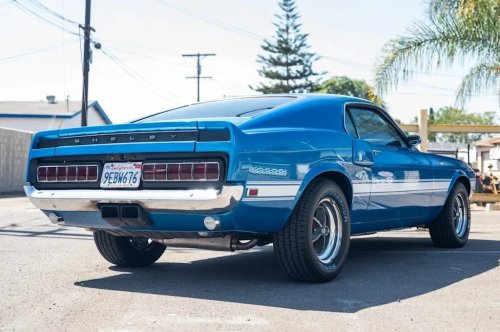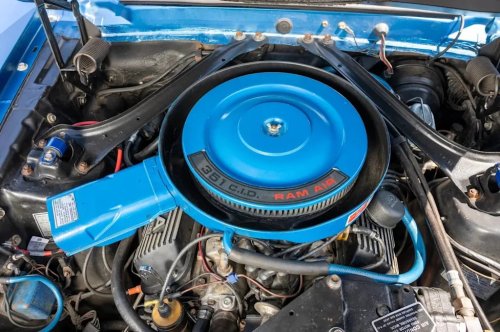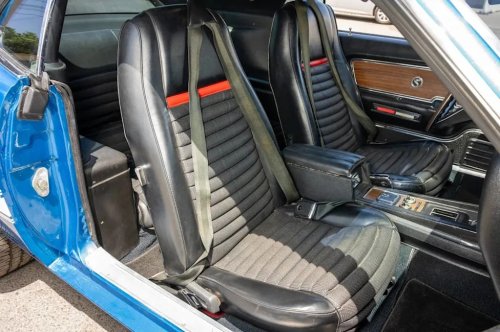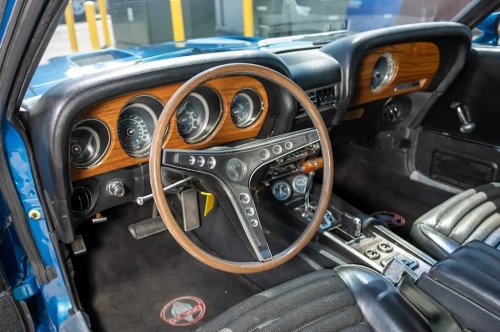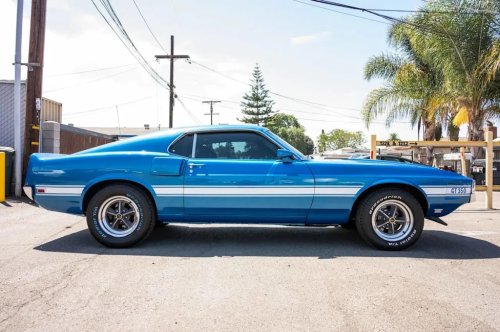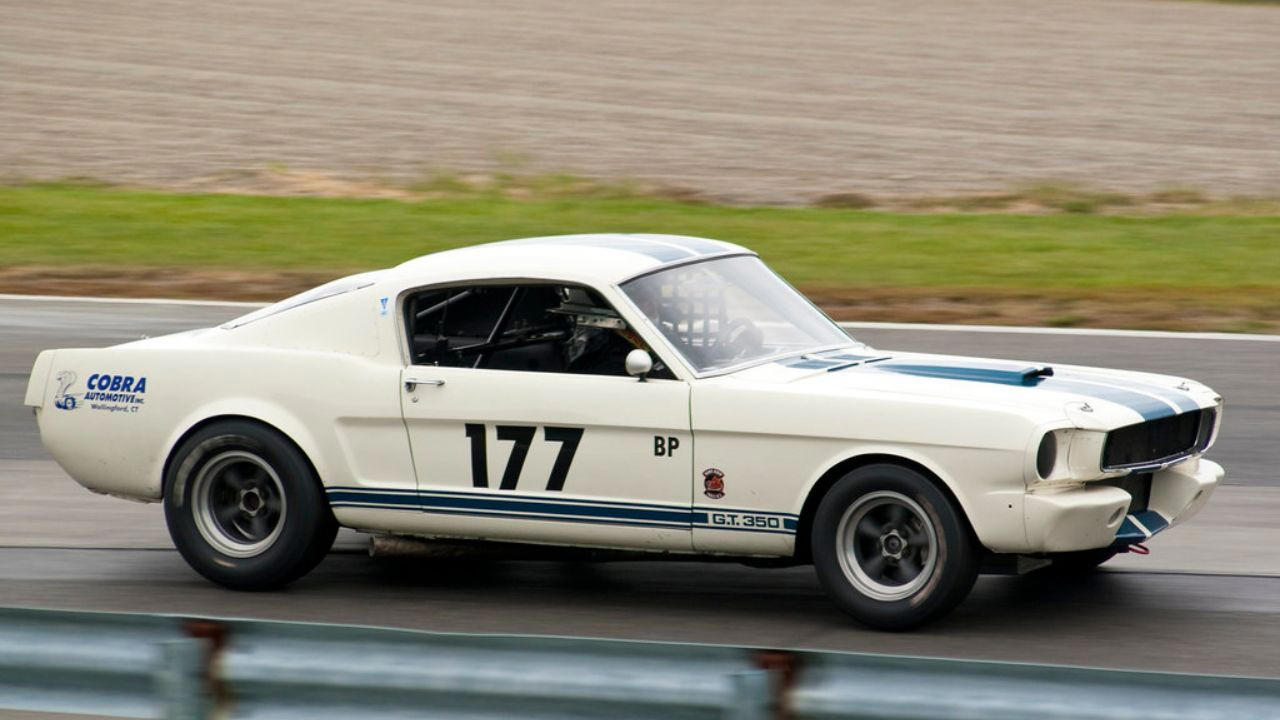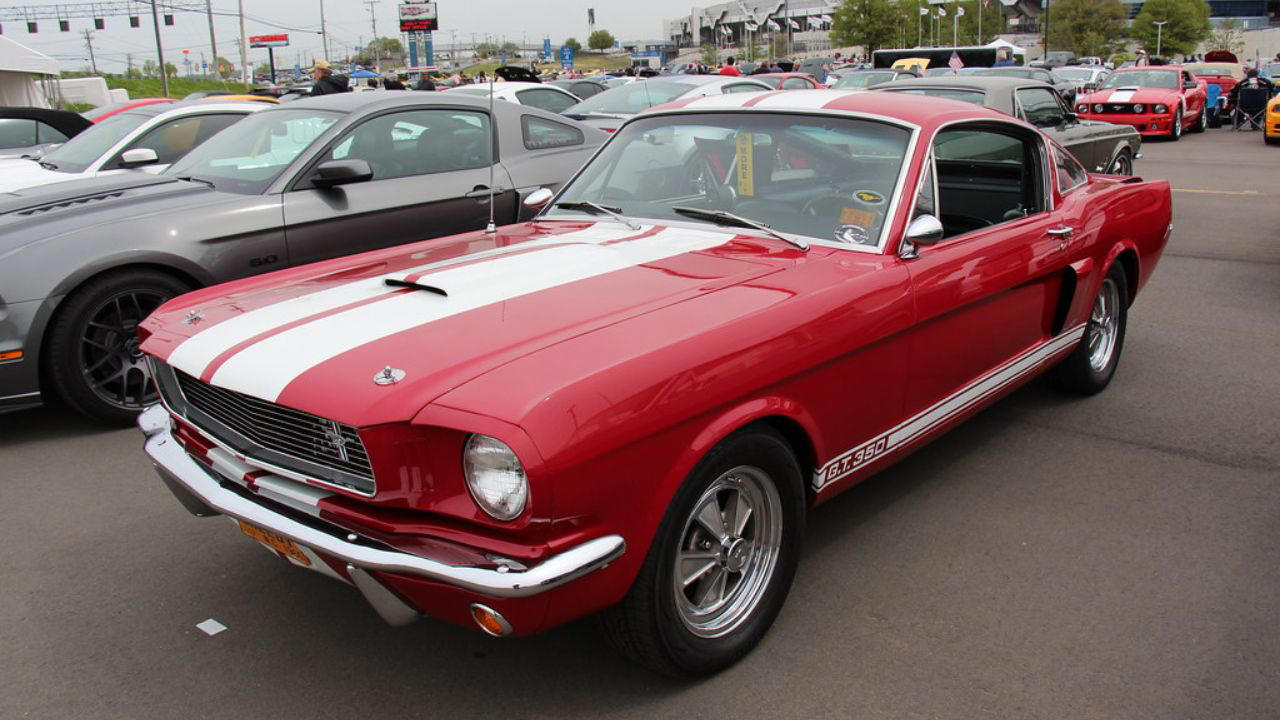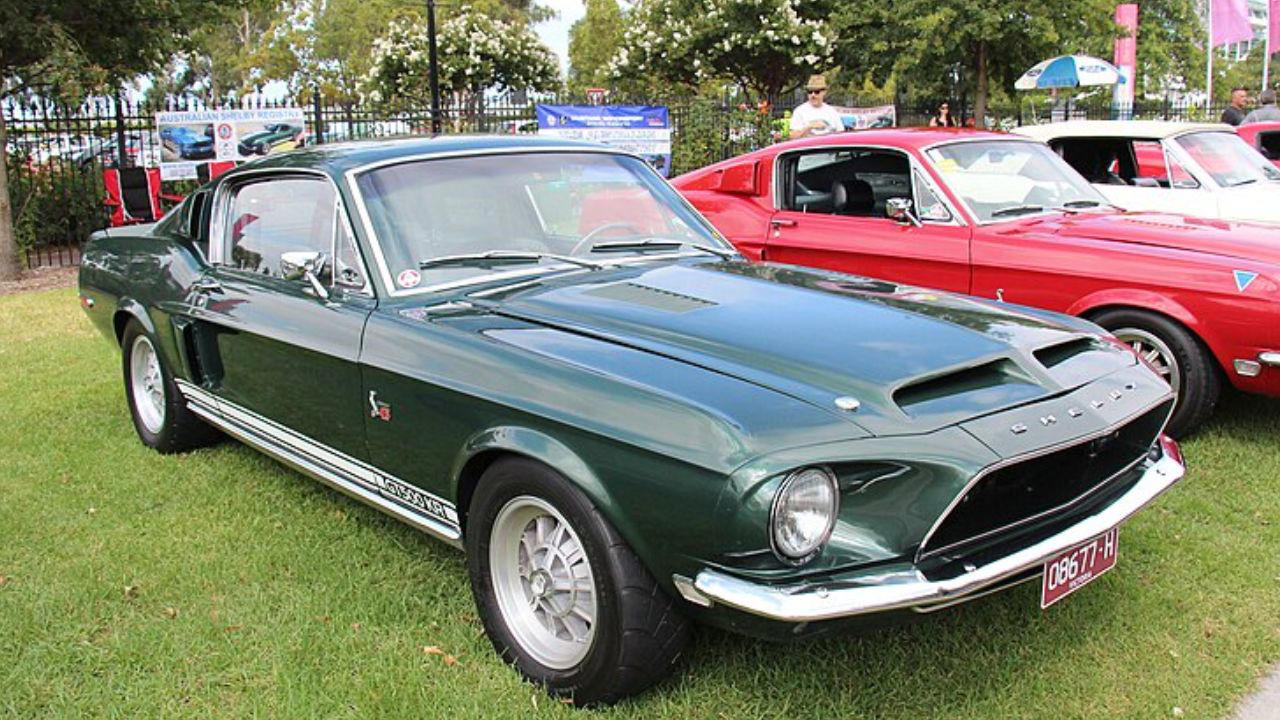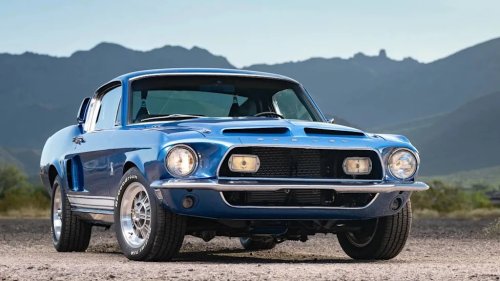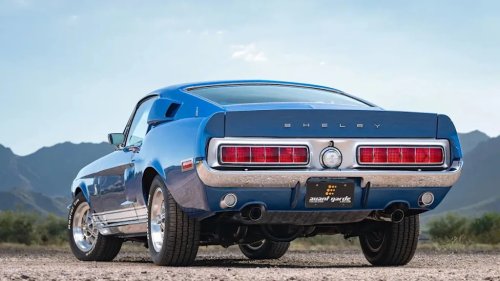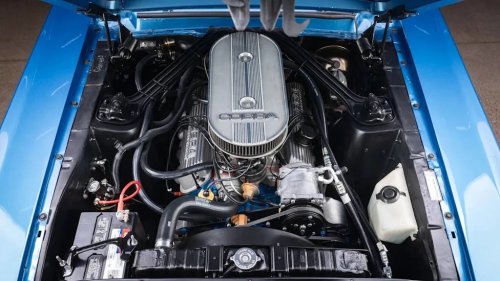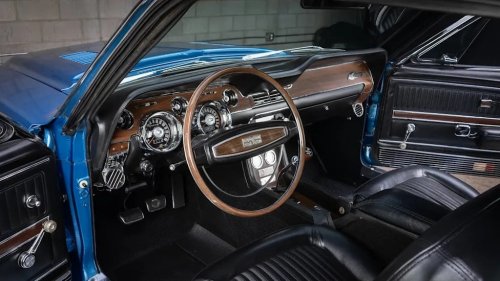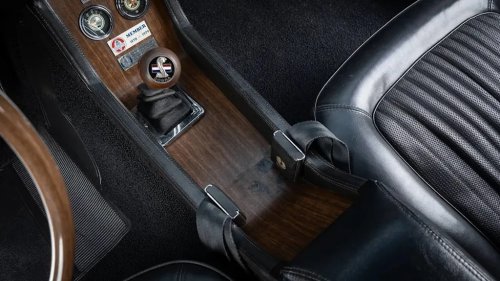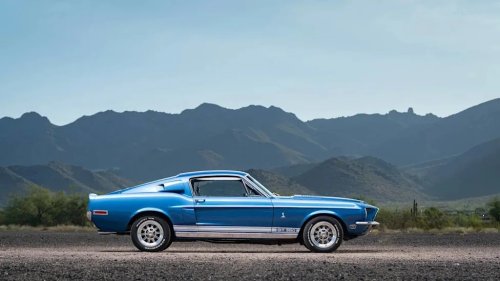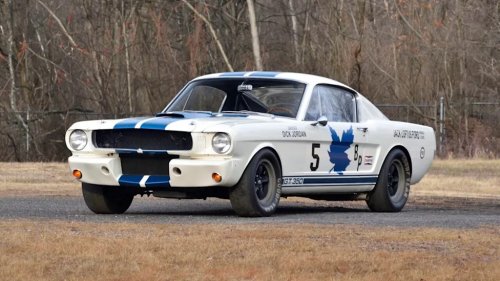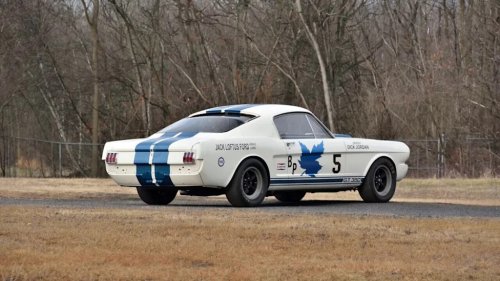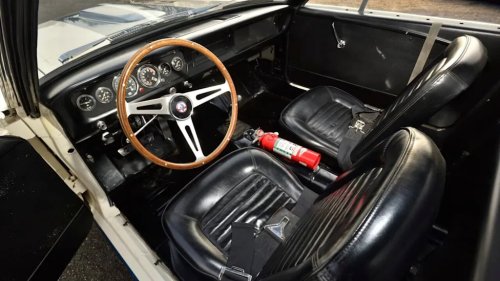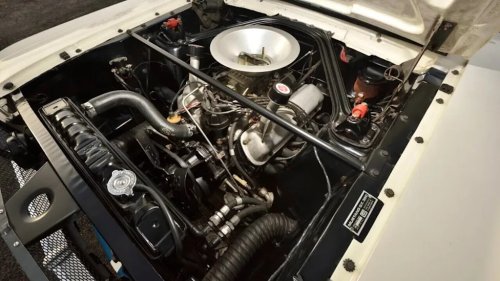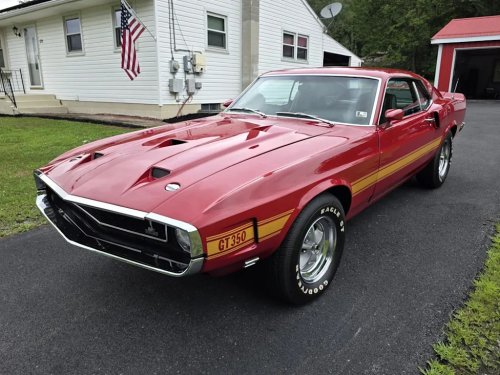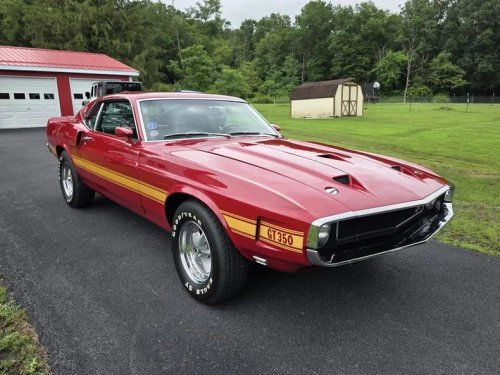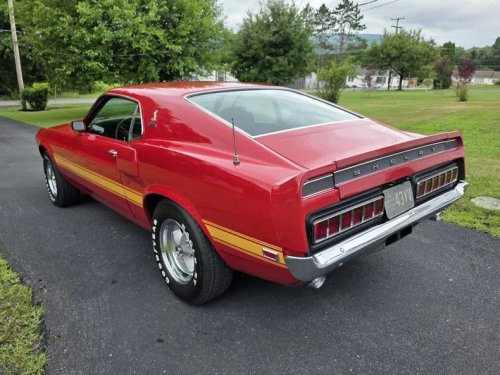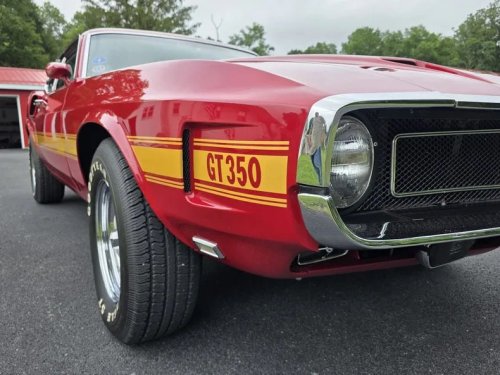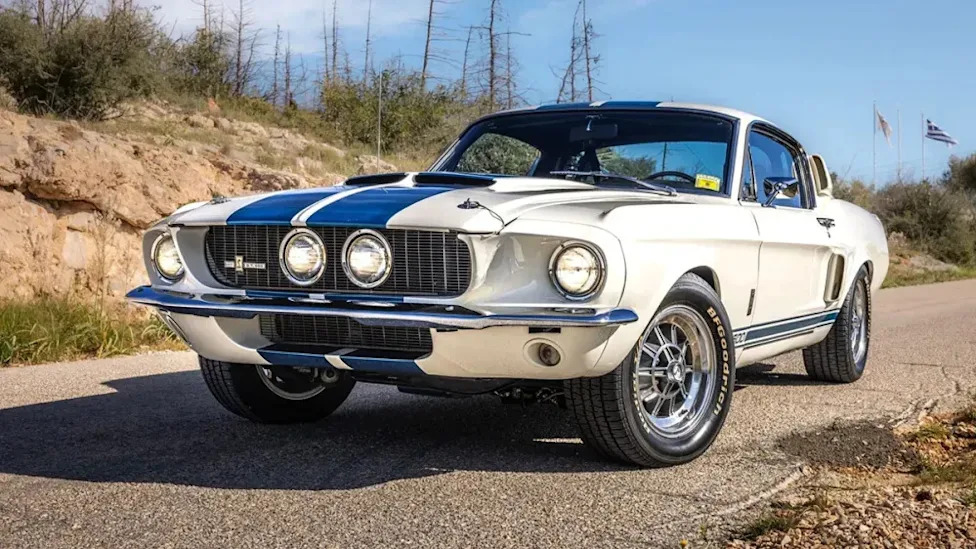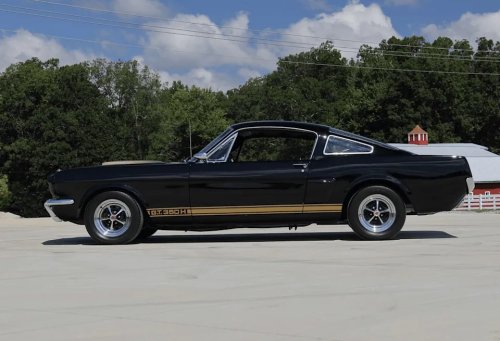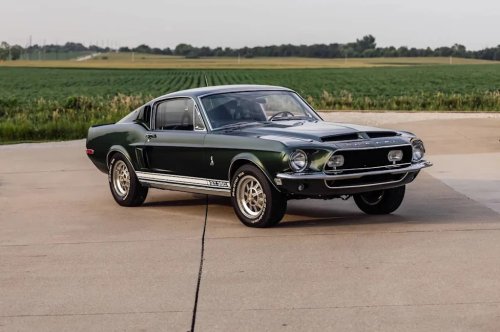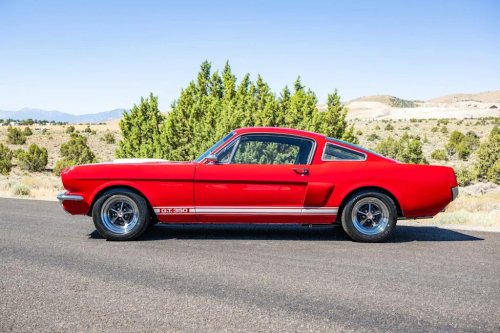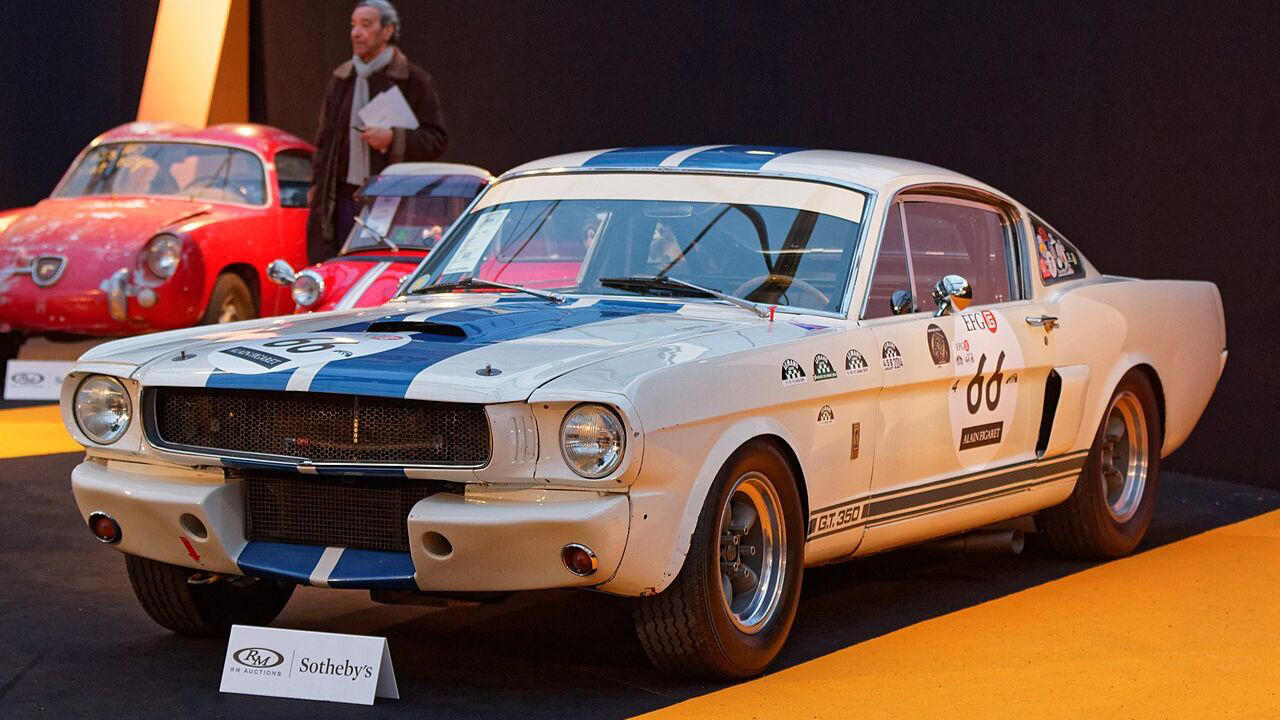


















The 1966 Shelby GT350 delivered raw performance but very little comfortThe 1966 Shelby GT350 was built around speed, not softness. It took the compact Ford pony car formula and stripped away civility in pursuit of raw, track-bred performance, then added back only the bare minimum of comfort to make it saleable. That tension between brutality and usability is exactly what keeps the car fascinating decades later. On paper, the GT350 looked close to an ordinary Ford Mustang. In reality, it was a hard-edged machine that transmitted every vibration, punished inattentive drivers, and rewarded those who treated it like the racing project it really was. The racing roots of a streetcar The 1966 GT350 did not appear out of thin air. It grew directly out of the earlier competition focused version that Carroll Shelby and his team had created by reworking a standard Ford Mustang into a homologation special. That first effort was built around a high performance 289-cubic-in V8, and the same basic formula carried into 1966 with refinements aimed at a broader audience. Contemporary enthusiasts still describe the 1966 Shelby GT350 as a high-performance variant of the Ford Mustang that was developed by Carroll Shelby and powered by a 289-cubic-inch engine, a combination that defined its character from the start, as detailed in one enthusiast performance summary. Another account of the prototype history stresses that it was built under the guidance of racing legend Carroll Shelby, who took the classic Ford Mustang and transformed it into a racing tool with functional scoops, upgraded brakes, and a stiffened chassis that could survive real track use. That description of the Ford Mustang and its transformation into a competition capable car appears in a detailed community history of the 1966 prototype. This background matters because the GT350 never started as a luxury product. It began as a race car that had to be made barely tolerable for street duty, not the other way around. From 1965 brutality to 1966 compromise To understand the 1966 model, it helps to look at what came just before it. The earliest GT350s were unforgiving. One period description of a Ford Shelby GT350 Hertz ISCA Show Car notes that the 1965 GT350 was not built for comfort or ease of driving, and that only a tiny batch of less than 30 GT350R cars pushed that idea even further for dedicated competition use. That assessment of the Ford Shelby and its Hertz ISCA Show Car context appears in a detailed historical profile. Production numbers underline how exclusive that first wave really was. One market analysis points out that a total of 562 cars were built for 1965 and that buyers could get any color they wanted as long as it was Wimbledon White, highlighting how single-minded the early program was. Those figures, including the 562 total and the Wimbledon White limitation, appear in a closer look at a used 1966 car that references the earlier run of 1965 GT350s. By 1966, Shelby and Ford needed a car that more people would actually buy and live with. The GT350 was softened slightly, with added rear seats, more color choices, and eventually an automatic option. Yet the engineering DNA from those 1965 cars remained, so the 1966 model still carried a racing temperament that could feel harsh in daily use. The hardware that made it so raw Under the hood, the GT350’s personality came from its highly tuned small block. Technical descriptions of the period specify that all 1965 and 1966 cars used a Windsor 289 cu in HiPo K-Code V8, which was then modified with a large 4-barrel Holley 715 CFM carburetor to produce 306 bhp and 329 lb ft of torque. Marketing materials called this the Cobra hi-riser because of its tall intake setup, and the engines were paired with a 4-speed manual and a 9-inch live rear axle. A detailed museum overview of these cars explains that this drivetrain combination gave the GT350 a race-ready character that was far more intense than a standard Mustang, as outlined in a technical summary of the Cobra hi-riser engine. Another enthusiast breakdown of the Shelby GT350-R, which shared core mechanicals with the street car, describes it as powered by a high-revving 289 ci V8 pushing 306 hp, with a lightweight body, functional scoops, side exhaust, and competition-tuned suspension. That same account credits the aggressive gearing and minimal sound insulation for much of the car’s drama, all of which added to its appeal while also making it tiring to use on long drives. Those details are laid out in a community explanation of what made the Powered Shelby V8 special. Contemporary buying guides also stress how Shelby boosted the GT350’s power output by replacing the K-code’s Autolite 4100 carburetor with a 715-cfm Holley unit, a change that sharpened throttle response and made the car feel more urgent at every speed. That specific reference to Autolite and Holley, along with the 715-cfm figure, appears in a detailed buyer’s guide for 1965 and 1966 cars. All of this hardware translated into a driving experience that was loud, busy, and extremely direct. The GT350 felt alive, but it also felt like a machine that never really relaxed. Inside the cockpit: function over comfort The interior of the 1966 GT350 reflected the same priorities. An in-depth tour of a restored car by the Galaxy 89 team shows a cabin dominated by thinly padded bucket seats, a wood-rimmed steering wheel, and a simple gauge cluster with an added tachometer. The presenter notes that the Shelby Mustang in that video retains its sparse door panels and minimal sound deadening, elements that keep weight low but allow every bit of mechanical noise to reach the occupants. That walkaround of a Galaxy 89 Shelby highlights how little luxury was built into the car. Rear seats were new for 1966 and did make the car more practical. One auction preview of a verified carryover GT350 points out that the rear seats, added this year, made the 1966 GT350 more usable for owners who needed occasional passenger space, even if it was still a no-nonsense machine with a competition pedigree. That description of the rear seats and their impact on usability appears in the catalog entry for a carryover GT350. Even with that concession, the cabin remained focused on driving. There were no thick carpets, no elaborate trim packages, and very little to isolate the driver from the car’s mechanical workings. For anyone expecting a plush American coupe, it could feel almost spartan. Ride quality and handling: sharp, busy, and unforgiving The suspension setup on the 1966 GT350 was tuned for grip, not glide. Period style commentaries on restored carryover cars describe how the chassis modifications, including stiffer springs and heavy-duty shocks, gave the car impressive cornering ability but also a choppy ride over imperfect pavement. In one restoration feature, the presenter notes that the builders were getting back from the customers what they learned about costs and efficiency, then applying that knowledge to make the cars drive as they did when new, which means preserving the firm ride and direct steering that defined the original setup. That insight into how restorers think about the suspension comes in a video focused on a fully restored carryover. A separate comparison of 1966 Shelbies, including a standard GT350 and a GT350-H, describes how the cars still feel like track machines on public roads. The presenter remarks that Shelbies of this era communicate every bump and weight transfer, which keeps the driver engaged but can wear down anyone looking for a relaxed cruise. That observation appears in a video where two SheLBY comparison cars are driven back to back. For enthusiasts, this level of feedback is a feature. For casual drivers, it can feel like a constant argument between the car and the pavement. GT350-H: renting a race car Perhaps the clearest lens on the comfort tradeoffs comes from the GT350-H, the special batch of cars built for the Hertz rental program. A period review of the 1966 Ford Mustang Shelby GT350 notes that the Ford Mustang Shelby GT350 was a high-performance legend born from Carroll Shelby’s racing vision and built on the classic Mustang platform, then adapted for Hertz customers who wanted something exotic for a weekend. That perspective on the Ford Mustang Shelby and its origins appears in a focused GT350-H review. Another community review of the GT350H points out that most of these Hertz cars came with an automatic transmission, which made them easier to drive in traffic while still delivering ferocious acceleration. That same account notes that a few manual versions were produced and are now particularly sought after. These details about how most cars were equipped appear in a detailed GT350H discussion. A broader guide to the 1965 and 1966 models explains that the Hertz cars were quickly nicknamed Rent a Racer, and that some Hertz customers headed straight for the track while others reportedly swapped the powerful Shelby motors into their own Mustangs before returning the rentals. That story about Rent-a-Racer behavior is recounted in a historical overview of the Hertz program. Even in this slightly tamed form, the GT350-H remained a demanding car. The automatic transmission reduced some of the workload, but the stiff suspension, heavy steering, and limited sound insulation meant that renters were effectively signing up to experience a competition car on public roads. How the 1966 car softened the edges Despite its reputation for harshness, the 1966 GT350 was actually more accommodating than the 1965 original. A museum overview that compares the two years states that, unlike the race-bred 1965, the 1966 GT350 was more comfortable for casual drivers, with rear seats, optional colors, and an optional automatic transmission. That contrast, using the phrase Unlike the to frame the comparison, appears in the same technical summary of the 1966 GT350. That shift in strategy is echoed in modern restoration shops. In one feature on a fully restored 1966 carryover car, the builders explain that they listen carefully to what customers are getting back from the cars, and they balance authenticity with drivability so owners can enjoy the vehicles on modern roads. The same video underlines that even with subtle tweaks, the goal is to keep the car true to its original mission, which means preserving its firm ride and direct responses, as shown in the restoration of a 1966 carryover. The result is a car that sits in a narrow space between pure race machine and conventional street coupe. It is more forgiving than its predecessor, yet still far from comfortable by contemporary standards. Modern impressions and collector appeal Modern commentators often approach the GT350 with a mixture of admiration and caution. In an episode of a popular enthusiast show, host Jay Len spends time with a 1966 Ford Shelby Mustang GT350-H and remarks on how the car still feels special at low speeds, with a lumpy idle and quick steering that remind the driver of its competition roots. That on-camera experience with the GT350-H highlights how the car’s rawness remains central to its charm. More from Fast Lane Only Unboxing the WWII Jeep in a Crate 15 rare Chevys collectors are quietly buying 10 underrated V8s still worth hunting down Police notice this before you even roll window down