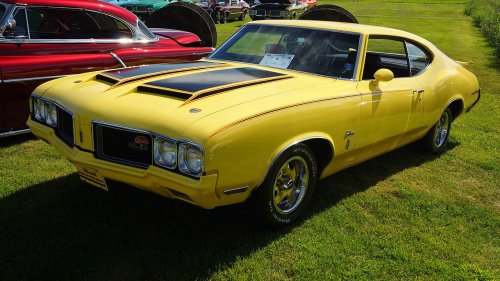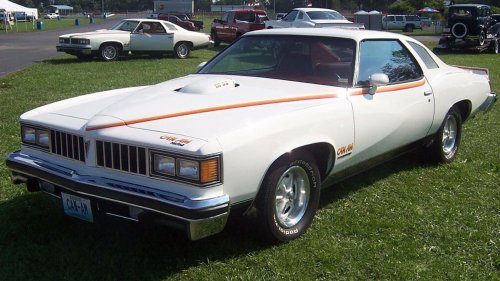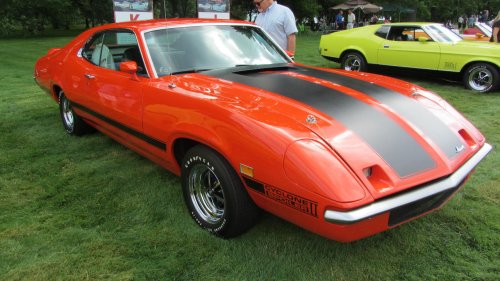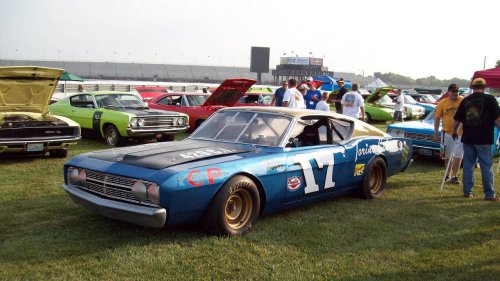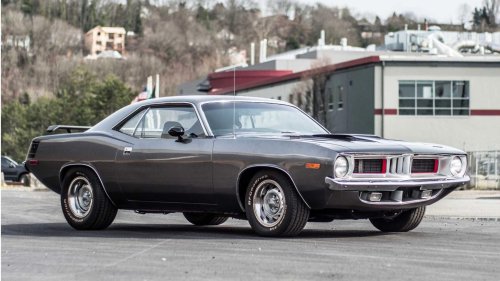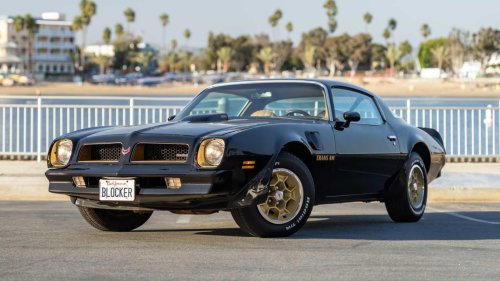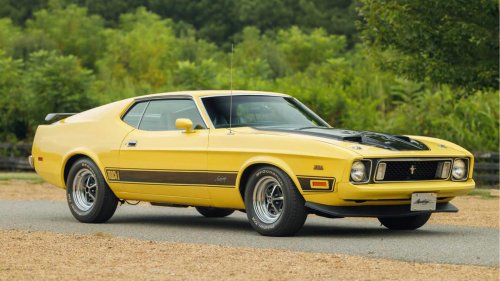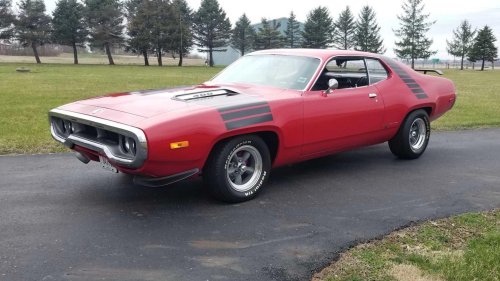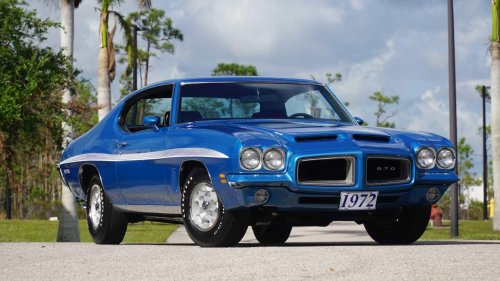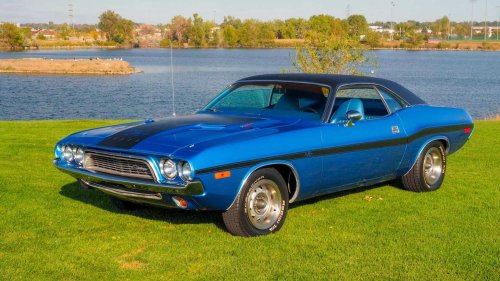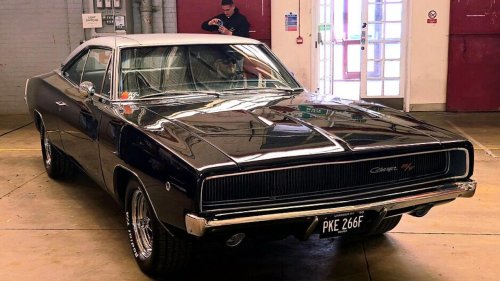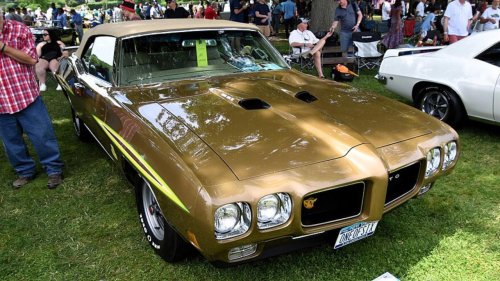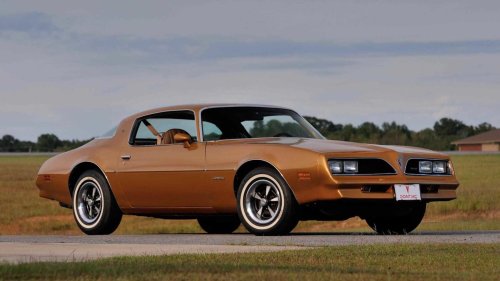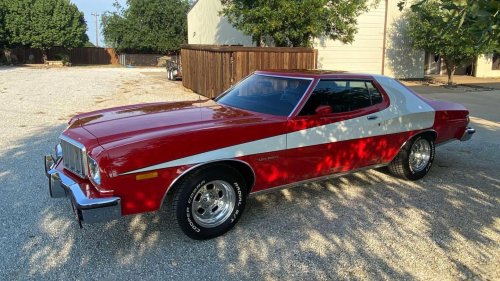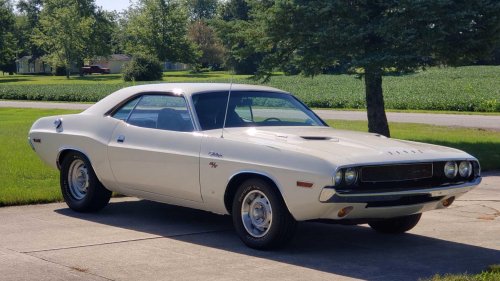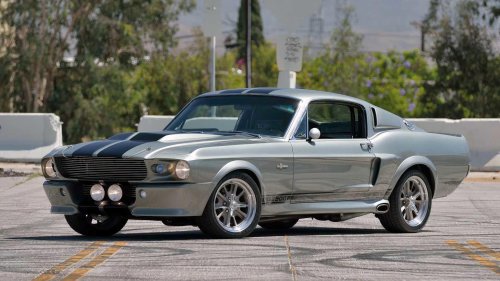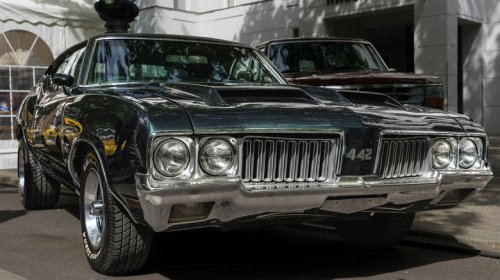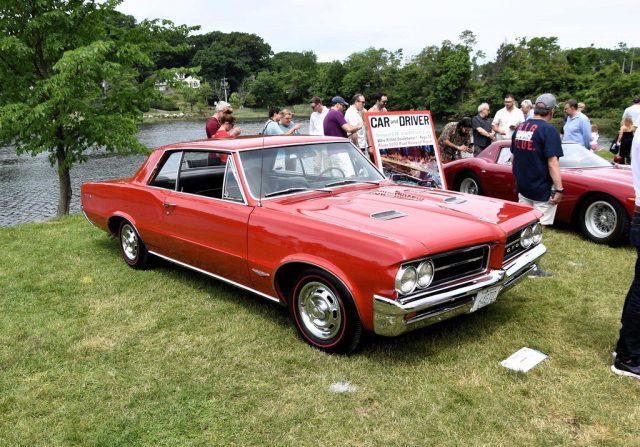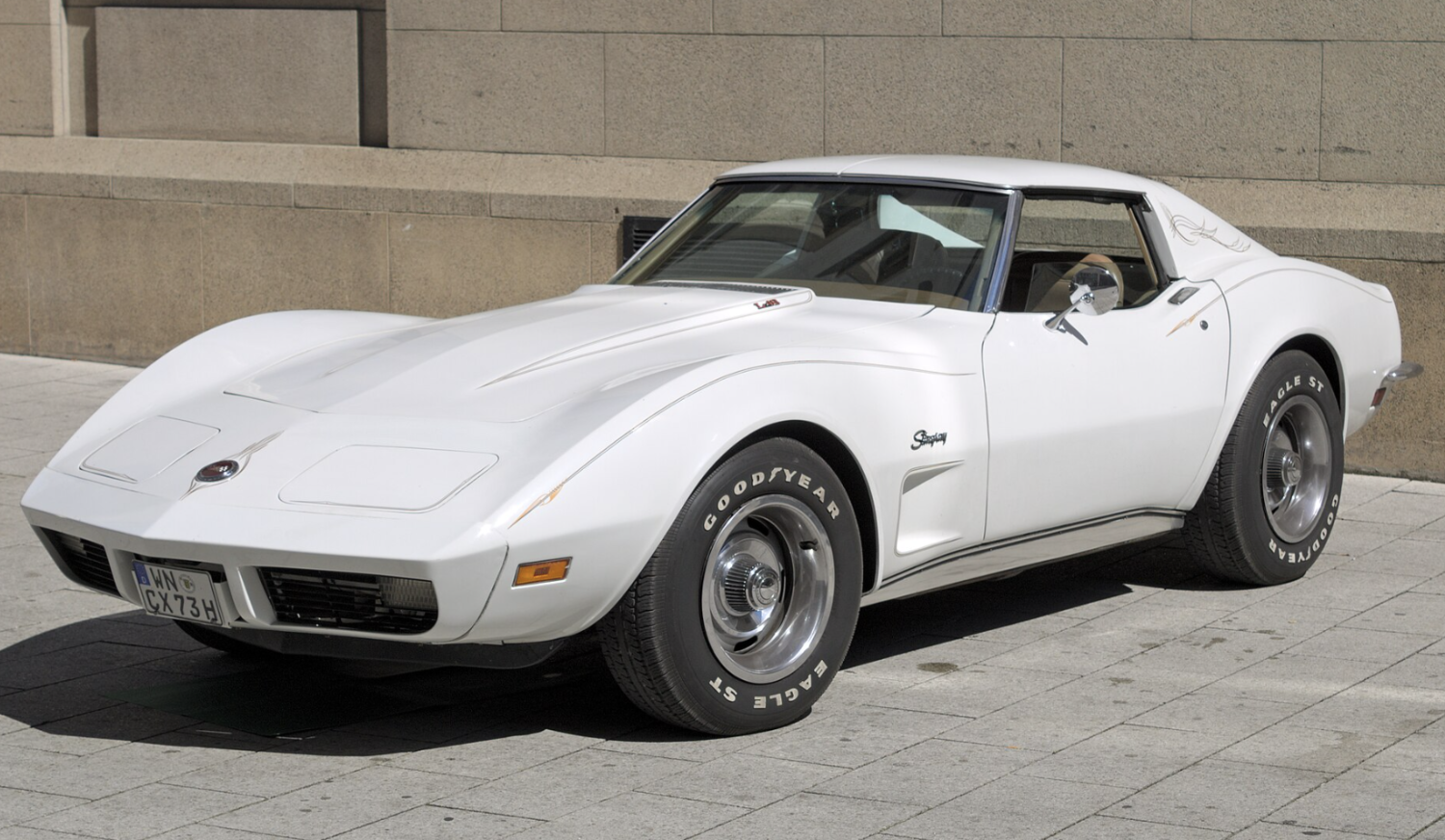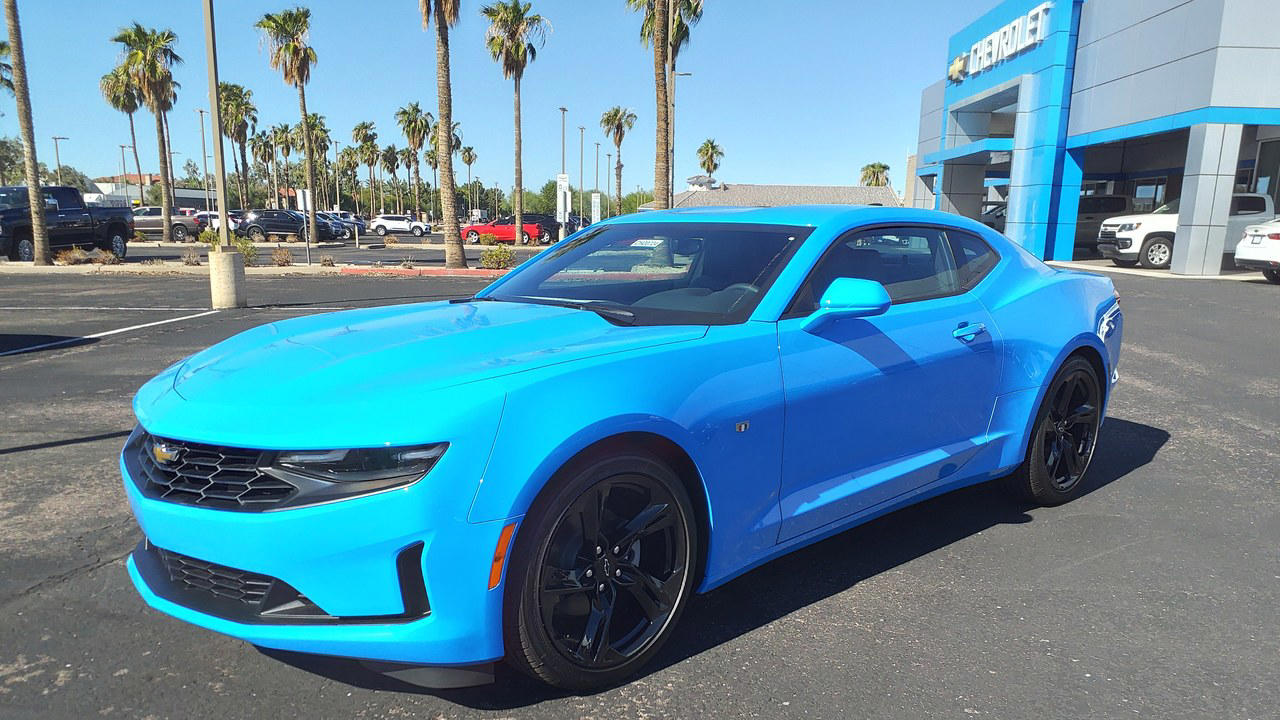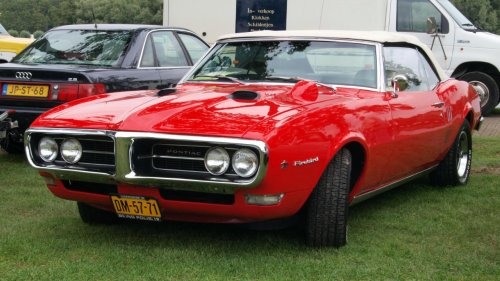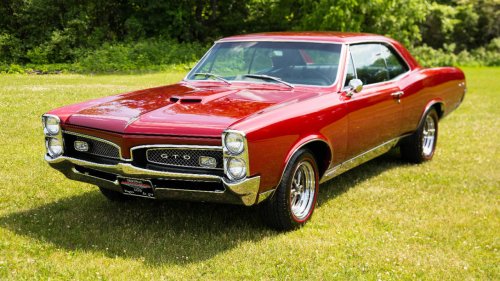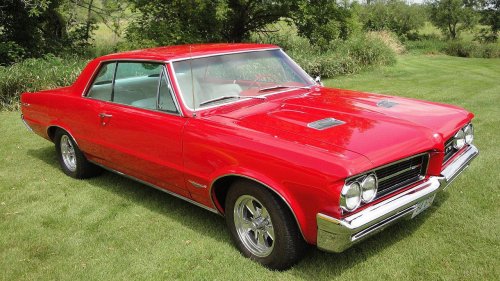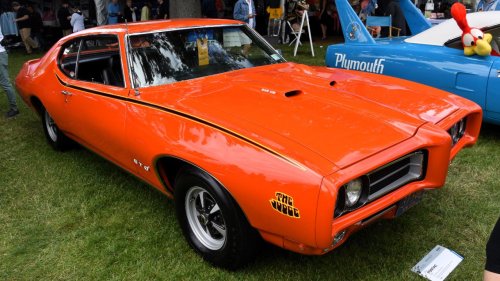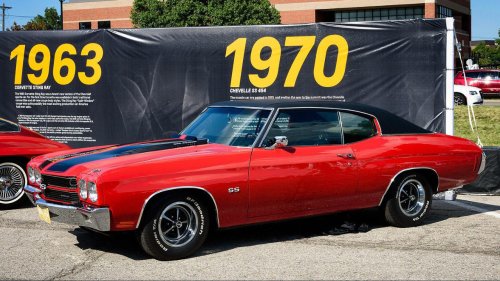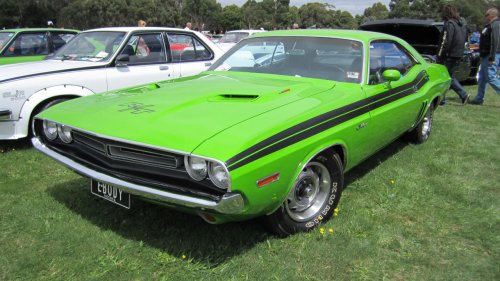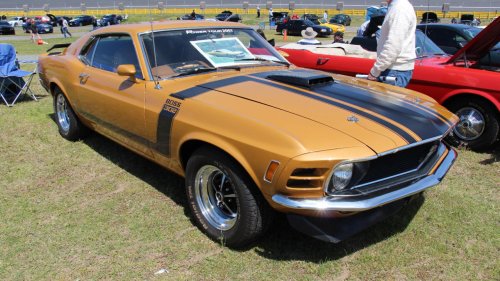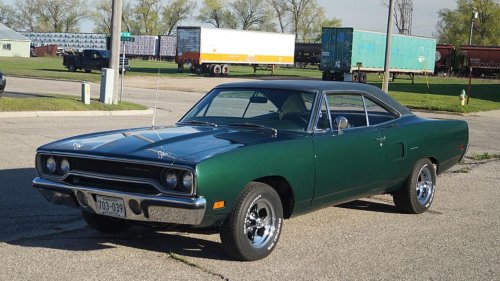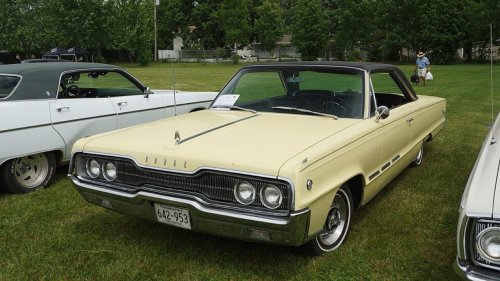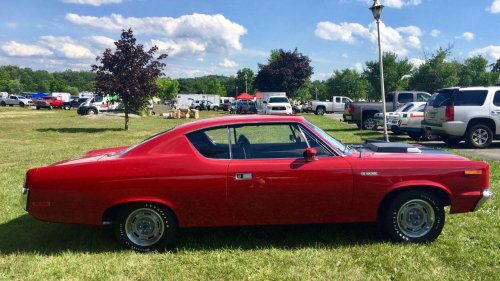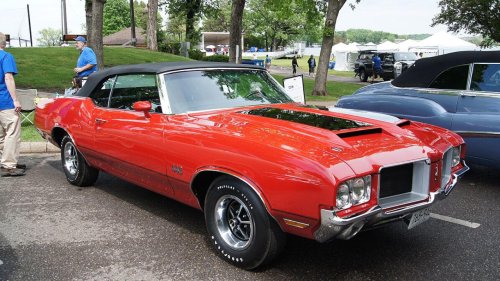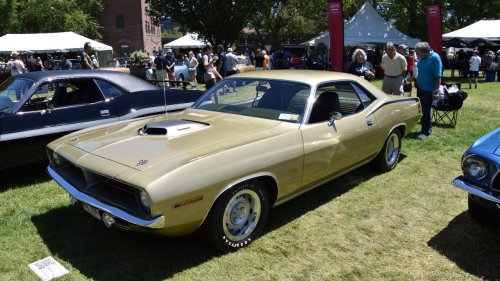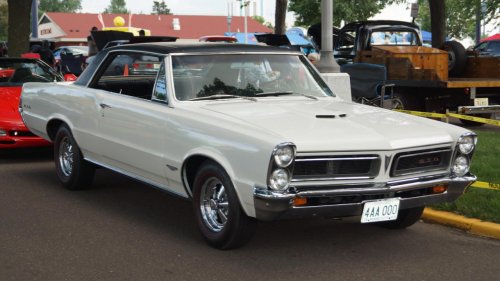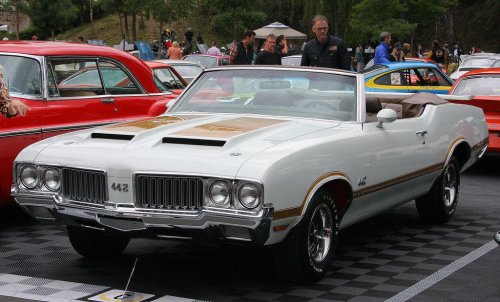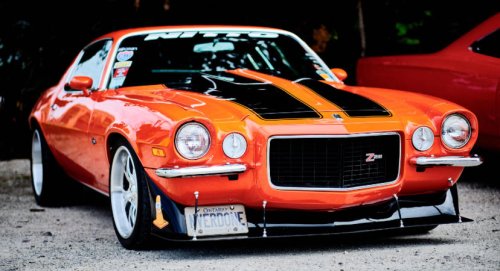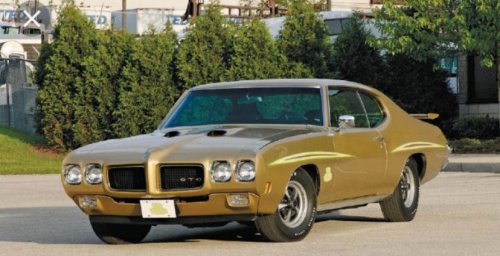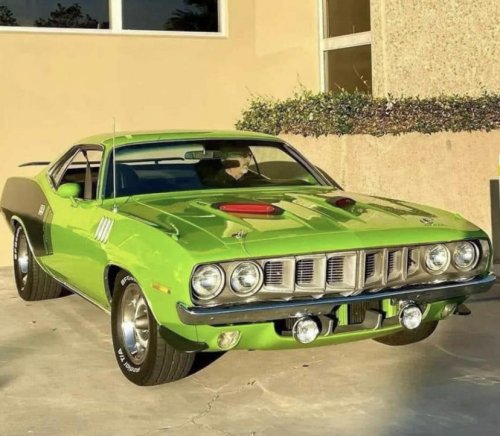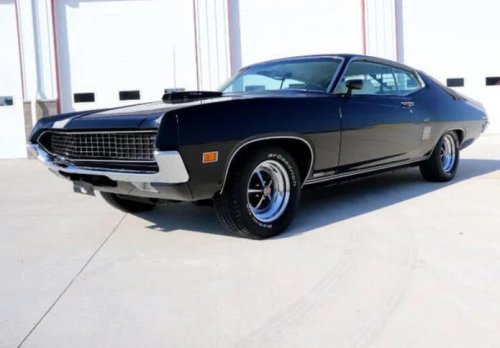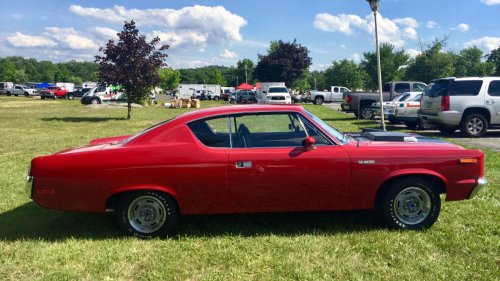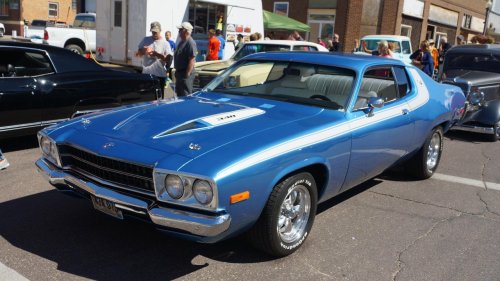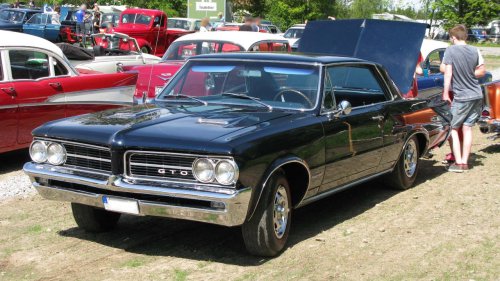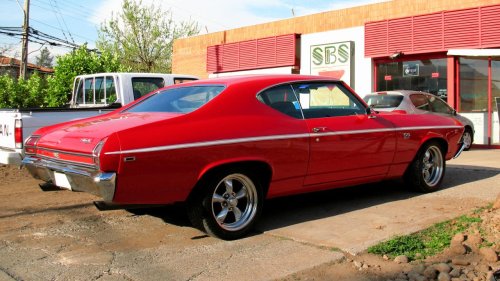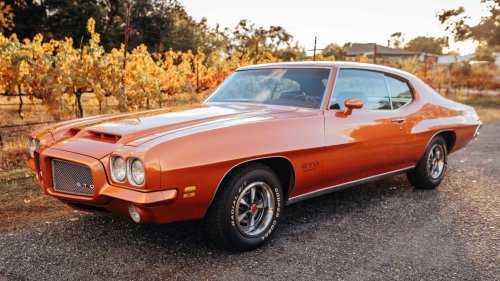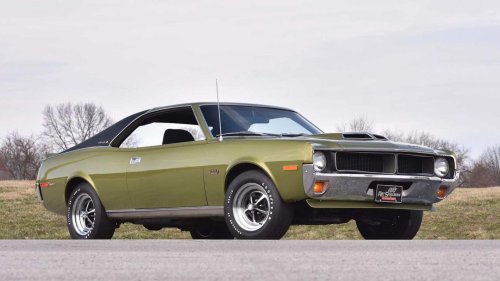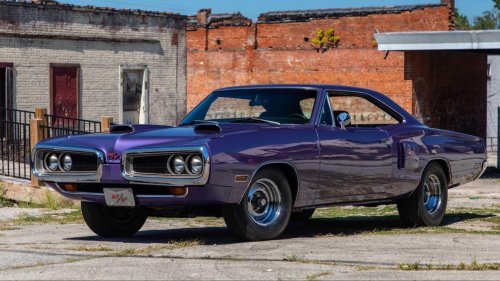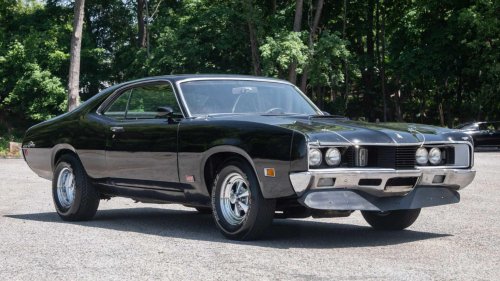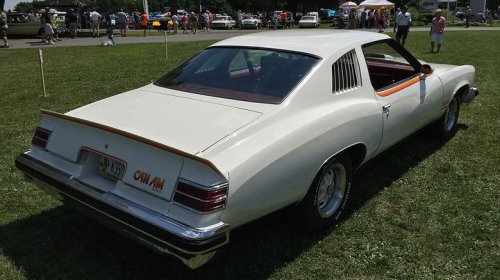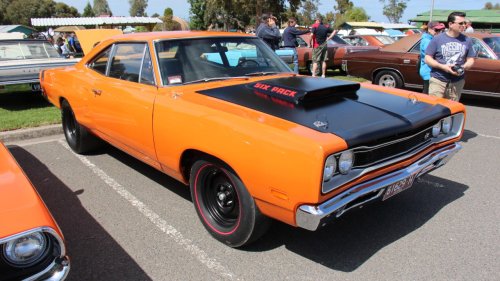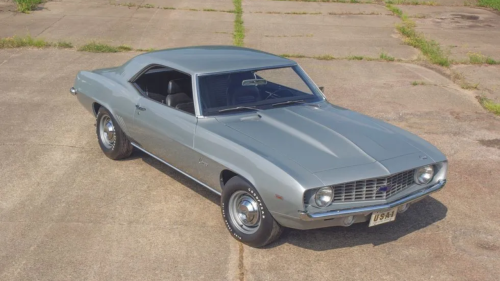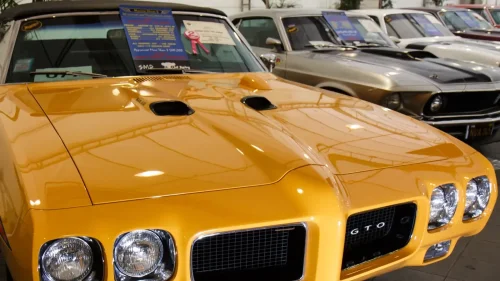
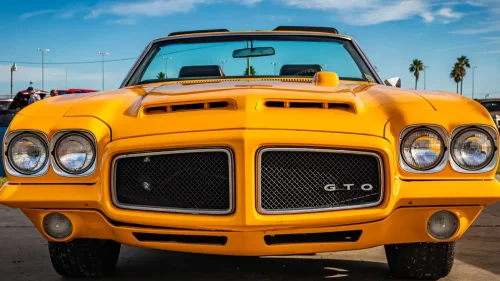
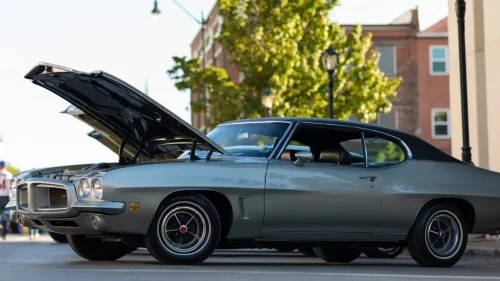
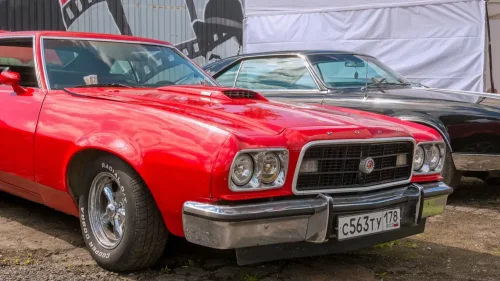
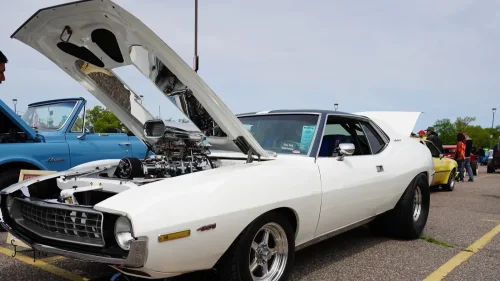





















Muscle cars that looked fast but were weak thenMuscle cars once promised speed and loud engines. Emissions rules, added weight, and cost cuts changed many models in the 1970s and later. This list shows cars that kept bold looks but lost real performance. Let's start with 1970s Pontiacs and big cars that looked tough but had weak engines. Each names a model year, the look, and the performance shortfall.1974 Pontiac GTO looked fast but had weak powerThe 1974 Pontiac GTO used a Ventura body. It kept a strong look but lost engine power because of the 1970s emissions rules. Engineers removed or limited engine parts to meet rules. Owners noticed less horsepower and slower acceleration in 1974. It looked like a GTO on the outside, but did not have earlier V8 power. Buyers and fans were disappointed by the drop. 1972 Pontiac GTO 455 looked bold but ran slowerThe 1972 Pontiac GTO 455 carried a big badge. It looked powerful with a large engine number. The 1972 GTO’s 455 HO used lower net ratings, but real-world tests still showed strong performance for the time (mid-14-second quarter-miles and 7-second 0–60 in well-optioned cars). Many owners found acceleration unimpressive. The car’s weight reduced the launch speed.1972 Ford Gran Torino Sport 429 slowed by bulk.The 1972 Ford Gran Torino Sport 429 looked massive and heavy. The car’s style made it seem like a muscle machine. In practice, the weight hurts acceleration and cornering. The heavy body meant the engine could not move the car fast in 1972. The Sport 429 badge promised power, but mass canceled it. Owners reported slow quarter miles and weak starts. Tests showed long times compared to rivals in 1972. 1972 Oldsmobile 442 Rocket 350 did 0-60 in 10.4The 1972 Oldsmobile 442 came with Oldsmobile’s Rocket 350 engine. The car carried the 442 badge but took 0 to 60 mph in 10.4 seconds. That was slow for a muscle label. Owners said the launch felt sluggish on regular roads, too. The fancy decals and the 442 name drew buyers, but did not hide the weak acceleration. The car’s looks were more show than speed. 1974 AMC Javelin AMX looked hemi but ran weakerThe 1974 AMC Javelin AMX had bold spoilers and sporty trim. AMC styled the AMX with spoilers and scoops, but most ’74 cars carried 360 V8s (175–195 hp net), so straight-line pace depended heavily on the spec. The styling suggested speed and use. In real driving, the engine and setup did not give the quick acceleration buyers expected. Owners said the Javelin’s badges and scoop were mainly cosmetic. The car felt slow and handled poorly compared to real performance cars. AMC’s design choices favored looks over acceleration1979 Dodge Magnum looked big but took 11s to 60The 1979 Dodge Magnum looked big and heavy. It used more sedan parts than race gear. Road tests timed it at over 11 seconds to reach 60 mph. When fully loaded, acceleration took even longer and felt slow. Dodge marketed the Magnum with comfort and space instead of race performance. Buyers who expected fast starts were disappointed. The heavy setup and mild engines explained the slow runs.1974 Ford Mustang II kept looks but lost powerFor 1974, Mustang II launched without a V8; buyers chose a 2.3-L I4 or 2.8-L V6 (the V8 returned for 1975). Emissions rules and fuel needs forced smaller engines and weak tuning. The result was a lighter, slower car that looked like a Mustang. Many fans called it a failure in 1974. Ford sold Ghia trim with smaller engines on some Mustang II cars. Many versions are aimed at comfort, not speed. That left the Mustang name weak.1976 Plymouth Volare Road Runner looked weak yetThe 1976 Plymouth Volare Road Runner had decals but weak performance. Plymouth used the Road Runner badge on the Volare body. Fans expected strong speed, but the 1976 model did not deliver. The poor reception helped end the Road Runner name four years later. The Volare Road Runner showed that badges could not hide weak power. Plymouth later tried retro moves, but the brand fell. The 1997 Plymouth Prowler copied old hot rod looks. Critics faulted the Prowler for using a V6 and no manual, yet the 1997 model still ran 7.2 s 0–60.1997 Plymouth Prowler had retro looks but lackedThe 1997 Plymouth Prowler used a retro hot rod look with open front wheels and body. People noticed its odd styling. The design got attention, but the car’s engine and chassis did not match the hot rod image. Buyers said performance felt weaker than promised. The Prowler did not deliver a retro car's expected power or finish. Reviewers said the bodywork felt cheaper than promised, and the performance disappointed buyers. Plymouth’s lineup shrank, showing a decline in brand. 1982 Chevrolet Camaro looked weaker than beforeThe 1982 Chevrolet Camaro arrived after the oil crisis. The redesign did not satisfy fans. Its engine output and tuning were down from earlier years. Many buyers said the 1982 model felt less potent on the road and slower in tests than before. GM trimmed engines and focused on economy in the early 1980s. The Camaro moved toward comfort over track speed and lost the old bite.