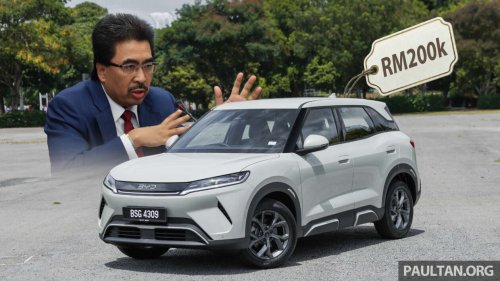
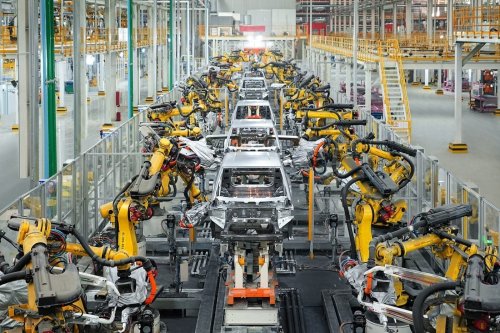
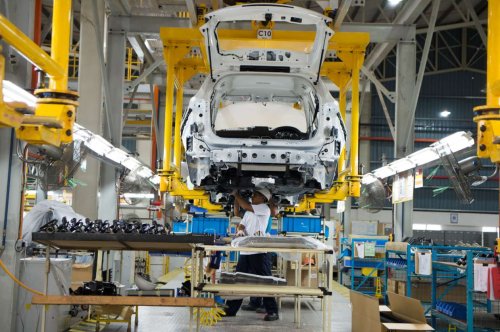
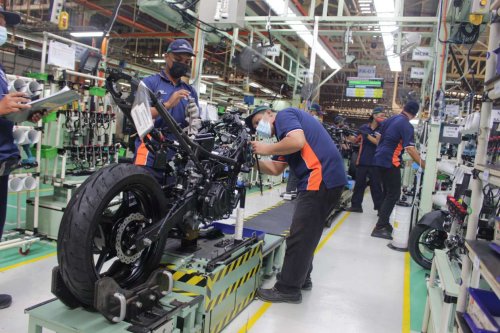
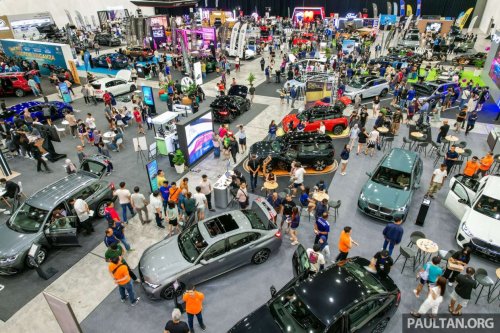
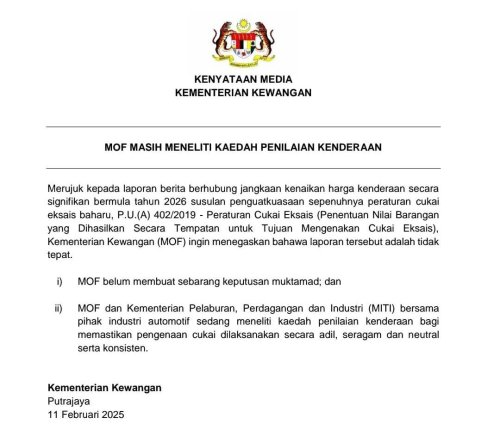
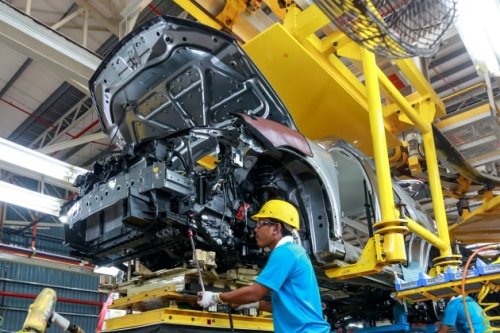
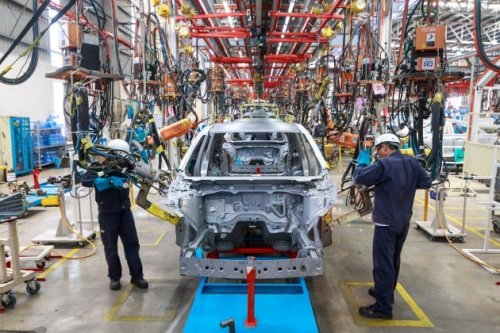
Should there be no further move to defer it yet again, the open market value (OMV) excise duty revision, or the PU(A) 402/2019-Excise Tax Regulations (Determination of Value of Locally Produced Goods for Excise Tax Purposes), will finally be implemented in January 2026. As reported previously, its introduction has implications on the pricing of locally-assembled CKD cars and motorcycles. Gazetted on the last day of 2019, the ‘402’ stipulates a new methodology of calculating a CKD vehicle’s OMV, which influences how much tax is to be paid and therefore, its selling price. The OMV is defined as the final market value of a CKD vehicle ex-factory, before the government imposes excise duties on it, and is primarily made up of the cost of the CKD pack, cost of manufacturing and components as well as assembly and administration charges. The revision seeks to introduce additional calculations to the equation, expanding excise duties to include non-manufacturing costs such as the sale aspect of a vehicle as well as associated elements such as marketing, administrative expenses and profit. Doing so will naturally increase the price of a CKD vehicle in the process. Of course, the effects of OMV/402 have never been felt, as it has been deferred since it was first gazetted. The regulations were supposed to come into force in 2020, but 22 days into that pandemic year, MAA announced that the finance ministry had deferred implementation to 2021. By end-2020, it was deferred again, and MAA appealed to the government in 2022 for continued deferment, which was successful, with a two-year deferment granted until December 31, 2024. The latest postponement runs until December 31 this year, but that looks to be it, because it looks set to be implemented. As of last month, the indication from the government was that the plan was still on track, but there remains no update about the matter. With just a couple of weeks left before the year ends, the question is, will everything get to the tape on time, or will there yet be another extension? At this point, its introduction still looks to be on the cards, according to Malaysian Automotive Association (MAA) president Mohd Shamsor Mohd Zain. Restating what he said in July, the OMV/402 will be implemented as planned, but it will incorporate a new method that will minimise its impact. “The government is still in the process of finalising the mechanism, and has indicated that there will be very little or no impact to pricing,” he told paultan.org in response to a query on the matter. The latter is pertinent, as the fear has been that prices would increase as a result of the excise duty revision, with the initial suggestion from the industry being a potential 10% to 30% increase in CKD prices. However, the finance ministry denied that this would be the case back in February. This was reiterated by deputy finance minister Lim Hui Ying last month, when she said that the country was identifying ways to curb potential car price increases once the new regulation takes effect, saying that “the government will take mitigation measures to minimise the impact on the public.” default Asked how minimal the effect on pricing will be, Shamsor said that nothing has been indicated yet. “That’s what they are doing, calculations and finalising things, and that’s what we are waiting for,” he said. As to whether the revision will have an adverse effect on CKD production, Shamsor believes that there will be very little impact, as well as on sales. “The government has been promoting local production and is also always looking out for local investment, so they are not going to create something that will hamper the business,” he said. Meanwhile, Malaysia’s planned move away from ‘Customised Incentives’ to a fixed and fairer New Customised Incentive Mechanism (NCM), which was supposed to have happened in October, is still on the cards. “From the information we have gotten, it will be coming soon, but we haven’t got the exact date yet,” he said. The answers to all these, soon, hopefully. Compare prices between different insurer providers to save the most on your car insurance renewal compared to other competing services. Many payment method supported and you can pay with instalment using Grab PayLater or Shopee SPayLater.




















 +56 others