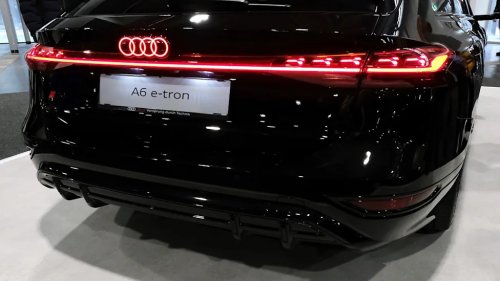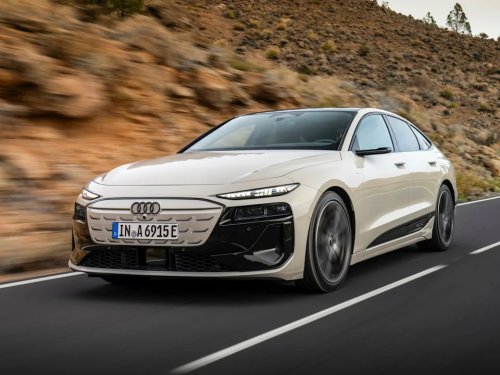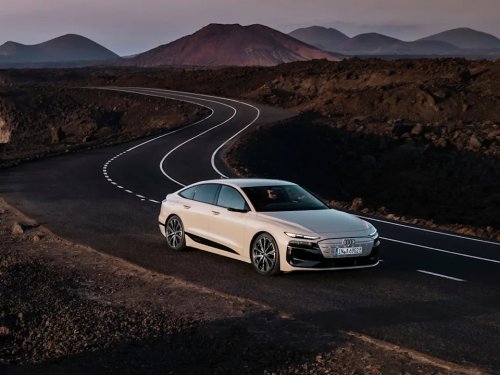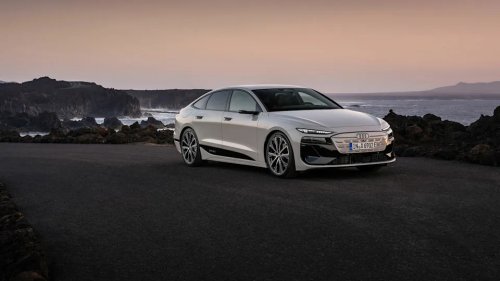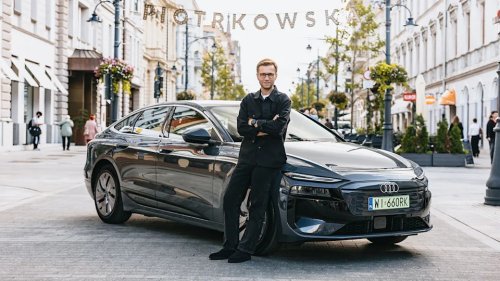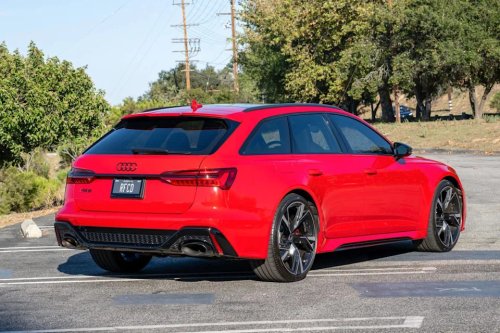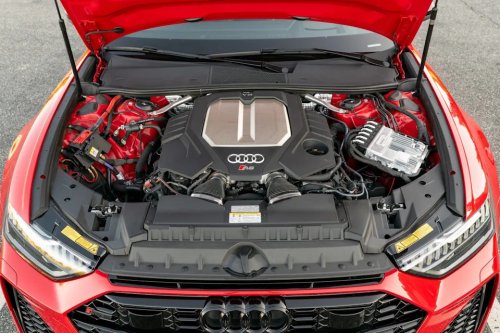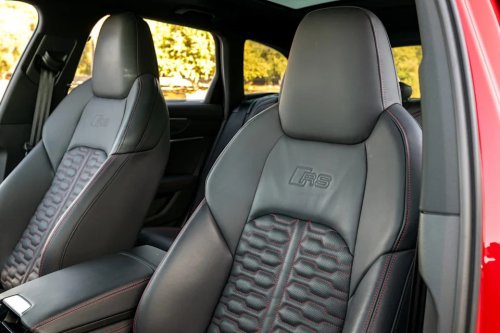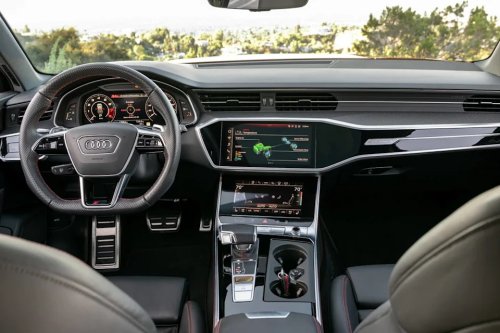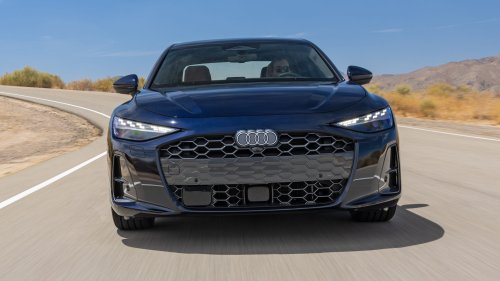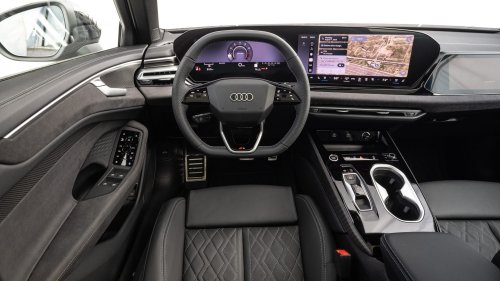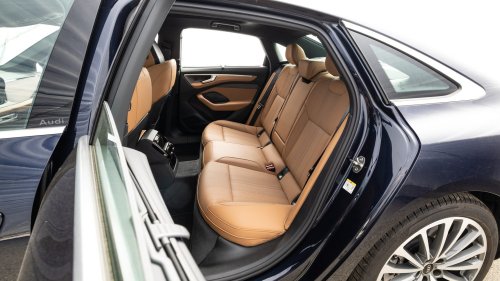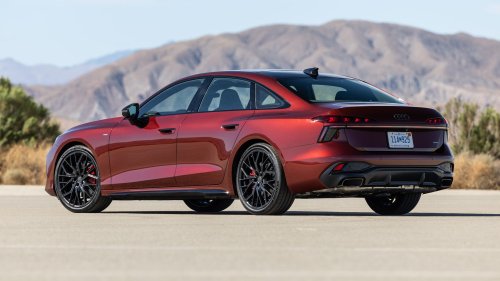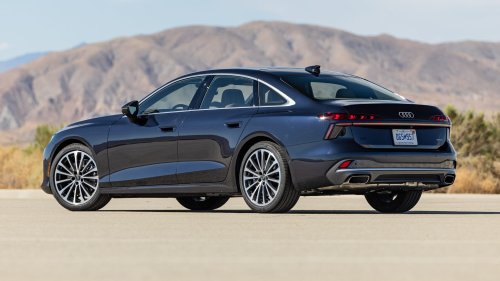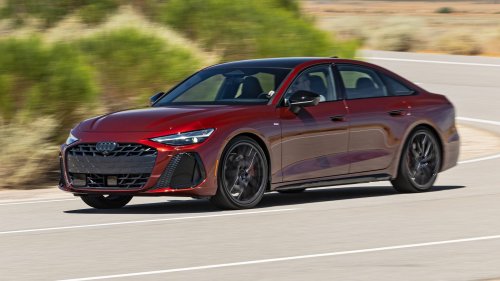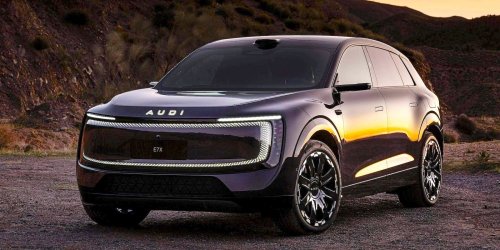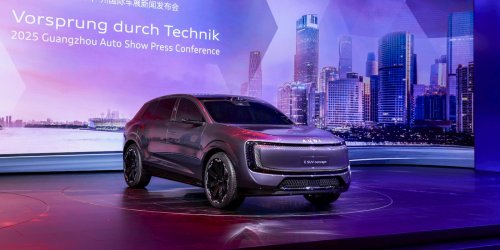



















Audi CEO insists gas engines will survive deep into the 2030sAudi is no longer treating the internal combustion engine as a sunset technology on a fixed schedule. Instead, the company’s leadership now argues that gasoline power will remain part of its business well into the 2030s, particularly in markets where electric vehicle adoption has slowed or remains uncertain. That stance puts Audi at the center of a broader industry rethink over how fast the shift to battery power can realistically proceed while keeping customers, regulators, and investors on side. At the heart of this shift is Audi’s chief executive, who has moved from earlier talk of a hard cutoff for combustion engines to a more flexible, market-driven approach. His message is that the company will keep investing in internal combustion technology, including hybrids and plug-in hybrids, for as long as buyers and regulations allow, even as it continues to roll out new electric models. A CEO betting on a longer life for gasoline The architect of Audi’s new stance is its chief executive, Gernot Döllner, who has publicly argued that combustion engines still have a commercial future. In a detailed interview, he stated that gas engines would remain part of Audi’s portfolio well into the 2030s, at least in the United States, where consumer demand for electric vehicles has been more volatile than early forecasts suggested. According to reporting on those comments, Döllner sees internal-combustion-based platforms as a necessary hedge in an uncertain market for zero-emission vehicles, rather than a relic that must be abandoned on principle. Döllner has also framed this strategy as a response to lessons from both the United States and China, where Audi has watched premium buyers gravitate toward a mix of technologies instead of moving in lockstep to battery-only products. In coverage of his remarks about learning from the U.S. and Chinese markets, he argued that this step was taken so that Audi remains competitive without having to sacrifice massive investments in technology that may not be fully amortized if the company rushed into a 100 percent electric lineup. One report on those comments explained that a step was taken so that Audi can protect its brand identity going forward, with a portfolio that still includes advanced electrification and hybrids rather than only battery-electric models. From fixed cutoff to flexible timelines Audi had previously set out one of the industry’s most aggressive end dates for combustion, originally committed to ending internal combustion engine (ICE) production by the early 2030s and moving to an EV-only range. That plan has now been softened. Internal communications and enthusiast reporting describe how Audi was originally committed to ending ICE production but has reconsidered the end date for gas-powered models after watching EV demand plateau in several regions. According to one detailed account, the company acknowledged that it had originally beencommitted to production but now intends to keep combustion engines in the lineup for longer alongside its e-tron electric mobility push. The formal rethink gathered pace by mid 2025, when Audi publicly signaled that earlier cutoff dates were no longer realistic. On June 19, 2025, the company’s change in direction was laid out for brand loyalists, with officials explaining that although Audi had once promoted a firm deadline, it would instead manage a gradual transition that keeps gasoline and hybrid offerings available where they make sense. Reporting on that message from June 19, 2025, described a brand that still talks enthusiastically about e-tron models and electric mobility, yet now pairs that language with explicit references to an extended ICE runway. Reversing the EV-only dream The most striking element of Audi’s pivot is the explicit abandonment of a previously advertised all-electric deadline. Analysts describe how the company has dramatically reversed course on its ambitious electrification roadmap, with one report stating that Audi Dumps 100% Electrification Plans, Petrol Engines To Live On, and detailing how management has revived ICE development after seeing deliveries fall 21.3 percent in some markets. That account of how Audi Dumps 100% makes clear that the decision was driven by concrete sales pressure rather than abstract ideology, particularly in regions where charging infrastructure and incentives have lagged expectations. Specialist coverage of Audi’s strategy adds that the company has now formally abandoned plans to end ICE production and go EV-only in 2032, with internal sources confirming that combustion engines will be kept alive beyond that date. One widely cited analysis explained that Audi Will Keep 2032 and that the brand will continue to launch updated petrol and hybrid powertrains well into the next decade. A separate report on Audi’s product cadence described how the company will build ICE cars for another decade, with executives stating that they will remain flexible in terms of ICE at least for that period and pairing that stance with a continued rollout of e-tron electric models. Balancing regulation, markets, and model strategy Audi’s repositioning on combustion engines is not a retreat from electrification so much as an attempt to balance regulation with real-world demand. In Europe, Döllner has publicly supported the 2035 European Union ban on internal combustion engines while still insisting that Audi combustion engines will stick around for a while in segments and regions where plug-in or battery-electric options are not yet viable. One analysis of that stance noted that Audi Combustion Engines has been around for a while, even though Döllner supports the 2035 EU decision, which signals that the brand expects substantial hybrid and plug-in hybrid volumes in the run-up to the regulatory cutoff. At the product level, Audi is threading this needle by planning high-profile models that combine combustion power with electrification. Reporting on the future 2027 Audi RS5, for example, explains that the car will adopt plug-in power and that executives have used the project to reiterate that Audi CEO Says Gas Engines Have Future Well into the 2030s, at Least in the U.S. That same coverage notes that Audi CEO says a Future, with performance-oriented plug-in hybrids positioned as a bridge between traditional petrol models and fully electric RS variants. In parallel, Audi has described what it calls the largest product campaign in the company’s history, centered on new electric SUVs such as the Q6 e-tron, while also reaffirming that its U.S. production timelines will accommodate both EVs and combustion-based vehicles as long as regulations allow. More from Fast Lane Only Unboxing the WWII Jeep in a Crate 15 rare Chevys collectors are quietly buying 10 underrated V8s still worth hunting down Police notice this before you even roll window down