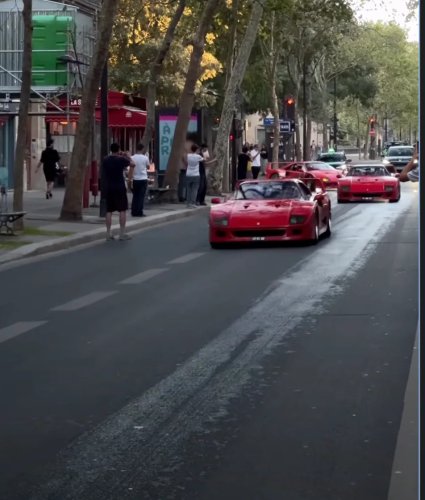
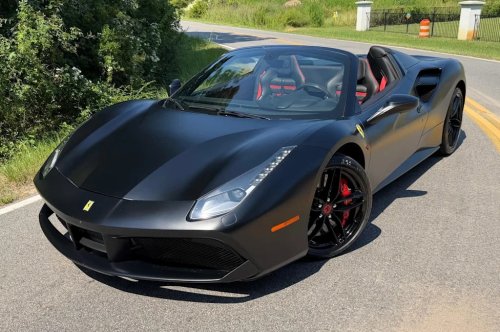
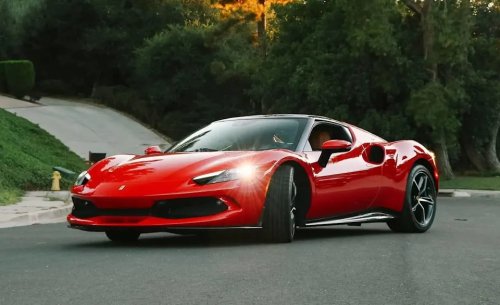
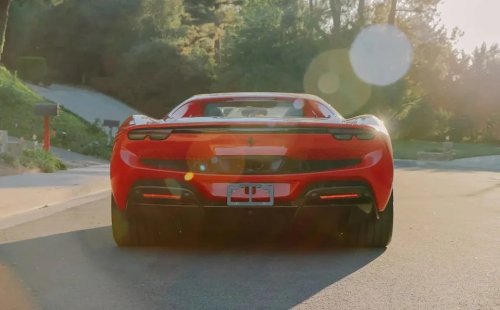
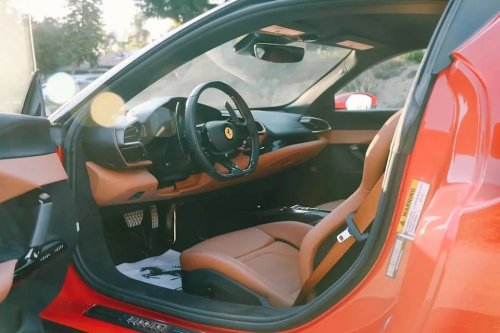
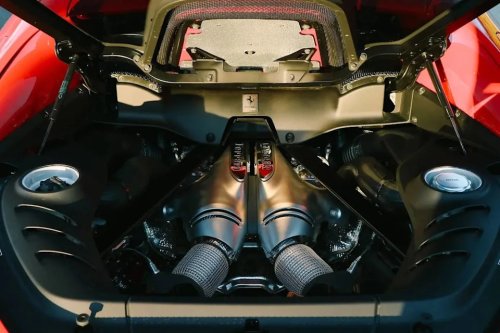
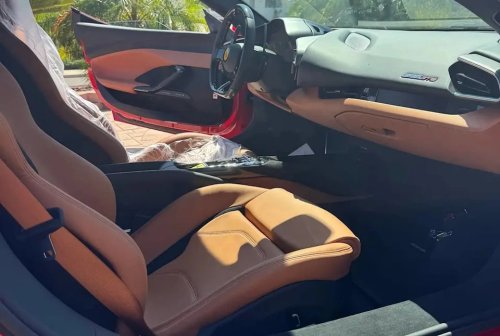
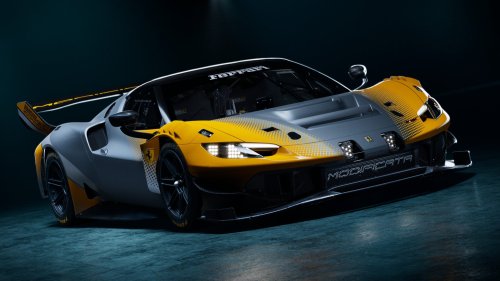
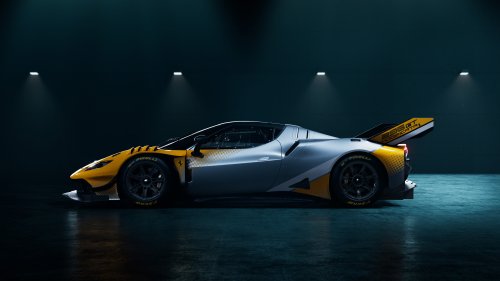
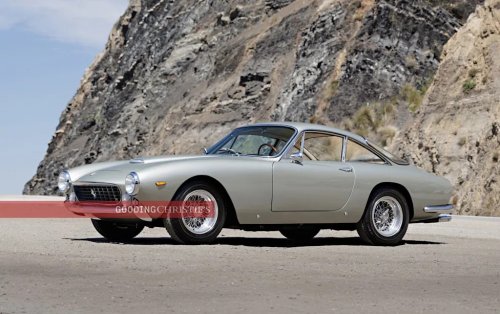
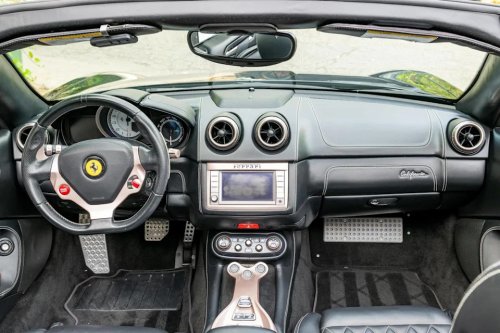
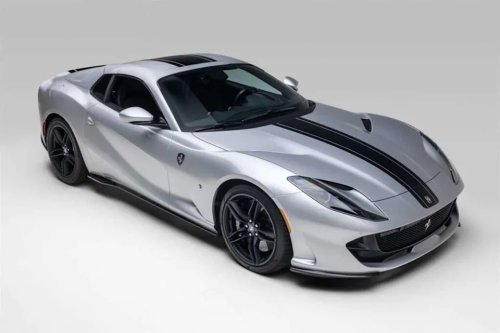
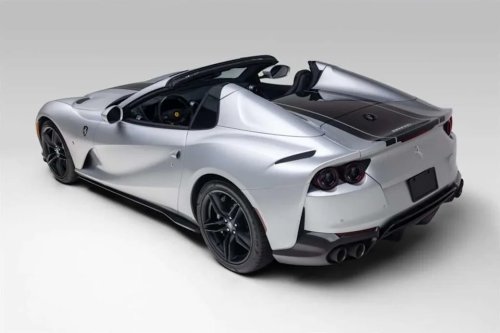
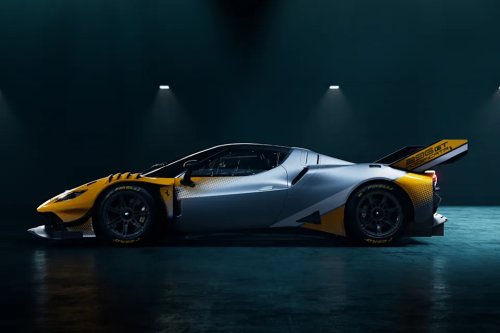
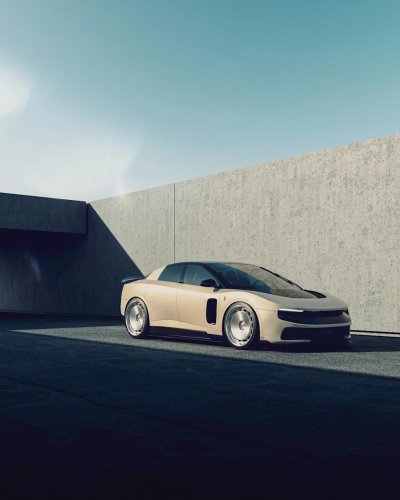
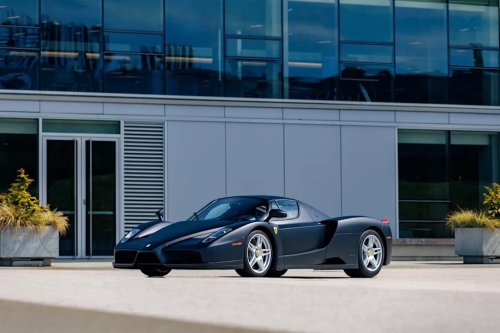
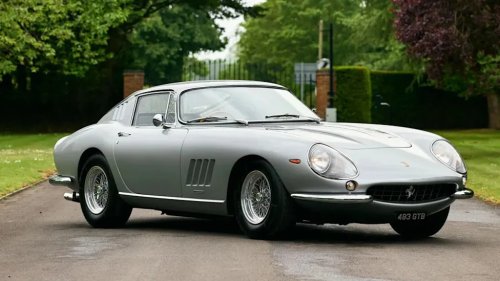
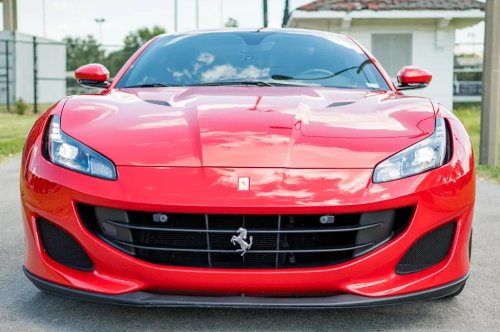
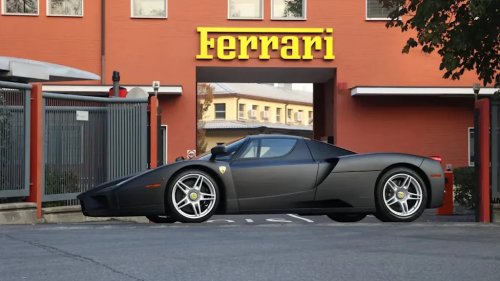
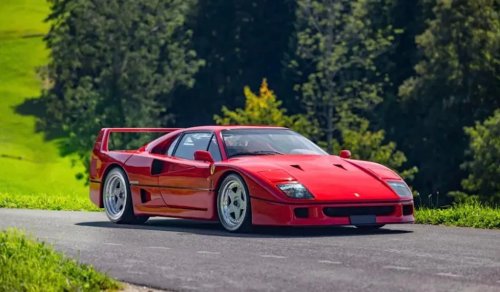
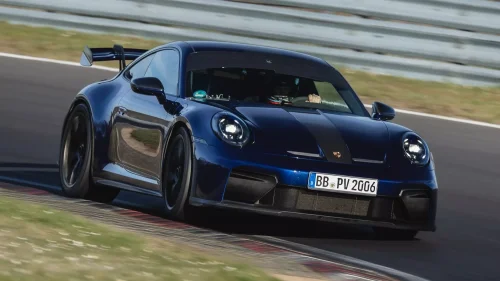
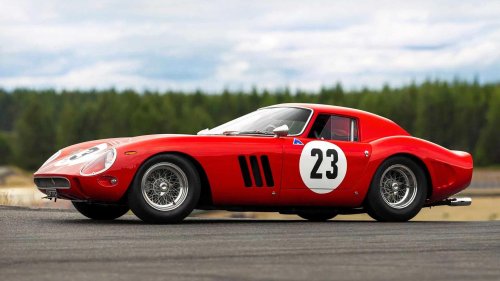
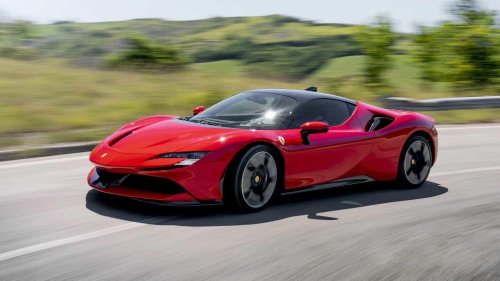
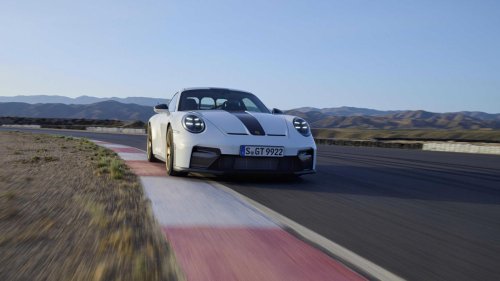
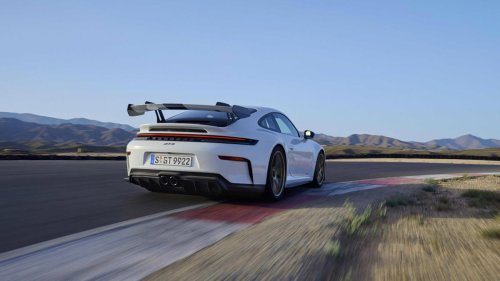
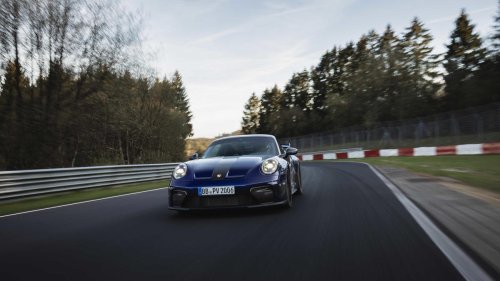
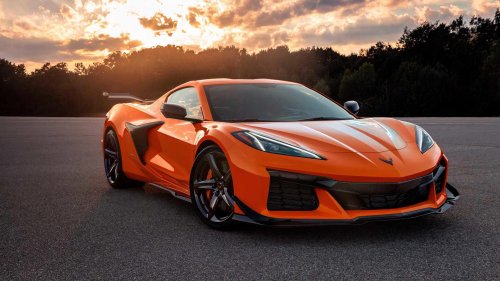
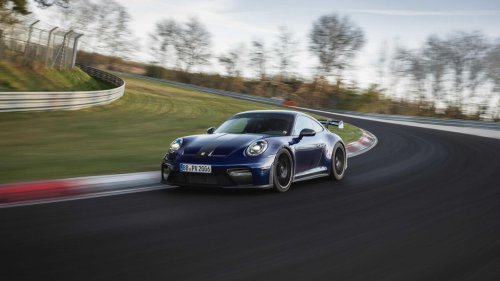
Many people operate under the belief that buying any Ferrari is a guaranteed investment, often comparing these cars to holding and appreciating like a Rolex high-end watch. It is true that legendary models such as the F40, F50, Enzo, or the incredibly rare 250 GTO act as automotive royalty, consistently commanding multi-million prices.However, these select few represent the exception rather than the rule. In reality, most modern production Ferraris follow a standard and often steep depreciation curve similar to other luxury vehicles. While limited-run specials can certainly appreciate, the average model loses value quickly. Surprisingly, there are specific modern performance cars that serve as far better stores of value than the typical Ferrari, defying conventional market wisdom. The Depreciation Curve Of Modern Ferraris RM Sotheby's Ferrari has long maintained an image of extreme exclusivity, often built on the founder’s famous principle of building one fewer car than the market demands. However, recent years have seen a noticeable shift toward higher production numbers to support shareholder growth. Models like the Roma, 296 GTB, and SF90 are now produced in higher volumes. Ferrari has fundamentally changed the supply-demand balance, which inevitably cools resale interest. When there are enough cars to go around, the urgency for collectors to pay a premium for a used model simply evaporates.This strategy has led to a harsh reality for many owners: the end of the new car tax. Historically, buying a brand-new Ferrari was often treated as a zero-cost hobby, where the owner could drive a dream car for a few years and sell it for what they paid. That may be true for limited-edition models like an 812 Competizione, or a 488 Pista Spider. However, that era has largely passed for series-production models.Ferrari The SF90 Stradale serves as the most painful example of this transition. Currently, the Ferrari SF90 Stradale is experiencing a steep market decline, with some flagship models losing over $300,000 in just a few years. Over the last year, SF90 values dropped 15.5 percent, while Spiders fell 11.7 percent, a stark reality for a brand defined by exclusivity.This downturn is largely driven by buyer hesitation regarding the vehicle's complex plug-in hybrid powertrain. Concerns over long-term battery reliability and technical overhead are pushing buyers back toward the mechanical purity of older, non-hybrid Ferraris.In contrast, traditional internal combustion models are thriving. The F8 Spider remains relatively stable, while analog icons like the 458 Speciale have surged in value by over 40 percent. The message from the market is clear: collectors prioritize the raw, visceral experience of a pure engine over the technical sophistication of electric motors and batteries. The SF90’s heavy depreciation may soon make it one of the most difficult Ferraris to justify financially. Modern Used Ferrari Market Value Ferrari Roma - $219,470 Ferrari 296 GTB - $306,050 Ferrari SF90 Stradale - $477,222 The Porsche 911 GT3 (992.1): The Market Benchmark Via: Porsche The Porsche 911 GT3 stands out as a unique anchor in a rapidly changing automotive landscape. While the rest of the industry races toward hybridization and forced induction to meet tightening regulations, Porsche has kept the GT3 true to its roots. The 992.1 generation is defined by its high-revving, naturally aspirated flat-six engine. This mechanical purity provides a raw, unfiltered connection between the driver and the road that is becoming increasingly rare. In a world where performance is often achieved through complex software and turbochargers, the GT3 remains a celebration of traditional engineering, offering a linear, spine-tingling power delivery that builds all the way to a 9,000 rpm redline.Via: Porsche Beyond its engine, the GT3 is widely considered the enthusiast holy grail because of its dual personality. It is aggressive and capable enough to shatter lap times on a demanding racetrack, yet it remains genuinely usable on public streets. Porsche has mastered the balance between track-focused precision and everyday comfort, ensuring the car never feels like a burden during a weekend drive. This rare versatility keeps demand perpetually high. Because it occupies a niche that few other manufacturers are willing or able to serve, the GT3 maintains a strong secondary market. Enthusiasts who missed out on initial dealer allocations are often happy to pay a premium for the chance to own a vehicle that offers such a distinct, visceral driving experience in an increasingly digital world.Today, the average market value for a 992.1 911 GT3 sits at $264,247 on Classic.com. When you consider that many of these cars left the showroom with original MSRPs significantly lower, the data underscores why this model remains a financial outlier. While the initial wave of dealer markups has largely corrected, the car’s ability to consistently command values near or above its original sticker price proves that it is not just a high-performance machine, but a remarkably stable store of value in the volatile landscape of modern sports cars. Three Pillars Of 911 GT3 Valuation Via: PorscheThe valuation of a Porsche 911 GT3 rests on three primary factors that protect its standing in the market. First is the difference between the sticker price and the actual transaction price. During the post-pandemic years of 2021 through 2023, high demand led to massive dealer markups, where buyers paid significantly above the suggested retail price to jump the line. While the market has since corrected and softened, this period established the model’s intense desirability. Today, the market is much healthier and more stabilized, but the GT3 remains a financial outlier compared to almost any other luxury sports car.Second, Porsche utilizes a disciplined approach to production and allocations. By controlling the number of cars released to dealers, the manufacturer ensures that supply never floods the market. This policy, combined with the perception that the naturally aspirated GT3 is the last of its kind, protects the floor value of the vehicle. Owners can feel secure knowing that the car is unlikely to suffer from the same oversupply issues currently plaguing high-volume luxury brands.Finally, the current economic landscape has led to a normalization of prices. While the extreme hype has faded, the 911 GT3 has resisted the heavy depreciation seen elsewhere. The GT3 acts as a benchmark because it proves that a car with a clear purpose, a limited supply, and a dedicated enthusiast following can hold its value effectively even when the broader economy softens. It is not just a car; it is a stable asset in a volatile market. What Affects 911 GT3 Values Today Dealer markups Controlled production Recent Market Correction The Corvette Z06 Strategy: Performance For The Masses Chevrolet The Chevrolet Corvette Z06 changes the game by offering power that rivals cars costing three or four times more. For many enthusiasts, this represents a unique value king paradigm. While a Ferrari carries a massive price tag due to its luxury status and limited production, the Z06 delivers track-shaming performance at a fraction of the cost. This makes the driving experience accessible to a much larger group of people who want supercar speed without the extreme financial barrier. In fact, KBB classifies the Corvette and the 911 as the sports cars that hold their resale values the best over 5 years.However, accessibility acts as a double-edged sword. Because Chevrolet produces more Corvettes than a boutique manufacturer like Ferrari or a specialized model like the Porsche GT3, the market is not as restricted. Higher production numbers naturally lead to more cars available on the used market, which can make the Z06 more susceptible to depreciation. Yet, this same high volume creates a massive, active community of buyers. Unlike rare exotics that may sit in collections, there is always a line of eager enthusiasts waiting to buy a Z06, which helps stabilize its long-term value.Ultimately, we see a wait and see effect with the Z06. While it is not immune to general market dips, its performance-per-dollar ratio provides a strong safety net. Owners rarely face the same catastrophic luxury-tax depreciation seen with ultra-high-end exotics. Because the entry price is relatively reasonable, the Z06 remains a reliable harbor for those who prioritize raw track capability and pure driving excitement over pure asset speculation. Is Value Retention The Same As An Investment? Via: Porsche It is easy to get caught up in tracking the market value of your garage, but it is important to be clear about what you are buying. Cars like the Porsche 911 GT3 and the Corvette Z06 are exceptional at preserving capital compared to standard luxury vehicles. They hold their value because they are engineered as high-performance tools rather than just status symbols. However, you should view them primarily as machines for your personal enjoyment, not as speculative financial assets. While a rare car might occasionally pay off, treating your garage like a stock portfolio is a quick way to lose the joy of driving.The best car is the one you actually feel comfortable using. Whether you are taking it to the track on a weekend or enjoying a spirited drive on a back road, the value is found in the time spent behind the wheel. When you stop obsessing over auction sites every morning, you reclaim the true purpose of a sports car. If you buy a vehicle for the genuine thrill and driving experience, any money you get back at the end of your ownership is just a bonus. Think of value retention as the cherry on top, but make driving it the main event of your ownership journey.Sources: Porsche, Classic, Autofolio, Fourwheel Trader via YouTube



















 +31 others