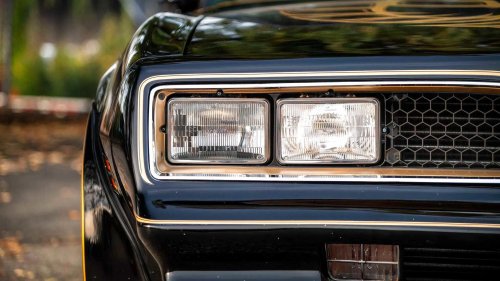
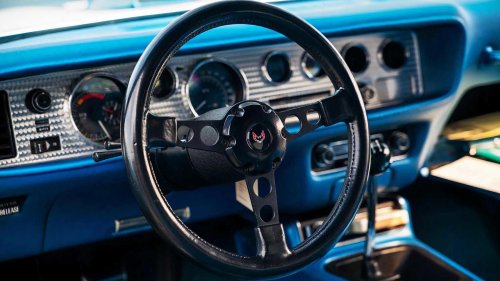
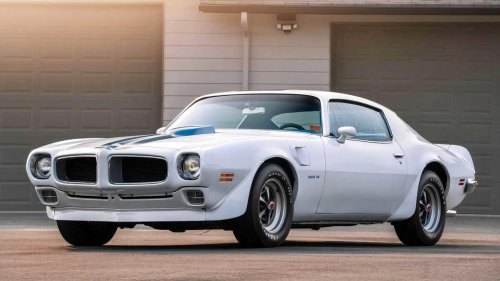
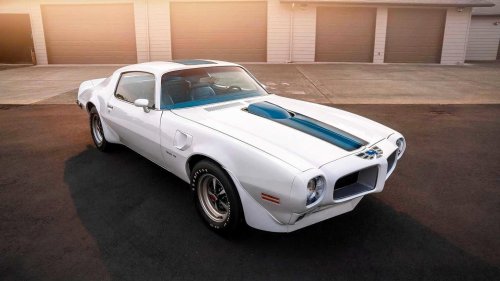
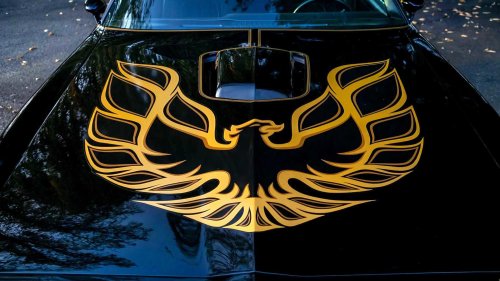
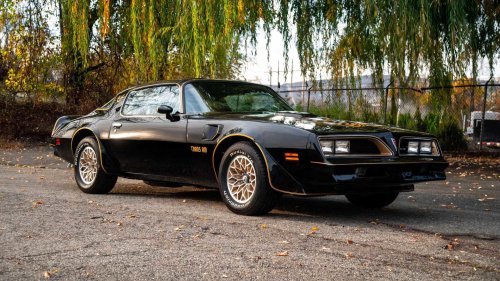
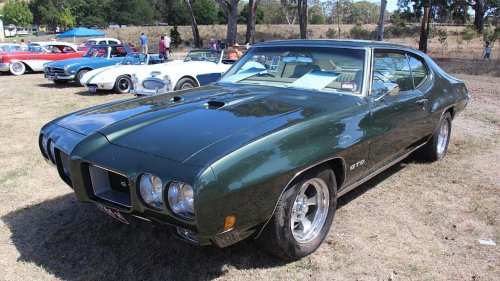
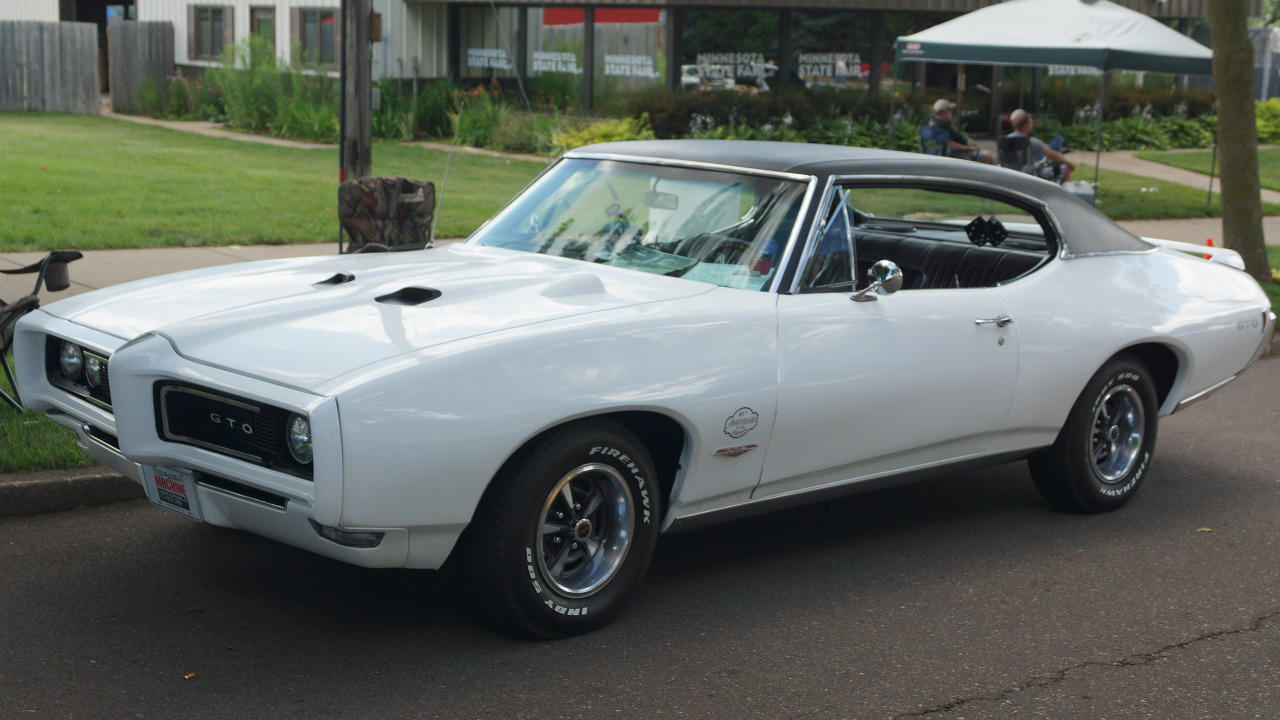
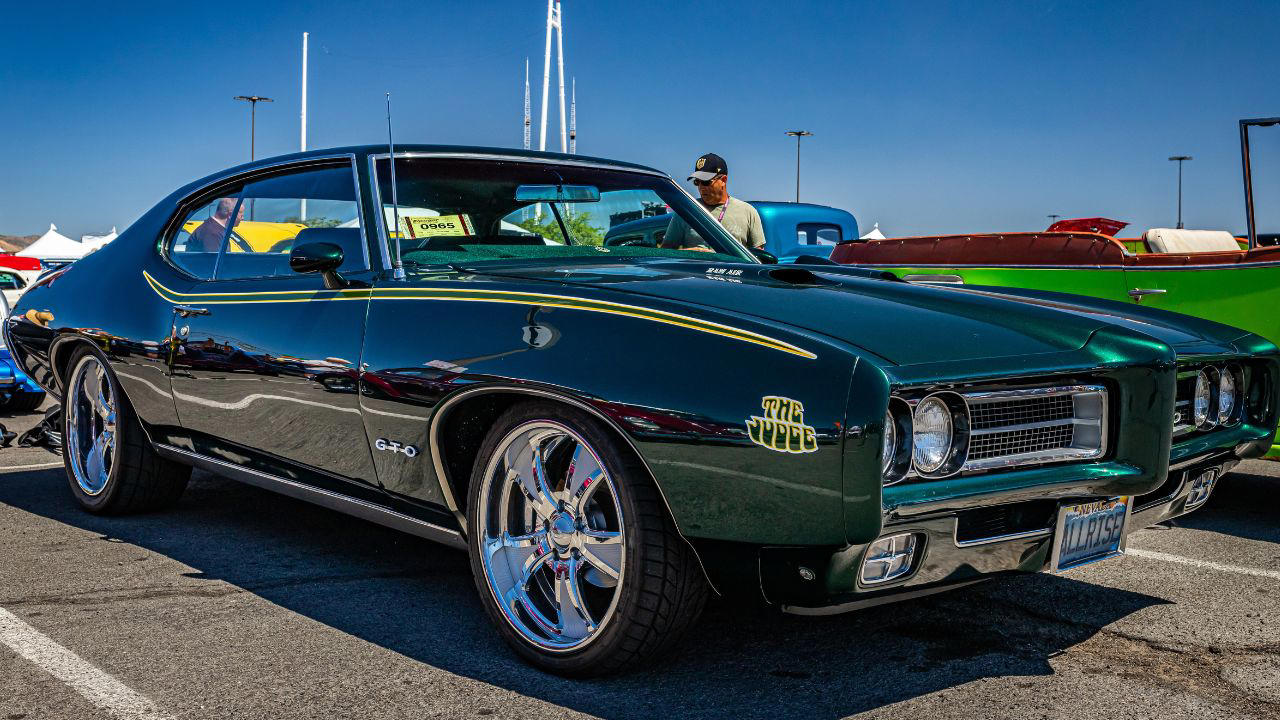
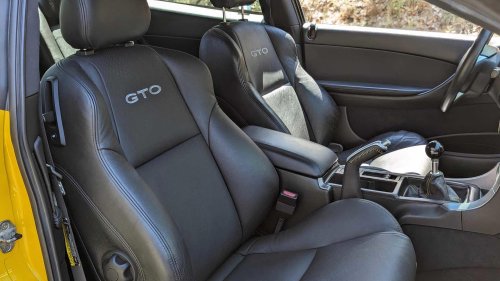
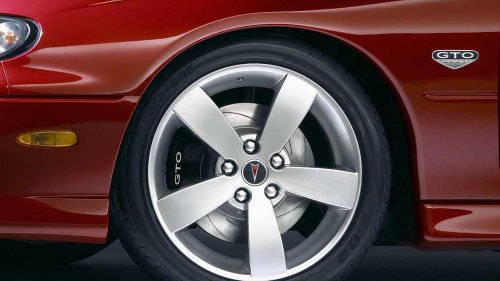
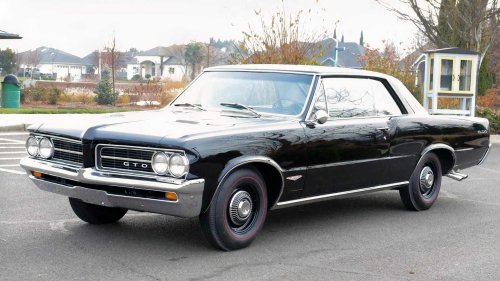
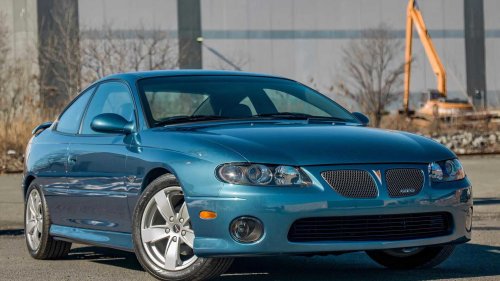
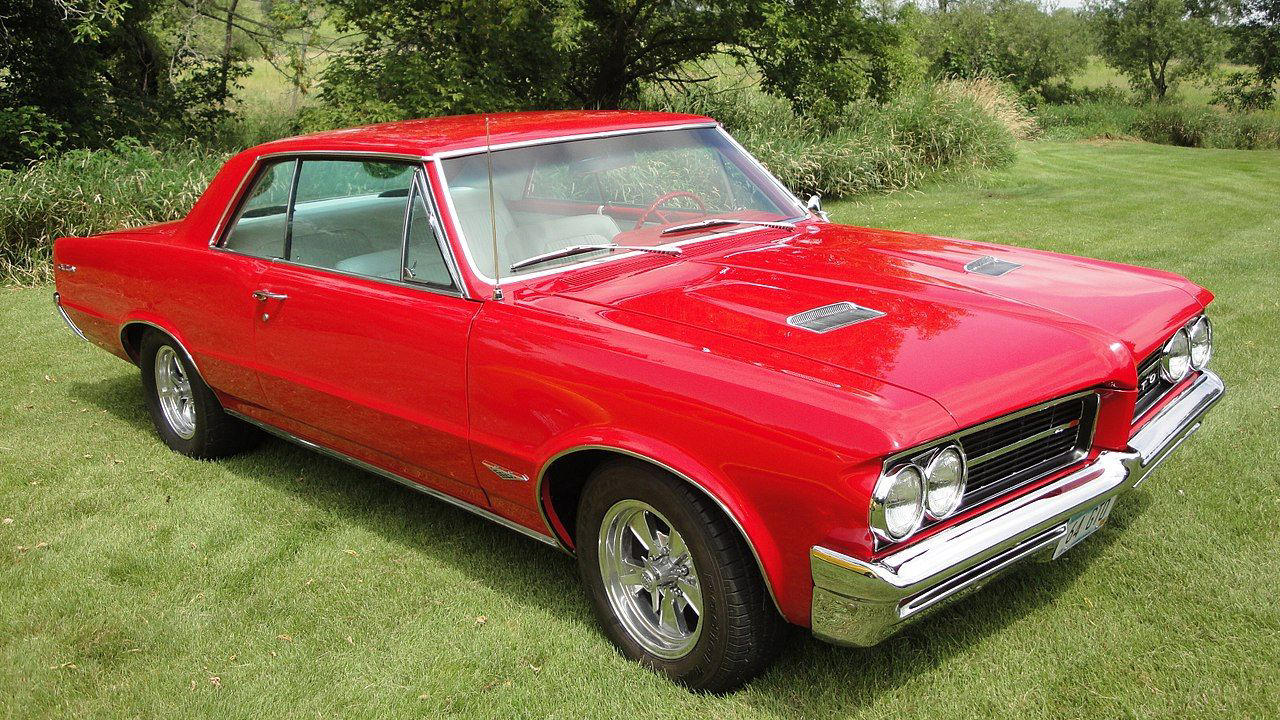
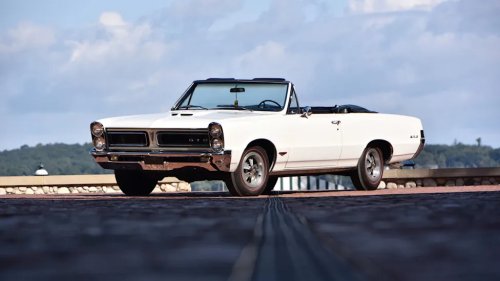
Widely regarded as the first true muscle car, the Pontiac GTO holds a very special place in the hearts of American car nuts. It transcended from automotive nameplate to outright cultural icon following its release, immediately captivating young buyers with rebellious sides yearning for that sweet V8 brawn. The GTO came out in September 1963 flexing 389 cubic inches of muscle under the hood, originally offered as an optional performance package for the Tempest and LeMans. You see, GM had this no-fun-allowed policy back then, capping displacement at 330 cubic inches for all its midsize cars. But the rule didn’t say anything about optional engines, so Pontiac had its workaround. The GTO Takes America By Storm Bring a TrailerNow, to say the GTO surpassed all expectations would be a ludicrous understatement, as Pontiac planned on churning out around 5,000 copies during the first year but ended up selling more than sixfold. It was the textbook definition of a smash hit, becoming a standalone model for 1966 and continuing to evolve as the horsepower wars got underway. We look back at this period in time as the golden age of muscle cars, and the great Pontiac GTO will always be seen as one of the most influential models of that era. However, today we’ll be looking at a different classic icon released by the Pontiac division under John DeLorean. Quietly Building Its Big Break In The Background Bring a TrailerIt spent the first few years of its life overshadowed by the GTO’s success, but people ultimately came to their senses and gave it the love it truly deserved later on. As a matter of fact, the pony car in question thrived as its bigger, more popular sibling fell out of favor during the seventies. Even though America’s big-block muscle party ground to a halt in the face of insurance premiums, stricter emissions standards and the 1973 oil crisis, this thing remained committed to performance long after the rest threw in the towel. Let’s get right into it without further ado. A Quintessential Underdog Tale From The Classic Pony Cars Days Bring a TrailerEnter the Pontiac Firebird Trans Am, a story of resounding success fondly remembered by us gearheads today. It took a while for the market to catch on, though, as people were far more intrigued by the bigger GTO and shunned the Trans Am for the most part. But things eventually changed as the nameplate pressed on, and its popularity would explode during the mid-seventies with a bit of help from Hollywood. Let us first rewind back to 1966 and talk about the Firebird’s inception for a minute, before the Trans Am package entered the scene.The pony car debuted as a 1967 model based on the Chevy Camaro’s F-body platform, housing a 230-cubic-inch SOHC inline-six under the hood in its basic configuration. Said powerplant was nowhere near as cool as the V8 options, though, the first of them being a 326-cubic-inch motor kitted with either a two- or four-barrel carb. It could spawn 250 and 285 horsepower, respectively, but then you also had the GTO’s 400-cubic-inch unit with 325 ponies at its disposal. And although the later Trans Am variant wasn’t an immediate success, the Firebird did pretty well with just over 80,000 units sold during the first year. There’s A New Kid On The Block, And It Packs A Serious Punch Bring a TrailerPontiac took things a step further for 1968, increasing power output figures across the board and introducing the Ram Air II package with 340 horses on the 400-cube. The Trans Am was released the following year, named after the American racing series and officially known as the Trans Am Performance and Appearance Package with option code WS4. It would set you back a little over 700 bucks on top of the car’s base price, and one could add it to the range-topping Firebird 400 for some real big-block thrills. Speaking of which, the engine bay housed GM's L74 400 mill with Ram Air III induction, good for up to 335 horsepower and 430 pound-feet of torque.Fun fact: the V8’s output is thought to have been significantly higher, but it was underrated on paper in order to appease GM’s policy of no more than one horsepower per 10 pounds of weight. And if you had an extra $558.20 to spare, you could also opt for the Ram Air IV upgrade which unlocked 345 ponies. However, the Trans Am wasn't just about the engine's raw power because Pontiac's engineers paid great attention to the handling department, too. So, aside from doing low fourteens on the quarter-mile and accelerating to 60 mph from a standstill in 6.0 seconds, the Firebird Trans Am handled surprisingly well for a pony car. Better cornering was made possible thanks to a one-inch sway bar and variable-ratio power steering, joined by uprated suspension bushings and rims measuring seven inches in width and 14 inches in diameter. Evolving Into The Cultural Icon We Know And Love Bring a TrailerHydraulic shocks, heavy-duty coil springs and sturdy front disc brakes were part of the Ride and Handling package codenamed Y96, as well. This was all pretty sweet, but it’s the second-gen Trans Am produced between 1970 and 1981 that comes to mind when people think of the name. It featured more aggressive styling and the iconic shaker hood scoop which became one of its signature traits, as did the “screaming chicken” hood decal introduced in 1973. By then, the American muscle car segment as people knew it had been decimated by lowered compression ratios, inflated insurance costs, and the switch from gross to net horsepower ratings.But the Trans Am refused to fold, employing bigger engines to maintain power output in spite of reduced compression. The 455 High Output was available for 1971 and '72, followed by the 455 Super Duty until model year 1974. Raw horsepower only went downhill from there, yet Pontiac leaned into image and style to keep the party going. It worked better than anyone could have expected, and the Firebird Trans Am became a huge success instead of just surviving. While the GTO was unceremoniously axed after 1974, Pontiac’s underdog was just starting to experience its monumental rise. Hollywood Superstardom And Legacy Bring a TrailerOf course, much of that had to do with the 1977 film Smokey and the Bandit starring Burt Reynolds, a major box office hit which turned the car into a pop culture icon. More specifically, it was the black-and-gold 1977 Special Edition that received screen time with Reynolds behind the wheel, and everyone suddenly wanted one for themselves. So, whereas Pontiac only managed to sell 697 copies of the Trans Am in 1969, it was moving 93,351 units in 1978 and a whopping 117,108 in ‘79. Smokey and the Bandit went on to earn $126.7 million, becoming the second-highest grossing movie of 1977 behind Star Wars and an inseparable part of the Trans Am legacy.The fabled WS6 handling package had been introduced by Pontiac in ‘78, further emphasizing the model’s focus on offering a great driving experience even in the absence of big-block power. A 400-cubic-inch W72 powerhouse did stay on the menu until 1979, together with the Oldsmobile 403, but these were only rated at 220 and 185 net horsepower, respectively. The Trans Am continued to evolve and undergo major cosmetic changes all the way up until 2002, when the Firebird’s long production run finally came to an end. Later models pale in comparison to the second-gen icons from the seventies, though, as their cultural impact simply couldn’t be matched. We all love a good underdog story, and the Firebird Trans Am is the epitome of that in the pony car world!