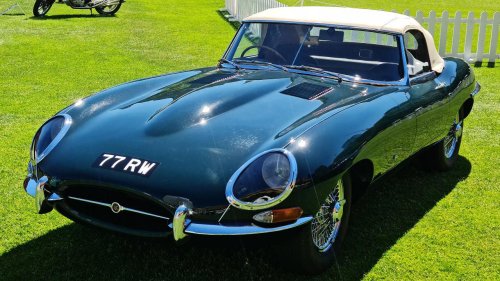
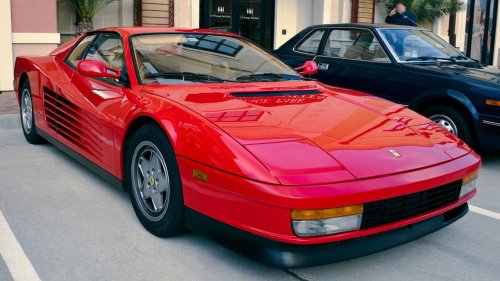
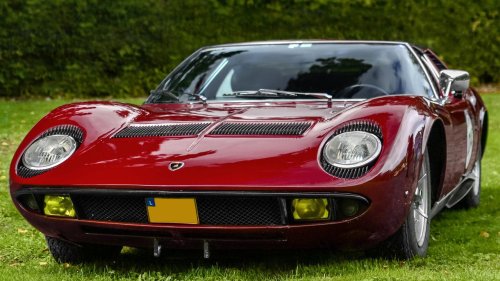
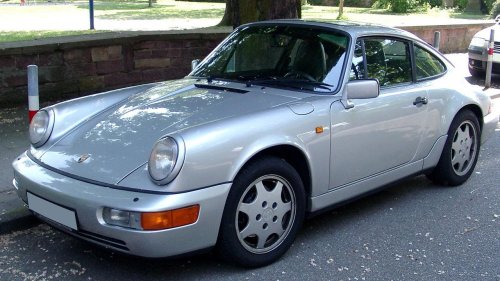
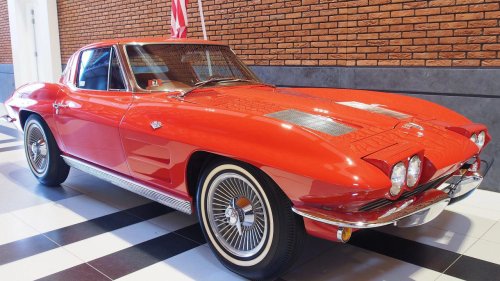
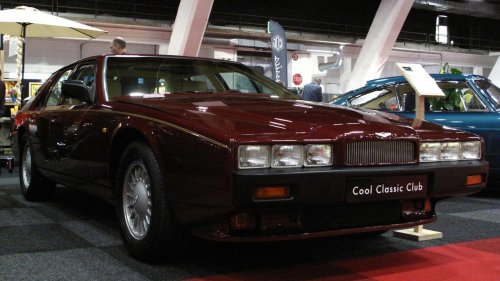



















There’s something inherently thrilling about sitting in a car that makes you feel like you’re in a fighter jet. The allure of classic cars is often tied to their design, and some vehicles stand out for their cockpit-inspired dashboards. Here’s a look at six classic cars that make drivers feel like pilots. 1961 Jaguar E-Type Image Credit: MrWalkr, via Wikimedia Commons, CC BY-SA 4.0 The 1961 Jaguar E-Type is an iconic car that combined stunning aesthetics with engineering prowess. The dashboard of the E-Type was advanced for its time, featuring a suite of toggle switches and dials that gave drivers an experience akin to a fighter jet. The centrally located speedometer and tachometer were designed for easy visibility, allowing for a more engaging drive. Enzo Ferrari himself called it the most beautiful car ever made, and it’s easy to see why. The cockpit-like interior of the E-Type made you feel as if you were operating a piece of machinery built for speed and precision, not just a car. 1984 Ferrari Testarossa Image Credit: Michael Price from Houston, USA, via Wikimedia Commons, CC BY 2.0 The 1984 Ferrari Testarossa is synonymous with the flamboyant style of the 1980s. Its dashboard was a complex array of gauges and controls that made the driver feel like a pilot ready for takeoff. The Testarossa’s interior was designed not just for luxury but for an immersive driving experience, with everything oriented towards the driver’s seat. Horizontal lines and a wide array of buttons created a sense of symmetry and control, making the Testarossa feel more like a cockpit than a conventional car. The fighter jet-like dashboard is one of the reasons why the Testarossa remains a favorite among enthusiasts. 1970 Lamborghini Miura Image Credit: Alexandre Prévot from Nancy, France, via Wikimedia Commons, CC BY-SA 2.0 The Lamborghini Miura, often considered the first supercar, did not disappoint with its dashboard design. The 1970 model featured a driver-focused cockpit with an array of dials and switches that were reminiscent of a fighter jet’s control panel. The layout was designed to keep the driver informed and engaged, emphasizing the driving experience over mere transportation. Its sleek lines and wraparound feel added to the illusion of being strapped into a high-speed aircraft. The Miura’s interior captured the imagination of drivers who wanted the thrill of a high-performance machine. 1989 Porsche 911 Carrera Image Credit: Rudolf Stricker, via Wikimedia Commons, CC BY-SA 3.0 The 1989 Porsche 911 Carrera is known for its timeless design and driver-centric approach. The dashboard was minimalist yet functional, with a focus on performance. The layout of the gauges and controls was directly inspired by aviation, creating a sense of precision and control that has become synonymous with the Porsche brand. Unlike more cluttered designs, the 911 Carrera’s dashboard was clean and focused, allowing drivers to concentrate on the road ahead. This design ethos made it feel as if you were piloting a high-speed aircraft, emphasizing the link between car and driver. 1963 Chevrolet Corvette Sting Ray Image Credit: Alf van Beem, via Wikimedia Commons, Public domain The 1963 Chevrolet Corvette Sting Ray is a classic American sports car with a dashboard that screamed sophistication and technology. The split-window coupe featured an array of circular gauges and toggle switches that harkened back to the instrumentation found in fighter jets of the era. Its interior was designed to enhance the driving experience, focusing on the driver’s needs. The Sting Ray’s cockpit-like dashboard made it one of the most memorable designs of the 1960s, reflecting the era’s fascination with speed and power. This design choice helped cement its status as a true classic among car enthusiasts. 1976 Aston Martin Lagonda Image Credit: Rutger van der Maar, via Wikimedia Commons, CC BY 2.0 The 1976 Aston Martin Lagonda was a car that pushed the boundaries of automotive technology and design. The dashboard was ahead of its time, featuring a digital display and numerous switches that gave it a futuristic feel. The Lagonda’s interior was a blend of luxury and technology, making drivers feel like they were in command of a sophisticated machine. Its avant-garde design and technological innovation made it stand out in the crowded automotive landscape of the 1970s. Like Fast Lane Only’s content? Be sure to follow us. Here’s more from us: Unboxing the WWII Jeep in a Crate The Fastest Farm Truck Ever Built *Created with AI assistance and editor review.