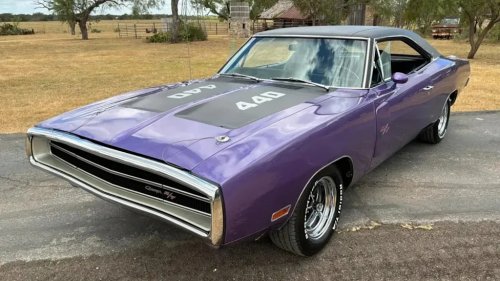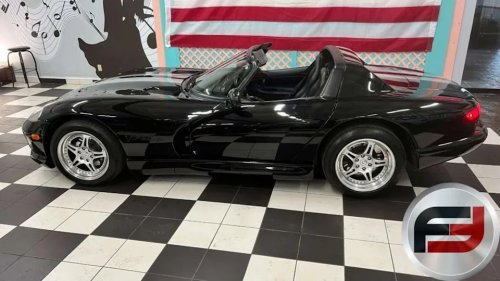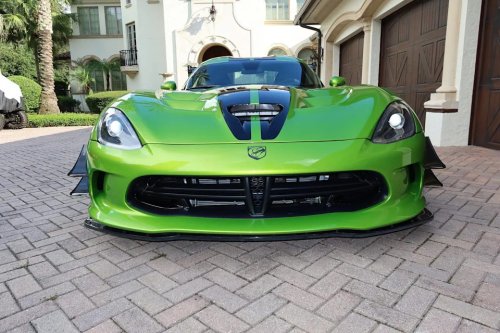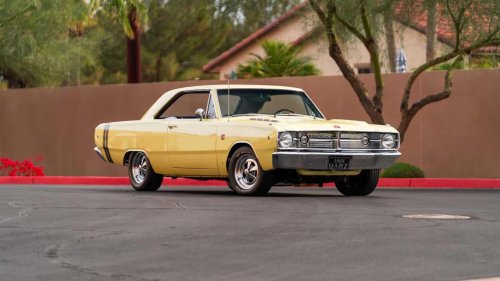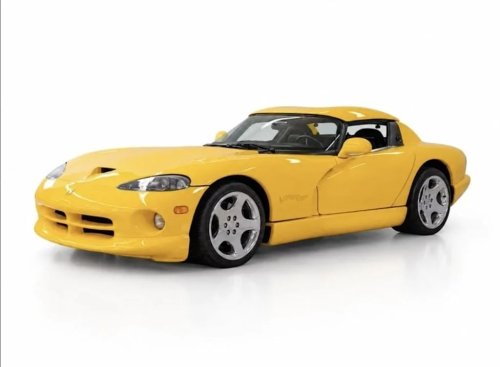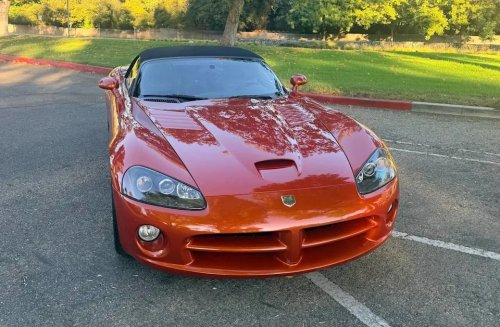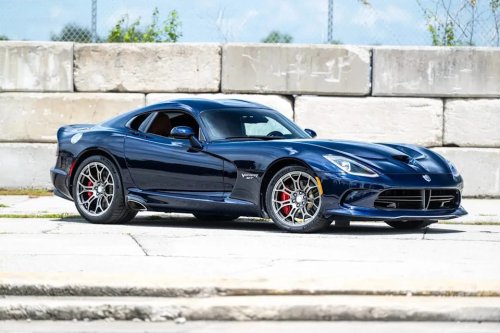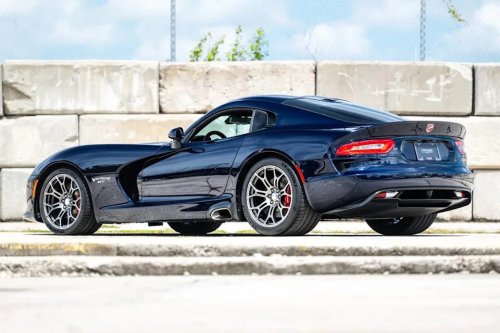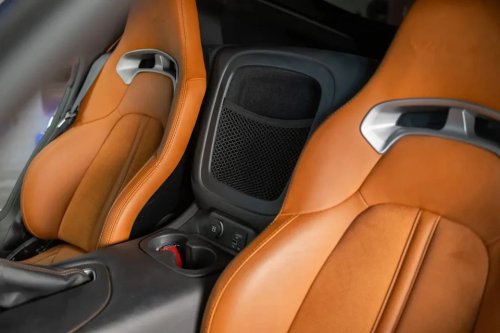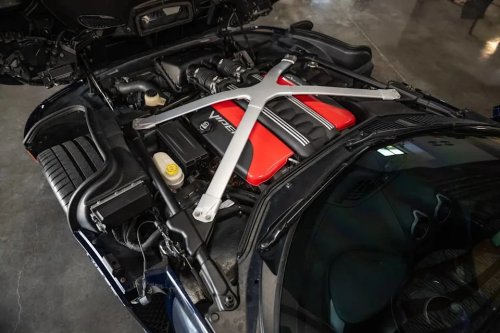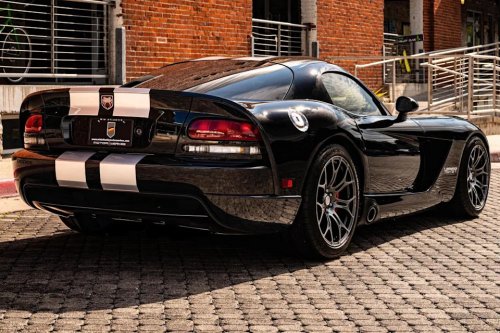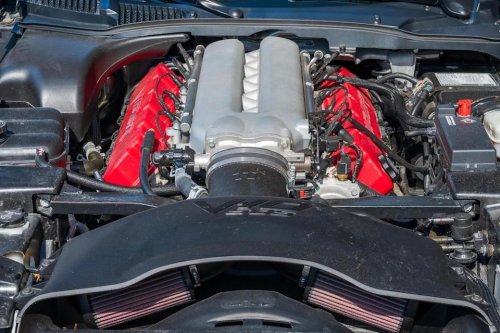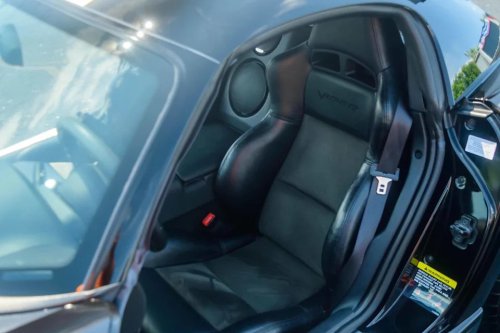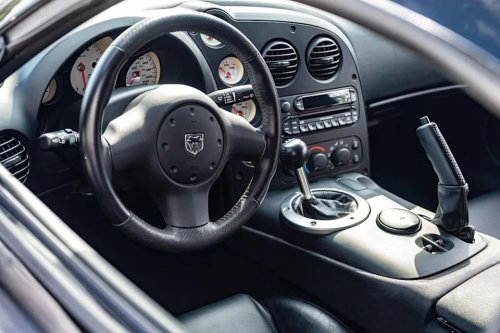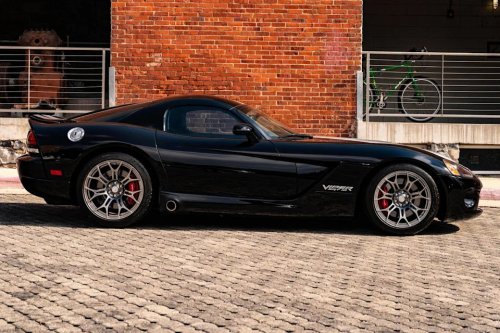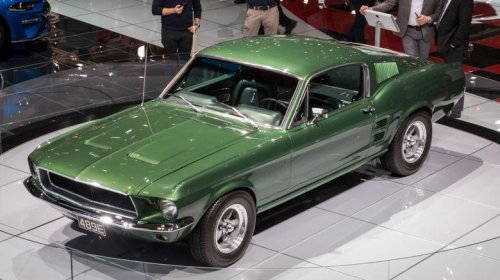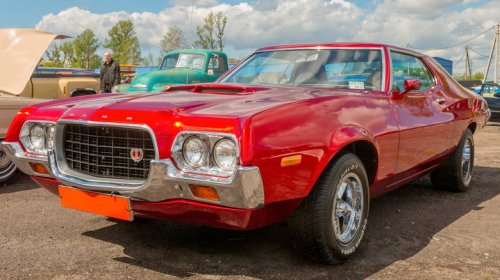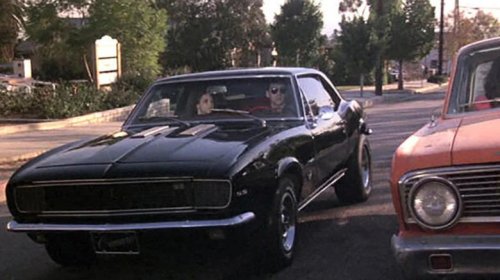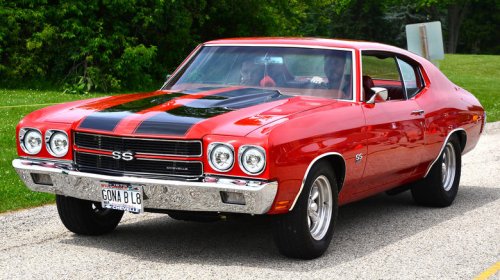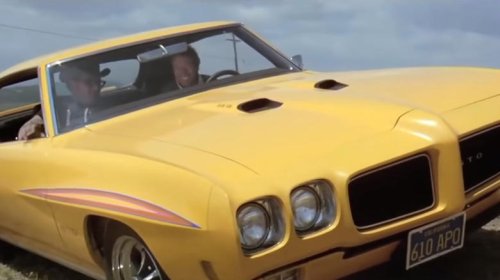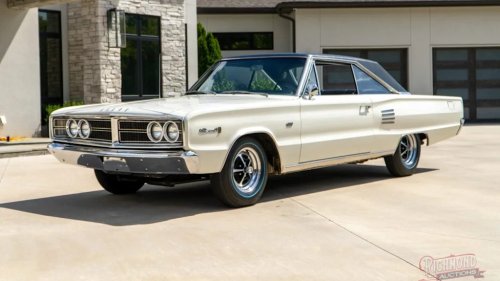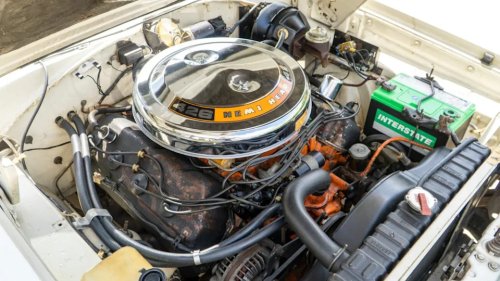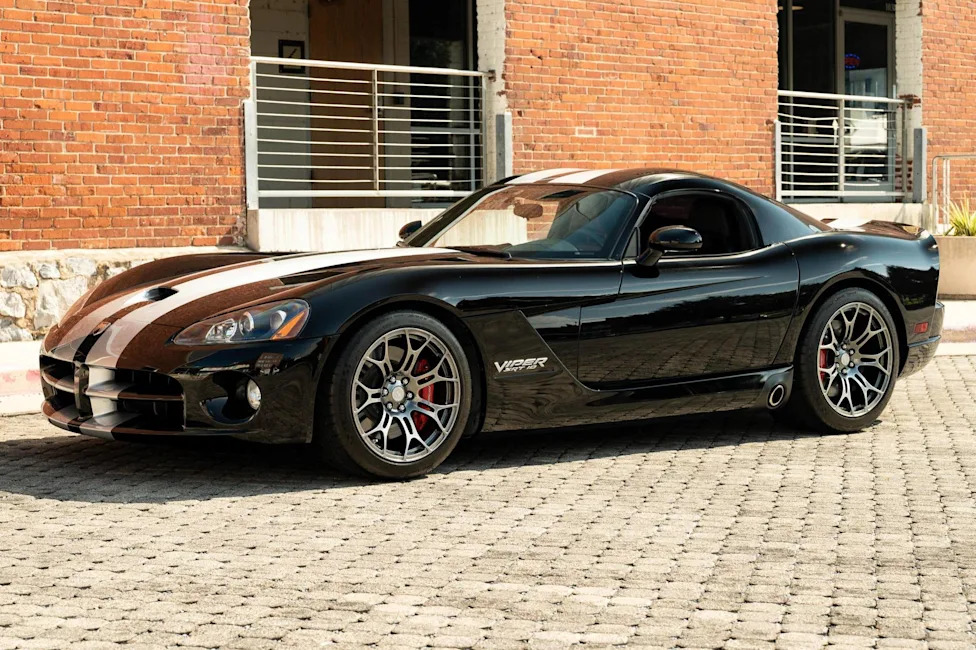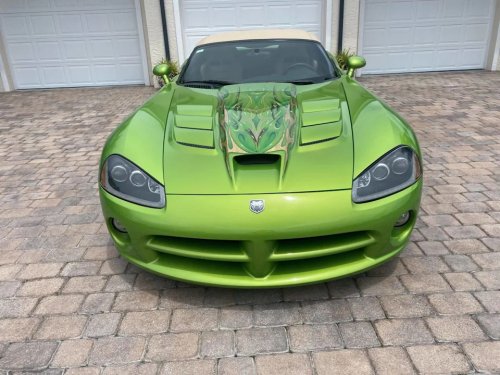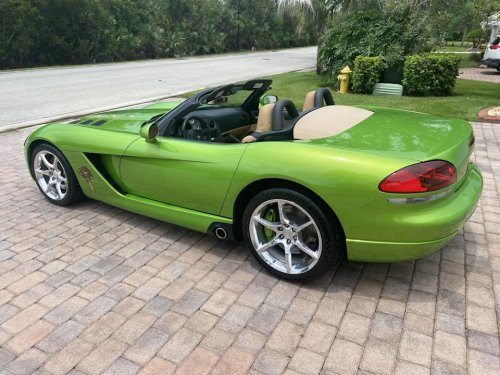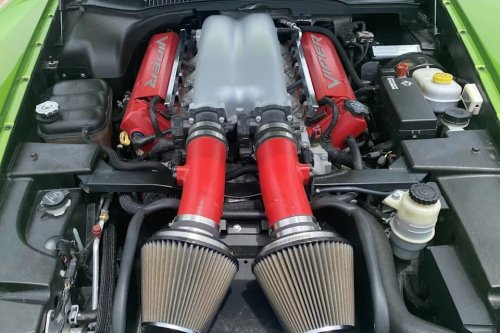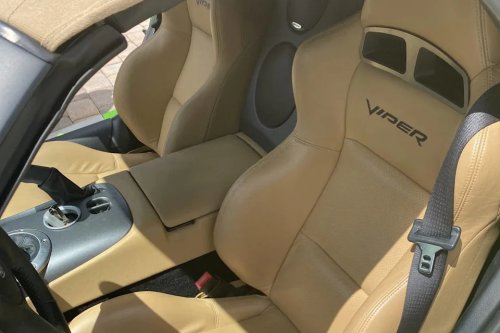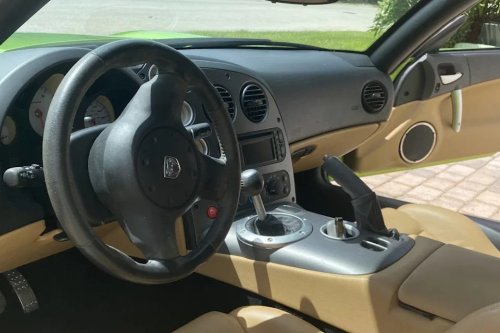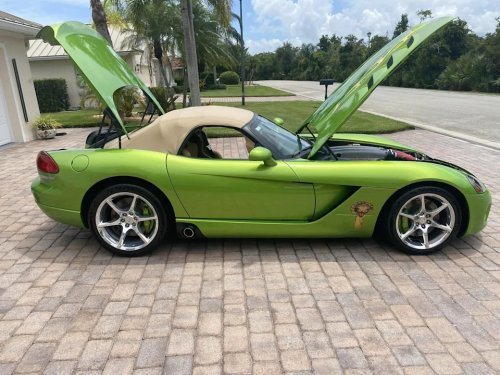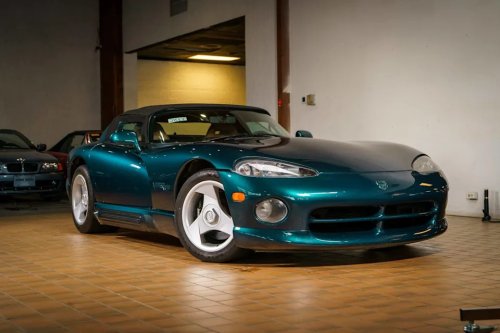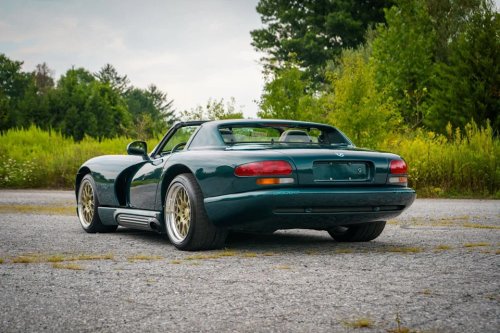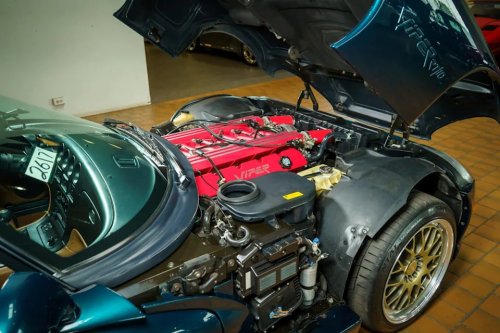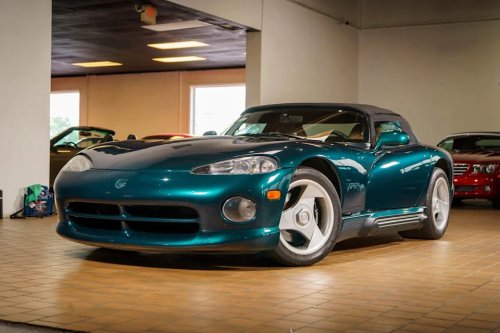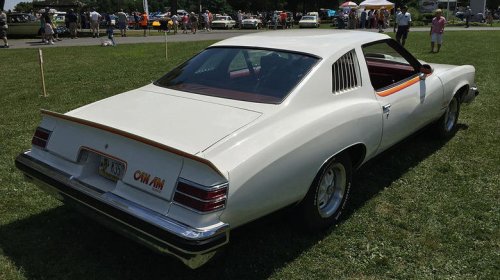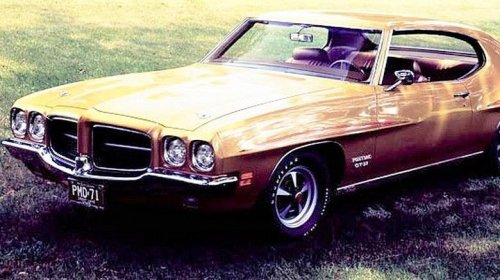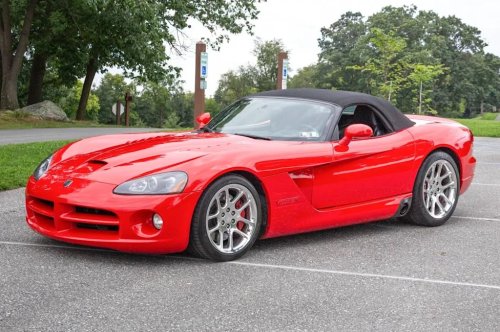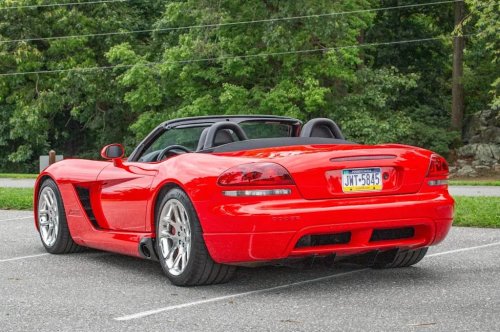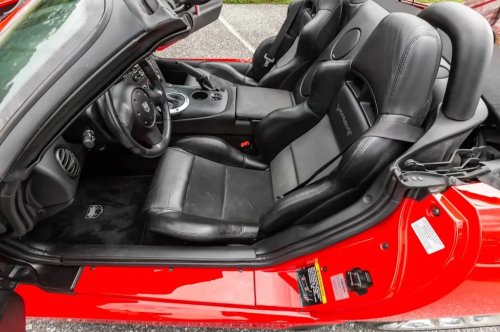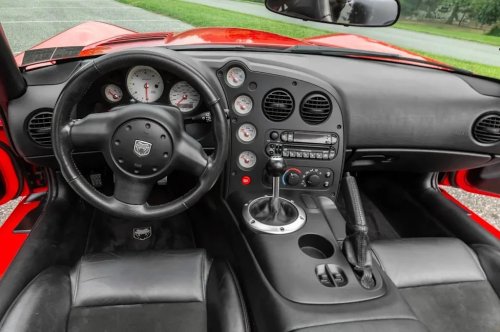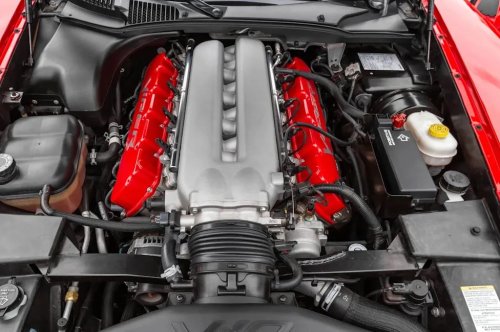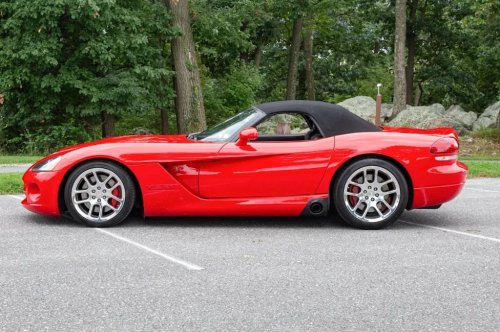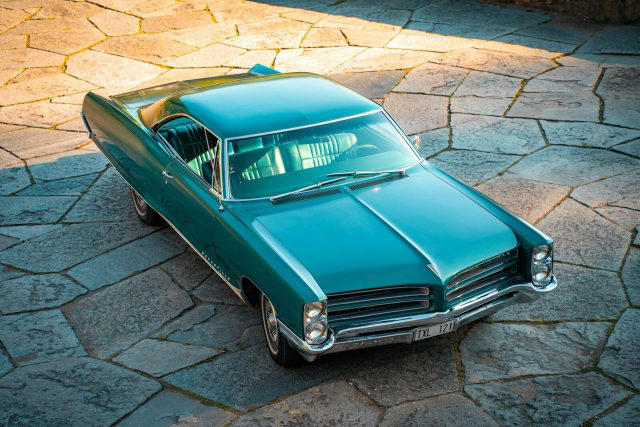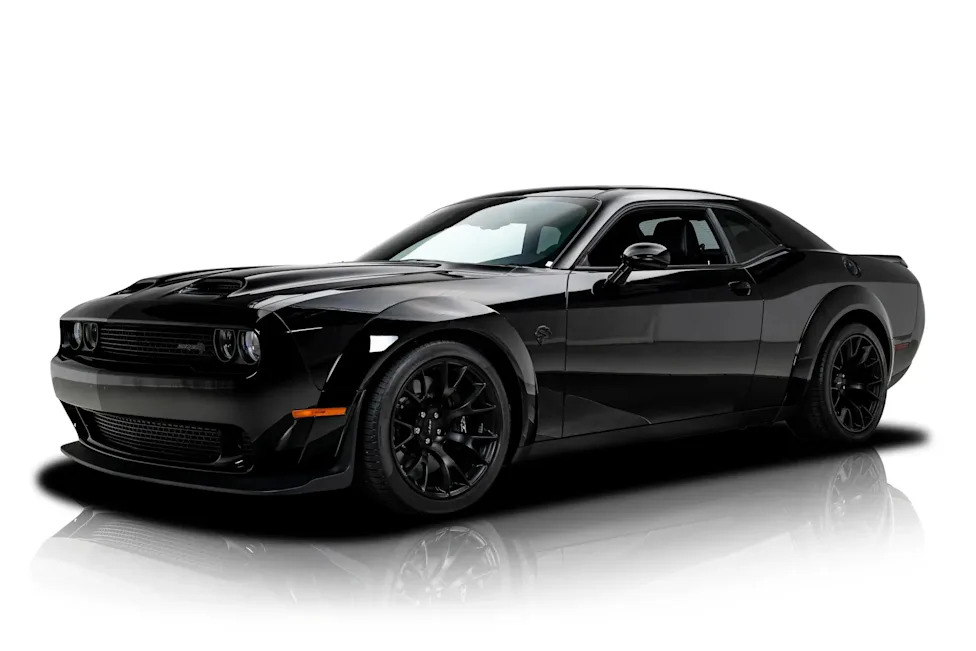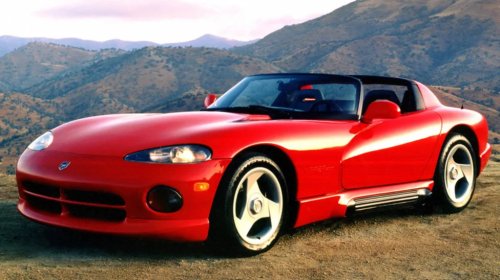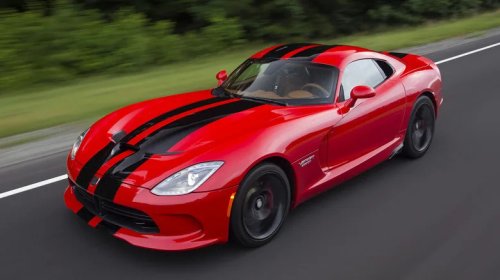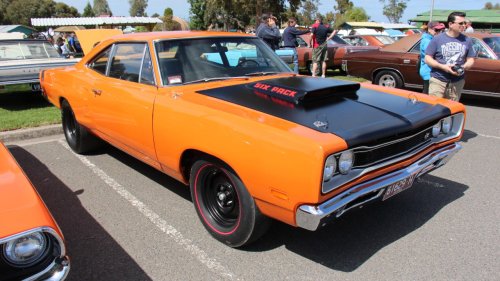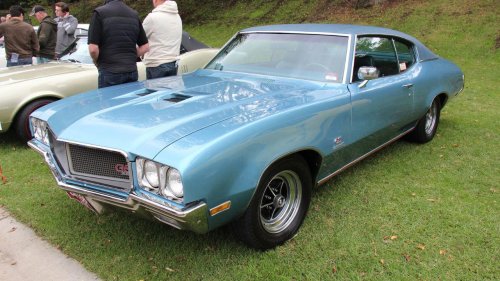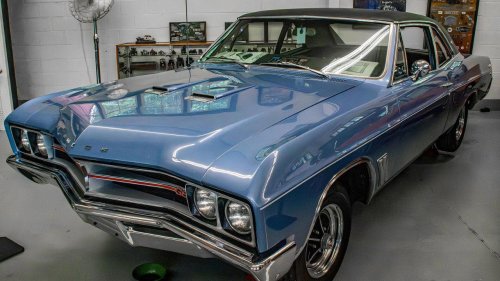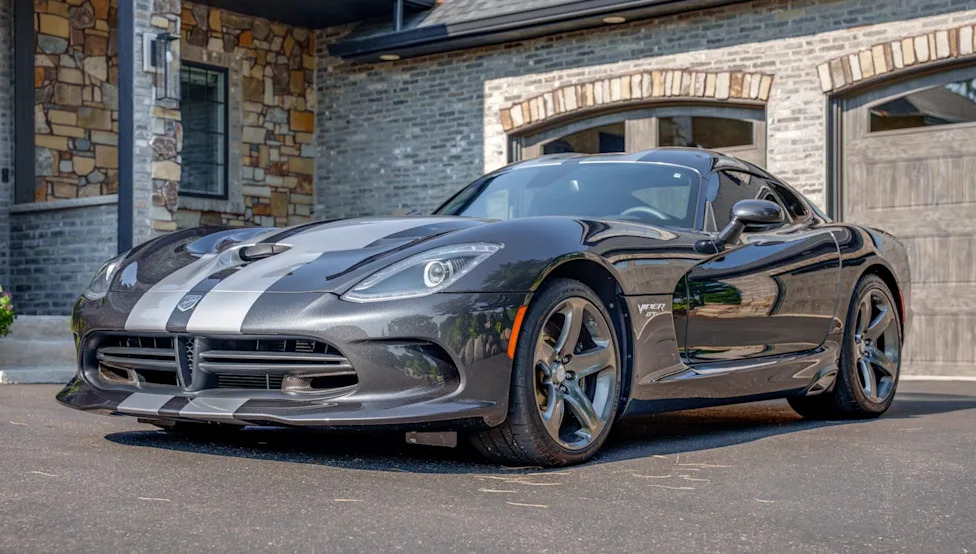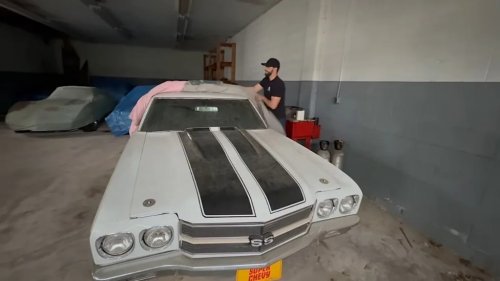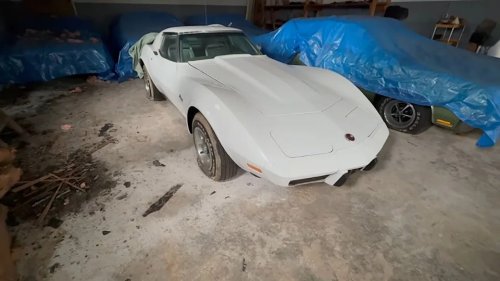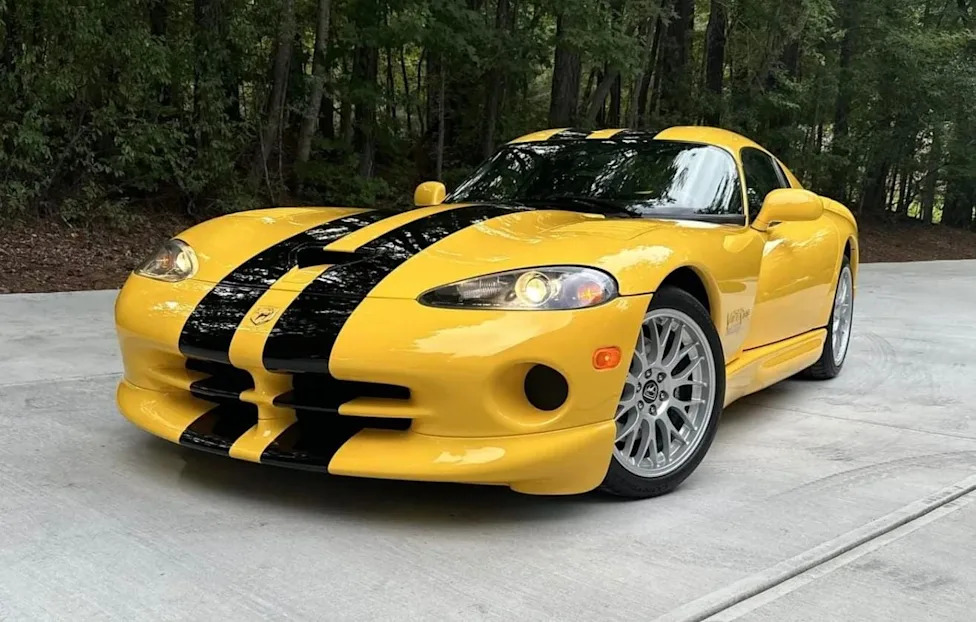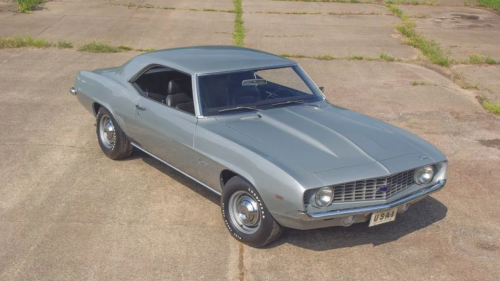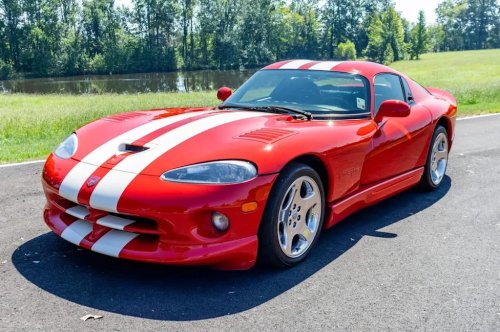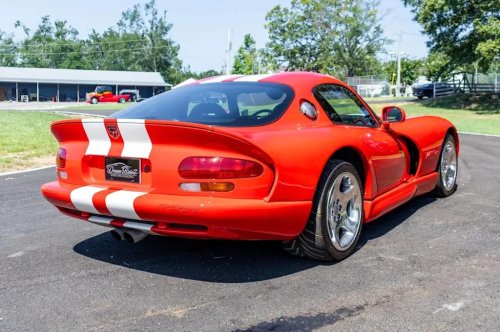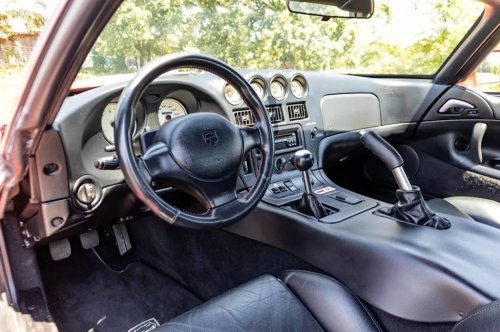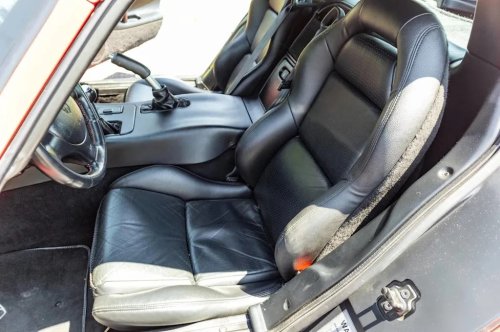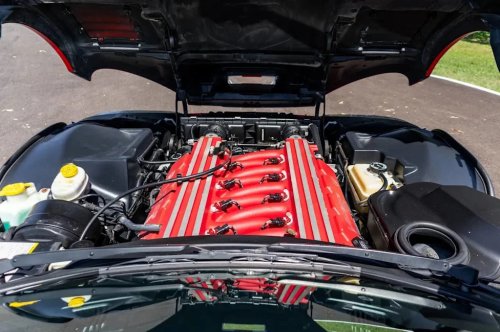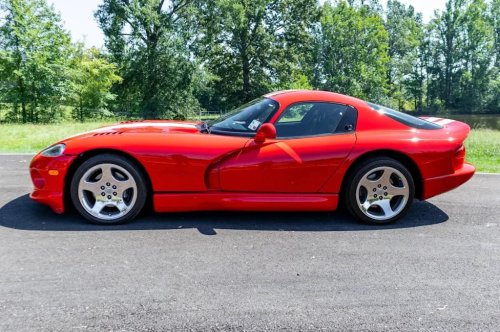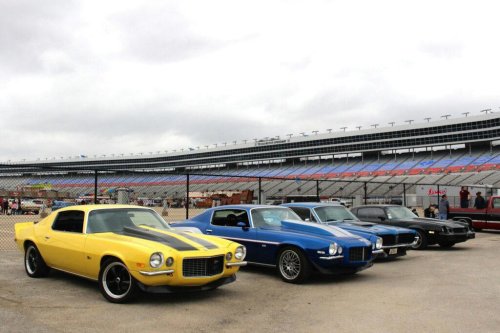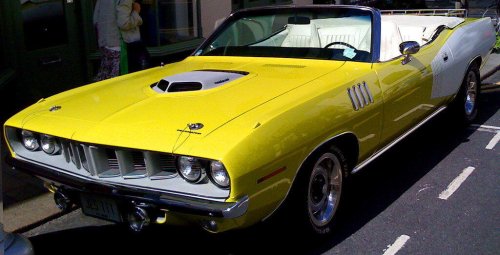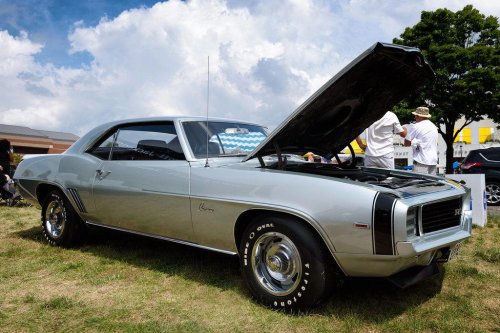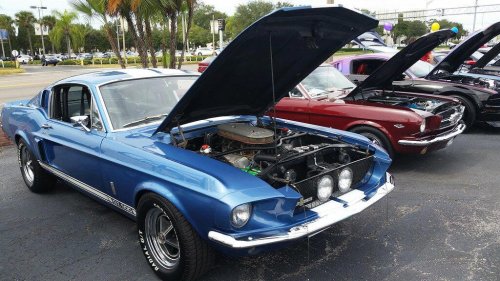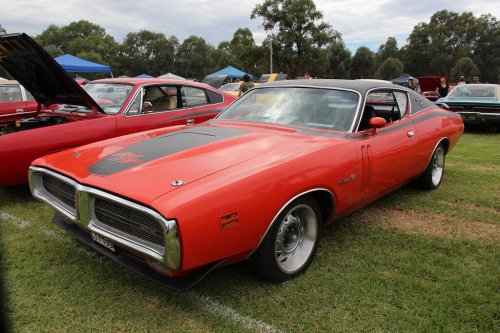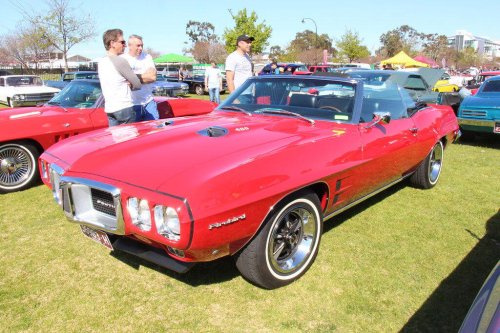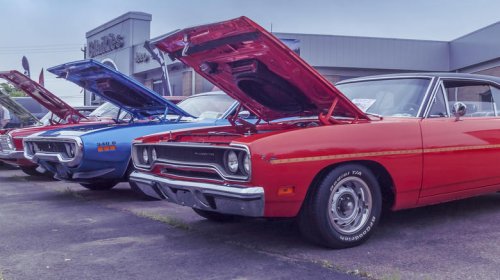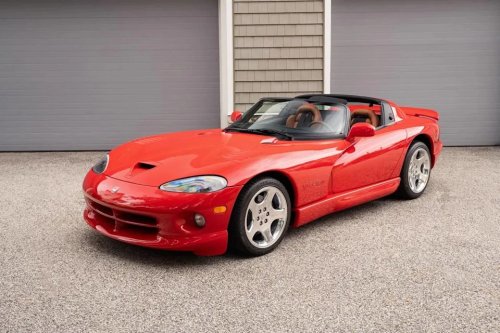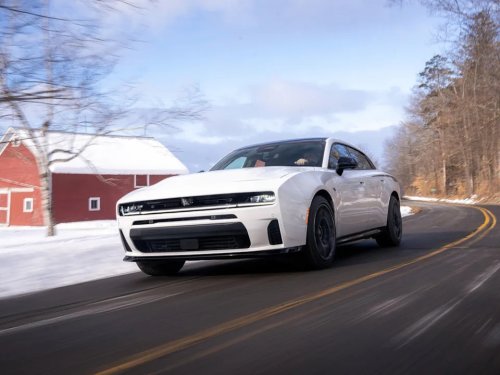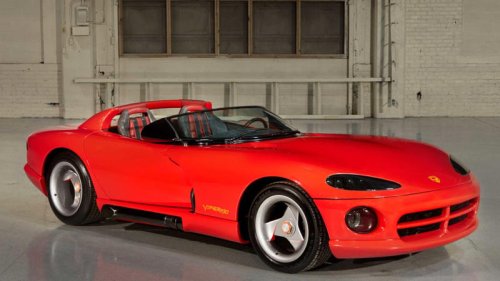
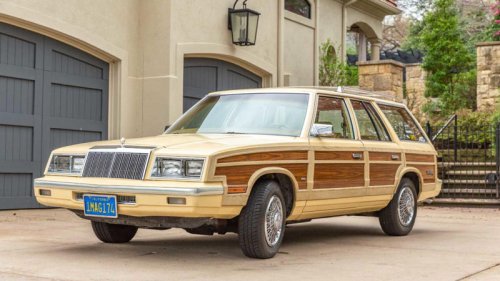
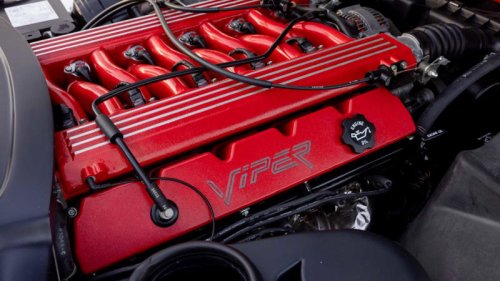
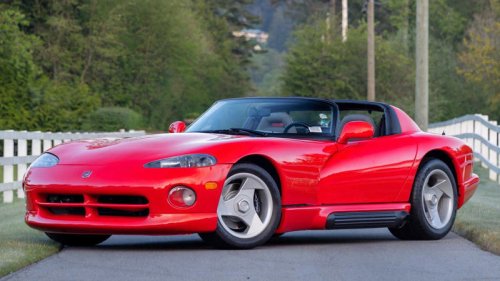
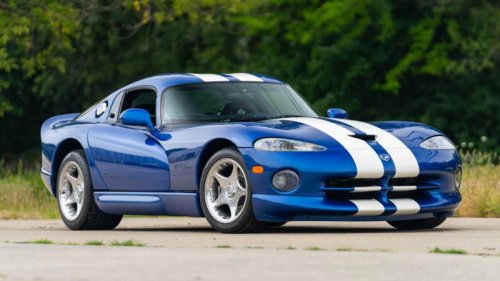
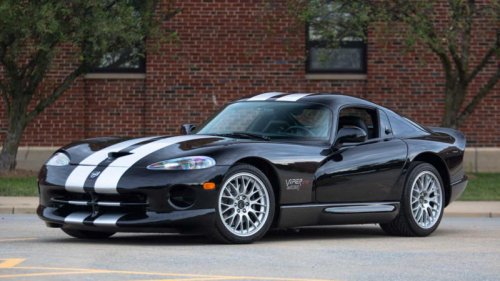
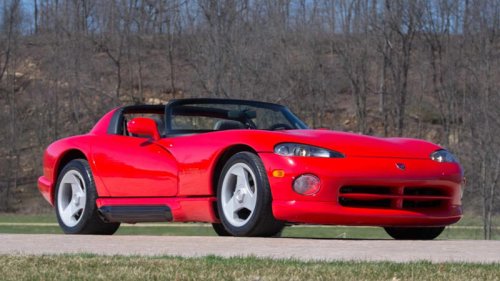
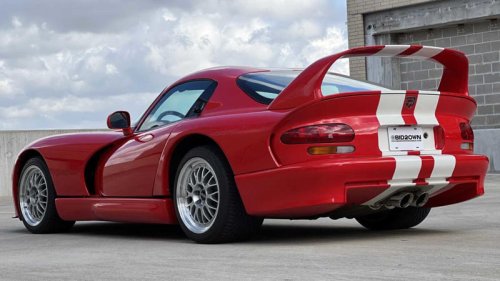
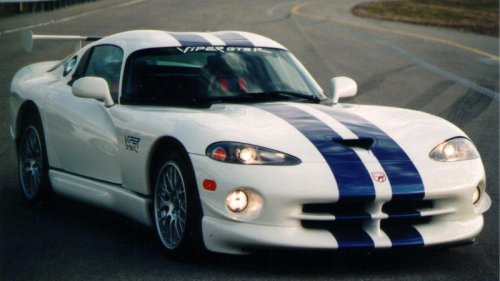



















The Golden Age of American muscle cars was essentially a war between the Big Three to outdo each other with killer designs and unheard of power. Mopar took a huge lead in 1966 with the 426 Street Hemi, which was unbeatable for most of the classic era. But by 1970, General Motors lifted its silly ban on engines over 400 cubic inches and Ford had recently gifted its big-block Cobra Jet big-blocks to its muscle car line-up. 1970 was the year that American muscle went legendary, including the newcomers Dodge Challenger and Plymouth 'Cuda that somehow managed to push the envelope even further.Almost as soon as it came, the Golden Age was gone, with 1971 being the last great year before the malaise of the Dead Horsepower Era set in. Because of government emissions mandates and changing consumer trends for more fuel economy, the once mighty rides were detuned into sick farces of muscle cars and that shameful trend extended for decades. Things started to pick up in the late-1980s/early-1990s, but they were still far off from the glory days, and it didn't seem possible for a return. Then, from out of nowhere, a Detroit rebel hit the scene that could not only drag any legendary classic, but also marked the triumphant return of American performance. Reinventing The Roadster Stellantis Automakers create radical concept vehicles that they never intend to build all the time. Mostly as an exercise in design, but also hoping to find some innovations that will be useful in mainstream production models. In the late 1980s, Chrysler president Bob Lutz threw out the idea of creating a modern roadster with a Shelby Cobra and Jaguar E-Type kind of vibe.A clay model was produced that knocked the socks off of everyone and so it moved onto the prototype stage, which was another crowd pleaser. But there was still some trepidation. Chrysler chairman Lee Iacocca had just spearheaded the Chrysler TC by Maserati fiasco and was hesitant to commit development dollars to another two-seat sports car.The public reaction from car shows, however, was so overwhelmingly positive, that this concept car eventually got the green light. Because this was more or less an updated Shelby Cobra, a snake-related name was chosen, and the Viper could not have been a more perfect moniker for this serpentine street assassin.After blowing some minds at the 1989 North American International Auto Show as a concept, the pre-production Viper wowed the public as the pace car for the 1991 Indianapolis 500. By the time the Viper RT/10 hit dealerships in 1992, it was already a sensation, and it didn't actually make it to the showroom floor because they were sold out before they shipped. The Dodge Viper Was The Anti K-Car Bring a Trailer As weird as it sounds, Chrysler and its divisions had their most successful period in the 1980s with minivans and K-cars, which are remembered today as some of the worst vehicles in automotive history. Another strange quirk is that the Dodge Viper became a reality because of truly horrendous cars like the Chrysler LeBaron. Bob Lutz actually felt bad for his designers who toiled to come up with uninspired and bland rides. He threw them a bone to develop the modern roadster.Again, this was never supposed to be something that would hit the streets, but the team came up with a body style so undeniably awesome that it had to be made. Originally called "Team Viper," the 85 designers and engineers responsible for this masterpiece would morph into Street Racing Technology (SRT), who would give us Hemis and Hellcats in the modern age. Viper V10 Of Doom Bring a Trailer A lot of enthusiasts probably don't remember, or never knew, that Chrysler owned Lamborghini from 1987-1994. This worked out great for the creation of the Viper, because they brought Team Lambo in to help develop a proper engine for this amazing-looking car.The Viper 8.0-liter V-10 initially produced 400 horsepower and 465 pound-feet of torque, which was bonkers for the early-'90s and about double what most American performance cars had going at the time. This already killer engine would go through an incredible journey that eventually saw it blasting out 640 ponies. But the first iteration was plenty powerful, and the baddest thing Detroit had produced since the Golden Age. Viper Preys On Stingrays Bring a TrailerThe first-gen Viper was actually divided into two phases: SR I from 1992-1996 and SR II from 1996-2002. The second iteration was more refined with a 450-horsepower version of the V-10, but the OG 1992 SR I RT/10 was all the Viper needs to take on the legends.The 1992 Chevrolet Corvette ZR1 was actually a decent mover with a 375-horsepower 5.7-liter V8 that shot it from 0-60 in 5.5 seconds and down a quarter-mile in 13.4 seconds. That, however, was not close to the 4.5-second 0-60 time and 12.6-second ET of the Viper. So, we are going to have to go way back to find a better Bowtie competitor.The 1968 C3 Corvette Stingray had some extremely rare and insane versions of the 427 cubic-inch V8, but the street-worthy L71 was a beast as well. With a three two-barrel carb set up, the Tri-Power 427 had the '68 jumping off the line to 60 MPH in 5.5 seconds and hitting 1,320 feet in 13 seconds flat.That's obviously pretty damn quick, and better than any classic-era muscle car, but the Viper still outsprints it. The only saving grace for the 'Vette is if there was an inexperienced driver in the other lane, because the '92 Viper did not have things like traction control or stability control. So, it was a skill to get it to stick a launch. GM Big-Block Buster Mecum GM decided on the cusp of the muscle car craze that it was going to handcuff its divisions in the coming Horsepower Wars by limiting intermediate cars to 400 cubic inches or less. That ridiculous ban was finally rescinded in 1970, and the ensuing big-block frenzy is what really made legends of the Golden Age.The Chevy Chevelle SS 454 LS6 is arguably the most iconic ride of the classic era. And while its 450-horsepower big-block was good for a 13.4-second ET, that is clearly not in Viper territory. The Buick GS 455 Stage 1's 370 horsepower, 510 pound-feet of torque 455 cubic-inch V8 was a little quicker with a 13.34-second quarter-mile, but again, not good enough. The GS 455 would hold the record for most torque in an American car until the 2003 Viper finally toppled it by 25 lb-ft. Mopar Crowns A New Champion Mecum Dodge and Plymouth rides equipped with the legendary 426 cubic-inch Hemi V8 were the top rides of the Golden Age, and unbeatable on the streets. That 425 horsepower and 490 pound feet of torque guaranteed a 13-second car straight from the factory, but not all were created equal.The baddest of the bad was the 1970 Plymouth Hemi 'Cuda that could rip it from 0-60 in 5.2 seconds and destroy a quarter-mile in 13.1 seconds. This was the fastest official time from Mopar for 22 years until the Viper retroactively blew its doors off with a 12-second ET. The fact that it was dethroned by a fellow Mopar takes the sting off and really, it was more like a passing of the torch than a violent overthrow. Legends Still Have The Edge At Auction Mecum The most a first-gen Viper has sold for was $285,500 at a 2020 Bonhams auction. This was the first production Viper and was once owned by Lee Iacocca. So, it was a pretty special car, and usually 1992-2002s do not go for nearly that much. Almost $300,000 is not exactly cheap, but it is a far cry from what the Golden Age legends sell for.A 1970 Chevelle SS 454 convertible recently crossed the auction block at $777,000 and C3 Corvette L88s are half-million dollar rides. Classic Mopars are out of this world, with Charger Hemi R/T and Hemi Road Runners topping $500k, while Hemi 'Cudas, Challenger Hemi R/Ts, and Daytonas bring the gavel down for multi-millions. The Viper may get there someday, but for now the classics rule the auction block. Dodge Viper Values And Prices Bring a TrailerThis may surprise a lot of people, but only 23,296 first-gen Vipers were made, with 5,988 units for SR I and 17,308 for SR II. The first year 1992 Viper RT/10 is the rarest of them all with just 285 rolling off the assembly floor.Hagerty gives a Concours condition value on the '92 RT/10 of $111,000, but dropping down to good condition, it's only $49,400. For 2002, the final year of the first-gen, a Viper GTS has a top value of $95,400 and a beater price of $35,600. Bring a Trailer has sold 10 SR I Vipers for over $100,000 with a top price of $170,000 for a low-mileage '92 RT/10. The SR II range is ruled by the Viper GTS GT2 Championship Edition which goes for as much as $205,000 but never out of the six-figures. Rebel Viper’s Legacy Stellantis The Dodge Viper was discontinued in 2017, which was the first of many hate crimes Fiat (eventually Stellantis) would commit against Mother Mopar, and while it may be gone, it's certainly not forgotten. That radical roadster design still looks as striking today as it did when it literally stunned enthusiasts more than three decades ago.The development of the Viper led to the Street Racing Technology team that would super-power the rebooted Charger and Challenger. So, really, it paved the way for the modern muscle car era as well as reclaiming Hemi dominance. Mostly though, the Viper proved that horsepower was cool again and reestablished American performance, which is a legacy as awesome as the car itself.Sources: Chrysler, Bring a Trailer, Hagerty