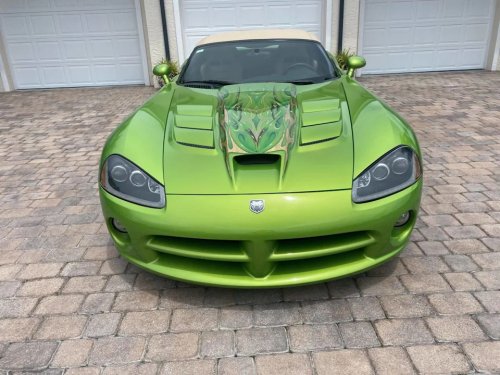
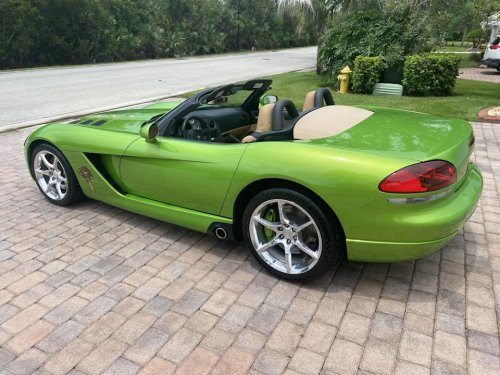
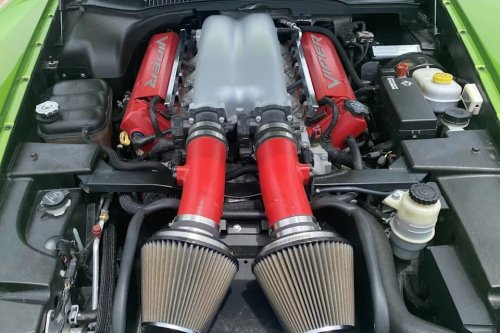
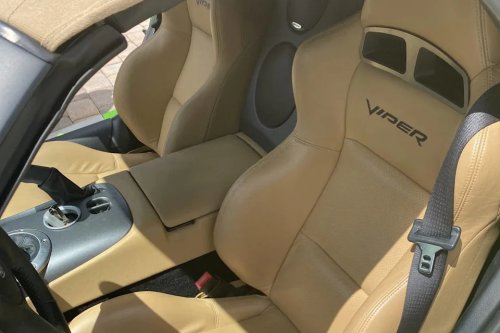
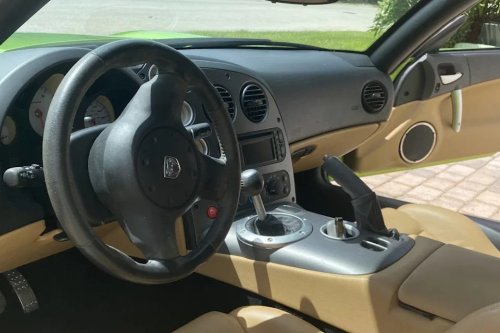
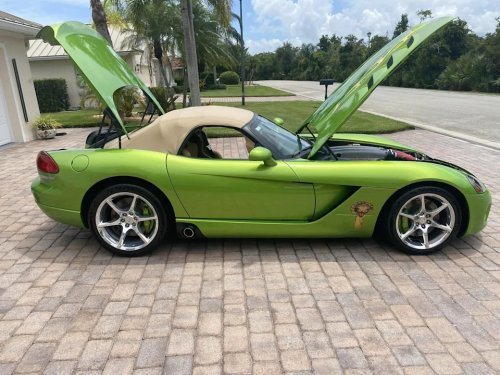
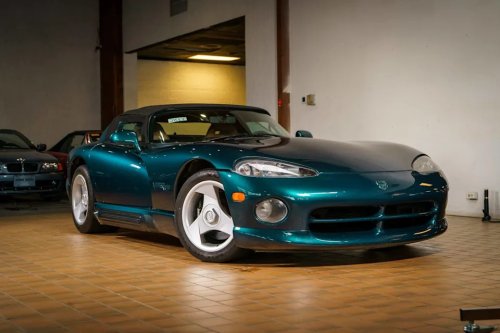
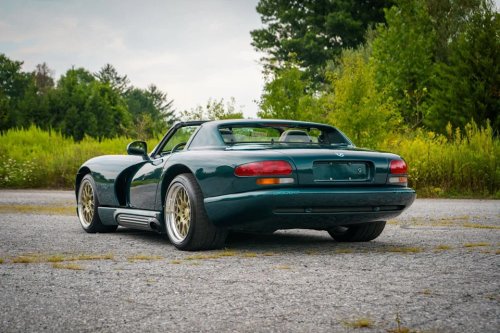
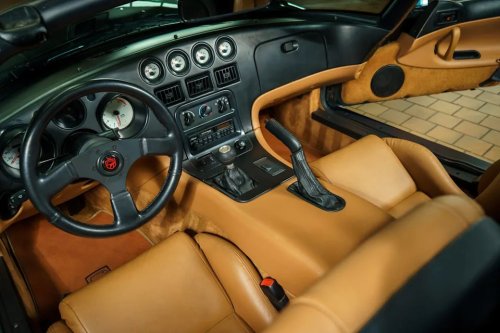
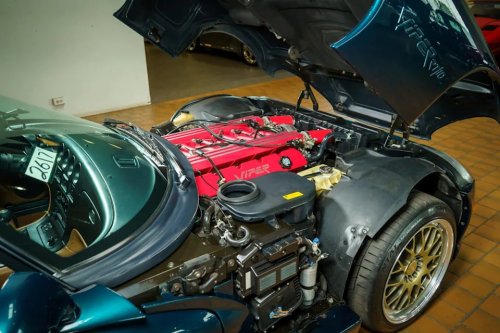
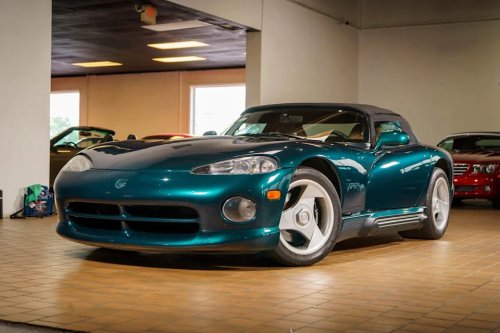
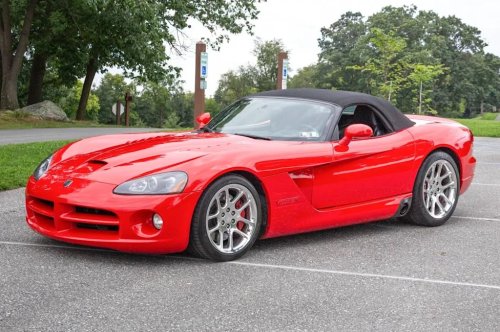
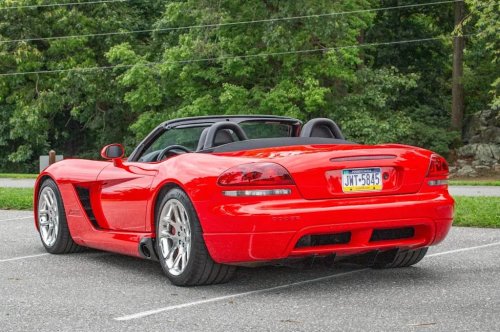
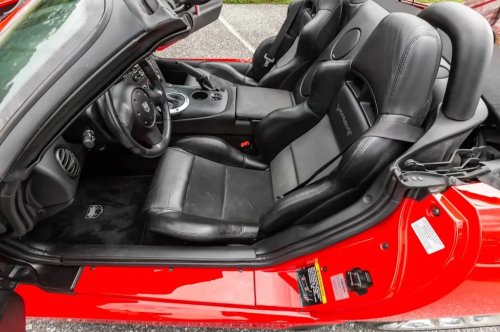
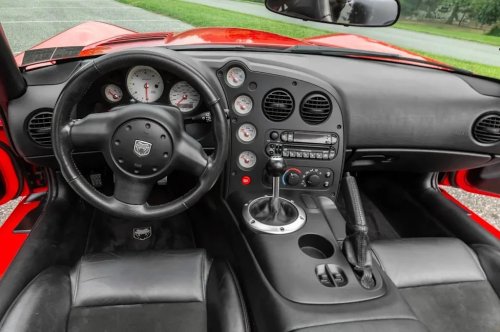
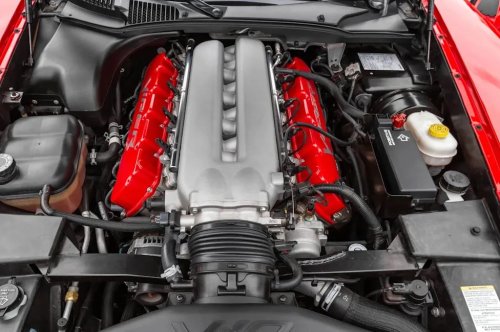
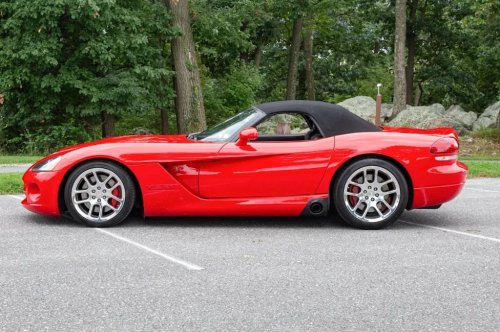
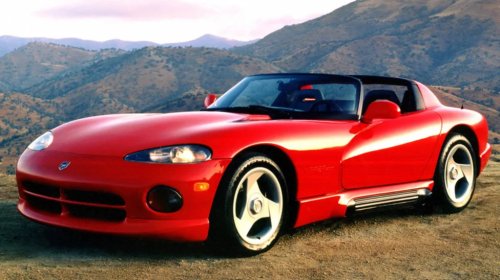
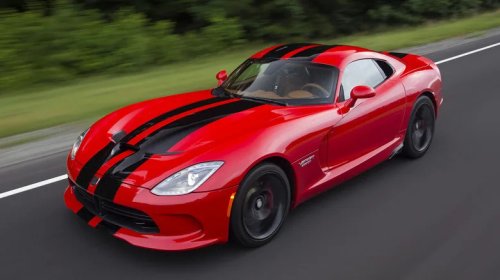
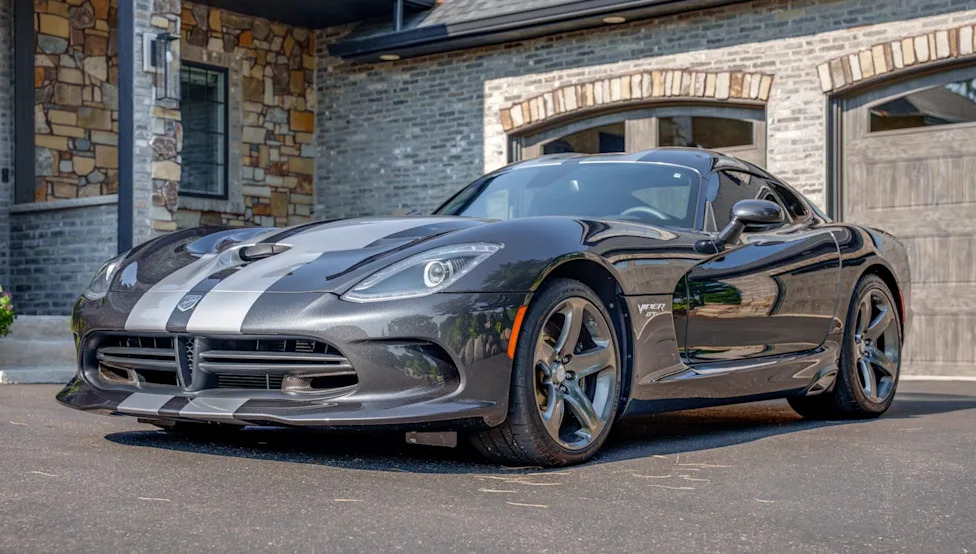
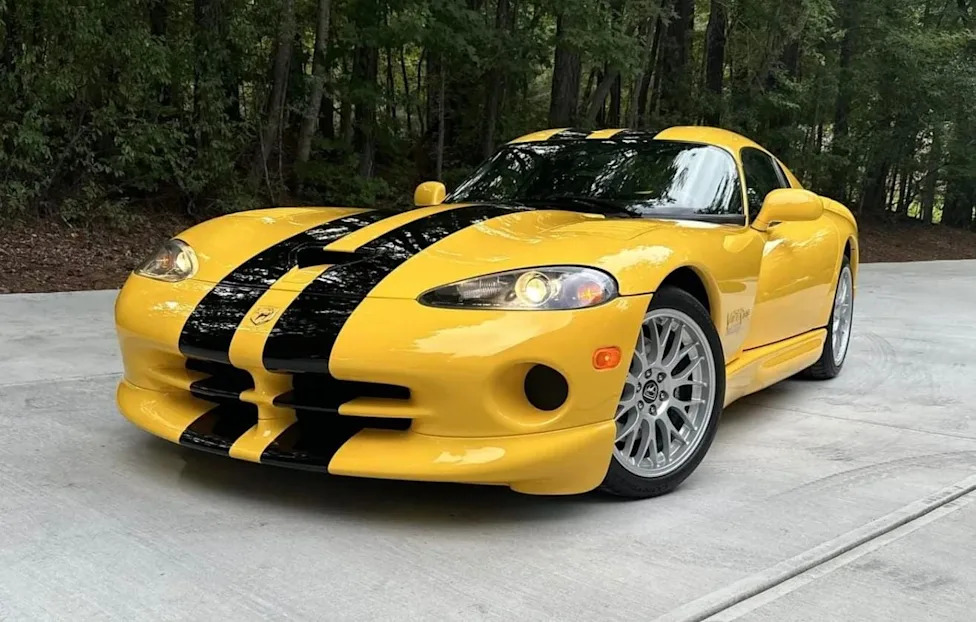
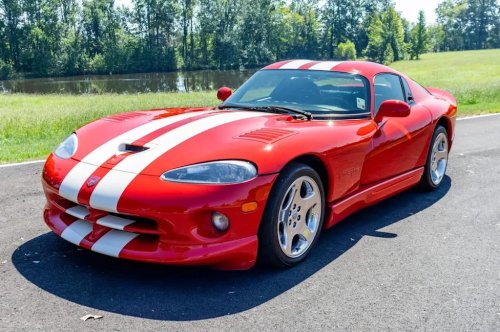
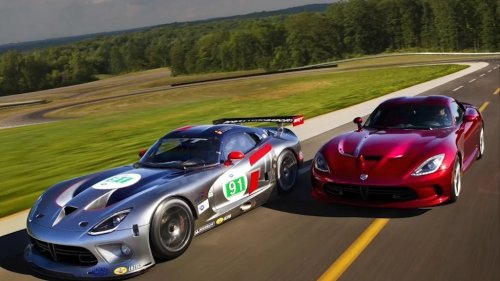
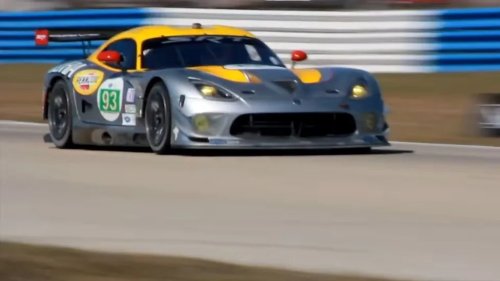
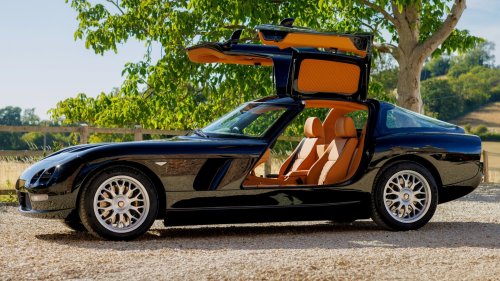
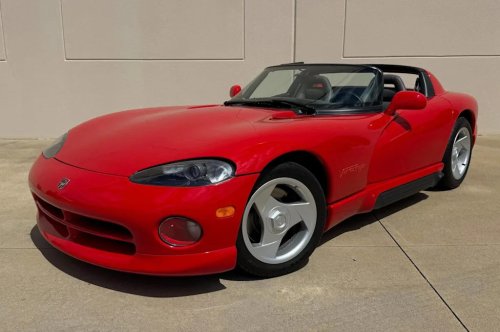
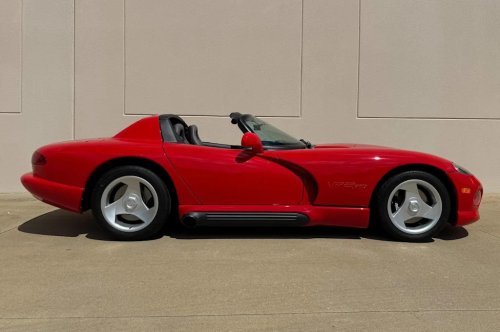
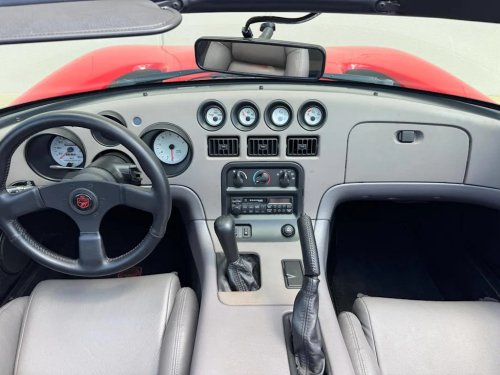
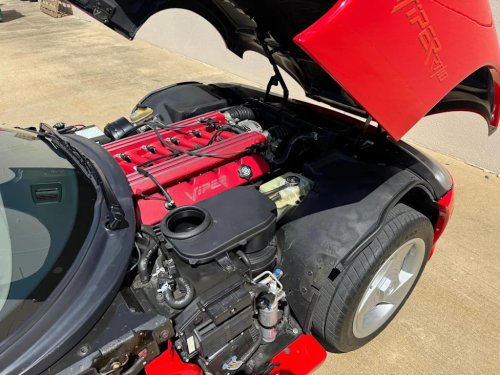
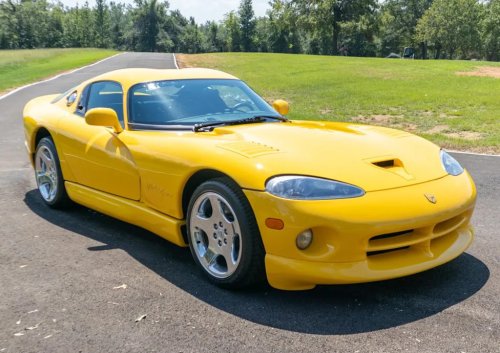
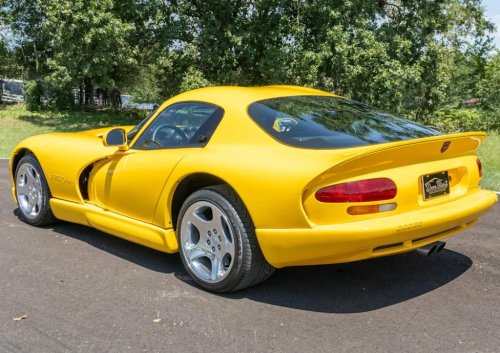
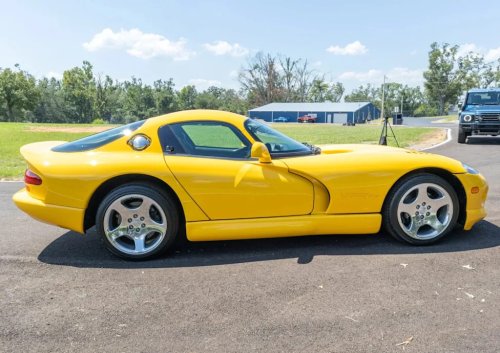
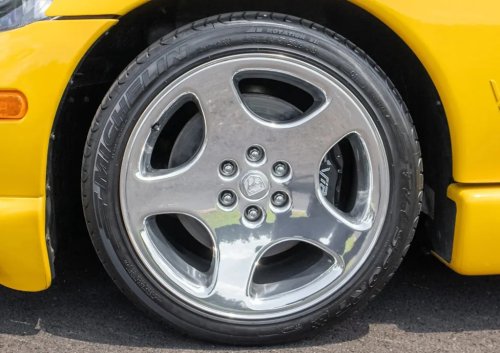
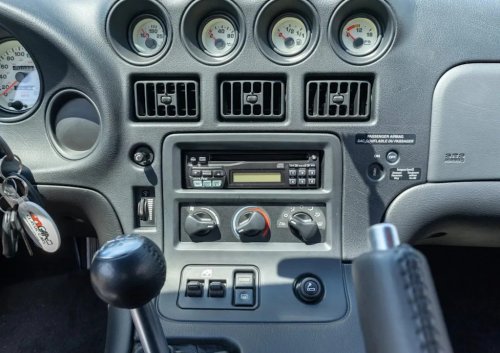
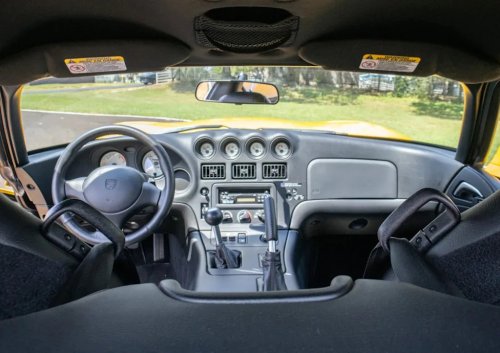
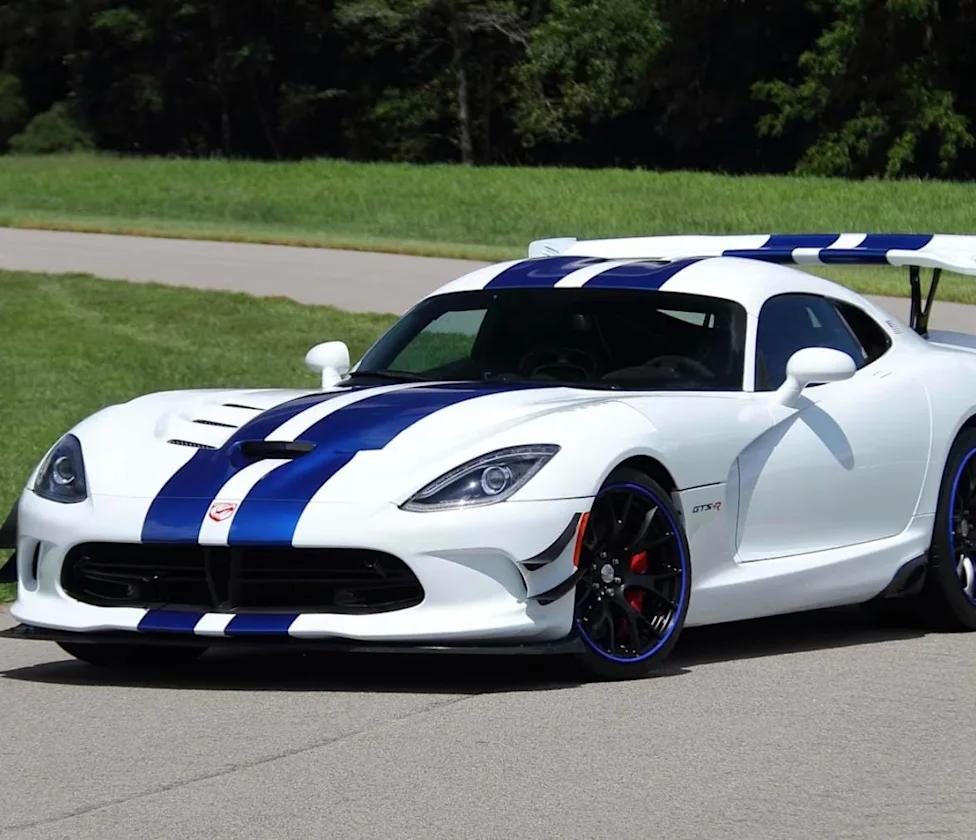
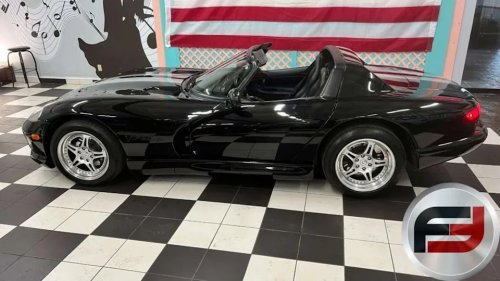
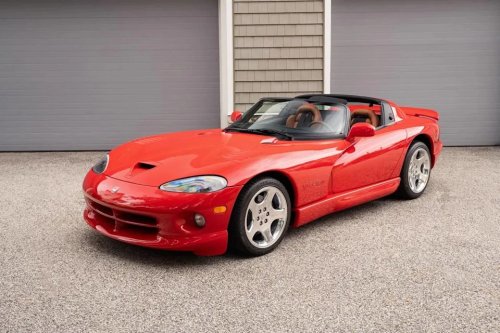
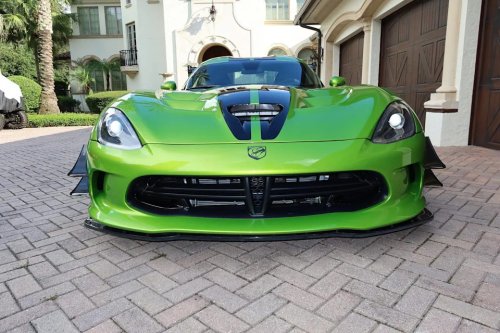
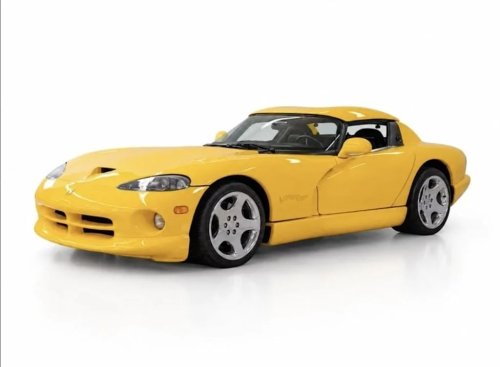
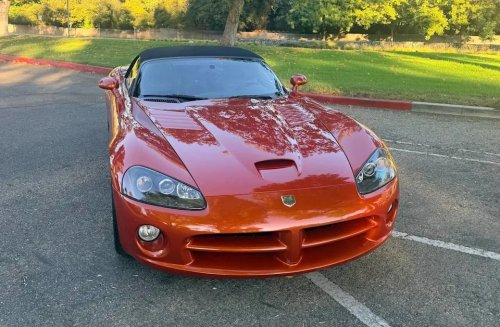
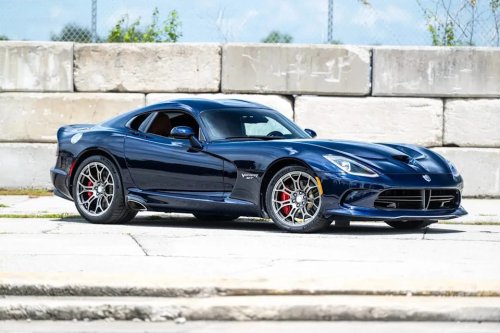
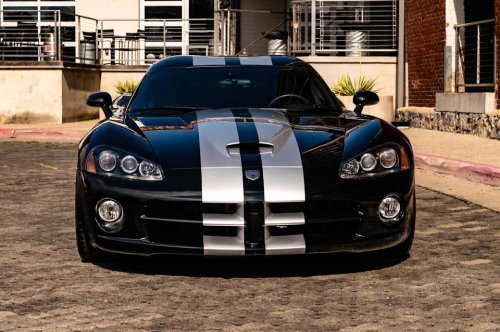
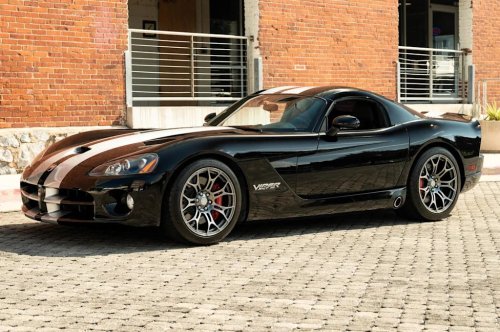
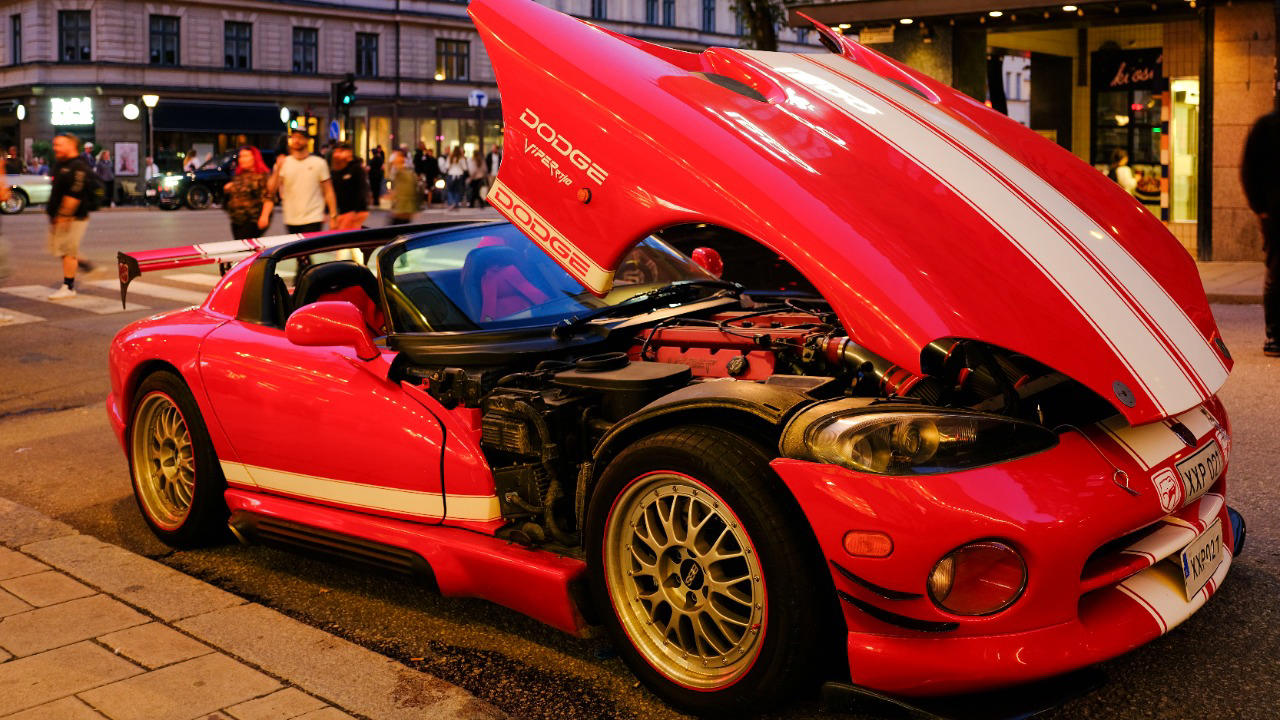
Dodge Viper nearly destroyed its maker while chasing performanceThe Dodge Viper was conceived as a blunt instrument of speed, a car that treated comfort as a distraction and safety systems as optional extras. That mission created a legend and marketing halo while exposing the manufacturer to financial and legal risks uncommon for other nameplates. The story of how a hand-built V10 brute nearly dragged its parent company under is a reminder that chasing performance at any cost eventually sends the bill. Over its life, the Viper demanded custom factories, absorbed engineering resources, and created liability headaches, even as it terrified owners and fascinated spectators. The same qualities that made it a hero on posters and at track days also forced Chrysler and later Fiat Chrysler to question whether any halo is worth the risk when the underlying business is already fragile. From “just an engine” to corporate obsession When Dodge greenlit the Viper, the brief was almost comically simple: build a car that was, in effect, an engine with a seat attached. A video from November recounts how Dodge executives in the late 1980s viewed the Mazda Miata, Chevy Corvette, Nissan, and Acura NSX as “cute,” then chose to build a more brutal car focused on raw displacement over finesse. That mindset produced the now-famous 8.0‑liter V10 and a body that treated aerodynamics less as a science and more as a suggestion. The first production Viper arrived in the early 1990s with very little in the way of driver aids, thin concessions to comfort, and a focus on track performance that made even seasoned drivers wary. One clip highlights the car’s terrifying reputation, noting its 8‑liter V10 producing 400 horsepower in the first models, an exceptional figure for a street car at the time. The same source notes that the Viper was deliberately tuned to “scare you into mastering it,” turning the car into both a marketing icon and a liability risk that Chrysler would struggle to manage for decades. The halo that bled cash For Chrysler, the Dodge Viper was never about volume. It was a statement that the company could build an American supercar, even as its core lineup was filled with minivans and sedans. One retrospective on the car’s internal status describes how the Dodge Viper was treated as “the king of Chrysler for 25 years,” a halo machine that sat above anything else the company sold and that, as another commentator in Apr puts it, “no other car for the money could touch” on a track. Yet that same halo demanded a dedicated low-volume factory, specialized tooling, and a constant stream of engineering resources that a struggling automaker could ill afford. Financial tension peaked when Chrysler, later Chrysler Group, experienced a near-collapse while producing the Dodge Viper from 1995 to 2010, leading to production cessation and corporate restructuring. A separate overview of the broader industry notes that Chrysler is now part of Stellantis N.V., a multinational corporation, a reminder that the company had to seek shelter inside a larger group after years of financial strain. In that context, a hand-built supercar that required its own plant and generated modest sales was less a trophy and more a recurring line item that investors and executives could not ignore. Widowmaker reputation and real-world carnage On the road, the Viper developed a reputation that bordered on myth. A video from September presents the car as an outlier among performance vehicles, contrasting mundane models with the Dodge Viper and jokingly labeling it a ‘serial killer’ of cars. That dark humor reflects a real pattern: social media feeds and video platforms are filled with clips of Vipers spinning into barriers, often at relatively low speeds, as drivers discover that a short wheelbase, huge torque, and limited electronic intervention leave very little margin for error. Analysis of those incidents has pointed to specific technical factors. One detailed piece on why so many Vipers get crashed notes that, anecdotally, a major contributor is the car’s tire setup and the way owners often treat them as ordinary performance rubber rather than as highly specialized components that need careful heat management and replacement intervals. The same commentary explains that drivers who do not understand the Viper’s tire-related needs are far more likely to be caught out when the rear end breaks loose. A long-term test of a 2015 Dodge Viper GT reinforces this image, observing that the Viper still had a reputation as a widowmaker even after its electronics and chassis had become more sophisticated, with the reviewers remarking that their own long-termer proved the car could be lived with only if the driver respected its quirks and, in their words, “if she was good with a clutch.” Legal landmines and the 93 crushed cars The Viper’s danger was not just theoretical. It created legal exposure that Chrysler Group and later Fiat Chrysler had to confront directly. In one widely discussed case, South Puget Sound Community College received a pre-production Viper as a donation, only to be ordered later to crush what local coverage valued at roughly 250,000 dollars rather than sell it. The instruction, according to that report, was explicit: the school had to destroy the car, not sell it, and was told to crush it, a directive that stunned students and enthusiasts but reflected the automaker’s fear of liability from a non-compliant prototype roaming public roads. The college incident was not isolated. An earlier report describes how Chrysler Group ordered that pre-production 1992 Vipers on loan to schools be destroyed, while also disputing claims that two donated Vipers had been involved in accidents, stating that Chrysler Group had no record of any such crashes and that the cars had been used by the school at various events. An investigation into Fiat Chrysler’s donated vehicles revealed that agreements required donated cars to eventually be destroyed, including 93 original Dodge Vipers that were ultimately located and crushed. A separate video essay on why they destroyed 93 Dodge Vipers revisits that saga, weaving in offbeat references to Jan, Billy, and Norm while underscoring the larger point that the company saw those cars as legal risks rather than museum pieces. Regulation, air bags, and the final kill order Even as the Viper’s legal and financial burdens mounted, regulatory pressure tightened around it. A detailed history notes that Fiat Chrysler initially cited poor sales for discontinuing the Viper, though other sources link the decision to new side-curtain airbag regulations, which were costly and difficult to implement in the compact, low-slung cabin. That same account notes that the Viper’s structure and production volume made such a retrofit uneconomical, particularly for a company that had already endured a near-collapse and now operated under the scrutiny of global partners. More from Fast Lane Only Unboxing the WWII Jeep in a Crate 15 rare Chevys collectors are quietly buying 10 underrated V8s still worth hunting down Police notice this before you even roll window down



















 +66 others