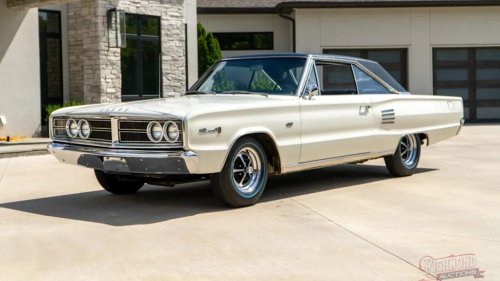
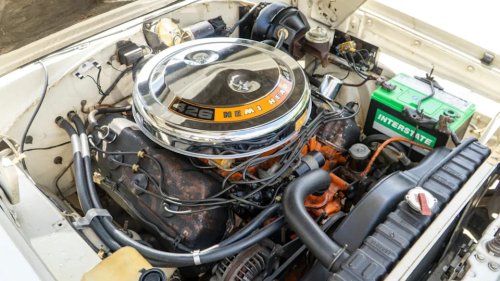
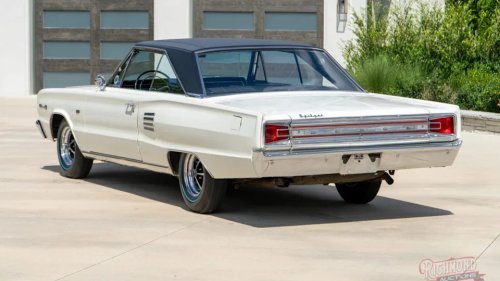
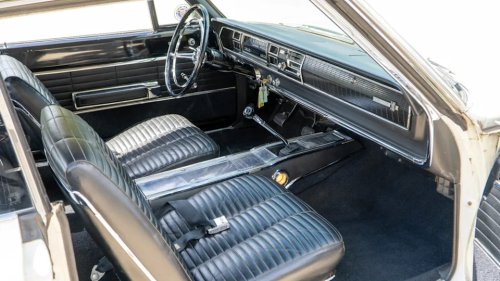
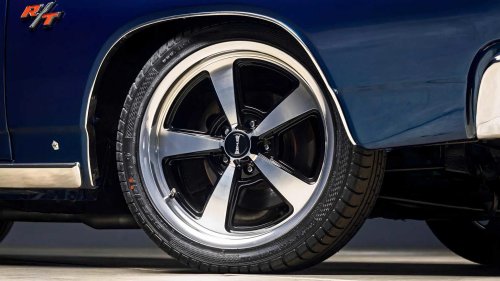
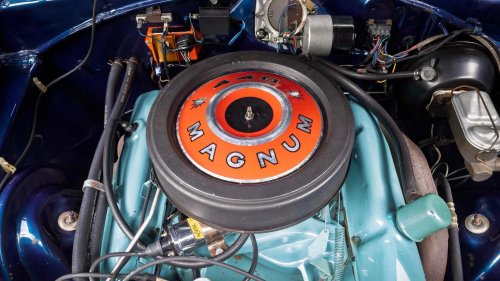
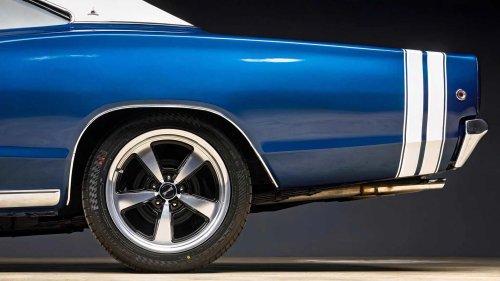
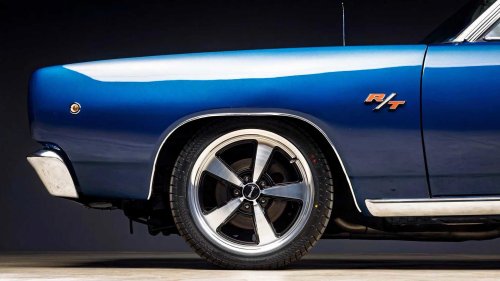
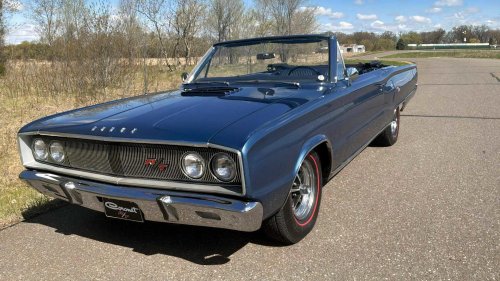
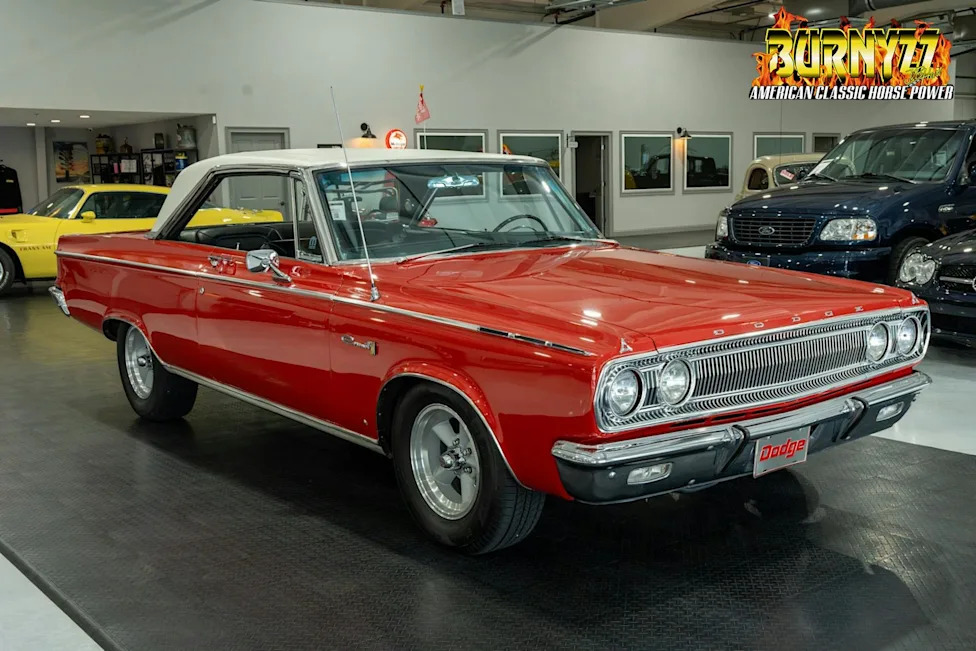
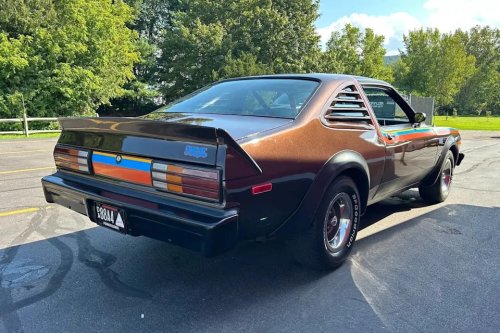
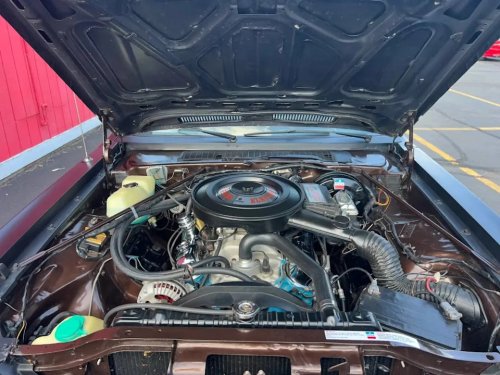
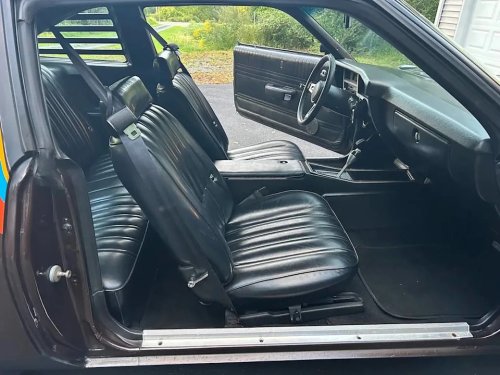
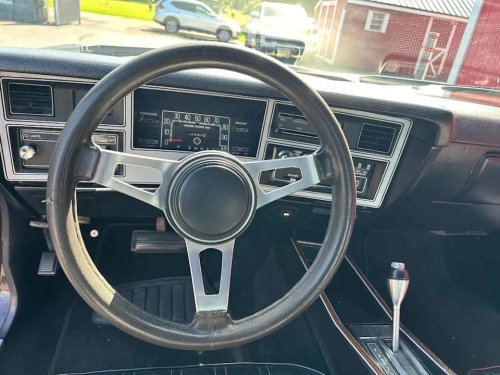
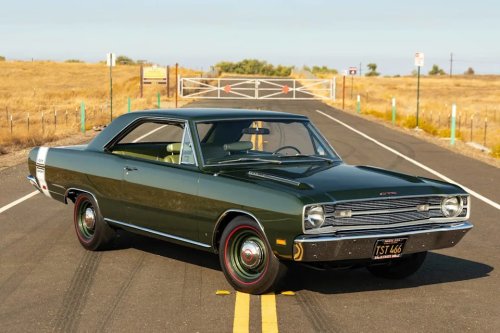
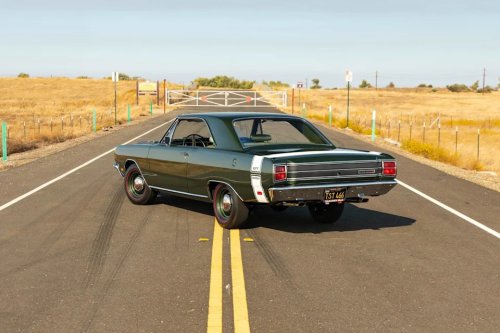
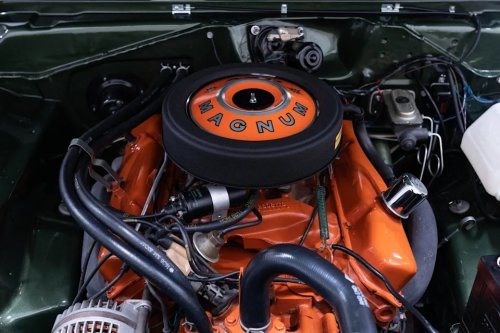
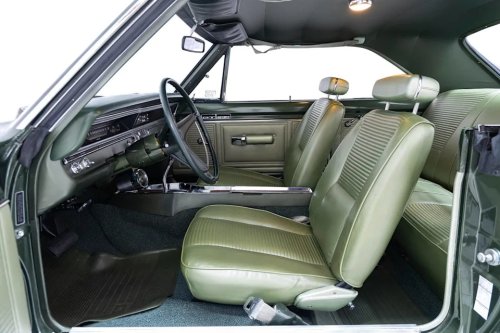
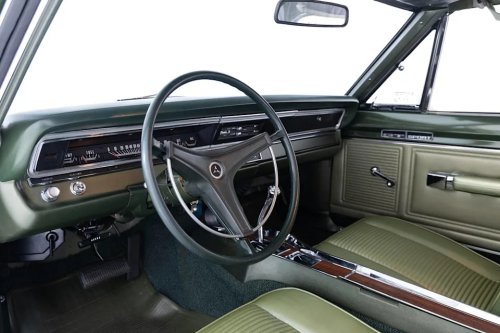
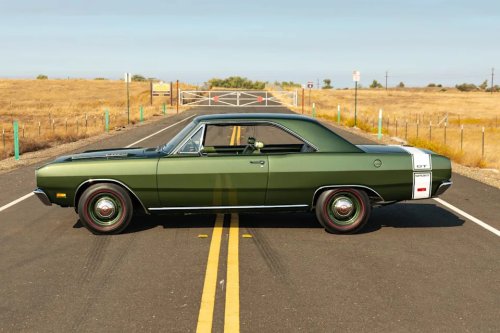
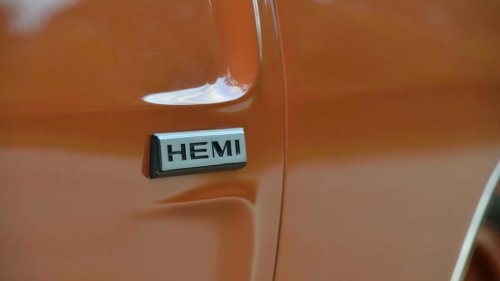
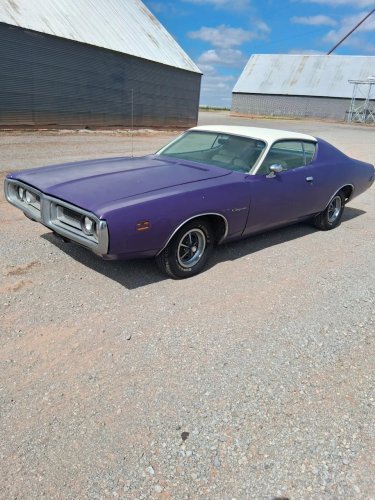
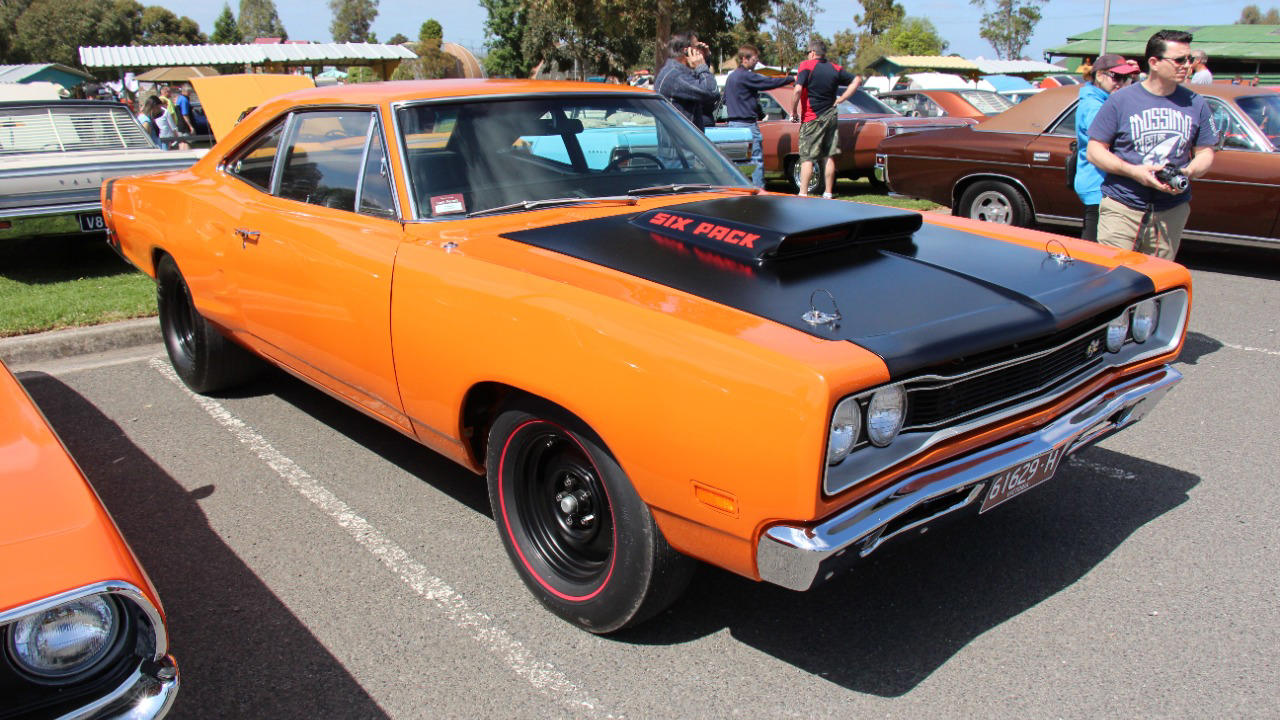
The 1969 Dodge Super Bee delivered value but lacked refinement compared to rivalsThe 1969 Dodge Super Bee arrived as a blunt instrument in a segment that was starting to polish its edges. It delivered big-block speed and brash attitude for less money than many rivals, yet it never quite matched their civility or finish. That tradeoff between value and refinement still shapes how enthusiasts judge the car today. Budget bruiser in a crowded muscle field The Super Bee grew out of Dodge’s desire to offer a Budget alternative to more upscale performance models. Positioned as Dodge’s answer to the Plymouth Road Runner, the Super Bee shared the same basic mid-size architecture but wore its own graphics and cartoon bee badge. The formula was simple: a relatively stripped Coronet body, big V8 power, and a price that kept young buyers in the showroom. Enthusiast discussions describe the 1969 Dodge Super Bee as a car that combined aggressive styling with serious performance at an affordable cost, a theme that appears repeatedly in period advertising and modern owner groups. That low entry price meant buyers accepted compromises in cabin trim, noise levels, and overall refinement that better-equipped competitors like the Pontiac GTO or Chevrolet Chevelle SS tried to address. Engines that out-punched the price tag Where the 1969 Dodge Super Bee clearly overdelivered was under the hood. Base cars used a 383 cubic inch V8, a combination that still appeals to owners who value the balance of power and cost. One period-style road test of a 2-door post car lists the Super Bee with a 383 4-speed and highlights that front disc brakes were optional, drum brakes were standard, and that the heavy-duty Dana 60 rear axle with 4.10 g gears was reserved for the 440 Six Pack and HEMI models, with Poly components used elsewhere in the lineup. That hardware mix shows how Dodge prioritized straight-line performance and durability over comfort. Above the 383 sat the legendary 440 cubic inch engines. Enthusiast comparisons point out that the Super Bee could be ordered with the 440 in multiple forms, and that the 440 cubic-inch engine became a calling card for Dodge performance. One owner’s story describes replacing a stock 383 with a lower compression Magnum 440 from a 1974 police package, underlining how naturally the chassis accepted big torque and how owners saw the car as a platform for heavy duty power upgrades. At the top of the range, the Hemi engine provided an even more brutal option. Technical histories of the related Coronet R/T and Super Bee note that the 425-bhp Hemi engine and four-speed gearbox were available and that Brakes were larger than on other Coronets, with front discs recommended for serious use. That kind of output placed the Super Bee in the same performance conversation as more expensive rivals, even if the rest of the car lagged in sophistication. The wild mid year A12 and the Six Pack mystique The most famous 1969 Super Bee variant was the A12, a mid-year package that turned the value muscle car into a near street racer. Enthusiast coverage of the 1969 ½ Dodge Super Bee A12 describes it as a special mid-year offering that featured a potent 440 cubic-inch engine topped with a trio of two-barrel carburetors, better known as the Six Pack setup. That package also brought heavy-duty driveline parts and a stripped, workmanlike appearance that signaled function over form. Modern video reviews capture how raw these cars feel. In one clip, Feb Moran climbs into a 1969 Dodge Superb Sixpack and describes it as a wild and hard-to-drive beast, a car that demands attention with every throttle input. The host thanks Ron for access to the car, then proceeds to show how the Dodge Super Bee Six Pack surges forward with a slight touch of the pedal, a trait that thrills enthusiasts but would have felt crude next to smoother rivals. The footage, accessible through a Wild and Hard review, reinforces the idea that the Six Pack cars were unapologetically intense rather than polished. Rarity adds another layer. Collectors frequently mention that only 153 of the certain 1969 ½ pillared coupes were produced, making specific Super Bee configurations extremely rare. That exclusivity has helped lift values for well-documented A12 cars even as more common Super Bees remain relatively accessible compared with headline nameplates of the era. Styling that shouted instead of whispered Visually, the 1969 Dodge Super Bee split the difference between the plain Coronet and the more upscale Charger. Contemporary descriptions of the model year highlight that a simulated power bulge hood remained on the Super Bee, as did a rear Super Bee stripe that, like a year prior, could be deleted. That rear stripe and the cartoon bee logo became central to the car’s identity, signaling that this was the budget brawler of the Dodge lineup. Hemmings’ coverage of surviving cars points out that the Super Bee combined that hood treatment and stripe with relatively simple trim. The focus was on Mechanical substance rather than ornament, a decision that kept costs down but also left the Super Bee looking less finished than some competitors. A detailed feature on a restored example notes how the Super Bee name and graphics did much of the visual heavy lifting, while the rest of the bodywork remained close to the basic Coronet sedan. Readers can see this balance in a period-style profile of a 1969 Dodge Super that emphasizes the model’s straightforward sheetmetal. That simplicity appealed to buyers who wanted a car that looked tough rather than sophisticated. Compared with the sculpted sides of a Chevelle or the fastback drama of a Charger, the Super Bee’s boxier lines and bright stripe read as more blue collar and less refined, which matched its pricing but also shaped its reputation. Inside the cabin, cost cutting was obvious If the exterior walked a line between plain and aggressive, the interior leaned heavily toward basic. Owners and enthusiasts often describe the 1969 Dodge Super Bee cabin as functional but sparse, with materials and fit that reminded drivers they had chosen the budget performance option. In the period, DODGE marketing stressed speed and value rather than luxury, and the SUPER BEE trim reflected that choice. One enthusiast discussion of the 1969 DODGE SUPER BEE notes that in the 60s, fast cars were the rage, but the bigger engines and disc brakes all cost extra, which added up. That comment, captured in a Nov owner group, underlines how buyers often skipped comfort options to afford the performance hardware. As a result, many Super Bees left the factory with bench seats, minimal sound deadening, and basic gauge clusters, while rivals increasingly offered plusher buckets, woodgrain trim, and more comprehensive instrumentation as standard or popular options. The driving position and control effort also reflected the car’s priorities. Heavy clutch pedals in four-speed cars, manual steering on some examples, and the general noise level created a more tiring experience in daily use than smoother, better-insulated competitors. Enthusiasts may celebrate that rawness today, but for buyers cross-shopping new cars in 1969, it could make the Super Bee feel less civilized. On the road: fast, loud, and a bit unruly Road impressions from period-style tests and modern drives paint a consistent picture. The Super Bee was quick and entertaining in a straight line, yet it demanded respect and effort from the driver. Owner groups describe the 1969 Dodge Super Bee as a muscle car powerhouse that combined aggressive styling with serious performance, and that description fits the way the car accelerates and sounds. The same sources also hint at limitations. Handling was adequate but not sharp, and ride quality could be harsh on broken pavement. A modern comparison that sets the Super Bee against other 1969 muscle machines like the Hemi Road Runner, Chevelle, Ford Cobra, Cyclone, and GTO notes that the decision as to which car came in second was difficult, as the Ford Cobra was a strong contender, but the Super Bee was only rarely considered the most refined choice. The implication is that while the Dodge could hang with rivals in raw numbers, it did not always feel as composed doing it. Video reviews of cars such as the Six Pack variants reinforce this sense of barely contained energy. The way the 440 Six Pack responds to throttle, the tendency of the rear tires to break loose, and the heavy feel of the controls all contribute to a driving experience that is thrilling yet demanding. For some buyers in 1969, that character would have been a selling point. For others, especially those accustomed to smoother GM or Ford offerings, it could make the Super Bee feel rough around the edges. How it stacked up against rivals Comparisons with other classic muscle cars show where the Super Bee excelled and where it lagged. Enthusiast discussions that pit the 1969 Dodge Super Bee against rivals highlight that it was powered by a range of powerful V8 engines, including the legendary 440 cubic-inch engine, and that the Super Bee could deliver impressive acceleration. In terms of straight-line speed per dollar, the Dodge often came out ahead. Yet rivals like the Pontiac GTO, Chevrolet Chevelle SS, and Ford Torino Cobra generally offered more refined suspensions, quieter cabins, and richer interiors. A vintage-style comparison that included the Ford Cobra and the Super Bee suggests that judges struggled to place the Dodge ahead when overall balance and comfort were considered. The Super Bee’s brakes, while upgraded compared with standard Coronets, still relied on optional front discs that some owners skipped to save money, which left stopping performance behind better-equipped competitors. In short, the 1969 Super Bee delivered value in horsepower and image, but it did not match the all-around polish of the best from GM and Ford. Buyers who prioritized refinement often chose elsewhere, while those who wanted the most speed for the least money gravitated toward the Dodge. Collector market: value play to rising star That original value positioning continues to shape the car’s place in the collector market. Analyses of auction results describe how the 69 Coronet Super Bee Is Worth a Small Fortune Today, with the key point being that what once seemed like a disposable budget muscle car has become highly desirable. At the same time, market commentary notes that while value estimates are one thing, what they will actually sell for in the real world is another question, and that the difference in value between a Super Bee and more famous names like the Charger can still be significant. Hemmings coverage of a car nicknamed the Getaway Car, a 1969 Dodge Super Bee whose Owner swapped in a Magnum 440, illustrates how these cars often lived hard lives and were modified heavily. That history can complicate restoration and valuation, yet it also reflects the car’s original role as a tool for speed rather than a cherished luxury item. Survivors with original drivetrains, especially 383 and 440 cars, now attract strong interest from enthusiasts who appreciate their straightforward character. More from Fast Lane Only Unboxing the WWII Jeep in a Crate 15 rare Chevys collectors are quietly buying 10 underrated V8s still worth hunting down Police notice this before you even roll window down



















 +42 others