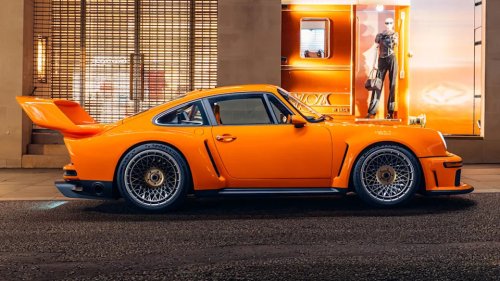
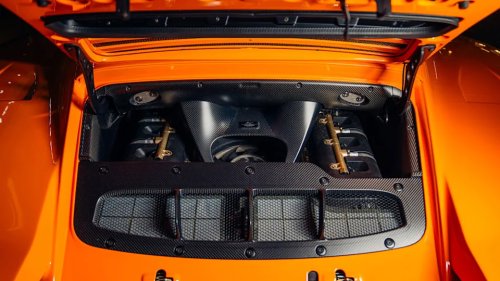
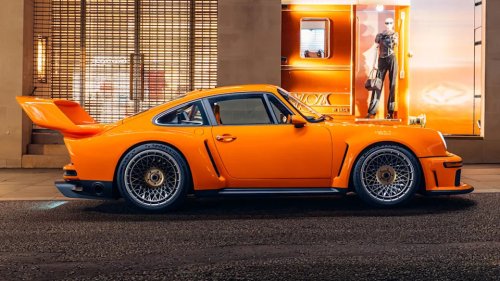
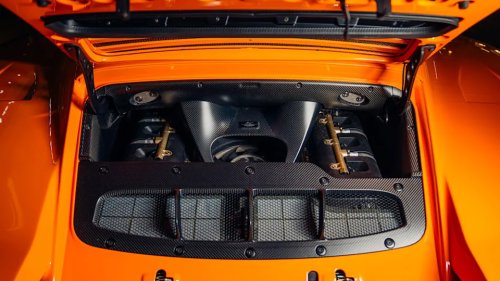
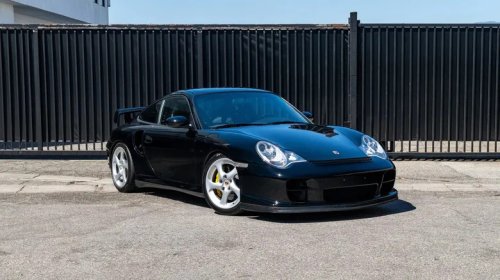
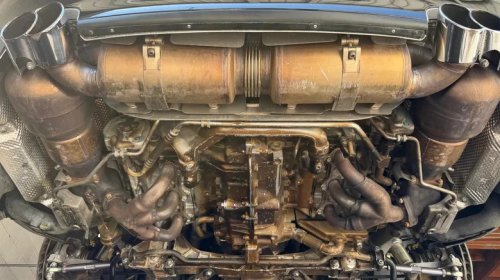
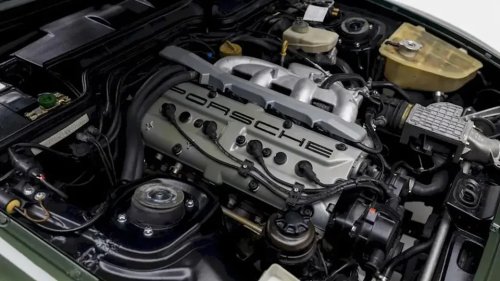
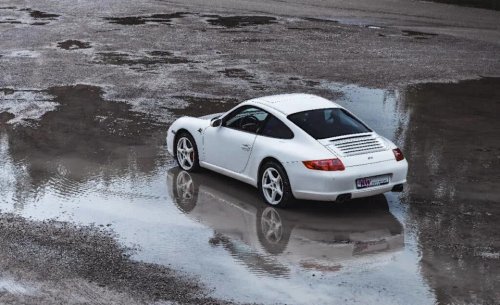
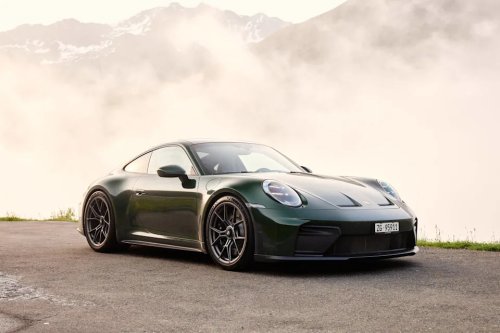
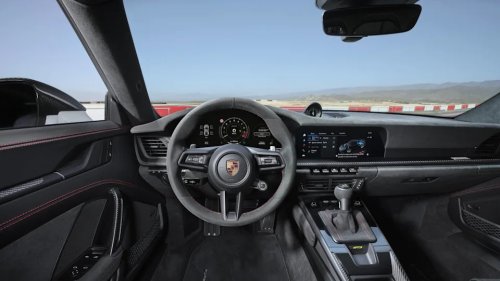
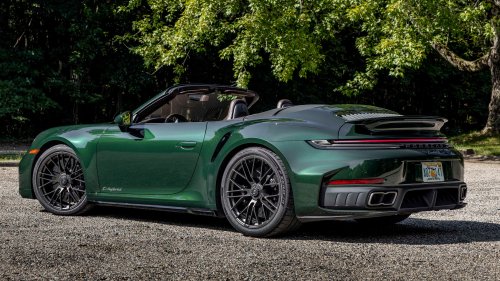
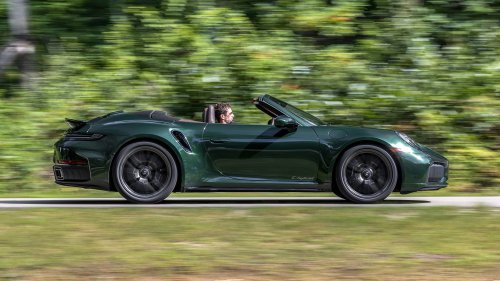
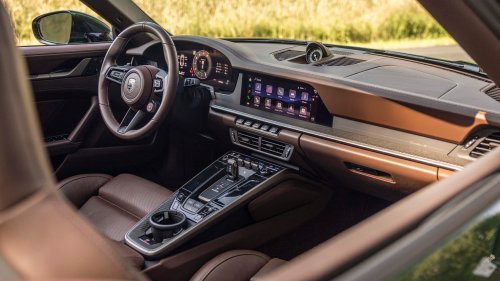
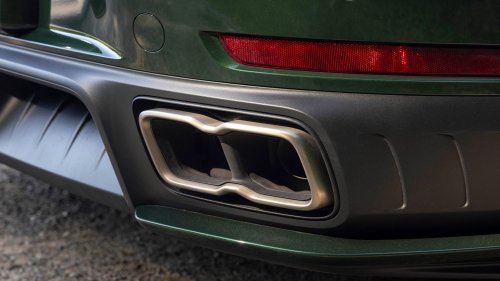
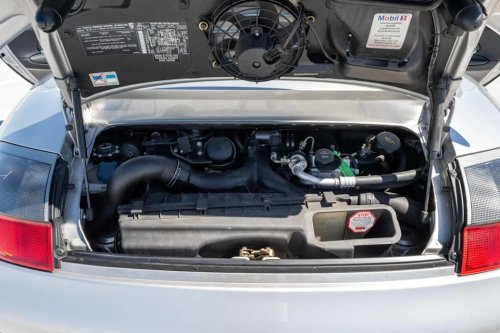
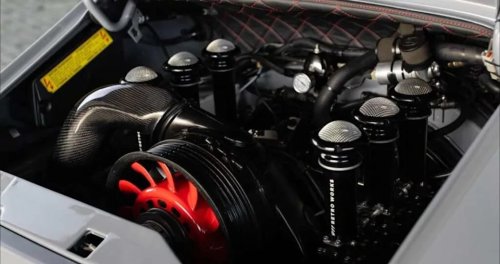
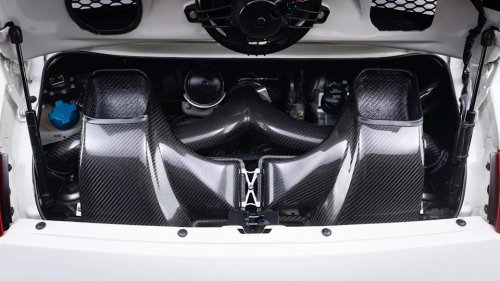
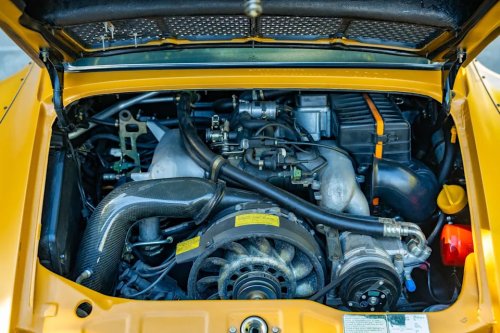
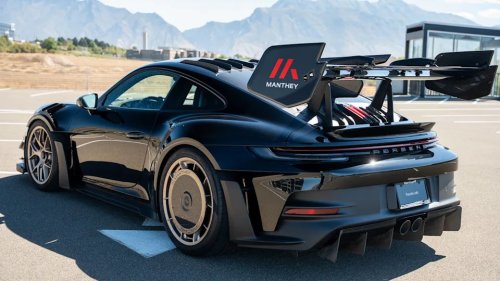
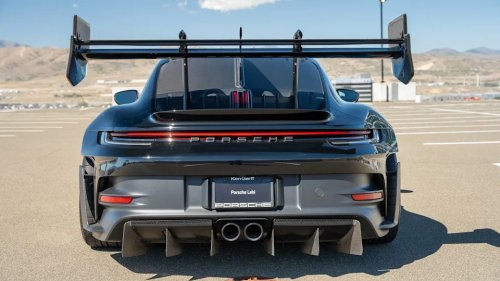
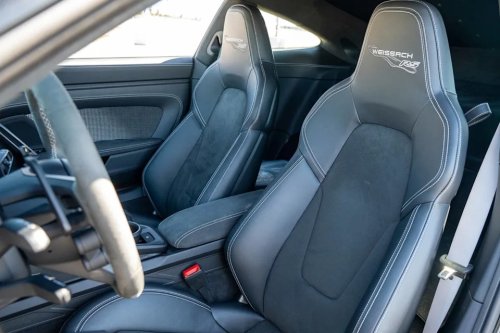
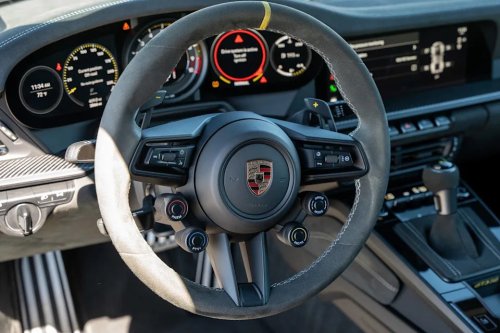
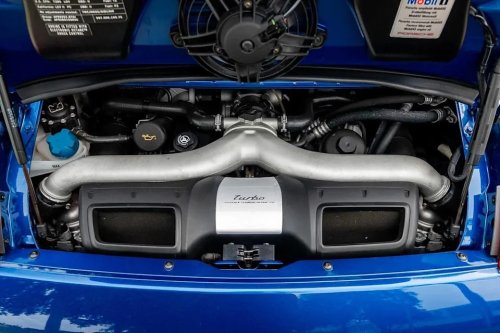
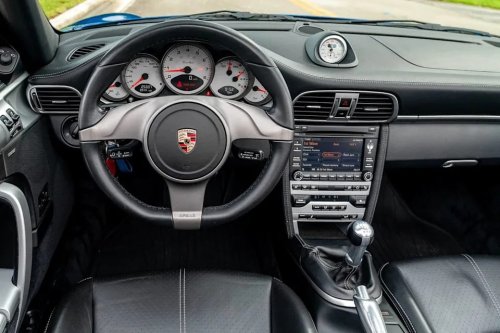
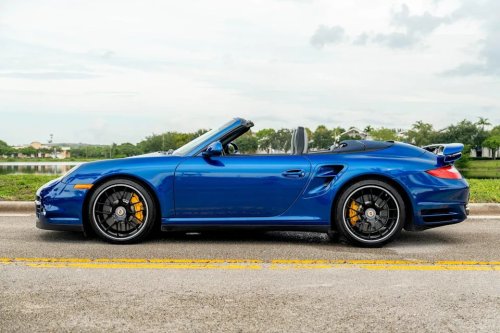
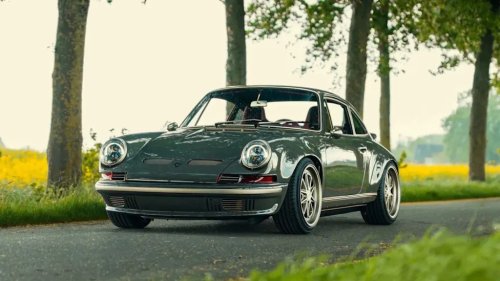
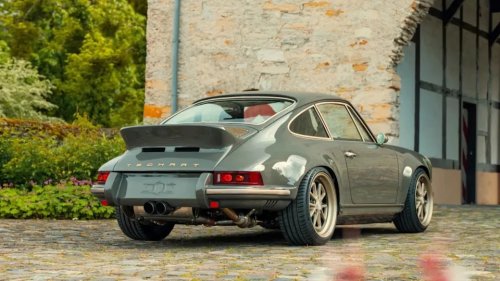
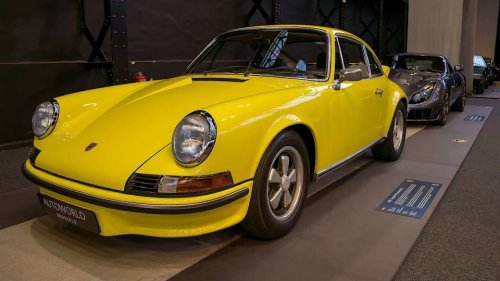
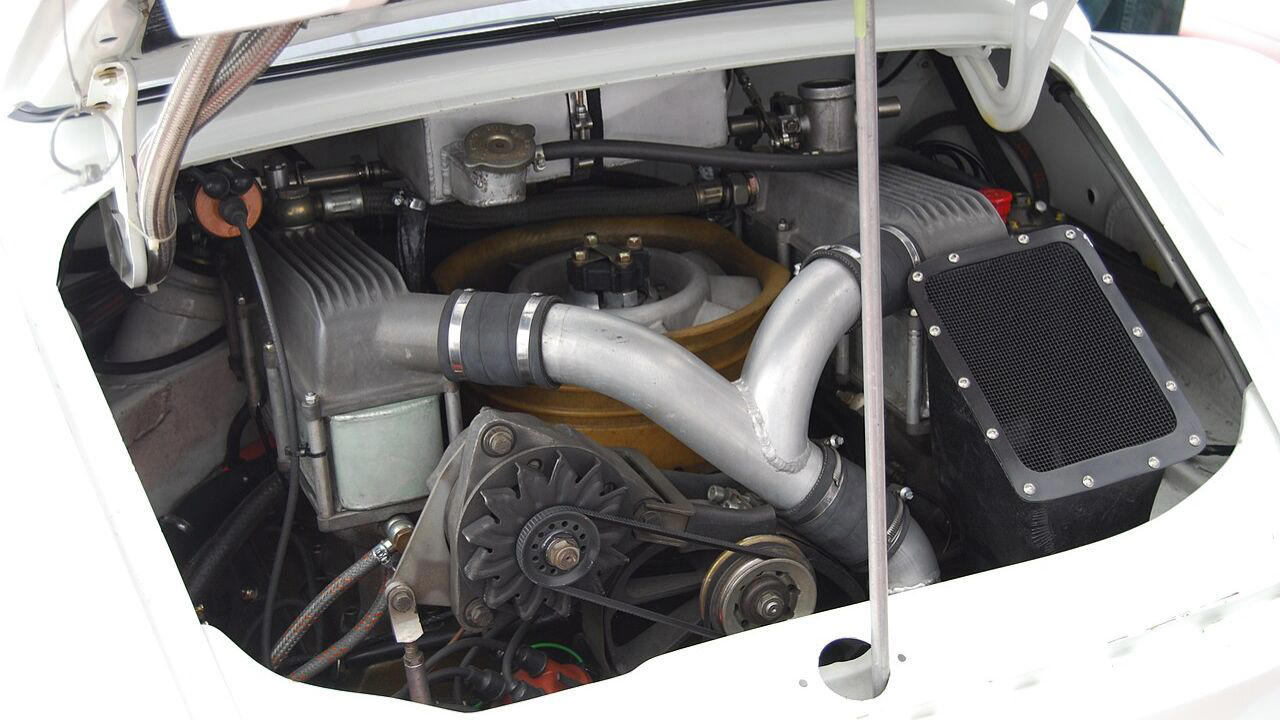
This flat-six engine turned the Porsche 911 into a legendThe Porsche 911 is not just a sports car; it’s an automotive icon that has captivated enthusiasts for decades. Central to this legendary status is its distinctive flat-six engine, which has contributed to the car’s performance, sound, and overall character. With a rich history that intertwines engineering brilliance and passionate motorsport heritage, the flat-six engine has become synonymous with the 911’s identity, creating a legacy that continues to inspire car lovers around the world. The Birth of the Flat-Six Engine The journey of the flat-six engine began in the early 1960s, a time when Porsche was looking to innovate beyond the already successful four-cylinder engines found in models like the Porsche 356. The development of the flat-six engine was spearheaded by the legendary engineer Ferdinand “Butzi” Porsche, who sought to create a powerplant that embodied the principles of balance, efficiency, and performance. Drawing inspiration from earlier Porsche models, the flat-six was designed to be compact and low-mounted, allowing for a lower center of gravity, which greatly enhanced the handling dynamics of the 911. Distinctive features of the flat-six design include its horizontally opposed cylinders, which not only provide a unique aesthetic but also contribute to the engine’s smooth operation. This configuration reduces vibrations and allows for a more even weight distribution across the chassis. Additionally, the flat-six has a reputation for being lightweight, a crucial factor that Porsche engineers prioritized to maintain the 911’s nimble character. The engine’s development was a reflection of Porsche’s engineering philosophies, where every element was meticulously crafted to enhance performance. Performance and Power Delivery The flat-six engine has seen various iterations over the decades, each delivering impressive horsepower and torque specifications. Early models like the original 1964 911 produced a modest 130 horsepower, but as technology advanced, so did the performance. By the time the 911 Turbo was introduced in 1975, the flat-six engine had evolved to generate over 260 horsepower, showcasing Porsche’s commitment to performance. Each new generation of the 911 benefitted from advancements in engineering, resulting in improved acceleration and handling characteristics. When compared to rival sports cars of the era, the flat-six engine stands out for its unique power delivery. Unlike many competitors that relied on high-revving inline engines, the flat-six offers a broad torque band that allows for seamless acceleration. This characteristic made the 911 a favorite among driving enthusiasts, as it provided a responsive and engaging driving experience. The 911’s ability to handle tight corners and straightaways with equal grace underscores the flat-six engine’s role in the car’s legendary performance legacy. The Sound of a Legend One cannot discuss the flat-six engine without mentioning its distinctive exhaust note, a symphony of mechanical harmony that has become a hallmark of the Porsche 911. The unique sound profile, characterized by a deep growl and an exhilarating wail at higher RPMs, has captivated the hearts of motorsport fans and car enthusiasts alike. This auditory experience is not just a byproduct of engineering; it’s an integral part of the driving experience that evokes emotion and connection. The cultural impact of the flat-six sound extends beyond the realms of racing and street driving. It has been featured prominently in films, video games, and even music, further solidifying its status as an automotive icon. Drivers and enthusiasts often recount the thrill of hearing that unmistakable engine note echoing through canyons or racetracks. Personal testimonies highlight how the sound of the flat-six evokes memories and emotions, creating a bond between the driver and the machine. For many, it transcends mere performance, becoming a cherished part of the Porsche legacy. Evolution Through the Decades The evolution of the flat-six engine reflects the technological advancements that have shaped the automotive landscape over the past six decades. From the original air-cooled models to the modern water-cooled variants, the flat-six has adapted to meet the demands of changing regulations and consumer expectations. The introduction of fuel injection in the 1970s marked a significant turning point, providing improved fuel efficiency and emissions control while enhancing performance. Turbocharging became another key technological advancement, first appearing in the 930 Turbo model in 1975 and continuing to feature prominently in modern iterations. Today’s flat-six engines, such as the one found in the 992 generation of the 911, provide a balance of power and efficiency, showcasing how Porsche has embraced innovation without sacrificing character. Adapting to environmental regulations while maintaining the essence of the flat-six has been a remarkable feat, ensuring that the engine remains relevant in today’s automotive market. The Flat-Six in Racing The flat-six engine’s prowess is not limited to the roads; it has a storied history in motorsport, particularly in endurance racing. Models like the Porsche 917, powered by a variant of the flat-six, achieved legendary status at events like the 24 Hours of Le Mans, where they dominated the competition. The success of the flat-six in racing helped establish Porsche’s reputation as a serious contender in the motorsport world, leading to countless victories and championships. Notable achievements include the iconic 1970 917K’s victory at Le Mans, which further cemented the flat-six’s status as a formidable force on the track. The influence of racing success is evident in the development of road-going models, as technologies and innovations derived from the racetrack often trickle down to consumer vehicles. This connection between motorsport and the 911’s road models has created a heritage that is deeply revered by enthusiasts. Iconic Models and Variants Throughout its history, the Porsche 911 has produced numerous iconic models that prominently featured the flat-six engine. The 911 Carrera RS 2.7, introduced in 1973, is often lauded as one of the most significant variants, known for its lightweight construction and impressive performance. This model not only showcased the flat-six’s capabilities but also laid the groundwork for future performance-oriented 911s. Special editions, such as the 911 GT3 and 911 R, have continued to push the boundaries of what the flat-six can achieve. The 911 GT3, in particular, is celebrated for its high-revving naturally aspirated flat-six, delivering a thrilling driving experience that resonates with purists. Each of these models contributes to the 911’s lineage, creating a tapestry of performance and engineering excellence that collectors and enthusiasts cherish. Emotional Connection and Community The bond between owners and their flat-six-powered 911s is profound. Many enthusiasts speak passionately about the emotional connection they feel when driving their cars, often citing the flat-six engine’s unique characteristics as a primary reason for their affection. This connection extends beyond the individual experience, fostering a sense of community among Porsche owners. Community events, clubs, and gatherings celebrating the Porsche legacy are abundant, providing opportunities for owners to share their stories and experiences. From local car meets to international gatherings like the Porsche Parade, these events highlight the camaraderie among enthusiasts. Personal stories abound, with many owners recounting the joy of driving their 911s on scenic routes or participating in track days, reinforcing the deep emotional attachment that the flat-six engine inspires. The Future of the Flat-Six Engine As the automotive industry shifts towards electric vehicles and hybrid models, the future of the flat-six engine remains a topic of interest. While some may speculate that the flat-six could become a relic of the past, there are indications that Porsche is exploring avenues to integrate the engine with new technologies. The potential for hybrid systems that combine the flat-six with electric motors could provide a solution that honors the past while embracing the future. Industry experts express optimism about the flat-six’s relevance moving forward, asserting that its unique characteristics may continue to appeal to enthusiasts even in an evolving automotive landscape. The challenge lies in balancing performance, efficiency, and environmental considerations, but Porsche has a history of innovation that suggests the flat-six may still have a place in future 911s. As the brand navigates this transition, the legacy of the flat-six engine will undoubtedly remain a guiding influence. A Legacy Carved in Engineering The flat-six engine has indelibly shaped the Porsche 911’s status as a legendary sports car. Its unique design, performance attributes, and unmistakable sound have created a lasting appeal that resonates with car enthusiasts and collectors alike. The enduring legacy of the flat-six engine is a testament to the ingenuity of Porsche’s engineers and their commitment to creating a vehicle that embodies the spirit of driving. As we look to the future, the flat-six will continue to symbolize the passion and dedication that define the Porsche brand. Whether on the racetrack or cruising down scenic roads, the flat-six engine will always hold a special place in the hearts of those who appreciate the artistry of automotive engineering. Preserving the heritage of the flat-six engine is essential not just for Porsche enthusiasts but for anyone who values the rich history and evolution of the automotive world. More from Fast Lane Only Unboxing the WWII Jeep in a Crate 15 rare Chevys collectors are quietly buying 10 underrated V8s still worth hunting down Police notice this before you even roll window down *Research for this article included AI assistance, with all final content reviewed by human editors.



















 +56 others