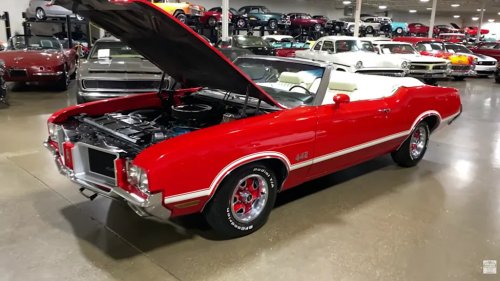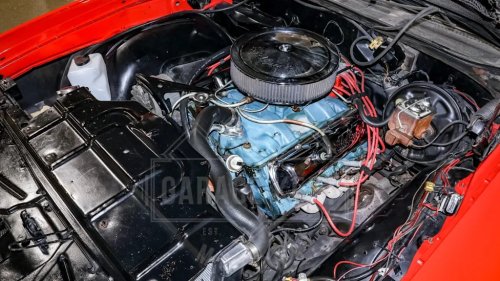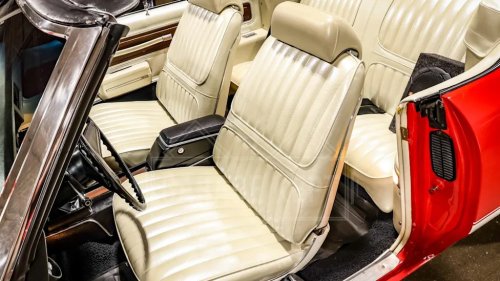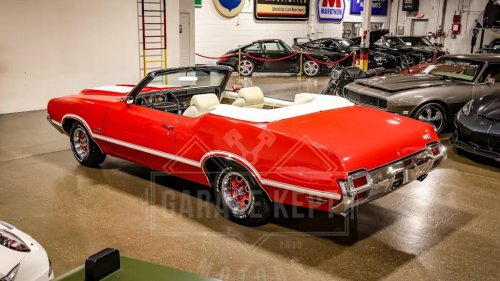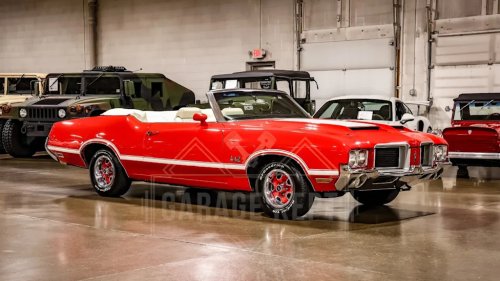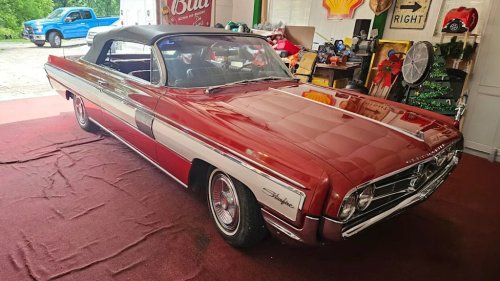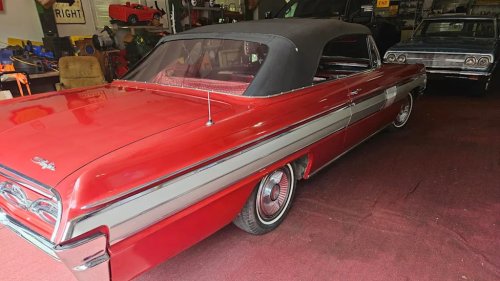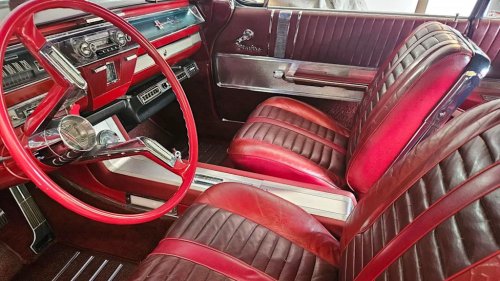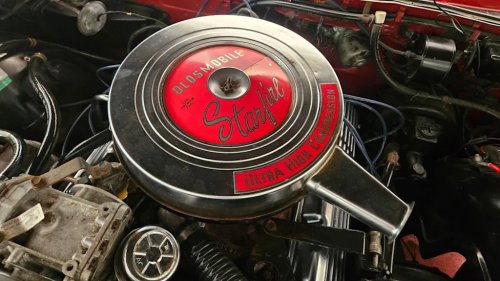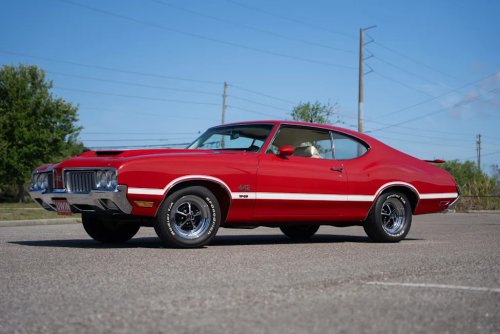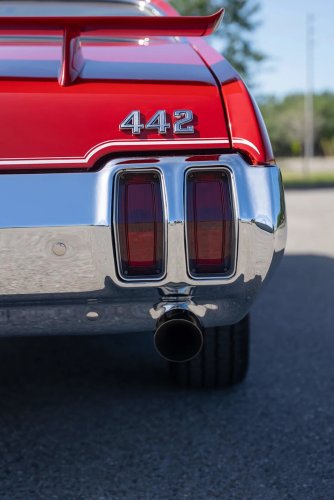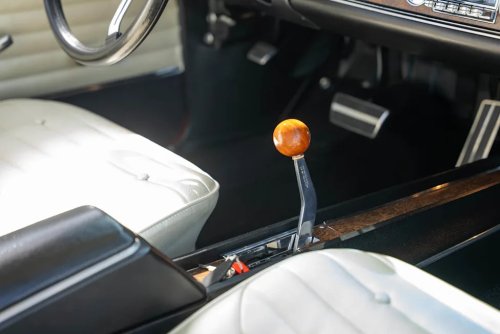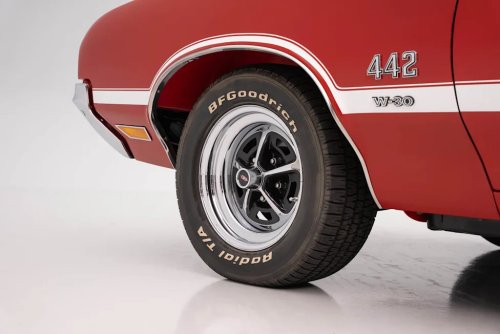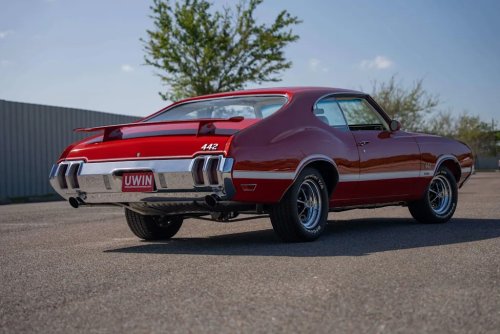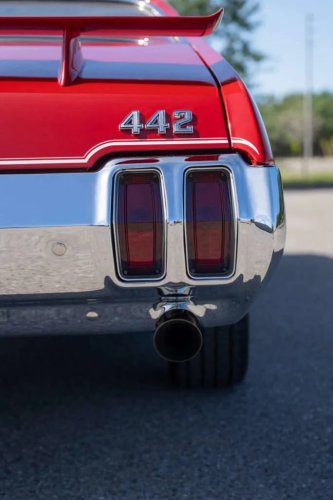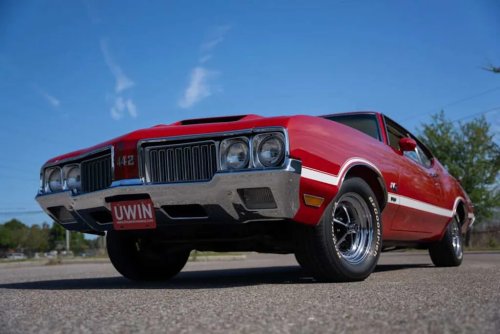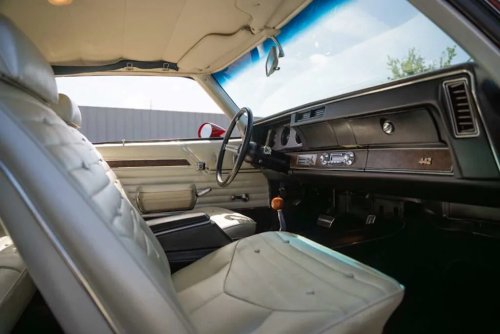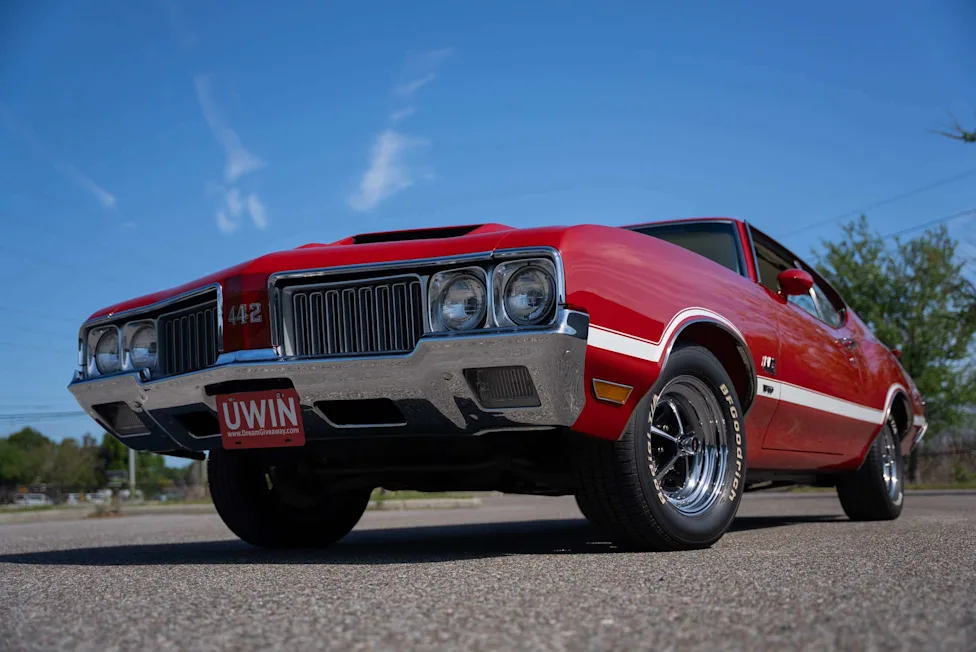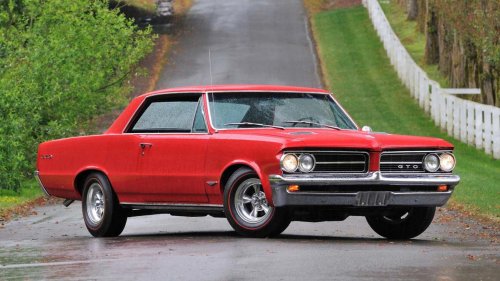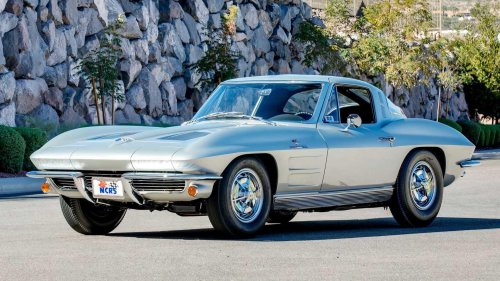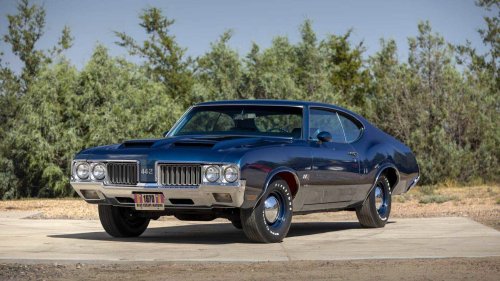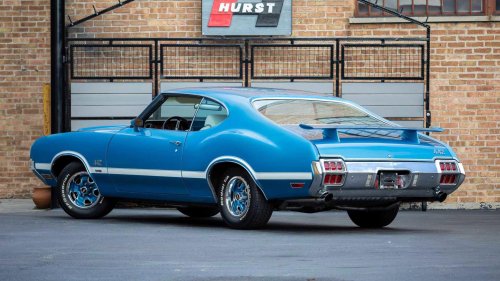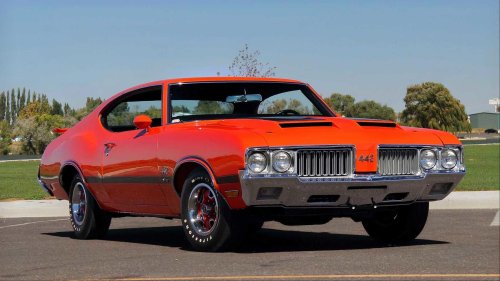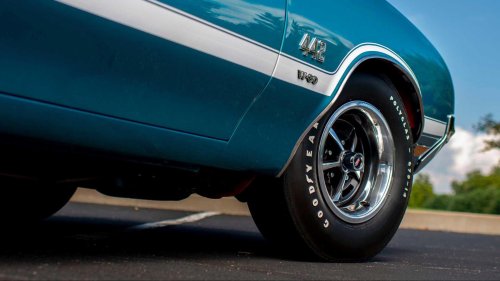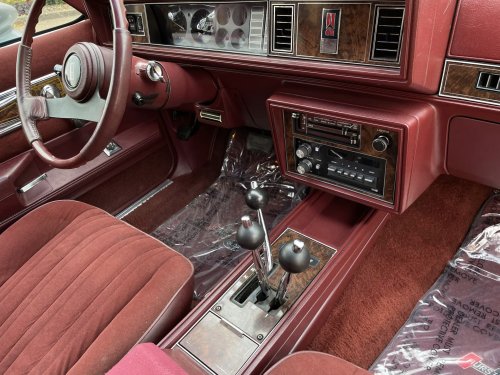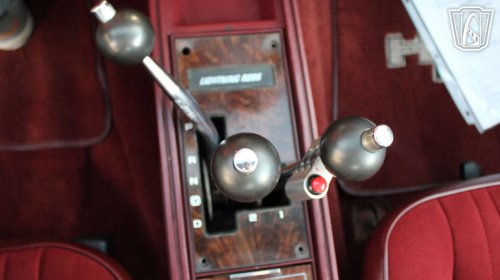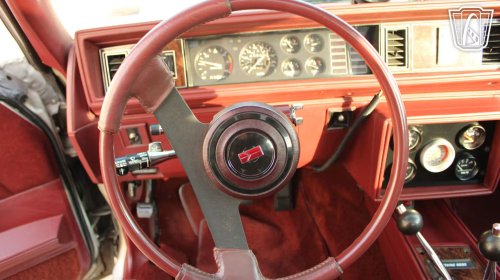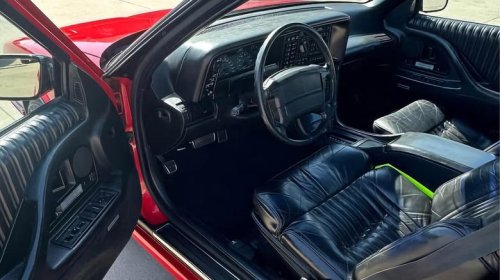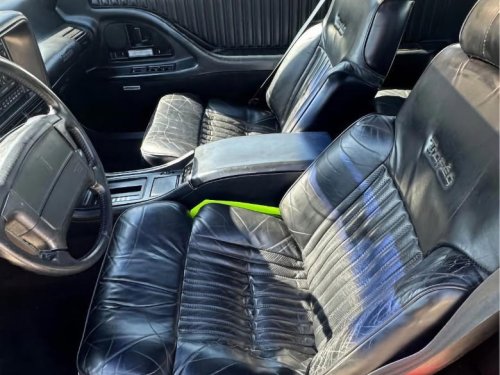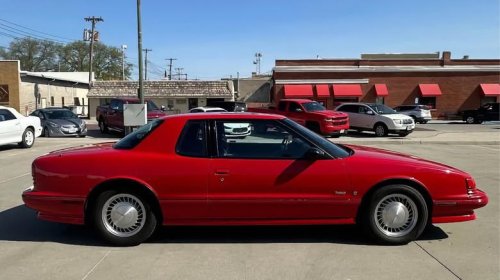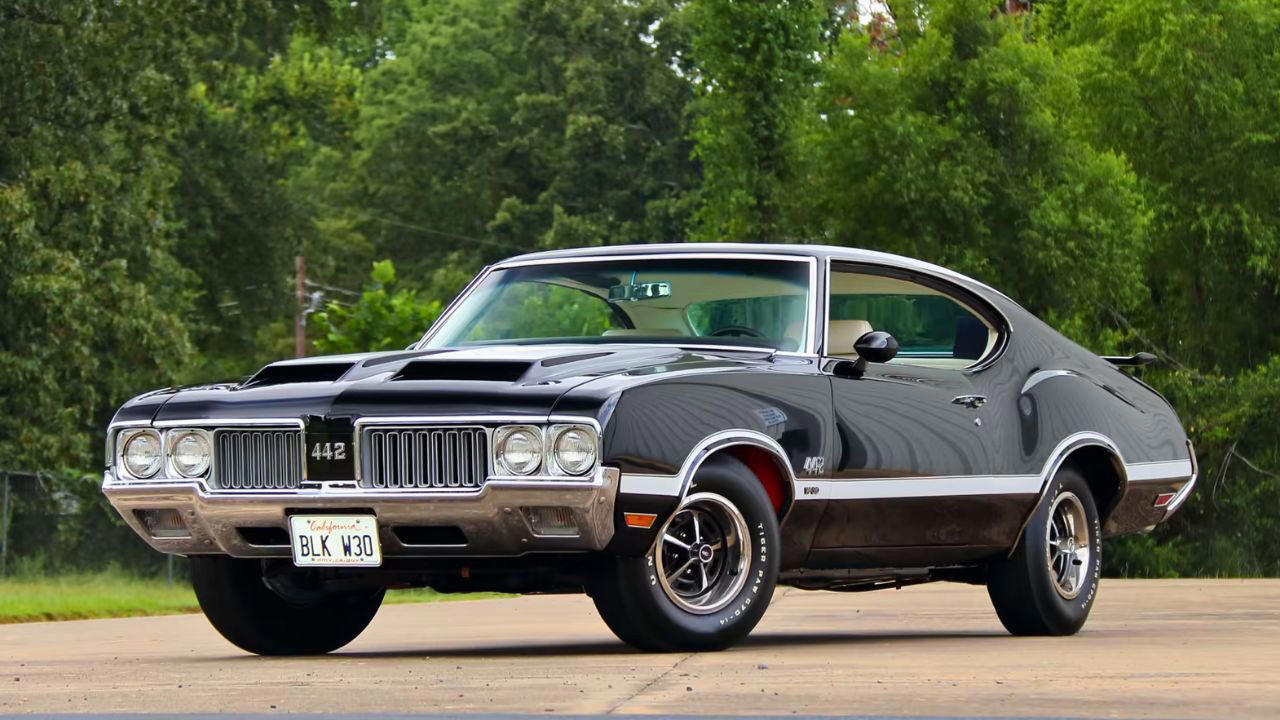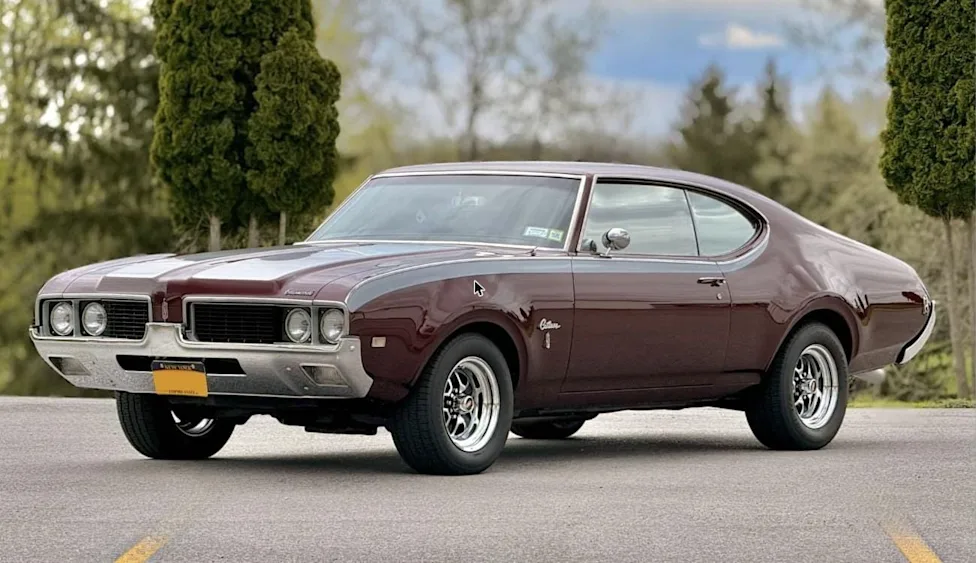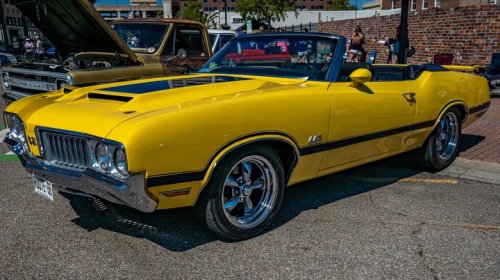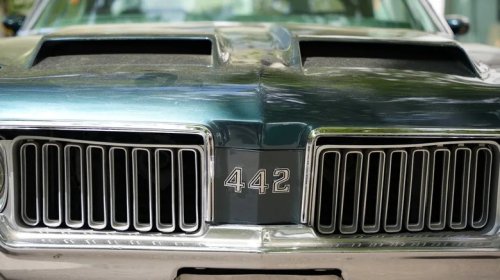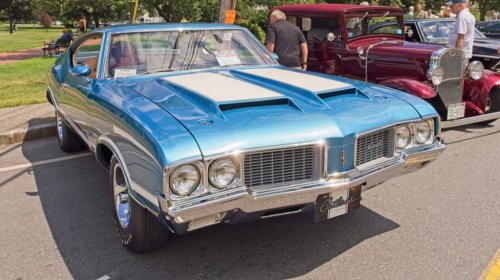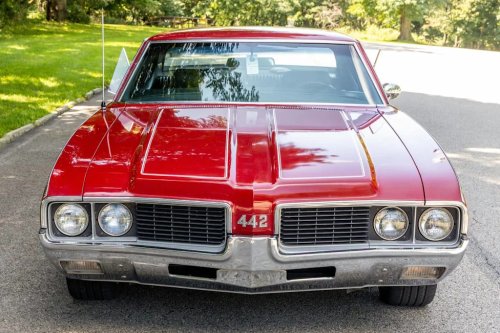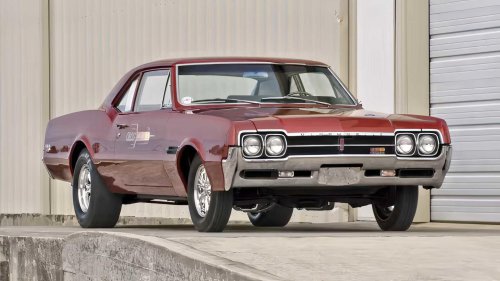
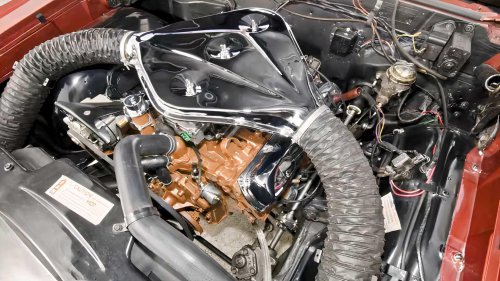
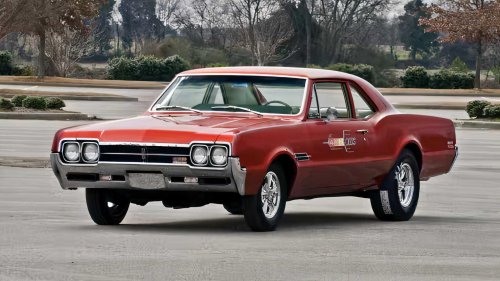
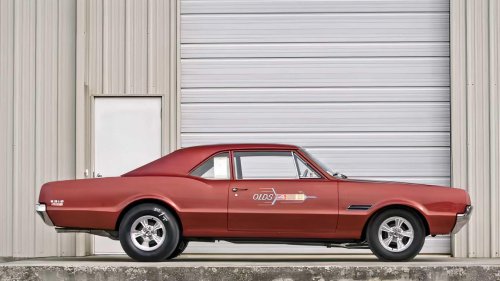
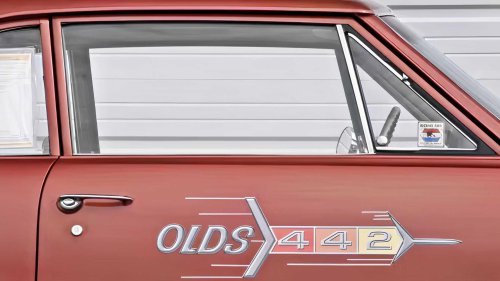
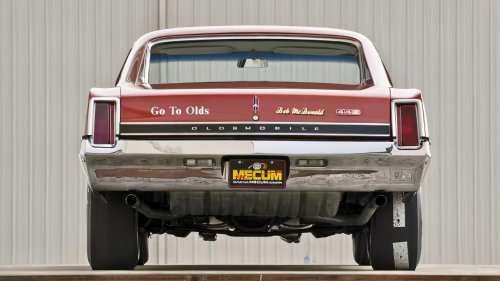
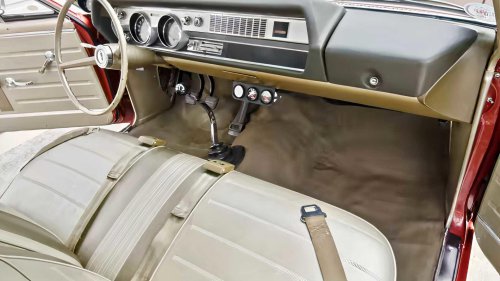
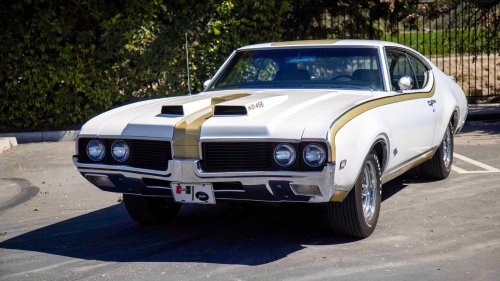
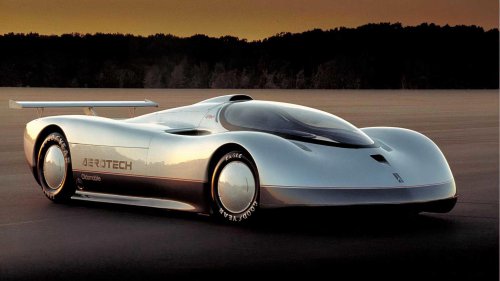


















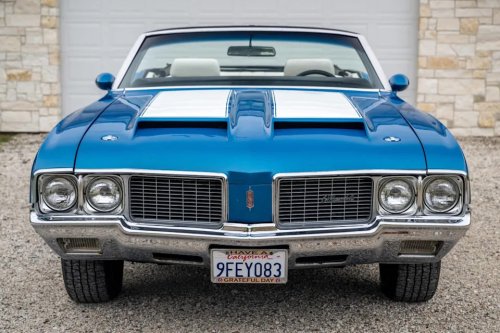
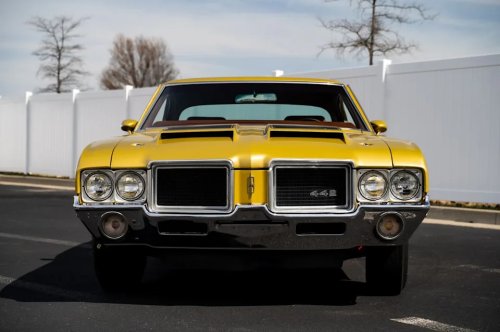
Throughout the 1960s, American performance car divisions were locked in a race to deliver faster, more aggressive, and increasingly specialized factory muscle cars.Many of these performance rigs earned instant fame, with many still dominating conversations among gearheads today.However, others followed a quieter path, arriving with serious engineering credentials but lacking the widespread marketing attention or production volume needed to secure lasting mainstream fame. Among these lesser-known contenders was a factory-built performance machine developed with a clear focus on airflow efficiency, torque-heavy power delivery, and race-influenced mechanical upgrades.Decades later, this overlooked performance effort remains among the most fascinating tales of how factory muscle engineering evolved during the height of the horsepower era. Let’s get into it. How The 1966 Oldsmobile 442 W-30 Became One Of The Most Serious Muscle Cars Of The 1960s via MecumThe 1960s were a glorious time in automotive history, where the muscle car arms race was escalating rapidly. The Pontiac GTO had already proven that factory street performance could rake in some dough, and Oldsmobile was looking to cash in on that same recipe.GM divisions were competing internally for top performance honors. And, well, Oldsmobile wasn’t at the top, per se, as the brand was positioned towards an older demographic of gearheads who appreciated refinement and precision engineering over unbridled performance. However, Oldsmobile was determined to step out of its traditional mold, and that’s where the W-30 comes into the picture, the embodiment of Oldsmobile deliberately stepping deeper into performance territory.Oldsmobile already had a strong platform with the 4-4-2. So, in order to enhance it towards a performance level rig, the W-30 was offered as an optional performance package. The W-30 performance package was introduced in 1966, and with it came increased air flow, responsiveness, and track capabilities. The W-30 built upon Oldsmobile’s 400 cubic-inch V8, which was already known for producing strong low-end torque.via Bring A TrailerWell-tuned 442 W-30s could launch themselves from 0 to 60 mph in about 5.8 seconds, with quarter-mile times typically landing around 13.8 seconds, depending on gearing and traction. Top speed was generally reported in the 120 to 125 mph range.Those numbers put the W-30 directly in line with contemporary heavy hitters like the 389-powered Pontiac GTO and Chevrolet’s 396-equipped Chevelle SS. It was not an outlier in raw acceleration, but it did not need to be. The W-30’s strength was its torque-heavy delivery and real-world performance, which made it competitive with the era’s best factory muscle cars while maintaining the durability and engineering discipline Oldsmobile was known for. Why The 1966 W-30 Became One Of The Most Overlooked Muscle Cars Ever Built via MecumDespite delivering legitimate factory performance credentials, the 1966 Oldsmobile 442 W-30 entered a muscle car market dominated by flashier rigs and more proactive marketing strategies. Pontiac had already cemented the GTO as the face of the muscle car movement, while Chevrolet leveraged its widespread performance reputation through the Chevelle SS. Oldsmobile, by comparison, maintained brand recognition hinged on refinement, which often translated into performance cars that appealed to knowledgeable gearheads more so than the youth-driven muscle car audience.Another factor that contributed to the W-30’s overlooked status was its production volume and limited visibility. The W-30 package was produced in relatively small numbers compared to mainstream muscle models. While that rarity has become a major advantage in collector circles today, it limited the car’s immediate cultural impact. Many buyers simply encountered more GTOs, Chevelle SS models, and even Buick Gran Sports, which naturally helped those cars dominate public perception of 1960s performance.via MecumTiming also played a role in the W-30’s quiet historical presence. Later W-30 variants, particularly the more widely discussed 1969 and 1970 models, often receive the majority of enthusiast attention due to escalating horsepower wars and increased media coverage during the peak of muscle car development. As a result, the 1966 model tends to be viewed as a mere building block toward an actual foundational performance breakthrough, even though it helped establish Oldsmobile’s W-Machine identity and demonstrated the division’s commitment to factory-engineered performance.The W-30’s subtle performance approach only added to its under-the-radar reputation. Unlike competitors that leaned heavily into aggressive visual cues, Oldsmobile emphasized functional engineering upgrades that were not always obvious at first glance. For enthusiasts who valued mechanical sophistication, the 1966 W-30 represented one of the most serious and thoughtfully engineered muscle cars of its time, even if history initially gave the spotlight to louder rivals. A Surprisingly Rare '60s Muscle Car via MecumWhen the 1966 Oldsmobile 442 W-30 arrived at dealerships, its performance upgrades came at a modest premium over the base 4-4-2 package. The starting sticker price for a 1966 Oldsmobile 44 sat at $2,965, with the optional W-30 performance package adding about $260 to the base price.With only 54 units ever produced, the 1966 4-4-2 W-30 models occupy a very interesting corner of the collector car market today. While these performance machines fetch a pretty penny up on the auction block, they still fly under the radar thanks to muscle icons with more extensive followings like Chevelles and high-option GTOs. What The 1966 Oldsmobile 4-4-2 W-30 Costs Today via MecumWhen a W-30 surfaces at auction or a private sale, its combination of rarity, engineering pedigree, and affordability to a wider base of gearheads compared with other top-tier muscle cars tends to draw savvy bidders. Based on data collected by Classic.com, the average auction price for a 1966 Oldsmobile 442 sits at $85,250, with the top sale recorded over the last 12 months coming in at a whopping $104,500, and the lowest sitting at just $66,000.One recent example, selling on the higher end of the price spectrum, is this stunning 1966 Oldsmobile 442 W-30, finished in red. With just under 68,000 miles on the odometer, this ‘66 performance machine was swooped up by one lucky gearhead for a staggering price of $104,500. As this example indicates, when well-documented and correctly restored examples surface, they often command premiums that place them among the most desirable Oldsmobile muscle cars in the collector market. Other Ghost Oldsmobile Performance Cars That Gearheads Should Know via MecumWhile the 1966 W-30 helped establish Oldsmobile’s performance credibility, it was far from the only time the division produced serious enthusiast-focused machines that never got mainstream recognition. Throughout both the muscle car era and the brand’s later experimental years, Oldsmobile repeatedly introduced performance vehicles that delivered legitimate engineering achievements but struggled to maintain long-term cultural visibility.Two standout examples showcase that Oldsmobile is no stranger to blending performance innovation with limited production and bold technical experimentation, building machines that remain respected among enthusiasts yet largely overlooked by the broader collector market. 1969 Hurst/Olds via Bring A TrailerThe 1969 Hurst/Olds represents one of the most recognizable collaborations between Oldsmobile and aftermarket performance specialist Hurst Performance. Built during a period when GM had internal restrictions on engine displacement in intermediate-size cars, Oldsmobile and Hurst teamed up to push performance limits while still complying with GM regulations. The result was a visually distinctive and mechanically serious muscle car that combined Oldsmobile’s torque-focused V8 engineering with Hurst’s drag racing credibility.Under the hood, the 1969 Hurst/Olds was powered by a 455 cubic-inch V8 producing a factory-rated 380 horsepower and an impressive 500 lb-ft of torque. The engine, paired with a heavy-duty Turbo-Hydramatic automatic transmission, featured performance upgrades designed to maximize low-end acceleration. Performance testing during the era consistently placed the car among the strongest torque performers of the muscle car period, delivering quarter-mile times in the mid-14-second range with exceptional street drivability. 1987 Oldsmobile Aerotech via GM Media ArchiveBy the late 1980s, Oldsmobile had shifted away from traditional muscle cars and began playing around with advanced performance technology aimed at putting the brand’s engineering capabilities on full display. The 1987 Oldsmobile Aerotech represented one of the division’s most ambitious experimental performance programs. Developed as a high-speed endurance and land-speed demonstration vehicle, the Aerotech focused on aerodynamic efficiency, lightweight construction, and turbocharged power rather than traditional muscle car formulas.The Aerotech was built around a highly modified Quad 4 four-cylinder engine equipped with twin turbochargers that produced nearly 800 horsepower in qualifying configurations. The car featured an aircraft-inspired aerodynamic body designed to reduce drag and maintain stability at extreme speeds. Driven by A.J. Foyt, the Aerotech achieved multiple endurance and closed-course speed records, including sustained high-speed runs exceeding 250 mph.Just like the 1969 Hurst/Olds and the 1987 Oldsmobile Aerotech, the 1966 Oldsmobile 442 W-30 didn't slip out of history because it lacked performance. Rather, the 1966 Oldsmobile 442 W-30 slipped out of history because it lacked spectacle. Even though its torque-rich 40044 V8 and limited production numbers make it one of the most technically serious muscle cars of its time, it was never given the production numbers or marketing budget needed to truly make a splash in the late 1960s.Still, the W-30 represents a moment when Oldsmobile chose engineering substance over grand marketing stunts, and that choice is exactly why it deserves respect among modern enthusiasts. For collectors and historians alike, this is not just a rare Oldsmobile. It is the foundation of the W-Machine legacy and proof that some of the most important muscle cars were never the loudest ones in the room.Sources: Classic.com, Hagerty, Hemmings, HotRod Magazine