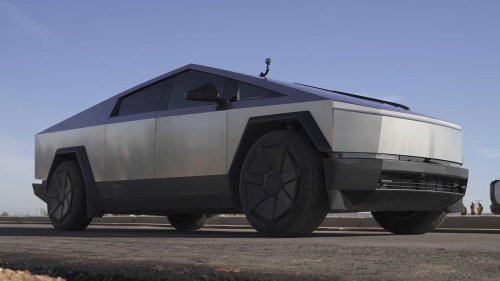
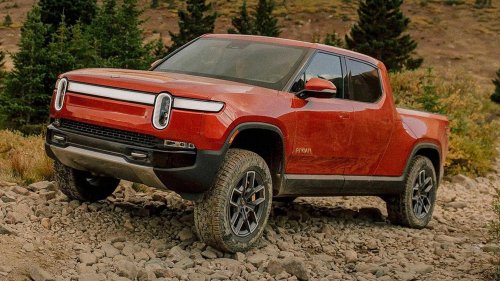
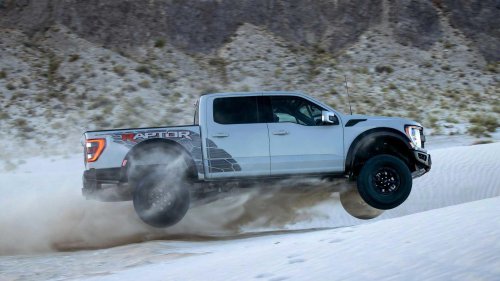
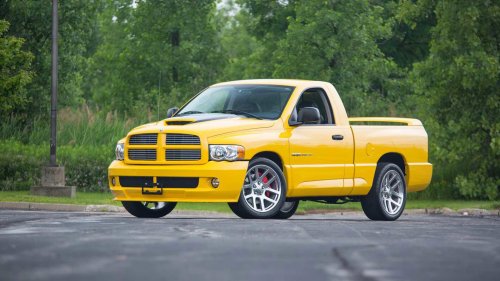
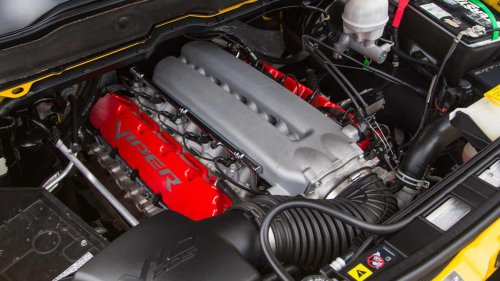
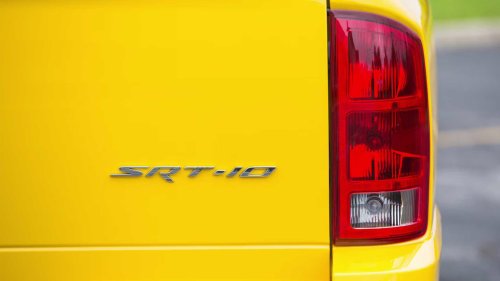
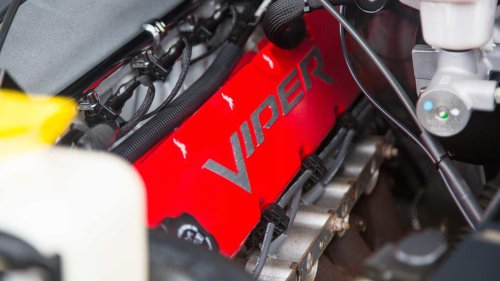
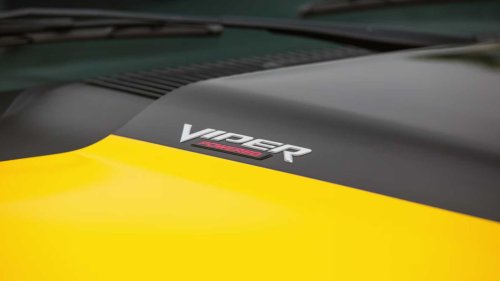
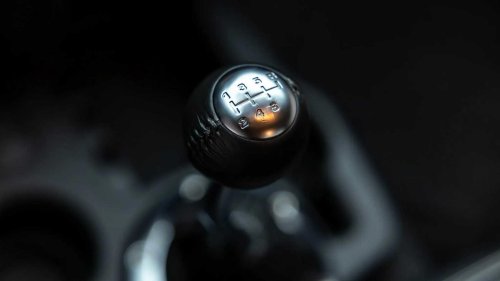
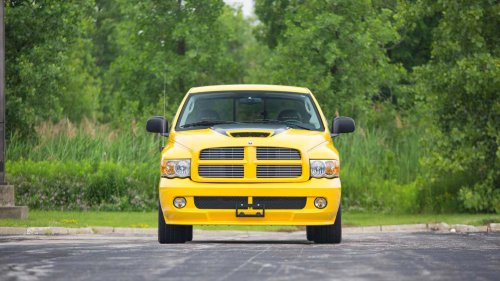
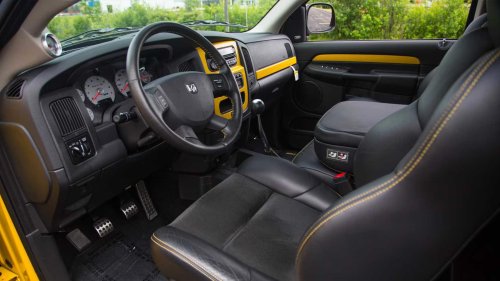
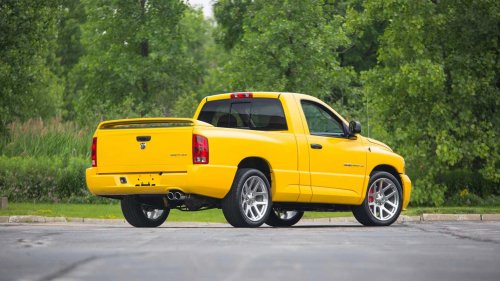
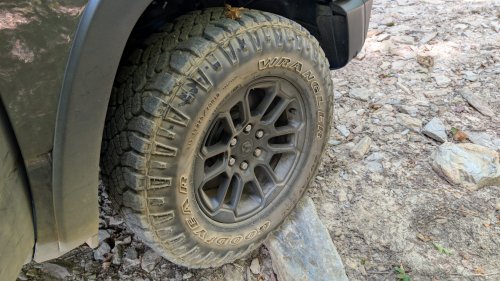
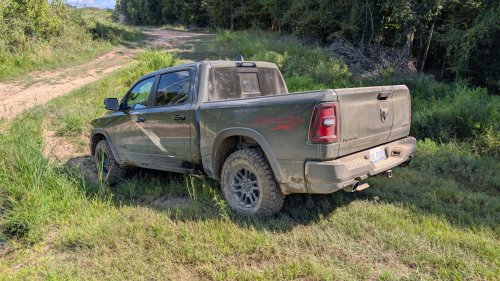
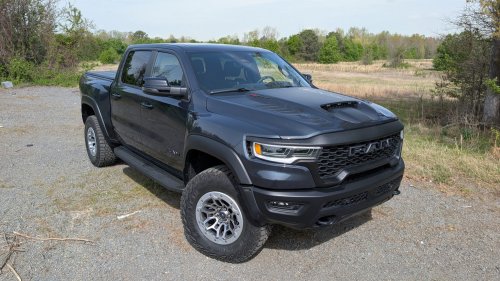
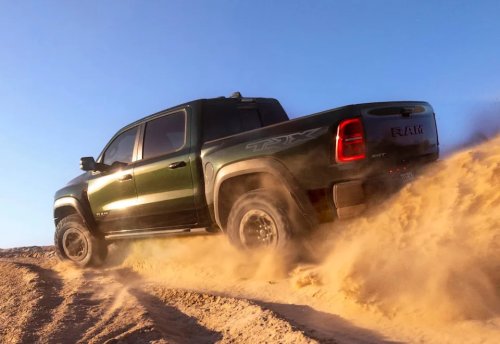
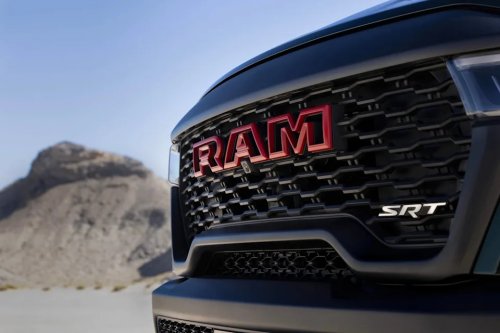
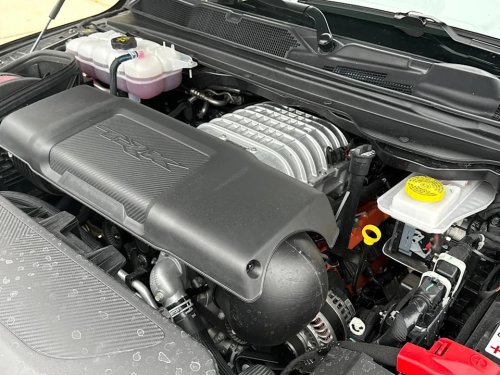
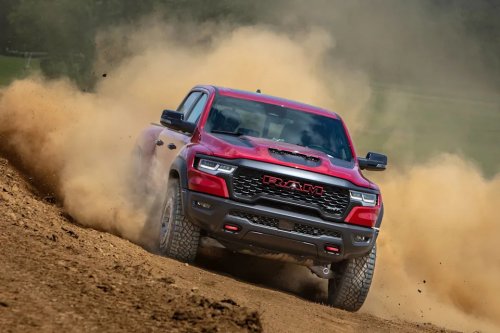
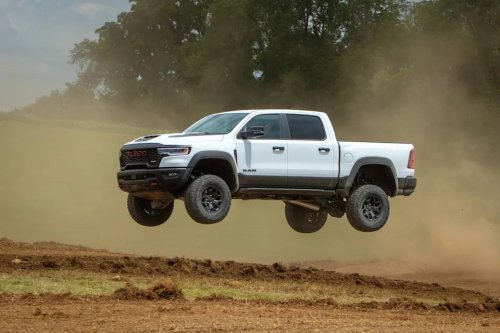
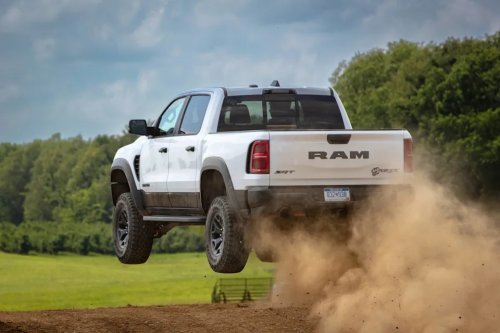
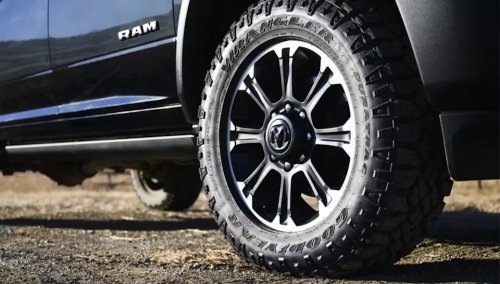
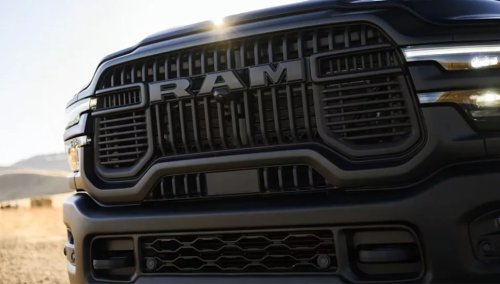
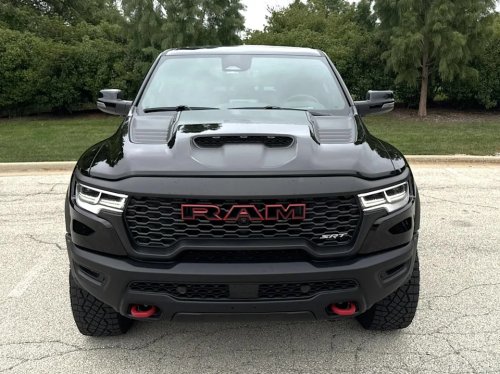
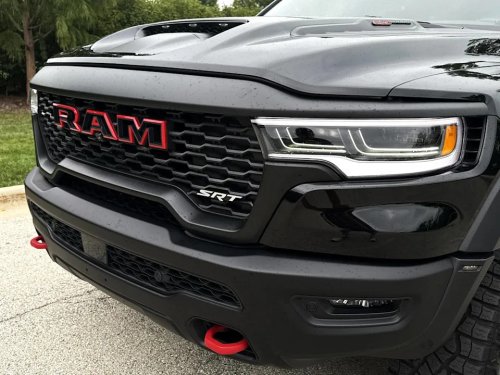
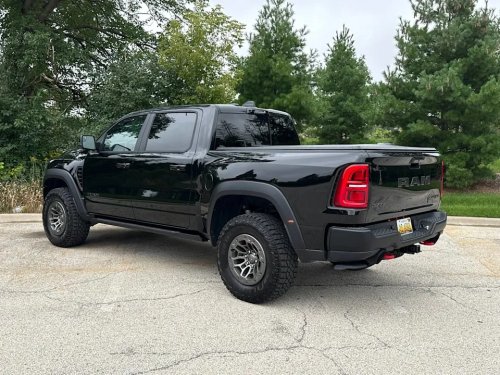
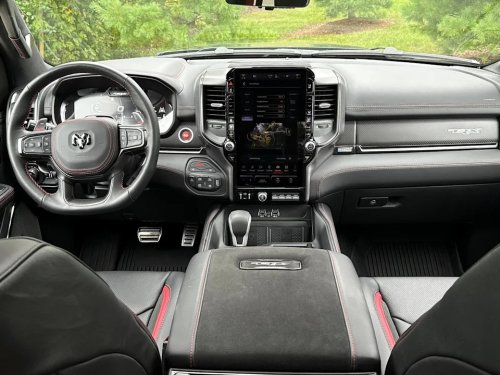
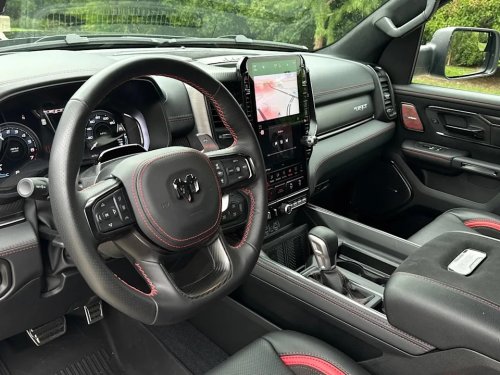
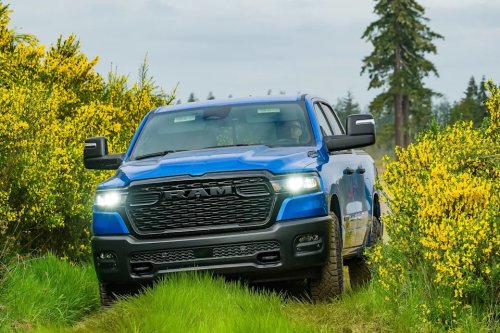
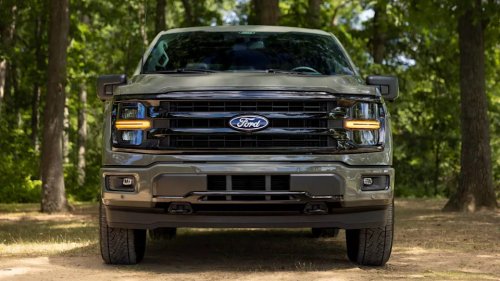
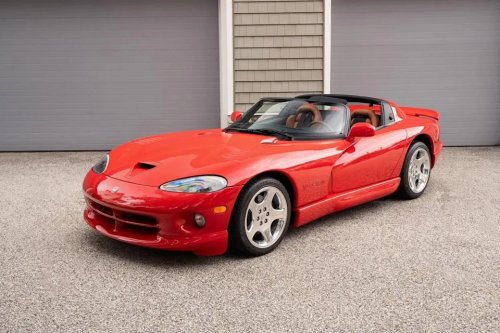
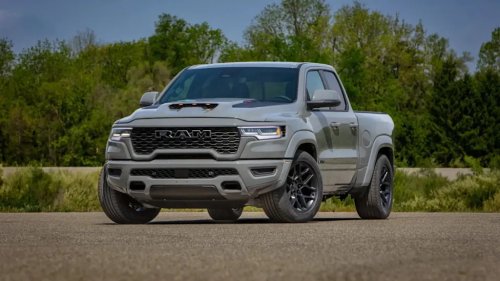
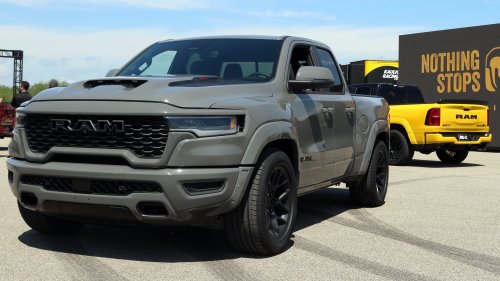
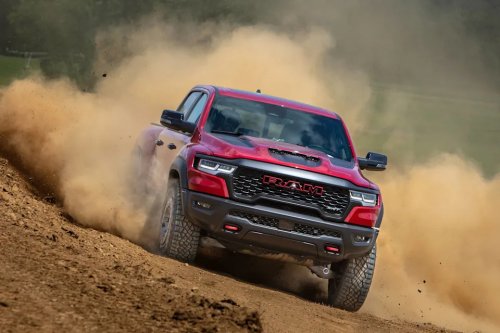
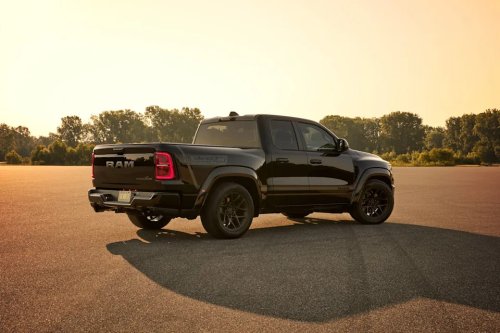
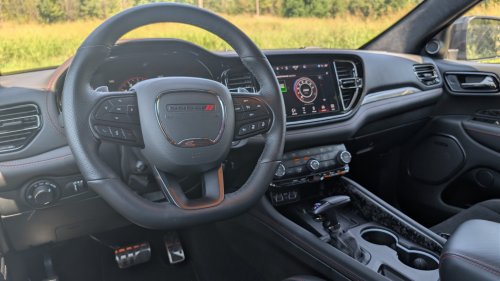
In 2026, we are living through a golden age of pickup truck performance. Showrooms are packed with high-tech monsters that can outrun supercars in a straight line.However, there is a big difference between being quick and being fast. While modern electric trucks win the 0 to 60 mph sprint, they often run out of breath at the top end.Chasing high top speeds in a pickup truck is a massive technical challenge. Their heavy weight and brick-like shapes make them naturally unstable when the speedometer climbs.Most manufacturers use electronic limiters to keep things safe on the highway. But one legendary pickup from the past ignored all the rules to become a true speed king. Fast Performance Trucks In 2026 Eventually Hit A Speed Wall via carwow (YT)If you look at the spec sheets of modern pickup trucks for 2026, the acceleration numbers are staggering. Electric titans like the Tesla Cyberbeast and the Rivian R1T have redefined what it means to move a heavy vehicle. Both of these trucks canreach 60 mph in around 3.1 seconds, which is faster than most Ferraris from just a few years ago or even today.It is a terrifying display of physics that makes these pickups feel like rocket ships from a standing start. This instant torque provides a quickness that is unmatched in automotive history, providing a thrill that was previously reserved for dedicated drag racers.Via: Rivian Unfortunately, that neck-snapping torque disappears quickly once you hit the highway. The main enemy of a fast automobile in 2026 is weight. Most of these electric models tip the scales at over 7,000 pounds, and pushing that much mass through the air generates immense heat in the batteries and electric motors.To prevent the powertrain from melting and to preserve battery range, manufacturers install soft ceilings in the software. These electronic limiters cut power long before the truck reaches its true aerodynamic potential, keeping most EVs tethered to a top speed of roughly 130 mph.Then there is the issue of rubber. Modern performance icons like the Ford Raptor R and the Ram 1500 SRT TRX are designed to fly over sand dunes, not cruise at triple-digit speeds. Their massive 35-inch or 37-inch off-road tires are rated for grip in the dirt, but they cannot handle the centrifugal forces and heat of a sustained high-speed run on asphalt.FordBecause of this, the Raptor R is governed to 114 mph, and the TRX hits a wall at 118 mph. Even with over 700 horsepower under the hood, these modern beasts are legally and technically held back by the very tires that make them off-road legends.Beyond just tires, the sheer size of a modern pickup creates a massive aerodynamic wall. At 120 mph, a truck has to push aside an incredible amount of air, requiring exponential increases in power to go even slightly faster.In 2026, most manufacturers prioritize safety, towing stability, and off-road prowess over pure speed. This leaves a massive opening for a truck that was built with only one goal in mind: beating the world's fastest cars at their own game on the open road. The Undefeated King: The 154 MPH Dodge Ram SRT-10 Via: Mecum Auctions To find the truck that truly conquered the wind, we have to look back at the Dodge Ram SRT-10. Even in 2026, this machine remains the reigning Guinness World Record holder for the fastest production pickup, achieving a top speed of 154.587 mph. It was born during an era when engineers were allowed to be reckless, and the results were legendary.While modern trucks rely on computers and batteries, the SRT-10 relied on pure, mechanical violence to get the job done. It didn't care about fuel economy or towing packages; the only thing that mattered was the number on the speedometer.Via: Mecum AuctionsThe performance numbers still look impressive today. In its most aggressive Regular Cab form, the SRT-10 could hit 60 mph in 4.9 seconds. It would clear a standing quarter-mile in 13.6 seconds while traveling at 105 mph.These stats would be respectable for a modern sports sedan, but for a 5,130-pound work truck from the mid-2000s, they were absolutely mind-blowing. It was a vehicle that defied common sense, proving that if you put enough engine into a pickup, you could make it dance like a muscle car.The headline figure that has never been topped is its verified top speed of 154.587 mph. On February 2, 2004, a stock SRT-10 was driven to an official speed of 154.587 mph sustained over a flying kilometer with NASCAR driver Brendan Gaughn behind the wheel. The record was set at the 4.71-mile oval at the DaimlerChrysler Proving Grounds in Michigan.Decades later, despite the massive advancements in automotive tech, no mainstream manufacturer has released a truck that can officially unseat this old-school Dodge. It stands as a reminder that before the world cared about drag coefficients and efficiency, Dodge just wanted to see how fast a brick could fly when given enough heart.Bring A TrailerThe longevity of this record is a testament to how bonkers the original project really was. Dodge built a truck that was stable and aerodynamic enough to stay on the ground at speeds where most pickups couldn't keep up. They added functional aerodynamic elements, like a front splitter and a rear wing, to ensure the truck stayed planted.In 2026, where everything is restricted and governed, the SRT-10 remains a symbol of a time when manufacturers were willing to let their creations run wild. A Viper V10 In A Truck – The Only 500 HP Manual Pickup Via: Mecum Auctions The secret to the SRT-10’s speed wasn't clever aerodynamics or hybrid tech. It was a heart transplant. Dodge took the massive 8.3-liter V10 engine from the Viper supercar and shoved it under the hood of a Ram 1500.With ten cylinders firing, the SRT-10 produced a massive 500 horsepower and 525 pound-feet of torque. This was the first time a production pickup had ever crossed the 500-horsepower mark, setting a new bar for the industry.Moving a supercar engine into a pickup truck required some serious engineering tweaks. The team at SRT had to design a unique oil pan to fit the truck's chassis and a heavy-duty cooling system to keep the V10 from overheating.Bring A Trailer They also developed a custom Hi-Flow exhaust manifold that gave the truck a signature, guttural roar that sounded unlike anything else on the road. These changes ensured that the engine could handle the stress of moving a much heavier body without losing its high-revving, aggressive personality. It wasn't just a motor swap; it was a total recalibration of what a truck engine could be.Perhaps the coolest part of the SRT-10 experience is the transmission. It remains the only production truck in history to pair a 500-hp engine with a six-speed manual gearbox. Drivers got to use a Hurst shifter to row through the gears of a Tremec T-56 transmission, making it a true enthusiast's machine.Via: Bring A Trailer While the later Quad Cab models offered a 48RE four-speed automatic for families, the original Regular Cab stayed pure. It offered an analog, hands-on driving experience that simply doesn't exist in the modern world of paddle shifters and one-pedal driving.To handle all that power, Dodge had to beef up the rest of the drivetrain as well. They used a Dana 60 rear axle with a limited-slip differential to make sure both rear tires were working to get the power down.They also added a specialized shock absorber to the rear axle to prevent wheel hop during hard launches. Every part of the powertrain was over-engineered to handle the massive torque of the V10. Why The Dodge Ram SRT-10 Matters And What Its Worth Today Via: Mecum Auctions When the Dodge Ram SRT-10 first arrived, it was a total game-changer. It proved that a pickup didn't have to be a slow, boring tool for hauling lumber or towing trailers. It shifted the conversation, showing that a truck could be a legitimate high-performance vehicle that demanded respect on the track.Today, it is viewed as a pioneer that paved the way for every performance truck we see on the road in 2026. It broke the mold of what a Dodge should be and created a cult following that is stronger today than it was twenty years ago.Via: Mecum Auctions Because only about 10,046 units were ever built during its three-year run, the SRT-10 has become incredibly rare. In 2026, the collector market has finally caught up to the hype, and prices are moving steadily upward.Finding a clean, unmodified example is becoming a significant challenge for enthusiasts and investors alike. Collectors are starting to realize that we will likely never see another manual, V10-powered truck from a major factory again, making these the "last of their kind."The current market shows a wide gap in pricing depending on the truck’s history and condition. High-mileage trucks that have been used as daily drivers can still be found for around $29,000 to $35,000, making them a bargain for the sheer power they offer. But average prices hover around $45,000 on classic.com.Via: Mecum Auctions Dodge Ram SRT-10 Special Editions Viper Club of America (VCA) Edition (2004) - 52 units Yellow Fever Edition (2005) - 500 units Commemorative Edition (2005) - 200 units Night Runner Edition (2006) - 370 units However, mint-condition collector cars with under 10,000 miles are now regularly crossing the $75,000 mark at auction. Rare special editions, like the Yellow Fever or the Viper Club of America Edition, can command even higher premiums, sometimes reaching over $85,000 for perfect examples.For those looking at the SRT-10 as an investment, the outlook is very positive. In 2026, as the world moves toward smaller turbocharged engines and electric motors, the appeal of a massive 8.3-liter V10 only grows. It is a piece of automotive history that represents the peak of engineering with no-limits.Whether you want to drive it or keep it in a climate-controlled bubble, the SRT-10 remains a blue-chip collectible. It is the fastest production truck ever made, and for many, it is the most bonkers vehicle to ever wear a Ram badge.Sources: Stellantis, Mecum, Car and Driver, Classic, Hemmings