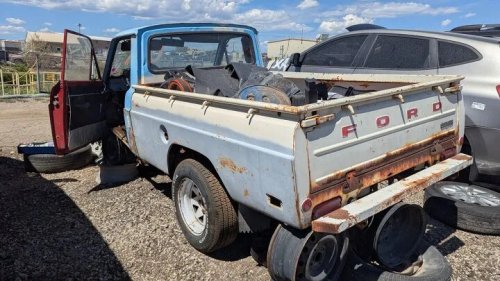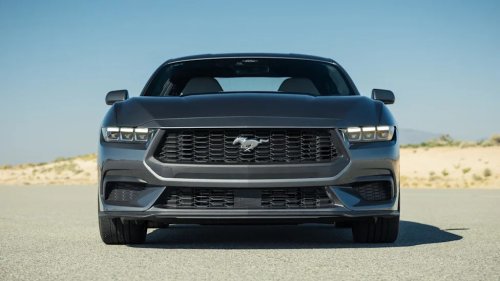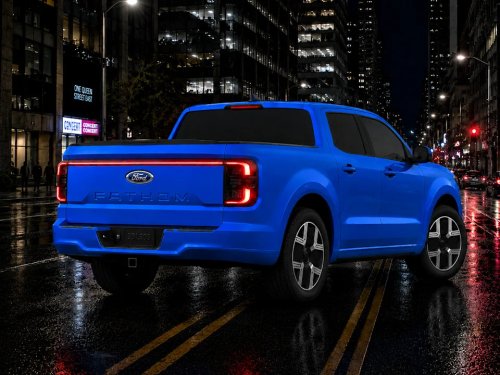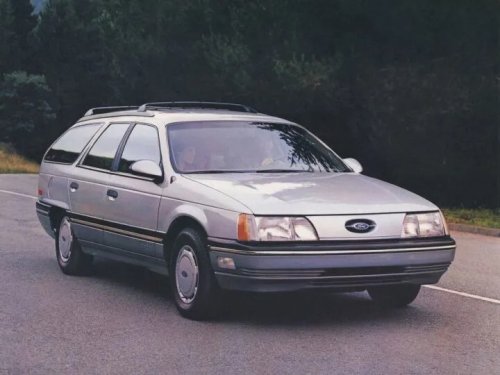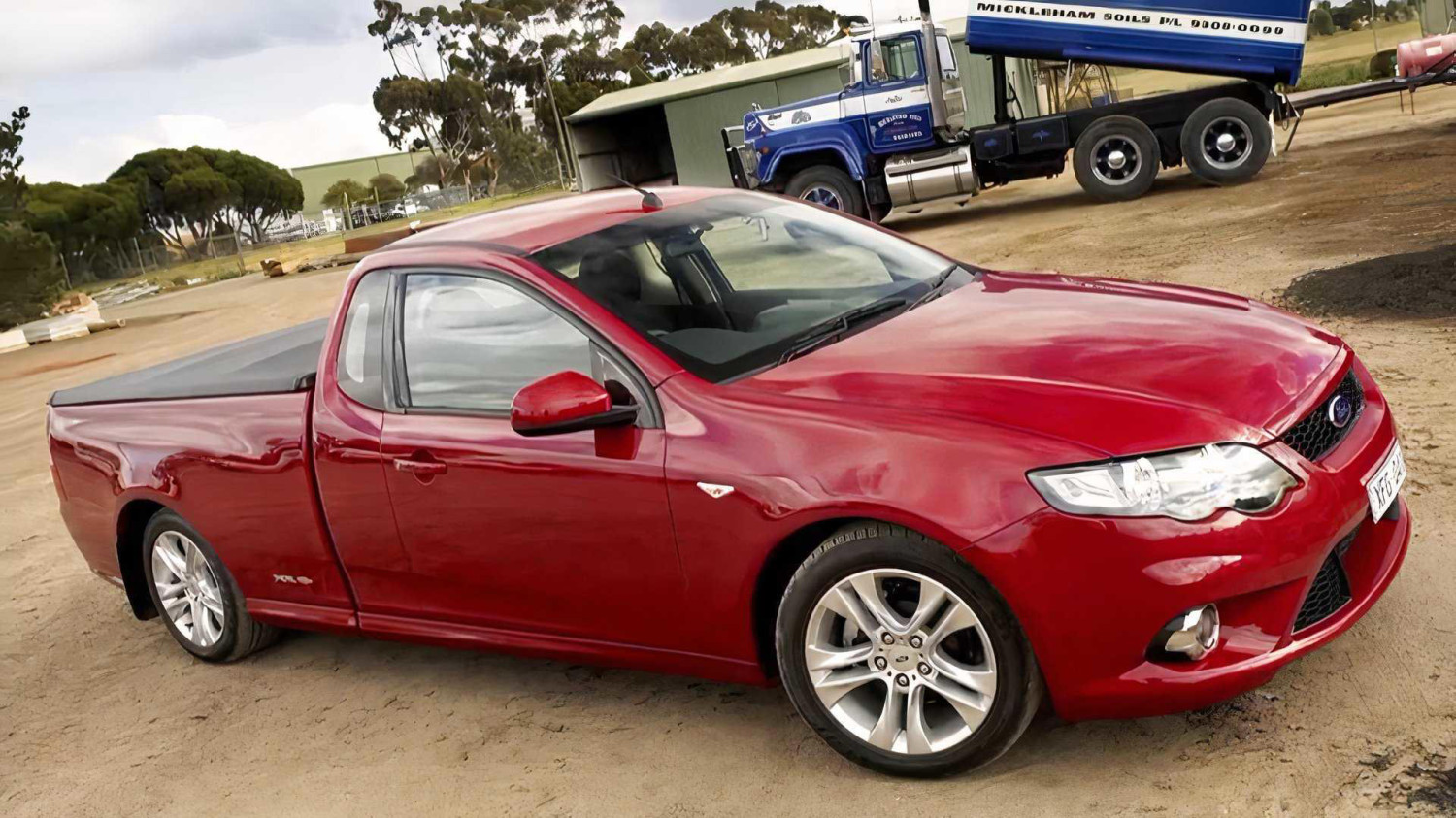
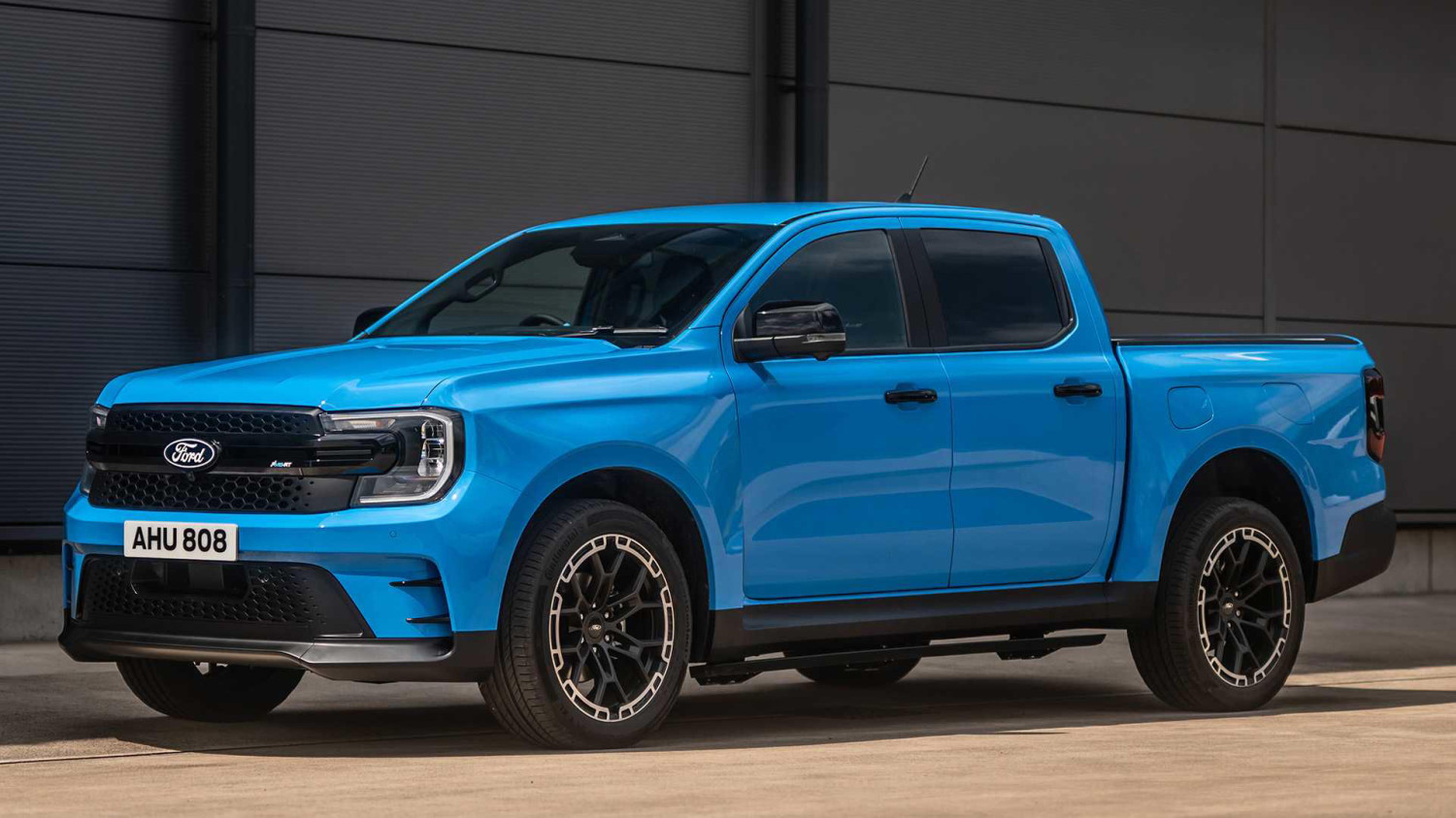
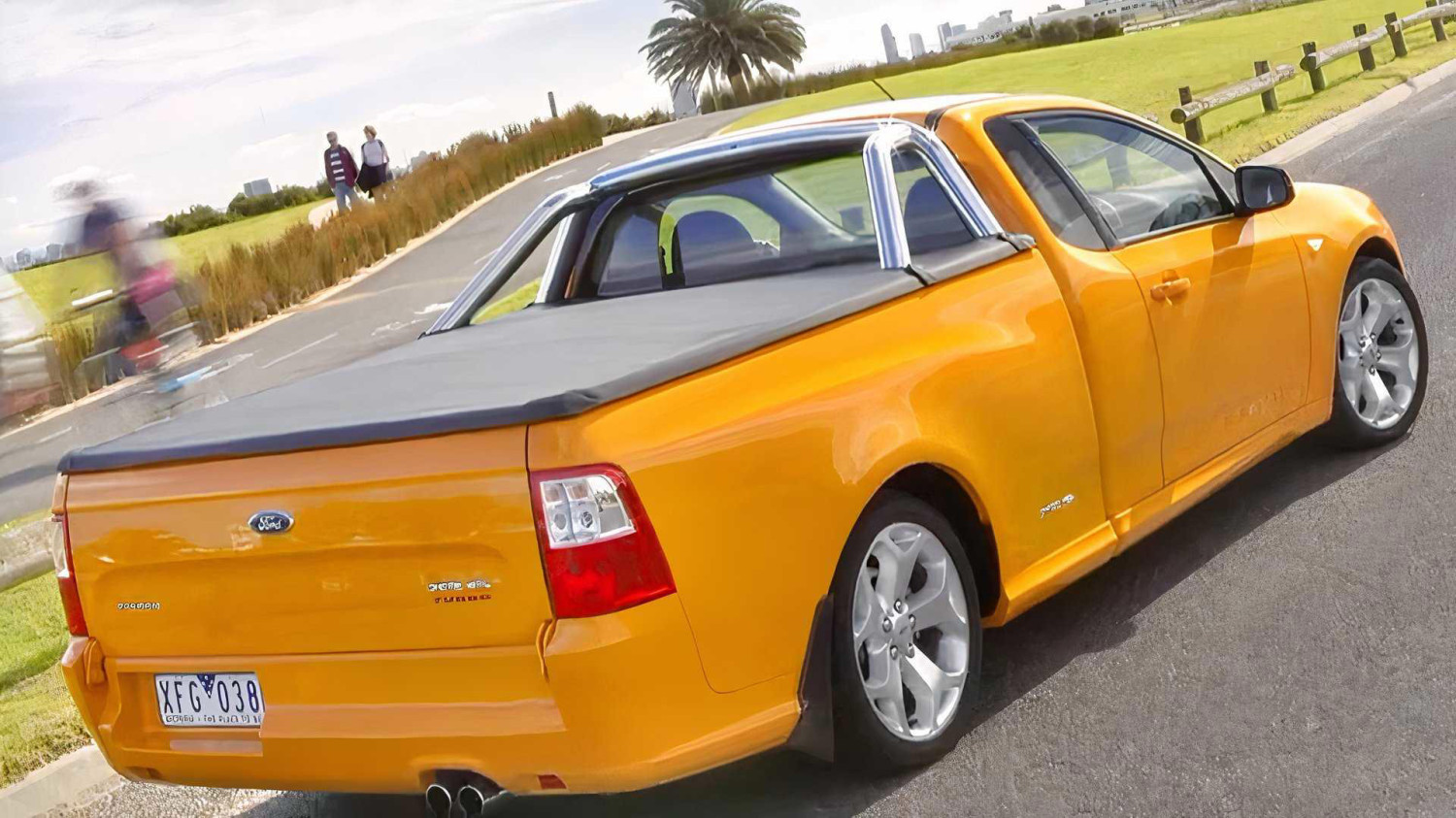




















For decades, the Ford Falcon ute represented something uniquely Australian. It carried tools during the week, hauled gear across long stretches of highway, and still drove like a car when the workday was done. When the final example rolled off the line in 2016, it ended a 55-year run that had become deeply embedded in the country’s automotive identity.Ford CEO Jim Farley recently suggested the company is seriously considering bringing a Falcon-style ute back. Speaking with CarExpert, Farley acknowledged both the body style's heritage and the possibility that a modern version could still make sense today. He stopped short of confirming anything concrete, but his comments revealed something interesting: Ford leadership believes the formula that made the Falcon ute popular may still have a place in today’s market. Alas, perhaps not all markets, but one can dream. The timing is notable as compact, car-based pickups have begun to gain traction globally, and Ford already has a successful example in the Maverick. That raises a natural question. Could the Falcon ute concept return in a modern form? The Falcon Ute Was A True Australian Original The Falcon ute first appeared in 1961 and quickly carved out a space all its own. Over the next five and a half decades, Ford produced roughly 467,000 examples before the final model left production in 2016. Its appeal came from a simple but clever formula. Instead of building a pickup from a traditional truck platform, Ford started with a passenger car and added a cargo bed. The result delivered the practicality of a small truck while keeping the driving comfort and road manners of a sedan.Drive.com.au / YouTubeThat balance made the Falcon ute unusually versatile. People could use it during the workweek, then drive the same vehicle comfortably on long weekend trips. Over the years, performance versions also appeared, giving the ute genuine speed along with its everyday usefulness. Few vehicles managed to straddle those worlds quite the same way, which explains why the Falcon ute remained popular for so long. Ford Already Knows Smaller Pickups Can Work, Thanks To The Maverick Via: FordFarley’s comments also reflect what Ford has learned from the modern truck market. In the United States, the Maverick has proven there is strong demand for smaller pickups built around car-like platforms. The compact truck has become one of Ford’s most successful recent launches, with annual sales hovering around 200,000 units.That success shows many buyers want something different from traditional body-on-frame trucks. Efficiency, affordability, and everyday drivability matter just as much as towing capacity for a large portion of the market. However, Farley made it clear that a Falcon-style revival would not simply copy the Maverick formula. “To do it right here, as a car person, I would want it not to just stamp a global solution and force the market to take it, so that’s why I’m here,” he said to CarExpert. Australia’s needs are different, particularly when it comes to durability and commercial use. If Ford decides to move forward, the company would likely design something specifically suited to local conditions rather than forcing a one-size-fits-all global product. A Modern Ute Would Need A Very Different Approach Drive.com.au / YouTubeOf course, bringing the Falcon ute back would involve more than reviving a familiar name. The automotive landscape has changed dramatically since the last Falcon rolled off the line. New emissions standards, electrification, and shifting buyer expectations all shape how vehicles are developed today. Any modern interpretation would almost certainly rely on an entirely new platform and could incorporate hybrid or electric power depending on Ford’s broader strategy.At the same time, it would need to preserve the qualities that originally made the Falcon ute so appealing. Practicality, efficiency, and a driving experience that feels closer to a car than a traditional truck remain central to the concept. Farley emphasized that Ford would need to carefully evaluate how a new ute would be used in Australia before committing to the idea. That includes everything from cost considerations to the demands of the work environment for these vehicles, among a lot of other things. For now, the Falcon ute revival remains only a possibility. Still, the fact that Ford’s CEO is openly discussing the concept suggests the idea has at least moved onto the table. And if it eventually becomes reality, one of Australia’s most recognizable vehicles could return for an entirely new era. Wouldn't that be fun? Source: CarExpert