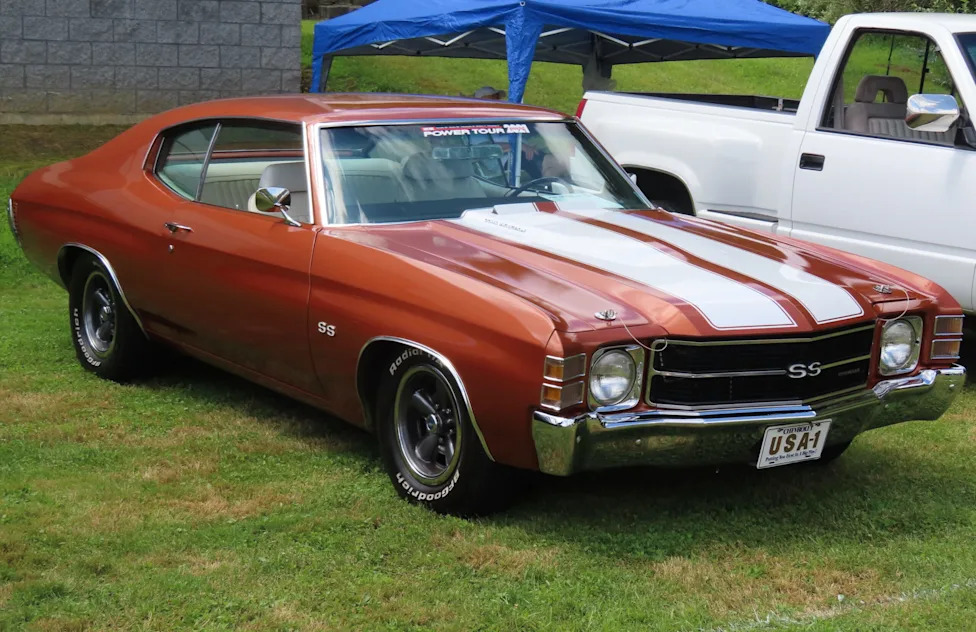
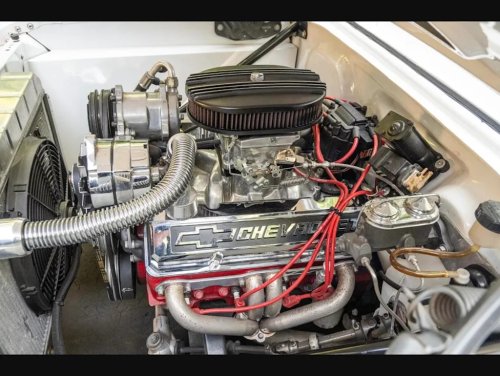
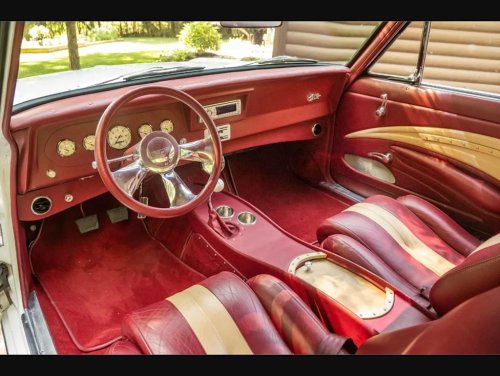
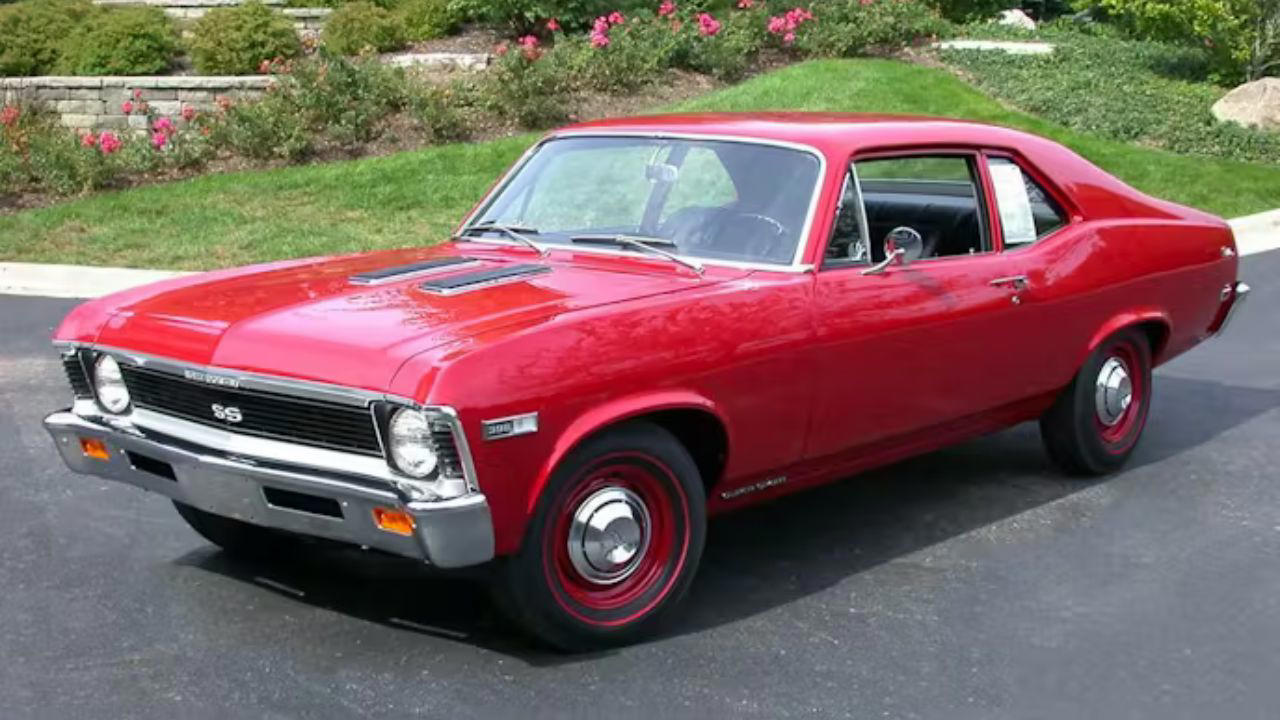
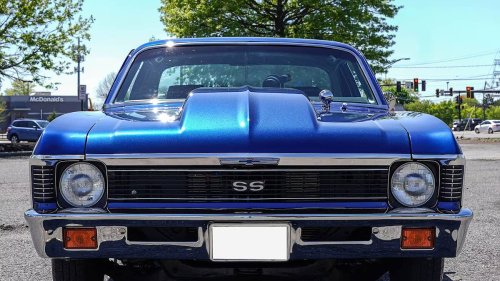
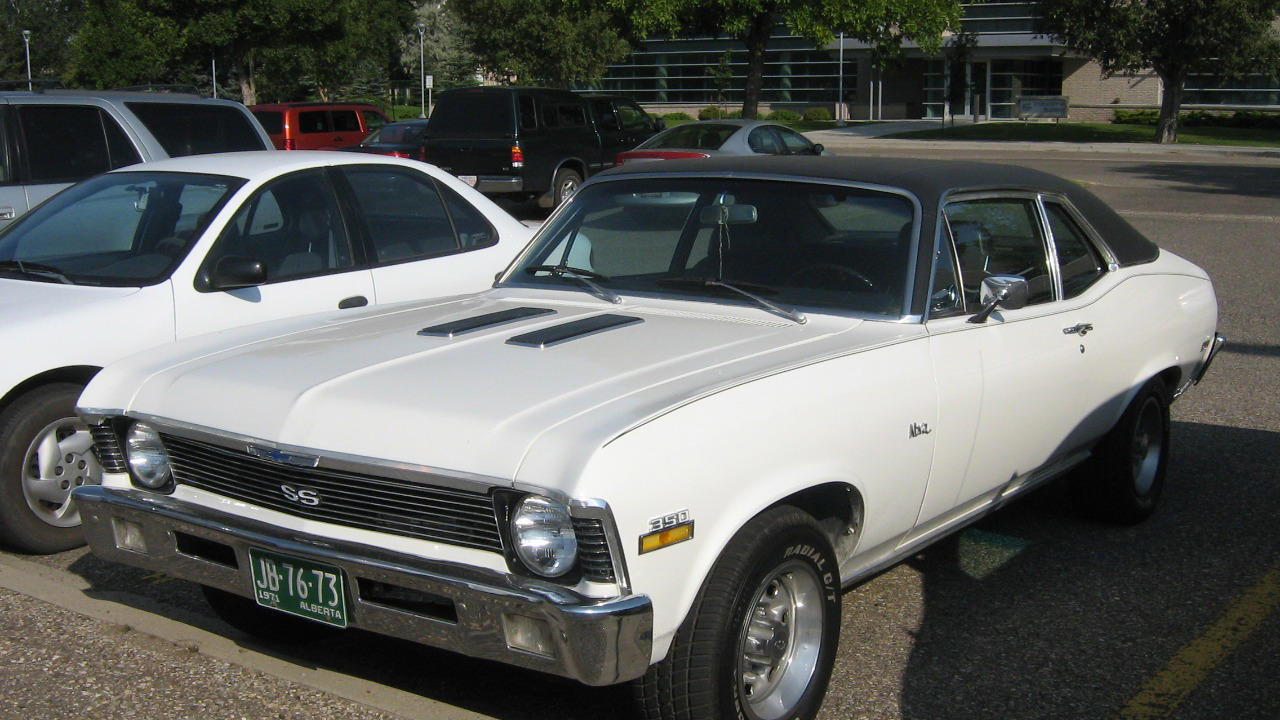
A 1971 Nova SS carries a lightweight feel that’s hard to replaceThe 1971 Nova SS occupies a rare sweet spot in American muscle: compact enough to feel tossable, yet stout enough to deliver real V8 punch. In an era when performance often came wrapped in bulk, this Chevrolet managed to stay light on its feet without giving up the attitude buyers wanted. That balance of size, weight and power created a driving character that enthusiasts still struggle to replicate with modern hardware. The compact shell that changed the equation By 1971, Chevrolet had refined the Nova into a clean, no-nonsense shape that prioritized function over flash. The body was compact, with sharp lines and minimal ornamentation that helped keep mass in check and gave the car a purposeful stance. Enthusiasts describe the 1971 Chevrolet Nova as a small muscle package that still packed serious punch, a description that captures both its visual restraint and its performance focus. Within the lineup, the Chevrolet Nova SS served as the high-performance expression of that compact shell. The Super Sport package added a more aggressive appearance and performance upgrades while preserving the underlying small-car footprint. That combination turned the Nova SS into a kind of factory sleeper, a car that looked tidy enough for daily duty yet carried the hardware to embarrass larger machines at a stoplight. Why the SS badge mattered on a small car The SS treatment elevated the Nova from basic compact to serious muscle. The Chevrolet Nova SS added visual cues that signaled intent, from badging to wheel and trim changes, but the real transformation came from the powertrain and suspension. Descriptions of the 1971 Chevrolet Nova SS emphasize its muscular look and its status as a high-performance version of the compact Nova, a pairing that gave buyers a rare mix of practicality and speed. That formula resonated with American Muscle Car fans who valued performance that did not require a full-size footprint. Enthusiast discussions of 1971 Chevrolet Nova features highlight how the car delivered big-engine energy in a smaller, more manageable package. The SS badge on a compact platform gave drivers an alternative to heavier Chevelle or full-size models, without asking them to sacrifice the visceral feel of a proper muscle car. Lightweight by design, not by accident The Nova’s basic architecture helped it stay lighter than many of its peers. While exact curb weights vary by configuration, the core idea was simple: a straightforward unibody shell, relatively short wheelbase and compact overall dimensions. That recipe meant less mass to move, which in turn let the available engines work more effectively and gave the chassis a more responsive feel. Comparisons within Chevrolet’s own lineup underline this advantage. Enthusiast breakdowns of the Nova SS as a Super Sport model describe it as Compact, Lightweight, Smaller more agile than a Chevelle. Less weight over the front axle and a shorter body gave the Nova a different balance on the road, one that favored quick direction changes and a more connected steering feel. That character is central to why owners describe the car as feeling lighter than its spec sheet might suggest. Engines that made the most of a small footprint Under the hood, Chevrolet offered a range of engines that let buyers tailor the Nova’s personality. On the base end, the 250 cu in (4.1 L) six-cylinder engine became the standard Nova powerplant after the demise of the 153 cu in (2.51 L) four-cylinder, according to detailed model guides on the Nova. Even in six-cylinder form, the car benefited from its modest weight, which helped that 250 engine feel more willing than the numbers alone might indicate. The real story, however, sits with the V8 options. Enthusiast writeups of the 1971 Chevy NOVA SS describe how the car was Equipped with a 350-cubic-inch V8 that turned the compact shell into a serious performer. That 350-cubic-inch engine delivered the torque and midrange pull that defined American muscle, yet in the Nova it did not have to work against a heavy body. The result was a car that felt quick, responsive and eager to rev, especially in SS trim with upgraded gearing and suspension. A legacy rooted in earlier big-block bravado Although 1971 marked a shift toward smaller-block performance, the Nova SS story is intertwined with the earlier big-block era. The Nova SS 396 from the late 1960s helped establish the idea that serious power could live inside a compact shell. Documentation of the 1969 Chevrolet Nova SS 396 notes that the SS 396 stuffed big power into a 3400-pound package and put just 55 percent of its heft on the front axle, a favorable distribution for traction and handling. That earlier 396 experience informed how enthusiasts viewed later small-block cars. Sources that highlight the 1970 Nova SS 396/375 show how a Nova SS with a 396 and 375 horsepower figures could command respect among car fans. Even as emissions and insurance pressures nudged the market away from those peak numbers, the memory of a compact Nova with that level of output shaped expectations for the 1971 Nova SS and reinforced the idea that this platform was built for serious performance. From walkarounds to road tests, the driving feel endures Modern video walkarounds and reviews help translate the Nova SS legend into contemporary terms. In one detailed tour, Stephen Young at High Octane Classics introduces a second generation Chevy Nova 1971 Super Sport as a real-deal example of the breed, emphasizing how the proportions and stance still look right decades later. The way the car sits, with relatively short overhangs and a planted rear, hints at the balance drivers feel from behind the wheel. On-road impressions echo that visual promise. A widely shared review of a 1971 Chevy Nova SS, posted under the banner of a channel that calls the car one of the best they have tested, captures how the car screams Americana while remaining surprisingly manageable. The commentator in that Chevy Nova SS video highlights the immediacy of the throttle, the straightforward steering and the sense that the car is smaller around the driver than traditional big-block muscle. Those traits feed into the perception that the Nova SS carries a light, almost tossable character that is hard to duplicate with modern performance cars that are loaded with electronics and safety structures. Performance that punched above its weight Within period street and strip culture, the 1971 Chevy NOVA SS earned a reputation as a threat in a straight line. Enthusiast summaries describe the 1971 Chevy NOVA SS as known for its impressive speed performance, Equipped with that 350-cubic-inch V8 that made it a favorite among racers and car enthusiasts alike. In an era when quarter-mile bragging rights mattered, a compact car with a strong small-block could surprise heavier rivals with similar or even larger engines. The Nova’s lighter platform also meant that modest suspension tweaks yielded meaningful gains. With less mass to control, upgrades to shocks, springs and tires could transform the car into a capable street and strip machine. Owners could build on the factory SS package to create cars that felt quick off the line yet still nimble enough to handle backroad duty, a dual personality that supported the Nova SS legend. How the Nova SS stacked up against its own family Inside Chevrolet showrooms, the Nova SS had to compete with better-known badges. The Chevelle SS, for instance, offered big-block options and a more substantial footprint that appealed to buyers who equated size with status. Yet comparisons from enthusiasts who pit Chevy Nova models against larger stablemates often point out that the Nova SS, as a Super Sport Compact, delivered a different kind of thrill. Its Smaller and lighter structure gave it an edge in agility, even if the raw horsepower numbers sometimes favored the bigger cars. Earlier big-block Novas also colored perceptions of the 1971 model. The 69 Nova, especially in SS 396 form, is famous for its clean, classic lines and brutal straight-line performance. Enthusiast comparisons that weigh the 1969 and 1971 Chevrolet Nova generations describe how the earlier car leaned harder into raw power, while the 1971 version reflected a maturing approach that balanced performance with a slightly more refined driving experience. That evolution did not erase the Nova’s lightweight feel; instead, it framed the 1971 SS as a more usable version of the same core idea. Production quirks and the sleeper factor The Nova line in 1971 included more than just the SS. Special trims like the Rally Nova added visual flair without always matching the SS in performance hardware. Enthusiast tallies note that there were 7,700 Rally Novas built in 1971, which was more than the Super Sport count, a detail that hints at how many Novas on the road carried sporty looks without full SS credentials. That production mix enhanced the sleeper status of genuine SS cars. With so many Novas wearing stripes and badges, it became harder at a glance to distinguish a true Chevrolet Nova SS from a dressed-up base model. Owners of authentic SS examples could exploit that ambiguity, lining up at a light in what looked like a simple compact and then unleashing V8 power that rivals did not expect. The car’s modest size and relatively understated styling amplified that surprise. Why the Nova’s light touch is hard to recreate The qualities that made the 1971 Nova SS feel so light on its feet are difficult to reproduce in modern cars. Contemporary safety standards, crash structures and comfort expectations add weight, even to compact performance models. Where a classic Nova could rely on a simple unibody and minimal sound deadening, a current sports sedan or coupe carries layers of reinforcement and technology that inevitably increase mass. Modern performance tuning also often chases outright grip and stability at the limit, which can dull the everyday sense of agility that defined cars like the Nova SS. The 1971 Chevrolet Nova SS did not need ultra-wide tires or complex suspension geometry to feel engaging. It relied instead on a favorable power-to-weight ratio, relatively soft suspension that communicated road texture and steering that, while not razor sharp by modern standards, gave drivers a clear sense of what the front wheels were doing. The enthusiast appeal that refuses to fade That mix of simplicity and performance helps explain why the 1971 Nova SS continues to draw interest from collectors and drivers. Muscle Cars groups that celebrate American Muscle Car history often single out the Nova SS for offering serious performance in a smaller package that remains usable in modern traffic. Discussions of the Nova SS 396/375 heritage, preserved in enthusiast posts about the Nova SS, keep the big-block myth alive while reinforcing how the platform itself, not just the engine, made the car special. Owners who restore or modify 1971 Chevrolet Nova SS examples today often lean into that original character. Many keep the cars relatively light, avoiding oversized wheels or heavy audio systems that would blunt the agile feel. Others update brakes and suspension while preserving the core recipe of a compact body and a strong small-block V8. In either case, the goal is the same: to maintain the distinctive sensation of a car that feels smaller, lighter and more direct than most modern alternatives. More from Fast Lane Only Unboxing the WWII Jeep in a Crate 15 rare Chevys collectors are quietly buying 10 underrated V8s still worth hunting down Police notice this before you even roll window down



















 +46 others