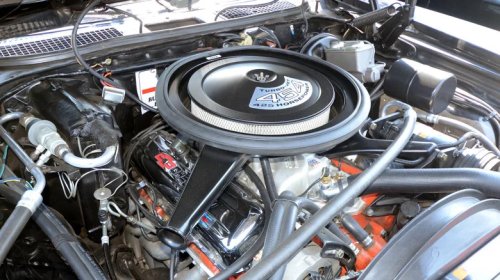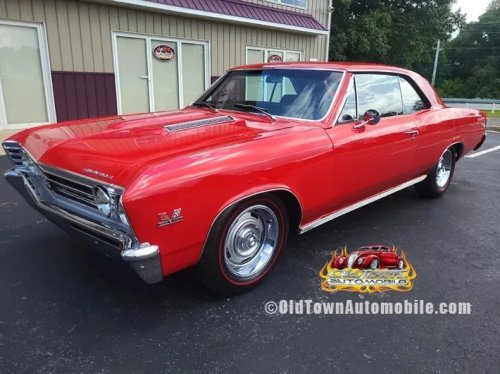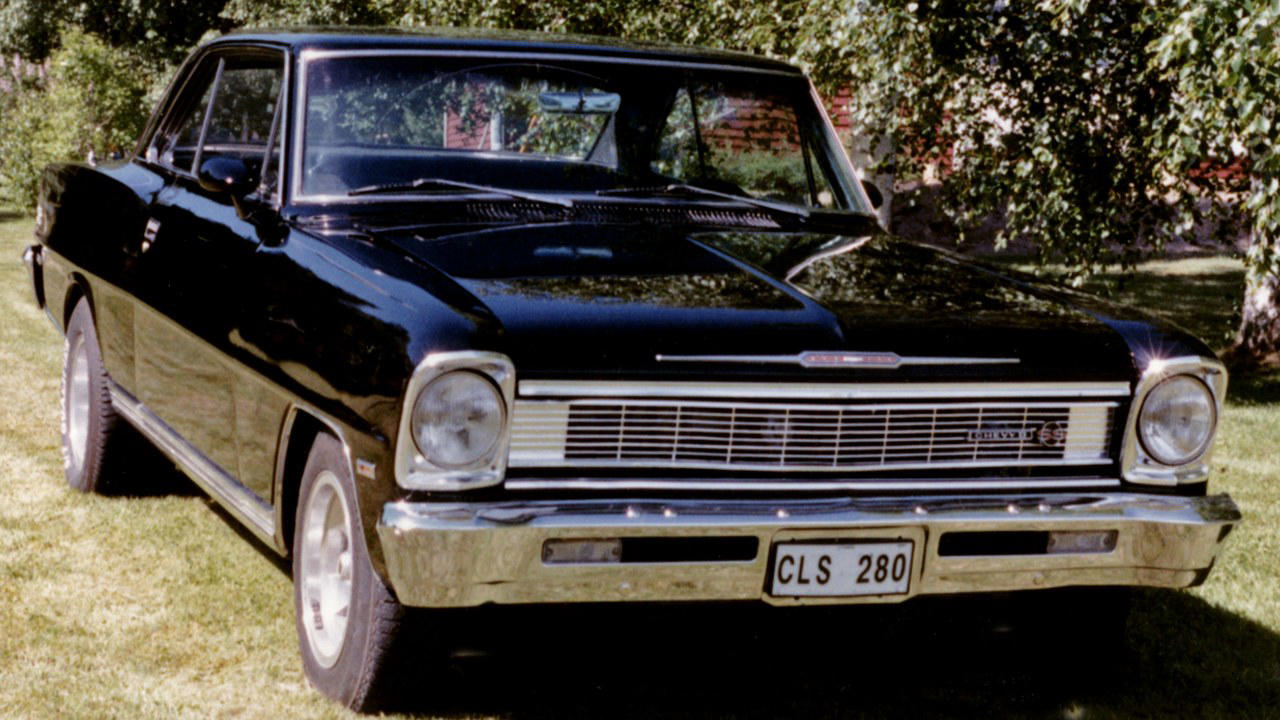



















How the 1966 Chevy Nova SS surprised far bigger rivalsThe 1966 Chevy II Nova SS arrived in showrooms as a compact coupe with polite proportions and restrained styling, yet it quickly earned a reputation for humiliating larger, more expensive muscle cars. What looked like a tidy commuter could, in the right specification, deliver performance that startled drivers of big-block machines. That quiet mismatch between appearance and capability is what allowed the Nova SS to surprise far bigger rivals and secure its place in muscle car history. Rather than relying on flamboyant graphics or towering scoops, Chevrolet hid serious hardware inside a small, squared-off body. The result was a car that blended everyday practicality with the kind of acceleration that defined the golden age of American performance. In an era obsessed with cubic inches and curbside swagger, the 1966 Chevy II Nova SS proved that leverage, not size, could win the street fight. Compact proportions, serious intent The 1966 Chevrolet Nova SS 327 L79 was marketed as a compact, but its attitude was anything but modest. Clean, squared-off lines and a tight footprint gave the car a tidy, almost conservative presence, which made its performance potential all the more unexpected. Contemporary descriptions emphasize how the Chevrolet Nova combined simplicity, style, and performance in a compact package, with the Super Sport trim sitting at the top of the Chevy II lineup as the most focused expression of that formula. Underneath that understated sheetmetal, Chevrolet engineered a chassis that could accept a wide range of engines, from a standard 194 cubic inch six in base models to potent small-block V8s in the Nova SS. The Super Sport was only available as a V8, and period fact sheets highlight that the most significant change for 1966 was the addition of a 350 horsepower 327 CID V-8 in place of the earlier 300 horsepower version, positioning the SS as the performance flagship of the Chevy II range. Visually the second generation Nova kept its cues subtle, but the mechanical options signaled that Chevrolet intended this compact to be a genuine muscle contender rather than a mere economy car. The L79: a small-block with big-block bite The heart of the 1966 Chevy II Nova SS legend is the L79 small-block. Equipped with the formidable L79 327-cubic-inch V8 engine, the car produced a quoted 350 horsepower, a figure that placed it squarely in big-block territory despite its compact displacement. Over-drive data underscores that the 350 horsepower 327 replaced a 300 horsepower version in the lineup, instantly transforming the Super Sport into one of the most potent small-block combinations Chevrolet offered at the time. Enthusiasts often describe the 1966 Chevrolet Nova SS 327 L79 as a compact muscle car with a big attitude, and that characterization is rooted in the way this engine behaved in real-world driving. Reports note that the L79 small-block, paired with either a smooth-shifting manual or automatic transmission, delivered a strong power-to-weight ratio in the Nova’s lightweight body, turning the car into a favorite among muscle car aficionados. In enthusiast circles, the Nova SS with this 327 has been labeled “The Sleeper” with “Sting,” a street brawler in a tailored suit that could run with, and often outrun, larger and more ostentatious rivals. Power-to-weight: the secret weapon What truly allowed the 1966 Chevy II Nova SS to surprise bigger rivals was not just horsepower, but how little mass that power had to move. The Nova’s compact dimensions and relatively light structure meant that the 350 horsepower L79 engine delivered an exceptional power-to-weight ratio, a concept that performance drivers still prize. One enthusiast comparison of power-to-weight in another context notes that even 170 horsepower can feel remarkable when paired with a light chassis, and the Nova multiplied that effect with more than double the output in a similarly modest footprint. Contemporary performance commentary often contrasts the Nova SS with larger Chevrolets of the era, particularly The Chevelle SS. Consider that The SS Chevelle with the 375-horsepower big block weighed around 3,400-pounds with a price beginning near $3,000, making it a formidable but heavier and more expensive choice. By contrast, the Nova SS could be packaged with a base 283 cubic-inch V8 at a starting price of just $2,535.00, and when ordered with the L79 327 it delivered performance that made it feel like a street brawler compared to the Chevelle. Enthusiast accounts note that a properly tuned second generation Nova with the L79 could turn 13-seconds with ease in the quarter mile, a figure that placed it squarely in the realm of serious muscle cars despite its compact classification. Design restraint that hid a street brawler Styling played a crucial role in how effectively the 1966 Chevy II Nova SS caught larger cars off guard. The body was a well-executed reskin of the earlier Chevy II, with sharper body lines, vertical taillamps, and a flat hood that gave no hint of the power underneath. Observers have described the 66 and 67 Nova as examples of “cheerful restraint,” noting that the design avoided the flamboyant scoops and stripes that defined many muscle cars, even as the V8 coupe could be turned into a terror with the right drivetrain. That restraint extended to the broader Chevy II Nova family. The 1966 Chevy II Nova was a compact car with a bold attitude, blending clean design with surprising performance, and the Chevrolet Chevy II Nova in Super Sport form simply sharpened that character. Enthusiast descriptions emphasize how the car’s sharp, square-edged profile and minimal ornamentation made it look like a sensible commuter, which only amplified the shock when it launched hard from a stoplight. The Nova SS thus operated as a classic sleeper, its tailored exterior masking the reality that, in L79 form, it could run with some of the most respected muscle machines of its day. Value, accessibility, and lasting reputation Another reason the 1966 Chevy II Nova SS could humble larger rivals was its accessibility. While The Chevelle SS and other big-block cars commanded higher prices, the Nova SS offered a lower entry point and a more modest image, which attracted buyers who wanted performance without the financial or social baggage of a full-size muscle car. Packaged with the base 283 V8, the Nova SS started at $2,535.00, and even when optioned with the L79 327, it remained less expensive than many big-block alternatives. This pricing strategy allowed younger buyers and budget-conscious enthusiasts to step into serious performance, broadening the car’s presence on the street. Over time, that combination of value, subtlety, and speed has cemented the 1966 Nova SS as one of Chevrolet’s most iconic muscle offerings. Enthusiast retrospectives routinely place the 1966 Nova SS L79 alongside better-known nameplates from the 1960s and 1970s, highlighting how its lightweight chassis and 327 engine created a compact that could embarrass larger, more powerful cars. Within the broader Chevy II and Chevrolet Nova lineage, the 1966 Super Sport stands out as the moment when a simple compact evolved into a compact with power, a car whose quiet confidence allowed it to surprise far bigger rivals on both street and strip. More from Fast Lane Only Unboxing the WWII Jeep in a Crate 15 rare Chevys collectors are quietly buying 10 underrated V8s still worth hunting down Police notice this before you even roll window down