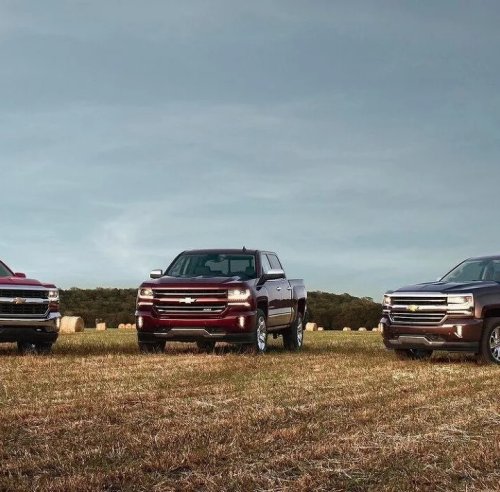
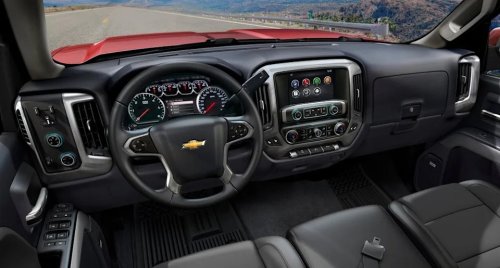
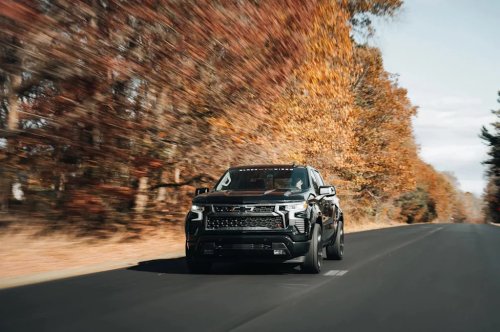
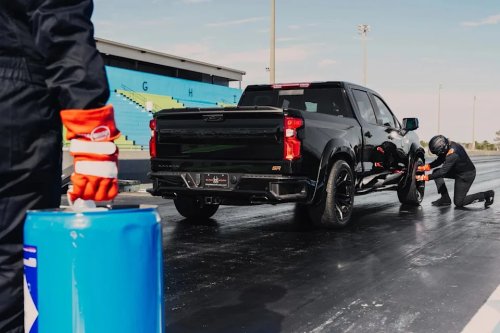
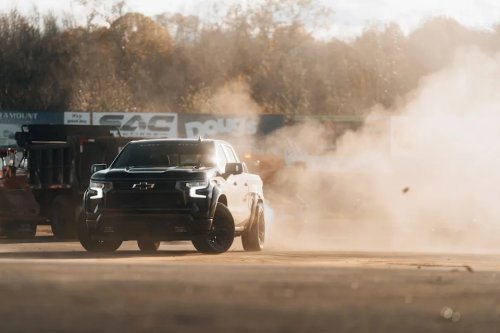
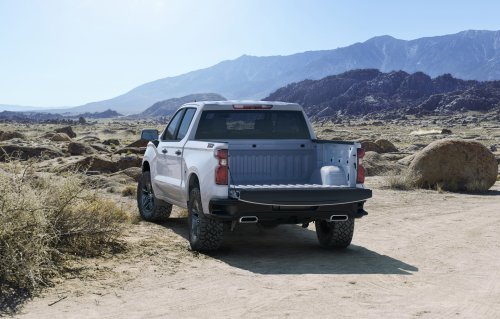
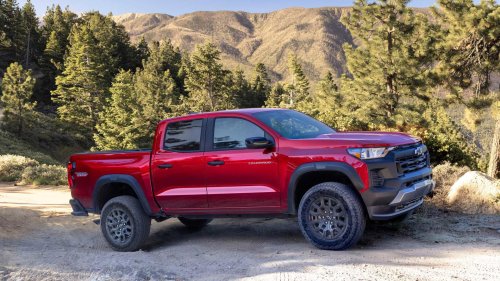
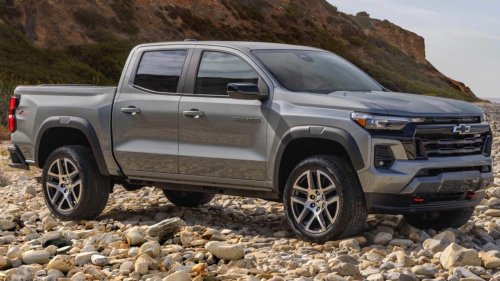
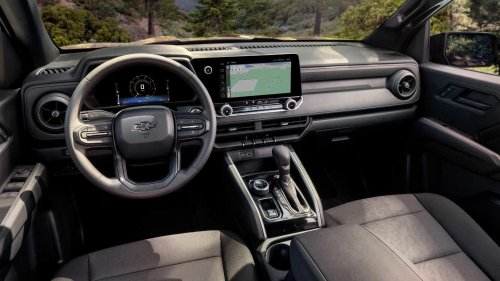
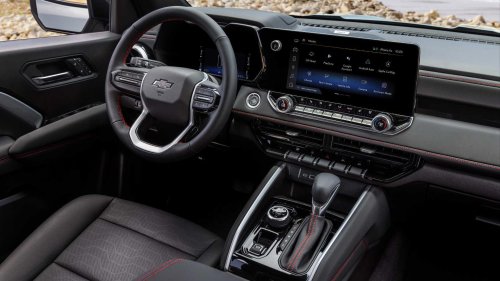
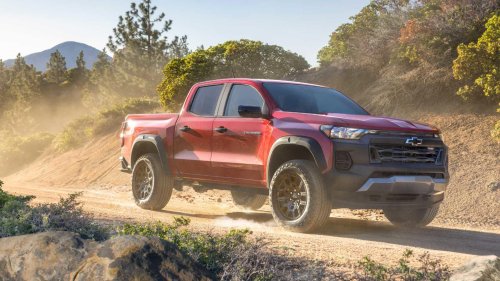
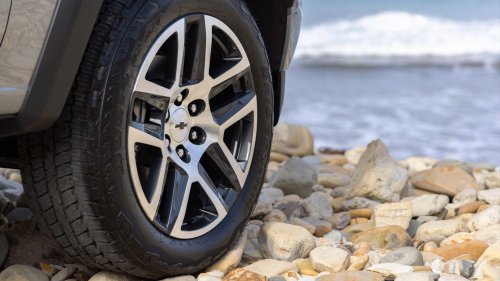
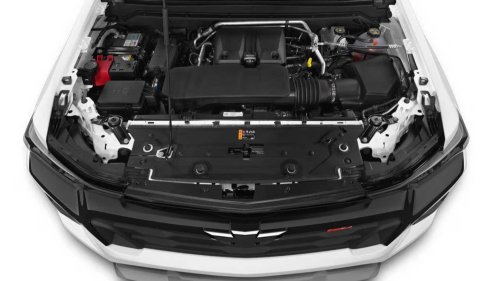
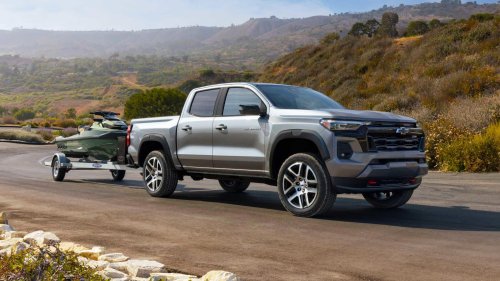
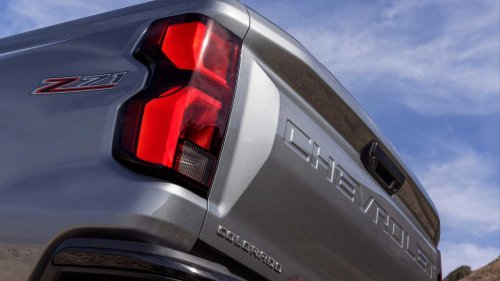
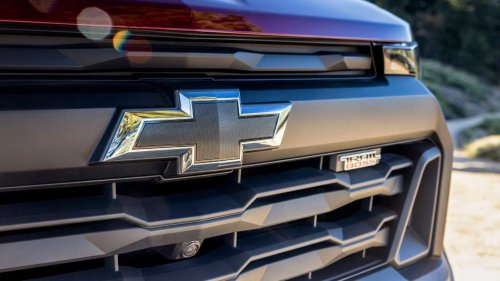
Jump LinksThe Colorado Trail Boss ExteriorThe Colorado Z71 ExteriorInside The Trail Boss' CabinInside The Z71's CabinColorado Trail Boss Off-road ArsenalColorado Z71 Off-road ArsenalThe 2.7L TurboMax PowertrainThe midsize truck segment leaves absolutely no room for compromise. When looking at the heavy-hitters of the Chevrolet lineup, the definitive debate naturally centers on the Colorado Trail Boss vs Z71. On paper, they might seem like two sides of the same dirt-covered coin, but the reality reveals big differences in how they are designed and engineered. One is a lifted, wide-stance bruiser, while the other is a refined, tech-forward machine designed for overlanding comfort and street presence.If you are losing sleep over the dilemma, you might be looking at it from the wrong angle. The core difference between the Trail Boss and Z71 lies in how they prioritize capability versus premium creature comforts, and understanding the nuances requires a stern look. The 2026 Chevy Colorado Trail Boss vs Z71 in-house fight just got a whole lot hotter.We explore the differences between the Trail Boss vs Z71 trims on Chevrolet's Colorado pickup truck, highlighting each trim's uniqueness on paper and the impact it has on the pickups. The base MSRP (manufacturer's suggested retail price), where mentioned, excludes destination fees and other costs, and is correct at the time of writing. Automakers reserve the right to change pricing at any time without notice. Examining The Exterior: Trail Boss vs Z71 The Colorado Trail Boss Exterior Chevrolet Visually, the Trail Boss is defined by its aggressive stance. Chevrolet engineers endowed it with a factory two-inch suspension lift and a three-inch wider front and rear track compared to the base models. This creates an inherently planted footprint. The truck also boasts unpainted, heavy-duty black plastic wheel flares that are designed to absorb rock chips and brush scrapes, so owners won't have to cringe over ruined clear coat. The front fascia is designed for better approach angles and features a stripped-down black bowtie and air dam delete. Standard 18-inch wheels are wrapped in meaty 32-inch Goodyear Wrangler Territory All-Terrain tires. The Colorado Z71 Exterior Chevrolet The Z71 trades the wide-bodied brute force of the Trail Boss for a more sophisticated street presence that still holds its own in the dirt. It rides on a standard track width and standard ride height, making it significantly easier to navigate. The exterior boasts several premium touches, most notably the high-output LED headlamps, taillamps, and fog lights that vastly out-illuminate the Trail Boss’ unit. You get body-colored door handles and mirror caps, contrasting sharply against the signature red recovery hooks mounted to the front bumper. The Z71 sits on 18-inch Dark Android painted aluminum wheels with all-terrain rubber. Trail Boss vs Z71 Interiors: Same or Different? Inside The Trail Boss' Cabin Chevrolet The Trail Boss’ interior is designed for drivers who intend to get dirty and do not want to spend hours detailing a luxury cabin afterwards. The most used materials are hard, durable plastics and wipe-down surfaces. The cabin leans heavily on cloth upholstery and manual seat adjustments; items that intentionally strip away electronic motors that add weight and potential failure points when submerged or caked in dust. There may be an air of utility around the Colorado Trail Boss’ interior, but it retains excellent ergonomics.Interior highlights: Standard 11.3-inch diagonal advanced color LCD display. Durable cloth seats. Manually adjustable front seats to minimize electronic failure points. Simplified hard-plastic touchpoints and rotary dials . Optional heavy-duty rubberized vinyl floor liners for quick mud extraction. Inside The Z71's Cabin Chevrolet Stepping into the Z71 feels like an upgrade in class. The cabin architecture is identical to the Trail Boss, but the execution leans heavily toward daily comfort and tactile refinement. Soft-touch materials replace hard plastics on the dash and door panels, and the cabin is accented with exclusive red stitching that elevates the aesthetic. The Z71 caters to the overland crowd who want to conquer a trail and then drive home in relative luxury. It offers better acoustic insulation than the Trail Boss and upgraded seat surfaces.Interior highlights: Premium Evotex and cloth seating surfaces with signature Z71 red stitching. Upgraded 11-inch fully digital, highly customizable driver information center. Standard keyless open and remote start functionality. 120-volt bed-mounted and cabin-mounted power outlets. Standard rear-seat center armrest with integrated dual cup holders. Taking The Trail Boss vs Z71 Debate Off-road Colorado Trail Boss Off-Road Arsenal Chevrolet Mechanically, the Colorado Trail Boss is made for high-articulation, high-clearance environments. The key elements that make this possible are the geometric advantages: the two-inch lift provides a total of 9.51 inches of ground clearance, while the three-inch wider track drastically improves lateral stability on uneven surfaces. The suspension utilizes specific spring rates and damping that are tuned to absorb heavier impacts. It features the G80 auto-locking rear differential and a two-speed Autotrac transfer case. The four-wheel-drive (4WD) system includes specific drive modes, notably the Terrain Mode, which allows for aggressive one-pedal rock crawling by automatically applying the brakes when you lift off the throttle. Colorado Z71 Off-road Arsenal Chevrolet The Z71 takes a more traditional approach to off-roading. Without the factory lift and wide-track suspension, its ground clearance sits at a respectable 8.9 inches. It relies on standard-width front and rear axles, and shares the G80 automatic locking rear differential and the two-speed transfer case with its sibling. This ensures better traction when conditions deteriorate. However, its suspension is tuned slightly softer for a smooth, compliant ride on tarmac and washboard gravel roads, rather than absorbing high-speed desert imperfections. The Colorado Z71 is a capable machine on the trail, but it prioritizes overland travel over rock-crawling. The 2.7L TurboMax Powertrain ChevroletThe lifeblood of both the Trail Boss and the Z71 is the formidable 2.7-liter TurboMax inline-four engine. You can dismiss any lingering prejudice against four-cylinder truck platforms, because this powertrain is engineered with a diesel-like philosophy. Utilizing a fully forged steel crankshaft, a reinforced bottom end, and a remarkably stiff cylinder block, it is purpose-built to withstand immense internal pressures. The resulting output is a staggering 430 lb-feet of torque peaking at 3,000 rpm, paired with 310 horsepower. Getting technical for a minute: The long-stroke design provides the low-end grunt required for technical rock crawling in the Trail Boss. This allows drivers to better modulate power over jagged obstacles without aggressive, unpredictable throttle inputs. In the Z71, this translates into effortless highway passing and confident towing when laden with luggage, gear, or equipment. The power is routed through a second-generation eight-speed automatic transmission to the 4WD system. Towing & Payload Capability: Trail Boss vs Z71 2026 Chevrolet Colorado Z71When it comes to hauling something like an off-grid trailer, there is no difference between the Trail Boss and Z71, at least in terms of hauling, as they are both rated at a massive 7,700-pound maximum towing capacity when equipped with the Advanced Trailering package, which adds a crucial two-inch receiver hitch, four-pin and seven-pin connectors, and an integrated trailer brake controller. Without this package, the base tow capacity sits at 3,500 lbs. However, payload is where the differences come into play. Because the Trail Boss features softer, longer-travel suspension and a heavier wheel/tire package, its payload capacity maxes out at 1,726 lbs. The Z71, utilizing standard suspension geometry, edges it out slightly with a payload capacity of 1,733 lbs. Analyzing the Trail Boss vs Z71 Price Tags Chevrolet Pricing strategy is where Chevrolet forces you to make hard decisions between the Z71 vs Trail Boss. The latter is deliberately positioned as the high-capability, high-value entry point, and carries a base MSRP of $42,595. You are paying strictly for the chassis geometry, the TurboMax engine, and the wide-stance suspension. The Z71, priced from $46,695, demands a premium for its creature comforts. However, if you attempt to option a Trail Boss with LED lighting, upgraded interior materials, and convenience packages to match the Z71’s baseline equipment, the price advantage collapses, and the Trail Boss quickly becomes the more expensive truck. Conclusion: Which Colorado Is Right For You? Chevrolet It may sound like an easy way out, but each truck caters to a very different hunger. Buy the Colorado Trail Boss if you prioritize a truck’s rawness - the wider track, the factory lift, and the ground clearance - and view your truck as an easily washable tool that will frequent on the trails. Buy the Z71 if your off-roading consists of overlanding, camping, and accessing remote trails, but you spend 90% of your time commuting on tarmac and demand superior lighting, interior refinement, and digital integrations. Treat the purchasing decision between the Colorado Z71 vs Trail Boss as a personal case study and choose the tool that matches the reality of your terrain.Source: Chevrolet



















 +21 others