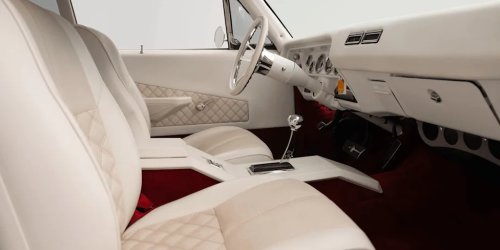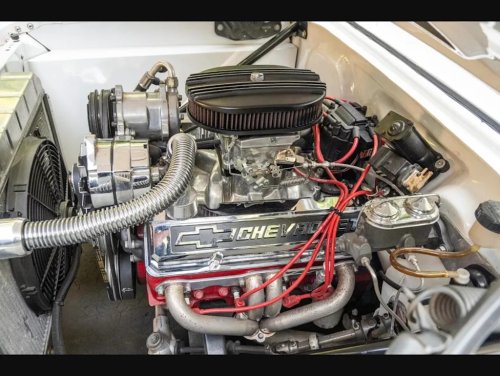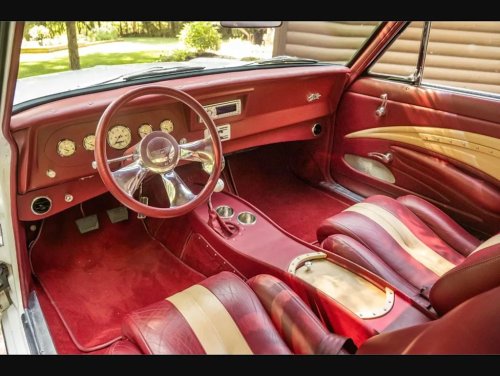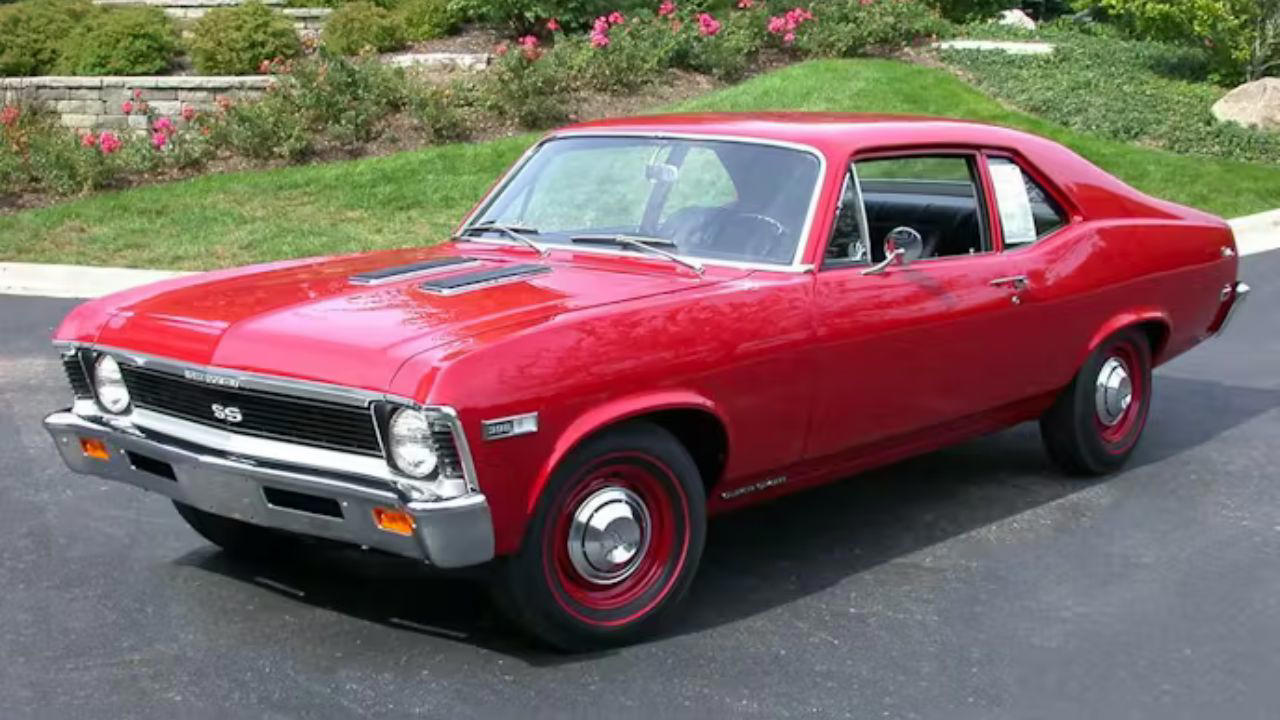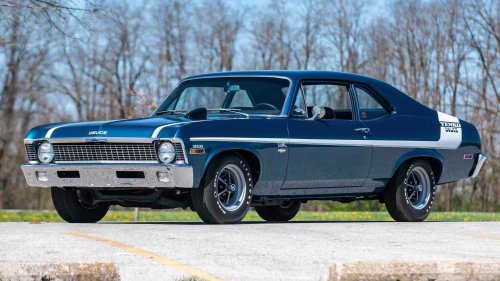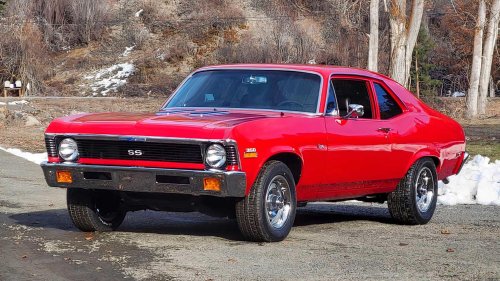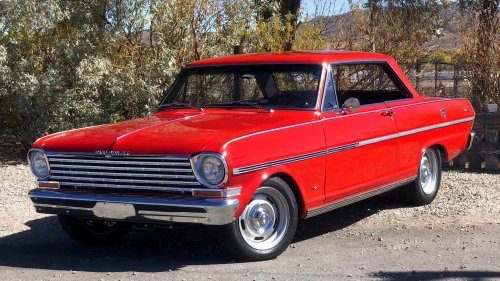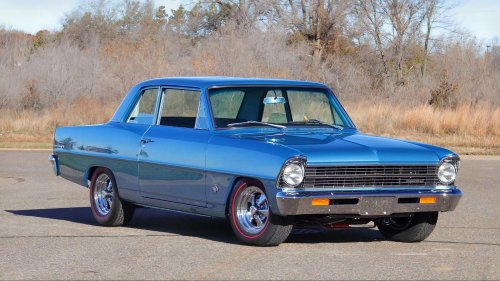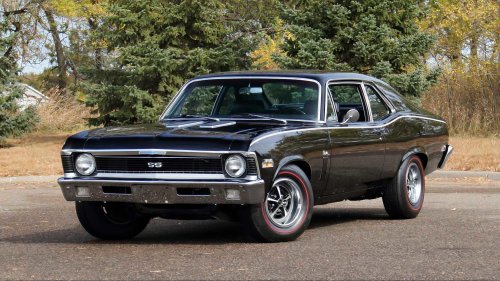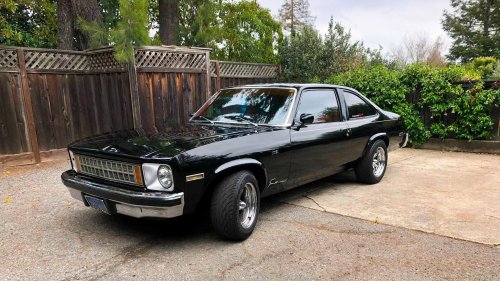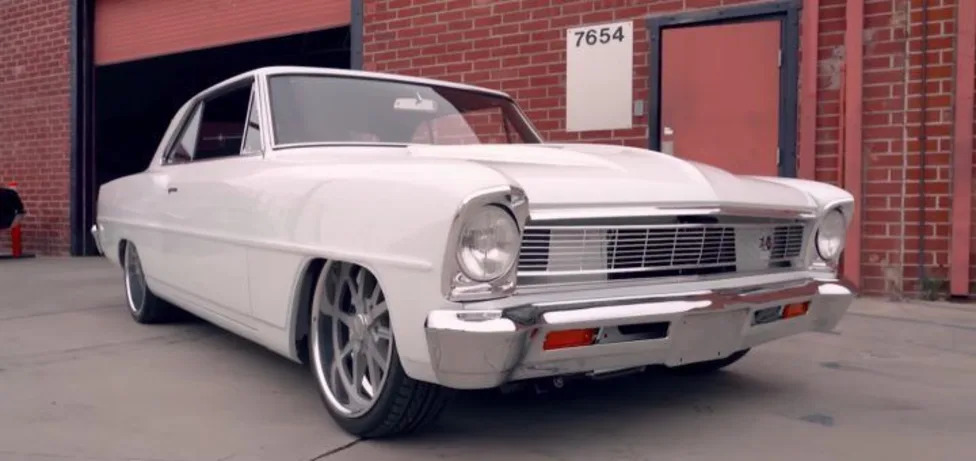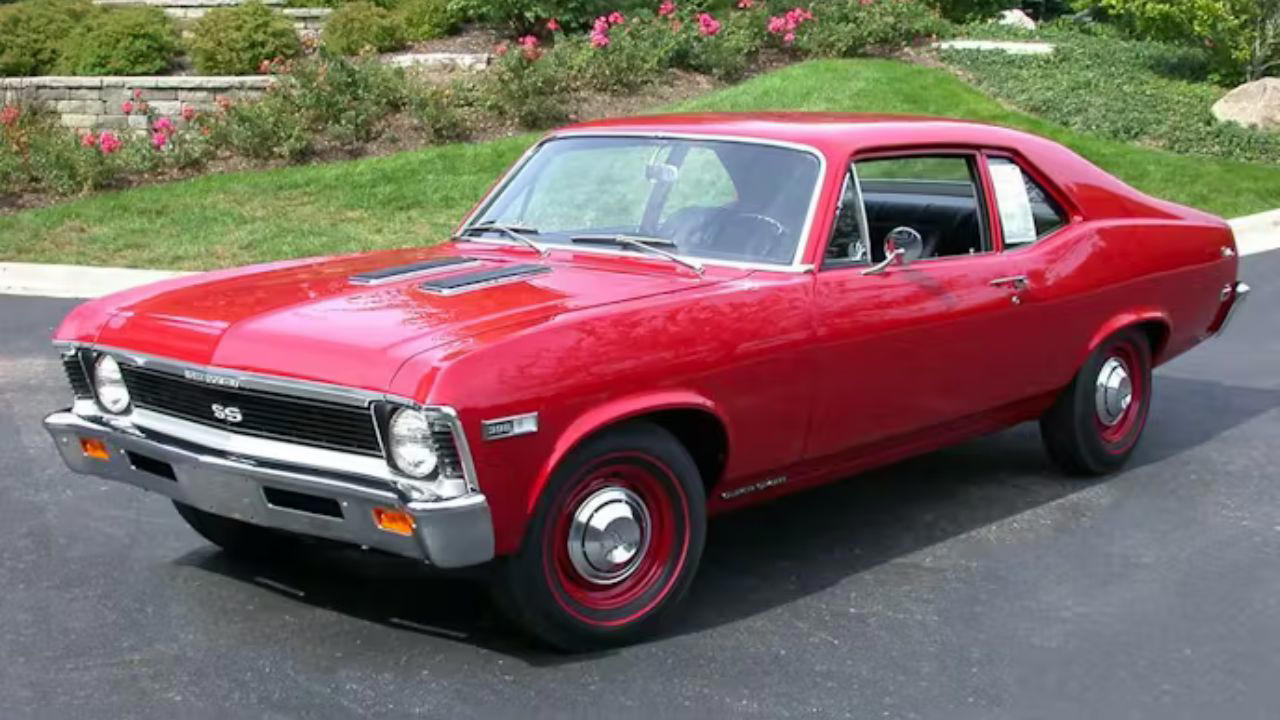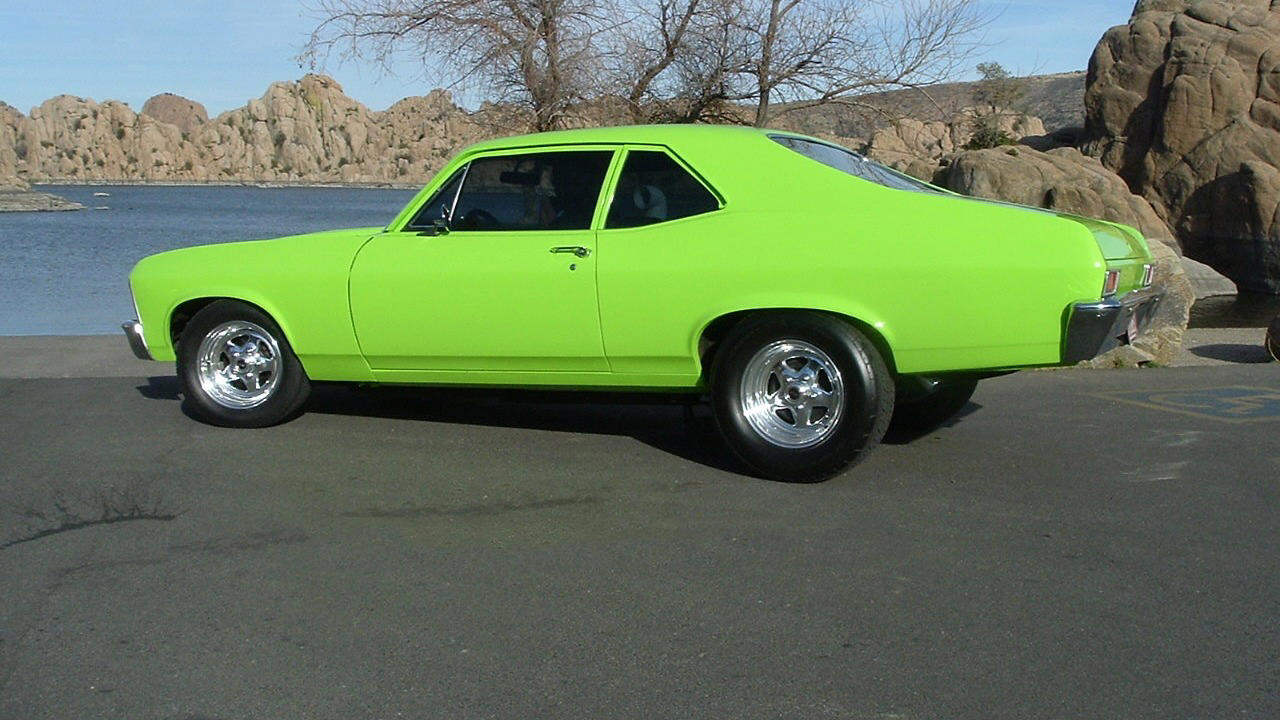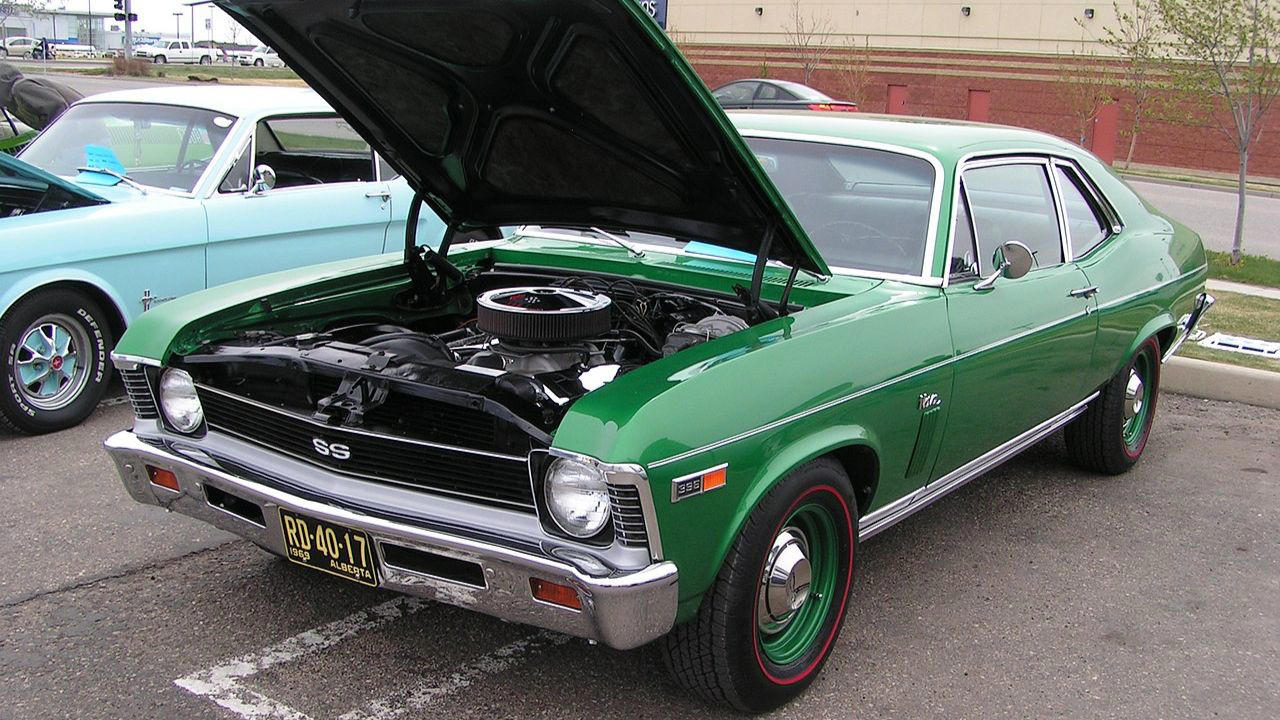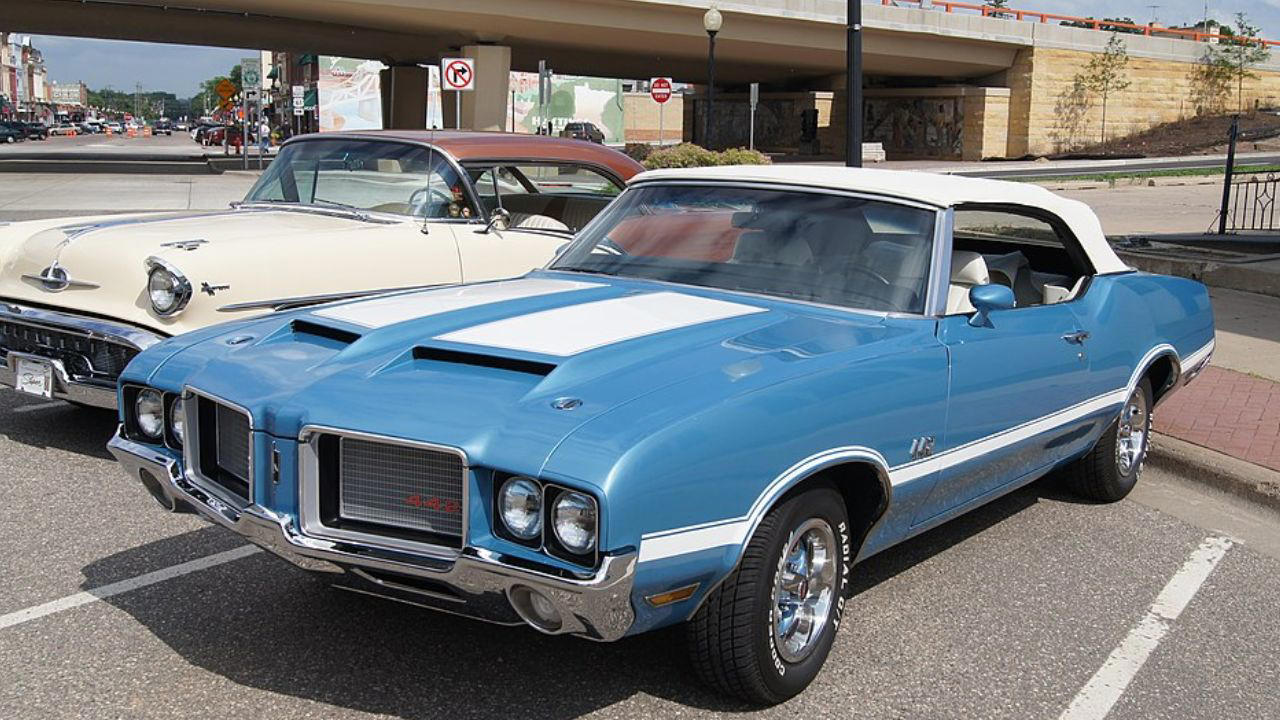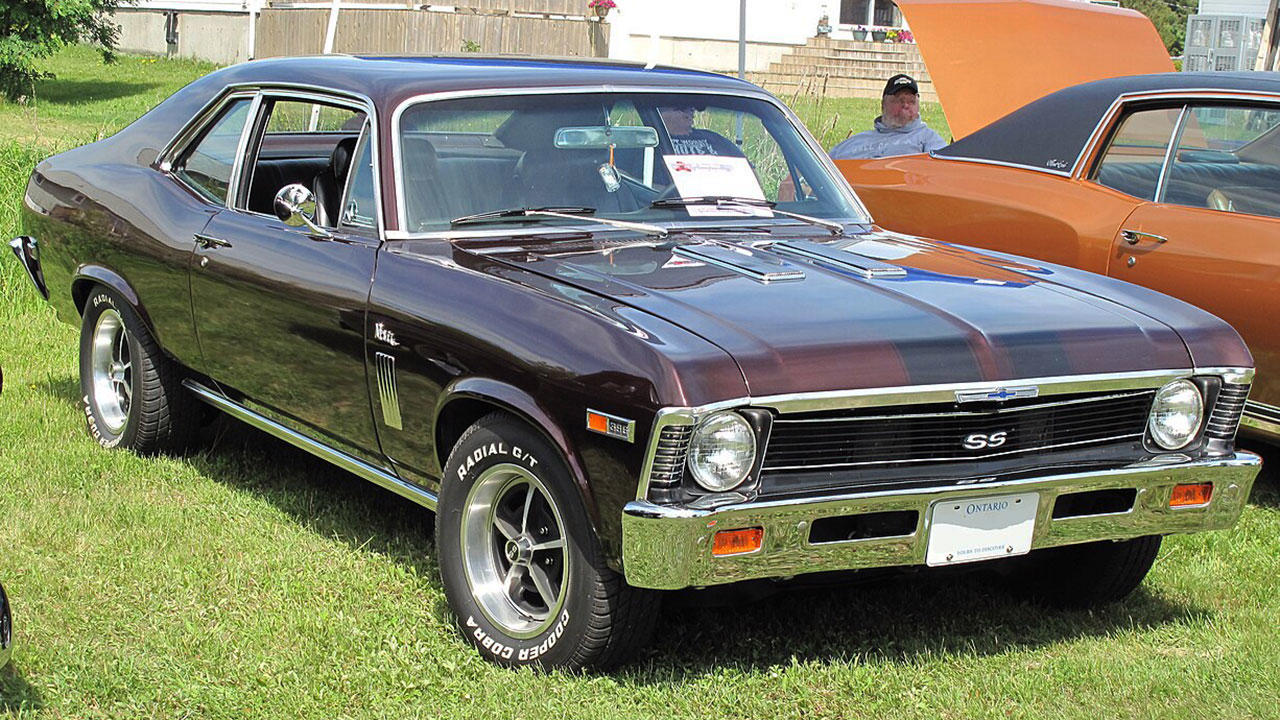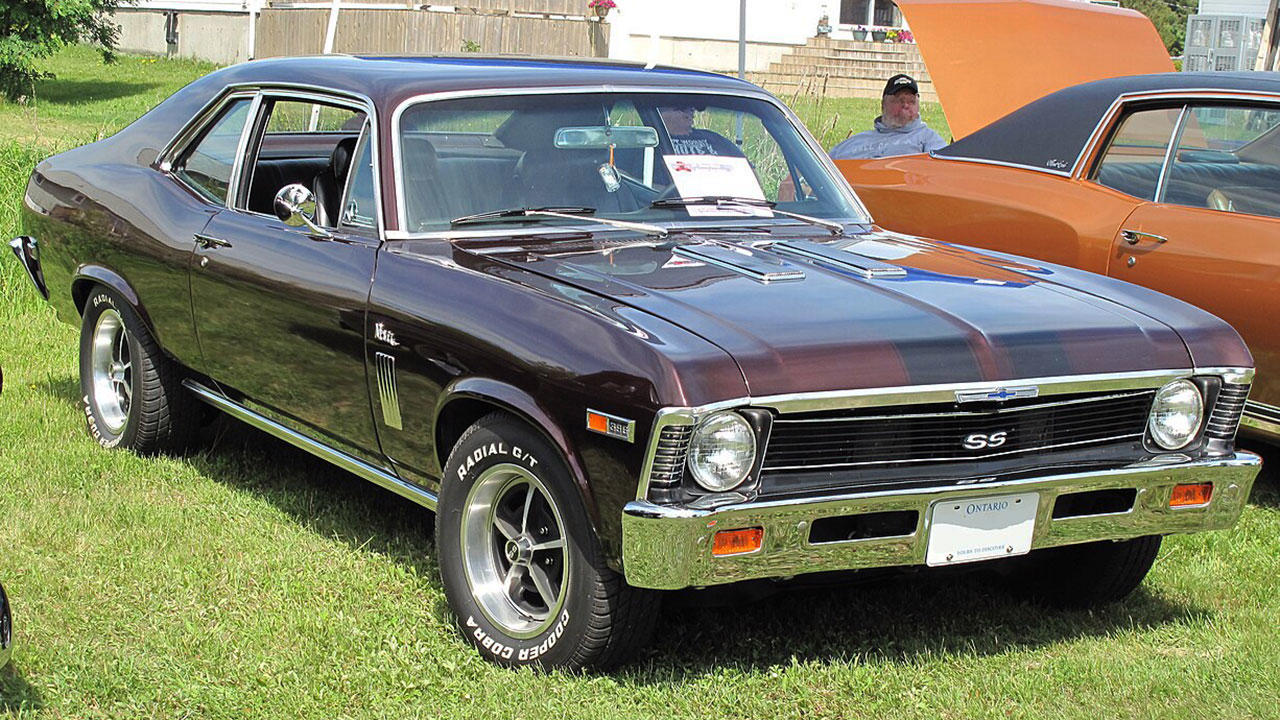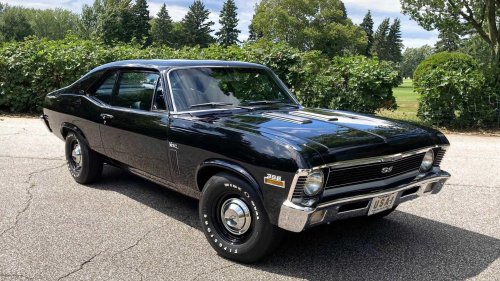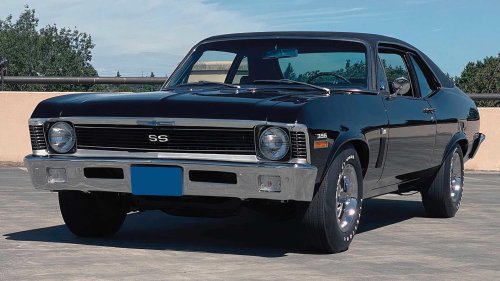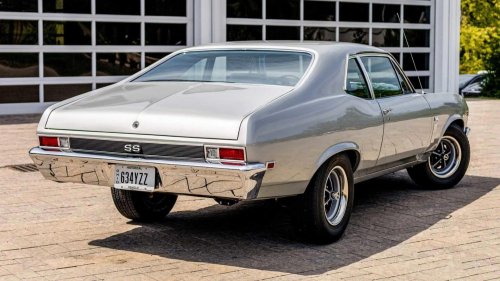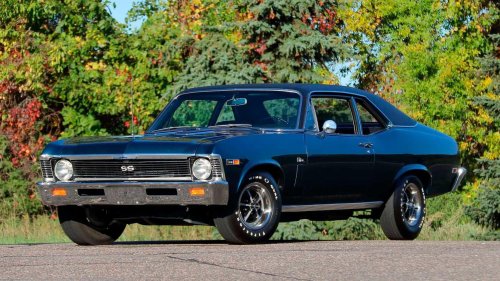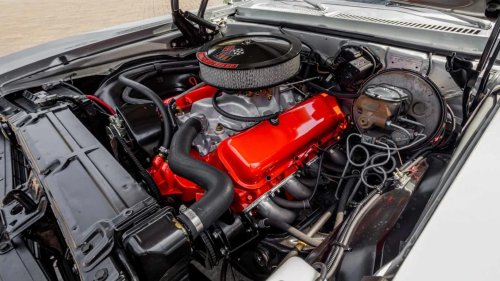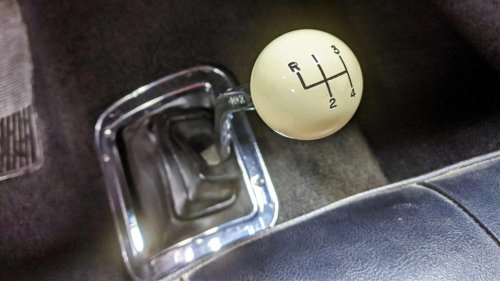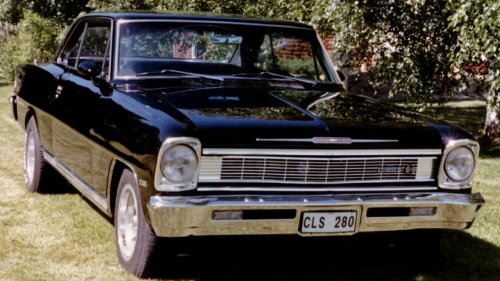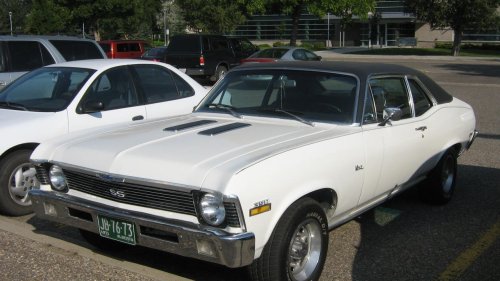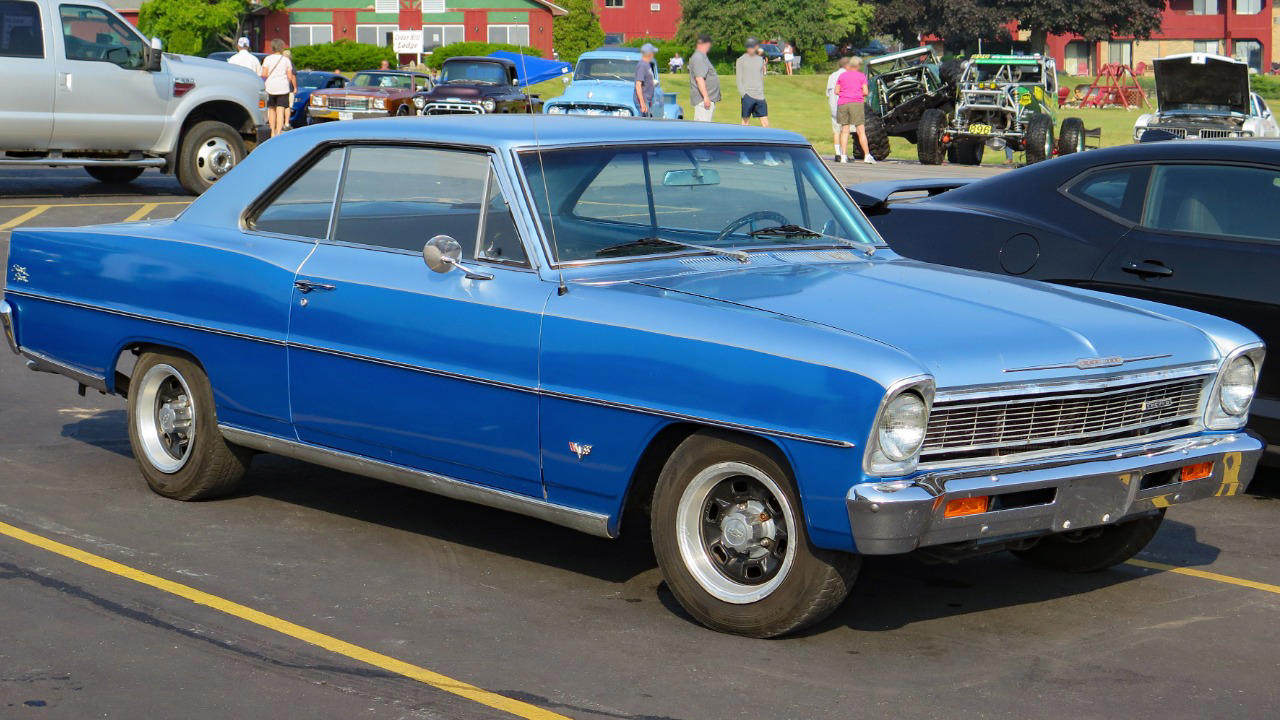



















A lightweight Nova SS surprised drivers who underestimated itThe 1966 Chevy II Nova SS L79 looked like the kind of compact American grocery‑getter that blended into traffic. Clean lines, modest trim and a no‑nonsense profile made it easy to dismiss. Yet drivers who lined up next to the lightweight Nova and underestimated it often discovered the hard way that this unassuming coupe could run with, and sometimes outrun, far bigger muscle machines. That contrast between mild appearance and serious performance turned the L79 Nova into one of the great sleeper stories of the 1960s. Owners still talk about how this small Super Sport embarrassed larger rivals, and restorers treat surviving examples as benchmarks for what a factory hot rod could be when low weight met underrated horsepower. The compact that did not look like trouble On the street, the 1966 Chevy II Nova SS L79 did not shout for attention. Enthusiasts who remember the period describe a tidy, almost conservative coupe that gave little away at first glance. One account of a 1966 Chevy II Nova SS recalls that the car appeared to be just another small American two‑door, an impression that suited owners who preferred to surprise rather than advertise their power. That subtle look was baked into the design. The Nova was part of Chevrolet’s compact lineup, smaller and lighter than the brand’s headline muscle cars. The Super Sport package added bucket seats, trim and a sportier stance, but it still stopped short of wild stripes or exaggerated scoops. Fans of the model often point out that the 1966 Chevy II Nova L79 did not need flashy graphics to make its point, and period owners deliberately kept the exterior understated so the car would pass as a basic commuter until the light turned green. Stories from drivers who lived with these cars reinforce how deceptive that profile could be. One enthusiast who had a 66 two door coupe with the 350HP 327 simply calls it the fastest car he ever drove and recalls how it blew the doors off of a brand new Plymouth GTX with the 440 in it. Memories like that capture the essence of the Nova’s appeal: from the sidewalk it was a compact, from behind the wheel it was a giant killer. L79: small block with a big attitude The secret weapon was the L79 version of Chevrolet’s 327 cubic inch small block V8. In factory literature the engine was rated at 350 horsepower, a figure that already sounded aggressive for a compact. Enthusiasts and restorers have long argued that Chevrolet often played conservative with its numbers, and one detailed restoration account notes that Chevy was known for underrating horsepower and that the L79 was closer to 365 horsepower in real output. That engine specification helps explain why the 1966 Chevrolet Nova SS L79 is often described as a small car with a big attitude. Under the hood sat a high‑revving V8 that pulled hard toward nearly 6,000 rpm, paired with a responsive camshaft and free‑breathing induction. The combination gave the Nova a power curve that felt more like a serious intermediate muscle car than a compact, which is why enthusiasts still tag the Chevrolet Nova SS as compact and clean outside but a beast when the throttle opened. Performance‑minded buyers understood that this was not just a trim package. The 1966 Chevrolet Chevy II Nova SS L79 is frequently singled out as one of the most underrated muscle cars of the 1960s, in part because many shoppers never realized how much engine they could get in such a small shell. Those who did check the right box ended up with a car that could run with larger Chevelles and Camaros while carrying less mass. Ten pounds per horsepower Weight is where the Nova’s story shifts from interesting to startling. Contemporary descriptions of the 1966 Chevrolet Nova SS L79 emphasize that Chevrolet offered an unassuming giant killer when just a few options transformed the compact into a serious performer. At roughly 10 pounds per horsepower, the lightweight Nova could surprise owners of larger engined competitors without advertising its potential. That ratio placed the car in rare company. Big block intermediates often made similar or greater peak power, but they carried more metal and heavier driveline parts. The Nova’s relatively low curb weight meant that every unit of horsepower had less work to do. On the street that translated into strong launches, quick midrange pull and the ability to hang with cars that looked far more intimidating. Drivers at the time quickly learned that this compact was not to be taken lightly. The 1966 Chevy II Nova SS L79 was built for speed, and accounts from New York street racing scenes describe it as a favorite among drivers who wanted a car that would not attract attention until it was already a car length ahead. The combination of roughly 10 pounds per horsepower and a rev‑happy small block gave the Nova an edge that numbers on paper only begin to explain. From overlooked compact to legend When new, the Nova occupied an unusual niche inside Chevrolet’s lineup. It was smaller than the Chevelle, more modest than the Corvette and less heavily marketed than later Camaro models. That positioning meant some enthusiasts overlooked it in favor of headline muscle cars. Over time, however, the story shifted as owners and historians began to recognize how much performance was packed into the compact platform. Modern enthusiasts routinely refer to the 1966 Chevy II Nova SS as a compact muscle car legend. That status rests on a few key elements. The first is the L79 engine itself, which combined real power with everyday drivability. The second is the car’s sleeper styling, a trait that has gained appreciation in an era where many performance cars rely on aggressive bodywork. The third is rarity. Production of L79 equipped Nova SS models was limited, and surviving examples in correct condition are now considered particularly rare finds. Collectors and restorers treat these cars with a level of respect that reflects both their historical significance and their capability. Detailed builds that return a Chevy II Nova SS to factory specification often become reference points for judges and other owners, especially when they document correct engine components, paint codes and trim. The story of Bill Akers, who set out to restore an L79 powered 1966 Nova to an exacting standard, is one example of how far some enthusiasts go to preserve the model’s legacy. Why drivers kept losing to a Nova Part of the Nova’s legend comes from the way it disrupted expectations at stoplights and drag strips. Muscle car culture in the late 1960s often revolved around displacement and visual drama. Big block badges, bold stripes and scoops signaled who was supposed to win. The Nova inverted that script. Its compact footprint and understated styling led many drivers of larger cars to assume an easy victory. Real world encounters told a different story. The earlier anecdote of a 66 coupe with a 350HP 327 that blew the doors off a Plymouth GTX with the 440 in it illustrates how the Nova upset the usual hierarchy. The GTX carried a reputation as a serious performance car, yet in that race it was the small Chevy that pulled ahead. Accounts like this are repeated across enthusiast circles, with Nova owners recalling how they consistently ran ahead of bigger, heavier rivals from multiple brands. Several factors contributed to those outcomes. The power to weight advantage was obvious, but traction and gearing also played roles. Many L79 Novas were ordered with performance oriented rear axle ratios that helped them leap off the line. The relatively short wheelbase and low mass placed less strain on driveline components, which encouraged hard launches. Drivers who knew how to work a four speed gearbox could extract every bit of the engine’s high rpm potential and leave more relaxed opponents scrambling to catch up. Street culture and the sleeper mindset The Nova’s character fit perfectly into a particular strain of American car culture that valued subtlety over spectacle. Owners who gravitated toward the L79 combination often describe a preference for cars that looked ordinary but performed like dedicated hot rods. That mindset explains why many 1966 Chevy II Nova L79 cars stayed visually close to stock, with factory hubcaps or simple wheels and minimal exterior modifications. Enthusiast communities that share photos and stories of these cars still highlight that dual personality. One group that focuses on compact performance celebrates how the 1966 Chevrolet Nova SS L79 remained compact and clean in design while hiding a beast under the hood. Another community that trades memories of the 1966 Chevy II Nova SS L79 in New York emphasizes how the car was built for speed and became a favorite among street racers who valued stealth as much as outright power. That culture of understatement also influenced how owners used the car. Many accounts describe Novas that served weekday commuting duty, complete with bench seats and quiet exhaust, then transformed into serious contenders at informal weekend races. The ability to live a double life as both practical transport and surprise weapon helped cement the model’s appeal across generations. From personal obsession to shared heritage Individual stories have played a significant role in keeping the Nova SS L79 in the spotlight. Enthusiasts such as David Terry openly admit to having a thing for a 1966 Chevy Nova, recalling how the car captured their imagination and set a benchmark for what a compact performance car could be. For some, a specific Chevy Nova from their youth becomes the reference point against which all later cars are measured. Those personal obsessions intersect with broader documentation efforts. Features that trace the history of the 1966 Chevrolet Chevy II Nova SS L79, including its development and its place among 1960s muscle cars, have helped newer fans understand why the model matters. Long form pieces that follow citation trails to original engineering documents, sales literature and period road tests reinforce the idea that the Nova was not an accident, but a deliberate attempt by Chevy to package real performance into a smaller format. As more of these stories surface, the car’s reputation has grown beyond niche circles. Younger enthusiasts who encounter the Nova at shows or online often express surprise that a compact from the mid 1960s could carry such performance credentials. The shared heritage that develops around these discoveries keeps the model relevant even as the original owners age out of daily driving. Why the L79 Nova still matters In an era where modern performance cars rely on electronics, turbocharging and complex drivetrains, the 1966 Chevy II Nova SS L79 stands as a reminder of how far a simple formula can go. A relatively light chassis, a strong naturally aspirated V8, honest gearing and minimal frills combined to produce results that still feel impressive. The fact that the car could achieve that while looking almost ordinary gives it an appeal that transcends nostalgia. More from Fast Lane Only Unboxing the WWII Jeep in a Crate 15 rare Chevys collectors are quietly buying 10 underrated V8s still worth hunting down Police notice this before you even roll window down