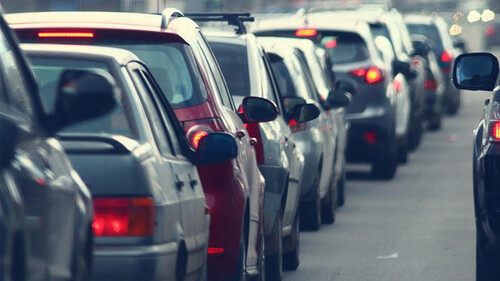
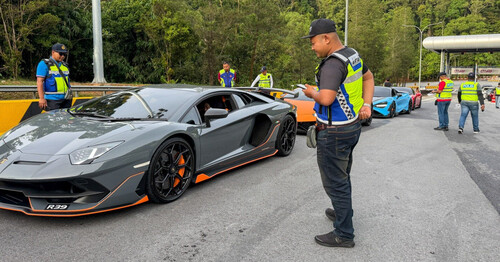
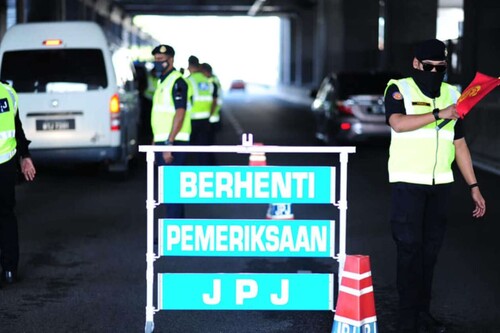
New enforcement rule targets drivers who block crosswalks at intersectionsDrivers who creep a little too far forward at red lights are about to get a lot more attention. A new enforcement rule rolling out across several busy corridors will specifically target cars that stop on or over crosswalk markings at intersections. Officials say it’s a simple idea with a big payoff: keep crosswalks clear so people can cross safely and predictably. If you’ve ever tried to squeeze around the front of a car while the “walk” sign counts down, you already know why this is happening. It’s awkward, it’s risky, and it forces pedestrians—especially kids, seniors, and people using wheelchairs or strollers—into the part of the street where turning cars are moving. The new rule is designed to remove that daily friction and, ideally, prevent serious crashes. What the new rule actually does Under the updated enforcement approach, stopping with any part of your vehicle in a marked crosswalk (or in the implied crosswalk at intersections without paint) can trigger a citation. That includes your front bumper hovering over the line, not just fully parking in the stripes. Transportation officials say the goal isn’t to “gotcha” drivers—it’s to make crosswalk blocking as unacceptable as rolling through a stop sign. The rule leans on existing traffic laws in many places, but the difference now is consistency. Instead of sporadic tickets when an officer happens to be nearby, departments will be running targeted operations at problem intersections and peak hours. Some jurisdictions are also pairing the change with clearer signage and refreshed road markings so drivers can’t claim they “didn’t see it.” Why crosswalk blocking is a bigger deal than it looks When a car blocks a crosswalk, pedestrians often have to step into the lane to get around it. That puts them in the exact spot where drivers making right turns may be looking left for traffic instead of straight ahead for a person. It’s one of those “small” behaviors that can set up a chain reaction, especially in busy downtown areas. It also creates accessibility problems that don’t always register if you’re behind the wheel. Someone using a mobility device may not be able to squeeze between a bumper and a curb ramp, which can force a detour into the roadway. Officials say the enforcement shift is as much about dignity and access as it is about crash numbers. Where you’re most likely to see enforcement Agencies say they’ll focus on intersections with heavy foot traffic—near schools, transit stops, shopping districts, and medical centers. Expect extra attention at spots with frequent right-on-red turns, short signal cycles, or complicated geometry that encourages “just inch up a bit” behavior. If there’s a history of close calls, complaints, or recorded collisions, it’s likely on the list. Some departments are also coordinating with crossing guards and school staff to flag chronic trouble areas. The idea is to use real-world feedback, not just spreadsheets, to decide where enforcement is most needed. And yes, if you’ve got a neighborhood intersection that feels like a daily obstacle course, this is the kind of rule that could actually help. How tickets will work (and what penalties could look like) Exact fines and points vary by jurisdiction, but officials say citations will generally fall under “stopping in a crosswalk” or “failure to yield/pedestrian right-of-way” categories. In many places, it’s a moving violation with a financial penalty, and it can affect insurance if it adds points to your record. Some cities may also include escalating fines for repeat offenders or for blocking crosswalks in school zones. Enforcement methods will likely include standard officer observation, targeted “crosswalk stings,” and in some areas, camera-supported monitoring where permitted by law. Officials stressed that the focus is on clear, easy-to-document violations: a vehicle at a red light with its wheels or bumper inside the crosswalk. If you’re wondering whether “I was only there for a second” counts, the rule of thumb is simple—if the signal’s red and the crosswalk’s blocked, it’s a problem. What drivers should do at the light The fix is pretty straightforward: stop at the limit line before the crosswalk, even if it feels like you’re leaving “extra space.” If there isn’t a painted line, stop before the crosswalk markings; if there aren’t markings, treat the area connecting sidewalks at the corner as the crosswalk. In other words, don’t use the stripes as your stopping target. If you’re turning right, wait behind the line until you can make the turn without encroaching on the crosswalk. A lot of crosswalk blocking happens when drivers inch forward to see around a car or pole, but that small move can erase the safe space pedestrians are relying on. Think of it like keeping a doorway clear—you wouldn’t park your shopping cart in the only exit. What pedestrians and cyclists can expect For people walking, the biggest change should be fewer “detours” into traffic and better sightlines. When cars stop where they’re supposed to, turning drivers can see pedestrians more clearly, and pedestrians can see turning cars sooner. It’s a small adjustment that tends to make crossings feel calmer, especially at intersections with lots of turning movement. Cyclists may notice benefits too, particularly where bike lanes run alongside crosswalks or where riders use crosswalks legally at certain crossings. A car sitting in the crosswalk can block the area where cyclists and pedestrians naturally negotiate space. Clearing that zone helps everyone communicate with fewer surprises, which is basically the best-case scenario on a busy street. Why officials are doing this now Transportation departments say this is part of a broader push to reduce serious injuries and fatalities at intersections. Crosswalk blocking is easy to overlook because it’s common, but common doesn’t mean harmless. Officials argue that changing everyday norms—where we stop, how we yield, how we turn—can have a bigger impact than one-off safety campaigns. There’s also a practical enforcement angle: unlike some risky behaviors that are hard to prove quickly, a blocked crosswalk is visible and unambiguous. That makes it a good candidate for targeted enforcement, especially during rush hour when intersections are already strained. And, frankly, it’s one of those rules most drivers can follow without changing their whole routine. What to watch for in the first few weeks Over time, agencies will be tracking complaint volume, compliance rates, and crash data to see if the rule is doing what it’s supposed to do. If it works, expect the effort to expand to more intersections. If it doesn’t, they’ll adjust—because the goal isn’t handing out tickets, it’s making crossings feel less like a daily game of sidewalk Tetris. More from Fast Lane Only Unboxing the WWII Jeep in a Crate 15 rare Chevys collectors are quietly buying 10 underrated V8s still worth hunting down Police notice this before you even roll window down