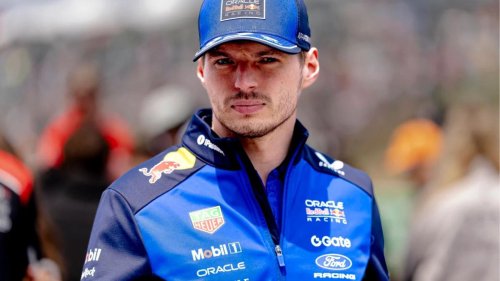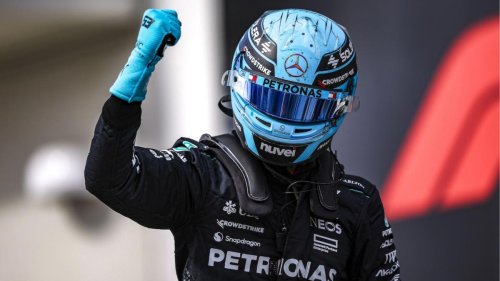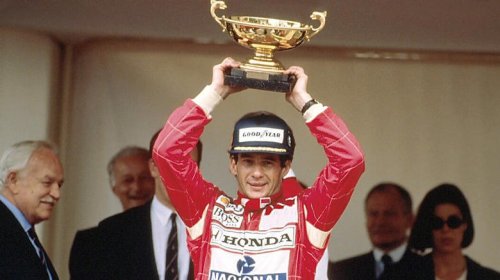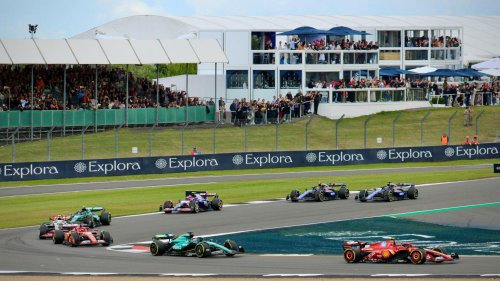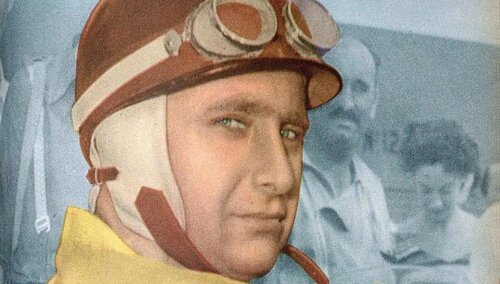
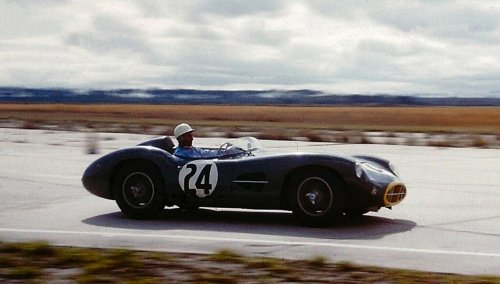
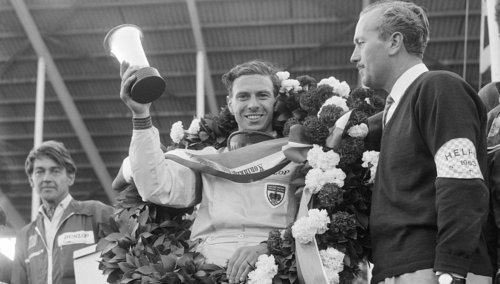
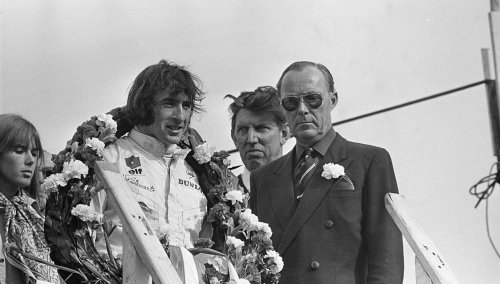
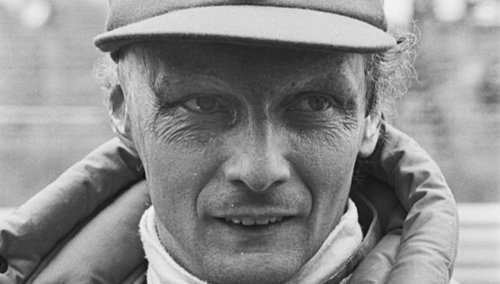
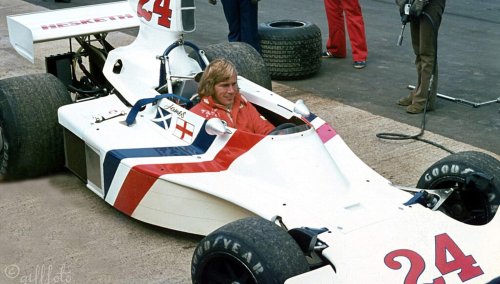
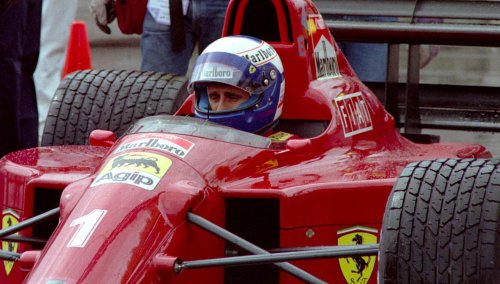
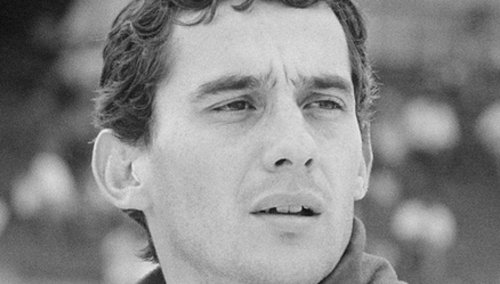
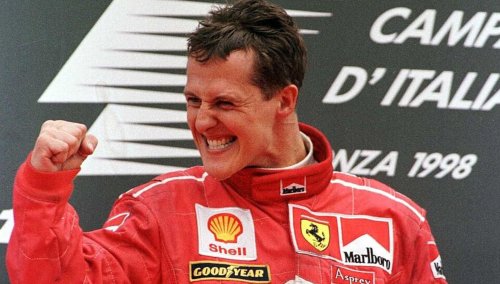
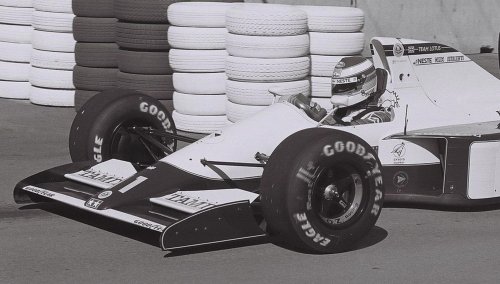
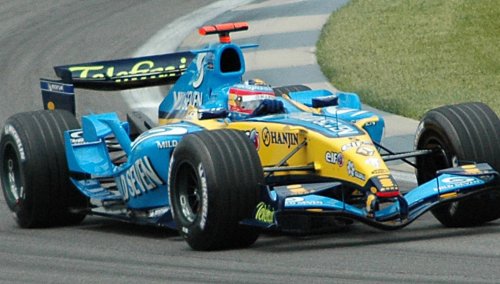


















Ever since the first Formula 1 race in 1950, most people have assumed that it is always about speed, precision, and that feeling in your throat as the cars zip past. Sure, it encompasses all that, but there’s more to it. We have teams that make history and others that make blunders. Then we have the automotive part: the machines that smash lengths of 190 miles and still stand. But the real secret ingredient? That has to be the drivers! Over the years, we’ve seen them all. But the ones that stick around are the ones that reshaped the game. These are beyond the winners of races; they are the ones who took the sport to new places, making it what it is today. Some changed how the cars were built, others changed how drivers are seen, and a few even changed the very culture of F1 itself. It’s all about breaking boundaries, daring to do things no one thought possible, and making history in the process. The world of Formula 1 isn’t the same because of them—it’s better, faster, and, well, a whole lot more exciting. Ready to dive into the stories of the drivers who flipped the script? Hold on tight because the ride’s about to get wild. 1. Juan Manuel Fangio (1950–1958)1. Juan Manuel Fangio (1950–1958)Juan Manuel Fangio’s five Formula 1 World Championships remained unmatched for nearly 50 years until Michael Schumacher surpassed him in 2003. His success with four different teams—Alfa Romeo, Ferrari, Mercedes, and Maserati—demonstrated an extraordinary ability to adapt to various engineering philosophies and competitive environments. One of his most remarkable performances came at the 1957 German Grand Prix, where, after falling to 12th due to a slow pit stop, he staged an astonishing comeback. How? He set multiple lap records to claim victory. Through this, Fangio set the standard for adaptability and strategy.2. Stirling Moss (1951–1961)2. Stirling Moss (1951–1961)Despite never clinching a championship, Stirling Moss became a symbol of brilliance in F1. His 16 Grand Prix wins in 66 races proved his exceptional driving, but his fierce determination and sportsmanship made him stand out. Moss was the driver who pushed the limits of the sport, often taking risks others wouldn’t. Ever heard the phrase "the greatest driver to never win a title"? That’s Moss. His battles, especially with Mike Hawthorn, marked an era, and it introduced us to the fact that a racer’s impact can go far beyond the title count.3. Jim Clark (1960–1968)3. Jim Clark (1960–1968)When Jim Clark got behind the wheel, you knew it was nothing short of legendary. Why? It's simple: his driving was always effortless yet lethal, and this composure won him two World Championships. He personified natural talent and versatility, even winning the 1965 Indy 500 while dominating F1. Clark’s smoothness behind the wheel and his consistency (25 wins in 72 races) became the yardstick by which future champions were measured. You might say he was the F1 version of a silent assassin: calm, collected, and always a threat on the track.4. Jackie Stewart (1965–1973)4. Jackie Stewart (1965–1973)At 85, we're sure Jackie Stewart still looks back with pride at the legacy he built from the ground up. This driver made his mark mainly as a safety pioneer—and not without reason. After surviving horrific crashes, the worst being crashing at Spa in 1966, trapped in a fuel-soaked car, he took it upon himself to advocate for better safety measures in F1. His efforts directly led to changes that have saved countless lives. Nonetheless, Stewart’s precision and smooth style on the track earned him three titles, but his most enduring impact was in shaping safety regulations.5. Niki Lauda (1971–1985)5. Niki Lauda (1971–1985)While we're still on the subject of safety and accidents, meet Niki Lauda—a man who defied death and rewrote the limits of human resilience. In 1976, a fiery crash at Nürburgring left him with severe burns and fighting for his life. But just six weeks later, wrapped in bandages and scarred, Lauda climbed back into the cockpit. He wasn't done. A year later, he claimed another world title. It was his second Formula 1 World Championship in 1977 when he drove for Ferrari. Immortalized in Rush, his legendary rivalry with James Hunt fueled the comeback fire.6. James Hunt (1973–1979)6. James Hunt (1973–1979)Remember the reference to Rush you’ve just read about? Here is the other side of the story: James Hunt. The one who won! With his carefree attitude, high-octane lifestyle, magnetic charisma, and careless swagger, Hunt brought glamour to a sport that was still struggling for mainstream attention. Hunt was a genuinely gifted driver, capable of extraordinary performances when fully engaged. His aggressive driving style, combined with raw talent, saw him win 10 Grand Prix races, but his impact extended beyond statistics. Even after retirement, Hunt’s outspoken nature made him one of the most memorable commentators in F1 history.7. Alain Prost (1980–1993)7. Alain Prost (1980–1993)Alain Prost was known as "The Professor" in the F1 world for a good reason. His tactical brilliance and smooth driving style were legendary, and they led him to four World Championships (1985, 1986, 1989, 1993). Unlike drivers who thrived on aggression, Prost mastered tire conservation, fuel management, and adapting to changing conditions, often securing victories through sheer precision rather than risk-taking. His rivalry with Ayrton Senna was arguably the most intense in F1 history. It spanned multiple seasons and culminated in controversial clashes, most notably at Suzuka in 1989 and 1990.8. Ayrton Senna (1984–1994)8. Ayrton Senna (1984–1994)Meet Ayrton Senna, Alain Prost’s rival, who was a force of nature in his own right. Senna oozed raw, untamed speed, and his ability to perform miracles in the rain was nothing short of spectacular. His driving skills were confirmed during the 1993 race at Donington Park, where he made five overtakes in just the first lap. Sadly, in 1994, the world said goodbye to Senna after his fatal crash at Imola during the San Marino Grand Prix, a tragedy that led to sweeping safety reforms in Formula 1.9. Michael Schumacher (1991–2012)9. Michael Schumacher (1991–2012)With seven titles under his belt, Michael Schumacher is another Formula 1 legend who has proven time and time again that he deserves the spotlight. His World Championships (1994, 1995, and 2000–2004) were a show of three things: speed, precision, and strategic brilliance. His collaboration with Ferrari’s engineers forged one of the most formidable dynasties in the sport’s history. Though not without controversy—like the infamous 1994 clash with Damon Hill—his wet-weather heroics showcased his genius, especially at the 1996 Spanish Grand Prix. Schumacher and his brother Ralf became the only siblings to win races in Formula 1.10. Mika Häkkinen (1991–2001)10. Mika Häkkinen (1991–2001)On the tarmac, they call Mika Häkkinen "the Flying Finn," and it’s not hard to see why. He had something few others did—the ability to go pedal-to-pedal with Michael Schumacher and win. Driving for McLaren, Häkkinen secured back-to-back World Championships in 1998 and 1999, proving he was more than just fast. The secret is that the guy has a calm, ice-cold demeanor under pressure, making him a fierce rival during one of Formula 1’s most intense eras. In the heat of competition, his unshakable composure redefined psychological warfare in racing, and the results spoke for themselves.11. Fernando Alonso (2001–2018, 2021–Present)11. Fernando Alonso (2001–2018, 2021–Present)Alonso’s first title in 2005 made him the youngest champion at the time, and he followed it up with another in 2006, fending off Schumacher in a dramatic season-long battle. His ability to wrestle performance from underperforming machinery was on full display during his 2012 Ferrari campaign, where, despite an uncompetitive car, he stayed in the title fight until the final race. Beyond his F1 success, Alonso’s adaptability across motorsport is astonishing—he’s won Le Mans twice and conquered endurance racing while also competing in the Indianapolis 500 and Dakar Rally. A true racer in every sense!12. Sebastian Vettel (2007–2022)12. Sebastian Vettel (2007–2022)When Sebastian Vettel rose to stardom, it was swift, but his dominance was absolute. Four World Championships in a row (2010– 2013) with Red Bull Racing made him the sport's youngest quadruple champion. Vettel's precision on track and ability to manage race strategy were key to his success. However, his impact went beyond just numbers; his youthful energy and unapologetic character brought a fresh dynamic to F1. Whether on or off the Formula 1 track, Sebastian Vettel was a champion who redefined what it meant to be a modern-day F1 driver.13. Lewis Hamilton (2007–Present)13. Lewis Hamilton (2007–Present)Ah, Lewis Hamilton. This guy’s name goes hand-in-hand with anything F1 in this era. Mr Hamilton first dominated Formula 1, then changed the entire landscape of the sport. Lewis Hamilton holds seven World Championships and numerous records, including most Grand Prix wins. So, how does he do it? He focuses on fitness and mental strength on and off the track, and his activism has helped push F1 into a new era of inclusivity and global reach. Hamilton’s legacy will be defined by two things: his impressive stats and his bold challenge to societal norms.14. Max Verstappen (2015–Present)14. Max Verstappen (2015–Present)Blazing onto the scene with fearless flair and raw talent, F1 hasn’t seen a storm quite like this in years. With ice-cool control under pressure and a driving style that borders on ruthless, Max Verstappen has taken Red Bull Racing into a new golden era. His showdown with Lewis Hamilton at the 2021 Abu Dhabi Grand Prix added fire to an already explosive career. With multiple World Championships and no signs of slowing down, Verstappen has charged to the front of a fiercely competitive field. Folks, keep your eyes open.15. Kimi Räikkönen (2001–2021)15. Kimi Räikkönen (2001–2021)Kimi Räikkönen is called the "Iceman" because he is a calm and collected guy. His 2007 World Championship was one of the closest title fights in F1 history, as he snatched victory from both Lewis Hamilton and Fernando Alonso in a dramatic final-race showdown. His approach to racing was refreshingly simple—no politics, no overanalysis, just pure speed. Beyond his title, Räikkönen’s ability to remain consistently competitive for two decades remains impressive. And his iconic “Leave me alone, I know what I’m doing” radio call perfectly summed up his focused, independent, and utterly fearless approach.