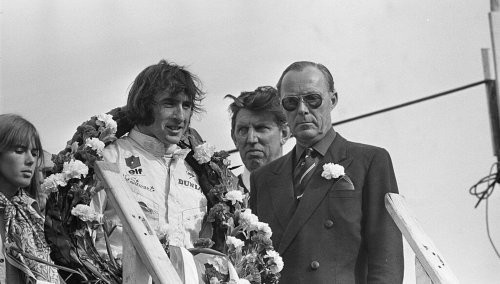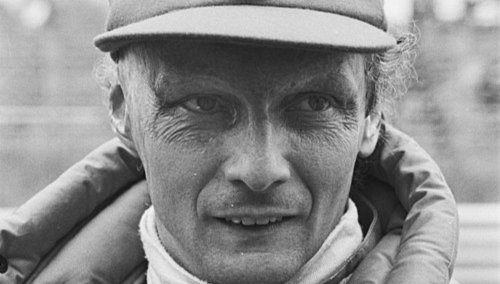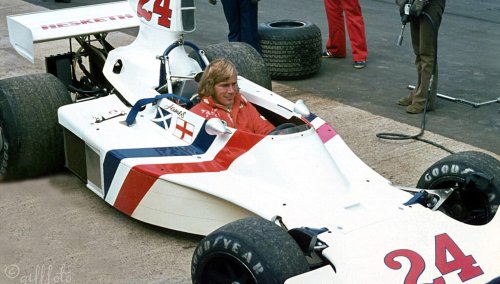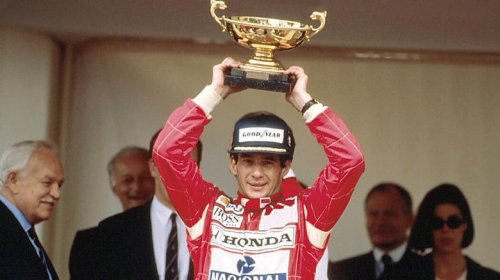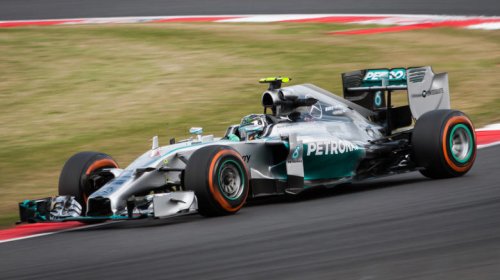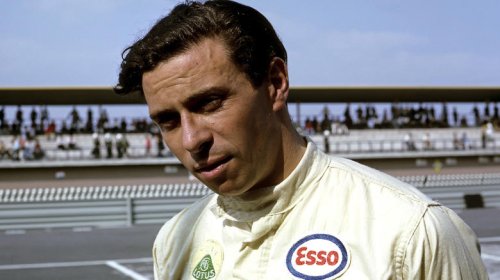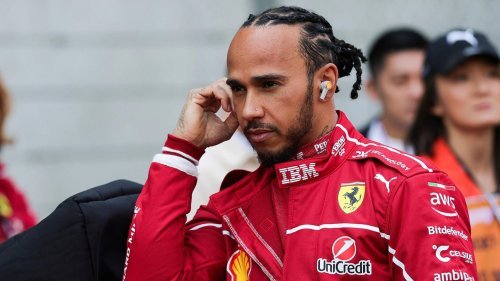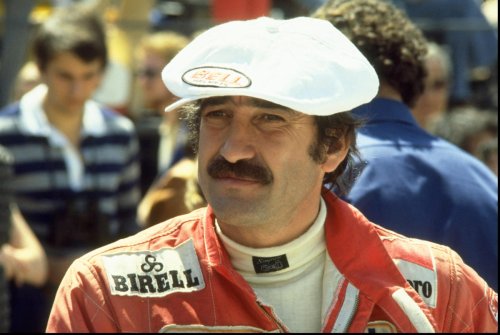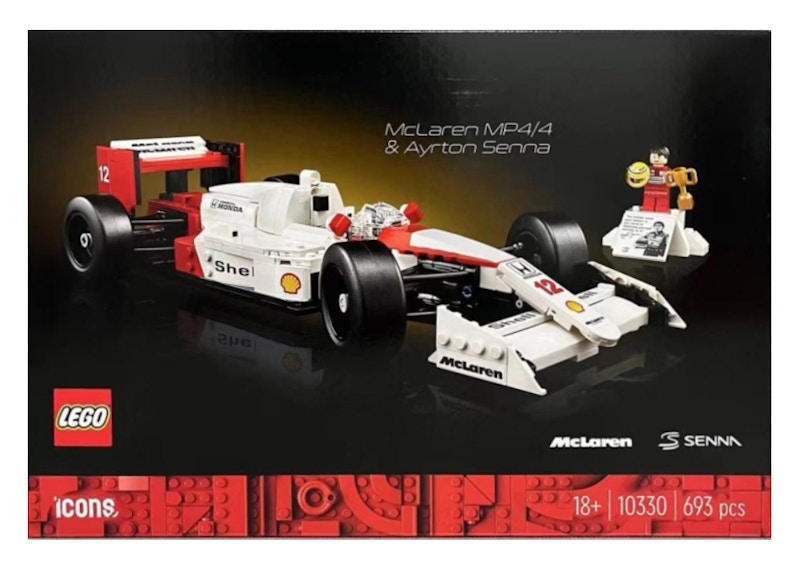
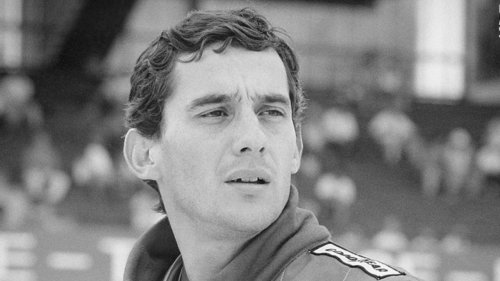
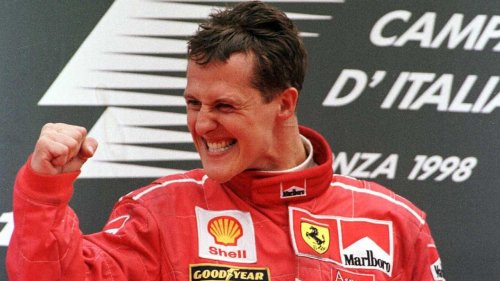
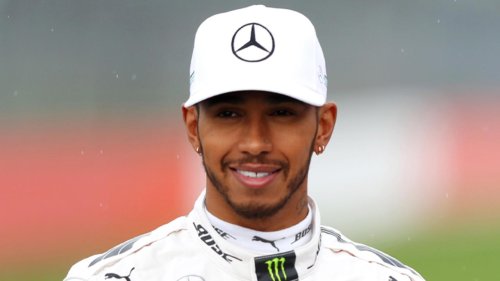
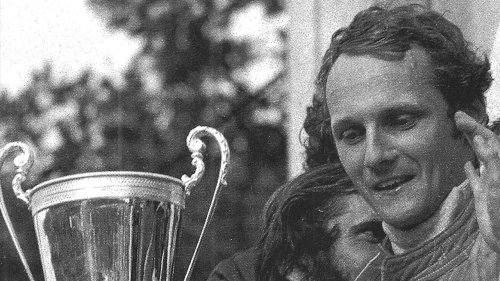
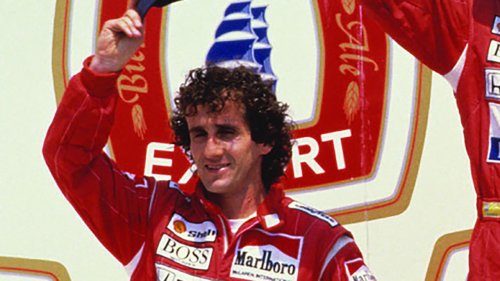
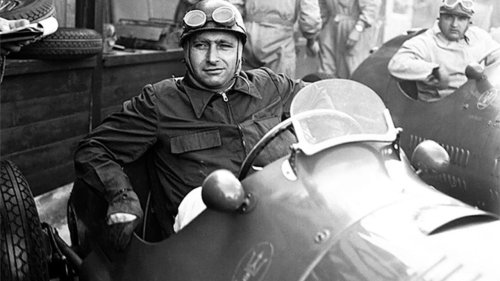
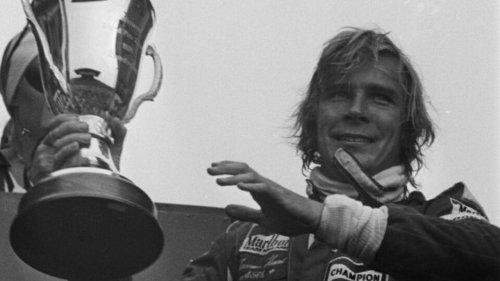
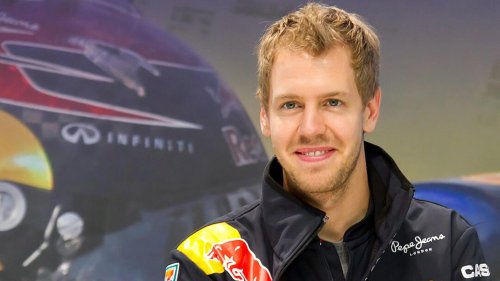



















Formula 1 has always been about machines on the limit, but sometimes a driver’s presence eclipses even the cars. These figures transcended lap times and championships to become global icons, shaping culture, fashion, politics, and identity far beyond the paddock. Their influence stretched into mainstream headlines, endorsement empires, and generational fandom. Decades later, their names still resonate with people who may never have watched a Grand Prix but instantly recognize the legend.Ayrton SennaAyrton Senna’s intensity transformed Formula 1 into something spiritual for millions of fans worldwide. His qualifying laps bordered on myth, extracting impossible performance from turbocharged machinery in wet and dry conditions alike. Beyond three world championships, he embodied passion, patriotism, and raw emotion that connected deeply with Brazil and global audiences. His tragic death at Imola in 1994 elevated him from champion to eternal symbol, sparking safety reforms and worldwide mourning. Even decades later, Senna’s name carries a gravity that transcends statistics, representing purity of competition and an uncompromising pursuit of perfection.Michael SchumacherMichael Schumacher redefined dominance in Formula 1 during his relentless title runs with Benetton and Ferrari. His work ethic, technical feedback, and physical preparation reshaped expectations for modern drivers, turning Formula 1 into a science of marginal gains. Seven world championships and a rebuilt Ferrari dynasty made him synonymous with excellence in the early 2000s. Schumacher’s global recognition extended far beyond racing circles, turning him into one of Germany’s most celebrated athletes. Even after retirement, his legacy remains woven into the sport’s identity, influencing how teams approach development and how drivers approach total commitment.Lewis HamiltonLewis Hamilton emerged as a prodigy and evolved into a cultural force that transcended motorsport. Matching Schumacher’s seven world titles, he became one of the most statistically successful drivers in history while also breaking barriers as Formula 1’s first Black world champion. Off track, Hamilton used his platform to advocate for diversity, sustainability, and social justice, broadening the sport’s global conversation. His fashion presence and mainstream celebrity elevated Formula 1’s visibility among new audiences. Hamilton’s impact stretches beyond championships, redefining what it means to be a modern racing icon in a connected world.Niki LaudaNiki Lauda’s story of survival and resilience cemented his status as more than a racing champion. After suffering horrific burns in a 1976 crash at the Nürburgring, he returned to competition just weeks later, embodying courage under unimaginable circumstances. His rivalry with James Hunt captivated audiences and brought unprecedented drama to Formula 1’s global narrative. Beyond three world titles, Lauda became an influential airline entrepreneur and team executive. His blunt honesty and business acumen made him a respected figure long after retiring, proving his influence extended well beyond the cockpit.Alain ProstAlain Prost earned the nickname “The Professor” for his calculated, strategic approach to racing. Unlike more visibly aggressive rivals, Prost mastered racecraft through intelligence, tire management, and psychological precision. His intense rivalry with Senna defined an era and captivated fans far outside traditional motorsport audiences. Four world championships and multiple team triumphs made him one of the most accomplished drivers in history. Prost’s legacy lies not only in victories but in demonstrating that composure and intellect could command headlines as effectively as raw speed, expanding the archetype of what a superstar driver could be.Juan Manuel FangioJuan Manuel Fangio dominated Formula 1’s earliest era with a level of consistency that seemed almost unreal. Winning five world championships in the 1950s with multiple teams, he set standards that stood unmatched for nearly half a century. Fangio became a national hero in Argentina and a symbol of technical mastery during motorsport’s most dangerous years. His calm demeanor contrasted with the perilous machinery he controlled at breathtaking speeds. Fangio’s mythic reputation shaped the foundations of Formula 1, ensuring his name would endure as a benchmark for greatness across generations.James HuntJames Hunt’s charisma and rebellious personality helped propel Formula 1 into mainstream pop culture during the 1970s. His rivalry with Lauda, marked by contrasting lifestyles and philosophies, captivated audiences worldwide. Hunt’s 1976 championship season embodied daring overtakes and emotional volatility that felt cinematic even in real time. Off track, his flamboyant image challenged traditional perceptions of professional athletes. Hunt’s legacy endures not just for his title but for reshaping how drivers could present themselves publicly, transforming Formula 1 into a spectacle that blended sport with personality-driven storytelling.Sebastian VettelSebastian Vettel rose to prominence as the youngest world champion in Formula 1 history, launching a dominant run with Red Bull Racing. His four consecutive championships established him as the defining driver of the early 2010s turbo-hybrid transition. Beyond statistics, Vettel became known for his thoughtful advocacy on environmental issues and social causes later in his career. His evolution from youthful prodigy to reflective statesman broadened his appeal beyond pure racing metrics. Vettel’s influence illustrates how modern Formula 1 stars can shape conversations about responsibility and legacy far beyond podium celebrations.