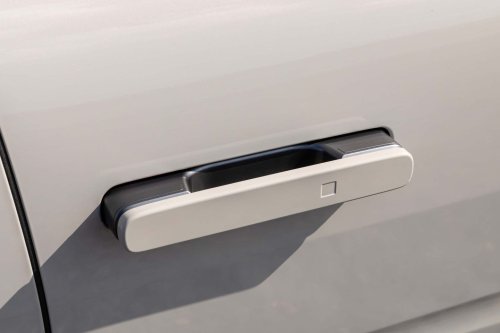
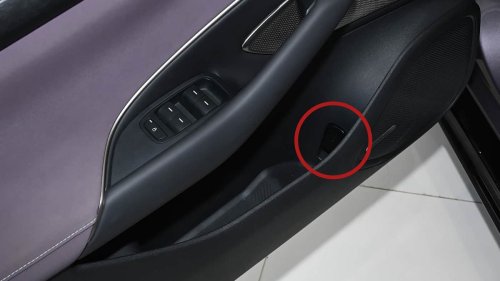
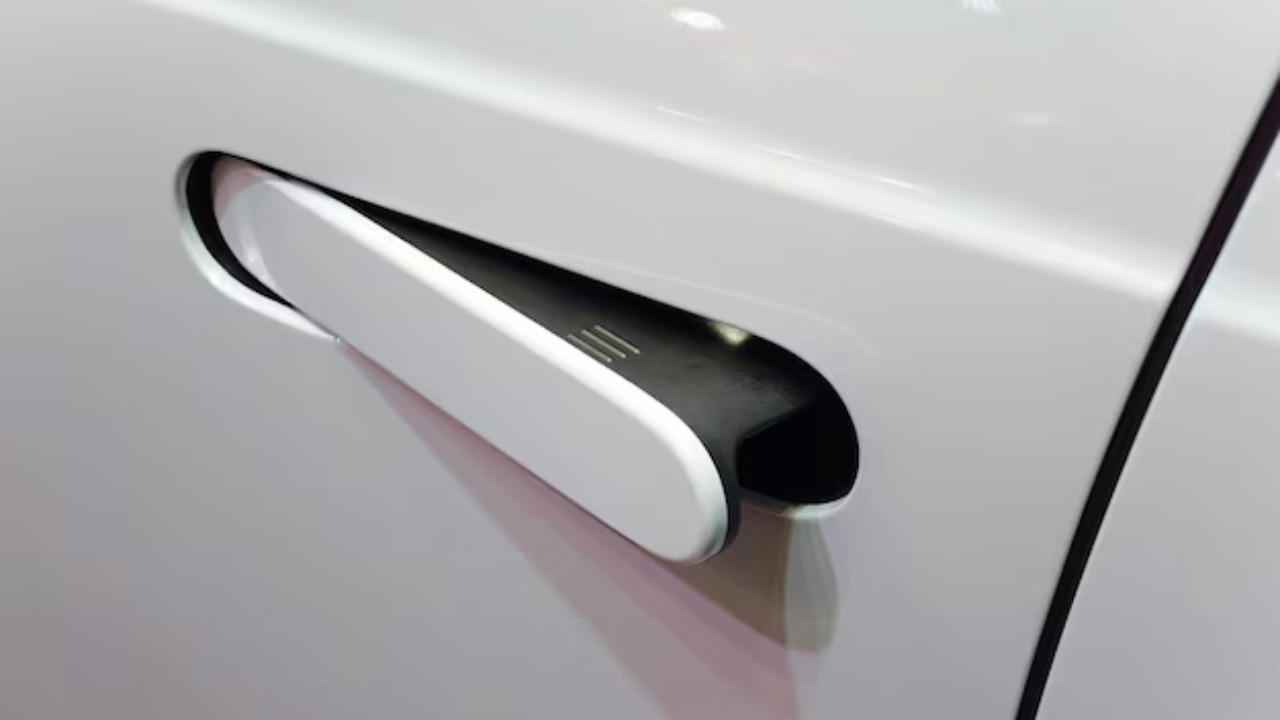
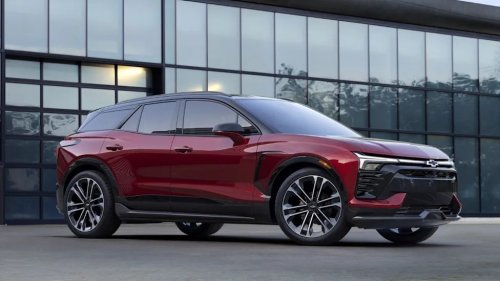
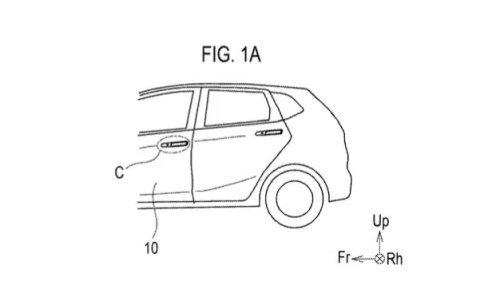
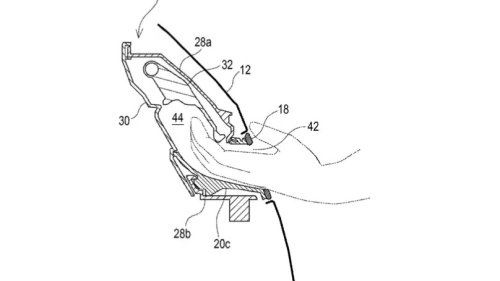
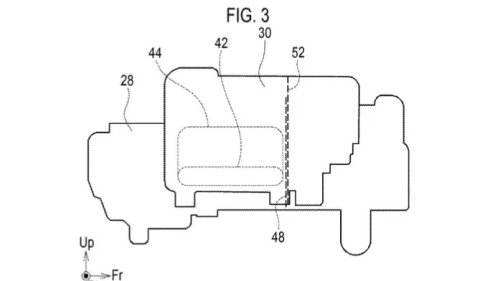
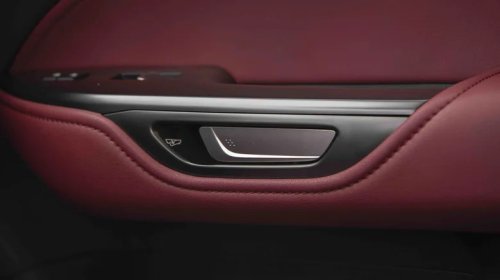
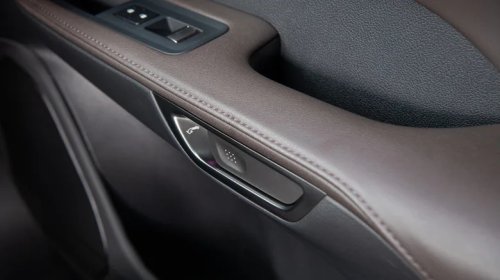
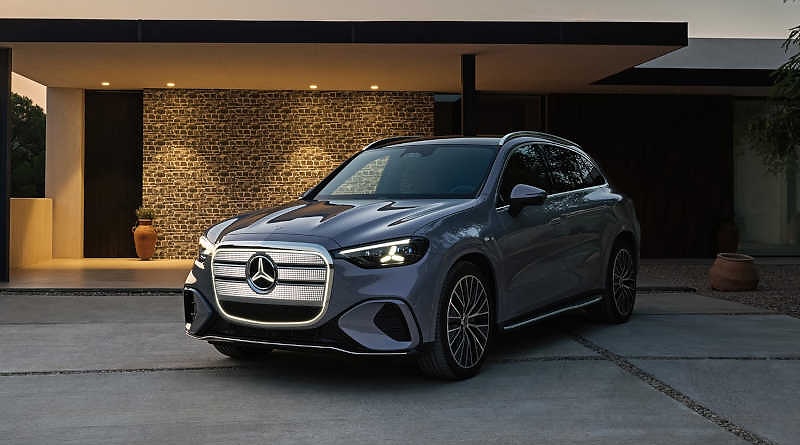
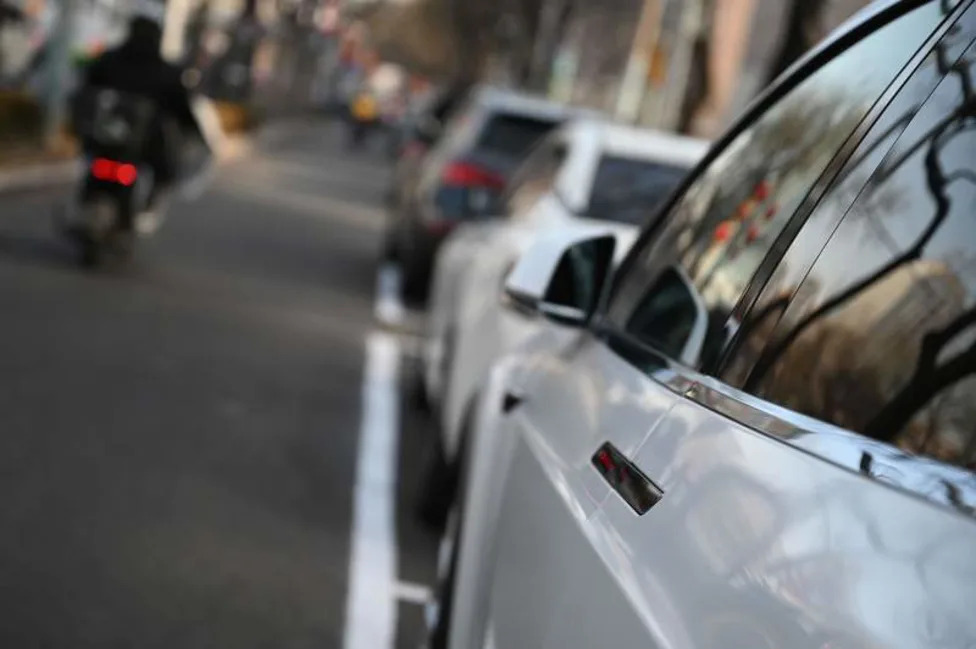
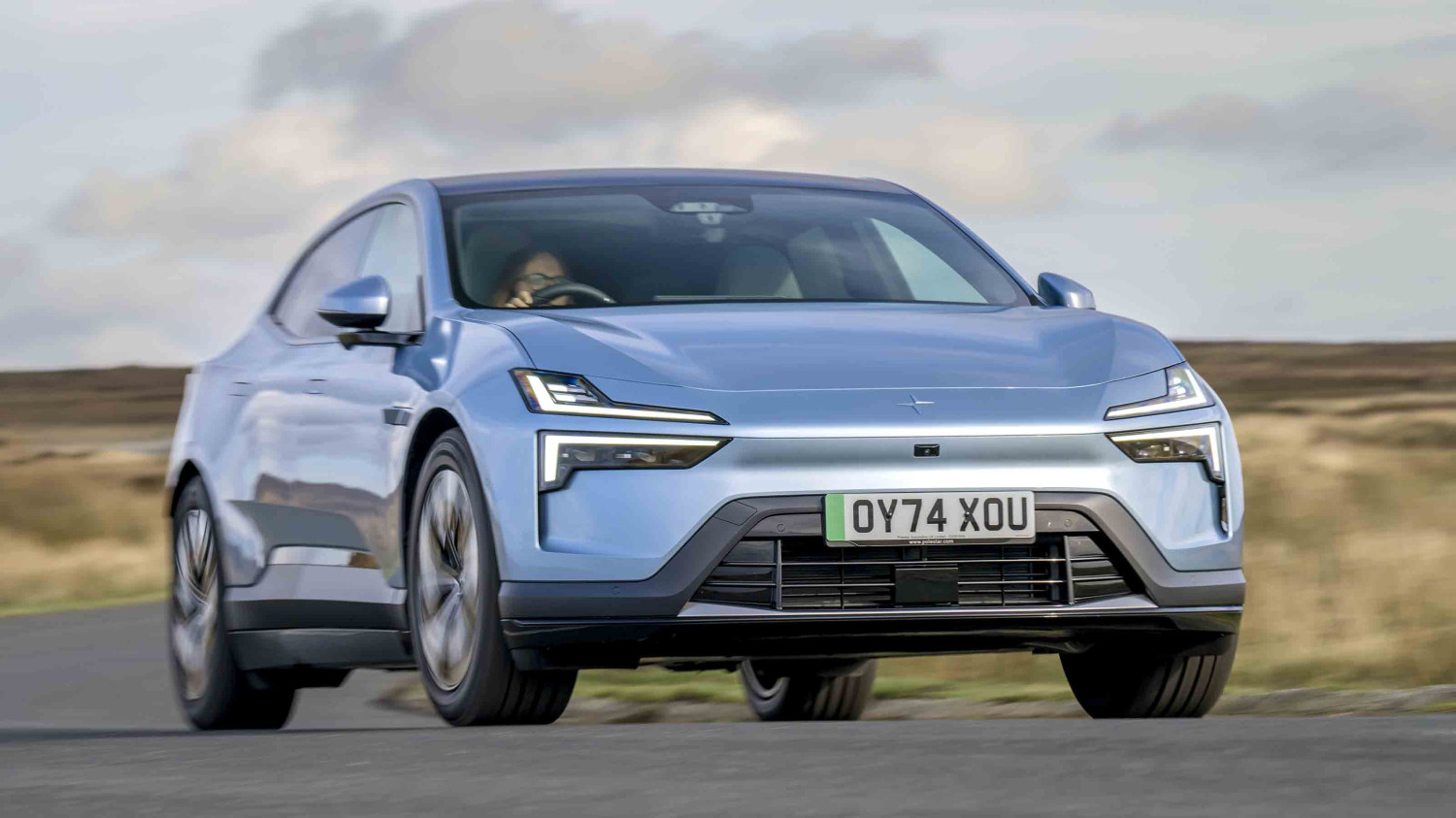
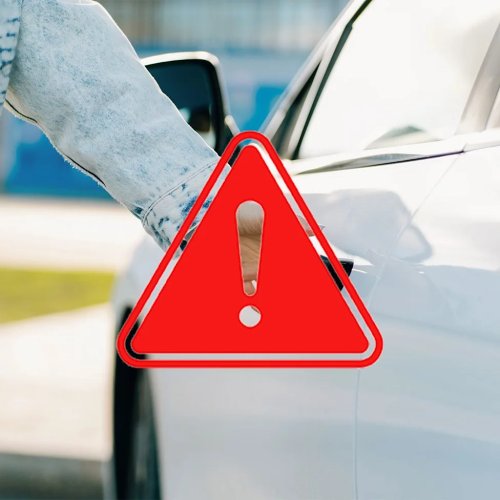
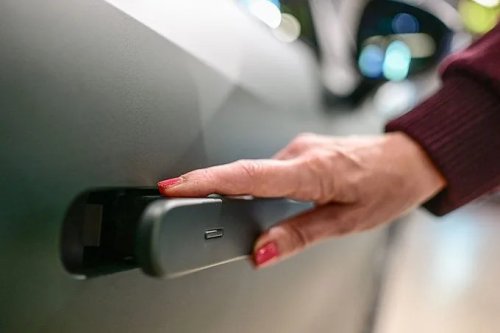
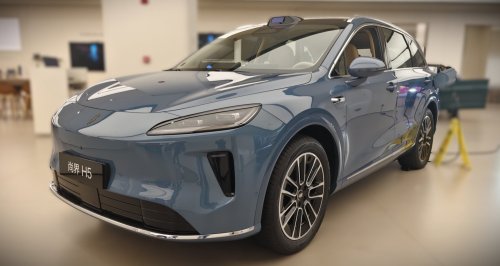
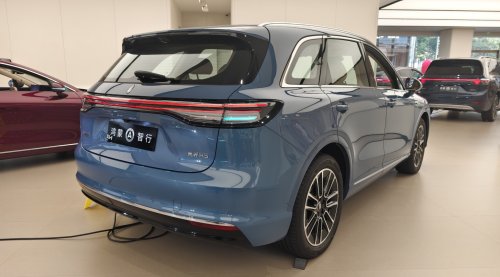
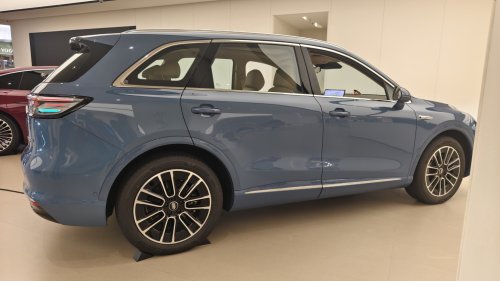
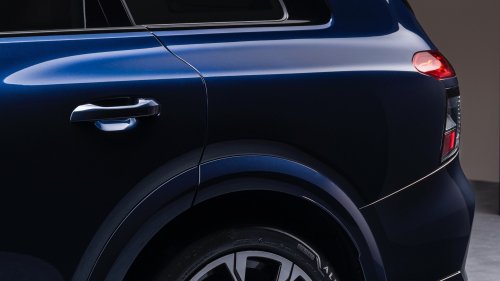
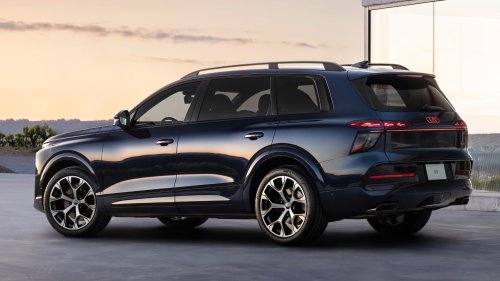
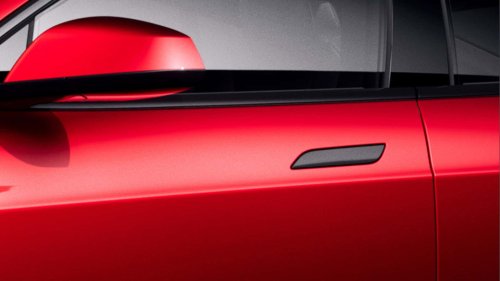
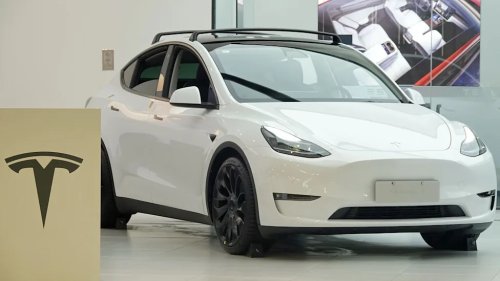
China’s wild ban on flush door handles could wreck EV design plansChina has shifted from influencing electric vehicle styling trends to regulating them, with flush door handles now restricted under new safety standards. By outlawing fully hidden handles in new safety standards, regulators have put a direct constraint on one of the design signatures that helped define the premium EV look. For global brands that built their identity around smooth, unbroken bodywork, this shift threatens to upend carefully laid styling and engineering plans in the world’s largest EV market. The new rules go far beyond a minor trim change. They codify minimum dimensions, mechanical backup requirements, and accessibility criteria that collectively push designers back toward visible, graspable hardware. As those standards take effect, the tension between safety regulation and design freedom will shape not only how cars look in China, but also how global EV brands prioritize form, function, and cost across their lineups. From futuristic flourish to regulatory red line Flush and retractable door handles started as a visual shorthand for electric modernity, popularized by brands such as Tesla and rapidly copied by domestic rivals. The appeal was obvious: a cleaner silhouette, marginal aerodynamic gains, and a tech-forward gesture when the handle glided out to greet the driver. That visual language is now in direct conflict with new Chinese rules that explicitly prohibit fully hidden handles on production vehicles, turning what had been a styling advantage into a regulatory liability for any company that wants to sell into this market. The policy is a binding regulation with clearly defined requirements. Authorities in China have introduced a safety standard that bans concealed handles and requires every passenger door to have a physical release that works even if the vehicle loses power. The standard is framed as a response to real-world crashes where rescuers struggled to access occupants because the handle sat flush with the body or depended on electronic actuation. By turning that concern into binding law, regulators have drawn a bright line that designers can no longer finesse with software updates or clever animations. Safety failures, Tesla examples, and MIIT’s technical rulebook Behind the aesthetic clash sits a blunt safety argument. In several high profile incidents, including collisions involving Tesla vehicles, emergency crews and bystanders reported difficulty opening doors when the electric release failed or the handle mechanism jammed. Coverage of these cases has highlighted how recessed door handles can complicate access in a crash or battery failure. Chinese regulators have taken these failures as evidence that fashion-forward hardware can become a literal barrier between occupants and rescuers when seconds matter. China’s Ministry of Industry and Information Technology, identified in one report as MIIT, has now embedded that lesson into a detailed technical framework. Earlier guidance also required that any emergency power supply for electric handles function for more than 30 minutes to support escape and rescue. Earlier guidance on handle reliability also mandated that any emergency power supply for electric handles must keep working for more than 30 minutes to support escape and rescue, according to Additionally. Taken together, these requirements turn the humble handle into a regulated safety system with clear performance metrics. Design shock for Tesla and China’s style leaders For Tesla and a cohort of Chinese brands that used flush handles as a visual calling card, the new rules land like a direct hit on brand identity. Tesla-style flush handles, which sit nearly level with the door skin and extend electronically, are cited as examples of hardware that will no longer meet type approval, with analysts estimating reengineering costs of approximately $14.4 million per non-compliant model. That figure reflects not only new parts, but also crash testing, certification, and production line changes that ripple through the entire vehicle program. Domestic manufacturers are hardly spared. China’s own EV champions have leaned heavily on retractable handles to signal that their cars belong in the same conversation as imported premium models. Analysts quoted in coverage of the ban argue that, because China is the largest EV market, the rule effectively forces global and local brands to redesign their exterior hardware for China first, then decide whether to carry that solution into other regions, a dynamic described in China to ban. For design teams that spent years selling executives on the purity of uninterrupted sheet metal, the requirement to bolt on a visible grip is more than a minor tweak; it is a philosophical reversal imposed by regulation. Global ripple effects and the next EV design language China’s handle rule is already being framed as a power play that could reshape global norms. One analysis states that China has set minimum dimensions of 60 millimeters by 20 millimeters by 25 millimeters for the graspable portion of door handles, a move expected to pressure foreign brands to standardize hardware around Chinese requirements. When the largest single EV market demands a certain handle form factor and mechanical behavior, suppliers and platform architects have a strong incentive to treat that specification as the global default rather than carry multiple designs. More from Fast Lane Only Unboxing the WWII Jeep in a Crate 15 rare Chevys collectors are quietly buying 10 underrated V8s still worth hunting down Police notice this before you even roll window down The post China’s wild ban on flush door handles could wreck EV design plans appeared first on FAST LANE ONLY.



















 +54 others

![BMW, BMW M3, BMW's menacing EV concept reveals the M3 EV design [Images]](https://cdn.topcarnews.net/thumb/id/aHR0cHM6Ly9pMC53cC5jb20vZWxlY3Ry-ZWsuY28vd3AtY29udGVudC91cGxvYWRz-L3NpdGVzLzMvMjAyNi8wNi9CTVctTS1D-b25jZXB0LUVWLWkzLmpwZWc_dz0xNTAw-JmFtcDtxdWFsaXR5PTgyJmFtcDtzdHJp-cD1hbGwmYW1wO3NzbD0x/8e3f40a0482772f9bfcedf287d824e03.jpeg?t=20260923&post_id=35939)
![BMW, BMW M3, BMW's menacing EV concept reveals the M3 EV design [Images]](https://cdn.topcarnews.net/thumb/id/aHR0cHM6Ly9pMC53cC5jb20vZWxlY3Ry-ZWsuY28vd3AtY29udGVudC91cGxvYWRz-L3NpdGVzLzMvMjAyNi8wNi9CTVctTS1D-b25jZXB0LUVWLWkzLXJlYXIuanBnP3N0-cmlwPWluZm8mYW1wO3c9MTk5OSZhbXA7-c3NsPTE/0e90e069a230dac49e6a57e2bb11e876.jpg?t=20260923&post_id=35939)
![BMW, BMW M3, BMW's menacing EV concept reveals the M3 EV design [Images]](https://cdn.topcarnews.net/thumb/id/aHR0cHM6Ly9pMC53cC5jb20vZWxlY3Ry-ZWsuY28vd3AtY29udGVudC91cGxvYWRz-L3NpdGVzLzMvMjAyNi8wNi9CTVctTS1D-b25jZXB0LUVWLWkzLTIuanBnP3N0cmlw-PWluZm8mYW1wO3c9MTk5OSZhbXA7c3Ns-PTE/7a5affeb5f1a89a0c7b31ee786eb1001.jpg?t=20260923&post_id=35939)
![BMW, BMW M3, BMW's menacing EV concept reveals the M3 EV design [Images]](https://cdn.topcarnews.net/thumb/id/aHR0cHM6Ly9pMC53cC5jb20vZWxlY3Ry-ZWsuY28vd3AtY29udGVudC91cGxvYWRz-L3NpdGVzLzMvMjAyNi8wNi9CTVctTS1D-b25jZXB0LUVWLWkzLXNpZGUuanBnP3N0-cmlwPWluZm8mYW1wO3c9MTk5OSZhbXA7-c3NsPTE/b99a6ed0b4e6e1665a132cd0678a50ad.jpg?t=20260923&post_id=35939)
![BMW, BMW M3, BMW's menacing EV concept reveals the M3 EV design [Images]](https://cdn.topcarnews.net/thumb/id/aHR0cHM6Ly9pMC53cC5jb20vZWxlY3Ry-ZWsuY28vd3AtY29udGVudC91cGxvYWRz-L3NpdGVzLzMvMjAyNi8wNi9CTVctTS1D-b25jZXB0LUVWLWkzLWZyb250LmpwZz9z-dHJpcD1pbmZvJmFtcDt3PTE5OTkmYW1w-O3NzbD0x/4616ca4d5cd0942024c943de6bcdcb8a.jpg?t=20260923&post_id=35939)
![BMW, BMW M3, BMW's menacing EV concept reveals the M3 EV design [Images]](https://cdn.topcarnews.net/thumb/id/aHR0cHM6Ly9pMC53cC5jb20vZWxlY3Ry-ZWsuY28vd3AtY29udGVudC91cGxvYWRz-L3NpdGVzLzMvMjAyNi8wNi9CTVctTS1D-b25jZXB0LUVWLWkzLWludGVyaW9yLTIu-anBnP3N0cmlwPWluZm8mYW1wO3c9MTk5-OSZhbXA7c3NsPTE/4aa6214b7b770a3164321769c71b4e6b.jpg?t=20260923&post_id=35939)










![E-quipment highlight: wreck stuff anywhere with CASE TL100EV [video]](https://cdn.topcarnews.net/thumb/id/aHR0cHM6Ly9pMC53cC5jb20vZWxlY3Ry-ZWsuY28vd3AtY29udGVudC91cGxvYWRz-L3NpdGVzLzMvMjAyNi8wOS90djEwMGV2-LW1lZGlhZ2FsbGVyeS5qcGc_dz0xNTAw-JmFtcDtxdWFsaXR5PTgyJmFtcDtzdHJp-cD1hbGwmYW1wO3NzbD0x/030709bc8ecf7baa28a40112aa48b9be.jpg?t=20260923&post_id=62024)