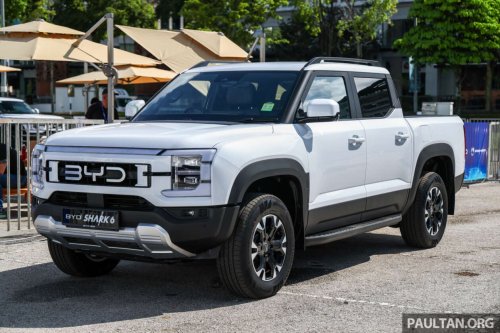
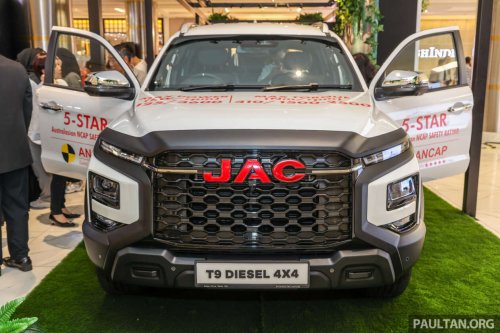
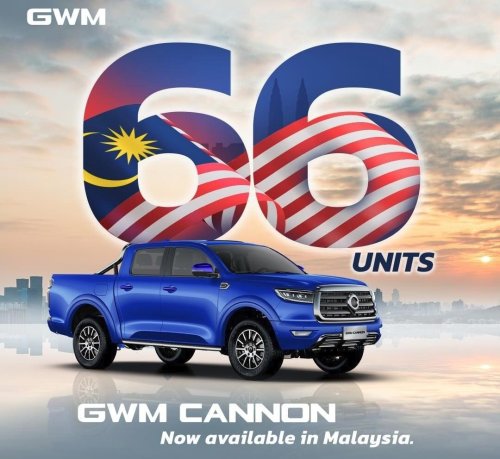
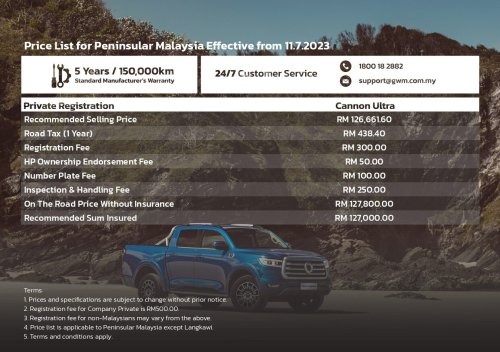
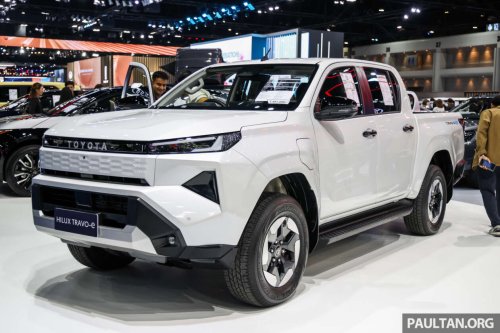
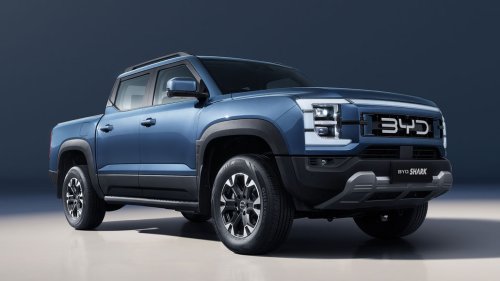
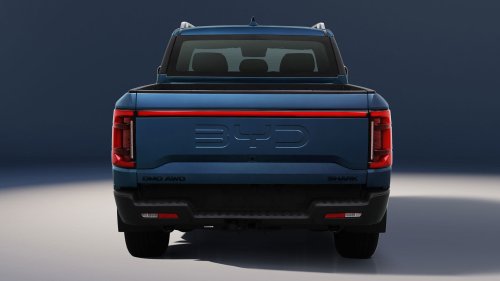
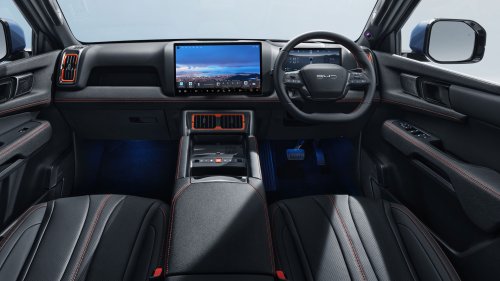
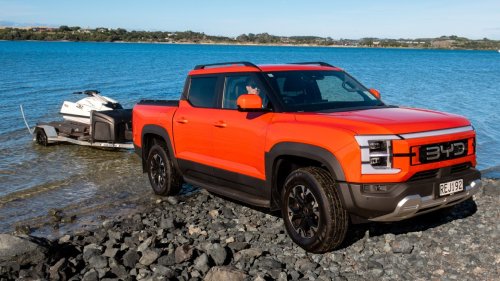
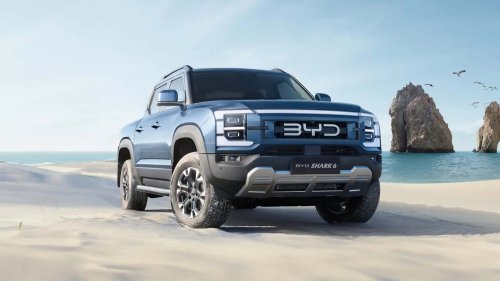
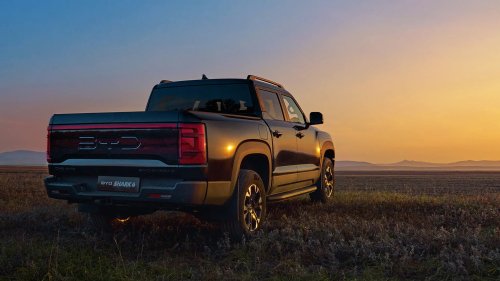
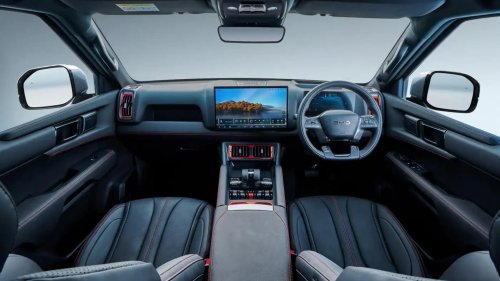
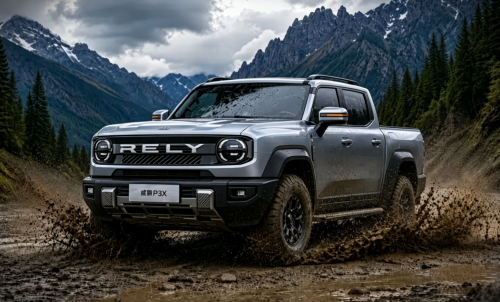
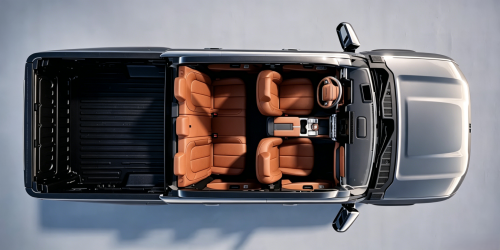
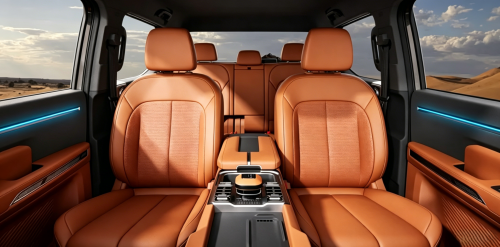
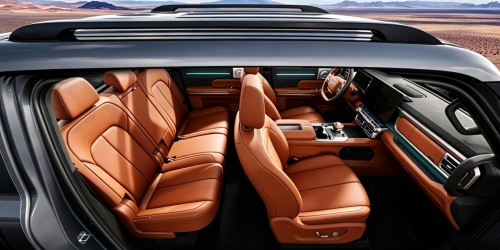
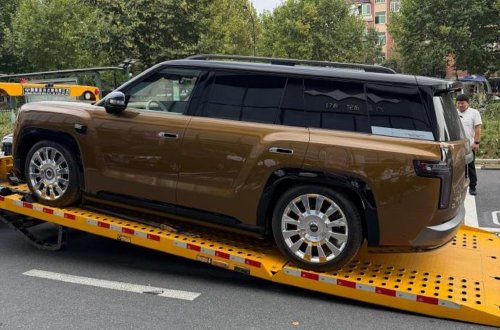
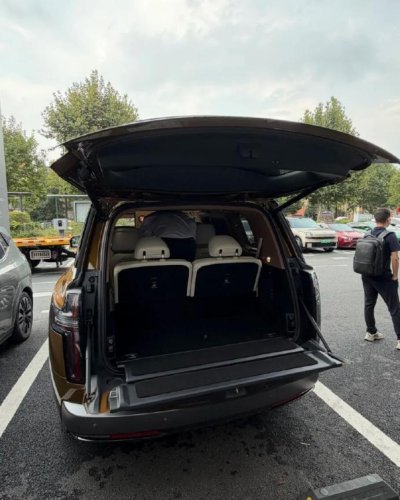
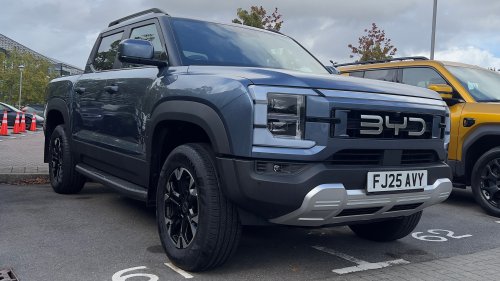
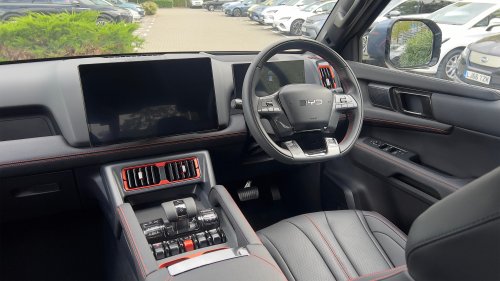
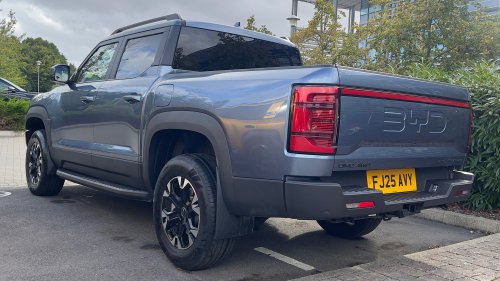
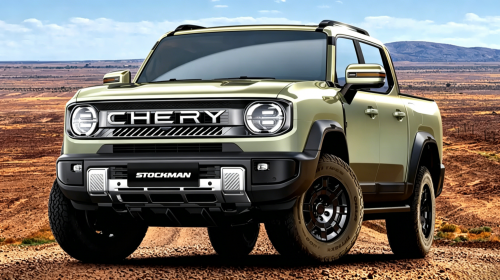
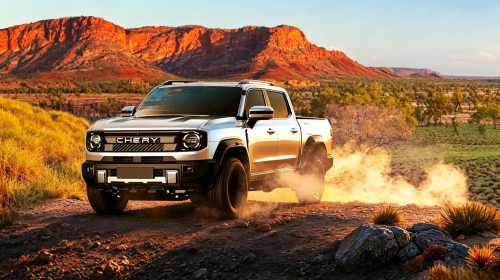
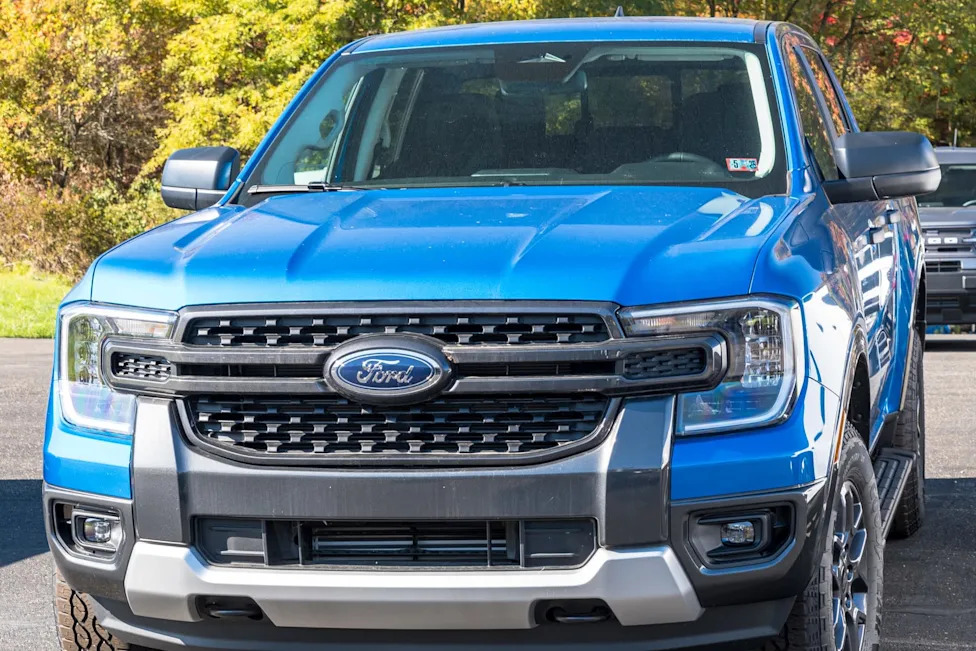
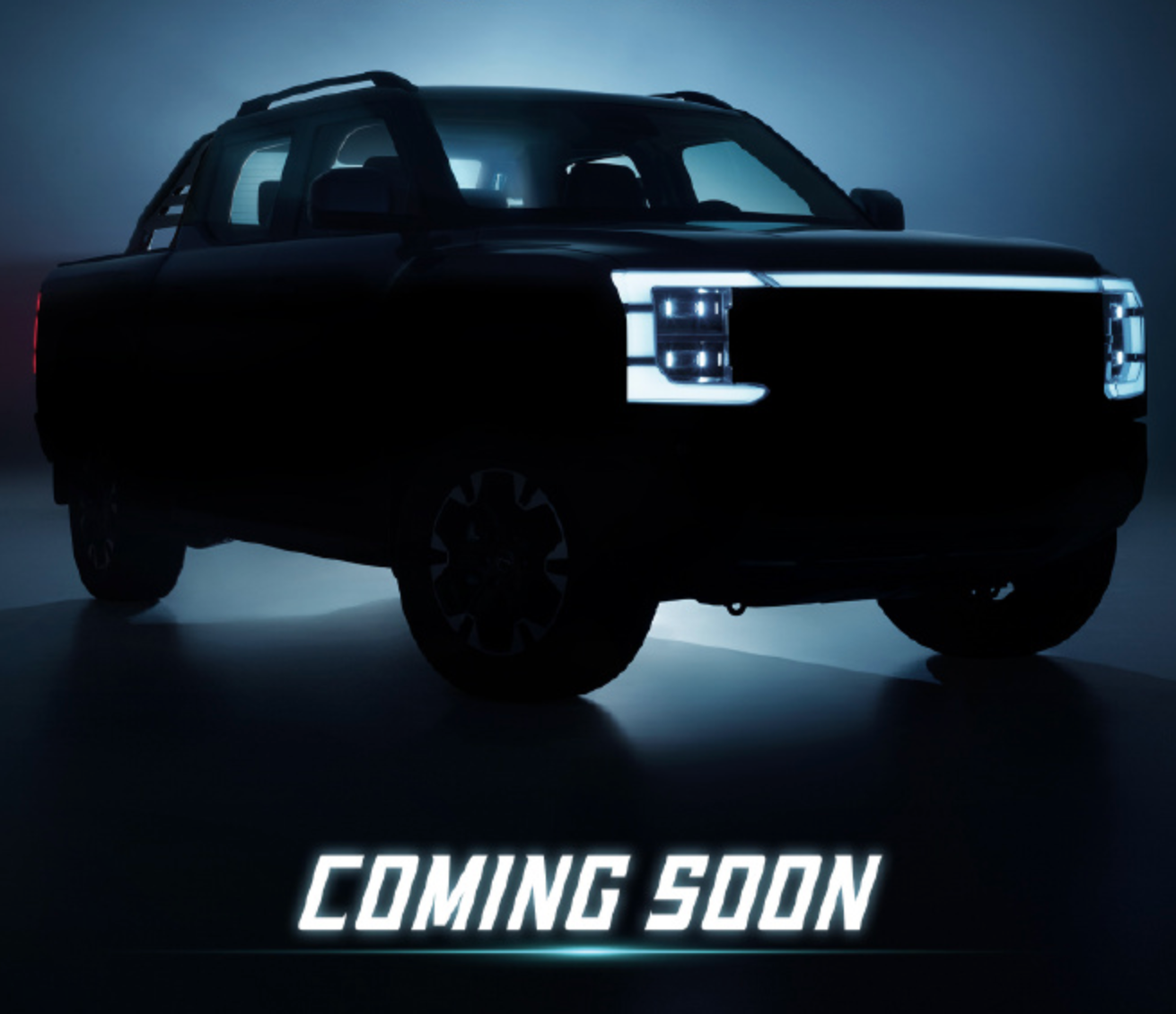
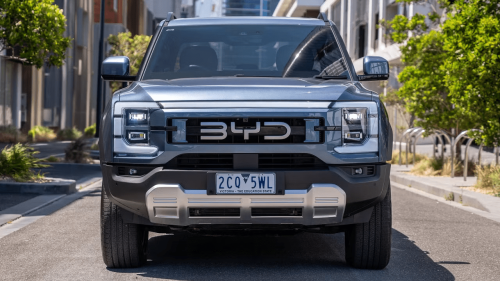
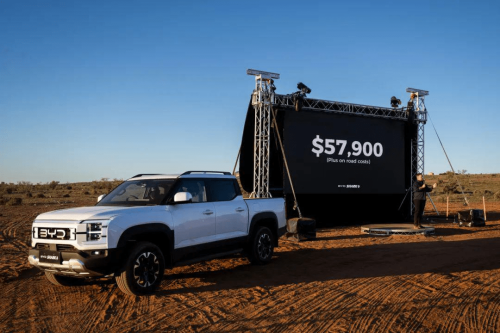
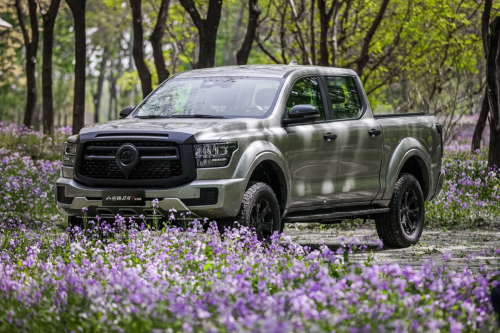
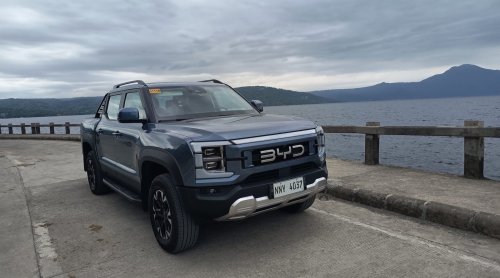
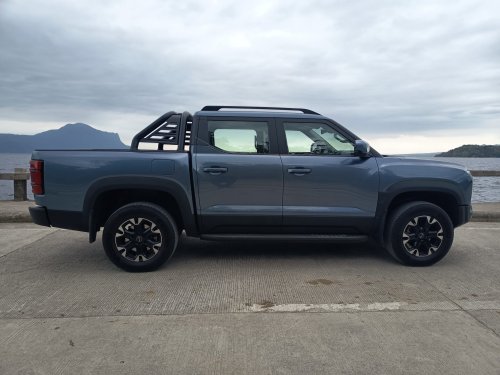
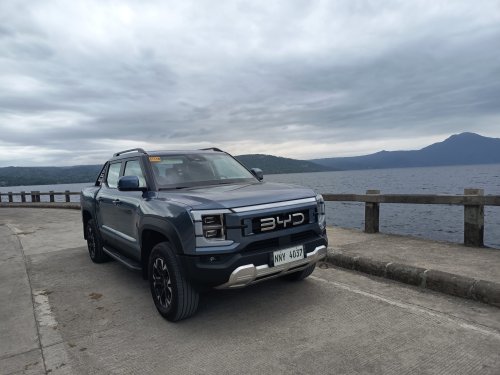
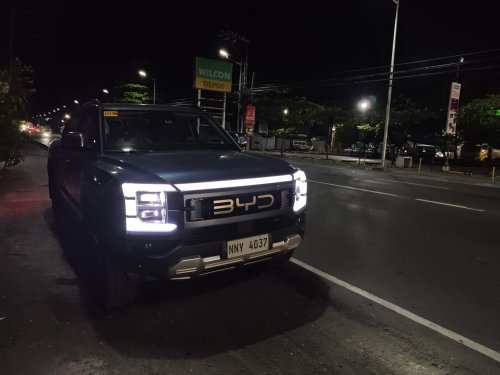
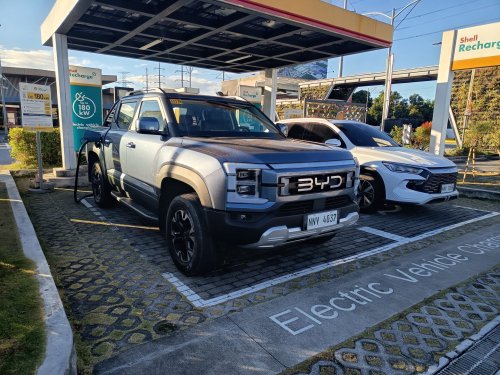
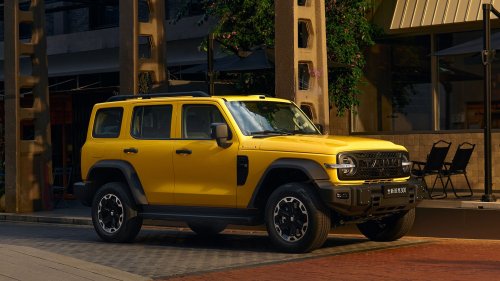
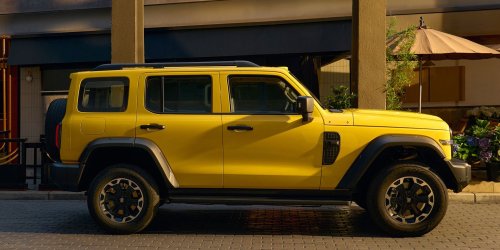
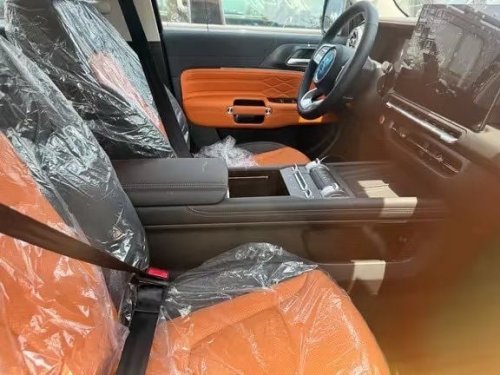
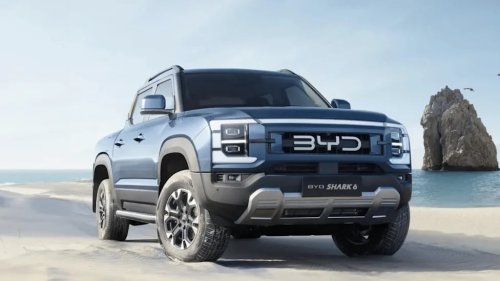
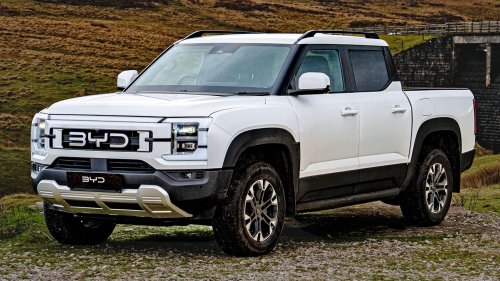
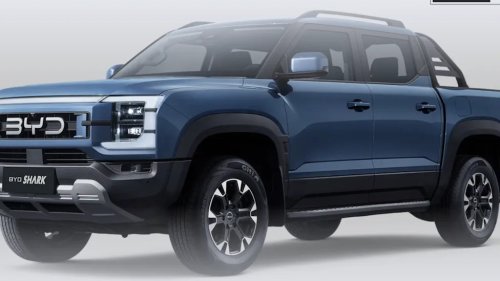
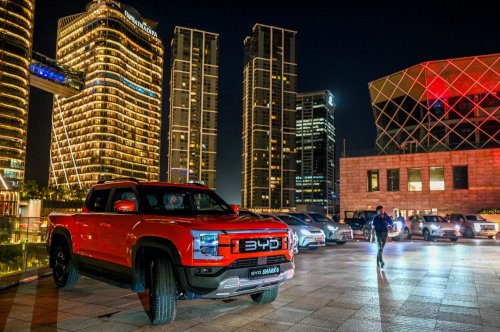
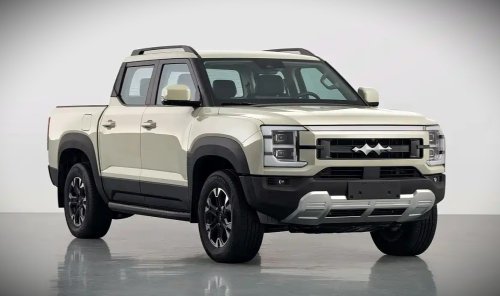
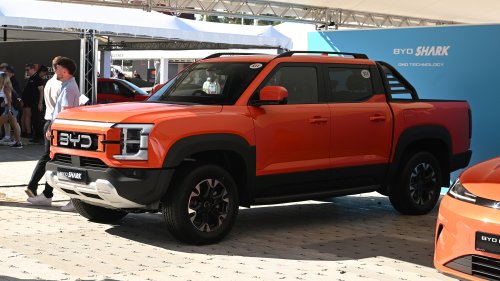
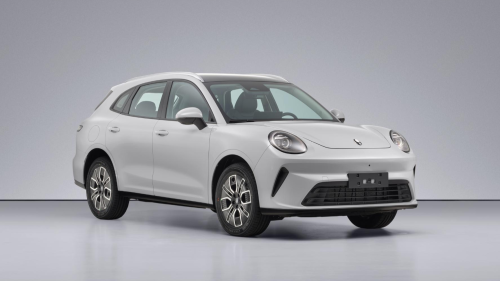
Minister of investment, trade and industry Datuk Seri Johari Abdul Ghani today issued a statement to clear the air on topics that have gone viral in auto and business circles, mainly about BYD reportedly reconsidering its investment in a CKD plant in Tanjung Malim due to unfavourable conditions. You can read more into that topic here, but the MITI minister’s statement also included a clarification on the supposed ban on the importation of new pick-up trucks, with two models namechecked – the BYD Shark and the GWM Cannon. It wasn’t mentioned by MITI, but the JAC T9 is also a CBU China pick-up truck – launched a year ago, the T9 is available in fully-electric or diesel forms, with a petrol plug-in hybrid coming soon. JAC Motors has made known plans for Malaysia to be its CKD and export hub for ASEAN. On “claims that MITI banned the importation of new pick-up truck models/brands (eg. BYD Shark, GWM Cannon) while allowing existing ones” the statement said that “there is no ban on the importation of new pick-up truck models” and “there is no announcement from MITI to ban the importation of new brand pick-ups into Malaysia”. That’s that, right? No ban on CBU trucks. Yes, but that’s not all MITI said. The statement added that “commercial vehicles including pick-up trucks are subject to CKD localisation requirements” and that “CBU imports are permitted with limited quota under the Market Research Pre-Assembly (MRA) Approved Permit quota”. Two things to note here. One is the MRA AP, which is basically pre-CKD bridging. Here, a limited amount of APs are issued to a company to import a small batch of a model to test the market, so to speak. This applies to the case of the GWM Cannon, of which a 66-unit first batch was announced in August 2023. The truck was first previewed in May that same year. We haven’t heard much about the Cannon since. The second thing to note should be the main point of this pick-up truck statement – commercial vehicles including pick-up trucks are subject to CKD localisation requirements. So, ideally, after a company tests the market with a small batch of CBUs, it should proceed to CKD as the next step – note the ‘pre-assembly’ in the MRA’s full name. So, CBU imports of pick-up trucks are allowed via MRA APs, which means that technically, MITI is correct when it says that there’s no CBU pick-up truck ban in place. However, there will never be meaningful CBU imports of trucks beyond a small initial batch, and OEMs will likely find that to be not worth the effort. Practically, for the car companies and car buyers, it’s as good as ‘no CBU trucks’. Why don’t they just CKD then? Malaysia is not a very big market for pick-up trucks, certain much smaller than Thailand, which builds compact trucks for domestic consumption as well as exports to markets across the globe. With a global pick-up truck production hub next door, it’s likely that OEMs will just head there for this bodystyle. Duplicating production for a small market (now even smaller, with unsubsidised diesel prices at current levels) might not make sense. Also, it does seem like this rule is in place for new brands/models, as popular trucks in our market such as the Ford Ranger, Mitsubishi Triton, Isuzu D-Max and Nissan Navara are all CBU imports from Thailand. Among the long-standing incumbents (approvals would have been issued a long time ago), only the Toyota Hilux is locally assembled. Set to be launched here very soon, the Hilux BEV – the EV version of the latest Hilux ‘Travo’ generation – will be coming in as a CBU import from Thailand, which is the model’s global production base. Compare prices between different insurer providers to save the most on your car insurance renewal compared to other competing services. Many payment method supported and you can pay with instalment using Atome, Grab PayLater or Shopee SPayLater. Use the promo code 'PAULTAN' when you checkout for 10% discount!