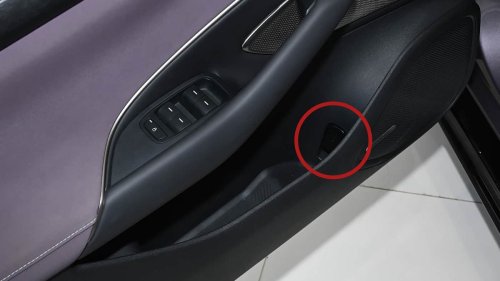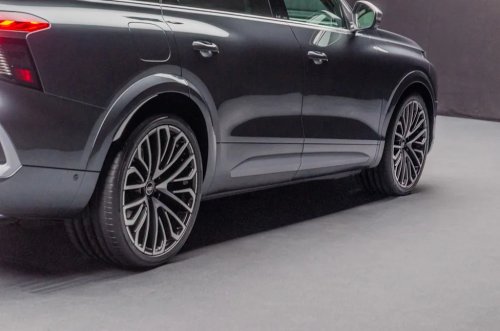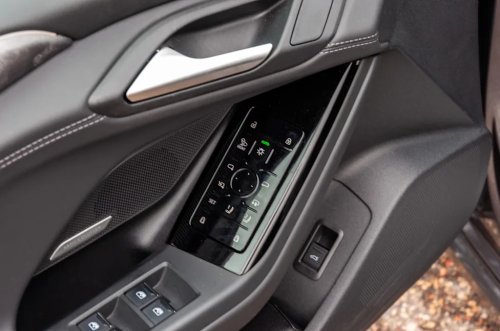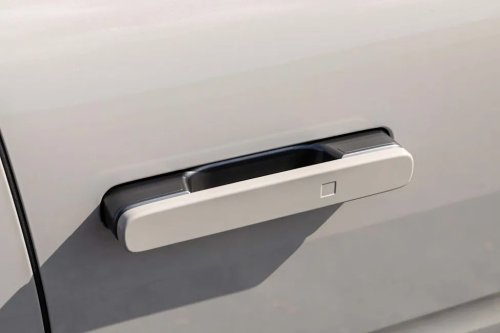
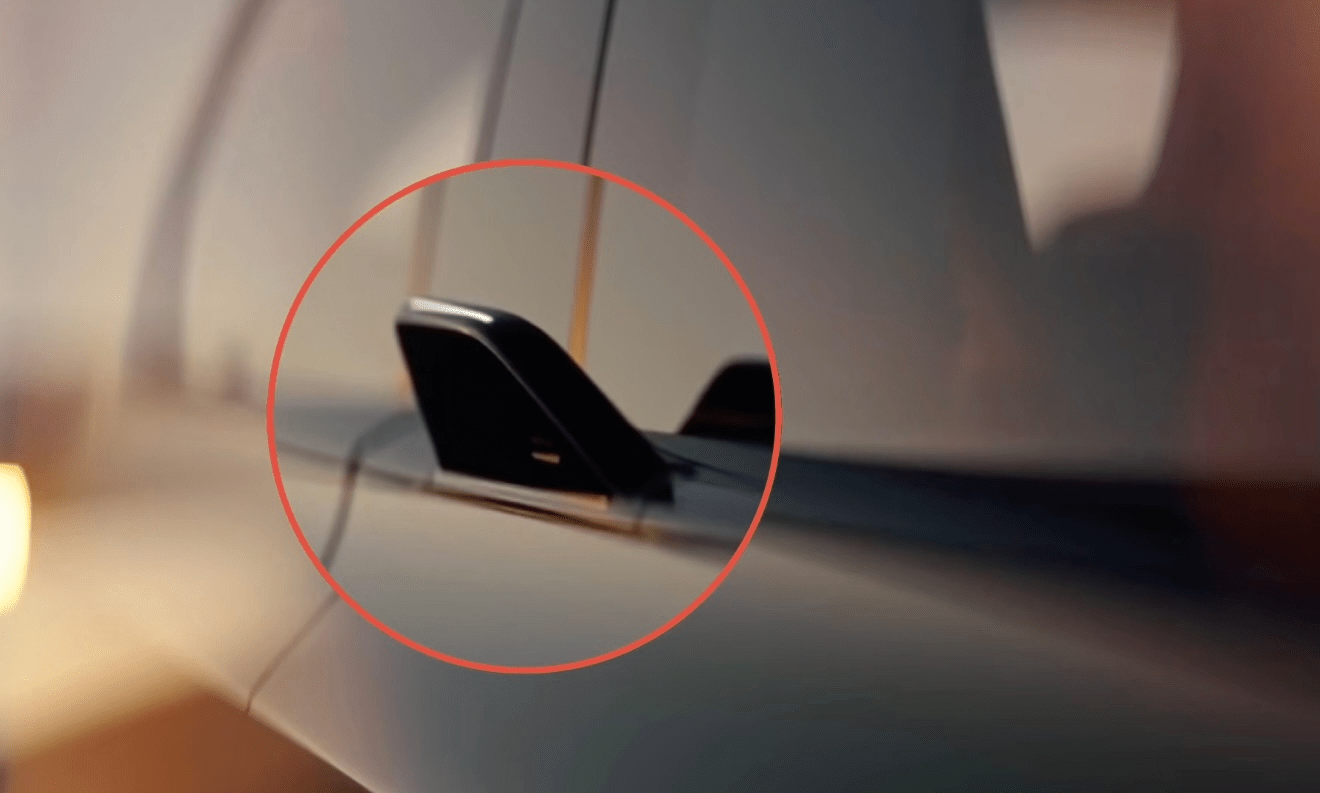
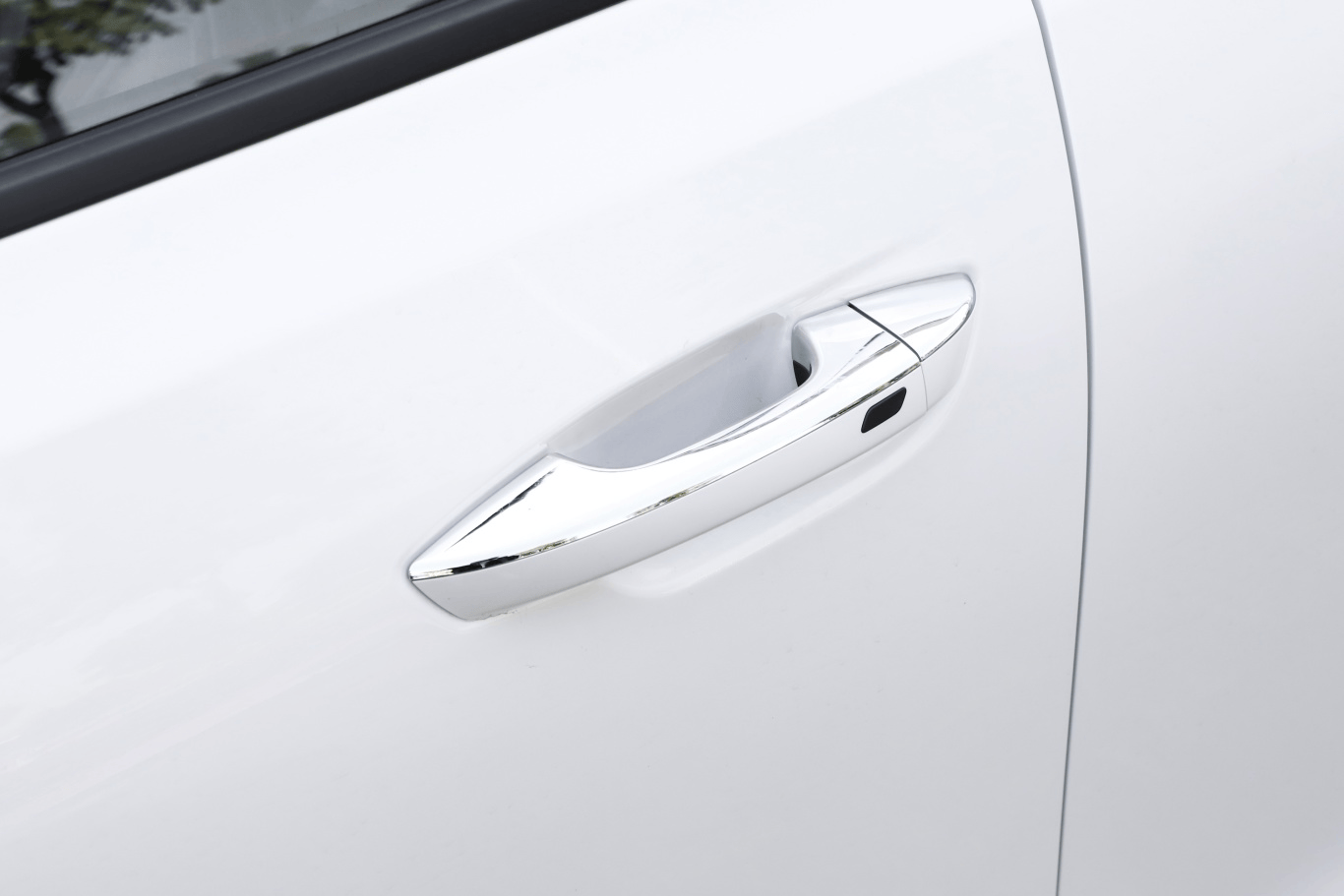



















This requirement technically prohibits fully hidden door handle designs entirely, making China the first country in the world to formally introduce such a ban. On January 28, the mandatory national standard “Safety Technical Requirements for Automobile Door Handles” (GB 48001-2026), organized and developed by the Ministry of Industry and Information Technology, was officially released and will come into effect on January 1, 2027. This is the world’s first safety technical standard for automobile door handles. The new regulation requires that each exterior door handle must retain a hand-operable space of not less than 60mm × 20mm × 25mm in any state. This requirement technically prohibits the fully hidden door handle design, making China the first country in the world to formally introduce such a ban. Xiaomi SU7 semi-hidden door handle In recent years, with the rapid adoption of new energy vehicles, hidden and electronic door handles have gradually become a mainstream design in the industry due to their futuristic appearance and advantage in reducing aerodynamic drag. However, such designs have also introduced many potential hazards. The first is the risk of power failure. As fully hidden door handles rely heavily on electronic systems for operation, once a vehicle experiences an accident such as a collision, fire, or battery thermal runaway that leads to a power outage, the door handles may fail to deploy. This makes it difficult for external rescuers to open the doors, directly delaying the “golden rescue time.” A 2024 crash test report from the China Insurance Automotive Safety Index (C-IASI) showed that for models equipped with purely electronically controlled hidden door handles, the probability of successful door deployment after a side-impact collision was only 67%, far lower than the 98% for traditional mechanical handles. Additionally, issues such as complex operation and freezing in low-temperature environments are also frequently criticized by users. Volvo EX60 innovative door handle design To address the above pain points, the new regulation establishes rigid technical requirements from four dimensions. Regarding mechanical redundancy, the standard mandates that each door (excluding the tailgate) must be equipped with both a mechanical exterior handle and an interior handle. Even after the deployment of irreversible restraint devices or a power battery thermal event, non-impact side doors must still be operable by hand via mechanical means, eliminating the hazard of “locking upon power failure.” Regarding operational space, the exterior door handle must be located within a specified accessible zone and retain sufficient hand-operable space. The installation position of the interior door handle must be intuitively visible, unobstructed by components, and close to the edge of the door to ensure quick access in emergencies. Traditional door handle Regarding identification markings, the interior handle must be equipped with a permanent graphic symbol, with dimensions of at least 10mm × 7mm, and text markings with a height of no less than 6mm. This addresses the problems of “cannot find” or “cannot see clearly” at the design source. Regarding structural strength, the exterior handle must withstand an external force of not less than 500 Newtons without failure, and the interior handle must withstand an external force of not less than 50 Newtons without detachment, ensuring they can still function normally after an accident. The China Automotive Standardization Research Institute stated that during the development of the new standard, joint static and dynamic tests were conducted on over 30 vehicle models in collaboration with companies including Geely Auto, Li Auto, Xiaomi Auto, XPeng Motors, BYD, and Volkswagen China to ensure the feasibility of the technical solutions. According to the plan, the implementation of the standard will be carried out in phases: starting from January 1, 2027, newly applied vehicle types for type approval must comply with the requirements; vehicles already approved will be granted a transition period until January 1, 2029.