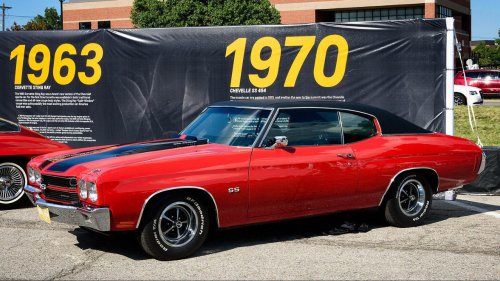
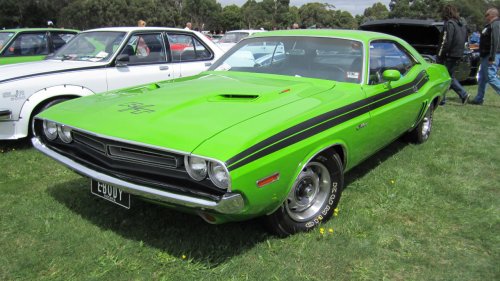
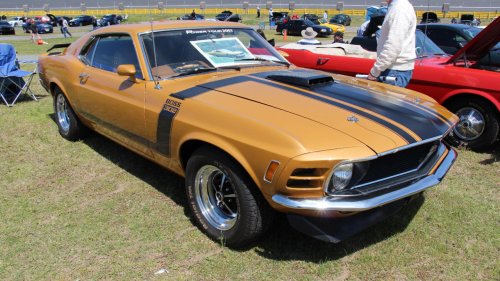
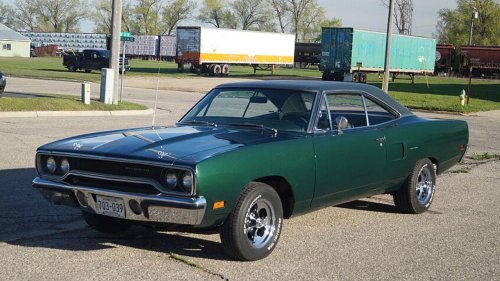
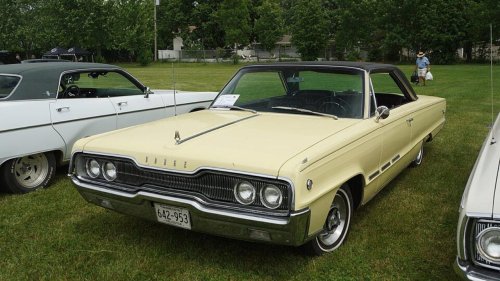
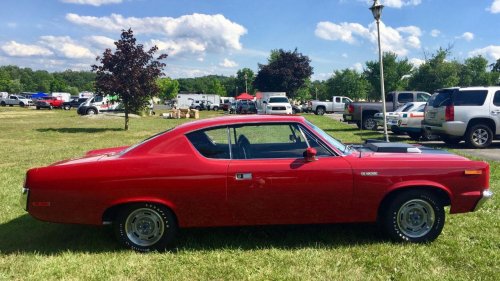
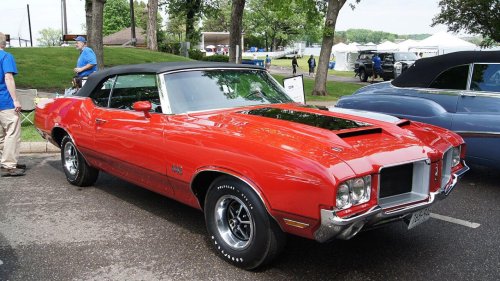
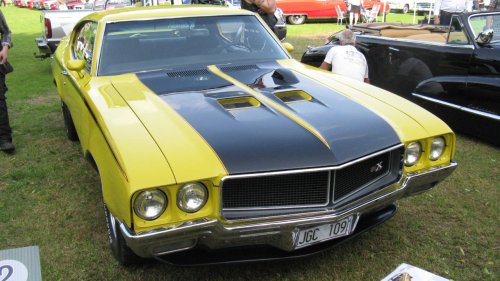
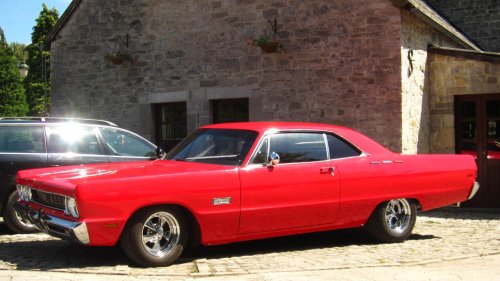
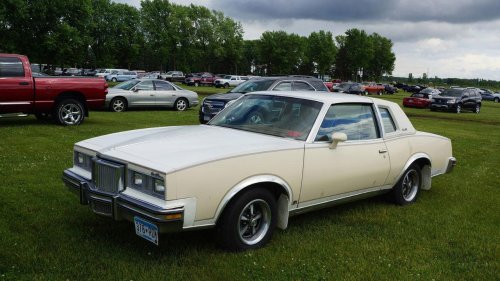
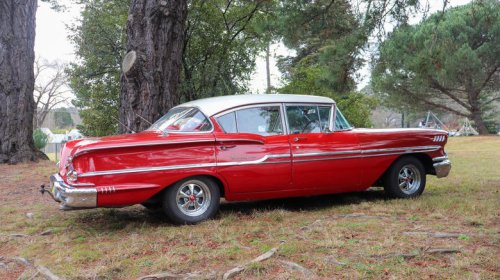
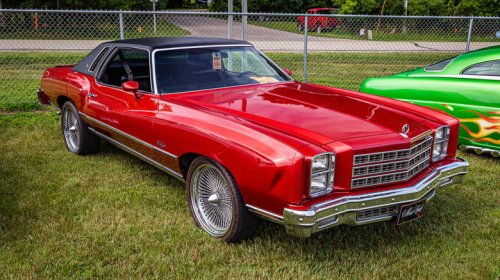
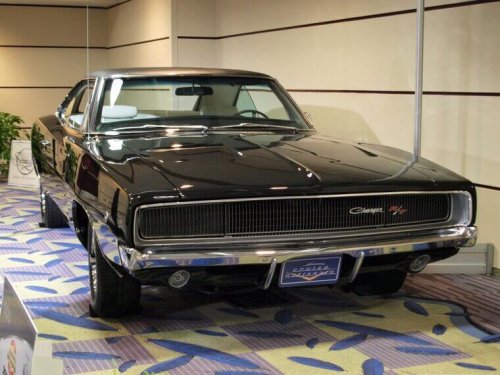
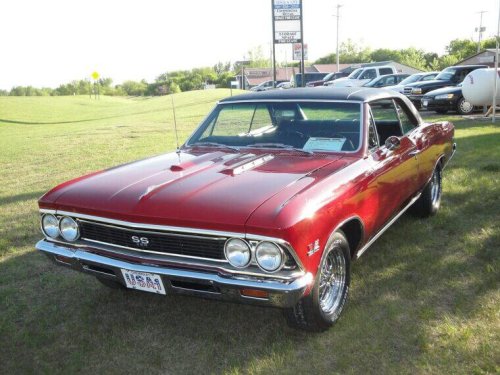
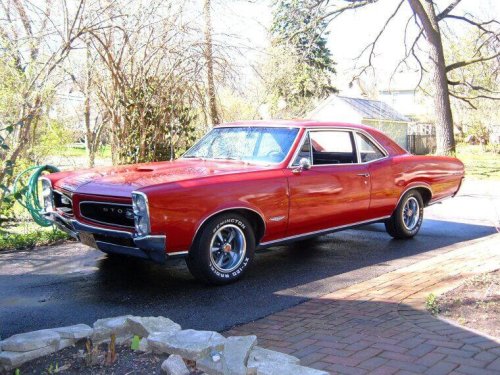
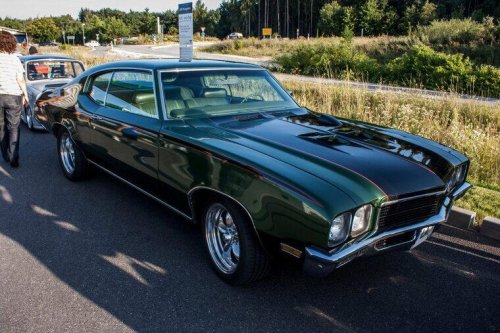
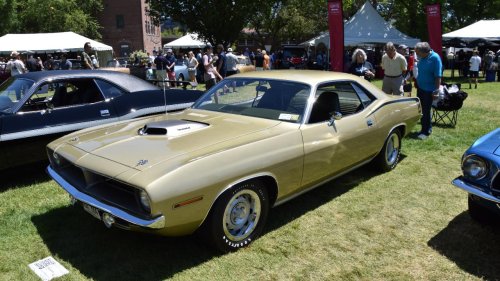
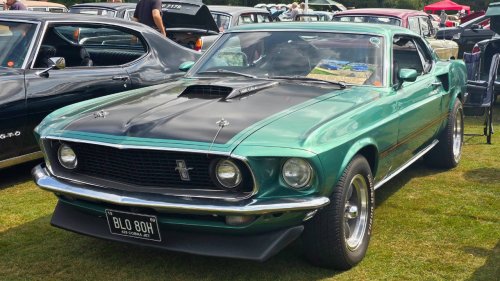
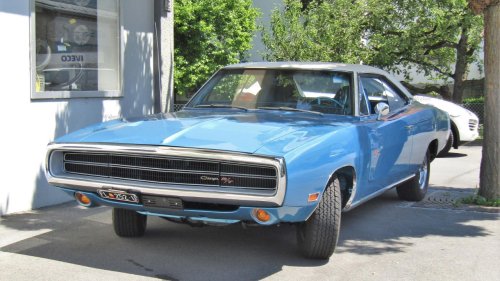
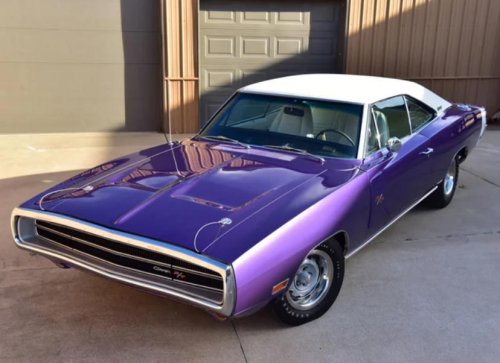
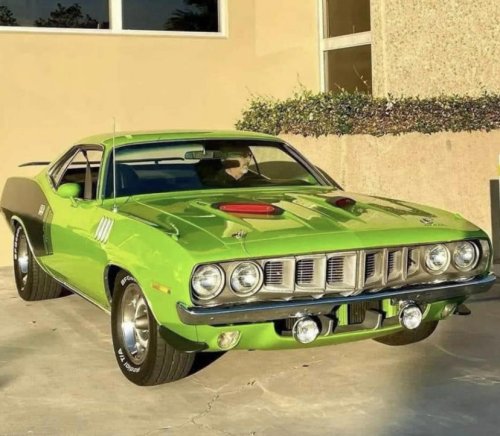
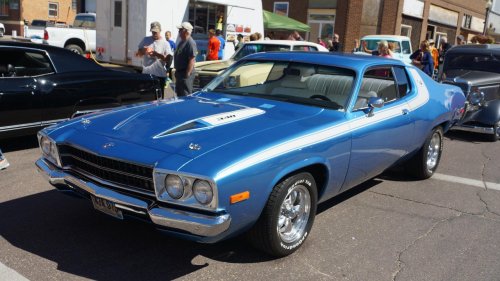
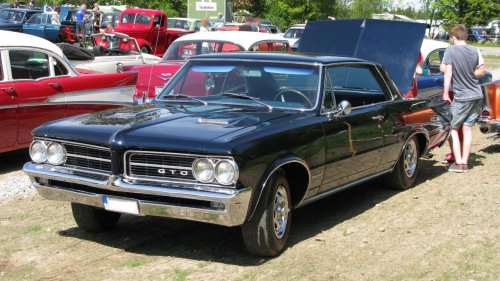
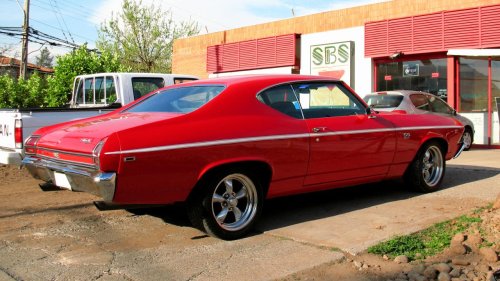
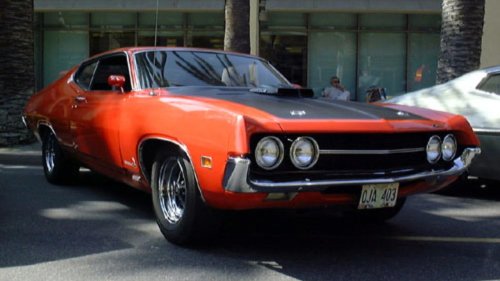
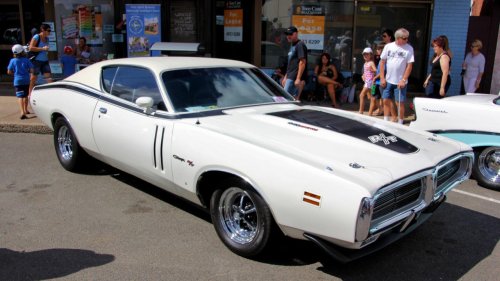
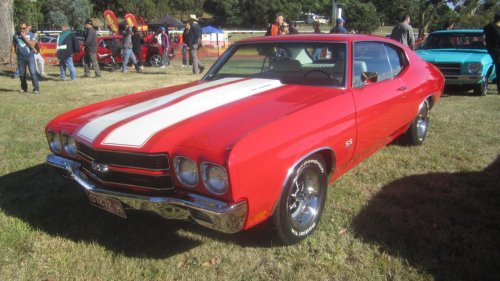
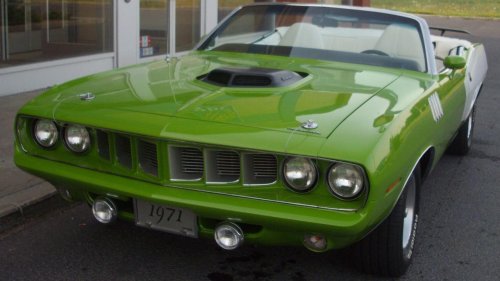
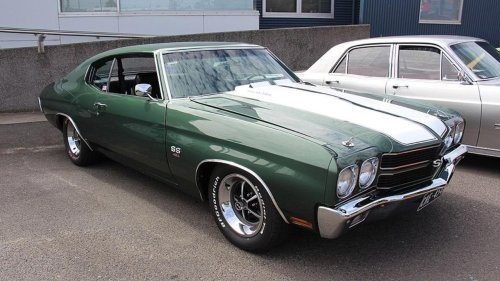
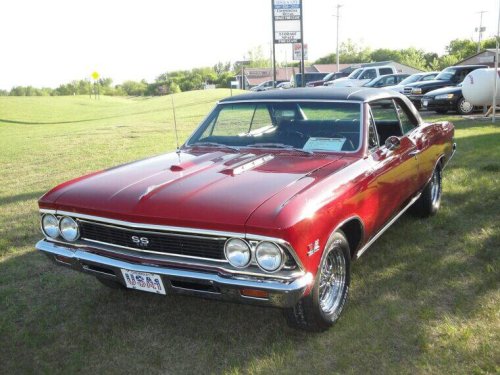
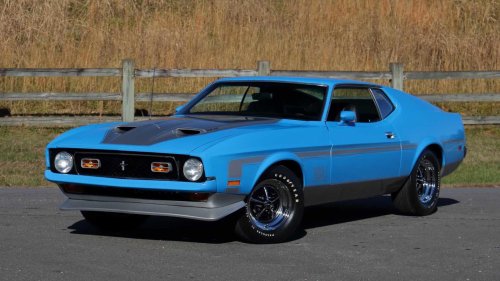
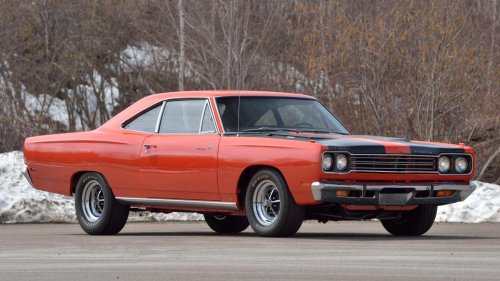
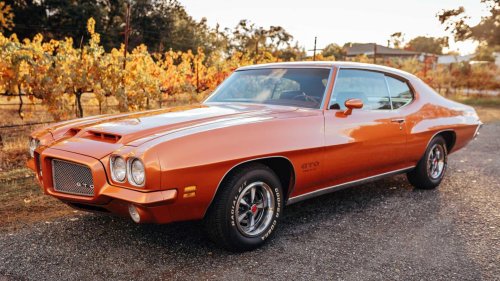
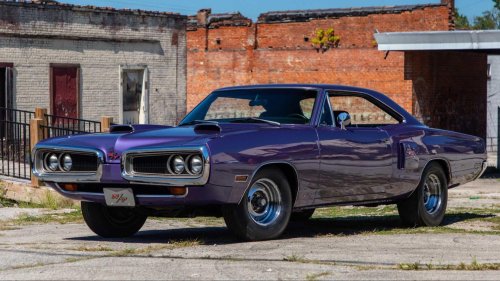
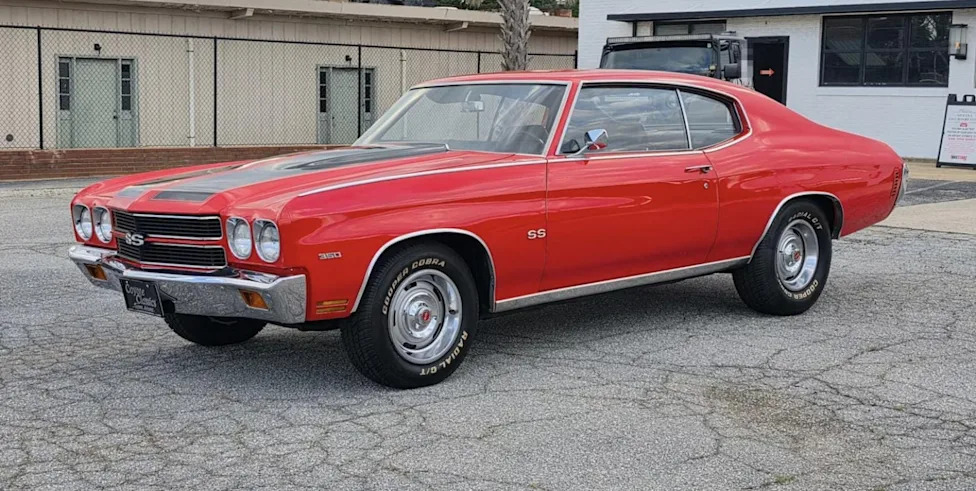
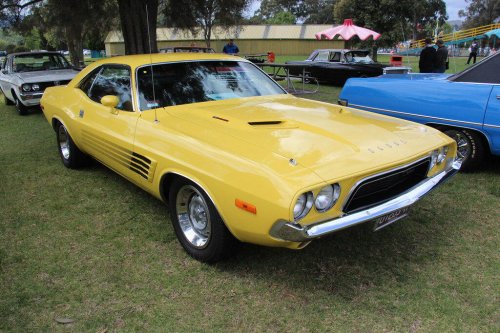
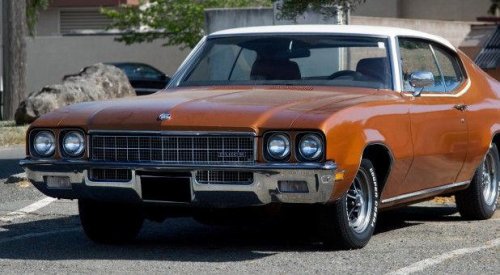
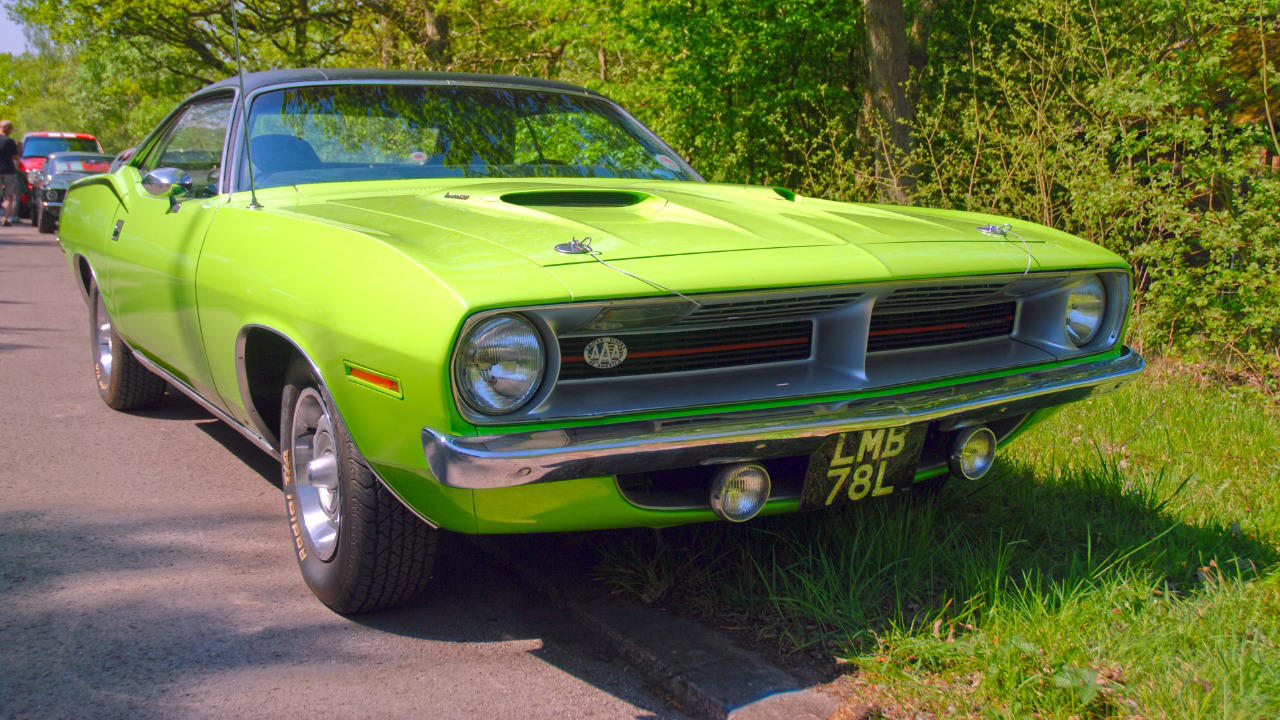
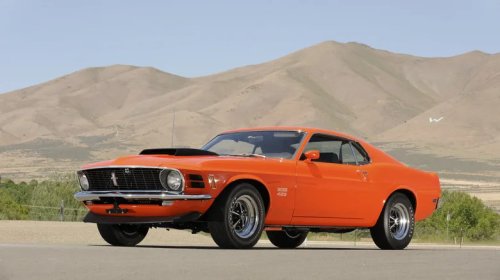
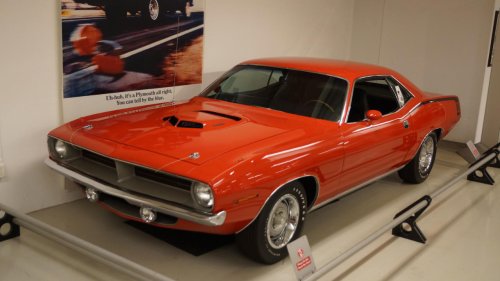
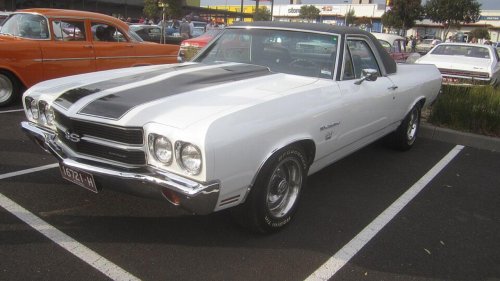
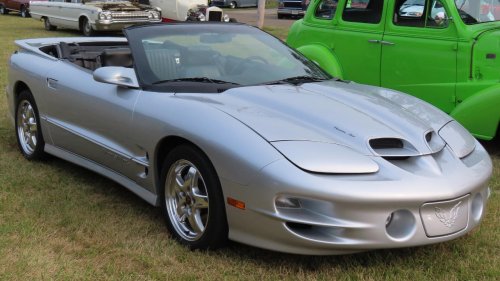
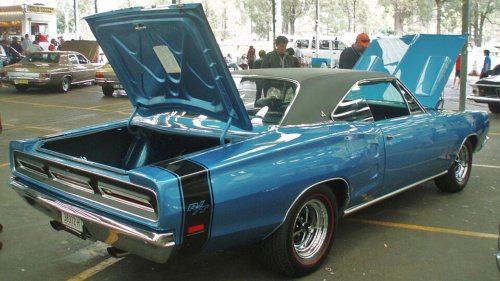
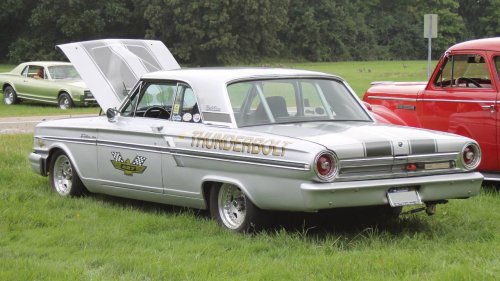
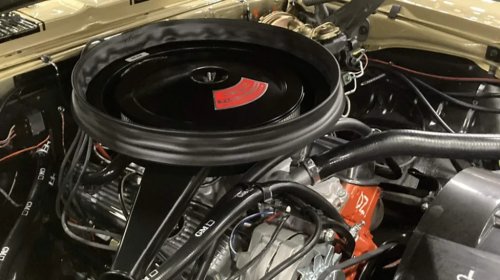
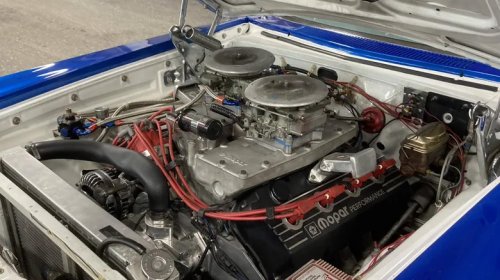
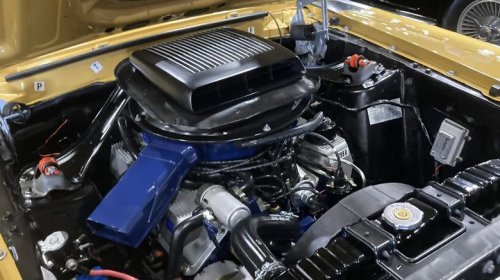
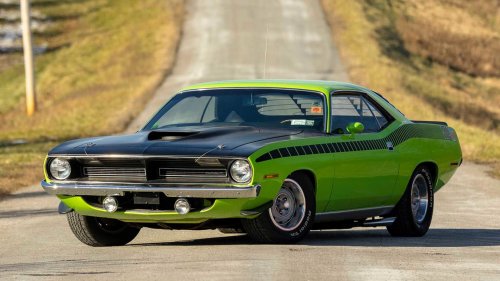
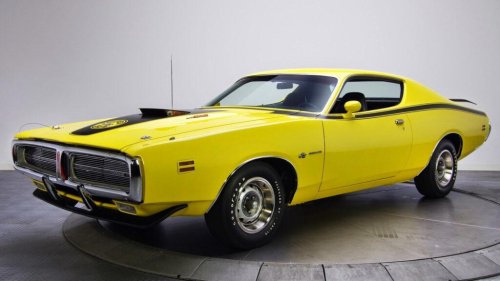
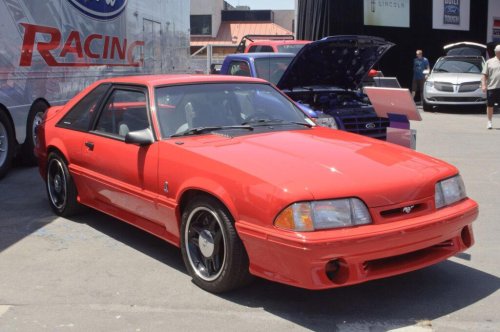
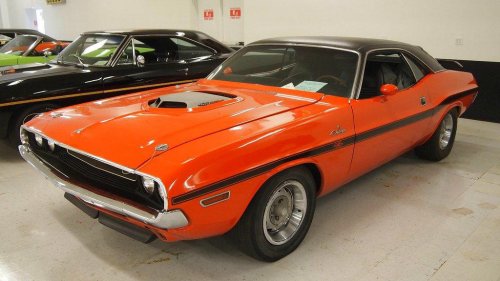
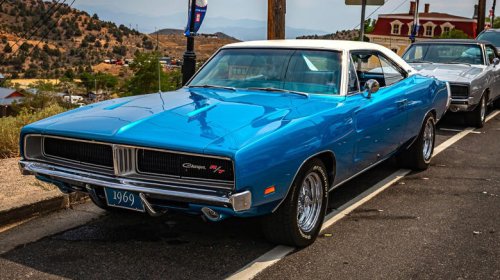
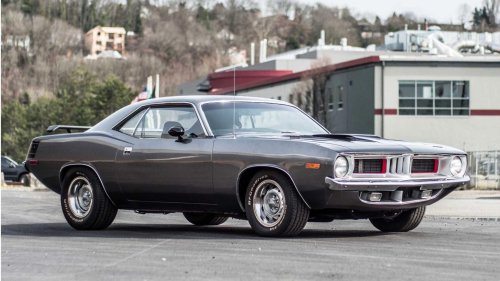
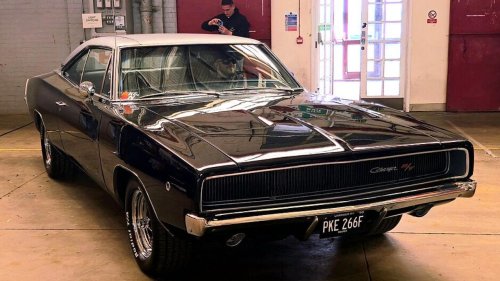
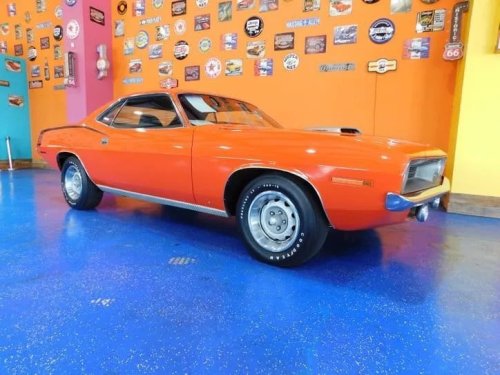
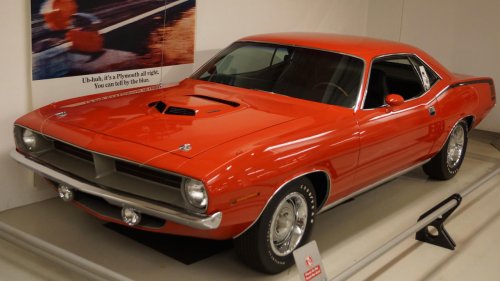
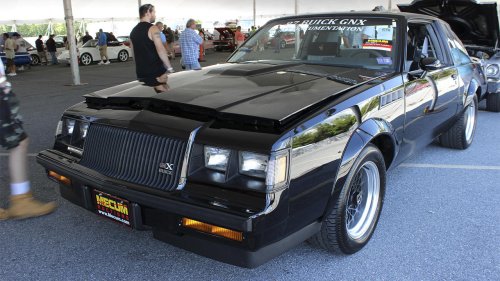
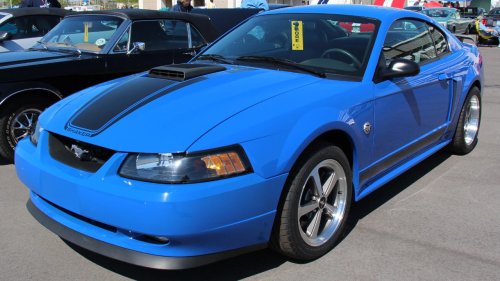
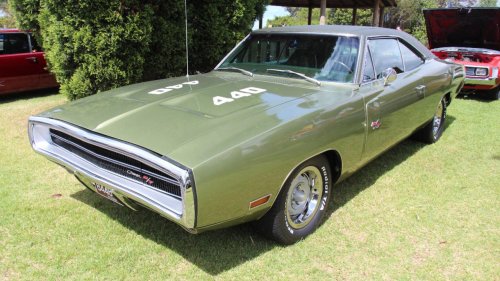
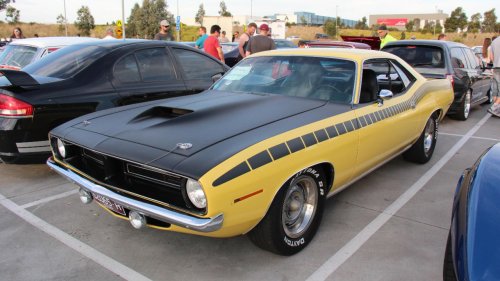
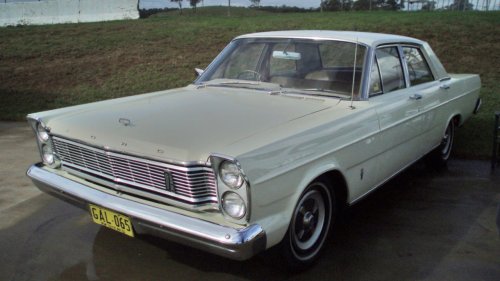
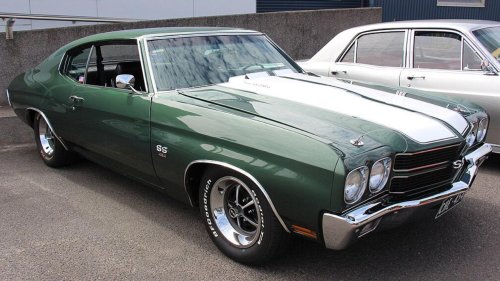
Muscle cars have always traded on attitude, but some machines backed up their swagger with performance that caught even seasoned drivers off guard. The following eight cars looked like cruisers, family haulers, or understated coupes, yet their numbers told a different story. Each one delivered speed that outpaced expectations, proving that appearances can hide serious quarter mile intent.Buick GNXThe Buick GNX arrived as a dark, almost anonymous coupe, yet its 3.8 Liter V6 made it one of the fiercest surprises of its era. Official figures listed factory output at 276 HP, while actual performance was widely estimated near 350 HP, meaning the car was significantly stronger than its window sticker suggested. That hidden surplus turned the GNX into a menace on the street, where few expected a formal Buick to lunge so hard from a stoplight. Enthusiasts still point to that gap between 276 and 350 as proof that manufacturers sometimes sandbagged ratings to protect brand hierarchies. By pairing turbocharged thrust with a relatively modest curb weight, the GNX showed how a seemingly conservative coupe could embarrass flashier rivals. Its reputation helped cement the idea that understated muscle could be more intimidating than overt spoilers and stripes.Mustang Mach 1 (4.6 DOHC)The early-2000s Mustang Mach 1 showed how a familiar pony-car shape could hide unexpectedly modest official numbers. Its 4.6-liter DOHC V8 was rated at 302 horsepower, and contemporary coverage reported 0–60 mph in about 7.5 seconds and a quarter-mile time of roughly 15.5 seconds. Those figures appear conservative when compared with independent testing, which often recorded significantly quicker times. That gap between the 302 rating and real world performance has fueled debate among fans who see the Mach as stronger than its brochure suggested. By pairing the DOHC engine with retro styling cues, Ford created a car that looked like a nostalgia piece yet behaved like a genuine modern muscle machine. The discrepancy between official and observed numbers illustrates how factory figures do not always capture a car’s true capability.1970 Dodge Charger Hemi R/TThe 1970 Dodge Charger Hemi R/T carried bold graphics and a muscular stance, but its straight line performance still surprised many drivers. Contemporary data credits this Charger Hemi with a quarter-mile time of 13.4 seconds, a figure that placed it among the quickest factory offerings of its day. Some sources also list a nearly identical quarter-mile benchmark of 13.38 seconds for similarly equipped cars, underscoring how consistent and rapid these big coupes could be. Those numbers mattered because they showed a full size muscle car could match or beat lighter sports models, including some versions of the Corvette. The 426 Hemi engine, already legendary in racing circles, translated that heritage directly to the street. For buyers who wanted comfort, presence, and devastating acceleration in one package, the Charger Hemi R/T delivered more speed than its size suggested.1970 Plymouth Hemi 'CudaThe 1970 Plymouth Hemi ’Cuda has since become a blue-chip collectible, yet at launch it looked like a compact, almost playful E body coupe. Underneath sat the same 426 Hemi that powered serious drag machinery, giving this short wheelbase car startling straight line ability. Period quarter mile figures grouped around the low 13 second range placed the Hemi Cuda in rare company among showroom machines. Part of its mystique comes from how that performance was wrapped in bright colors and cartoonish graphics that seemed more show than go. In reality, the combination of a relatively light body and the brutal Hemi V8 created a car that could overwhelm unprepared drivers. The Hemi Cuda demonstrated that even the most flamboyant styling could conceal performance that rivaled dedicated race specials.1965 Ford Galaxie 500 (big block)In an era when some models weighed between 3,000 and 4,000 pounds despite large powertrains, a full-size car with the right engine and gearing could launch far harder than its silhouette implied. Owners who specified heavy duty suspensions and numerically high rear axles found that the Galaxie 500 could embarrass smaller coupes at the strip. The disconnect between its formal styling and its capability on Muscle Cars Over The Quarter Mile helped cement its sleeper reputation. For enthusiasts, it remains a reminder that a bench seat and full wheel covers do not preclude brutal acceleration.Chevelle SS 454 LS6The Chevelle SS 454 LS6 wore aggressive stripes, yet even seasoned observers underestimated how violent its acceleration would be. Known as the King of Muscle Cars, this Chevelle SS packed a 454 cubic inch V8 with a rated 450 horsepower, figures that placed it at the top of the street hierarchy. That output translated into low 13 second quarter mile passes in showroom trim, territory usually reserved for purpose built drag cars. What shocked many drivers was how tractable the LS6 felt in everyday use, then how ferocious it became when the secondaries opened. The combination of massive displacement, relatively straightforward carburetion, and stout driveline components created a car that could be tuned easily for even more power. Its legacy shows how peak factory horsepower ratings reshaped expectations for what a mid size coupe could achieve.


















 +50 others