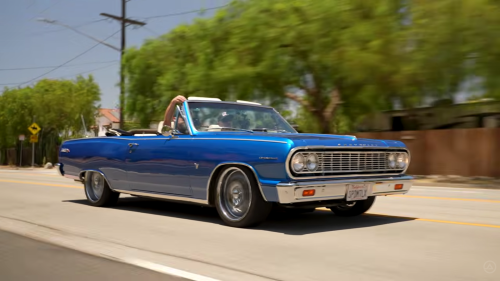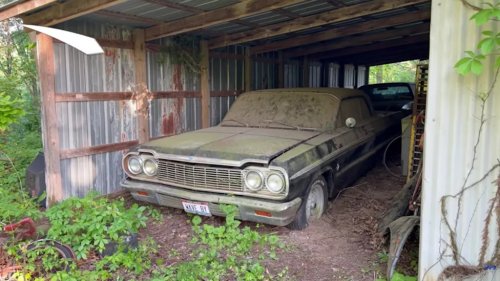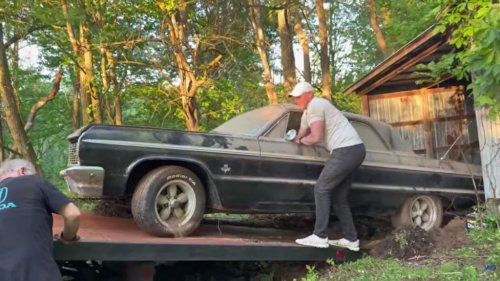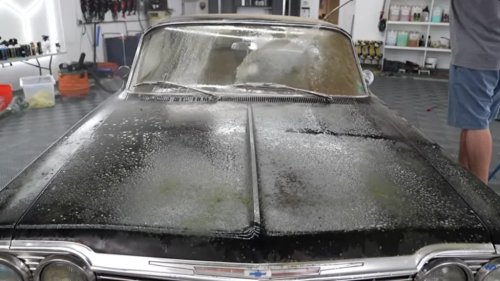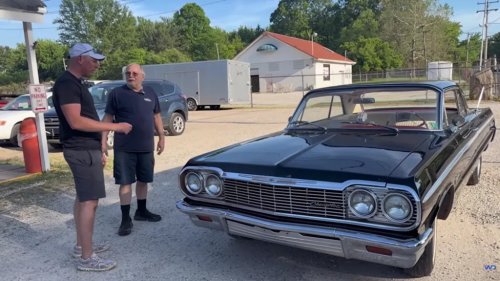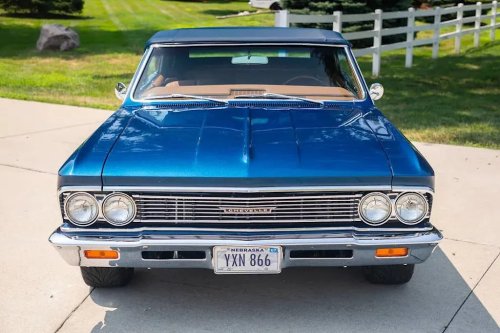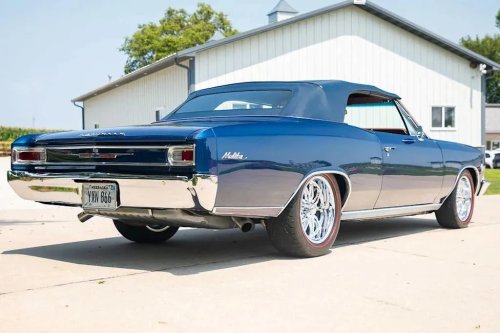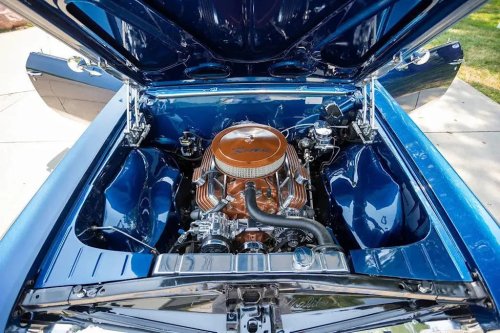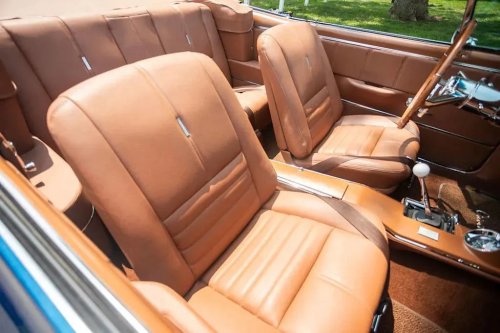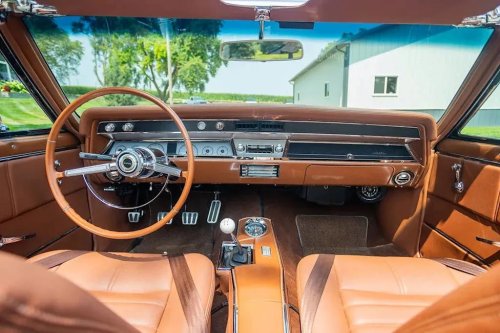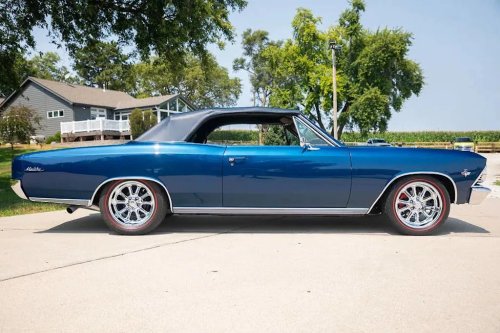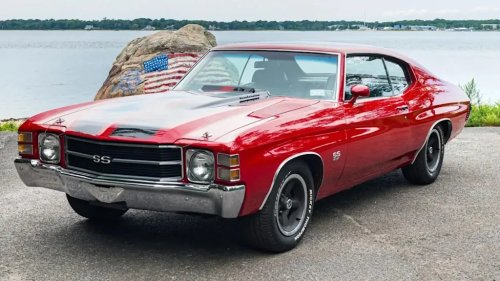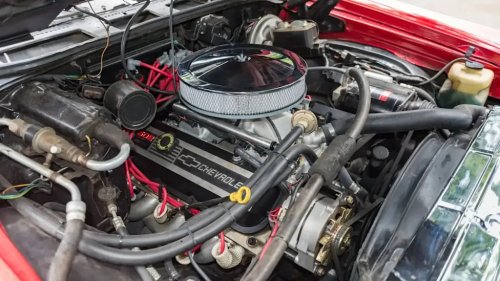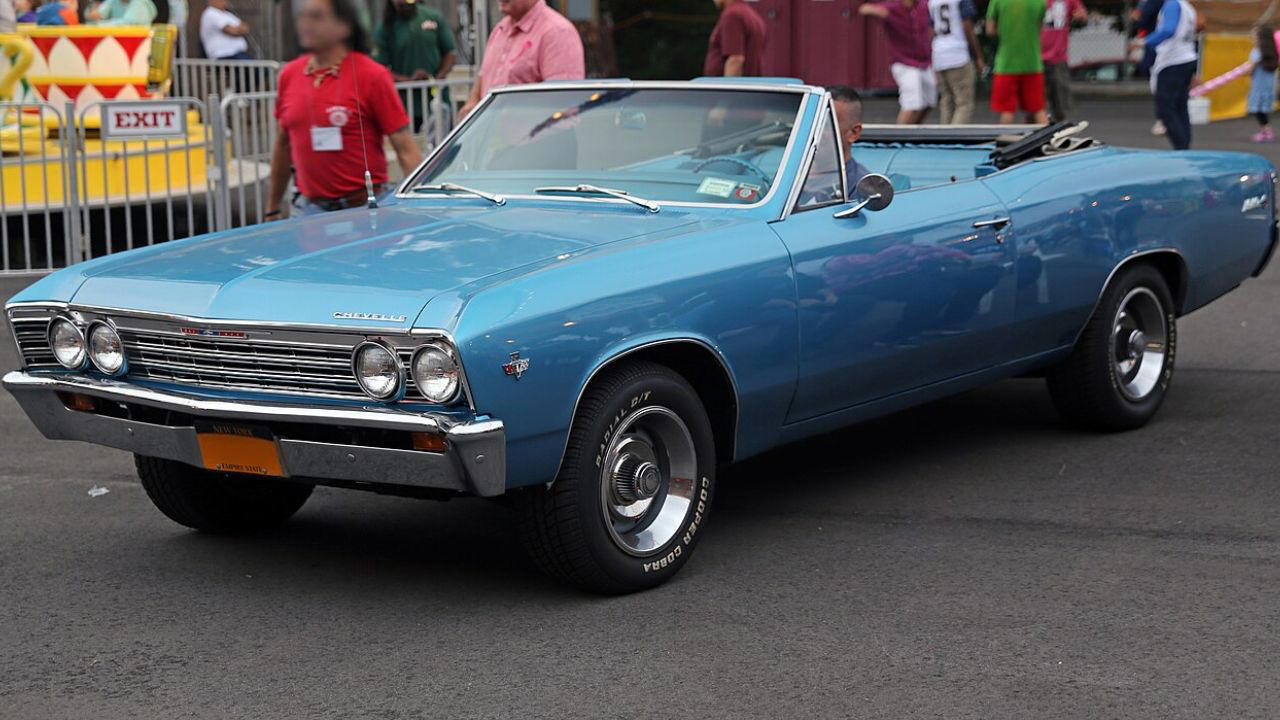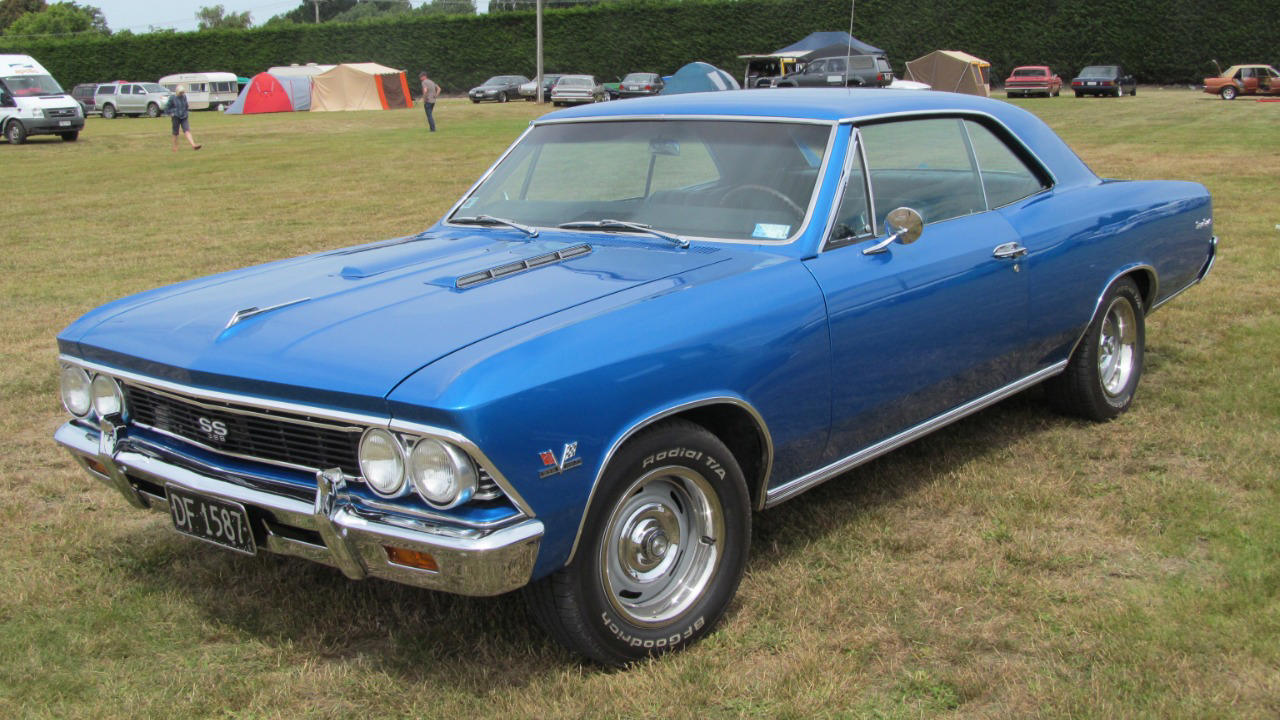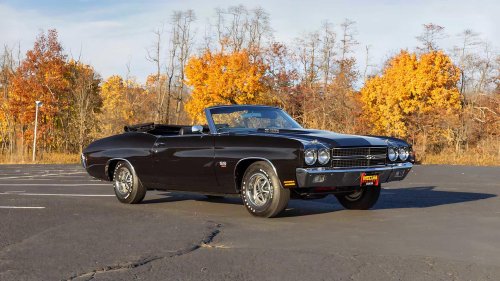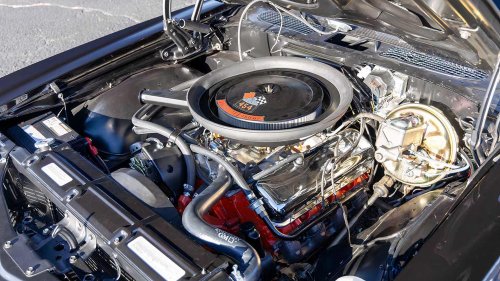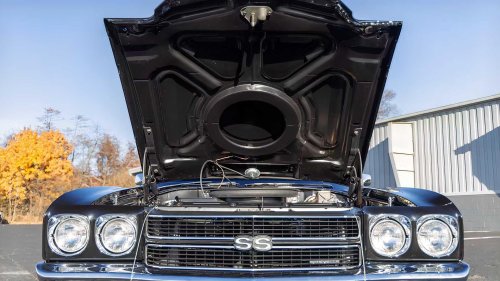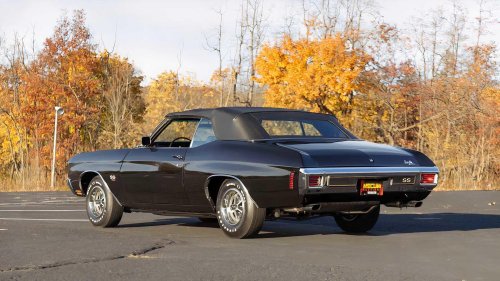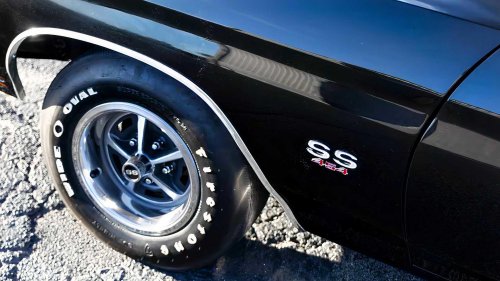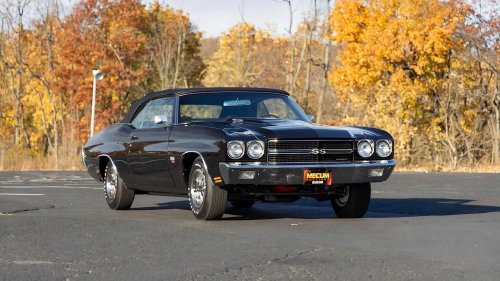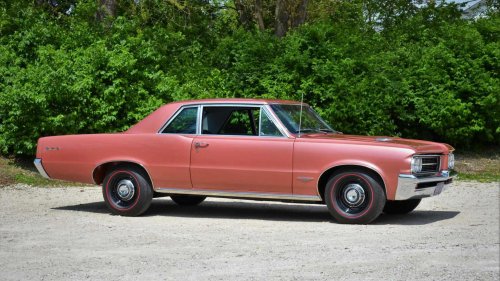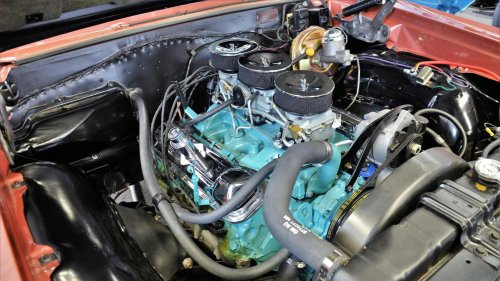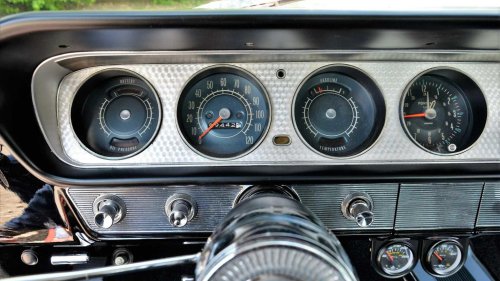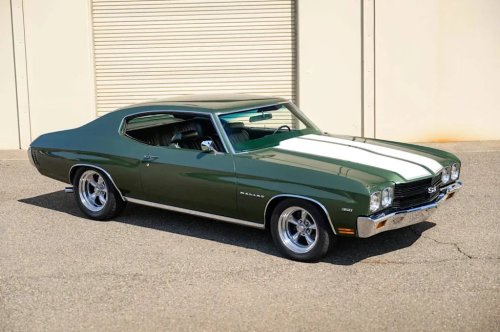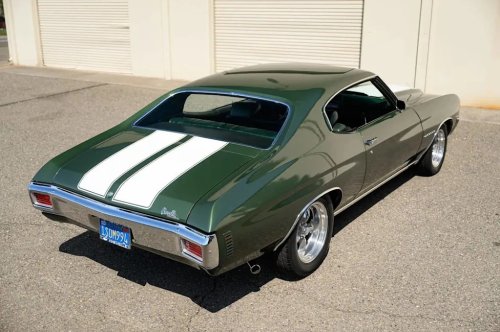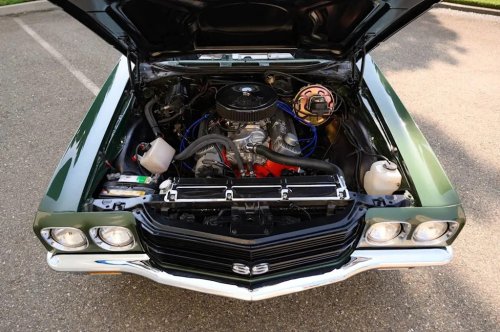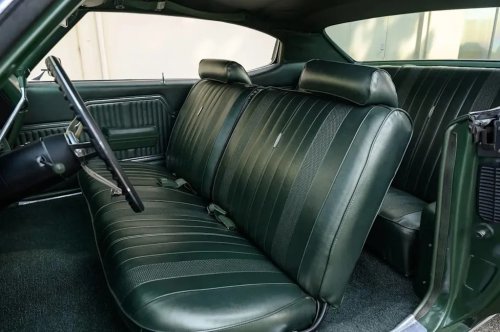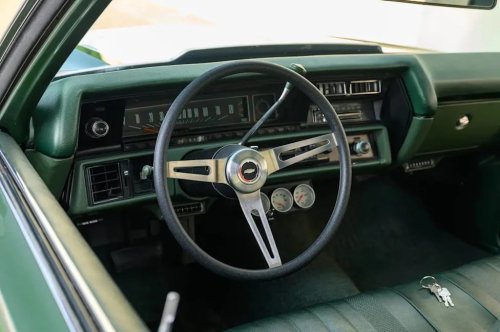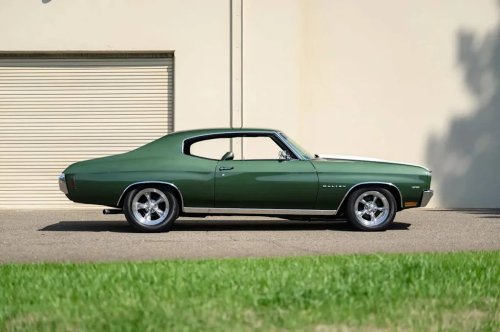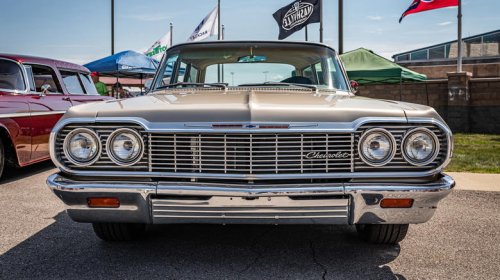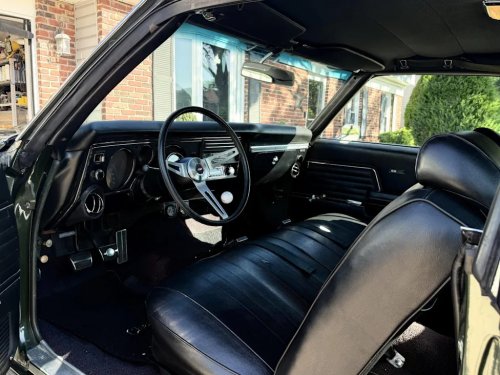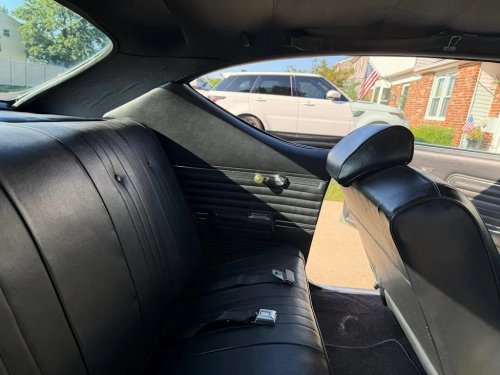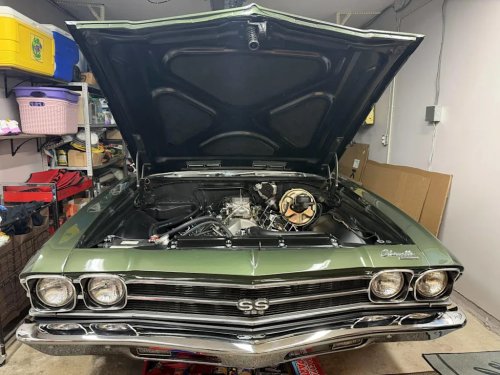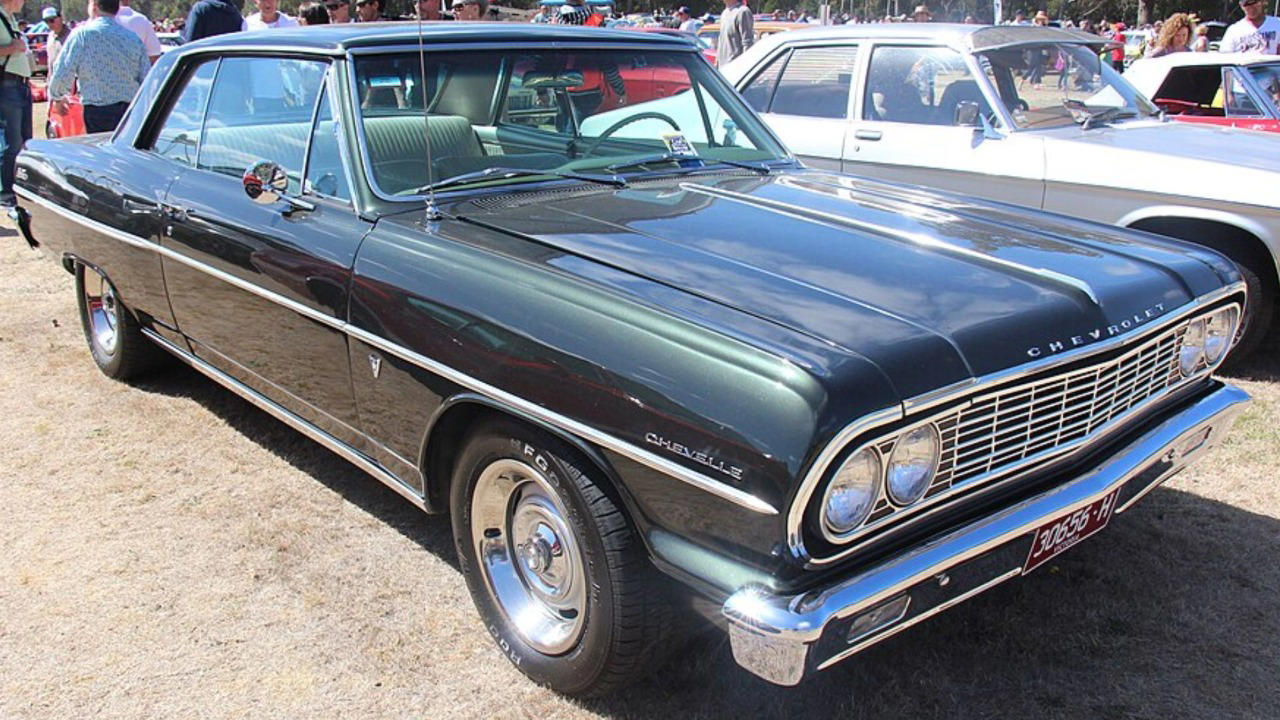



















Before the muscle boom the 1964 Chevelle Malibu SS set things in motionThe 1964 Chevelle Malibu SS arrived just before Detroit’s horsepower race exploded, yet it quietly sketched the blueprint that later muscle cars would follow. Positioned between compact and full-size, it gave Chevrolet a new mid-size canvas and wrapped early V8 performance in clean, understated styling. Long before big-block badges dominated boulevards, this car showed how accessible speed and everyday practicality could share the same driveway. The birth of the Chevelle and a gap in Chevrolet’s lineup By the early 1960s, Chevrolet faced a hole in its lineup. Compact models sat at one end and full-size cars like the Impala at the other, but buyers wanted something in between. The solution was a new mid-size platform that period fact sheets describe as the Chevrolet Chevelle Mid, built to satisfy families who needed space without the bulk of a big sedan. Histories of the model describe the project simply as The Chevrolet Chevelle, developed by General Motors and sold under Chevrolet as a flexible platform that could carry everything from basic transport to sporty coupes. That flexibility would soon prove essential, allowing Chevrolet to offer thrifty six-cylinder cars to budget buyers while also preparing a more aggressive variant for drivers who wanted something livelier than a standard family sedan. Into that opening stepped the Malibu trim, positioned as the upscale version of the new Chevelle. The Malibu added nicer interiors, more exterior brightwork, and a sense that this was not just a workhorse commuter. On top of that, Chevrolet layered a performance package that would become a familiar badge in the years ahead. Malibu SS: the Super Sport idea goes mid-size Chevrolet already knew the power of a performance label. The company had used The SS designation, short for Super Sport, on full-size models such as the Impala to signal a combination of cosmetic upgrades and stronger hardware. As one technical overview notes, The SS name had become a quick visual shorthand for a hotter version of a bow tie product. Applying that formula to the new mid-size car created the Malibu SS. One resource on the 1964 to 1967 run of this model describes the 1964 to 1967 as a distinct step up from the standard Chevelle, with unique trim, bucket seats, and performance-focused options. The package gave Chevrolet a sporty halo for its fresh platform without forcing buyers to move into a full-size body. Contemporary descriptions capture the intent. A period sales pitch quoted in a later review claimed that “Everyone has a bit of swashbuckler in him,” and suggested that the Malibu SS was the place to indulge it. That line, preserved in a technical history of the 1964 to 1967, shows how Chevrolet framed the car as a way for ordinary drivers to tap into a sportier identity without sacrificing comfort or practicality. Styling that hinted at muscle without shouting The 1964 Chevelle Malibu SS did not rely on wild graphics or oversized scoops. Its design was crisp and almost conservative, with straight body lines, a tidy greenhouse, and restrained chrome. Enthusiast write-ups on the Chevelle Facts and emphasize how the proportions struck a balance between compact agility and full-size presence. Malibu SS models added subtle cues. There were specific wheel covers, SS badging, a distinctive grille treatment, and available bright trim that set the cars apart from base Chevelles. Inside, bucket seats and a console replaced the typical bench, a layout that signaled serious intent to drivers who had grown up on six-passenger family sedans. Later enthusiasts often describe the 1964 Chevrolet Chevelle Malibu SS as a classic muscle car that debuted in that model year. One enthusiast group highlights the Chevrolet Chevelle Malibu as a stylish and well-balanced example of early performance design, a car that looked composed rather than aggressive yet clearly promised more than basic transportation. Performance in its “early days” form Under the hood, the Malibu SS did not yet carry the monster engines that would define late 1960s muscle, but it offered a meaningful step up from standard fare. Enthusiast commentary on the 1964 Chevrolet Malibu SS 327 describes that version as “muscle in its early days,” with the Chevrolet Malibu SS 327 engine giving the mid-size car genuine performance credentials. Road tests from the period, revisited in later reviews, were measured in their praise. A vintage evaluation summarized in a retrospective called the 1964 Chevelle Malibu SS “not so hot, yet,” but still acknowledged that the car was reasonably quick and delivered average fuel economy of 16 miles per gallon. That balance of speed and efficiency mattered for buyers who wanted excitement without abandoning daily usability. The Malibu SS could be ordered with a range of engines, including V8 options that turned the light mid-size body into a surprisingly lively package. While later Chevelles would gain larger and more aggressive powerplants, the first-year SS showed how a mid-size chassis and a strong small-block could combine to create a new kind of performance car. Debut year for a future icon Enthusiast groups consistently point to 1964 as the moment a new Chevrolet line stepped onto the stage. One community post notes that the 1964 Chevrolet Malibu marked the beginning of a new era for Chevrolet because it coincided with the debut year for the Chevelle line itself. Another fan summary describes how the Chevrolet Malibu SS helped launch what would become the now-iconic Chevelle lineup. Those recollections match broader historical accounts. A detailed History of the traces the model’s run from 1964 to 1977 and highlights how the first-year cars established the basic formula that later high-horsepower versions would refine. The Malibu SS sat at the top of that initial range and set expectations for how sporty a mid-size Chevrolet could be. In that sense, the 1964 Malibu SS did more than introduce a trim level. It introduced a performance identity for the entire Chevelle family. Later models would chase quarter-mile times and big-block bragging rights, but they did so on a foundation laid by this first-year Super Sport. From “performance oriented” to full-fledged muscle Among enthusiasts, the Chevelle Malibu SS is often remembered as the performance-oriented version of Chevrolet’s new mid-size car. One enthusiast post puts it plainly, describing the Chevrolet Chevelle Malibu as the brand’s performance-focused take on the Chevelle. That perception reflects how the car was marketed and how buyers experienced it in period. Another fan discussion frames the 1964 Chevrolet Chevelle Malibu as a choice between full-trim comfort and bare-bones simplicity. The Malibu SS gave buyers a loaded, stylish package that still carried genuine performance potential, while stripped-down variants appealed to those who valued light weight and minimal frills. Enthusiast commentary on the Chevrolet Chevelle Malibu often uses the phrase “classic muscle car” even though the car arrived before the muscle boom peaked. That language reflects how later generations retroactively see the 1964 Malibu SS as part of the same story as its more powerful successors, a kind of prologue that set expectations for what a mid-size Chevrolet could become. First-generation character and “classic style” Modern restorations highlight how well the original design has aged. A feature on a rescued 1964 Chevrolet Chevelle Malibu describes it as first-gen muscle with classic style. That phrase captures the car’s dual identity: it belongs to the earliest generation of Chevelle performance models and carries the clean, almost formal styling of mid-1960s American cars. Technical guides to the 1964 to 1967 show how the first-generation cars evolved but kept the same basic proportions and design language. The 1964 model sits at the start of that arc, with a relatively simple body and minimal ornamentation compared with the more sculpted later years. Owners and restorers often emphasize how these early cars combine everyday usability with period charm. The mid-size footprint makes them manageable in modern traffic, while the straightforward mechanical layout appeals to enthusiasts who prefer carburetors and mechanical linkages to electronics. That usability, paired with the Malibu SS trim’s visual flair, helps explain why first-generation cars remain popular in shows and online communities. How the Malibu SS shaped the muscle era that followed Looking back from the height of the muscle era, it is easy to focus on big-block Chevelles and forget how modest the first Malibu SS appears by comparison. Yet the 1964 car established several patterns that later muscle machines would amplify. First, it proved that a mid-size platform could carry a performance image without losing family appeal. Buyers could order a Malibu SS coupe for weekend fun or a Malibu SS convertible for stylish cruising, but they still got a car that could handle school runs and commuting. That dual-purpose nature became a hallmark of later muscle cars, which were often sold as daily drivers with weekend drag strip ambitions. Second, the Malibu SS showed how a performance badge could unify a brand’s offerings. Chevrolet had already used The SS on full-size cars, yet applying Super Sport to the Chevelle created a bridge between different segments. Enthusiasts who recognized the SS insignia on an Impala could transfer that association to the mid-size car, strengthening the overall performance image of Chevrolet. Third, the 1964 Malibu SS gave engineers and marketers a template to refine. As the Chevelle line progressed, horsepower climbed, styling grew more aggressive, and the cars moved deeper into what enthusiasts now call the classic muscle era. The basic idea, however, remained consistent: a mid-size Chevrolet with Super Sport badging, a strong V8, and an interior that made drivers feel they had stepped into something special. Why the 1964 Malibu SS still matters Collectors and fans continue to seek out early Malibu SS cars because they represent the starting gun of Chevrolet’s mid-size performance story. The combination of clean styling, manageable size, and early V8 power gives them a charm that differs from the later, more extreme muscle offerings. Enthusiast communities that celebrate the Chevrolet Malibu SS frequently highlight how the 1964 model marked the debut of a line that would dominate drag strips and cruise nights only a few years later. That sense of origin helps drive interest in survivors and restorations, whether they are meticulously stock or tastefully modified. At the same time, the car’s relative subtlety appeals to drivers who prefer understatement. The Malibu SS does not rely on oversized stripes or towering scoops to make its point. It presents as a well-proportioned mid-size Chevrolet with just enough brightwork and badging to hint at something more. For many enthusiasts, that restraint is part of the attraction. A quiet catalyst before the storm Viewed in isolation, the 1964 Chevelle Malibu SS might seem like a mildly warmed-over family car with sporty trim. Placed back into its context, it becomes something more: a quiet catalyst that helped move Chevrolet and its buyers toward the full-throttle muscle era. More from Fast Lane Only Unboxing the WWII Jeep in a Crate 15 rare Chevys collectors are quietly buying 10 underrated V8s still worth hunting down Police notice this before you even roll window down