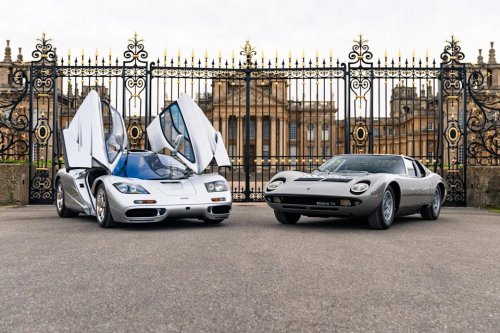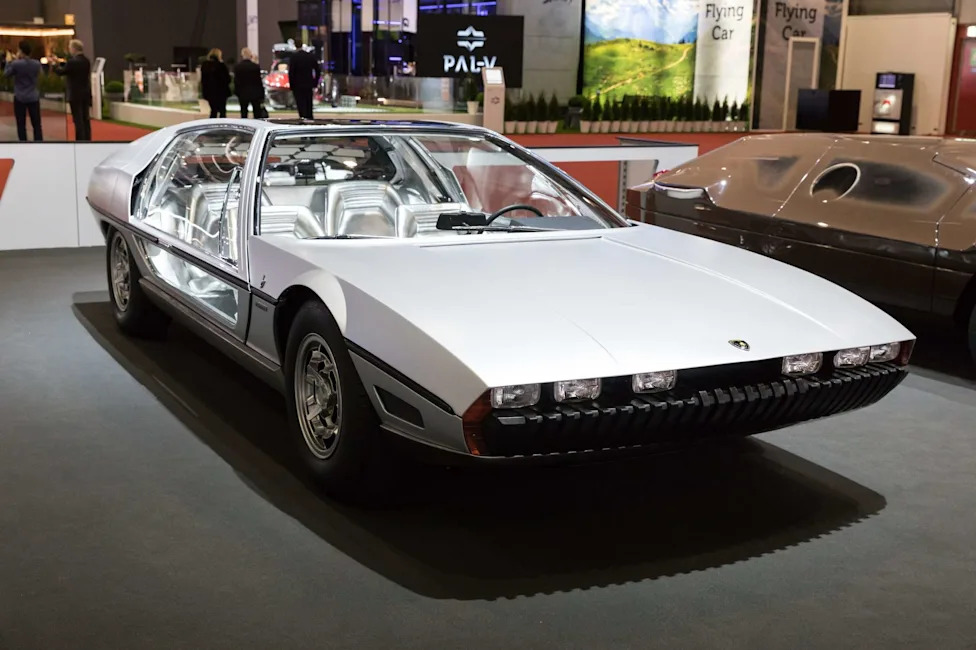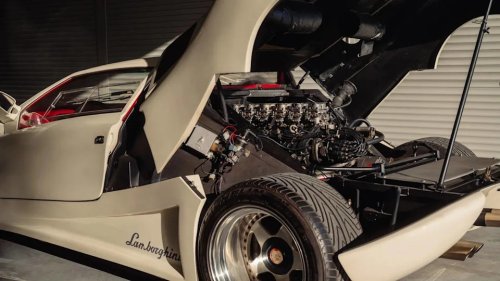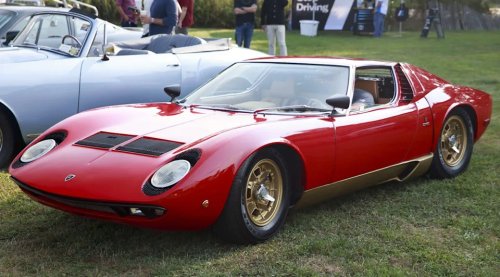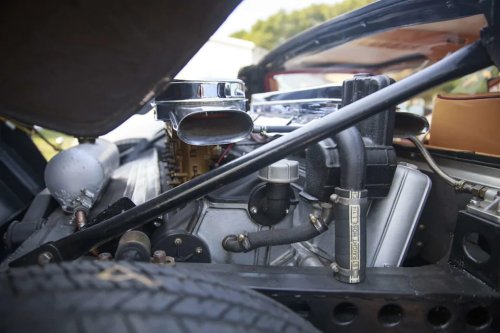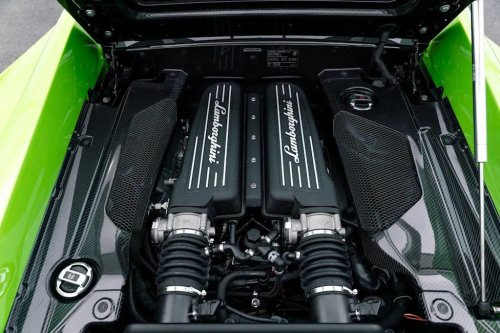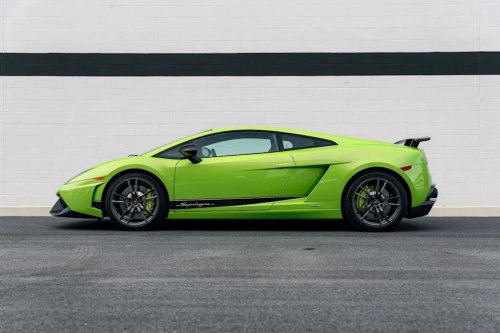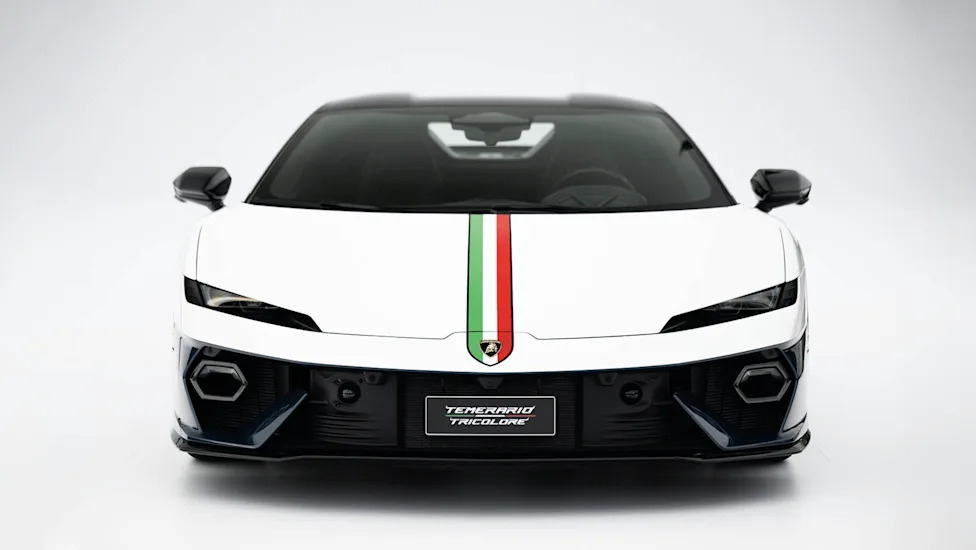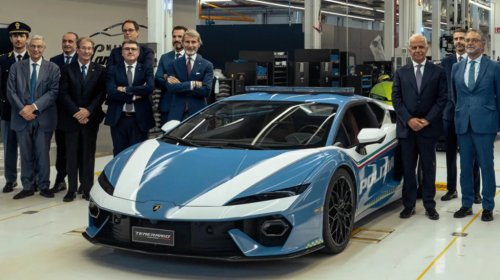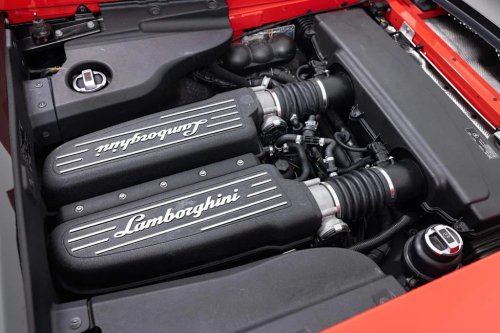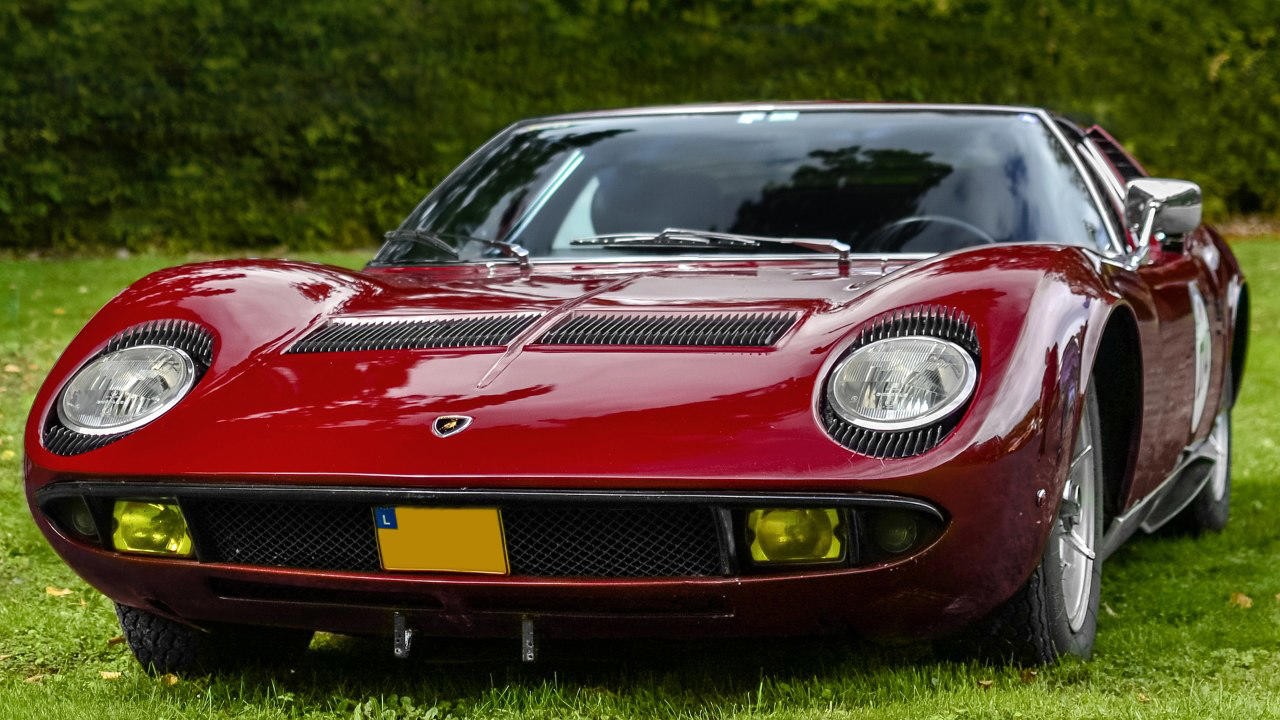



















Long before supercars the 1966 Lamborghini Miura rewrote expectations instantlyWhen the Lamborghini Miura appeared in 1966, it did not simply go faster or look sleeker than its rivals. It rearranged the basic template of a performance car in a way that made everything before it feel instantly old. Long before the word “supercar” became marketing shorthand, this low, wide machine from a young Italian company set a new benchmark that others have been chasing for six decades. Today the Miura is remembered as the moment exotic cars stepped into the modern age. Its transverse V12, radical chassis and theatrical styling did not just push the envelope; they quietly wrote the rulebook that later icons from Maranello, Sant’Agata and beyond would follow. The young company that dared to start over By the mid 1960s, Lamborghini was still a newcomer. The firm had only just moved beyond building refined grand tourers when a small group of engineers began sketching something far more radical. According to the company’s own account, Mar records that less than two years after the company was founded, Lamborghini was still a niche manufacturer, but the Miura project was already taking shape as a bold internal gamble on a different type of carSupercar. Within that young outfit, the Miura became a proving ground. The team was not constrained by decades of tradition about where an engine should sit or how a fast road car ought to behave. Instead, the engineers treated racing technology as a starting point and asked how far they could push it for the street. The result was a machine that would turn a company known for comfortable V12 cruisers into a symbol of pure speed. How a bare chassis shocked Turin The first sign that something unusual was coming arrived at the Turin Show. Lamborghini brought only a naked chassis, without bodywork, and parked it under the lights. According to later accounts, Four months after that Turin Show appearance, Lamborghini already had its finished P400 complete and ready for display, a turnaround that reflected both ambition and confidenceLamborghini Miura Rewrote. That bare structure was more than a teaser. It revealed a layout that broke sharply from the front-engined norm. The engine sat behind the driver, across the car rather than along it, and shared a common housing with the transmission. This compact arrangement was designed to keep weight within the wheelbase and reduce overall length, a concept more familiar from racing prototypes than from any road car of the time. Observers at Turin understood that they were looking at a different species of grand touring machine. The packaging promised agility, the low height hinted at serious speed and the integrated drivetrain suggested a new approach to performance engineering. The transverse V12 that defined a category The heart of the Miura was its V12, turned sideways and mounted just behind the cabin. Later technical descriptions note that Lamborghini had taken a 4.0 liter V12, turned it sideways, and tucked the transmission into the same housing to create this compact layoutLamborghini. Other sources describe the production Lamborghini Miura P400 as using a 3.9 liter V12 engine mounted transversely, a configuration that was considered groundbreaking in its dayLamborghini Miura. Mounting a 3.9 liter V12 across the chassis rather than along it allowed the car to remain short and low without sacrificing displacement. With the engine and gearbox sharing a single casing, the drivetrain became a structural part of the car. That choice saved space and weight, and it also helped concentrate mass near the center, which improved balance in fast corners. The mid engine layout itself was not entirely new in racing circles, but applying it to a road car with a large capacity V12 was a radical step. The Miura effectively proved that such a configuration could be built, sold and driven on public roads, not just on circuits. A featherweight spine built by Marchesi of Modena The Miura’s chassis was as daring as its powertrain. Built by Marchesi of Modena, the bare structure used thin steel sheets only 0.8 m thick and weighed just 265 lbs, figures that highlight how aggressively the engineers chased lightnessBuilt. That skeletal frame functioned as a central spine, with the suspension and drivetrain hung from it in a way that echoed racing practice. Keeping the chassis to 265 lbs meant that the V12’s output had less mass to move, which sharpened acceleration and response. At the same time, the thin 0.8 m steel sheets required careful design to maintain stiffness. The result was a platform that felt alive and responsive, although some later owners and mechanics would discover that such light construction also demanded meticulous maintenance. From a design perspective, the chassis was a statement of intent. It suggested that Lamborghini was willing to prioritize performance engineering even if it complicated production, a stance that would become part of the brand’s identity. From technical experiment to “The World’s First Supercar” Once clothed in its sweeping bodywork, the Miura quickly moved from engineering curiosity to cultural phenomenon. Enthusiast histories describe the 1966 P400 as the moment when The World began to see The Lamborghini Miura as the First Supercar, a car that gained Lamborghini an international following among enthusiasts who had never before considered this young marqueThe Miura. Later retrospectives echo that assessment. One notes that One thing most experts will agree on is that the Lamborghini Miura was the world’s first supercar, even if earlier fast machines existedYes. The distinction lies less in outright speed and more in the combination of mid engine layout, exotic styling, limited production and a focus on emotional impact over practicality. On that definition, the Miura fits neatly. It was not simply quick. It was engineered and styled to be a poster car long before posters of such machines covered bedroom walls, a machine whose primary purpose was excitement. The moment Lamborghini became Lamborghini Later company histories describe the Miura as the point where the brand’s identity crystallized. One account states that The Miura was the moment Lamborghini became Lamborghini, capturing how a single model transformed a young company into a symbol of extreme performanceWhen the Miura. Before the Miura, the firm had focused on refined front engined touring cars aimed at long distance comfort. With the mid engined coupe, that philosophy shifted toward drama. The low roofline, wide stance and visible engine bay framed Lamborghini as a builder of theatrical machines that traded some practicality for spectacle. That change rippled through later models. Even when the company returned to front engined layouts for certain cars, the expectation of bold styling and extreme performance remained. The Miura set a tone that still shapes how the brand presents itself, from modern V12 flagships to limited series specials. Design that turned engineering into theatre The Miura’s styling translated its advanced engineering into a visual statement. Contemporary descriptions praise the way the body wrapped tightly over the mechanical package, with a low nose, curving fenders and a roofline that barely cleared the driver’s head. The rear deck, perforated with vents, hinted at the heat and power of the V12 beneath. Later commentaries describe the Lamborghini Miura as a paradigm shift in supercar design, a car that played a significant role in defining the look of the segment that followedThe Car. The combination of compact wheelbase, mid engine proportions and flowing surfaces created a silhouette that other manufacturers would echo for decades. Even small details carried weight. The headlamp surrounds, the way the doors cut into the roof, the louvers over the engine bay all contributed to a sense that this was not just a fast car but a piece of automotive theatre. That aesthetic impact helped secure the Miura’s place in popular culture, from magazine covers to film appearances. How the Miura “rewrote the rules” of performance Observers looking back on the Miura often describe it as a car that rewrote expectations for what a production performance car could be. One retrospective notes that when Lamborghini unveiled the Miura P400 in 1966, it rewrote the rules of what a production car could look like and how it could be configured, largely because of its mid mounted 3.9 liter V12 and radical proportionsLamborghini Miura. Another account frames the debut of the 1966 Lamborghini Miura as the birth of a supercar, arguing that it revolutionized the automotive world as the first truly modern example of that ideaThe Birth of. Together, those perspectives underline how quickly the car shifted expectations once it appeared. From that point on, a serious performance flagship was expected to be mid engined, visually dramatic and unapologetically focused on speed. Front engined grand tourers continued to exist, but they no longer defined the cutting edge. The Miura had moved the goalposts. From niche experiment to enduring benchmark Although built in limited numbers, the Miura’s influence spread far beyond its production run. Company histories describe the Lamborghini Miura as one of the notable milestones in the automotive landscape, a model that still anchors the brand’s story decades laterModel. Enthusiast communities, including modern racing game fans, continue to treat the Lamborghini Miura as the first supercar in history, a status that shapes how they approach it in virtual garages and on digital circuitsComments Section. Specialist dealers and restorers also emphasize its lasting importance. One detailed history describes how Dec anniversaries of the Miura’s launch prompt renewed interest, as collectors and fans revisit the story of the supercar that redefined automotive expectationsRegister. That continuing fascination speaks to the car’s ability to feel relevant even as technology has advanced far beyond its original specifications. The Miura’s presence in museums, auctions and private collections reinforces that point. Each time a restored example appears on the block or at a concours event, it is framed not just as a valuable object but as a reference point for everything that followed. How official history frames the Miura’s legacy Lamborghini itself leans heavily on the Miura when telling its origin story. Official communications describe the Lamborghini Miura as the first Supercar in history, highlighting how the project emerged when the company was still small and ambitiousLamborghini Miura. That framing positions the car as both a technical achievement and a brand defining moment. Additional material from the company’s media channels reinforces that message. One collection of press resources treats the Miura as a foundational Supercar, a car whose engineering and design still inform how the brand approaches modern projectsDiscovered. The repetition of that theme across official platforms underlines how central the Miura remains to Lamborghini’s identity. Even in less formal spaces, such as social media, the company continues to highlight the Miura. Posts on platforms like threads.net and Facebook celebrate the car as a defining Supercar and use it to connect the brand’s past to its presentLamborghini Miura. That ongoing storytelling keeps the 1960s coupe in front of new audiences who may know the brand only through modern models. More from Fast Lane Only Unboxing the WWII Jeep in a Crate 15 rare Chevys collectors are quietly buying 10 underrated V8s still worth hunting down Police notice this before you even roll window down