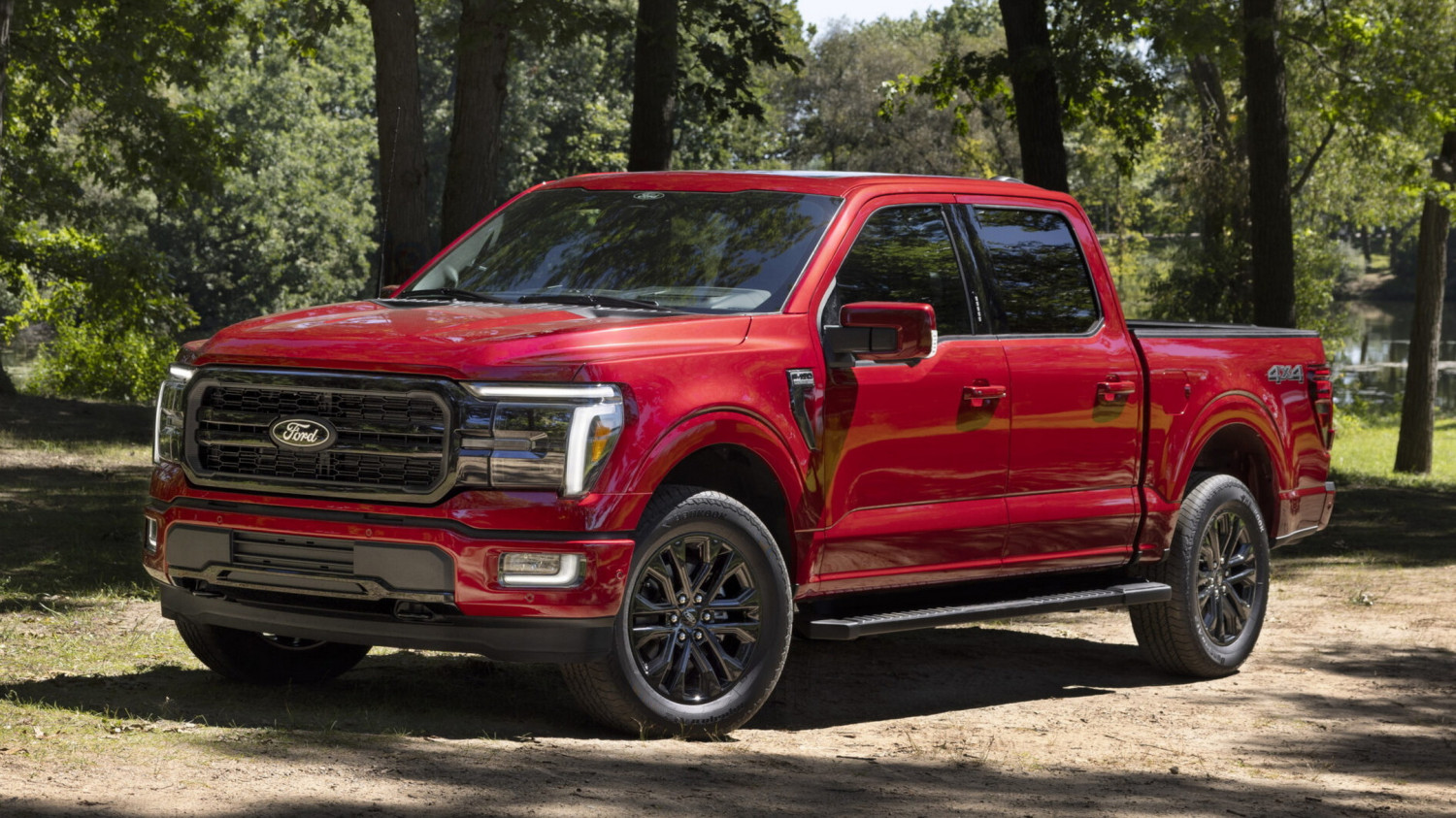
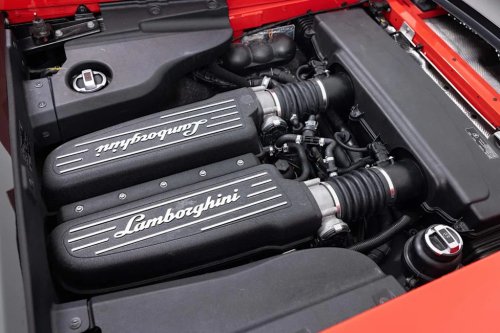
A German court ruled an Aventador is a legitimate business asset. Local tax authorities complained about the driver’s messy logbooks. Owning a Ferrari proved he didn’t need another supercar for leisure. A company car, for most people, means something sensible. A boring mainstream sedan, perhaps. A mid-spec SUV. Something the accountant signs off on without breaking a sweat. The case of one self-employed man in Germany, who persuaded a court that a Lamborghini qualified as a legitimate business vehicle, is rather different. It sounds like tabloid fodder, but the ruling is real, signed off by the Bundesfinanzhof, Germany’s Federal Fiscal Court. The decision landed in late 2024, but attracted more attention recently. Unconventional Company Fleet The trouble began when tax inspectors took an interest in a self-employed forensic expert. His working fleet, as he described it, consisted of a BMW 740d xDrive and a Lamborghini Aventador. More: A Traffic Cop Just Got A 1,001 HP Company Car Before you start yelling “that’s a dream garage”, both vehicles were leased. Both wore business branding. The Aventador carried a custom wrap advertising the man’s own firm, in much the same spirit as a sign-written panel van, only louder, lower, and considerably faster. The Lamborghini Aventador S Naturally, the tax office was skeptical, especially after they discovered that the logbooks for both vehicles were handwritten and “not readable”. With no acceptable evidence that the high-end models were strictly tailored for business use, authorities wanted to tax the driver for the “assumed” private use. The Ferrari Defense However, the Federal Fiscal Court sided with the taxpayer, and that was that. As Handwerksblatt reports, the decisive argument turned on what was already parked at home. With a Ferrari 360 Spider and a Jeep Commander in the private garage, the forensic expert had no obvious need to borrow the Aventador or the BMW for weekend amusement. More: Aussie High-School Student Spotted Driving A Lamborghini Aventador SV With L-Plates Furthermore, the court clarified that even if a logbook is improperly maintained, it cannot be discarded entirely if the overall picture supports the claim of business use. In this case, the Lamborghini served as a rolling billboard for the driver’s office which sounds convincing, if not a little excessive as a business expense. Want to check out my new business car? The lesson, if there is one, is that Germany will let you build the company fleet of your dreams, provided you keep a logbook and own something duller for the school run. What About The US? While this ruling is a win for the German driver, replicating it in the US would be challenging. Under IRS rules, vehicles under 6,000 lbs (2,722 kg) fall under “luxury auto” caps, limiting first-year write-offs to just over $20,000. Heavier vehicles can qualify for far larger deductions, which helps explain why the Ford F-150 and Chevrolet Suburban, not something from Sant’Agata, dominate US corporate fleets. Standard caveat, we cover cars, not tax codes, so anyone seriously plotting to expense a Huracán should ring an accountant first. In the US, the Ford F-150 is much easier to pass as a business asset compared to a supercar.