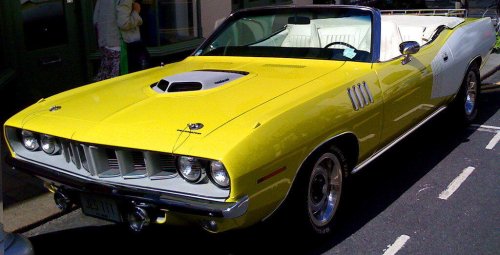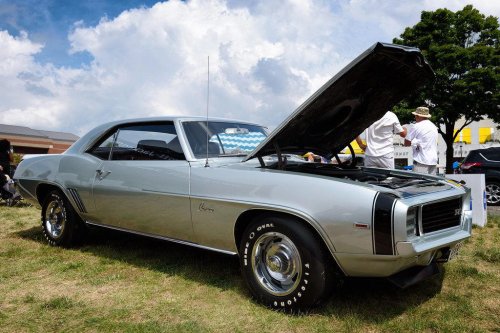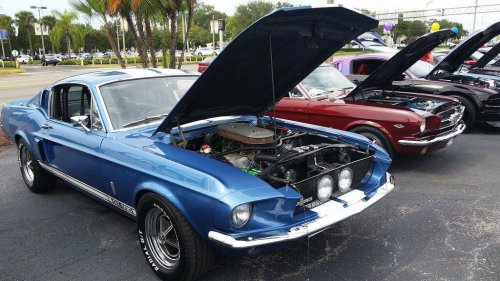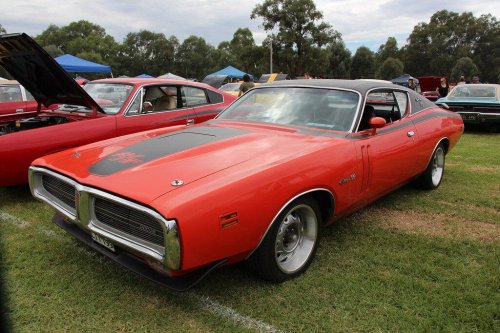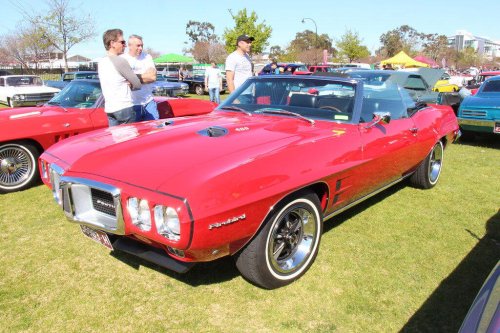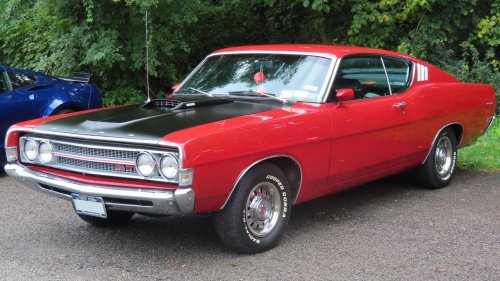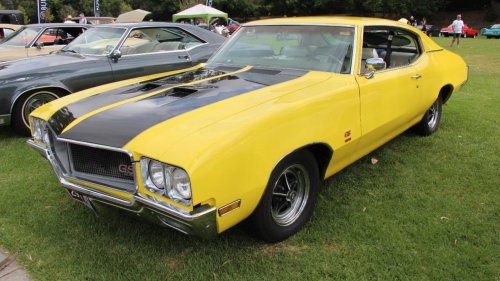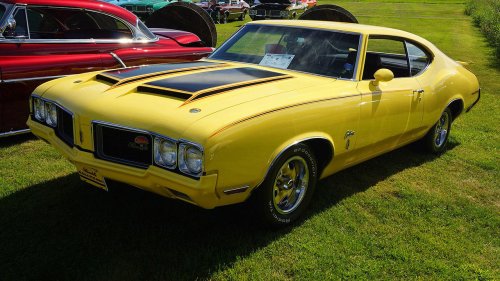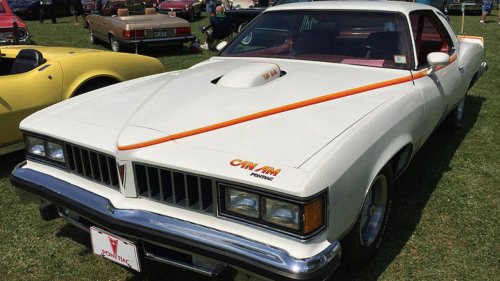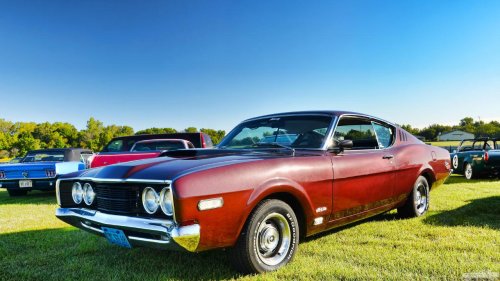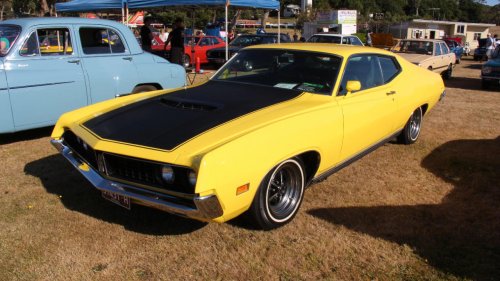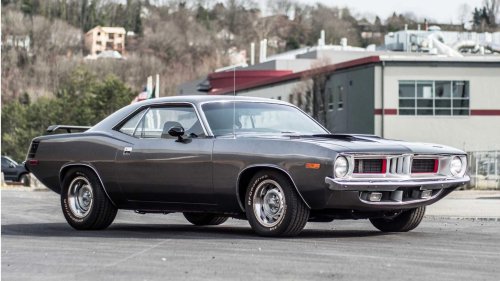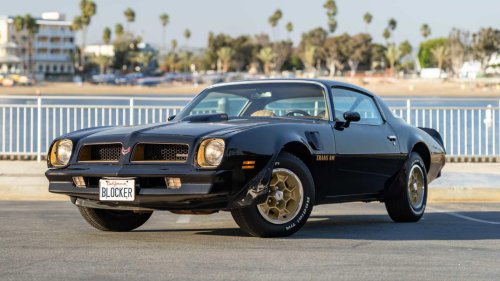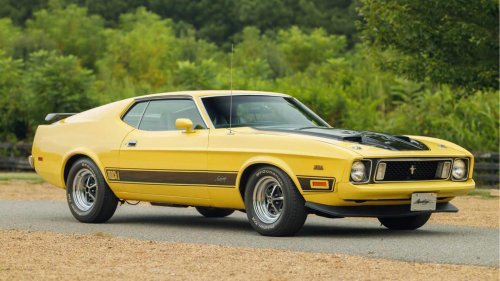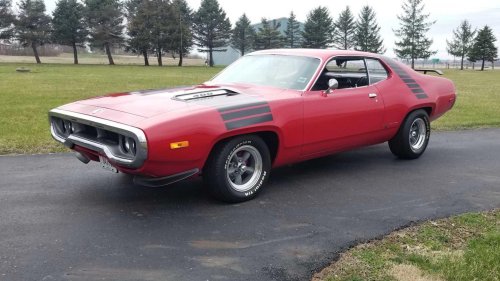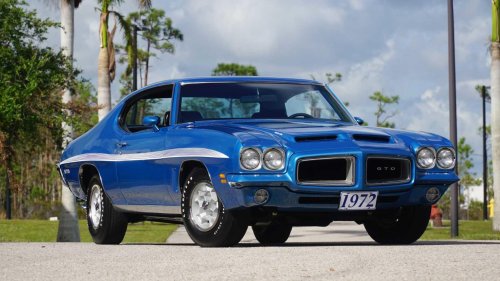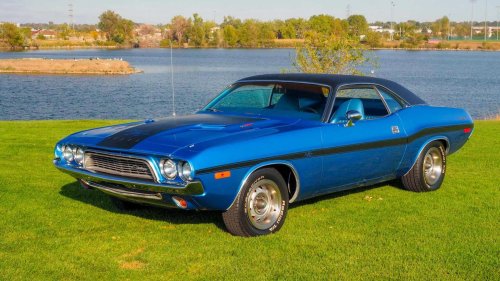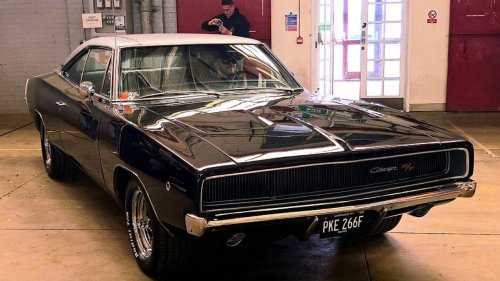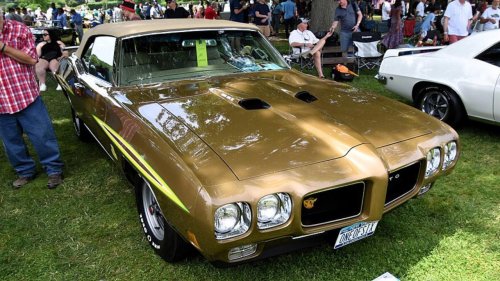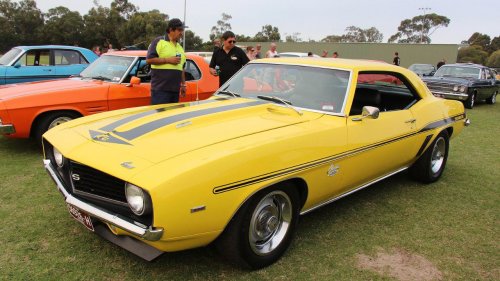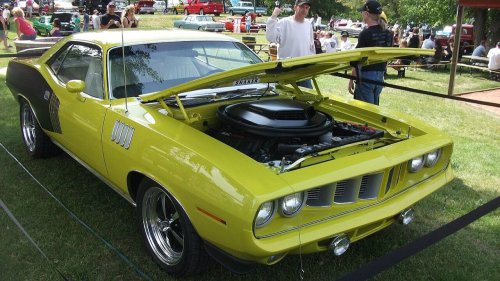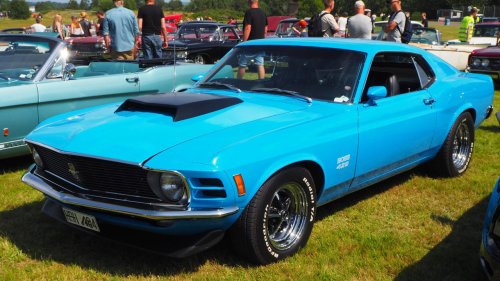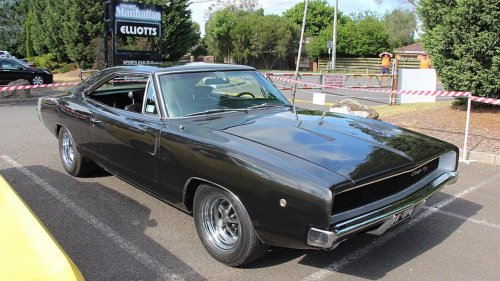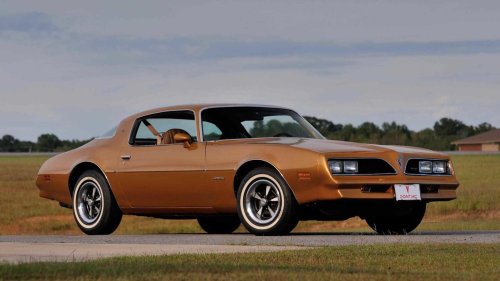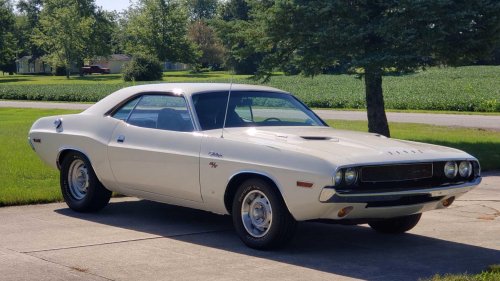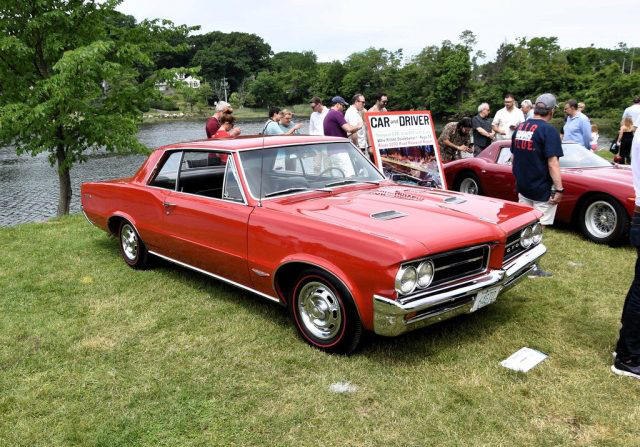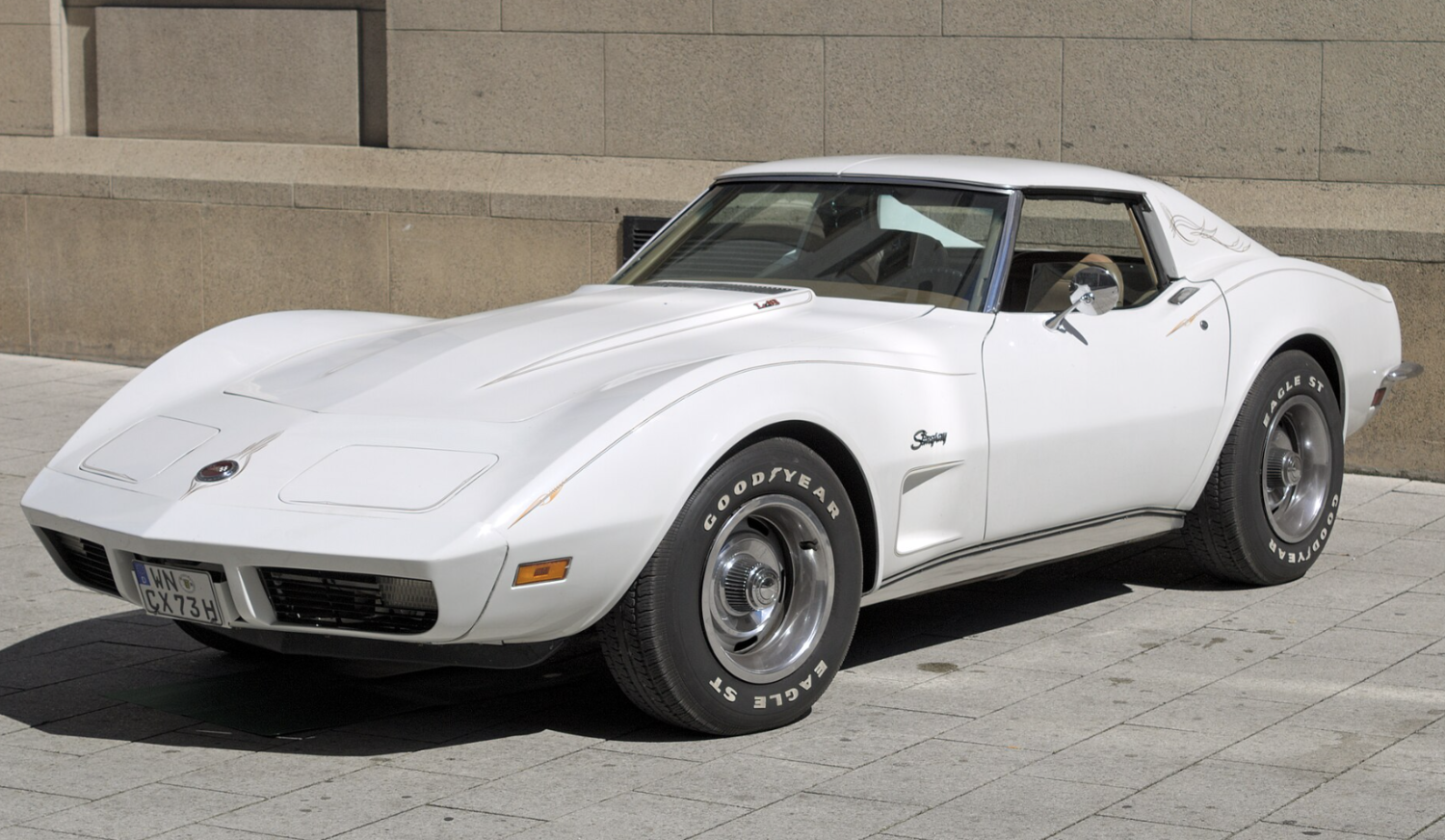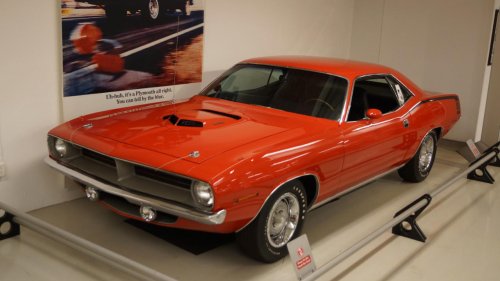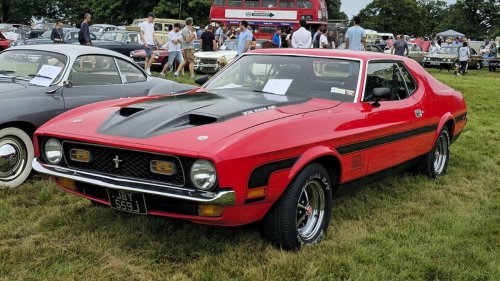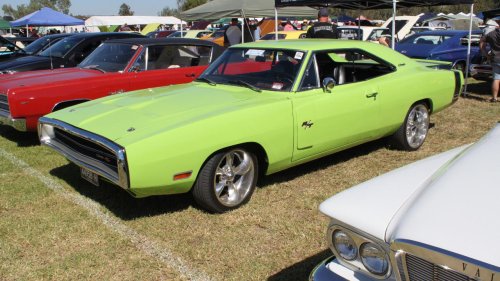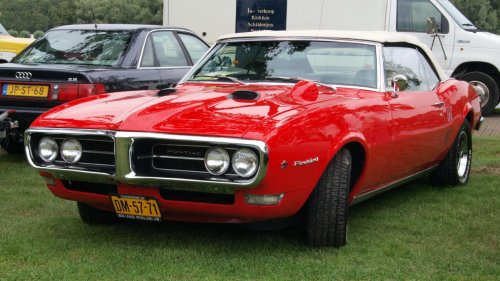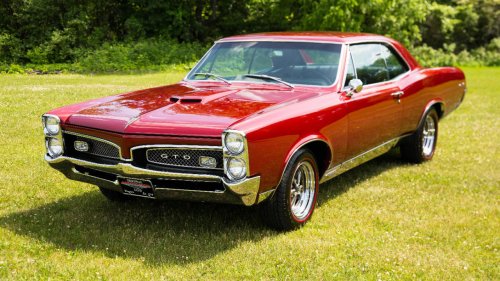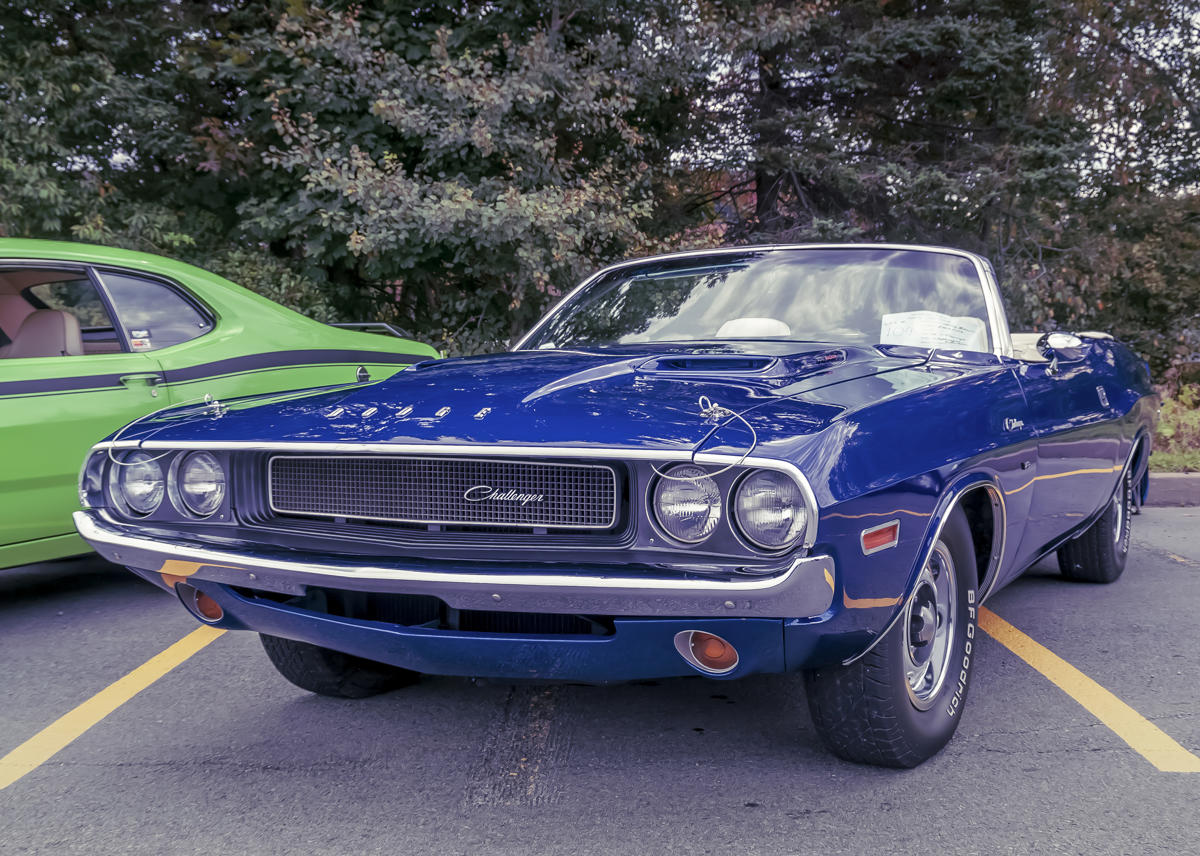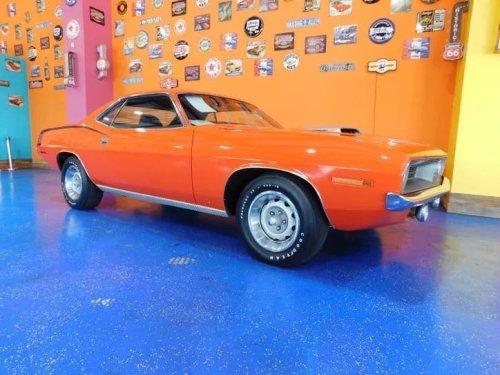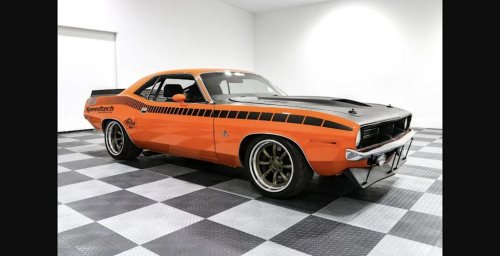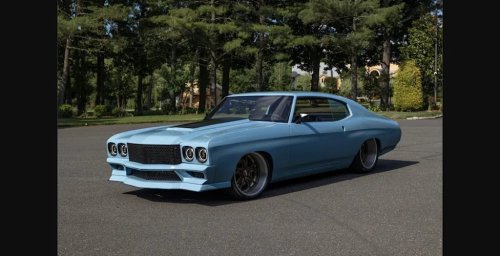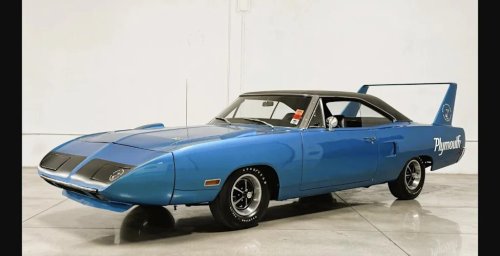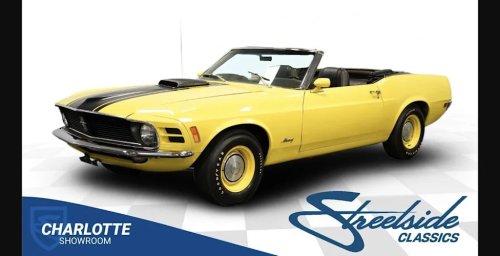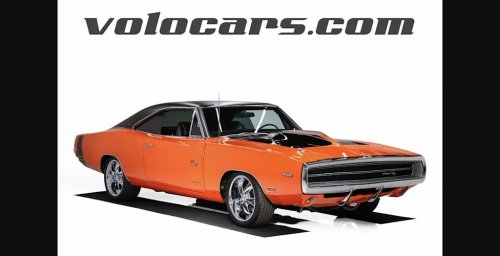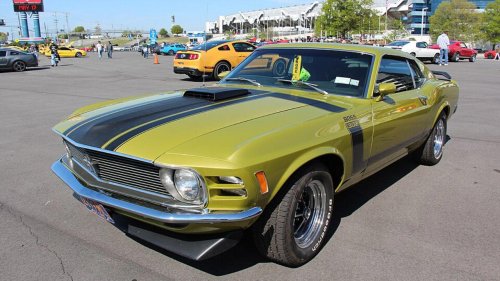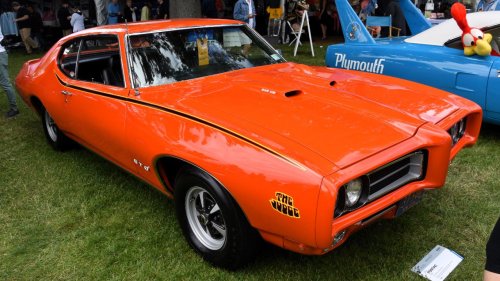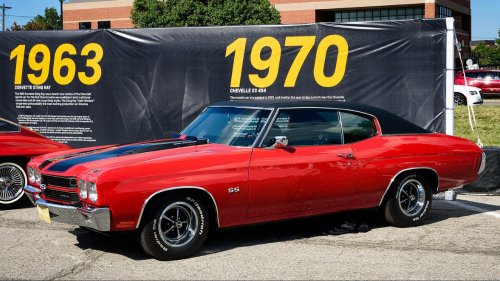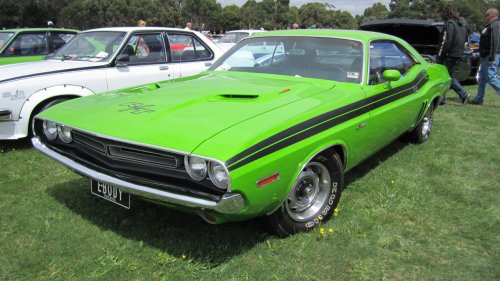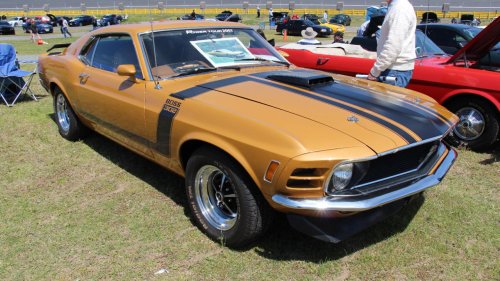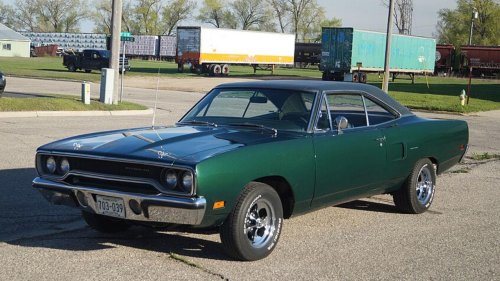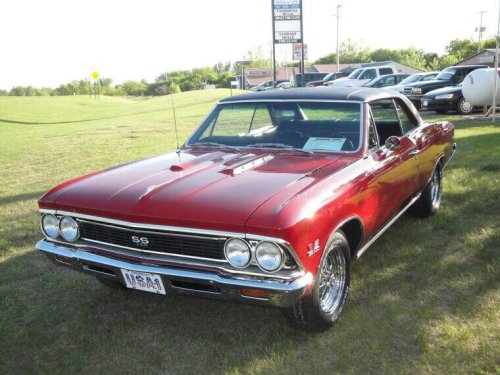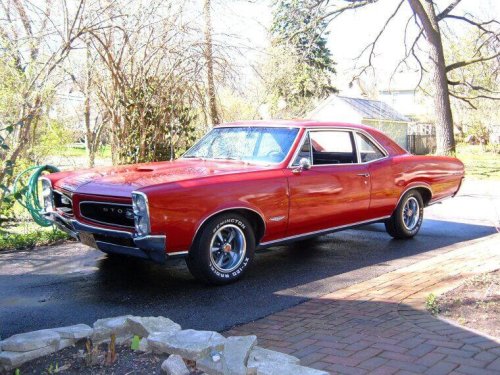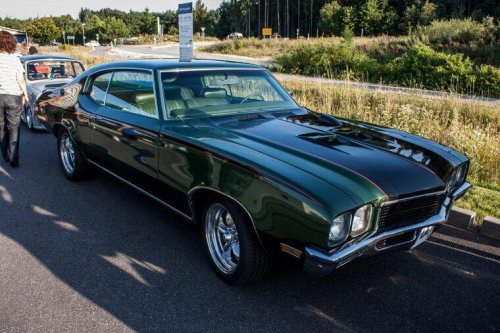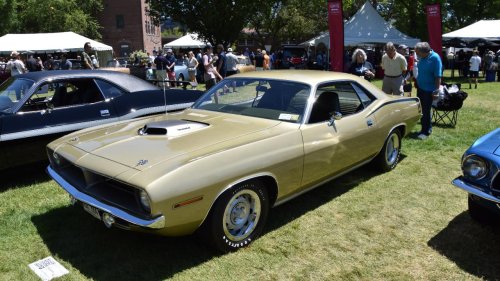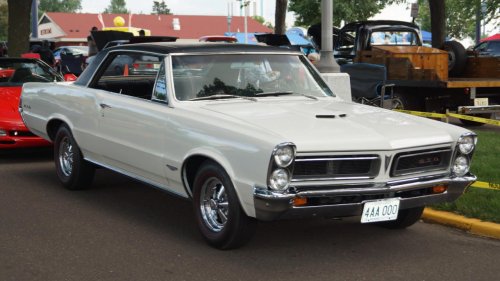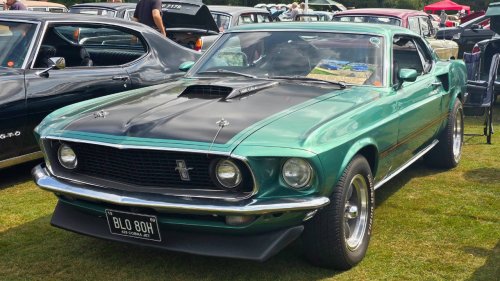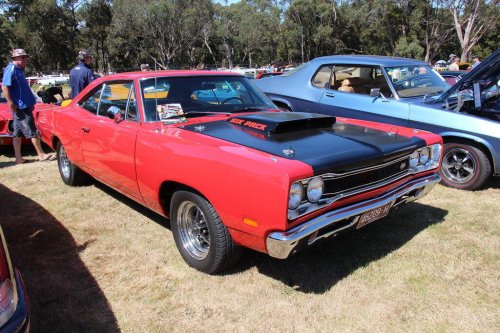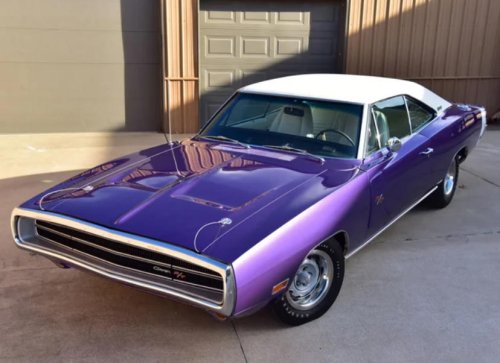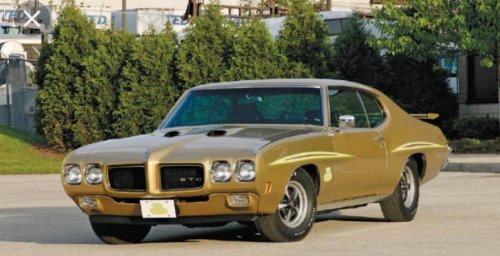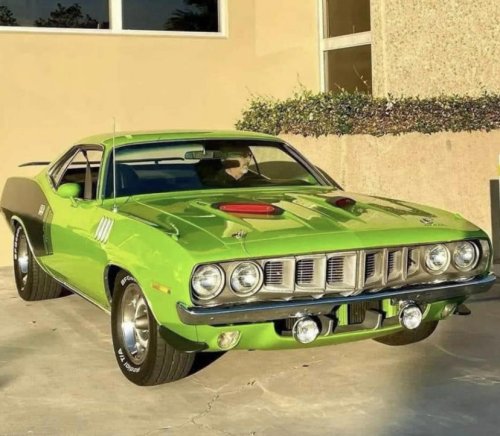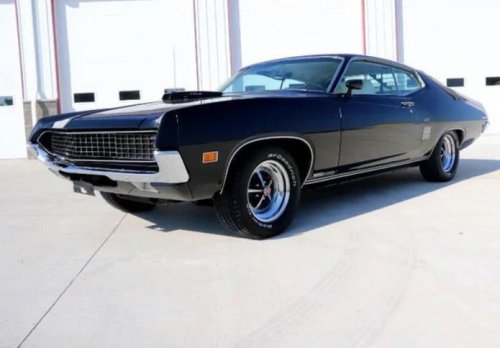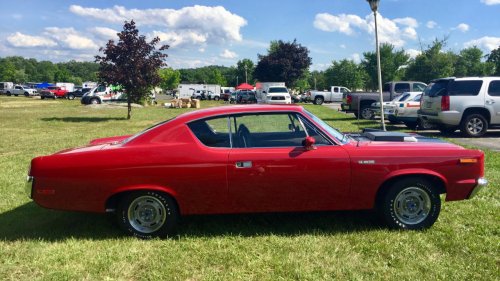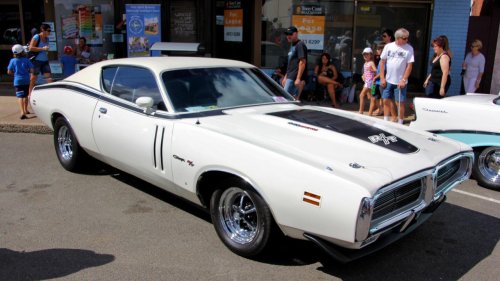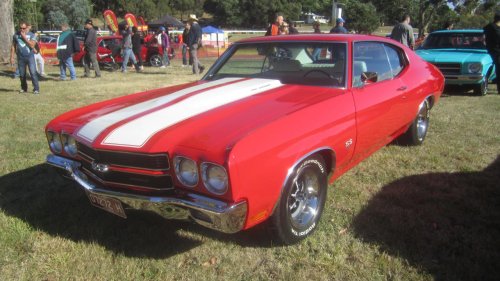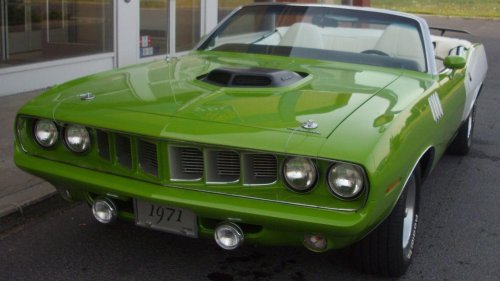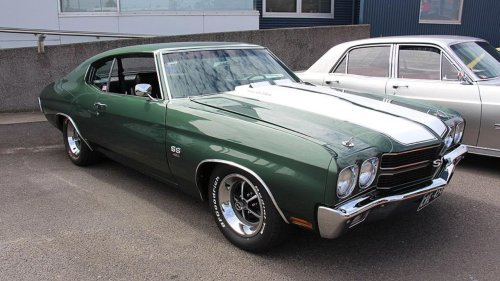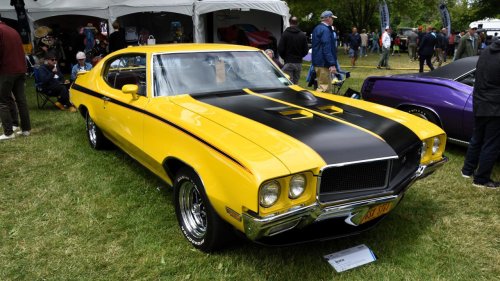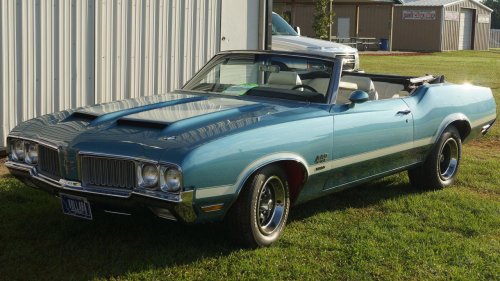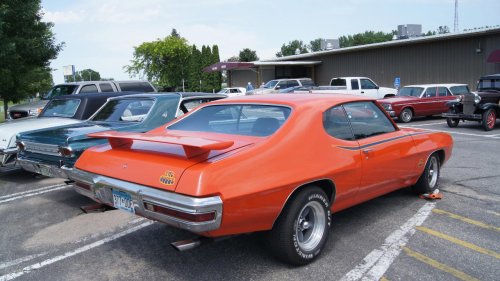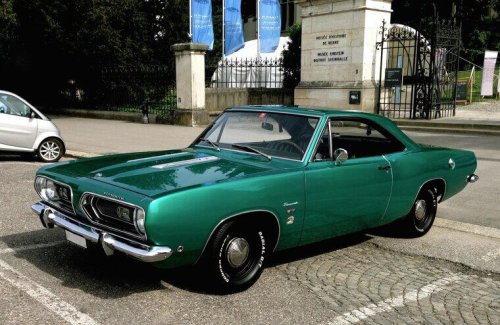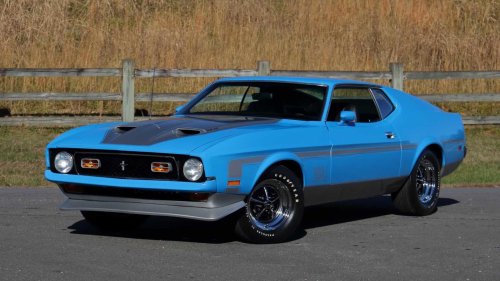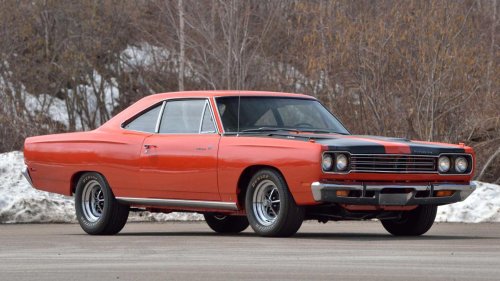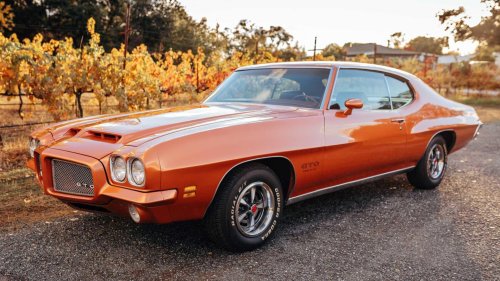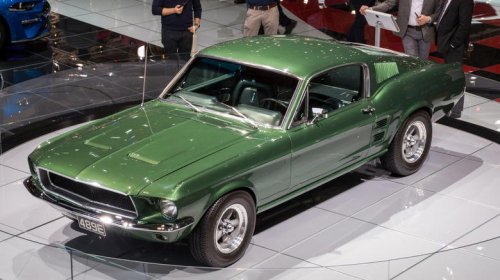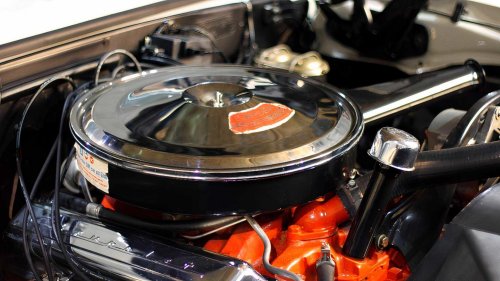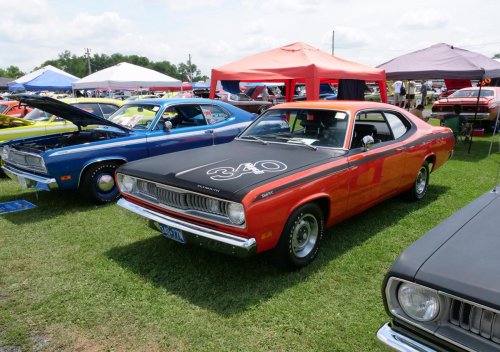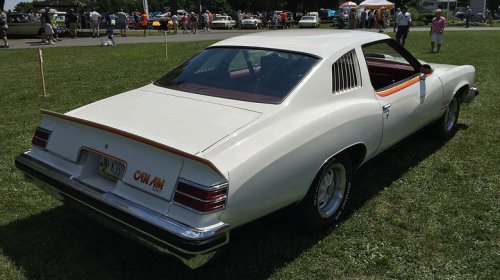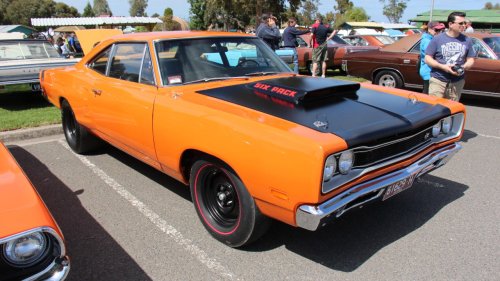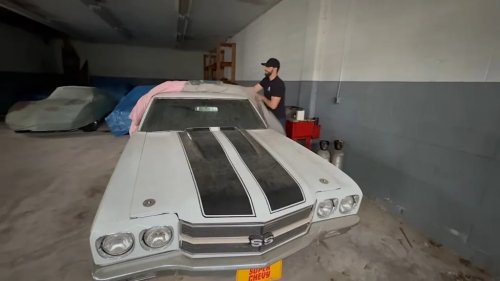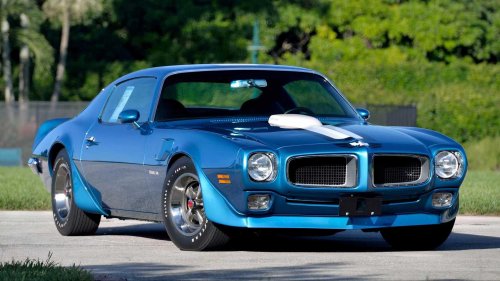
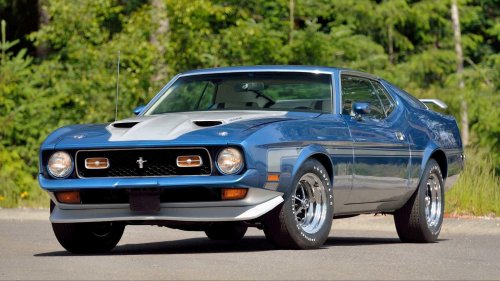
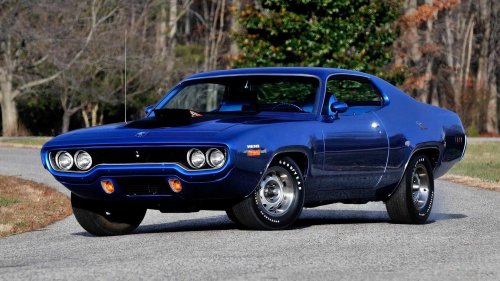
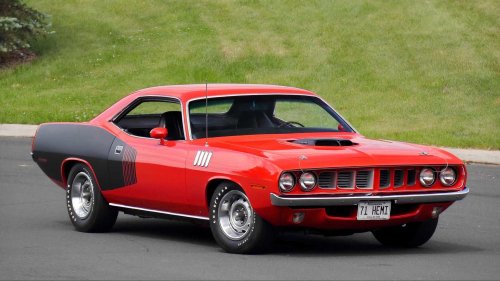


















Probably due to the fact that OG muscle cars are so completely kickass, it feels like the classic era was epic, but in reality, was a blip in time. The 1964 Pontiac GTO ushered in the golden age of American muscle, and just seven short years later, it was effectively over. There were a lot of things going on in the early 1970s, like a global oil crisis that had consumers demanding better fuel economy, and government mandates for car emissions that had all of Detroit detuning their engines. This was fine for family cars, because 13-second ETs weren't necessary for a grocery store run, nor was 450 horsepower helpful in the snarled traffic of a daily commute.Muscle cars, on the other hand, were defined by their obscene power, and without that killer instinct, they ceased to be. 1971 was the last great year for American muscle, before the malaise of the Dead Horsepower Era robbed them of their street glory. It was also the final year for the 426 Street Hemi, which was the defining engine of the era. Most of the major players, like the Chevrolet Chevelle SS and the Plymouth Barracuda, continued on, but instead of smoking Mustangs, they were struggling against Pintos. 1971 was the end of an awesome era, but went out with a bang, producing some of the greatest muscle cars of the Golden Age. 1971 Pontiac Firebird Trans Am 455 HO Power: 335 HP Mecum GM had already started detuning its engines in 1971, but a lot of that may have just been further underrating them, which they were notorious for. A 1970 455ci HO V-8 allegedly produced 370 horsepower, while the version in the 1971 Pontiac Firebird Trans Am was said to be down to just 335 ponies.Both of those power ratings are a farce, as the '71 Trans Am 455 HO could run a 13.8-second quarter-mile, and it takes a lot more than 335 horsepower to achieve that level of quickness. The Trans Am is the one car on this list that actually didn't suck after 1971, as the '72 455 HO was demoted to 300 horsepower, but still managed a quarter-mile in the 13s. 1971 Pontiac GTO Judge Power: 335 HP Mecum The 1964 Pontiac GTO opened the door for American muscle, and the 1971 GTO Judge slammed it shut, breaking off the handle in the process. The high-performance Judge variant was discontinued mid-model year in 1971, and the GTO was reverted to an option package of the LeMans in 1972. Hardly anyone bought a '71 GTO Judge, with just 357 hardtops and 17 convertibles moving in its final hurrah (Hagerty), making them among the rarest Pontiacs of the classic age. It's definitely a shame that the mighty GTO went out this way, and really, it was the consumers' loss because a '71 Judge with its underrated 335-horsepower 455ci V-8 was not just a Goat, but the G.O.A.T of the nameplate. 1971 Buick GS 455 Stage 1 Power: 345 HP Mecum The 1970 Buick GS 455 Stage 1 was one of the quickest cars of the classic era with a blistering 13.38-second quarter-mile run. It did so with the power of its 360-horsepower 455ci V-8, boasting a monster 510 lb-ft of twist with the Stage 1 performance package. By 1971, the Buick 455's juice was a little pulpier, but at 345 ponies and 460 lb-ft, it still delivered a potent shot of Vitamin V-8. There are no credible performance stats on the '71, but it stands to reason that if Pontiac 455s of that year were running in the 13s, the GS 455 with an engine that was a hundred pounds lighter could do the same. By 1972, the GS 455 was a sad 270-horsepower 14-second car that still looked badass, but lacked the muscle to back that up. 1971 Chevrolet Chevelle SS 454 LS5 Power: 365 HP Mecum The 1971 Chevrolet Chevelle SS is another classic ride that had a tough act to follow. The 1970 Chevelle SS 454 LS6 was the ultimate GM muscle car with 450 horsepower and scorching ETs in the low 13s. The LS6 variant of the 454ci V-8 was discontinued for the '71 Chevelle SS, replaced with the 454 LS5 pushing 365 horsepower and 465 pound-feet of torque.Despite losing 85 ponies, the '71 Chevelle SS 454's performance didn't suffer too much. 13 was the magic number in the Golden Age, so the fact that the '71 ran a quarter-mile in 14.0 seconds may seem like it was dropped from the Brotherhood of Bruisers, but that's close enough, and a little bit of wrenching would get respectable ETs again. There is no defending the 1972 Chevelle SS 454, however, as it dropped to 270 horsepower and was almost a 15-second car. 1971 Ford Torino Cobra 429 Power: 370 HP Via; Mecum Auctions There was no drop in power for the Ford Torino Cobra, whose 429ci Super Cobra Jet V-8 was rated at 370 horsepower and 450 pound-feet of torque in 1970 and once again in 1971. Ford did lower the 429's compression for 1971, but its rating stayed the same because the original power figure was already conservative. However, it did lose a half tic over the quarter-mile, running the distance in 14 seconds flat, versus the 13.99-second ET of the '70, but that can be chalked up to driver skill or just a bad case of the Mondays when it was tested. The CJ and SCJ variants were dropped in 1972, so the 429 that year was a sad parody of the once-mighty V-8, sputtering out a mere 208 horsepower. 1971 Ford Mustang Mach 1 SCJ 429 Power: 375 HP Mecum 1971 was the year that the first-gen Ford Mustang got a much longer nose and, with a base model notch-back, was kind of goofy looking. With the Mach 1 fastback, however, it was pretty damn wicked. Having the 429 Super Cobra Jet V-8 with the Drag Pak performance option went a long way (pun intended) to making this the last great 'Stang for decades.With 375 horsepower and 450 pound-feet of torque, the '71 Mach 1 zipped from 0-60 in 5.8 seconds, gobbled up a quarter-mile in 13.8 seconds, and had a top speed of 135 MPH. For 1972, the 429 was no longer available, so the Mustang Mach 1 was slumming it with a 351ci V-8 with quarter-mile ETs ranging from the not-very-good 14.9 seconds to the atrocious 16.5 seconds. 1971 Dodge Super Bee Six-Pack Power: 390 HP Mecum Introduced in 1969 for the Dodge Super Bee, the 440 Six Pack V-8 offered Hemi-like performance for a base model price. The 440ci engine featured a trio of two-barrel carburetors, producing 390 horsepower and 490 pound-feet of torque. Sadly, 1971 was the final year of the 440 Six Pack, but it had a proper retirement party gracing the Dodge Charger Super Bee. The Coronet-based Super Bee nameplate was discontinued in 1970, but continued on for one year as a trim for the third-gen Charger. Just like its predecessor, the '71 Super Bee had super-street performance with a 5.5-second 0-60 time and a correct 13.7-second quarter-mile run. For 1972, the 440 still existed but with a single four-barrel carb and a sorry 280-horsepower rating that made it almost a 15-second ride. 1971 Plymouth Road Runner Hemi Power: 425 HP Mecum As we mentioned from the beginning, 1971 was the final appearance of the 426 Street Hemi, which is the biggest reason why this was the last great year for classic American muscle. Also in '71, Mopar B-body cars got a major overhaul and the radical "fuselage" body design of the second-gen Plymouth Road Runner was arguably the hottest-looking Golden Age muscle car, but definitely the most underrated.Putting the 425-horsepower 426ci Hemi V-8 under the hood of such a killer ride made for a fitting tribute to the engine that owned the streets since its 1966 introduction. Only 55 Roadrunner Hemis were built in 1971, so there are no official test drives, but second-hand information from third-parties say this was a 5.3-second 0-60 and 13.55-second quarter-mile ride. Without the Hemi or 440 6BBL, the '72 Road Runner was as slow as the mid-16s. 1971 Plymouth Hemi ‘Cuda Power: 425 HP Red 1971 Plymouth Hemi ‘Cuda 3/4 front view Many people don't realize it, but the Plymouth Barracuda was the first pony car to hit the market, beating the Ford Mustang by a couple of weeks. Of course, the first-gen Barracuda didn't have quite the impact as the Mustang, mostly because it was hideous, but by the second generation, it was pretty cool, though it flew under the radar. The third-gen Barracuda, on the other hand, was a sensation, mostly based on the sheer awesomeness of the 1970 Hemi 'Cuda. In 1971, it got a little bit more badass with the "saw tooth" grille and triple side gills, which were perfect for an oceanic apex predator. With a 13.1-second quarter-mile, the '71 Hemi 'Cuda was thequickest factory muscle car of the decade and with only 71 examples made for 1971, one of the rarest Mopars ever. In 1972, this glorious car was reduced to a 240-horsepower 15-second ride, making it more of a manatee than a killer fish. 1971 Dodge Challenger Hemi R/T Power: 425 HP MecumWhile GM had begun to slightly detune their engines in 1971, Mopar held strong with the 440 Six Pack and 426 Street Hemi for their final years. This meant that the 1971 Challenger Hemi R/T was every bit as amazing as the 1970 version. Dodge's E-Body companion to the Plymouth Barracuda was actually more famous, starring in the Barry Newman classic chase film Vanishing Point.With only 63 Challengers equipped with the iconic 425 horsepower, 490 pound-feet of torque 426 Hemi V-8, the '71 R/T is a genuine unicorn car. It's also the last time a Challenger kicked any serious ass until the nameplate was rebooted in 2008. The '71 Challenger Hemi R/T ran in the low 13s, while its '72 counterpart was flirting with the 15s, making it the last true Mopar muscle car of the Golden Age and the greatest thing Dodge ever made until the new Millennium.Sources: Hagerty, Chrysler, Ford, GM