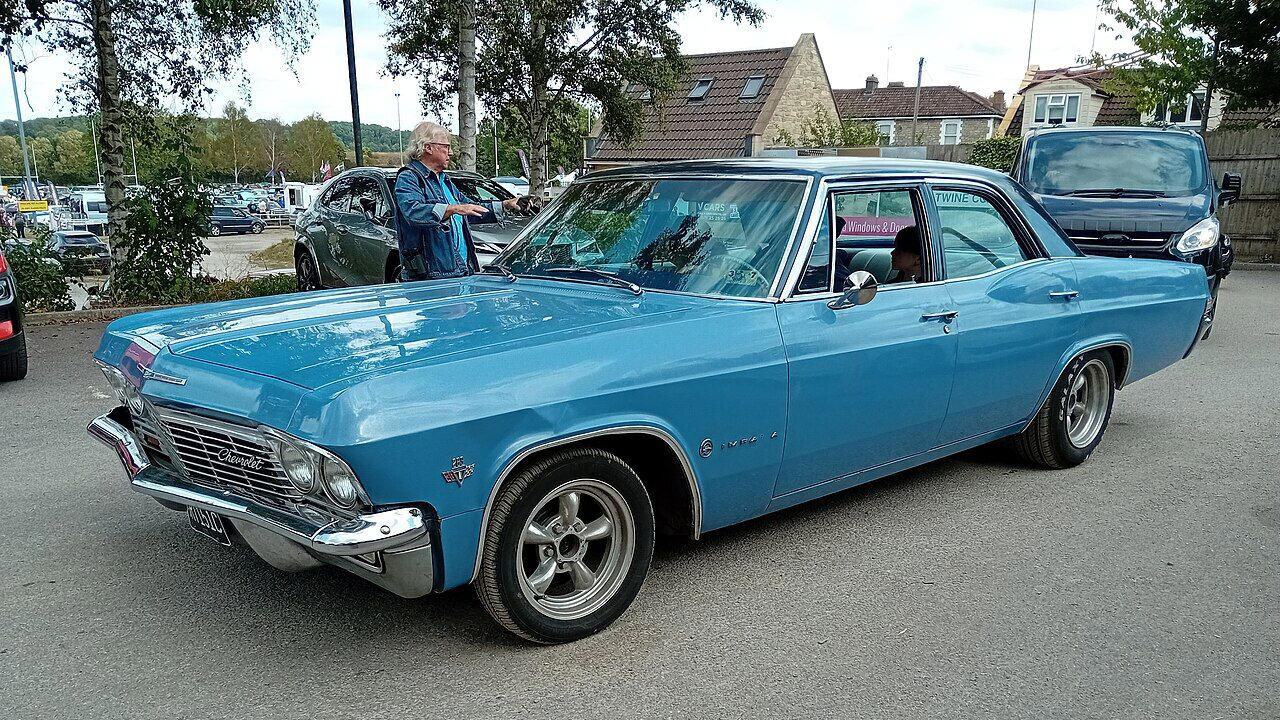
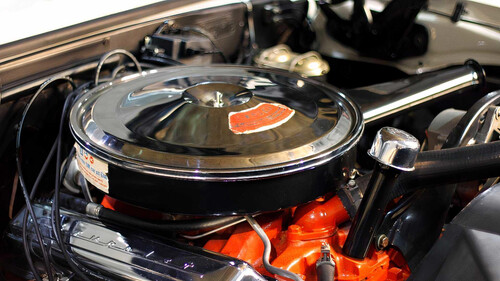
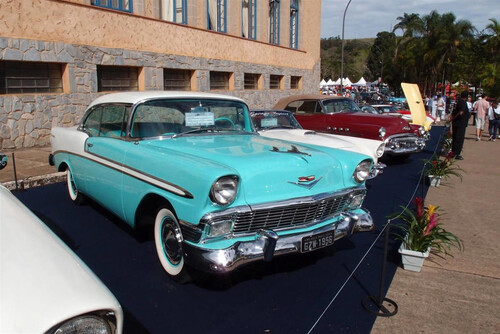
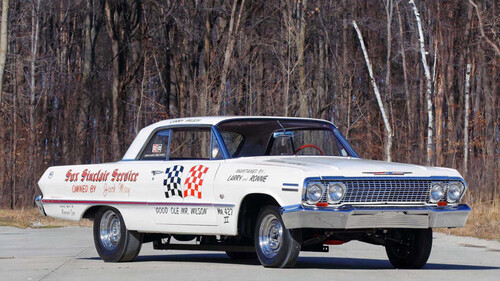
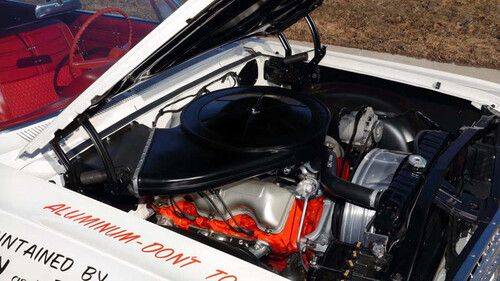
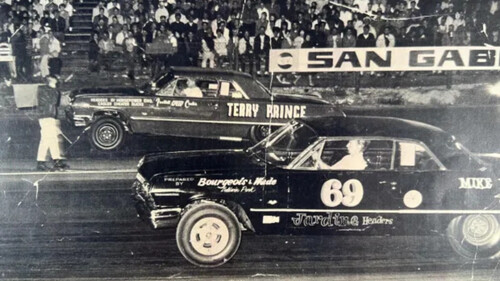
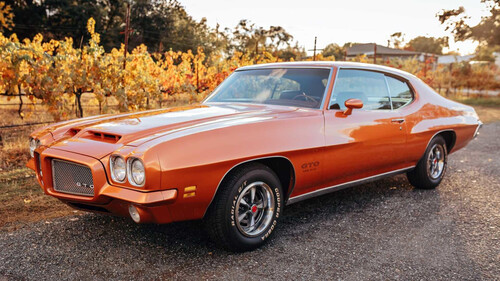
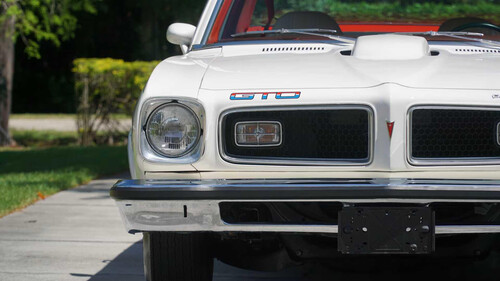
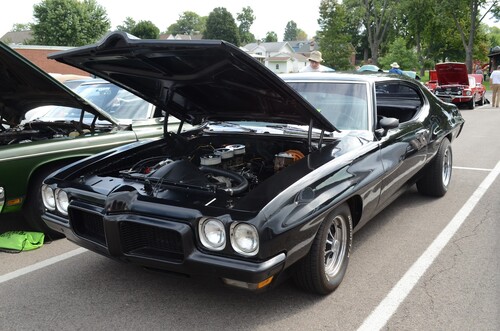
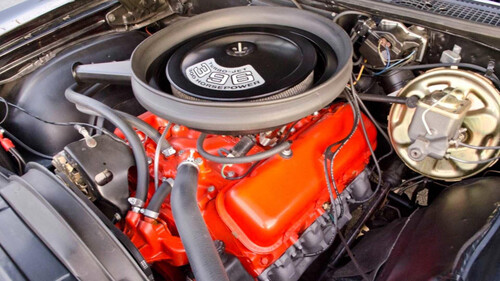
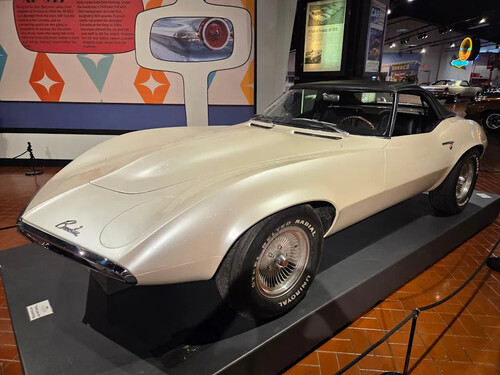
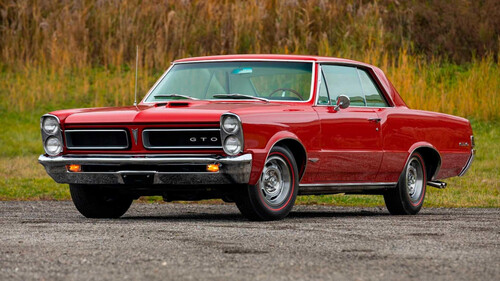
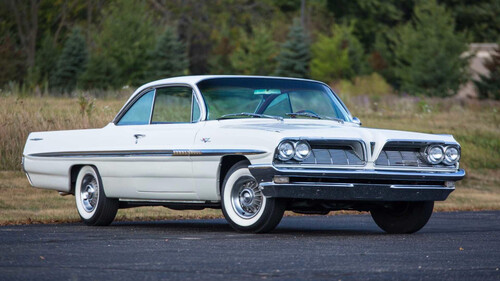
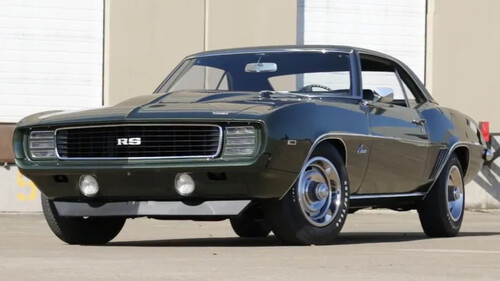
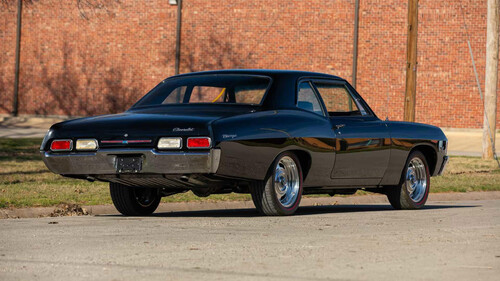
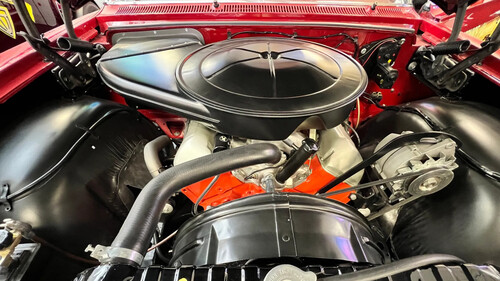
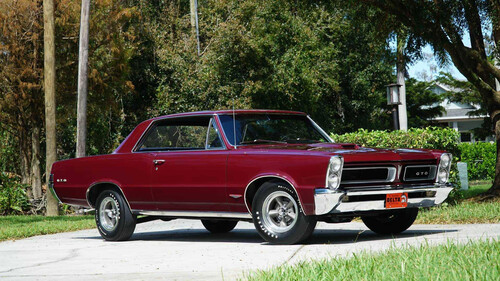
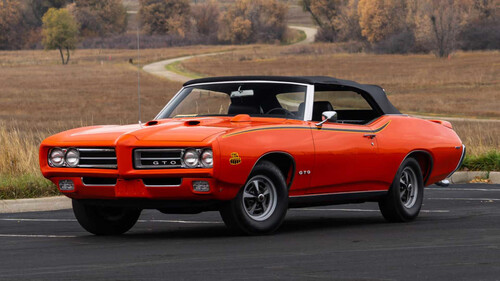
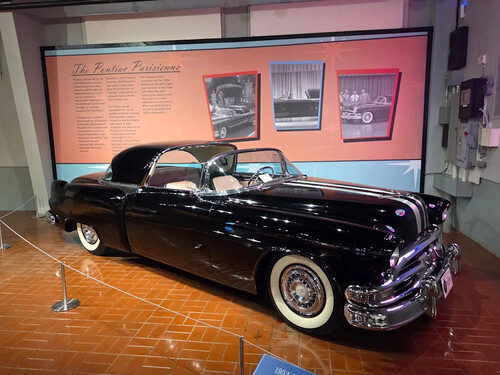
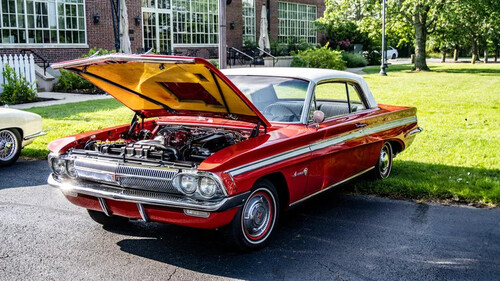
American muscle cars were typically rated by how fast they were in a straight line. This meant completing a quarter-mile run to boast impressive times. Most of these cars packed massive engines that could produce tons of power. These cars were built at a time when everything was mechanical, which meant the average gearhead could tune them up and work on them.Before the 1964 Pontiac GTO – widely considered America's first muscle car – hit the market, one model stood out as a fast and impressive car. This car appeared only a couple of years before the first official muscle car, and it came from one of the most active muscle car brands of the time. The car was the 1962 Chevrolet Bel Air 409 “Bubble Top,” and it was a sweet ride for anyone who had one.The 1962 Bel Air 409 became a cultural icon thanks to its inclusion in the 1962 Beach Boys hit “409,” which spoke glowingly about this incredible car. At the same time it was being sung about, the Bubble Top Bel Air 409 was dominating NHRA Super Stock classes, leaving little doubt that Chevy had built something special. The combination of a lightweight build and massive power became the precursor to later muscle cars, including the GTO, Road Runner, and Chevelle SS. The 1962 Chevrolet Bel Air 409 “Bubble Top” Was Blisteringly Quick American Muscle Car Museum The Bel Air 409 was quick and would even put up good numbers today. This car could finish the quarter-mile sprint in less than 13 seconds most of the time, and did so at 110 MPH. This was at a time before muscle cars took off, and these times became part of bragging rights for most cars. Chevy Was On The Right Track By the early 1960s, American automakers were ramping up performance to dominate both street and strip. While the term “muscle car” wasn’t in common use yet, the 1962 Chevrolet Bel Air 409 was a precursor to the muscle car movement, offering brutal performance in a relatively affordable package. This was especially true in the "Bubble Top" configuration, which made the car lighter and more aerodynamic than the Impala coupe. Dyno Don This car was part of the Super Stock drag racing wars of the early '60s and became legendary for its raw power and acceleration. Drivers like “Dyno Don” Nicholson helped cement its place in drag racing history. He was an integral part of helping the NHRA grow to what it is today. Despite the lack of events during the 1960s and 1970s, it is estimated he won 90 percent of his match races and held the record for the most number of categories in which he reached the final round. This record stood until 2002. The 1964 Pontiac GTO Was The First Real Muscle Car MecumThe GTO is legendary with car enthusiasts and is considered the holy grail to some. The 1964 Pontiac GTO began what would be known as the American Muscle Car Era. The GTO was actually a trim option package on the Pontiac Tempest LeMans car. This package gave the car a high-performance 389 cubic-inch V8 engine, dual exhausts, special GTO nameplates, and dual hood scoops.A heavy-duty three-speed or close-ratio four-speed manual transmission handled the power, and a Tri-Power engine could be had as well. The Tri-Power setup gave the GTO 348 horsepower, while the traditional version made 325 horsepower. How Quick Was The GTO? The 325-horsepower GTO sped from 0-60 MPH in 7.7 seconds, which was enough to convince many drivers they wanted this car. The base price of $2,852 made the car relatively affordable. Pontiac sold 32,450 Tempest models with the GTO package during the 1964 model year. The Bel Air Pushed Ridiculous Power From Its 409 V8 425 Horsepower, 425 Lb-Ft Of Torque American Muscle Car Museum Many muscle cars that would come later didn’t hold a candle to the Bel Air 409 and its incredible power figures. The 409 cubic-inch (6.7-liters) OHV V8 engine sends power to the rear wheels in massive amounts. This car had dual four-barrel Carter AFB carburetors in its top-spec version and used either a four-speed Muncie or three-speed manual transmission. Some models have a three-speed Powerglide automatic transmission, but this was much less common with the 409 engine.The Bel Air 409 Bubble Top was quick, hitting 60 MPH in only 5.9 seconds, which was much better than most muscle cars that would come later. The top speed was 130 MPH, which might be paltry by today’s standards, but that figure was also higher than many of the other high-performance cars of the time. With the right tires, this car could complete the quarter-mile in 12.9 seconds at 110 MPH, making it a great choice for drag racers. Performance Attributes The 1962 Chevrolet Bel Air 409 Bubble Top was built on the GM B-body platform and weighed approximately 3,500 pounds. While that’s not light by today’s standards, it was in the 1960s when cars were made of steel and engine blocks were made of iron. The Bel Air had a front independent suspension with coil springs and a live rear axle setup with coil springs. As you would expect from a car in the early 1960s, it had drum brakes at all four corners and rode on 14-inch steel wheels from the factory. Many drag racers swapped out the wheels and tires for track-oriented performance. The Bel Air's "Bubble Top" Design Was Unique For Its Time American Muscle Car MuseumThe idea of a bubble top car had been around for a while before the Bel Air 409 appeared. It was used on concept cars from GM, with the 1954 Pontiac Bonneville Special showing up with a transparent greenhouse called a bubble. In this case, it was actually a bubble without any pillars and minimal support structures for the windows.The 1962 Bel Air wasn’t quite as futuristic as the Bel Air concept car, but still very cool. The roof sat on very thin A and C pillars with no B pillar between to separate the front windows from the rear. This allowed for a lot of glass and excellent visibility. The graceful design of the sweeping A-pillars and leaning C-pillars with rounded glass in the rear made for a unique look. Argument And Heat The 1961 Chevy Impala nailed the bubble top look, but some insist the only car that should wear the tag is the Bel Air. This might seem a bit strange since the two cars have the exact same roof. This has been the subject of many arguments over the years.As cool-looking as the bubble top is, it's not cool during your ride. Keeping in mind the automotive world of the early 1960s, the large amount of glass, which didn’t have any UV protection, would be extremely hot inside the car. During the winter, it could get very cold in the Bel Air as well, but at least the driver had a cool car to drive and enjoy. How Much Is The Bel Air 409 Worth Today? American Muscle Car Museum The Bel Air cost between $2,700 and $3,200 in 1962, but today, many models sell at auction for more than $80,000, and some fetch as much as $160,000. This car was relatively rare in 1962. Chevrolet built more than 1.16 million full-size cars during that year, but only 5,950 were Bel Air 409 Bubble Top models. The premium value for this car is achieved with the original 409 cubic-inch engine and the four-speed manual transmission. This is a collector’s version of the car, and it fetches top dollar at auction. Bel Air 409 Bubble Top Legacy The 409-powered Bel Air helped define early American performance and inspired the muscle car era. This was the muscle car before the official era began with the GTO. The Bel Air Bubble Top is now a highly sought-after classic.