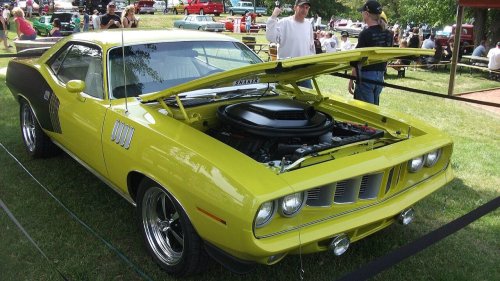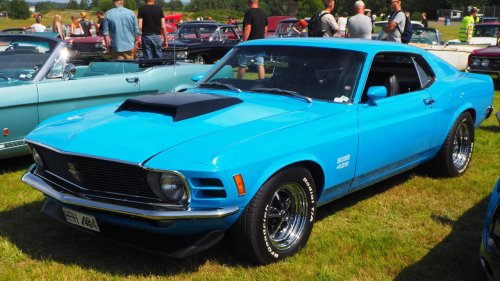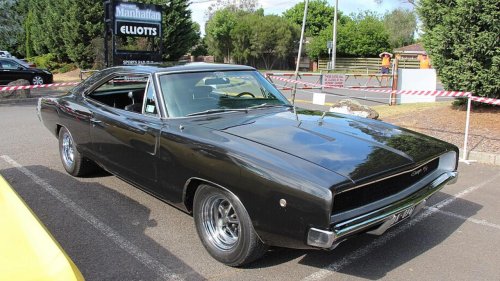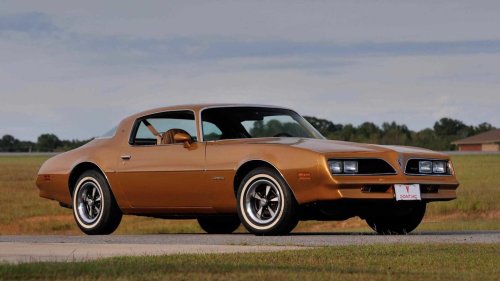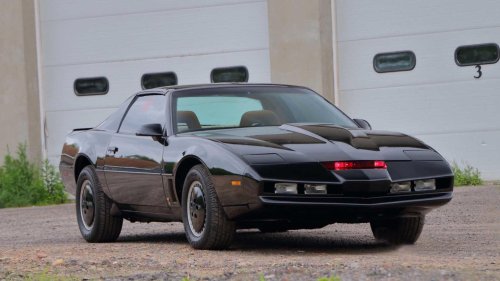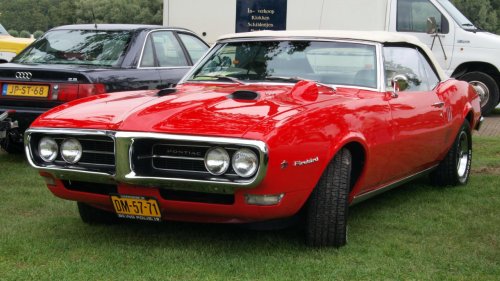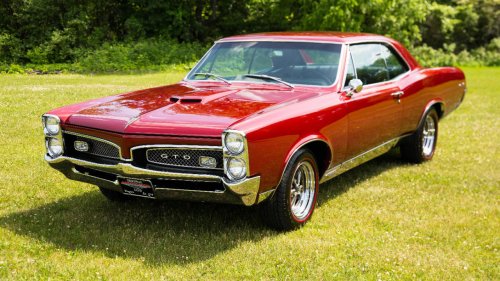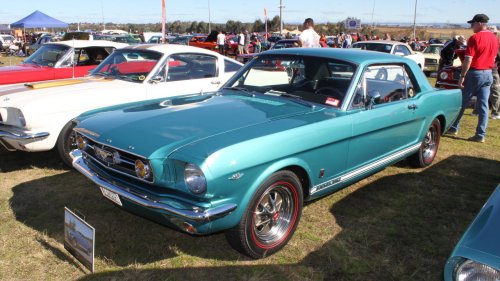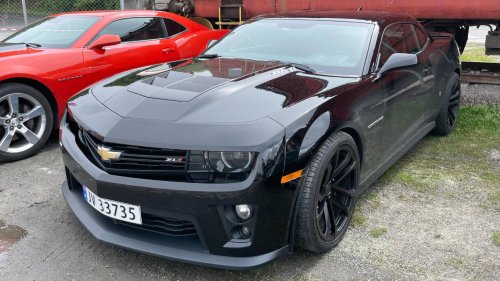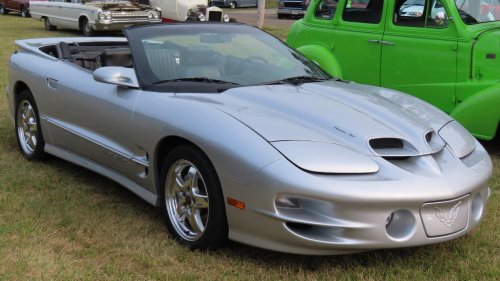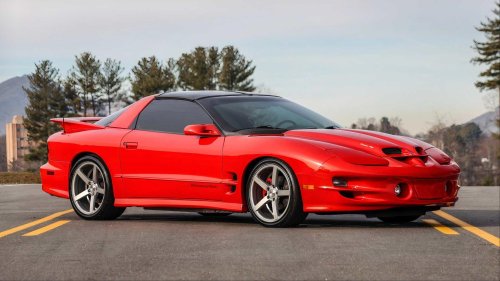
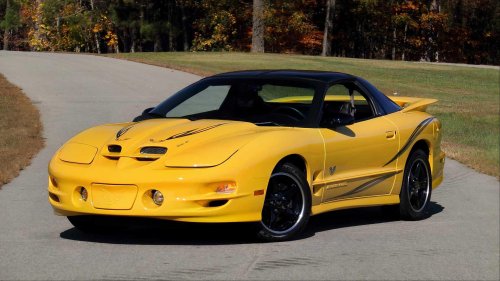
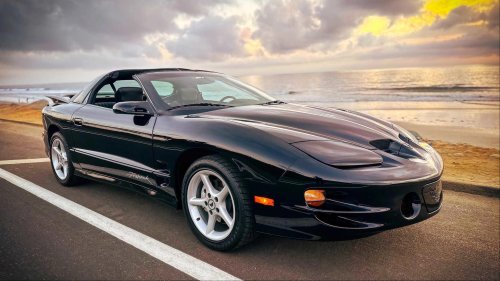
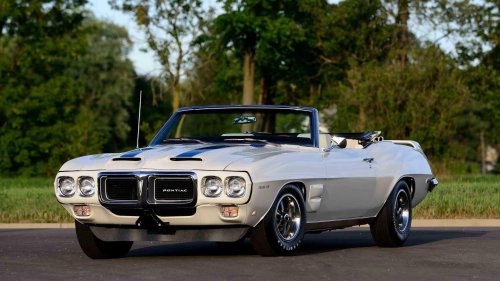
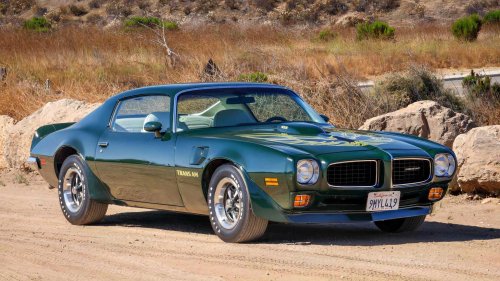
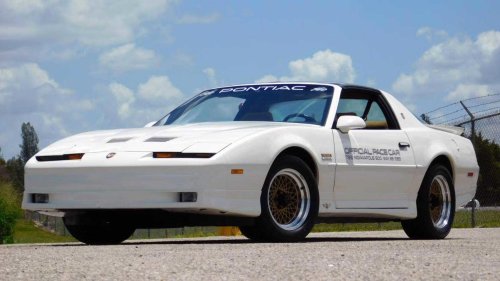
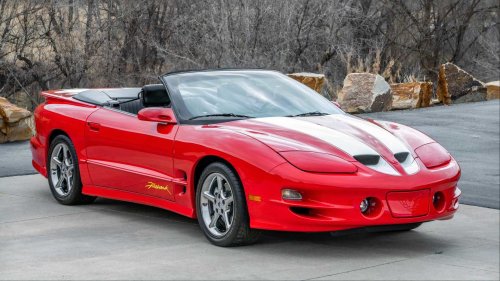
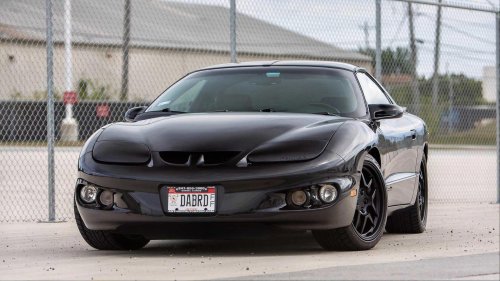



















If you had told people in the early 2000s that some time in the near future their lives would be consumed by liking pictures of what other people had for dinner at Chilis, watching videos of kids eating laundry detergent, and following the inane lives of untalented nepo-babies, they would have looked at you like you were crazy. Flash forward a couple of decades, and that's where too many people are, thanks to social media. Just as bonkers to our Dawn of the Millennium selves is the idea that muscle cars would have human-esque Internet profiles, but now the Dodge Charger has its own YouTube channel, the Chevy Camaro is on Instagram, and the Ford Mustang has a Twitter/X account.One muscle car that never got to amass followers is the Pontiac Firebird, which was discontinued just prior to the social media explosion of the early Aughts. Both the Camaro and Charger had previously been laid to rest, but they saw triumphant returns in the age of social media and went on to TikTok stardom. Unfortunately for the Firebird, there was to be no rising from the ashes, because the Pontiac division was also kicked off the GM platform in 2010, making a reboot impossible. This, however, isn't a tragic tale as, thanks in part to the Interwebz, the Pontiac Firebird is more popular than ever with fans and collectors who have rediscovered one of the greatest muscle cars ever conceived. That Time Pontiac Deleted The Firebird App Mecum The fourth-generation Pontiac Firebird is one of the most underrated muscle cars of all time, with wicked styling and serious performance, especially with the 1998 mid-cycle refresh. The Tran Am's standard 310-horsepower 5.7-liter V-8 had impressive variants that knocked the power up to 345 ponies courtesy of a Corvette-sourced LS1 V8, putting the Firebird into the Corvette class of performance. Despite the Firebird's sheer awesomeness, the early 2000s were a weird time when a lot of people who would normally be attracted to a muscle car started turning towards the truck and SUV segments, so sales were down.Things weren't exactly dire, though, and everyone kind of expected a fifth-gen Firebird that surely would have bumped sales up, but in a shocking move, Pontiac pulled the plug on its iconic pony car in 2002. The last Pontiac Firebird ever made went out with a choice of either a 3.8-liter V6 or a respectable 325-hp LS1 V8, giving it a 0-60 mph in 5 seconds flat and the 1/4 mile in the mid-13s. No MySpace for the Iconic Muscle Car Mecum There are a lot of reasons why the Firebird was discontinued, and, as you can probably guess, are all heartless corporate maneuvering. In the early 2000s, GM's hivemind leadership felt that they had too many models that overlapped, which most people would think that either the Camaro or the Firebird would get the ax, but not both. Instead, they dealt with overlap with overkill by discontinuing both cars and the F-Body platform they were built on.Another cost-cutting reason for the demise of this iconic nameplate was that new federal safety regulations were set to take effect in 2003, which would have required a major redesign of the F-Body, and, rather than give next-gen Firebirds, they just flipped a bird and canceled it. It was literally GM saying they had no space in their line-up for one of their greatest nameplates. An Eggplant Emoji to Firebird Fans Bring a Trailer While sales were down, there wasn't a freefall with only a few thousand fewer cars from the late-'90s to early-'00s. Realistically, Firebird sales were fairly consistent throughout the entire fourth generation, moving 14,112 units in 1993 and 23,330 in 2002, with a high of 51,026 in 1995.The Firebird still had a dedicated fan base, which should have made it a viable product for GM, but instead of making a fifth-gen, they gave us stinkers like the Saturn Vue, Chevy SSR, and the god-awful Pontiac GTO reboot, which was a badge-engineered Holden Monaro. Pontiac did send the Firebird out with a 2002 Trans Am Collector Edition, which was mostly an appearance package that seemed more like an insult than a fitting tribute to this legendary ride. Longtime fans were certainly underwhelmed by this half-assed gesture. The Legacy Of The Pontiac Firebird Via: Mecum Auctions Unceremoniously discontinuing the Firebird was an affront to the legacy of the baddest thing GM ever produced. Debuting in 1967, the Firebird was supposed to be a lesser version of the Camaro, but it definitely outshone its cousin car. Pontiac applied some cooler sheet metal and front fascia, as well as packing it with Chevy-killing performance, for a decidedly hotter ride. Equipped with the Pontiac 400ci Ram Air IV, the Firebird was GM's first 13-second car of the Golden Age, while the Camaro SS 396 was still wallowing in the 14s.The first-gen also gave birth to the Trans Am performance trim, which has actually gone on to become more famous than the Firebird itself. Lasting just three short model years, the first-gen Firebird established itself as the premier American performance car and set the stage for arguably the greatest classic muscle car of all time. Firebird 2.0 Bring a Trailer Hitting the scene in 1970, the second-gen Firebird was a marvel of design with a long nose and tapered rear that managed to look both sexy and aggressive. This was such a visually appealing ride that Pontiac barely changed a thing on it all the way into the 1980s. It also packed a punch, initially with a high-revving 400 and then with the unbeatable 455ci V-8. 1971 was arguably the last great year for American Muscle, but somebody forgot to tell Pontiac, because while all other muscle cars were detuned caricatures of their former selves, the Firebird continued to kick all the ass until at least 1974. Even after that, the Trans Am stood above all others when it landed the role of Burt Reynolds's Screaming Chicken in the 1977 comedy classic Smokey and the Bandit. The car that was essentially a table scrap thrown Pontiac's way became the defining muscle of the 1970s and maybe one of the most memorable sets of wheels in American history. Last Firebird Update Installed Mecum When the third-generation Firebird landed in 1982, America was still stuck in the malaise of the Dead Horsepower Era, but the Pontiac muscle car was peppy for the time. With a 165-horsepower 5.0-liter V-8 top engine option, the Firebird was dusting the 120 ponies of the Mustang's 4.2-liter V-8, and by the end of the decade had a 3.8-liter turbocharged V-6, which made it one of the fastest muscle cars of the 1980s.Like the fourth-gen, the '82-'92 Firebird is underappreciated, but it definitely had some slick styling that fit its time perfectly. With a kind of an '80s/'90s sports car design, it also incorporated the bold stance of a proper muscle car that let everyone know it wasn't going to take any crap from Japanese or German imports. The Fox Body Mustang is most associated with the 1980s, but the Firebird was better in every measurable way. Corrupted Firebird File Leads To Pontiac System Failure Bring a Trailer Many people feel that the utter failure of the hideous Aztek is what really killed off the Pontiac brand, and that may be partially true, but there is another factor to consider. Pontiac discontinued the Firebird in 2002, which was just four years away from the Dodge Charger reboot and the birth of the modern muscle car era. Had Pontiac chosen to make a fifth-gen Firebird and equipped it with Corvette power, the name recognition alone would have given them the edge over Dodge as well as the slumping Mustang, which is to say they would have had a major hit on their hands. When the Pontiac division was mothballed in 2010, they didn't have anything in their line-up that anyone cared about, but if they were selling scorching Firebird Trans Am street machines hand over fist, it would have been difficult for GM to justify their discontinuation. Defunct Pontiac Firebird Finally Goes Viral Bring a Trailer Even though it's been almost a quarter of a century since the Pontiac Firebird vanished, it is now more popular than ever, thanks in no small part to the Internet and social media. While the Firebird didn't live long enough to get a LinkedIn profile, it is going viral with subreddits, YouTube channels, and Facebook pages. It's also gained popularity with a new generation of collectors, who hunt down choice rides from online auction houses like Bring a Trailer, which has amazingly listed almost 400 fourth-gen Firebirds since 2016. No other American muscle car from the 1990s has as much interest as the Firebird, and again, it's a dead nameplate. The classic Firebirds are doing even better, claiming insane prices at auction, which qualifies them as genuine influencers. Obviously, the Firebird can't make a return to its throngs of fans, but with a massive online presence, its legacy will never be forgotten.Sources: Bring a Trailer, Pontiac, GM