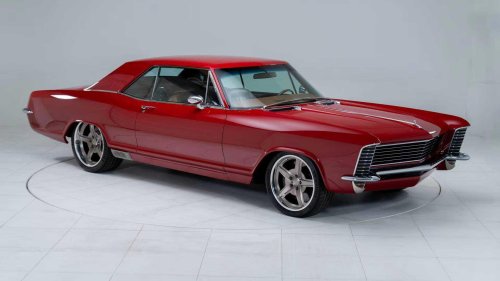
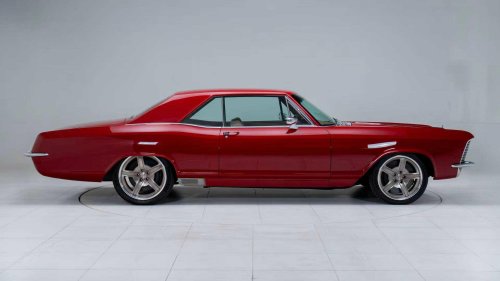
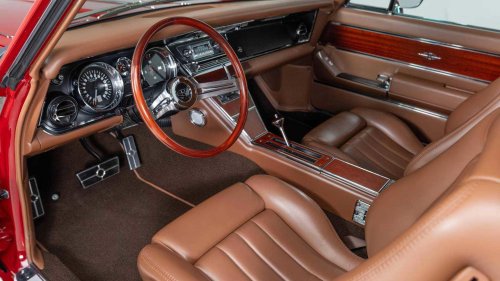
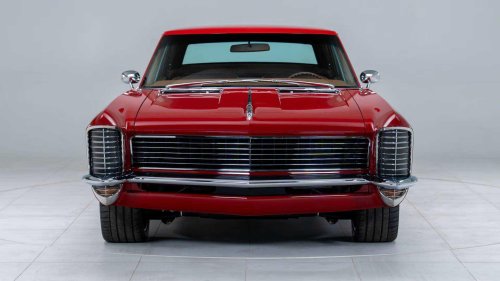
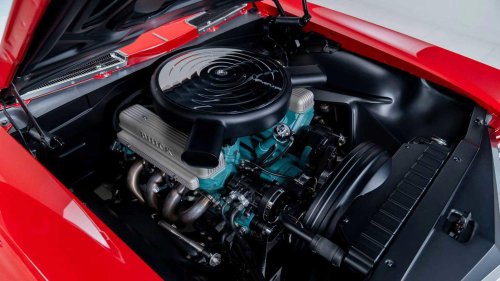
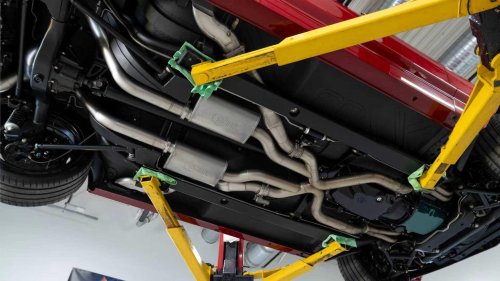
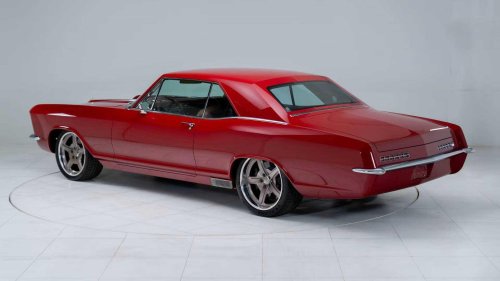



















The classic car world is filled with enthusiasts trying to either preserve history or do things as simply and cheaply as possible. As much love as I have for those types of builds, protouring restomods hold a very special place in my heart.Protouring restomods merge the vibes of classic and modern muscle cars by jamming today’s suspension and driveline systems under vintage steel. This combination gives motorists the best of both worlds, which is something I’ve always admired, and not just from the sidelines. I swapped a Gen-III Hemi under the hood of my '69 Charger along with a pro-touring suspension system for that very reason.I encountered a 1965 Buick Riviera restomod at Mecum Kissimmee that represents the exact opposite end of the spectrum that most enthusiasts thrive in. It’s a build that cost $1.25 million to put together. That price tag is absolutely insane to think about and is what many might argue is wrong with the segment these days. That said, it did present so well that I think it really can serve as the ultimate benchmark many builders should strive to meet. The Riviera Is An Underrated Gem To Begin With MecumThe 1965 Buick Riviera is the base platform of this build. If you ask me, these cars don’t get nearly as much appreciation as they should. They do have a bit of a cult following, but have never truly achieved the stardom of other cars of the '60s, despite offering the best of personal luxury and performance of the era.The original Buick Riviera was thought to be perfect by its designers. Its mix of aggressive styling into a refined package makes it easy to see why. At first glance, you know right away that this is a true gentleman’s car that’s just as fierce as it is comfortable.Mecum Looks aren't everything, either. In 1965, you could order one with an optional Super Wildcat Nailhead V8. This 425 cubic-inch beast was rated to produce 425 horsepower and 465 lb-ft of torque. That put it on par with other legends like the L72 427 or 426 Hemi that dominated the horsepower wars.Despite being some of the greatest Buicks ever built, Rivieras are among the most attainable ‘60s cars. According to Classic.com, they have an average price of around $40,000. If you want a restoration project, you can scoop them up for under $10,000 all day long. A Presentation That Won’t Quit Mecum As great as the car chosen for this build is, the craftsmanship really is the star of the show. Detroit Speed’s Riviera has one of the best presentations I’ve seen in the pro-touring restomod world. While many builds seem to put an emphasis on declaring their performance potential, this one took a very different approach. Its profound impact was thanks to a litany of subtle mods that work wonders for the final product.The oversized Forgeline wheels are the biggest exception to that statement, as are the massive carbon-ceramic Brembo brakes peering through them. Though, they are done so tastefully that they don’t command your attention or really even standout. Neither does the flush-mounted glass, reduction of chrome, or the finned vents forward of the rear wheels that all look like they might have been original equipment.At first, you might even think the interior is stock. Even with Recaro seats and a custom steering wheel and gauges, it all looks like a slightly modernized version of what Buick whipped up in the ‘60s at most, despite being worlds apart. Even the paddle shifters are very easy to miss. Modern Performance Hidden In Plain Site Mecum Once you're clued in on the paddle shifters, you'd likely assume to find some ugly, modern LS engine under the hood. That’s not the case, though. Even the engine has been dressed to look as close to stock as possible, resembling the original Nailhead these cars were famous for.After a moment of looking, you will notice that the spark plug wires are missing, and there are strange finned covers below the valve covers. These are surrounding the coil packs. The even spacing of the exhaust runners is another clue that this is no Nailhead.Mecum 1965 Buick Riviera Restomod Performance Specs This is actually an LSX engine in disguise, and it’s much more potent than the original V8. It’s been worked over to produce an incredible 730 horsepower. It’s backed by an automatic six-speed transmission that makes for a package that can cruise just as well as it could throw down, ultimately delivering the modern version of the spirit these cars had right out of the gate.The engine is breathing through a completely custom exhaust system. While it does route through mufflers, optional dumps give it the roar of a monster, which exit through the side vents before the rear wheels. Pro-Touring Suspension Beneath It all Mecum This car does its best to keep all its tricks a secret, which is the case for the suspension system it's riding on. I didn’t get to see it on a lift, but even then, you might not notice anything crazy right away. It was built by Detroit Speed, though, which happens to be one of the best names in the realm of pro-touring suspension upgrades.Pictures of the undercarriage show that all the upgrades have been made discreet with a black finish that helps them blend right into the rest of the car. It’s far from stock, though. There's a whole custom chassis beneath this Riviera.At the front end is Detroit Speed hydro-formed front suspension, complete with tubular control arms and a rack and pinion steering system. A 3-link outback helps to get the power to the ground and improve cornering. These mods, paired with larger wheels and tires and disc brakes to manage speed, all come together to help a car like this drive like a modern machine. The Ultimate Benchmark MecumNo. In no way, shape, or form do I think anyone needs to or even should spend $1.25 million to build a restomod. That’s way too much money that gets away from the everyman’s scope of reality, which is who these cars were built for in the first place. But I can look past that to appreciate what the builders have put forth.The subtlety of this build is the thing I think we could all stand to learn from. This Riviera is radical in every which way, but it doesn’t pound its chest about it. All of the big, performance mods have been blended into the rest of the car, if not hidden entirely, to let the body lines do the talking. Any cosmetic touches made left the original shape intact. Nothing about this car gets away from what Buick built in the ‘60s. In fact, it shows that the builders appreciate the car for exactly what it is, making updates that simply bring it to the modern age. It’s ultimately a reminder that there’s a lot to love about classic car designs and that there’s virtue in speaking softly while carrying a big stick.