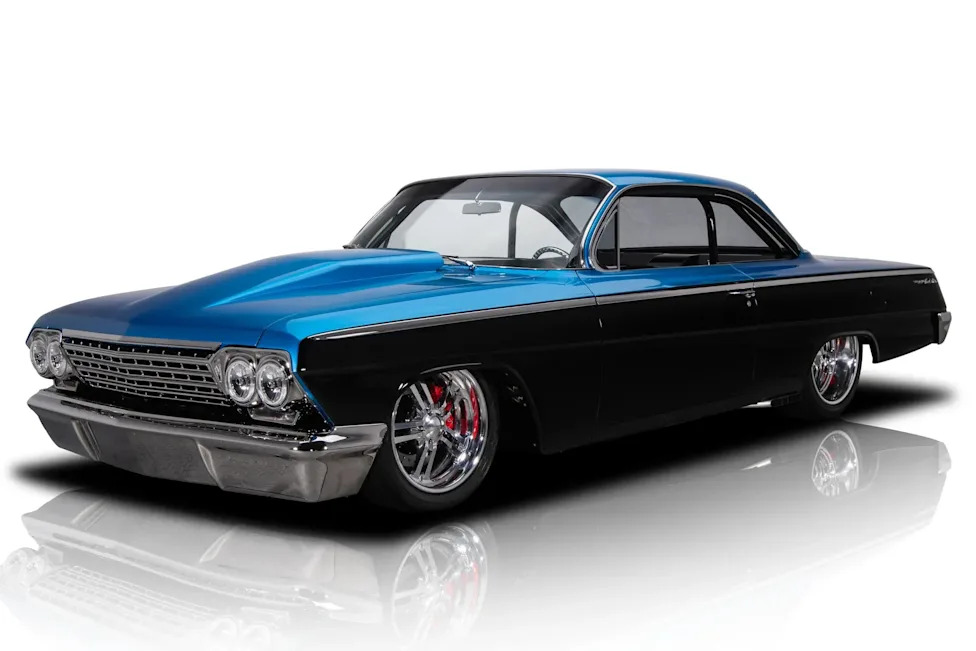
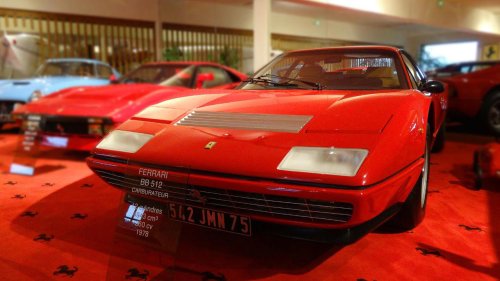
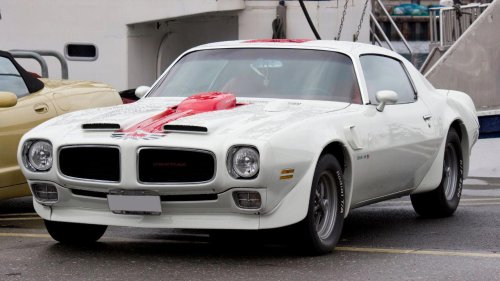
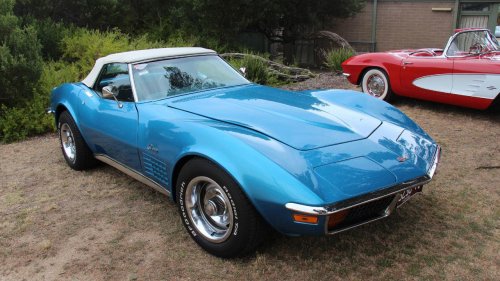
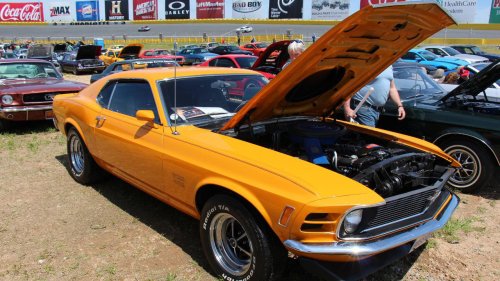
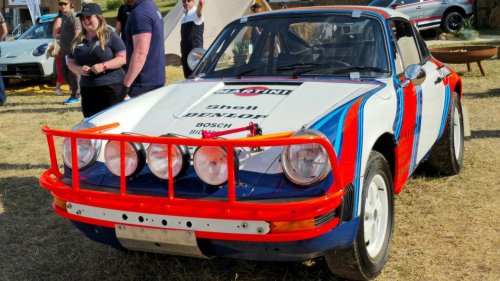
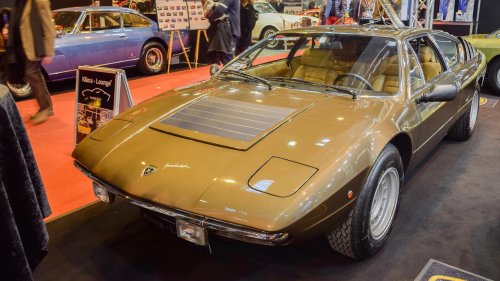
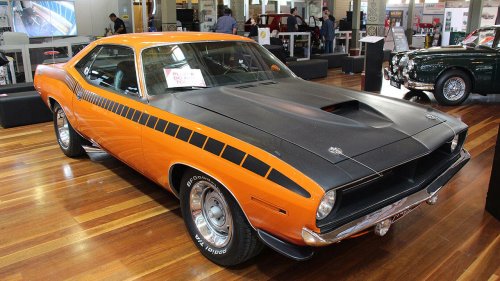
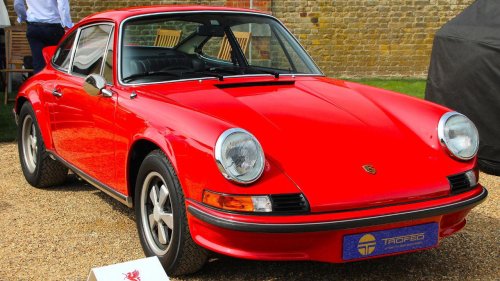
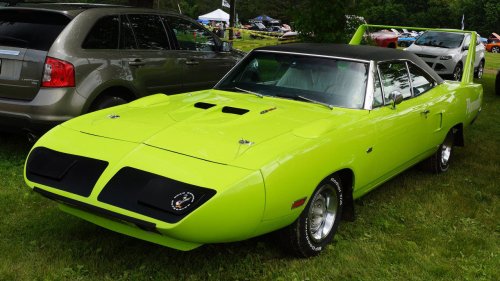
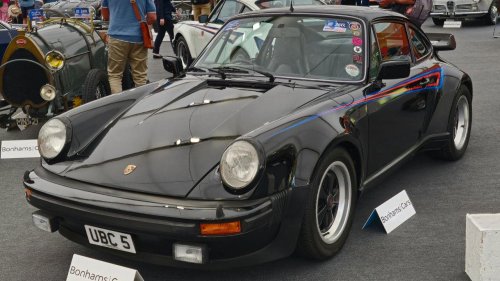
The Chevy Chevelle SS is an undeniable legend in the world of classic muscle cars. It had the looks, the power, and the street cred to back it all up. But here’s the thing—no matter how great a car is, there’s always something out there that’s faster, rarer, or just plain cooler. From track-tuned beasts to exotic machines built for speed and style, some cars managed to overshadow the Chevelle SS in performance, innovation, and pure wow factor. These are the classics that didn’t just compete—they raised the bar and left even the mighty Chevelle SS in the rearview mirror. 1978 Ferrari 512 Berlinetta Boxer Image Credit: Falcon Photography, via Wikimedia Commons, CC BY-SA 2.0 The 1978 Ferrari 512 Berlinetta Boxer is a machine that blends breathtaking design with serious performance. Crafted by Pininfarina, its sleek lines house a mid-mounted flat-12 engine, the precursor to the Testarossa’s powertrain. This 360-horsepower monster delivers 333 lb-ft of torque, rocketing from 0 to 60 mph in 5.4 seconds and pushing a top speed close to 190 mph. But it’s not just about speed. The 512 BB manages to balance exclusivity with a slightly more accessible price tag in the world of vintage Ferraris. Whether it’s the power, the design, or the sheer presence, this car left even the mighty Chevelle SS in its dust. 1971 Pontiac Firebird Trans Am 455 HO Image Credit: Spanish Coches, via Wikimedia Commons, CC BY 2.0 The 1971 Pontiac Firebird Trans Am 455 HO is all about raw, unapologetic power. Under the hood sits a massive 7.5-liter V8 cranking out 300 horsepower and an impressive 415 lb-ft of torque. With a quarter-mile time just under 14 seconds, this Trans Am was fast for its time. Limited to only 1,286 units, the 455 HO is a rare gem that stands out wherever it goes. Whether you’re cruising the open road or rolling into a car show, this Firebird has the muscle and attitude to steal the spotlight. It wasn’t just competing with the Chevelle SS—it was outclassing it. 1971 Chevrolet Corvette Stingray 454 LS6 Image Credit: Sicnag, via Wikimedia Commons, CC BY 2.0 The 1971 Corvette Stingray 454 LS6 packed serious muscle under its sleek fiberglass body. Chevrolet equipped it with the LS6 engine, a 7.4-liter V8 producing 425 horsepower and 475 lb-ft of torque. It was a powerhouse that made its presence felt on the road and at the track. With only 188 built, the LS6 Stingray is one of the rarest Corvettes of its era. Its design borrowed cues from Can-Am racers, prioritizing aerodynamics and performance. For those who value both power and exclusivity, this Corvette remains a standout from the golden age of muscle. 1970 Ford Mustang Boss 429 Image Credit: Sicnag, via Wikimedia Commons, CC BY 2.0 The 1970 Ford Mustang Boss 429 was engineered with a singular purpose: to house a NASCAR-developed 429 cubic inch V8. While factory ratings listed its output at 375 horsepower, the actual numbers were likely much higher, with some estimates reaching up to 500 or more with light modifications. Built to meet NASCAR homologation requirements, only 1,359 were produced, making it a highly sought-after classic. With a quarter-mile time of 12.3 seconds, the Boss 429 was built for speed and precision. Its aggressive stance and functional design make it one of the most memorable Mustangs ever made. 1978 Porsche 911 SC Image Credit: Calreyn88, via Wikimedia Commons, CC BY-SA 4.0 The 1978 Porsche 911 SC represented a turning point for the 911 lineup. Powered by a 3.0-liter flat-six engine producing 180 horsepower, it offered a balance of performance and reliability that set the stage for future models. At just 2,557 lbs, it felt agile and responsive, whether you were navigating tight corners or cruising down an open highway. One of the standout features of the SC was its design evolution. Black window surrounds and 15-inch ATS aluminum wheels gave it a sharper, more modern look. The SC was a sign of where Porsche was headed. 1976 Lamborghini Urraco P300 Image Credit: Alexandre Prevot – CC BY-SA 2.0/Wiki Commons. The 1976 Lamborghini Urraco P300 offered a taste of Italian performance with a more approachable price tag compared to its higher-end siblings. Under the hood was a 3.0-liter V8 producing 247 horsepower, a surprisingly high output for its size. The Urraco was light on its feet, delivering an engaging driving experience that made it stand out in its class. Designed by Marcello Gandini, the Urraco P300 didn’t rely on over-the-top styling to make its mark. Instead, it had a clean, understated aesthetic that hid its true capabilities. This was a car built for drivers who wanted Lamborghini performance with a dash of subtlety. 1970 Plymouth AAR ‘Cuda Image Credit: Sicnag, via Wikimedia Commons, CC BY 2.0 The 1970 Plymouth AAR ‘Cuda was built to bring racing pedigree to the streets. Named after Dan Gurney’s All American Racers, only 2,724 of these cars were produced, making it a rare find today. Under the hood sat a 5.6-liter V8 pumping out 290 horsepower and 350 lb-ft of torque, paired with a fiberglass hood and a functional center scoop to keep things cool when the engine was working hard. What sets the AAR ‘Cuda apart are its side-exit exhausts and ducktail spoiler, which weren’t just for show—they added a touch of aerodynamic function. With its bold graphics and racing roots, this ‘Cuda wasn’t just about speed; it was about style and purpose rolled into one unforgettable package. 1973 Porsche 911 Carrera RS 2.7 Touring Image Credit: MrWalkr, via Wikimedia Commons, CC BY-SA 4.0 The 1973 Porsche 911 Carrera RS 2.7 Touring is the definition of a classic sports car. Known as the fastest German production car of its time, it broke new ground with aerodynamic features like its iconic rear ducktail spoiler, which improved stability at high speeds. Under the hood, a 2.7-liter flat-six delivered 207 horsepower, making it as quick as it was innovative. Originally planned as a 500-car production run to meet racing regulations, demand for the RS 2.7 skyrocketed, and Porsche ended up building 1,580 units. The Touring version added creature comforts to the mix, making it a dual-purpose machine that was equally at home on the track or the road. 1970 Plymouth Superbird Image Credit: Greg Gjerdingen from Willmar, USA, via Wikimedia Commons, CC BY 2.0 The 1970 Plymouth Superbird was built with one goal in mind: dominating the track. This car was purpose-built for NASCAR, and it showed. The 426 Hemi V8 option was the star of the lineup, delivering 425 horsepower and a monstrous 490 lb-ft of torque. Whether you were burning rubber on the strip or cruising the streets, the Superbird soared. Its aerodynamic design was unlike anything else at the time. The massive rear wing and pointed nose weren’t just for looks; they gave the Superbird an impressive drag coefficient of 0.29, helping it cover a quarter mile in 13.5 seconds. On the NASCAR circuit, it performed so well that it forced rule changes. Few cars can claim to have rewritten the rulebook, but the Superbird did just that. 1978 Porsche 911/930 Turbo Image Credit: Calreyn88, via Wikimedia Commons, CC BY-SA 4.0 Known as “the widowmaker,” the 1978 Porsche 911/930 Turbo earned its reputation with a combination of raw power and unforgiving handling. Early models packed a 3.0-liter turbocharged flat-six engine with 300 horsepower, but by 1978, Porsche bumped it to 3.3 liters and added an intercooler. This update not only improved performance but also gave the rear wing an added role in cooling the engine. The Turbo’s 0-60 time of 4.9 seconds was blistering for its time, but it demanded respect behind the wheel. With no modern traction control to keep you in line, its rear-engine layout and sudden turbo boost could catch you off guard. The 930 Turbo wasn’t for the faint of heart, but for those who could handle it, there was nothing else like it. More from Fast Lane Only Unboxing the WWII Jeep in a Crate 15 rare Chevys collectors are quietly buying 10 underrated V8s still worth hunting down Police notice this before you even roll window down *Research for this article included AI assistance, with all final content reviewed by human editors.


















 +29 others