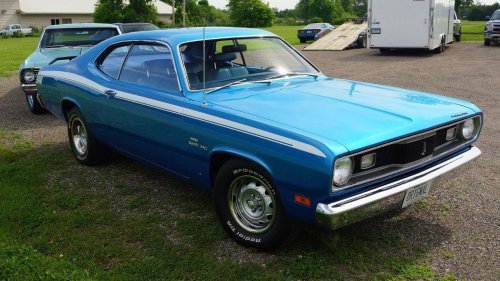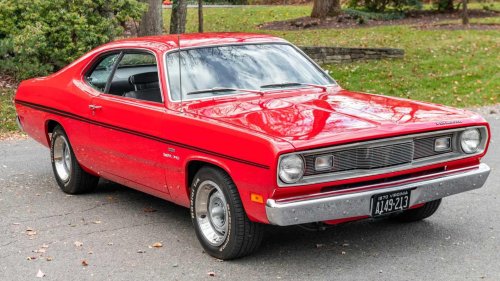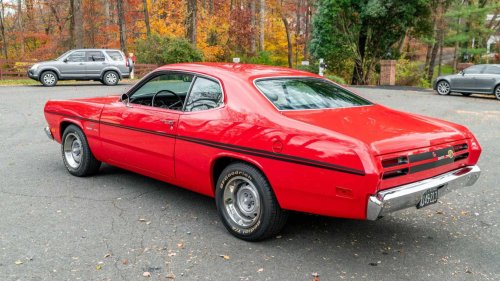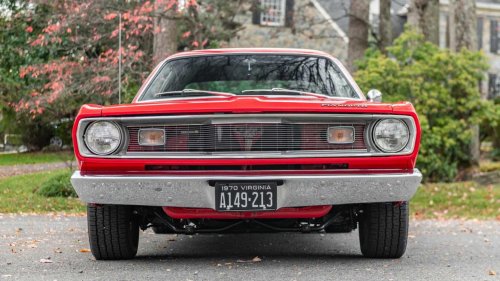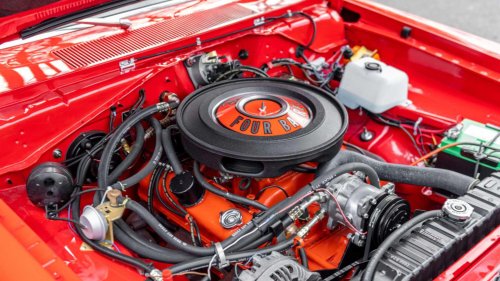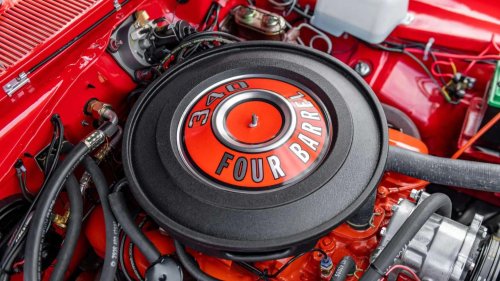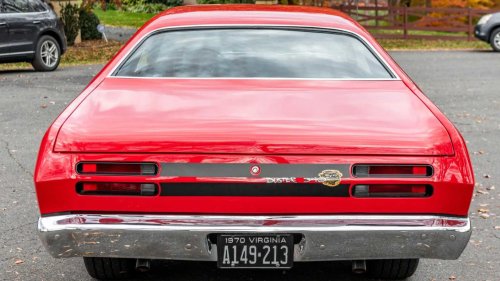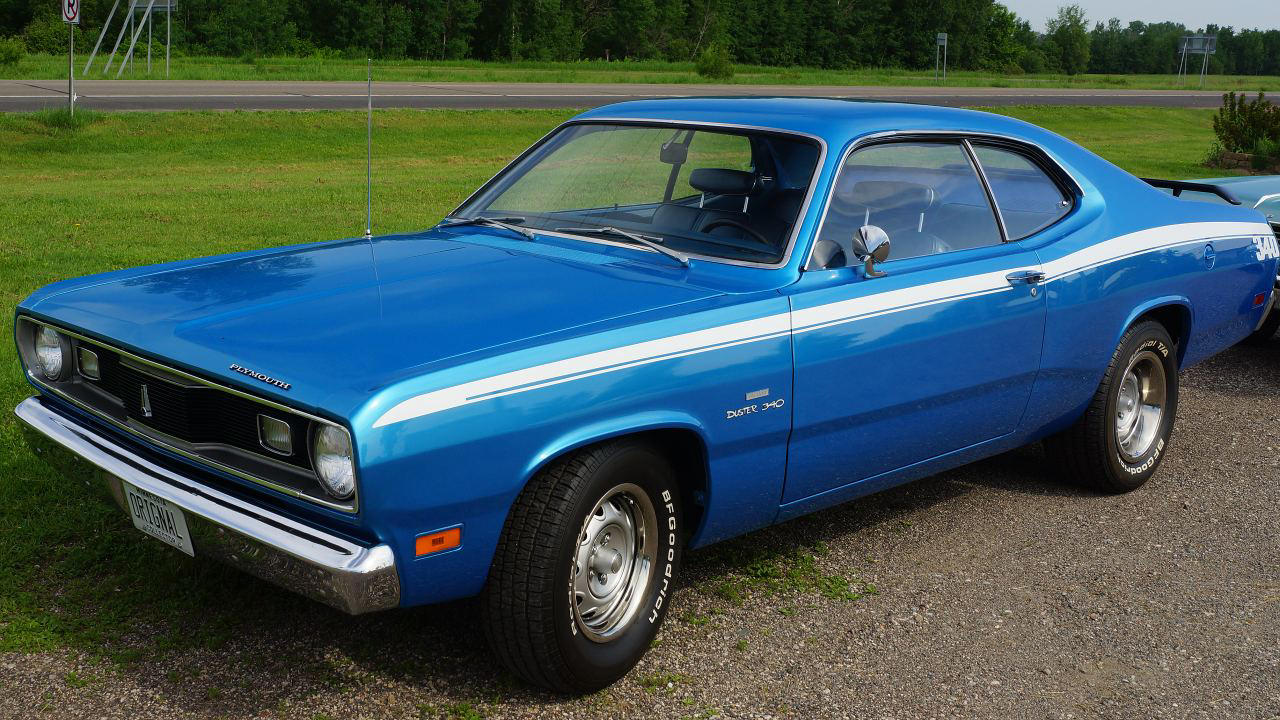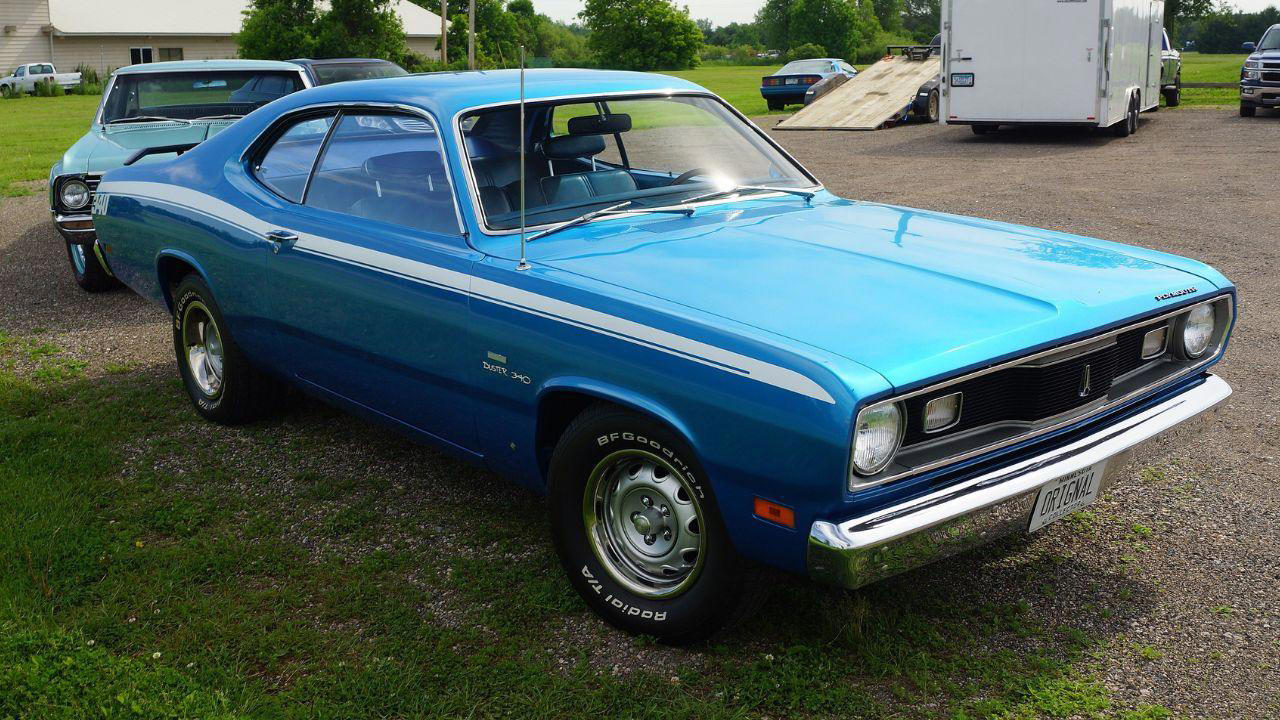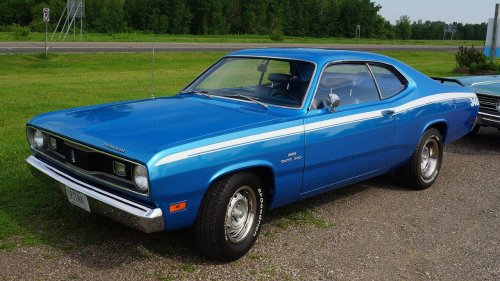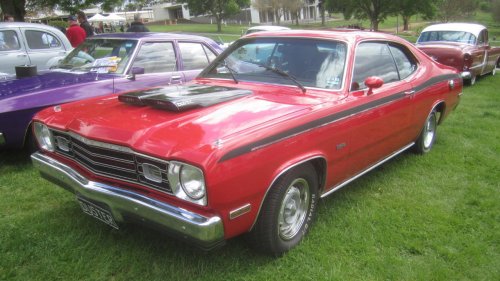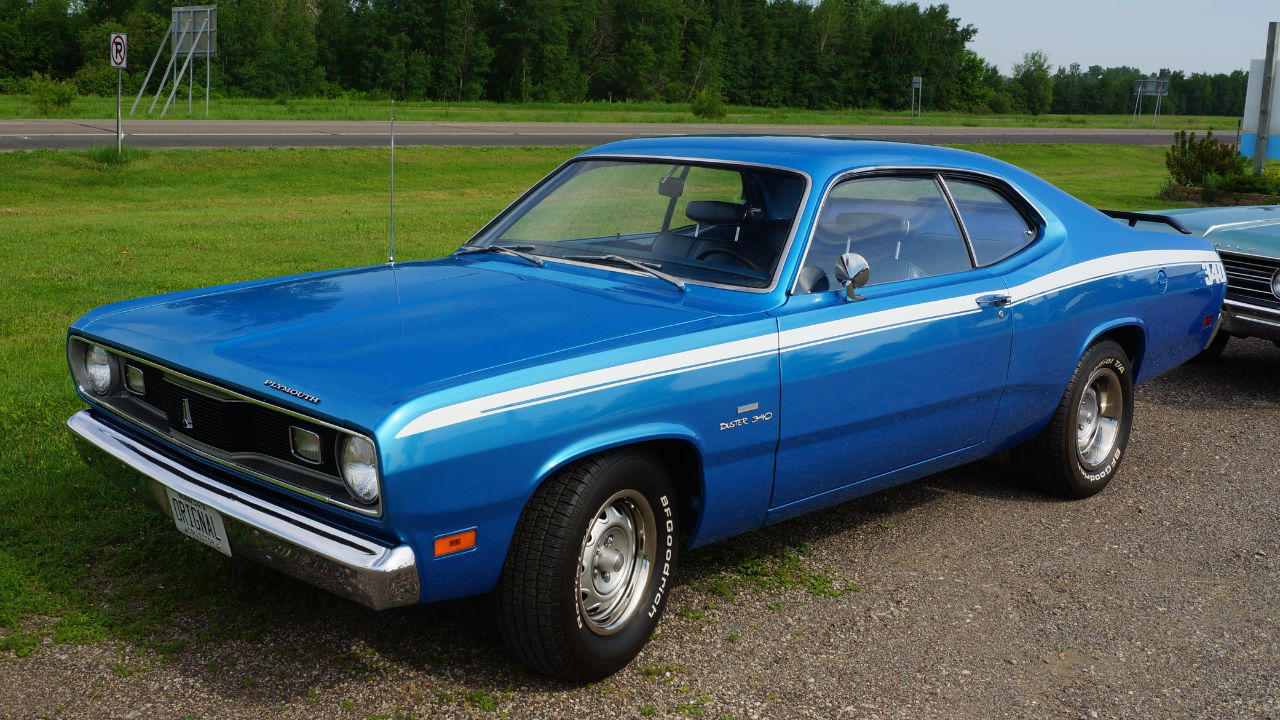



















A 1970 Duster 340 still feels quick in all the right waysThe 1970 Duster 340 was never the loudest car of the muscle era, yet it still feels genuinely quick in ways that matter on real roads. Light, compact and powered by a sharp small block, it turned Plymouth’s sensible compact into a street fighter that could embarrass bigger, pricier machines. More than half a century later, its mix of agility, attitude and usability keeps it relevant in a world obsessed with numbers. On paper, it was a budget performance package. In practice, the Duster 340 delivered a driving experience that remains surprisingly modern, from the way it gathers speed to how it fits into daily life. Enthusiasts still talk about this car as a sweet spot between classic muscle drama and everyday usability. The lightweight street fighter idea The basic formula behind the 1970 Plymouth Duster was simple: take the practical Valiant platform and wrap it in a shorter, sportier fastback shell. Commenters at the time called it the anti Cranbrook, a compact coupe that looked nothing like a conservative sedan and that sat closer in spirit to the rowdier Dodge Demon that would follow. The Duster rode on Valiant hardware, but the new body, lower roofline and tighter proportions gave it a very different attitude, visually and behind the wheel, as noted in period reflections on The Duster. Mopar aimed the Duster straight at drivers who wanted real performance without the insurance and fuel bills of a full-size muscle car. In 1970 Mopar dropped one of the best budget muscle packages into this compact shell, the Plymouth Duster 340, described in a modern short clip as light, quick and built to surprise bigger cars at stoplights, a reputation echoed in a Nov Mopar video. The 340 small block that made the magic At the heart of the Duster 340 sat Chrysler’s 340 cubic inch small block, a V8 that enthusiasts still regard as one of the most responsive engines of its era. Modern performance comparisons list the Plymouth Duster 340 with a 0 to 60 m time of about 6.3 seconds and a strong quarter Mile showing, figures that put it squarely into serious muscle territory despite its compact footprint, as summarized in a Performance Comparison chart that also lists Curb Weight and MSRP. The 340 was tuned for real-world punch rather than bragging rights. Factory ratings put output at 275 horsepower at relatively high revs, a figure that came with a broad torque curve and quick throttle response. A detailed period test of the DUSTER 340 describes the VEHICLE as a Plymouth Duster 340 with an OHV V8, 34O cubic inches and 275 hp, and notes that PRICE figures started at a Base of 2,547 dollars, with a well optioned example tested at 3,305.60 dollars, according to archived DUSTER data. That combination of relatively modest displacement, healthy power and low weight gave the Duster 340 a different character from big block bruisers. Instead of relying on sheer cubic inches, it felt eager and rev happy, with a willingness to spin that still surprises drivers used to lazier vintage V8s. Gearing and driveline that keep it lively In the Duster, the engine came with a heavy duty three speed manual as standard, with an optional four speed or the familiar TorqueFlite automatic available for buyers who wanted easier commuting. A 3.23 rear axle ratio was common, a setup that balanced highway manners with quick launches, as outlined in period specifications for In the Duster. That 3.23 gearing works well with the 340’s torque curve. Around town, the car pulls strongly from low revs yet still has enough leg for relaxed cruising at modern speeds. Enthusiast discussions of the 1970 Plymouth Duster 340 4 Speed often highlight how the powerful 340 cubic inch V8 delivers exhilarating horsepower and torque, reinforcing that this compact was never underpowered, as described in one Oct Equipped discussion. For drivers today, that gearing and powertrain mix translate into a car that feels quick without constant downshifts. It will surge past slower traffic with a toe of throttle, yet the engine is not strained on a long highway run, a trait that makes it more usable than some shorter geared muscle contemporaries. Light weight and compact size What really sets the Duster 340 apart from heavier muscle cars is its size. Built on a compact platform, the car carried far less mass than full size coupes with similar power ratings. Modern comparisons that group the Plymouth Duster 340 alongside other Mopar muscle consistently point out that its lighter Curb Weight helps explain why it can keep up with or beat larger cars that boast bigger engines in cubic inches but also carry more bulk, as seen in the same Model table. The effect is clear on a twisty road. The Duster changes direction more willingly than most big block intermediates. The front end feels lighter, the steering requires less effort and the car settles into corners instead of heaving over them. Owners often describe it as a car that can be driven hard without feeling like a handful, which contributes to the sense that it still feels quick where it counts, particularly on real roads that are not dead straight. Styling with Straightforward Style and Plenty of Attitude The Duster 340’s bodywork matched its mechanical intent. Designers skipped elaborate chrome flourishes and focused on clean lines, a long hood and a short rear deck. One enthusiast review captures this with the phrase Straightforward Style, Plenty of Attitude You, noting that the Duster 340 projected confidence without gaudy trim, a description shared in a Duster group post. Graphics packages, hood scoops and bright colors helped the 340 stand apart from more sedate Dusters, yet the underlying shape remained simple and purposeful. That restraint has aged well. Where some period muscle cars now look overdone, the Duster 340’s uncluttered surfaces and compact proportions feel almost contemporary, which adds to its appeal for drivers who want a classic that does not scream for attention at every intersection. Inside: basic but livable Inside, the Duster 340 offered a straightforward cabin with bench or bucket seats, a simple dash and large, clear gauges. It was built to a price, so there was more painted metal than padded vinyl, but the layout was honest and easy to live with. Owners in modern groups often point out that the trunk space was generous for a compact and that the car is surprisingly user friendly for errands and weekend trips, reinforcing that this was not a stripped track special but a genuine everyday car, as highlighted in the same Straightforward Style commentary. That usability matters when judging how quick a car feels today. Modern performance vehicles often isolate the driver with thick insulation and complex electronics. The Duster 340, by contrast, communicates every input, from the weight of the clutch to the vibration of the engine at idle. Even at moderate speeds, the car feels alive, which can make a brisk back road run feel more engaging than a much faster drive in a newer, heavier machine. Budget muscle that punched above its price Period price sheets confirm that the Duster 340 undercut many rivals. With a Base price of 2,547 dollars and a tested total just over 3,300 dollars, the car delivered serious performance for less money than most big block intermediates. That value proposition has become part of its legend. Modern overviews of the Plymouth Duster 340 often describe it as a cheap and underrated 70s muscle car that punched way above its weight in both acceleration and handling, a theme that appears in several Nov Duster retrospectives where the 70 model is compared with hypothetical 383 and 440 options and Rated as no let down despite lacking those bigger engines. That original positioning as budget muscle still shapes its market standing. Enthusiast classifieds and auction listings show that a solid Duster 340 typically costs less than a comparable big block Mopar, even as interest in these cars grows. For drivers who care more about how a car feels than how it scores on a spec sheet, that relative affordability is part of the appeal. Why it still feels quick on modern roads By current performance standards, a 0 to 60 m time in the low 6 second range no longer sounds outrageous. Hot hatches and electric crossovers can match or beat that. Yet the Duster 340 still feels genuinely fast because of how it delivers that performance. The engine responds instantly to throttle inputs, the gearing keeps it in the meat of its torque curve and the light chassis translates power into motion without delay, traits documented in both period tests and modern Under the walkarounds that highlight how a bored 340 in a 1970 Plymouth Duster still roars with authority. On typical public roads, with traffic, curves and imperfect surfaces, that immediacy matters more than raw numbers. The car has enough power to make quick passes, enough grip to carry speed through corners and a compact footprint that makes it easy to place. Drivers feel involved at legal speeds, which is increasingly rare in modern performance cars that only come alive on a racetrack. There is also the sensory factor. The Duster 340’s exhaust note, mechanical whir and faint smell of fuel create an experience that no modern insulation package can replicate. Even a gentle run through the gears feels special, which contributes to the sense of quickness. The car may not match the stopwatch figures of a new sports sedan, but it often feels faster because every input is amplified. Community memory and ongoing enthusiasm Online communities keep the Duster 340’s reputation alive. Owners share photos of red 1970 Plymouth Duster 340 examples, often noting that Plymouth produced the model from 1970 to 1977 and that it was known for delivering muscle car character in a compact wrapper. One such description of a red Plymouth Duster 340 emphasizes how Plymouth built tens of thousands of these cars and how survivors now trade for tens of thousands of dollars, a reminder of their growing collector status, as seen in a Jun Plymouth Duster post. Other groups and pages, such as those that grew out of Curbside Classics coverage of the Plymouth Duster, continue to share stories, photos and driving impressions. The fact that enthusiasts still gather around content tagged with Discovered, Curbside Classics and Plymouth Duster, whether through privacy pages, copyright notes or social feeds, shows how this compact muscle car maintains cultural traction, as reflected in Discovered references that trace back to 340 themed discussions. More from Fast Lane Only Unboxing the WWII Jeep in a Crate 15 rare Chevys collectors are quietly buying 10 underrated V8s still worth hunting down Police notice this before you even roll window down