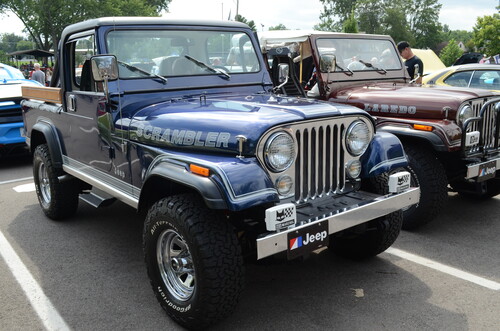
At a time of change the 1980 Jeep J10 proved trucks could still feel toughThe 1980 Jeep J10 appeared at a transformative time for the automotive industry, where emissions regulations and shifting consumer preferences were reshaping the landscape. Amidst these changes, the J10 stood out as a testament to rugged, durable design, proving that trucks could maintain their toughness while adapting to new demands. The Jeep J10 became a symbol of resilience and strength during a period of transition. The Changing Automotive Landscape of the 1980s The 1980s marked a significant shift in the automotive industry, driven by regulatory and environmental changes that forced manufacturers to rethink vehicle design. The introduction of stricter emissions standards, largely in response to growing environmental concerns, necessitated advancements in engine technology and fuel efficiency. Car manufacturers were required to innovate and adapt, often leading to the downsizing of vehicles and engines to meet these new regulations. Consumer expectations were also evolving during the late 1970s and early 1980s. Economic factors, such as rising fuel prices, prompted buyers to prioritize fuel efficiency and practicality over sheer size and power. This shift resulted in the increased popularity of compact and fuel-efficient vehicles, which began to reshape the public’s perception of traditional trucks. Trucks were no longer seen solely as workhorses; they had to offer versatility and adaptability to meet the changing needs of consumers. Despite the rise of smaller vehicles, the Jeep J10 managed to carve out a niche by staying true to its rugged roots while incorporating necessary advancements. The J10’s ability to maintain its toughness amidst these shifts highlighted its unique position in the market. Consumers who valued durability and off-road capability still found a compelling choice in the J10, reinforcing the truck’s reputation as a resilient and adaptable vehicle in a rapidly changing world. The Jeep J10: A Legacy of Durability The Jeep J-series, which laid the groundwork for the J10, was renowned for its durability long before the 1980 model hit the market. Originating in the early 1960s, the J-series lineup evolved over the years, consistently demonstrating Jeep’s commitment to producing rugged and reliable trucks. By the time the J10 was introduced, Jeep had become synonymous with toughness and off-road capability. One of the key factors that set the Jeep J10 apart was its robust design and engineering. The truck’s body-on-frame construction, a hallmark of durability, was designed to withstand demanding conditions. Additionally, the J10’s heavy-duty suspension system and reinforced chassis contributed to its ability to endure rough terrains and challenging environments. These features were complemented by a range of engine options that offered both power and reliability, further underscoring the J10’s reputation for toughness. In comparison to its contemporaries, the J10 distinguished itself by maintaining a focus on ruggedness while many other trucks were moving towards more car-like features. While other manufacturers were downsizing and softening their trucks to appeal to a broader audience, the J10 remained steadfast in its identity as a tough, dependable work truck. This commitment to durability helped the J10 stand out in a crowded market and solidified its legacy as a reliable and resilient vehicle. Engineering and Performance Features The Jeep J10 was equipped with several engine options that catered to different performance needs. Among these were the 258 cubic inch inline-six and the 360 cubic inch V8 engine, both known for their reliability and power. The inline-six offered a balanced mix of efficiency and performance, while the V8 provided the extra power needed for heavier hauling and off-road adventures. These engine choices allowed buyers to select a configuration that best suited their specific requirements, whether for work or recreation. In addition to its powerful engines, the J10’s rugged construction played a crucial role in its performance capabilities. The truck’s reinforced chassis and durable suspension system were designed to handle the rigors of off-road driving and heavy payloads. This construction not only enhanced the J10’s off-road prowess but also contributed to its overall longevity and reliability. The robust engineering allowed the J10 to excel in environments where other trucks might falter, making it a favorite among outdoor enthusiasts and professionals who required a dependable vehicle for their ventures. The Jeep J10’s off-road capabilities further cemented its reputation as a tough and versatile truck. The vehicle’s high ground clearance, four-wheel-drive system, and solid axles provided the traction and stability needed to conquer challenging terrains. Whether traversing rocky trails or navigating muddy paths, the J10 proved itself as a capable companion for those who sought adventure beyond paved roads. Its appeal to outdoor enthusiasts was undeniable, as it offered the performance and durability needed to explore the great outdoors with confidence. Design and Aesthetic Appeal The exterior design of the Jeep J10 was a testament to its robust image, characterized by clean lines and a purposeful stance. The truck’s bold front grille and squared-off edges conveyed a sense of strength that resonated with buyers who valued a tough, no-nonsense aesthetic. The simplicity of the design allowed the J10 to maintain a timeless appeal, ensuring that it remained visually relevant even as trends in automotive styling evolved. Inside the J10, practicality was combined with comfort to create an interior that catered to both work and leisure. The cabin offered ample space and straightforward controls, making it easy for drivers to focus on the task at hand. While the interior was utilitarian in nature, it did not compromise on comfort. Features such as supportive seating and a well-organized dashboard contributed to a pleasant driving experience, whether navigating city streets or tackling off-road trails. Customization options played a significant role in enhancing the J10’s utility and appeal. Buyers could choose from a variety of configurations, including different bed lengths and cab styles, to suit their specific needs. This flexibility allowed the J10 to serve as a versatile platform for various applications, from work-related tasks to recreational activities. The availability of customization options ensured that the J10 could be tailored to meet the diverse demands of its owners, further solidifying its status as a practical and adaptable vehicle. Market Reception and Cultural Impact Upon its release, the 1980 Jeep J10 was met with a positive market reaction, appealing to buyers who prioritized durability and off-road capability. Its sales performance reflected a strong demand for a truck that could withstand the challenges of both work and play. The J10’s reputation for toughness and reliability resonated with consumers who valued these attributes in a vehicle, contributing to its success in a competitive market. The Jeep J10 played a pivotal role in shaping public perception of Jeep as a brand synonymous with ruggedness and durability. The truck reinforced the brand’s heritage of producing vehicles designed to tackle demanding conditions, enhancing Jeep’s reputation as a leader in off-road capability. This perception was further bolstered by the J10’s ability to maintain its toughness amidst the changing automotive landscape of the 1980s, solidifying its place in the hearts of enthusiasts and professionals alike. In the decades following its release, the cultural significance and legacy of the J10 continued to endure. The truck became an icon of resilience and adaptability, embodying the spirit of adventure and exploration that Jeep is known for. Its influence extended beyond its immediate market presence, inspiring future generations of trucks and reinforcing the values that Jeep represents. The J10’s impact on automotive culture remains evident, as it continues to be celebrated by collectors and enthusiasts who appreciate its enduring legacy. The J10’s Influence on Modern Trucks The design and engineering principles that defined the Jeep J10 have left a lasting impact on the development of modern trucks. The emphasis on durability, off-road capability, and adaptability continues to resonate in today’s truck market, where buyers seek vehicles that can handle a variety of tasks and environments. The J10’s legacy is reflected in the continued popularity of rugged trucks that prioritize performance and reliability, qualities that remain highly valued by consumers. Jeep’s enduring appeal as a brand is a testament to the J10’s influence on its identity. The commitment to toughness and durability that the J10 embodied has become a cornerstone of Jeep’s brand philosophy, guiding the design and development of subsequent models. This focus on resilience has helped Jeep maintain its position as a leader in the off-road vehicle segment, appealing to a diverse range of buyers who appreciate the brand’s heritage and capabilities. Modern manufacturers can learn valuable lessons from the success of the Jeep J10 during a period of change. The truck’s ability to balance toughness with adaptability serves as a reminder of the importance of staying true to core values while embracing necessary advancements. By prioritizing durability and performance, manufacturers can create vehicles that resonate with consumers and stand the test of time, much like the Jeep J10 has done for over four decades. More from Fast Lane Only Unboxing the WWII Jeep in a Crate 15 rare Chevys collectors are quietly buying 10 underrated V8s still worth hunting down Police notice this before you even roll window down The post At a time of change the 1980 Jeep J10 proved trucks could still feel tough appeared first on FAST LANE ONLY.