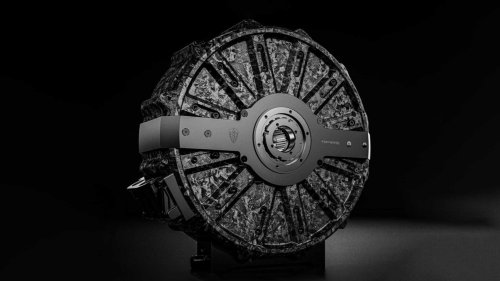
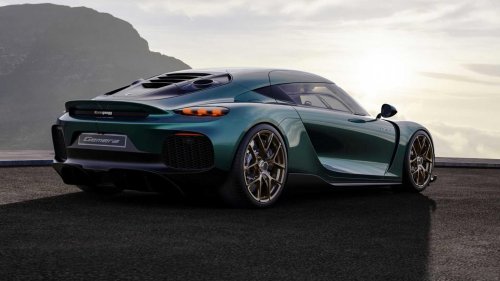
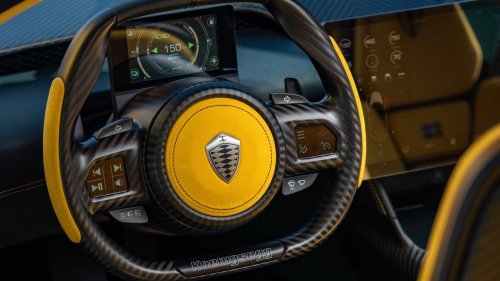
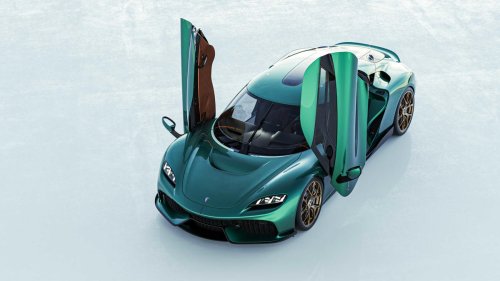
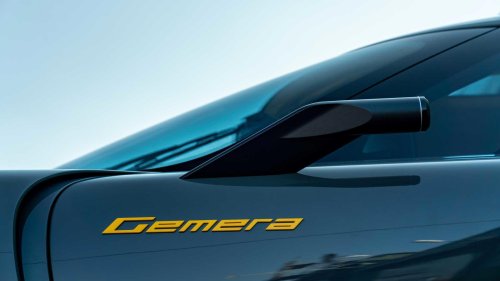
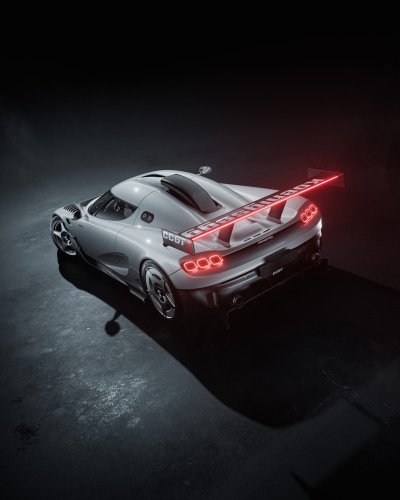
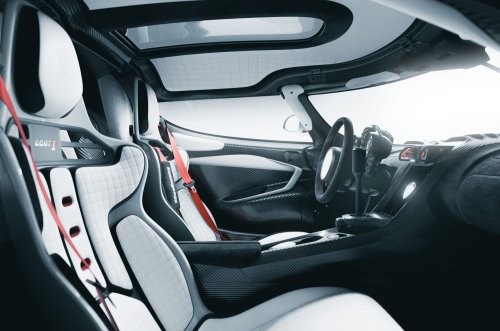
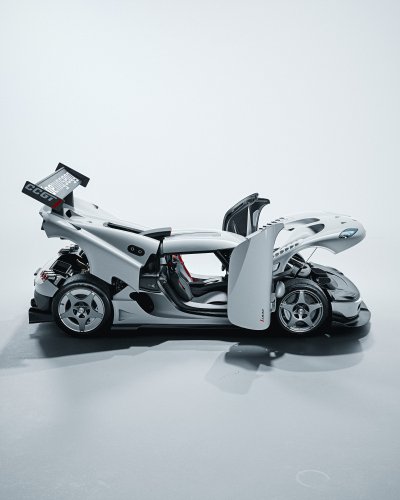
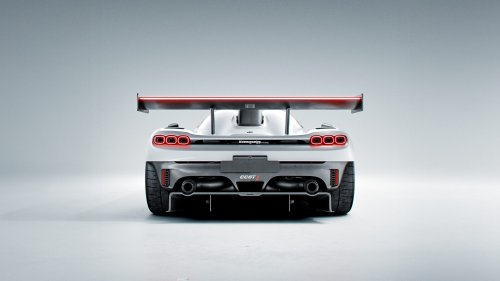
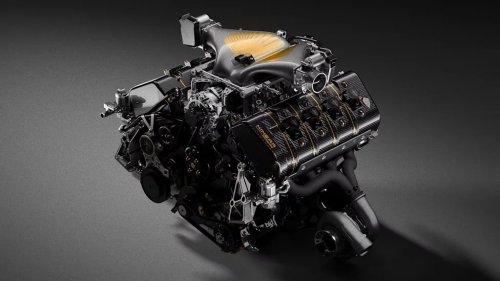
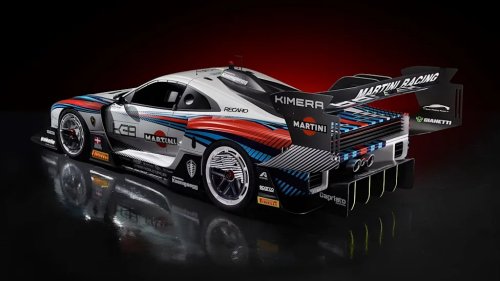
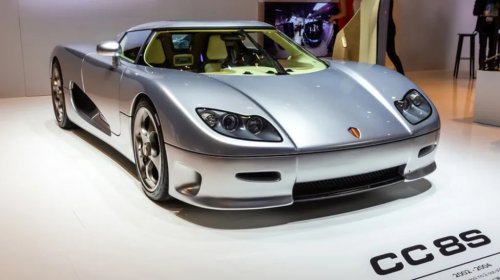
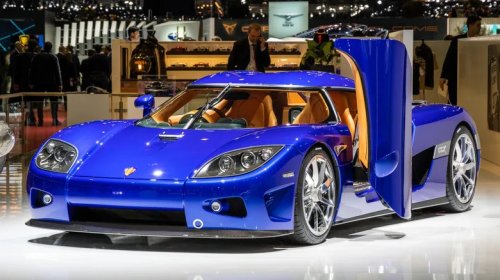
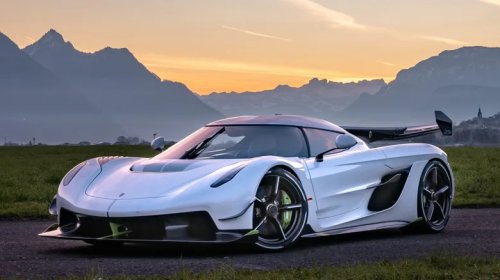
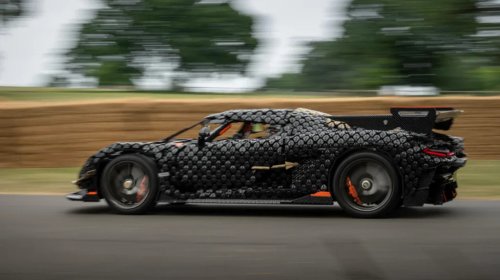
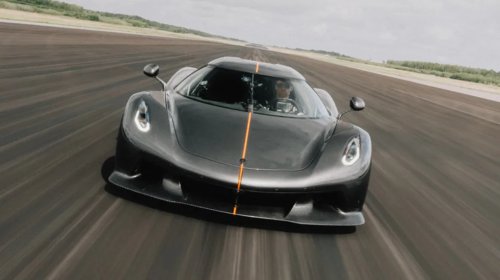
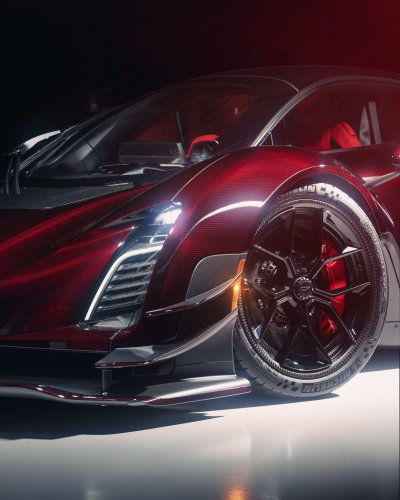
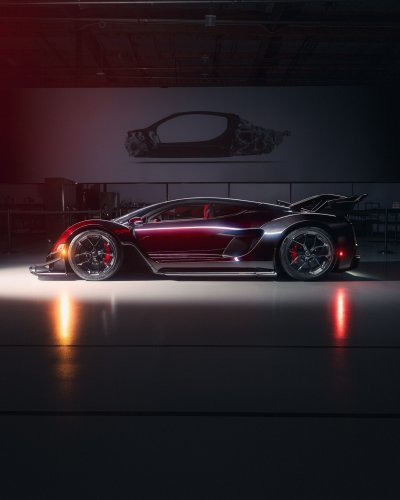
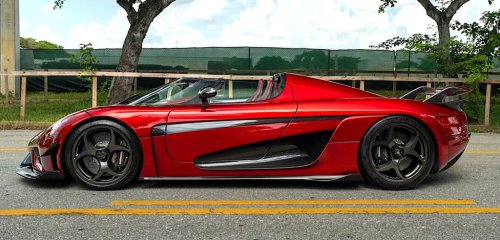
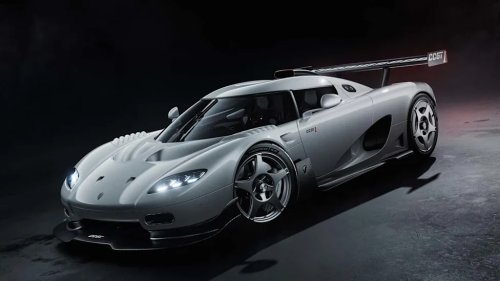
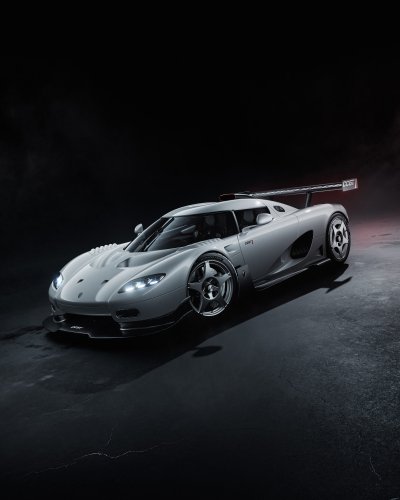
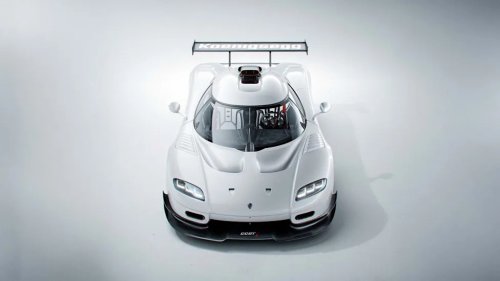
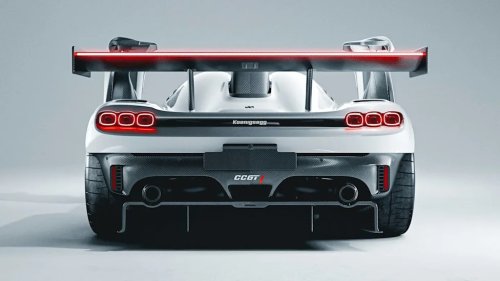
Occasionally, car manufacturers come up with an engineering breakthrough that represents a real milestone in the hunt for efficient transportation. And Koenigsegg, the Swedish hypercar manufacturer, may just have made an astonishing advancement in the world of electric propulsion with its new and innovative electric motor.Meet the intriguingly named Dark Matter e-motor, which produces an astonishing amount of power but in featherweight form. It will be used for the first time in the four-seater Gemera hypercar. This Tiny Titan From Koenigsegg Redefines What's Possible KoenigseggKoenigsegg has come up with a new electric motor to fit into its production version of the Gemera hypercar. It produces an astonishing 800 horsepower and 922 lb-ft of torque but, amazingly, it's light enough to fit into a full-size backpack. This surprising powerhouse weighs in at only 86 lbs (39 kg), but it's powerful enough to outgun most gasoline engines on the road today. If this is a sign of what's to come for electrification, the future looks exciting. After all, if designers can package high-output electric propulsion systems so efficiently, imagine the potential applications within the worlds of aerospace or motorsports, in addition to motorcycles and very small vehicles. What's In A Name, And What's Behind the Design? KoenigseggThe marketing people at Koenigsegg may have been in a playful mood when they chose to call its new unit “Dark Matter.” It may be suggesting that its motor is so small and almost completely hidden that it's somehow similar to actual dark matter. It may also be suggesting that its invention is on the cutting edge and involves an element of intrigue or even stealth, and the company has been known for using playful terms before, such as naming its new inverter “David.”But naming aside, what's behind the design? Koenigsegg suggests that its designers have merged the best traits of radial and axial flux electric motors, to create “raxial.” In today's EV industry, radial flux motors are the norm and generate power through a spinning rotor within magnetic coils that are arranged radially. In contrast, an axial flux motor is smaller but can deliver higher torque density by using flat rotors and stators that stack face to face. If you combine both of those motor types in the new layout, you can optimize magnetic flux flow and thermal performance. This means that the "raxial" approach has exceptional torque delivery while keeping everything compact. To do this, the company has used carbon-fiber composites, which remain strong under extreme loads. Delivering The Power Koenigsegg Most EV motors today deliver their power through a three-phase system as current energizes electromagnetic windings in sequence. Koenigsegg has doubled that with a six-phase setup made from two independent three-phase windings. This gives them more control and smoother delivery, which means less vibration, reduced noise, and far better reliability.Koenigsegg has matched this innovative six-phase system to its proprietary silicon carbide inverter (the one called David). David is very sprightly at just 33 pounds, but he can pump out more than 1,300 amps and up to 850 volts. This gives the Dark Matter motor the chance to run very high performance levels with minimal heat loss and to help achieve this, Koenigsegg uses silicon carbide semiconductors. These provide faster switching and offer lower resistance than traditional transistors. Powering the New Koenigsegg Gemera Koenigsegg The Dark Matter motor will find its home in Koenigsegg’s upcoming 2025 Gemera, a four-seat hybrid hypercar that is meant to offer supercar levels of performance while providing daily usability. Instead of the original plan, which involved three electric motors, Koenigsegg will now fit a single Dark Matter motor and pair it with a 5.0-liter twin-turbo V8 engine. Are you sitting down? The result should be a staggering combined output of 2,300 HP and 2,028 lb-ft of torque, but just as important, this simplified package will provide a power-to-weight ratio that's unheard of in any four-seater car. Think of putting Bugatti-like performance in a luxury touring car and then loading your groceries and golf clubs in the back. The Potential for New Designs Koenigsegg The Dark Matter motor can surely help to revolutionize vehicle design. After all, due to its highly compact nature, it can slot behind or beside an internal combustion engine without any major design compromise. This makes it a natural fit for a hybrid hypercar, but it could also help with EV-only platforms. Use Cases Beyond Hypercars There are plenty of potential use cases beyond hypercars as well. For example, this type of invention could provide a real shot in the arm to urban air mobility designers. An electric vertical takeoff and landing aircraft needs small, high-output motors with redundancy in mind. A design like this could enable such an aircraft to carry more payload without compromising range or stability.In the world of motor sports, designers dream about compact weight and extreme reliability. So, just imagine a spec racing series in which every vehicle has a Dark Matter motor and inverter. This might make EV competition more cutting-edge and competitive than it is today. The smallest of vehicles would certainly benefit from the Dark Matter approach. Motorcycle, ATV, or compact performance car designers — think Ariel Atom — would surely love a motor that is so lightweight and powerful. This approach could open doors to unprecedented performance levels in this type of vehicle. Ready to Disrupt the Industry Koenigsegg Koenigsegg decided to rethink the electric car from scratch rather than trying to improve on established and sometimes outdated principles. After all, while the industry is growing exponentially, it's still full of legacy designs, inefficiencies, and heavy packaging. Meanwhile, major manufacturers are investing heavily in battery improvements and software ecosystems, but what about the motor architecture itself? Koenigsegg believes that this is low-hanging fruit and has produced something that could certainly disrupt the EV industry, so watch for a new wave of innovation and further powertrain developments in the short to mid-term. A Comparison To Current Industry Leaders Koenigsegg To emphasize the scale of Koenigsegg’s achievement, it's cool to compare the Dark Matter motor with other industry leaders. Refer to the table to see how Dark Matter leads in areas like torque-to-weight ratio and packaging efficiency. What’s Next for Koenigsegg and Dark Matter Koenigsegg may not be rushing to license its technology to other OEMs, but the Dark Matter design is almost certain to leave a legacy. While the company may be tempted to partner with larger OEMs for big benefits, it will surely apply its new technology to other vehicles in the future. Perhaps Koenigsegg will now come up with an electric-only vehicle instead of, or alongside, its internal combustion cars. It's almost certain that the industry will see scaled-down versions of this technology, powering much lighter-weight EVs in the future. Reinventing The Wheel KoenigseggSo, the Koenigsegg Dark Matter motor is not simply another electrical component. Instead, it redefines what electric performance should be when you look at weight, packaging, and output from a different angle. This creation has challenged every assumption about what an electric motor needs to be, from its "raxial" flux configuration and six-phase delivery to its backpack-sized outer package. So, it's no longer enough to simply swap out a gas motor for an electric one to make progress in the automotive world. Rather, it may be time to reimagine propulsion from scratch.