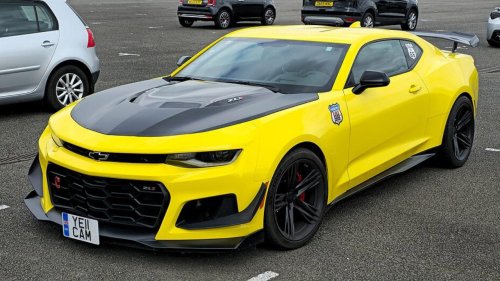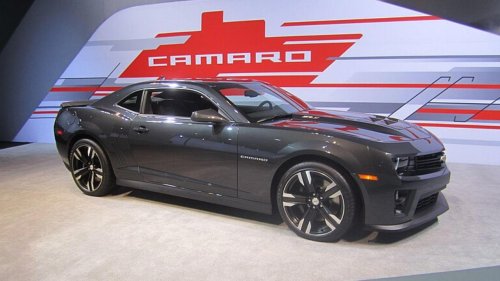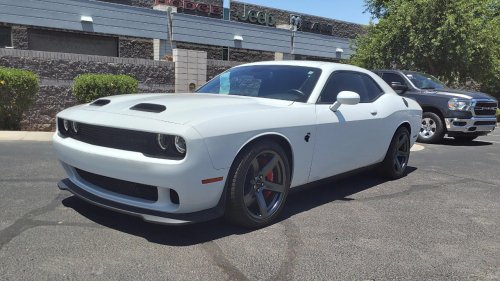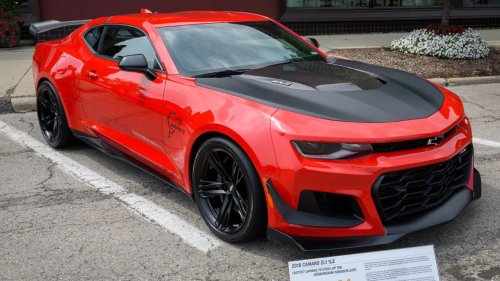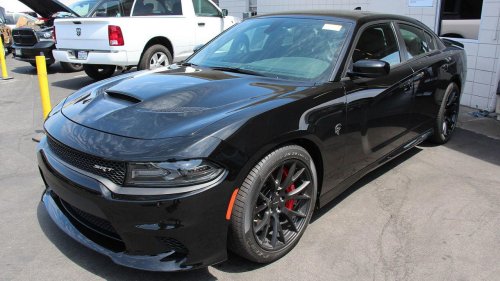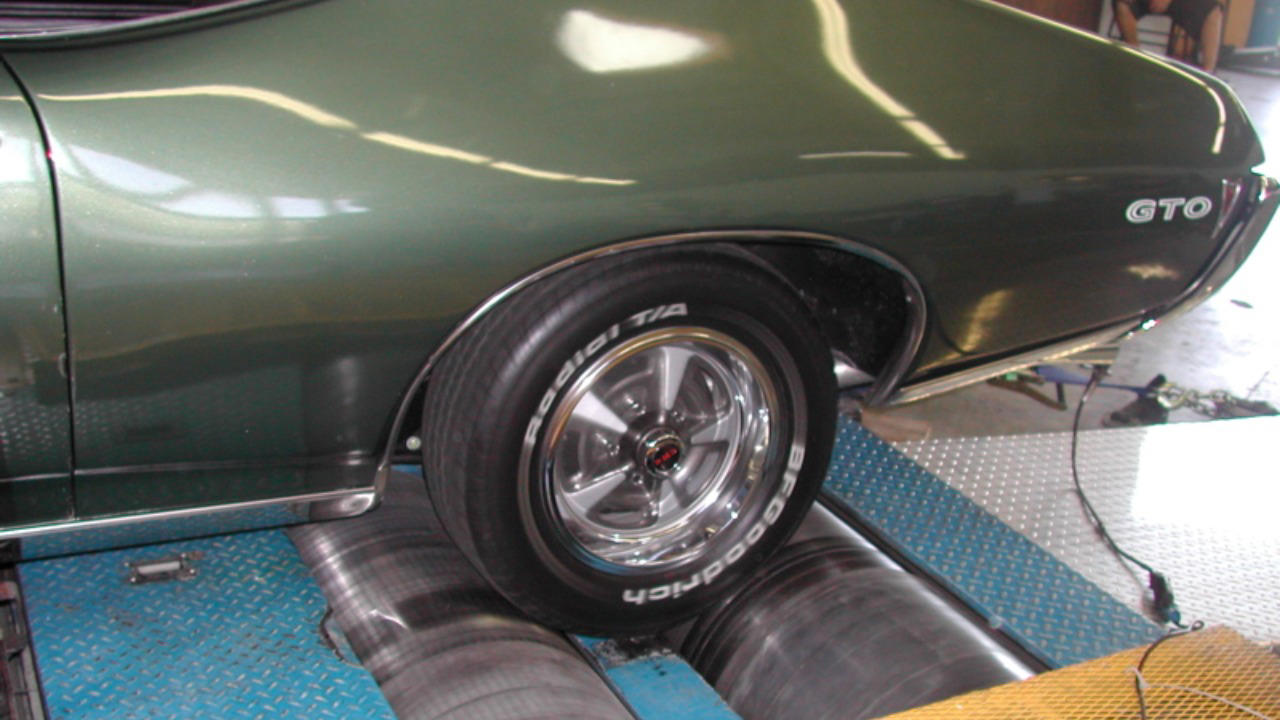



















Factory horsepower ratings vs real world numbers which one do you believeThe debate over factory horsepower ratings versus real-world performance numbers is a hot topic among automotive enthusiasts and potential buyers alike. Understanding the differences can significantly influence purchasing decisions and expectations regarding vehicle performance. Understanding Horsepower Ratings Horsepower is a unit of measurement that quantifies the power output of an engine, essentially indicating how much work the engine can perform over time. It plays a pivotal role in vehicle performance, affecting acceleration, top speed, and overall driving experience. The significance of horsepower becomes particularly apparent when comparing different vehicles, as it provides a baseline for gauging performance capabilities. Manufacturers calculate factory horsepower ratings using specific testing methodologies, typically following standardized protocols established by organizations like the Society of Automotive Engineers (SAE). In many cases, these tests are conducted on dynamometers, which measure the engine’s output under controlled conditions. The result is a number that represents the engine’s peak power output, often showcased in marketing materials to entice potential buyers. While these ratings provide a useful benchmark, they can sometimes be misleading. Variations in testing conditions, such as the type of fuel used and the engine’s temperature, can lead to discrepancies between factory ratings and real-world performance. Furthermore, regulatory standards can influence how these numbers are presented, with manufacturers striving to meet specific requirements while still appealing to consumers. The Impact of Testing Conditions Manufacturers employ controlled testing environments to ensure consistency in their horsepower ratings. These environments are designed to eliminate variables that could skew the results, such as wind resistance and uneven surfaces. However, this controlled setting can create a significant gap between lab results and real-world driving experiences. For instance, a vehicle may perform optimally on a dynamometer but struggle to replicate that performance on a winding mountain road or during a sudden downpour. Several factors influence the disparity between laboratory conditions and everyday scenarios. Temperature plays a crucial role; higher temperatures can lead to decreased engine performance, while colder conditions might enhance output. Similarly, altitude can affect an engine’s ability to draw in air, which is essential for combustion. Humidity levels can also impact engine performance, contributing to variations in horsepower output that are not accounted for in standardized testing. To illustrate this, consider the 2020 Ford Mustang GT, which boasts a factory horsepower rating of 450 hp. While this figure is achieved under optimal testing conditions, real-world performance can vary based on several external factors, leading to differences in acceleration and handling. Real-World Driving Scenarios Real-world driving scenarios introduce a host of variables that can significantly affect vehicle performance. Factors such as driving style, terrain, load, and weather all play a critical role in how a vehicle delivers its power. For example, aggressive acceleration and sharp cornering can dramatically alter a car’s performance, while a more conservative driving style may yield different results. The terrain can also impact how a vehicle performs. Vehicles may excel on flat highways but struggle on hilly roads or off-road conditions. A 2018 Jeep Wrangler, for instance, may have a factory horsepower rating of 285 hp, but when loaded with passengers and gear for an off-roading adventure, its performance can feel considerably diminished compared to its factory figures. Weather conditions, such as rain or snow, can further complicate performance. Wet or icy roads can affect traction, leading to slower acceleration and handling challenges. Additionally, a strong headwind can impede a vehicle’s speed and efficiency. These real-world factors highlight that while factory ratings provide a useful guideline, they do not always translate seamlessly into everyday driving experiences. Common Misconceptions About Horsepower One prevalent misconception is that higher horsepower always equates to better performance. While horsepower is essential, it is not the sole determinant of a vehicle’s capabilities. For instance, a high-powered sports car may offer impressive horsepower but could be hampered by excessive weight or poor aerodynamics, leading to subpar performance in specific scenarios. Understanding the relationship between torque and horsepower is also crucial. Torque, which measures rotational force, plays a vital role in acceleration and pulling power. A vehicle with a balance of both horsepower and torque can provide a more engaging driving experience. For example, a 2021 Tesla Model S may have a horsepower rating of 1,020 hp, but its torque output of 1050 lb-ft allows for exhilarating acceleration, showcasing that raw power alone doesn’t define performance. Vehicle weight and aerodynamics are equally important. A lighter vehicle with lower horsepower can often outperform a heavier vehicle with higher horsepower due to better power-to-weight ratios. This highlights the need for potential buyers to look beyond just horsepower numbers and consider the overall vehicle dynamics. Manufacturer Marketing Strategies Automakers often present horsepower ratings in ways that are designed to catch the eye of consumers. Marketing strategies can emphasize peak horsepower figures, neglecting to mention that these numbers may only be attainable under ideal conditions. This selective presentation can create unrealistic expectations for buyers, leading them to believe they are purchasing a vehicle that performs at its best all the time. In many cases, marketing materials will highlight a vehicle’s horsepower prominently, often comparing it to competitors’ models to create a perception of superiority. For instance, the 2022 Chevrolet Camaro is frequently marketed based on its 650 hp rating for the ZL1 trim, which positions it as a top contender in the muscle car arena. However, these promotions may not adequately convey the nuances of real-world performance, such as fuel economy or reliability. Examples of marketing tactics that can exaggerate or understate capabilities include using figures based on modified vehicles or optimized testing conditions. These discrepancies can lead consumers to make decisions based on inflated expectations. As a buyer, it is essential to look beyond marketing claims and delve into real-world performance data. Consumer Expectations vs. Reality The psychological impact of factory ratings on buyer decisions cannot be underestimated. Many consumers equate horsepower ratings with overall vehicle quality and performance, often leading to disappointment when real-world results fall short of expectations. Stories abound of individuals who purchased high-horsepower vehicles only to find them lacking in everyday driving situations. For instance, a buyer may invest in a 2021 Dodge Challenger with a factory horsepower rating of 797 hp, anticipating exhilarating performance. However, once they experience the car in daily traffic, they might find that the heavy weight and poor fuel economy detract from the overall driving experience. These disparities between expectation and reality can lead to buyer’s remorse. To combat this, potential buyers should seek out user reviews and third-party testing, which can provide a more accurate assessment of a vehicle’s performance. Websites like Edmunds and Consumer Reports offer valuable insights and comparisons that can help consumers make informed choices based on real-world driving experiences rather than just factory ratings. The Role of Aftermarket Modifications Many automotive enthusiasts turn to aftermarket modifications to enhance their vehicle’s performance, which can significantly change factory horsepower ratings. Popular upgrades include performance exhaust systems, cold air intakes, and engine tuning, all aimed at maximizing engine output. However, it is essential to understand how these modifications can impact real-world performance. For example, a 2019 Subaru WRX equipped with an aftermarket turbocharger can see its factory horsepower rating of 268 hp increase significantly. However, this boost can come with trade-offs, such as reduced reliability or increased wear on engine components. Additionally, modifications might not always translate to improved performance in everyday driving conditions, particularly if the vehicle is not tuned correctly. It’s also important to consider the potential pitfalls of modifying vehicles for increased horsepower. While enhancements can create impressive numbers, they may also result in compromised drivability, increased emissions, and potential legal issues if modifications do not comply with local regulations. Therefore, enthusiasts should approach modifications with caution and thorough research. Technological Advances in Measurement Recent innovations in performance testing technology have made it easier to bridge the gap between factory horsepower ratings and real-world numbers. Dynamometers, which measure power output at the wheels, provide a more accurate picture of a vehicle’s performance under various conditions. These advancements allow for more precise assessments of how vehicles perform in everyday scenarios. Moreover, the rise of mobile performance apps, such as Dragy and RaceLogic, enables enthusiasts and consumers to gather data on their vehicles in real-world conditions. These tools can help track acceleration times, speed, and even horsepower output based on real-world driving, offering a clearer picture of a vehicle’s capabilities beyond the manufacturer’s claims. As technology continues to evolve, consumers can expect more transparency in performance testing, allowing them to make better-informed purchasing decisions. This shift could lead manufacturers to adopt more realistic testing practices, ultimately benefiting consumers by providing a clearer understanding of what to expect from their vehicles. Making Informed Decisions as a Consumer To navigate the complexities of horsepower ratings and real-world performance, consumers should adopt a critical approach when evaluating these figures. Start by researching various sources to compare factory ratings with real-world performance data. Websites like MotorTrend and Car and Driver often conduct their own tests and provide insights into how vehicles perform in everyday conditions. It is also essential to prioritize test drives when considering a vehicle purchase. Experiencing a car firsthand can provide a clearer sense of its performance characteristics, handling, and overall driving experience. Pay attention to how the vehicle feels in various conditions, from highway merging to city stop-and-go traffic. Lastly, independent reviews and user feedback can offer invaluable perspectives on a vehicle’s performance. Engaging with online automotive communities or forums can help potential buyers gather information from others who have firsthand experience with specific models. By combining research, test drives, and community insights, consumers can make informed decisions that align with their performance expectations. More from Fast Lane Only Unboxing the WWII Jeep in a Crate 15 rare Chevys collectors are quietly buying 10 underrated V8s still worth hunting down Police notice this before you even roll window down *Research for this article included AI assistance, with all final content reviewed by human editors.