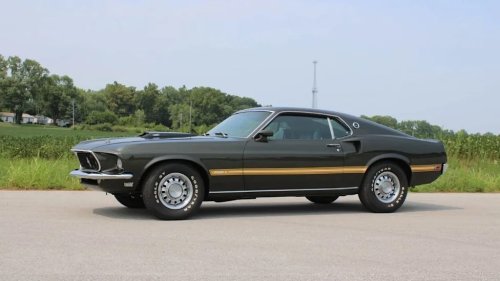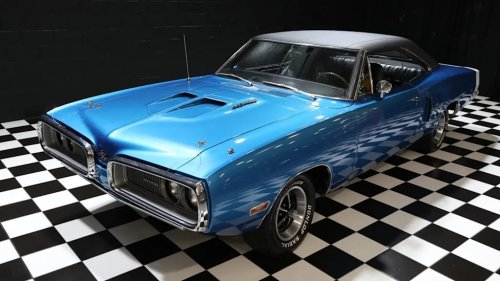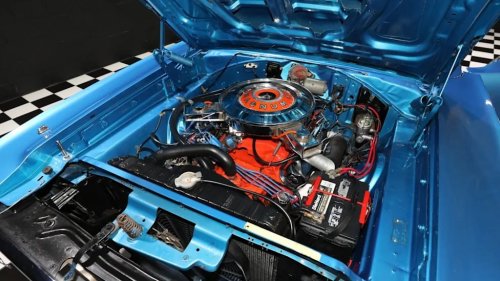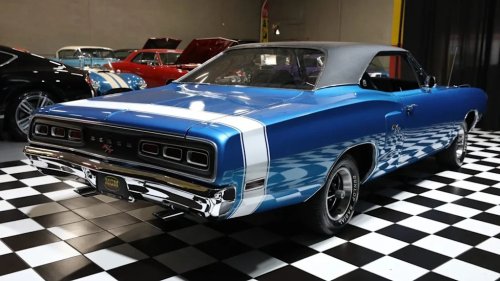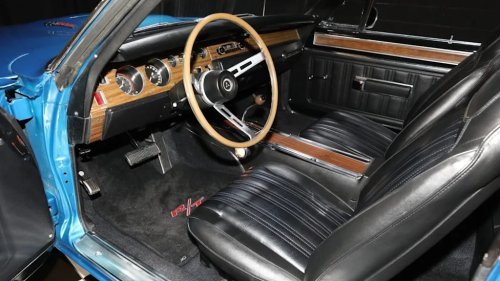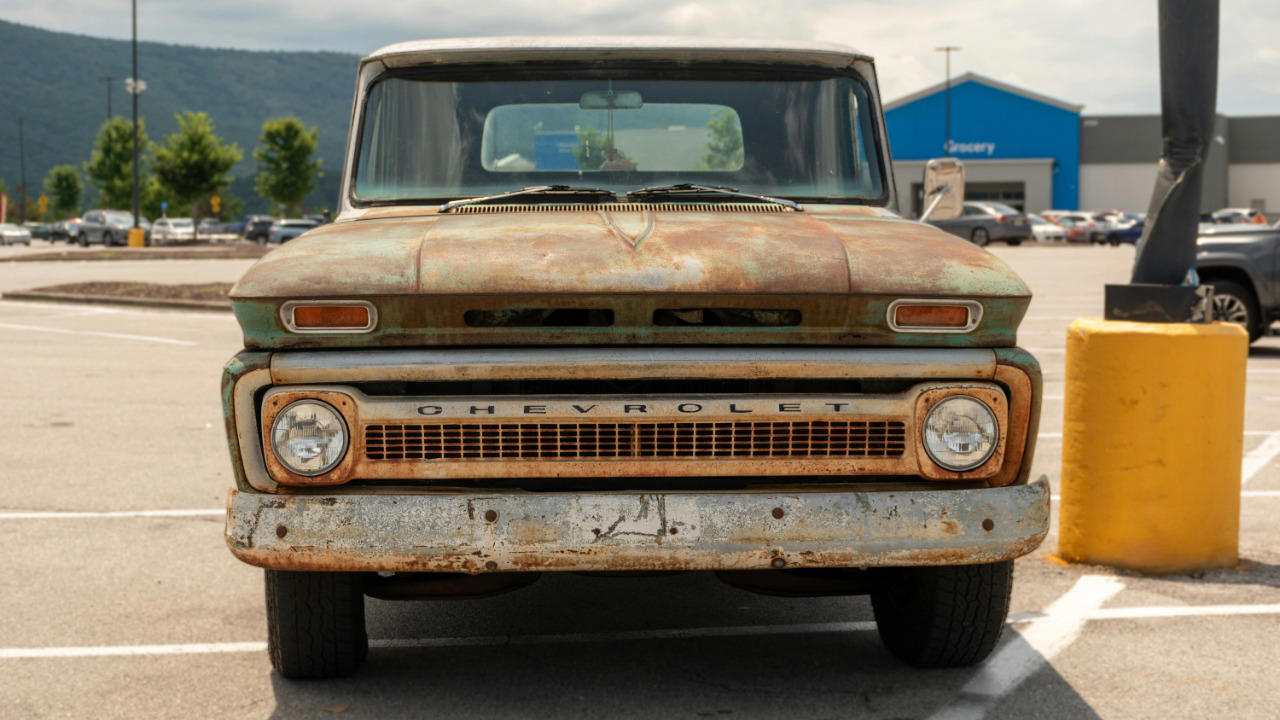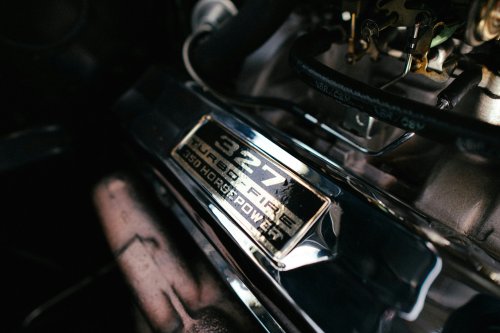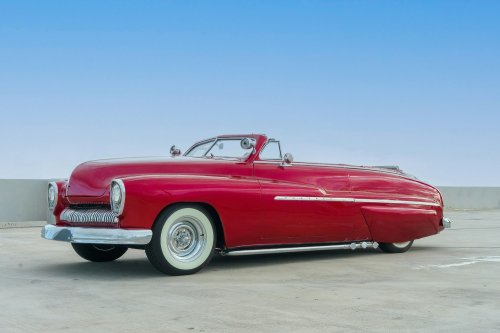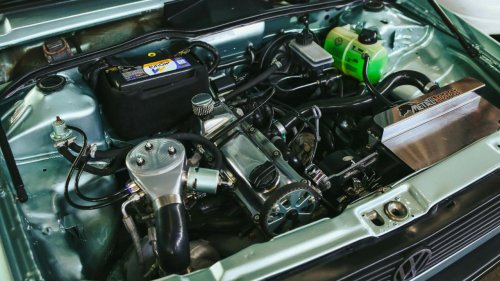



















Numbers matching vs restomod which one matters more todayFor decades, collectors treated a numbers-matching car as the gold standard, while modified classics sat a step below. That hierarchy is now under pressure from buyers who want vintage style with modern performance, safety, and comfort. The tension between originality and restomod thinking has become one of the defining questions in the classic car market: is authenticity still king, or has usability taken the lead? What “numbers matching” really means now In its strictest sense, a matching-numbers restoration means the car still carries the original engine, transmission, and other major components it left the factory with, verified by factory stampings and tags. A detailed guide on matching numbers restoration explains that this verification runs beyond the engine block to items like the transmission case, rear axle, and even some accessories. On enthusiast forums, owners remind each other that a numbers car is “very far from just the block,” since casting dates, partial VINs, and correct date codes all have to line up. In one discussion, someone asked if they should restomod or find matching numbers, and a commenter on Dec 24 argued that, regardless of the choice, they should “enjoy the ride” while also recognizing how many components must remain correct for a car to qualify as truly original. That level of scrutiny explains why restorers on Q&A sites describe why they obsess over stampings. Many are chasing the exact cars they remember from youth and want to protect a rapidly diminishing pool of untouched examples. For this group, the numbers themselves are a time machine and a form of historical evidence. What counts as a restomod Restomod has become a catchall label, but most builders define it as a classic body combined with modernized mechanicals and comfort features. One explainer on the difference between original, restored, and restomod cars describes a restomod as a vehicle that keeps its vintage appearance while gaining upgrades like disc brakes, fuel injection, overdrive transmissions, and updated interiors. Another breakdown of What Is a restoration contrasts that approach with a factory-spec rebuild, which aims to bring a car back to how it left the showroom. Under that definition, restomods are not trying to recreate history; they are trying to reinterpret it for modern traffic and expectations. Shops that specialize in high-end builds often talk about blending “classic car value” with modern performance. One builder argues that a well-executed Restomod can offer greater usability and broader appeal than a purely Original spec car, especially for owners who plan to drive regularly instead of storing the vehicle as an investment piece. The market signal: auction blocks and bidding paddles At the top of the market, big auction houses still turn originality into headline money. Auction companies like Auction houses often showcase pristine, numbers-matching muscle cars and European exotics, with bidding wars that show how desirable a documented drivetrain can be. A quick scan of the docket at Barrett-Jackson confirms that fully documented, low-mileage originals still command premium catalog placement and intense interest. Yet late-model restomods are moving from the fringes to prime time. A video series on Car Sense walks through how heavily modified classics can rival or exceed the sale prices of stock restorations when the workmanship is high, and the upgrades are tasteful. Another analysis from a major interior supplier notes that Resale value for restomods often beats that of standard restorations, except in the rarest, most historically important cases. In other words, the market has split. For blue-chip cars, documented originality still rules. For more common models, buyers increasingly reward drivability, reliability, and style, even if that means the original engine is long gone. “Numbers-matching cars really don’t matter much anymore.” Some voices inside the hobby argue that the pendulum has swung decisively toward modification. A video posted in Jan on Jan 16 features a builder bluntly telling viewers that numbers matching cars “really don’t matter much anymore” and that the value of them “ain’t really” what it once was. The same message appears in a clip shared by Studio Hotrods, where the host asks, “Do Original, Numbers-Matching Cars Even Matter Anymore?” and says the market has spoken. That conversation appears both in a Jan video and a related post where a commenter writes that they felt the Holy Spirit had been telling them the same thing as they searched for a car. Another commentator in Mar argues that something has changed in the last ten years. In a discussion on Mar 24, he notes that numbers matching used to be the thing, but that a shift in buyer priorities now makes originality less of an automatic ticket to top dollar. Those claims are provocative, and they do not apply equally across all segments. They do, however, capture a generational change: younger buyers often care more about Bluetooth audio and cold air conditioning than whether the alternator carries the right date code. Why do some cars still demand original drivetrains Against that backdrop, many experienced collectors still draw a hard line for certain models. In a Facebook thread about whether to restore a second-generation Camaro to original or go for a restomod, one commenter in Mar writes that, in their opinion, whether to go original or resto is dictated by the car. If it is a rare car like a Z or SS, and the motor is numbers-matching, they argue, then originality should win. The capitalized AND in that sentence captures how strongly some enthusiasts feel about preserving rare configurations. On a Tri Five forum, an owner discovered that the Block stamping on his Chevy showed it was manufactured in Block Feb 1957, and immediately wondered whether the car, even as a four-door, would be worth more restored stock or modified. That kind of discovery can shift a project plan overnight, since documentation turns an ordinary driver into a more historically significant artifact. Mustang owners wrestle with the same calculus. A thread on a vintage Mustang forum asks whether number matching and all original still matter like they once did. One reply points out that Fords often have date codes instead of full numbers, so a replacement engine can still be acceptable if it falls within the correct date ranges. That nuance shows how even purists sometimes accept a practical compromise when factory documentation is less precise. Restomod economics: cost, usability, and ownership From a financial perspective, restomods can look expensive at first glance. One pricing breakdown notes that, when buyers compare how much it costs to restore a car versus investing in a restomod, the difference goes well beyond the upfront price. The analysis on When argues that a properly engineered restomod can deliver greater long-term ownership value because modern components cut down on maintenance and make the car more enjoyable to drive. Video creators echo that logic. In a segment titled RESTORATION VS RESTOMOD: Which do YOU Choose for your classic, a host in Jun 29 says an original-style restoration can still be fun, but it will not be as head-turning or as wild-sounding as a “reser rod” build. Another clip on Jun 13 features John at ECD Auto Design in Cassini, Florida, explaining how his shop helps clients decide which philosophy fits them, Original or Restomod, based on how they intend to use the vehicle. How enthusiasts are splitting the difference Real-world buyers rarely live at extremes. In a Reddit thread titled “Be honest, do you prefer a fully original restoration, or a resto-mod,” one commenter suggests a middle path. Using Chevelles as an example, they say to keep a ’69 SS 69 454 original, but feel free to restomod a ’66 M Malibu that came with a 283. That approach reserves strict originality for rare, high-performance variants while encouraging creative builds on more common or lower-spec cars. On another Facebook group, a member asking whether to restomod or chase matching numbers is told, regardless of the decision, to enjoy the ride. The same commenter reminds them that a true numbers car involves far more than the block, hinting that some owners may be happier building a driver instead of chasing perfection that might not be realistic for their budget or starting point. Even among builders who say numbers matching cars do not matter much anymore, there is usually an implicit caveat. The Jan video that downplays originality still acknowledges that rare, historically significant cars occupy a different category. The argument is less that numbers never matter and more that, for the majority of cars on the road, buyers reward how the car drives and looks today over how faithfully it mirrors a factory brochure. The role of media, catalogs, and culture Restomod culture is also being shaped by media and merchandising. A catalog from Velocity Modern Classics, linked through a Discovered citation, showcases a lineup of builds that treat classic Broncos, F-series trucks, and muscle cars as canvases for modern engineering. Their online shop at shop sells branded parts and apparel that reinforce restomod identity as its own subculture, not just a technical choice. At the same time, restoration-focused sites still publish detailed guides on Bringing It Back to Factory Specs, and communities of purists trade decoding charts and build sheets. The coexistence of these two ecosystems shows that the hobby has diversified rather than shifted wholesale in one direction. Even platform providers have become part of the story. A developer resource on Discovered via a video citation highlights how creators use YouTube to reach enthusiasts worldwide, turning personal shop opinions into market-shaping commentary. When a builder with a large following declares that numbers matching cars do not matter, that message can influence not only attitudes but also what younger buyers are willing to pay for. So which matters more today: numbers or restomod thinking? Looking across auctions, forums, videos, and shop blogs, a pattern emerges. For the rarest and most historically significant cars, matching numbers still matter a great deal. A first-generation big-block Corvette with original drivetrain, or a documented Hemi ‘Cuda, will almost always be worth more and more sought after in original spec than as a restomod. Auction catalogs at Jackson and similar venues confirm that reality. For the majority of classic cars, especially those built in large numbers, the center of gravity has shifted. Buyers who grew up with modern vehicles expect strong brakes, air conditioning, and reliable fuel systems. They are willing to pay for a tastefully modified car that delivers those traits, even if that means the original engine sits on a stand or is long gone. Builders who argue that numbers matching cars really do not matter much anymore are speaking to that broad middle of the market, where enjoyment and usability outweigh strict authenticity. More from Fast Lane Only Unboxing the WWII Jeep in a Crate 15 rare Chevys collectors are quietly buying 10 underrated V8s still worth hunting down Police notice this before you even roll window down