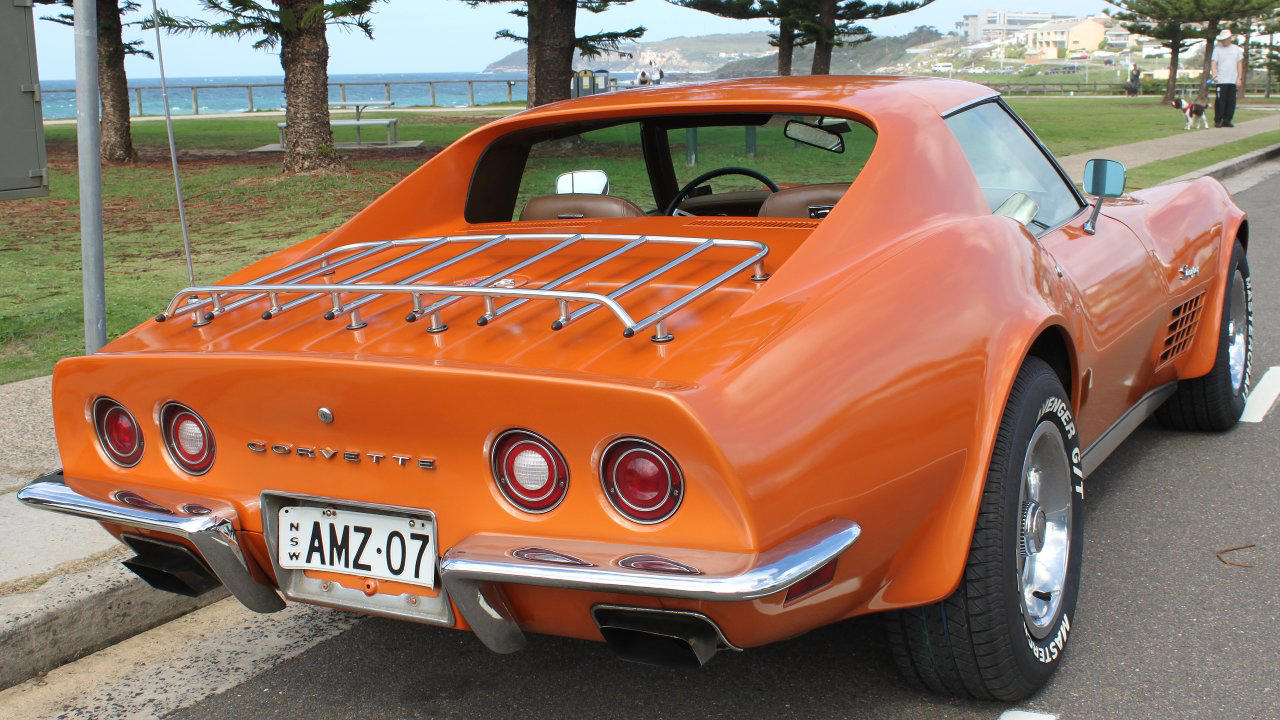
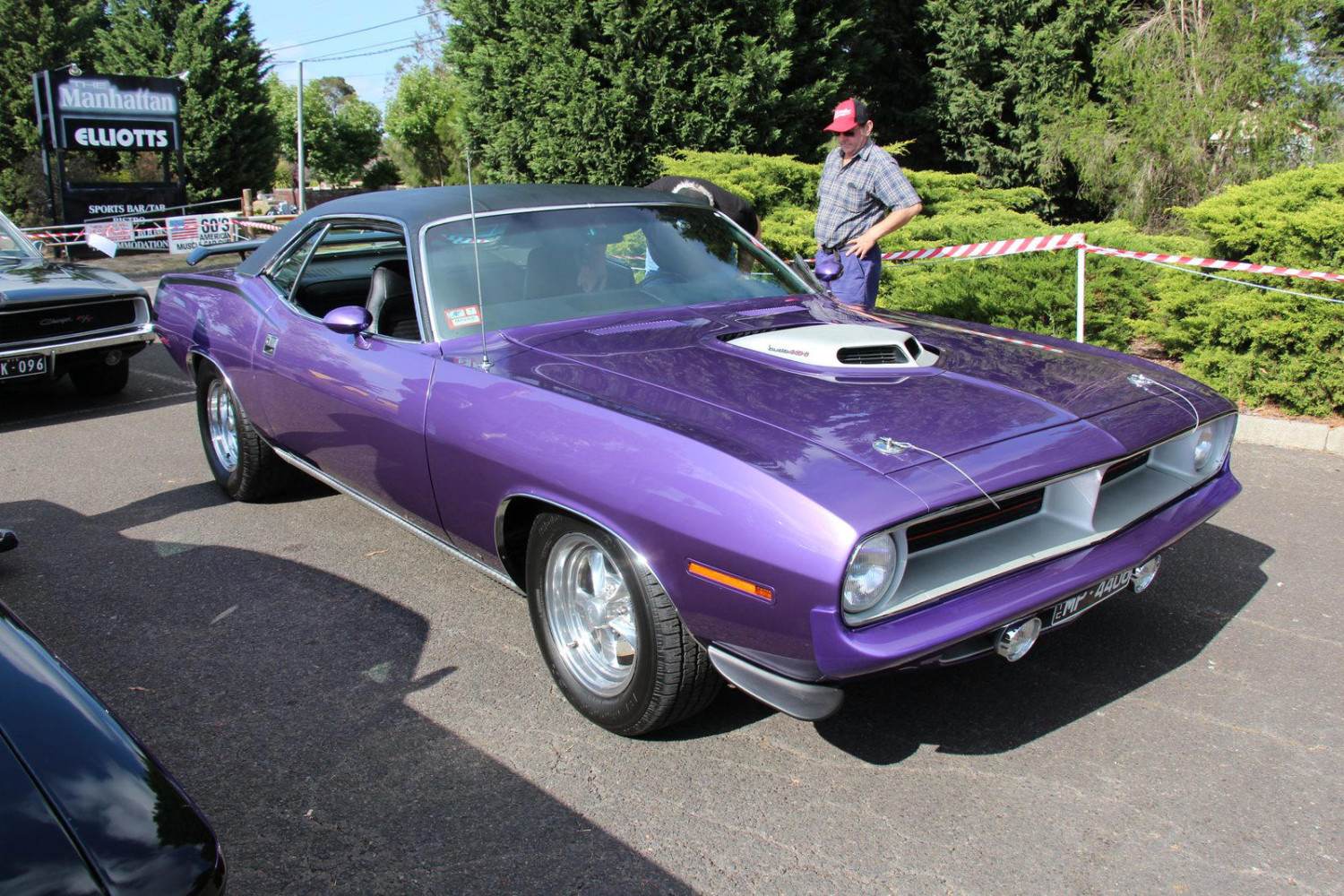
The 1972 model year Corvette did more than usher in the final season of chrome bumpers. It arrived just as the American industry abandoned inflated gross horsepower figures and adopted a tougher net standard, turning showroom numbers upside down even when the cars themselves had not changed as dramatically as the spec sheets suggested. The result was a single model year that confused buyers, reshaped performance bragging rights, and permanently altered how enthusiasts talk about power. From bragging rights to reality checks For most of the 1960s, Detroit treated horsepower ratings as a marketing weapon, quoting generous gross figures measured on bare engines running on test stands. Those numbers did not account for accessories, full exhaust, or production air cleaners, so the output printed in brochures often had only a loose relationship to what a buyer actually felt on the road. Technical historians describe how, between inflation and deliberate underrating in some cases, the link between advertised gross horsepower and real net output was inconsistent at best, especially outside California where stricter standards arrived earlier, which set the stage for a reckoning by the early 1970s. That reckoning came when the industry shifted to SAE net horsepower, a method that measures engines with all accessories, air filters, and factory exhaust systems installed. Engineering references explain that SAE Net Horsepower is taken with the engine in something close to as-installed condition, and that American automakers began rating engines this way starting with the 1972 model year. Broader overviews of horsepower note that in the United States, the older brake horsepower terminology fell out of use around 1971 and 1972 as manufacturers moved to SAE net figures, and contemporary explainers on performance still point to 1972 as the year the SAE Net Standard was put in place to ensure engines were measured with the full production equipment fitted. Why 1972 hit the Corvette so hard on paper The Corvette was one of the most visible victims of this new honesty, because its big and small block V8s had been headline makers throughout the late 1960s. Corporate histories of the 1972 Chevrolet Corvette Convertible recall that the legendary LT-1 small block had been rated at 370 horsepower in 1970, a figure that helped cement the C3’s reputation for raw performance. By 1972, the same basic 350 cubic inch LT-1 was detuned and, more importantly, remeasured under the net standard, which made the drop on paper look catastrophic even before a buyer turned the key. Specialist Corvette guides describe how the detuned 350 cubic inch LT-1 engine was rated even lower in 1972, and they note that this was the lowest factory horsepower rating this generation would ever see. Broader C3 overviews add that there was a thirty to forty horsepower drop due to reduced compression ratios to meet a GM corporate edict that all engines run on lower octane fuel, and that this mechanical change arrived just as ratings were advertised in SAE net figures. Put together, the compression cuts, emissions equipment, and the new measurement method converged in 1972, so the Corvette’s spec sheet suddenly suggested a far weaker car even though the underlying hardware and performance character had not collapsed to the same degree. Emissions, octane, and the illusion of a power crash Image Credit: Jeremy from Sydney, Australia, via Wikimedia Commons, CC BY 2.0 Regulation and fuel quality were the other half of the story, and they hit at the same moment as the rating change. Period accounts of the 1972 Corvette point out that emissions and octane requirements brought horsepower down again for that model year, but they also stress that the real-world loss was not as severe as the numbers suggested. Enthusiast commentary on that specific year notes that engines were often tuned a bit richer and more conservatively than the federal minimums required, which meant there was still more performance available than the official figures implied, especially once owners adjusted ignition timing or exhaust flow within legal limits. General Corvette histories for the C3 generation underline that GM’s corporate decision to lower compression ratios across the board, in order to run on regular fuel and meet emissions rules, cost roughly thirty to forty horsepower before any change in measurement standard was considered. When those lower compression engines were then rated using SAE net horsepower, the combined effect made it appear as if power had fallen off a cliff. Contemporary sales and valuation tools for the 1972 Chevrolet Corvette show that the car retained strong enthusiast interest despite the softer numbers, which suggests buyers quickly learned to read between the lines of the new ratings and judge the car by how it actually drove. How the new ratings reshaped Corvette’s image The sudden drop in advertised output did more than confuse spec sheet readers, it reshaped how the Corvette was positioned in the market. Commentators looking back at the early chrome bumper years often single out the 1971 Corvette as an “incredible” car that marked the end of one of the greatest eras in the model’s history, in part because it was the last to carry the old style of horsepower numbers. By contrast, 1972 models, which looked nearly identical and still carried chrome bumpers, were often perceived as less desirable simply because their net ratings made them appear weaker, even though the driving experience remained broadly similar. Classic car dealers who compare 1971 and 1972 Corvettes in their own sales material emphasize that in 1972 horsepower was rated with all engine accessories, and that power looked as if it fell right off the shelf. They note that this perception has helped make 1971 a more sought after model year than 1972, despite the close kinship between the cars. At the same time, factory documentation for the 1972 Chevrolet Corvette Convertible highlights that it was still a serious performance machine, with the LT-1 and big block options continuing to deliver strong acceleration even under the stricter rating regime, which suggests that the car’s reputation suffered more from the optics of the new standard than from any fundamental loss of capability. The legacy of 1972’s horsepower reset Looking back from today, I see 1972 as the year that forced American performance culture to grow up about horsepower. Technical summaries of gross versus net ratings explain that the new SAE net system, which has been used for engines since 1972, measures output with all accessories, air filters, and factory exhaust in place, giving buyers a far more realistic sense of what a car can do. Broader discussions of horsepower terminology note that in the United States, the shift away from brake horsepower to SAE net figures around 1971 and 1972 effectively ended the era of wildly optimistic showroom numbers and created a common language that still underpins modern performance comparisons. The Corvette’s experience in 1972 shows how painful that transition could be for a halo car built on big numbers, but it also illustrates why the change was necessary. Later coverage of the GM Heritage Center’s collection of historically significant engines, including some of the most celebrated Chevrolet V8s, treats net horsepower as the baseline for understanding their place in history, and modern explainers on types of horsepower still reference the SAE Net Standard introduced in 1972 as the benchmark for honest ratings. When I look at a 1972 Corvette today, whether in a valuation guide or in a walkaround video that captures its start up and exhaust note, I see a car that helped drag the industry from marketing fantasy toward engineering reality, and in doing so, it changed how every enthusiast since has talked about power. More from Fast Lane Only: 10 underrated V8s still worth hunting down Police notice this before you even roll window down