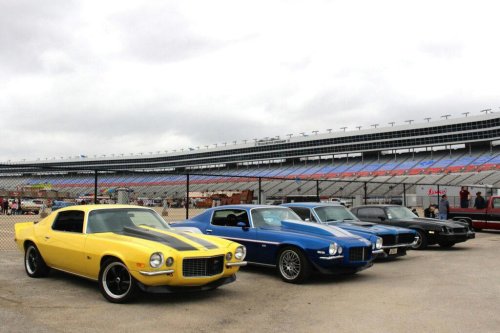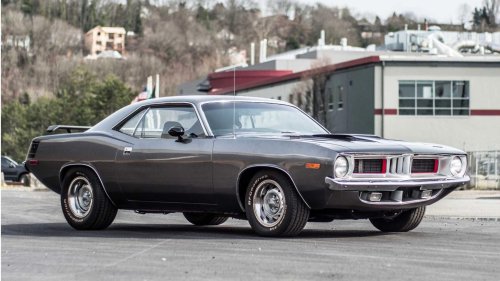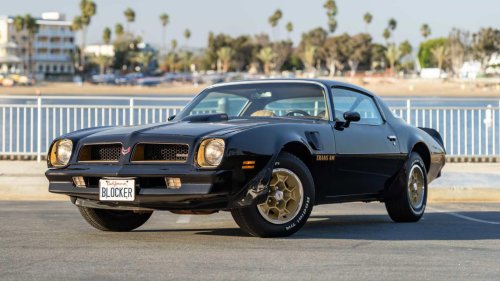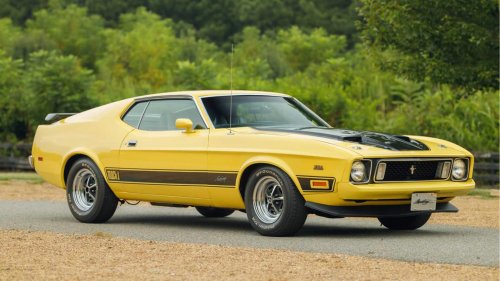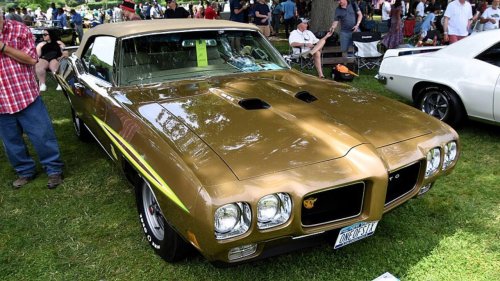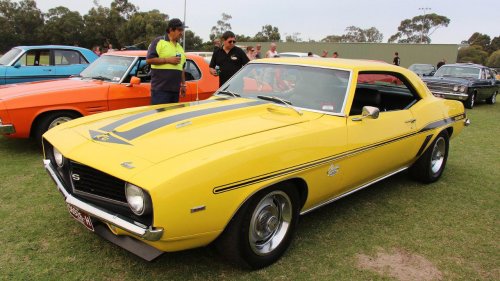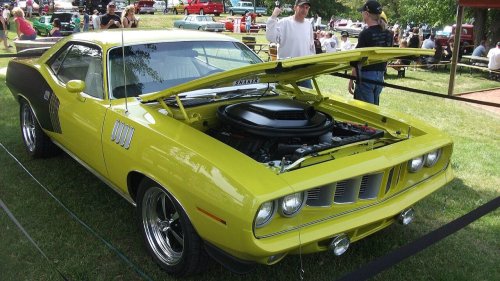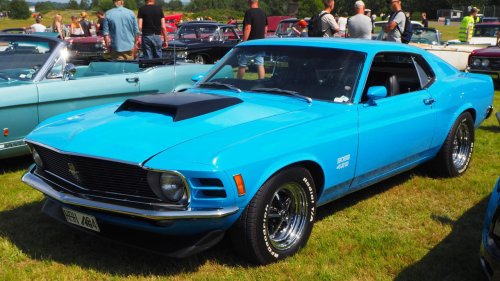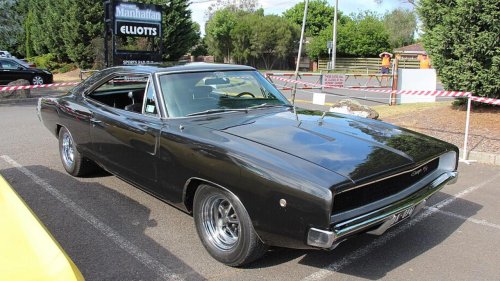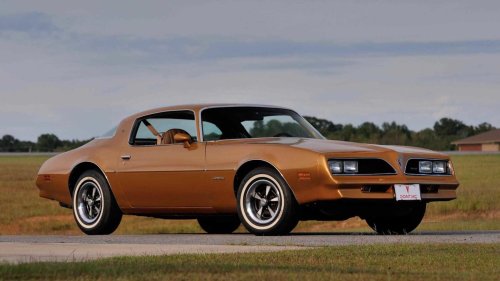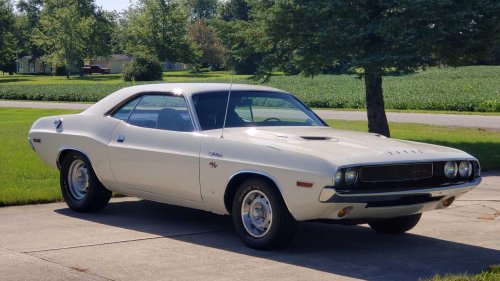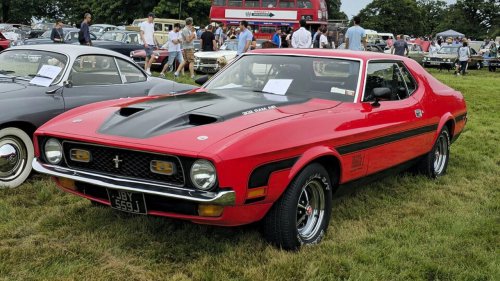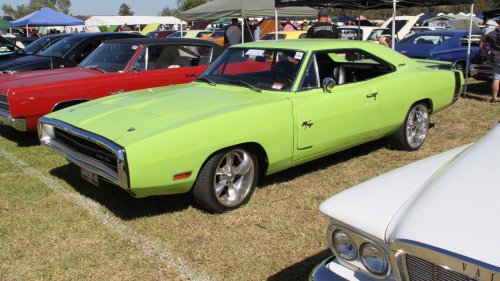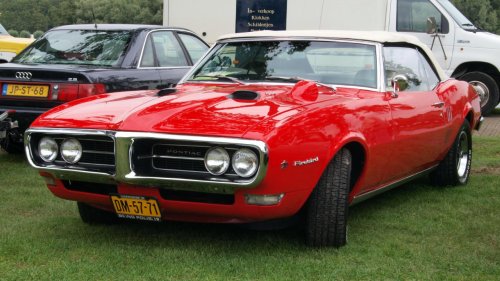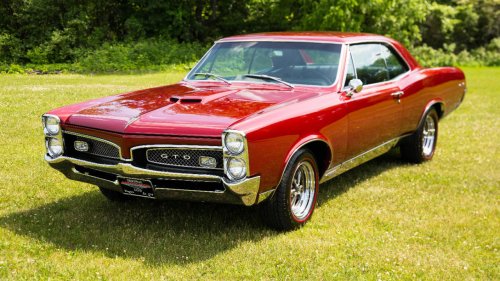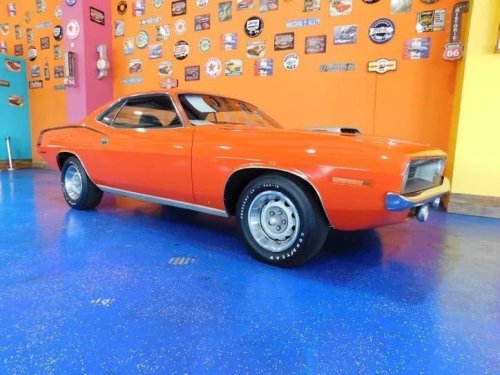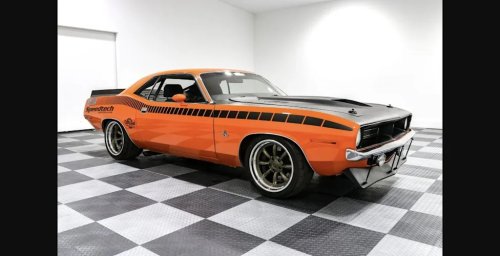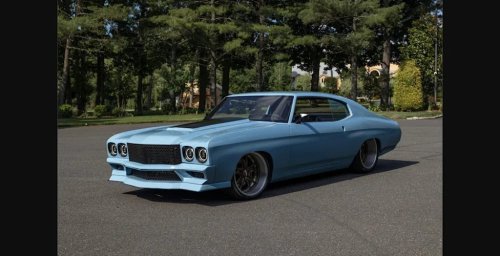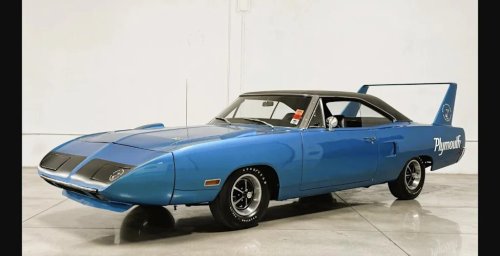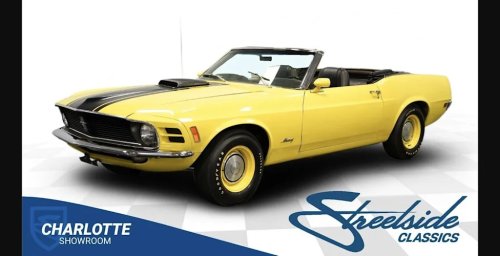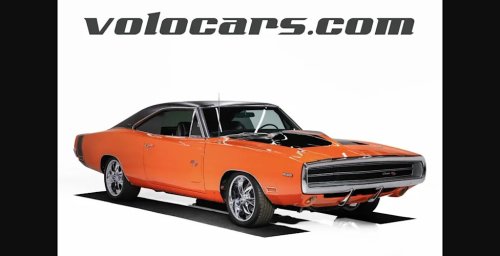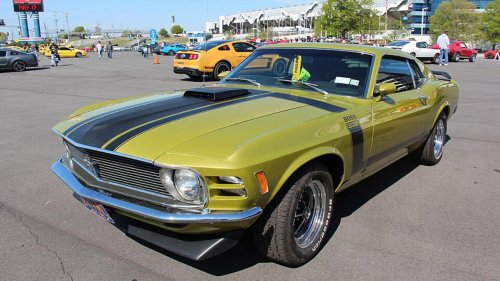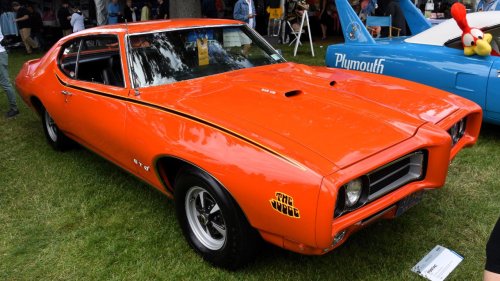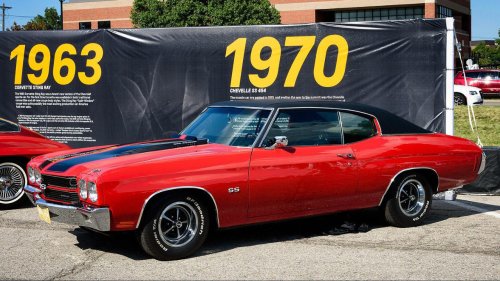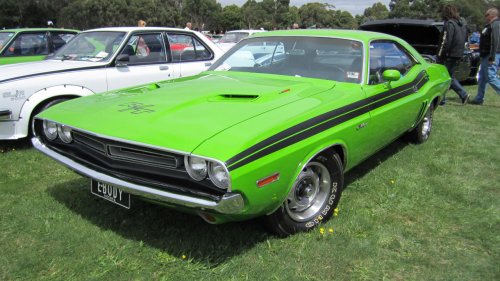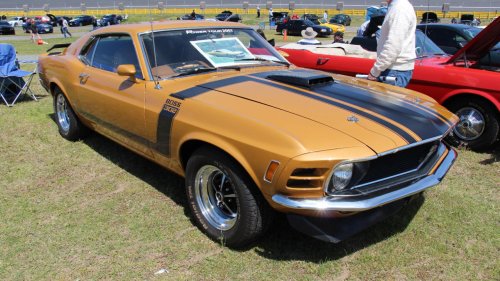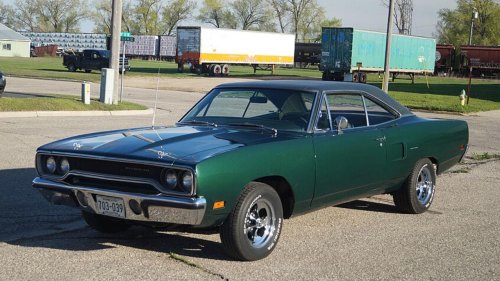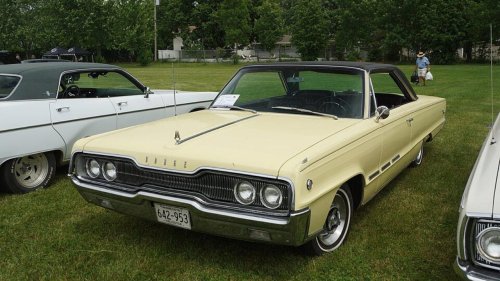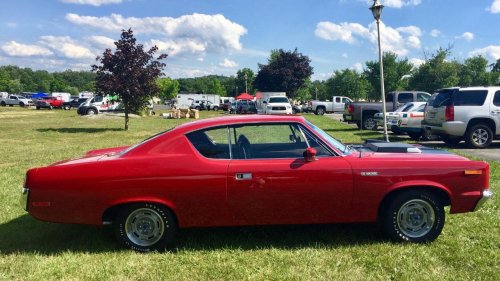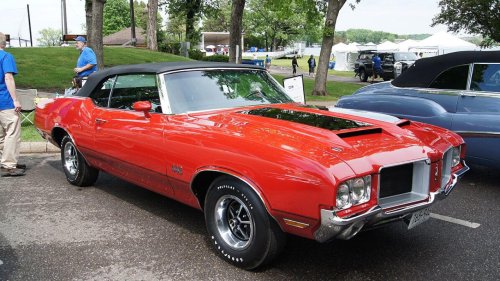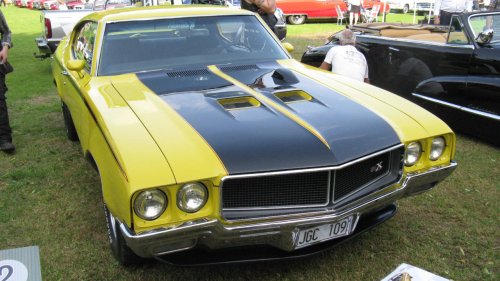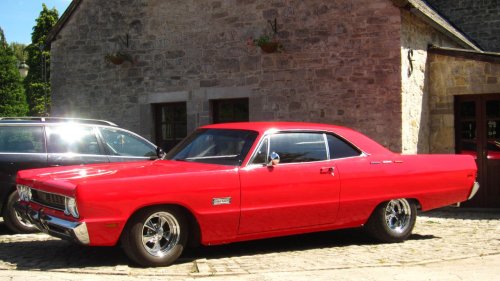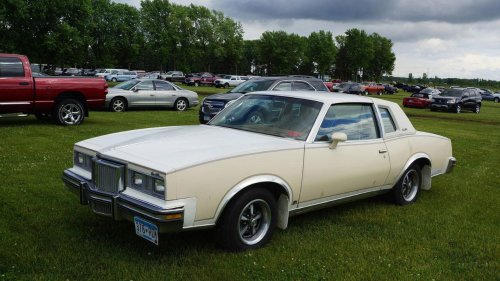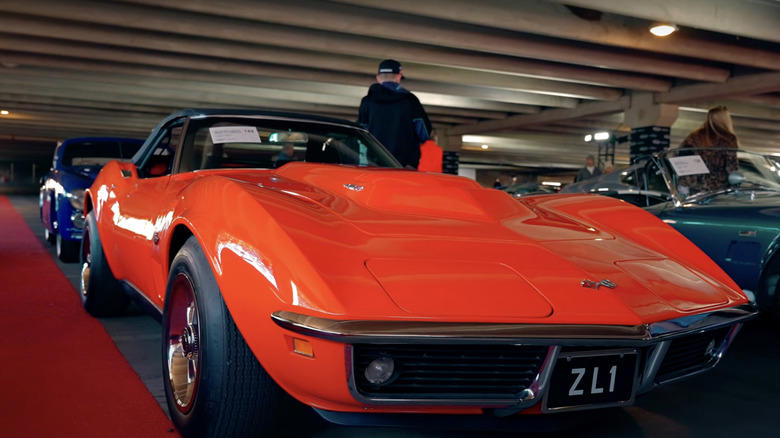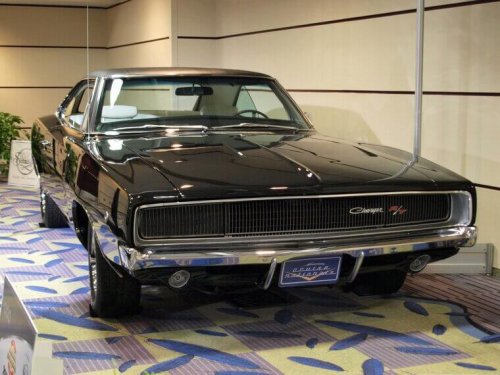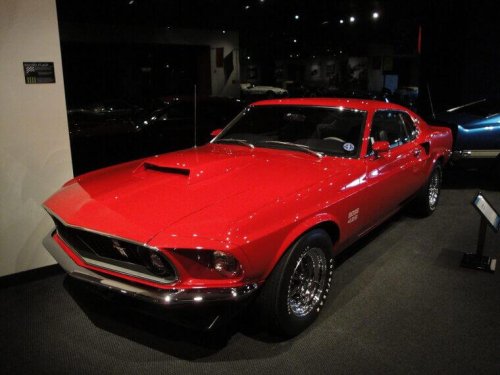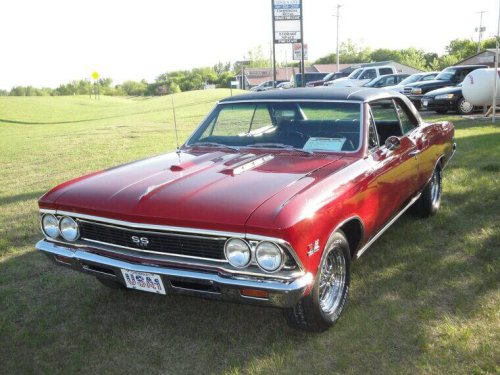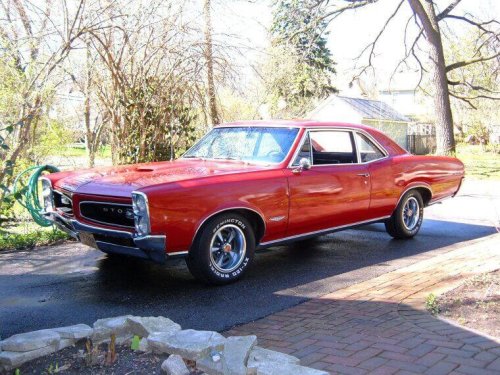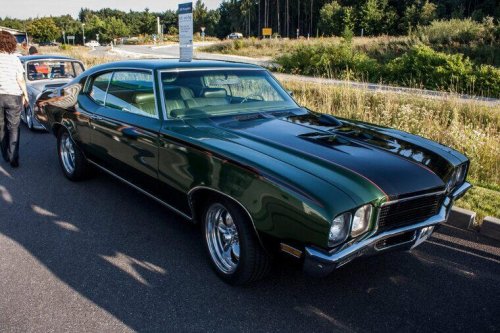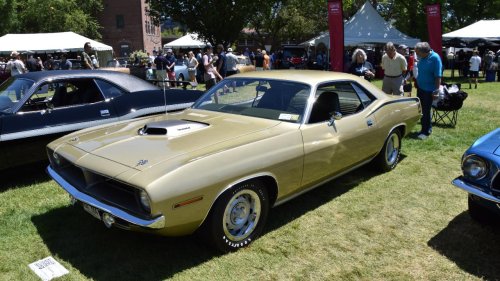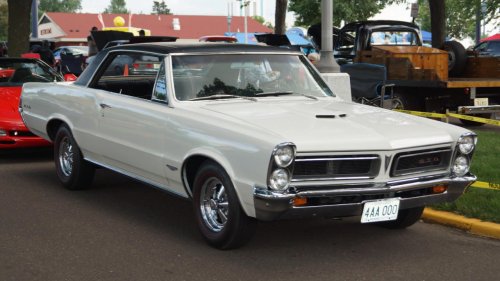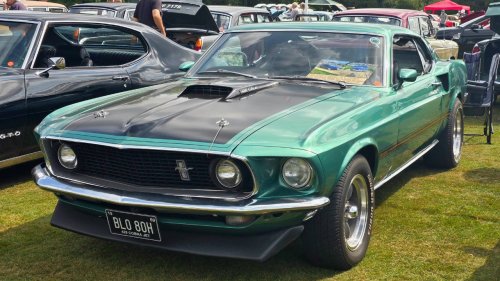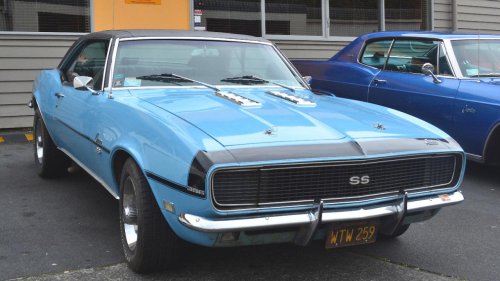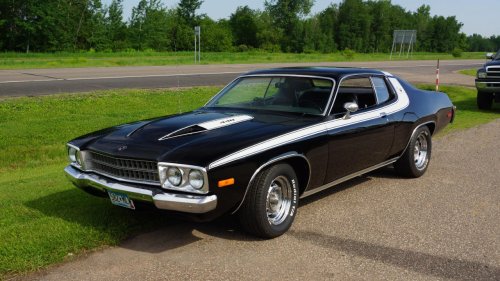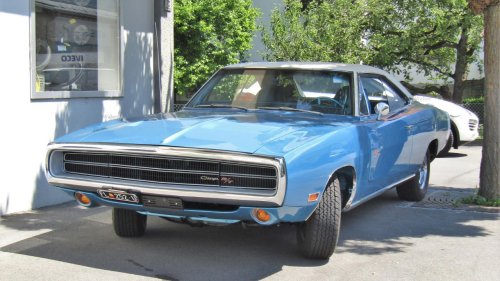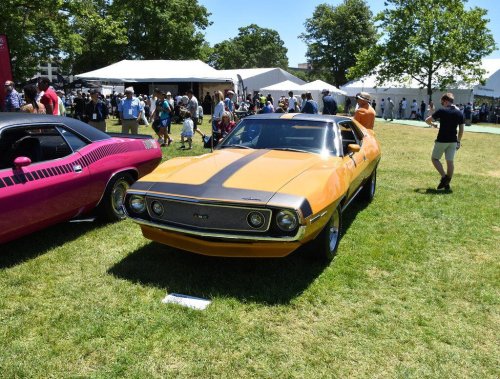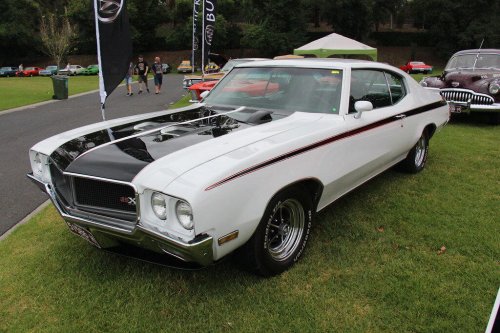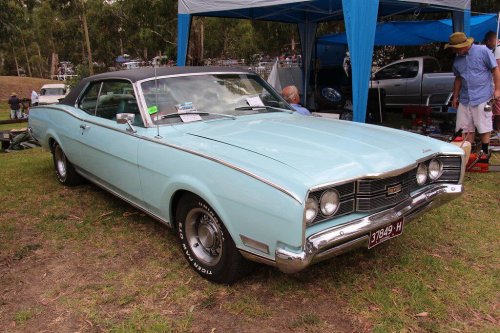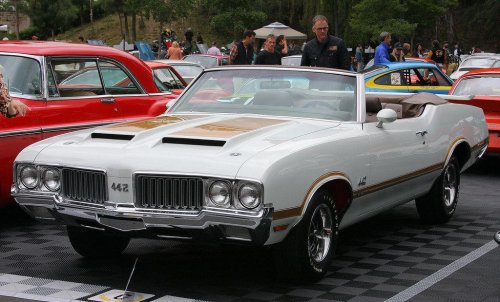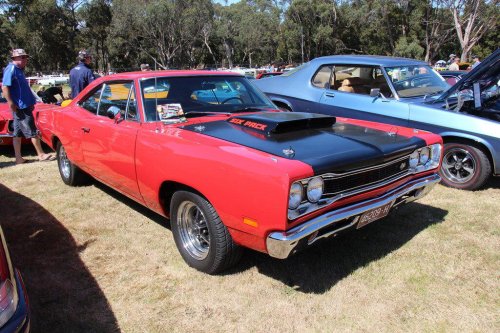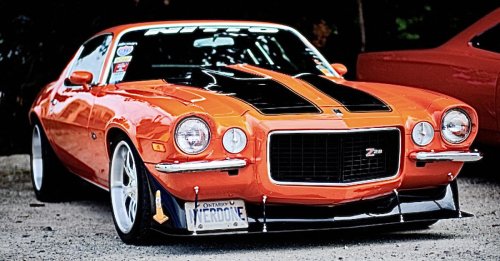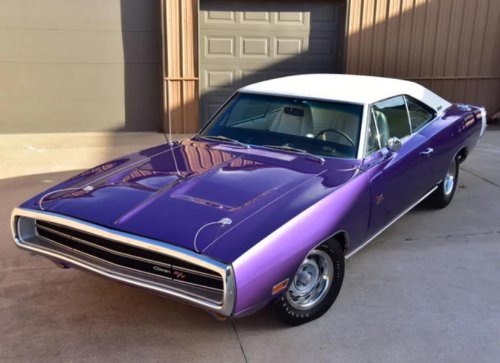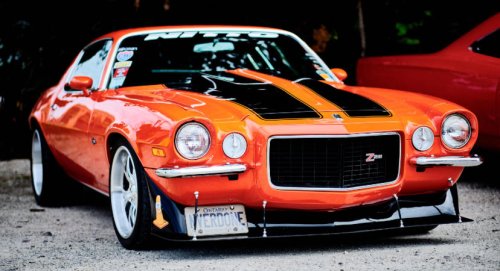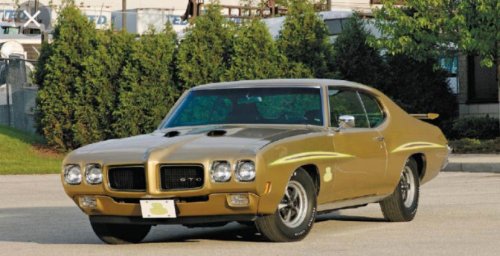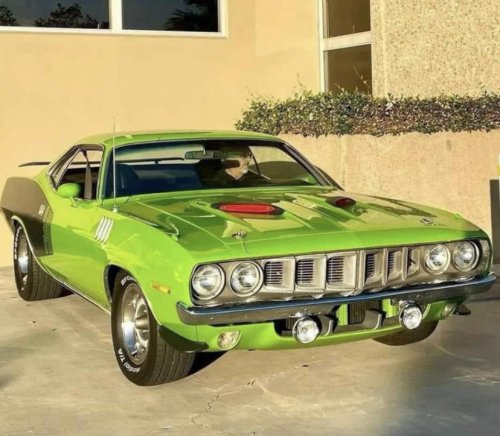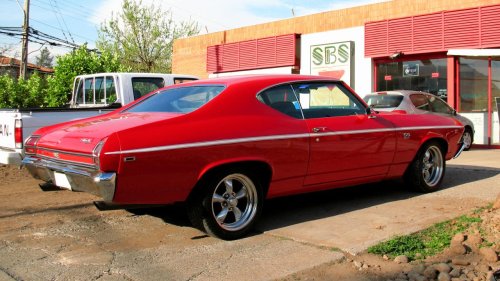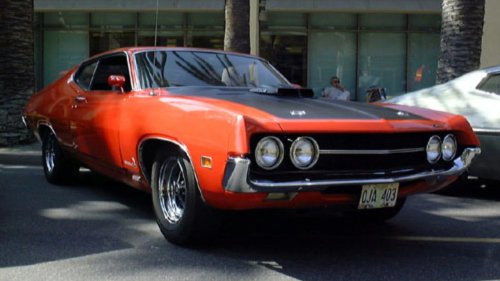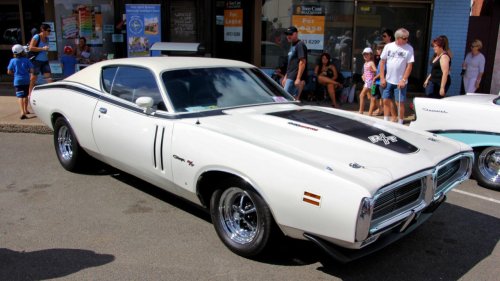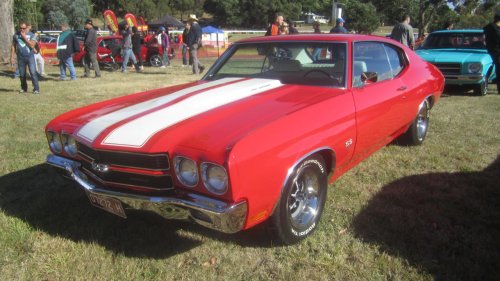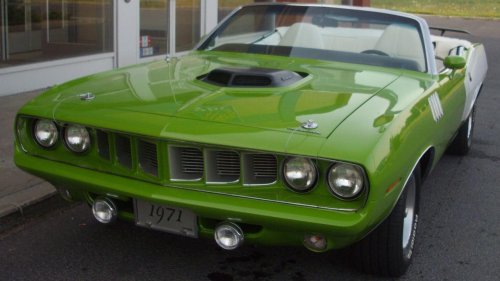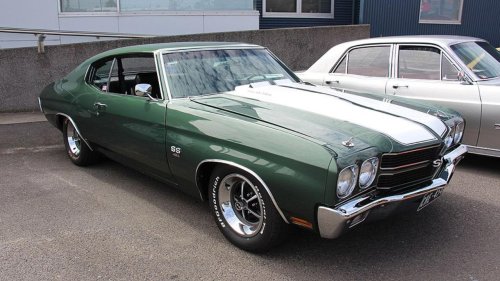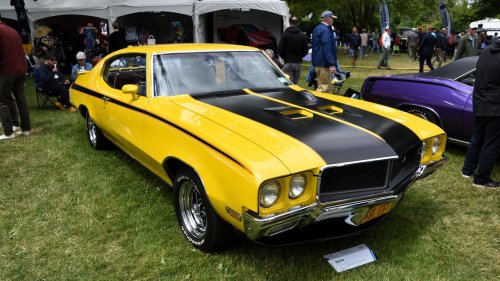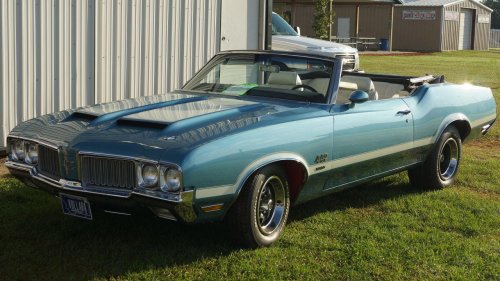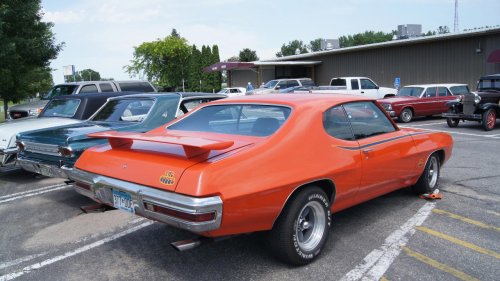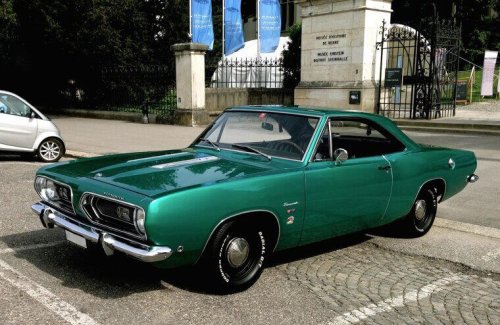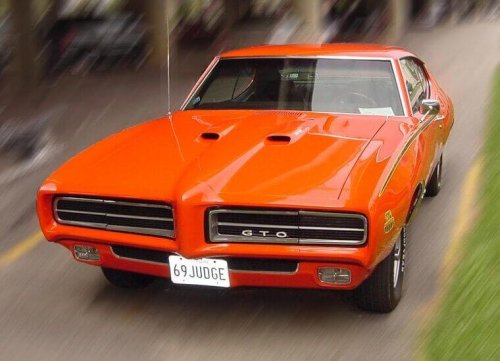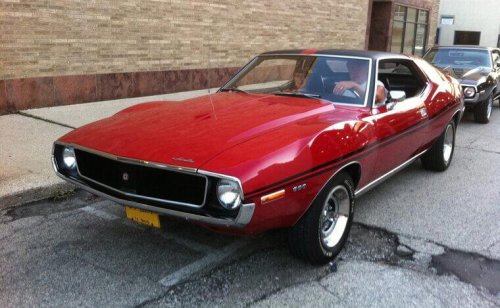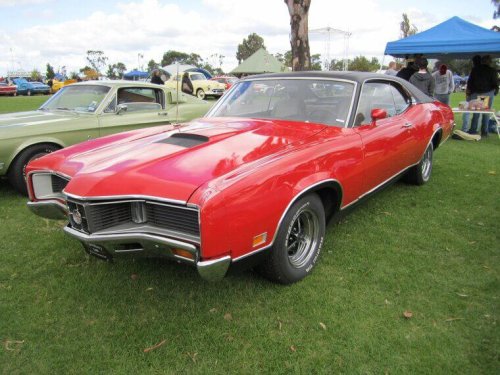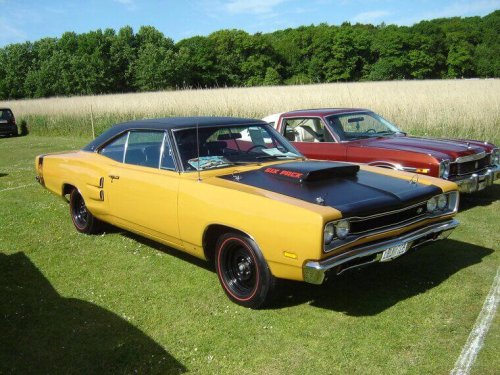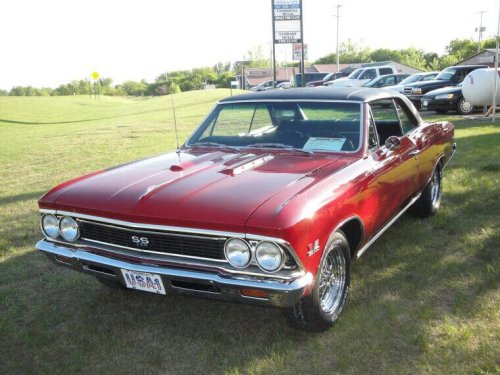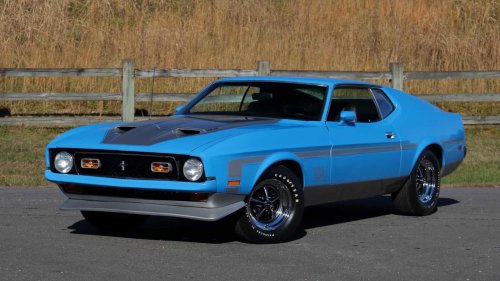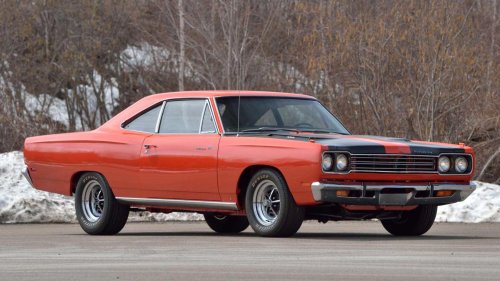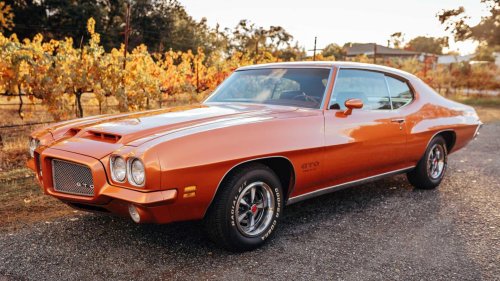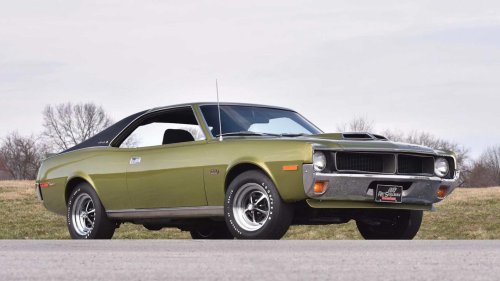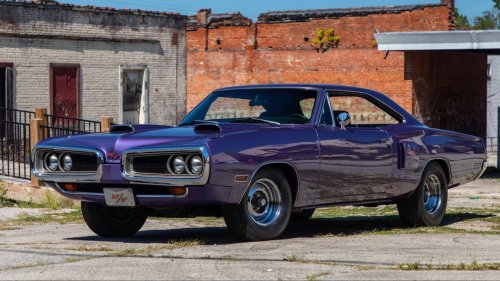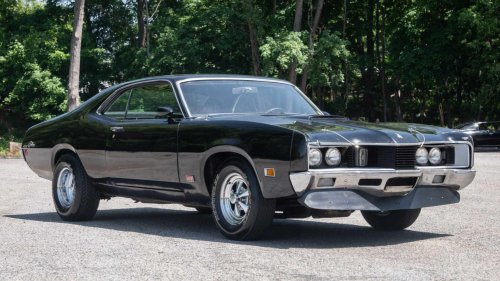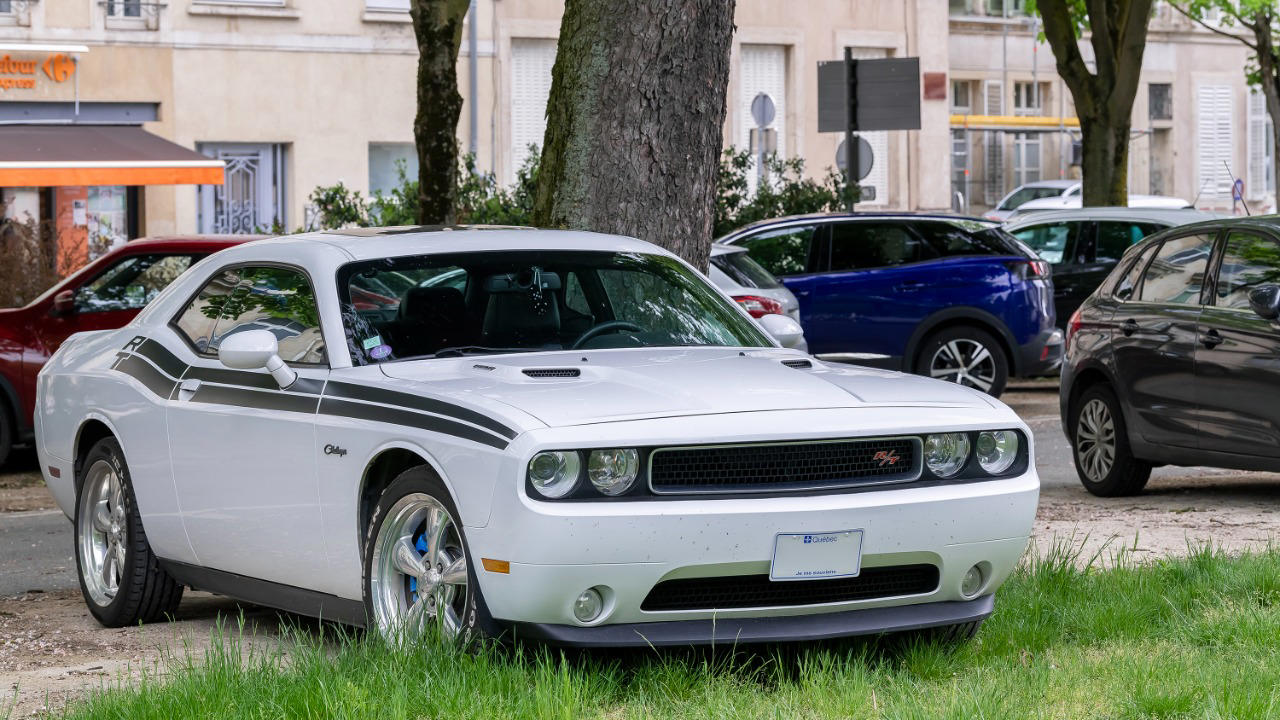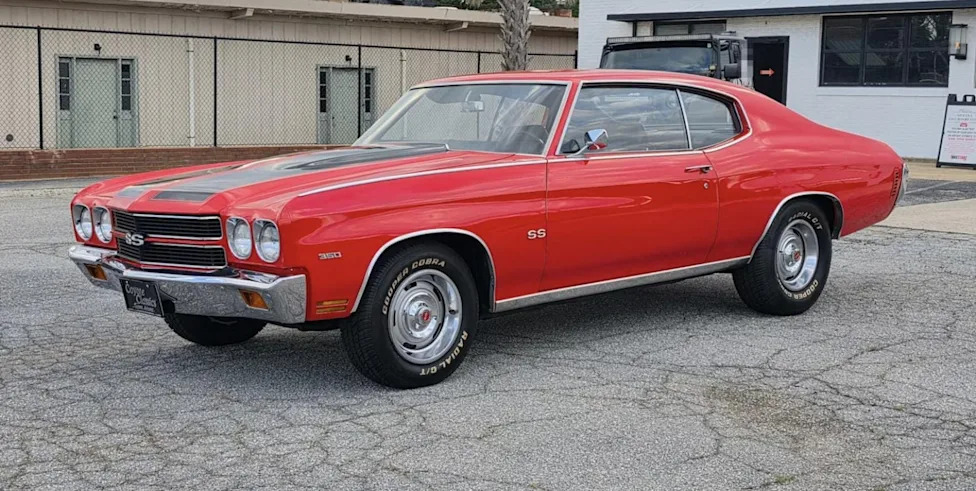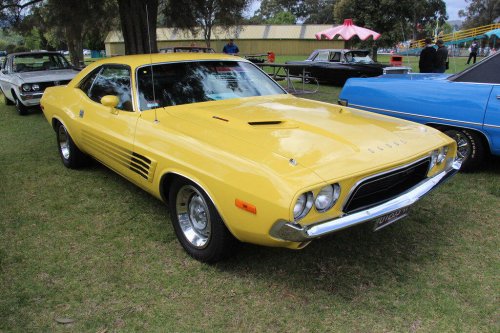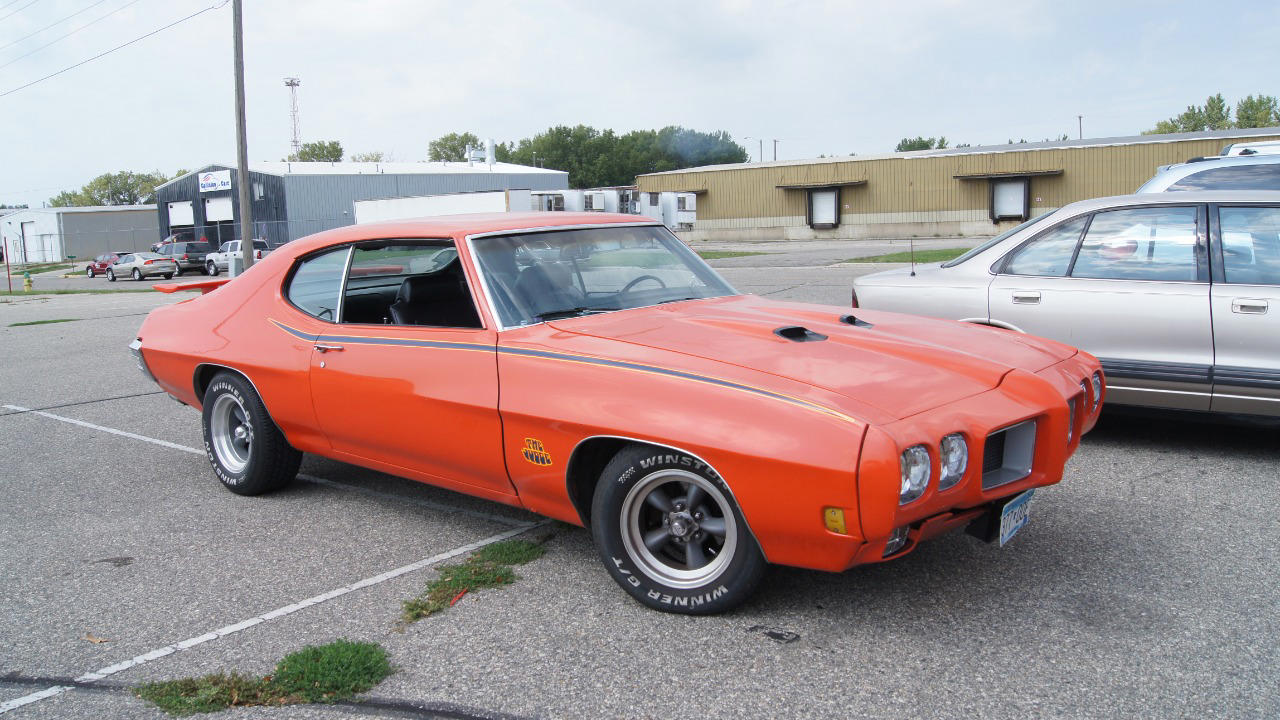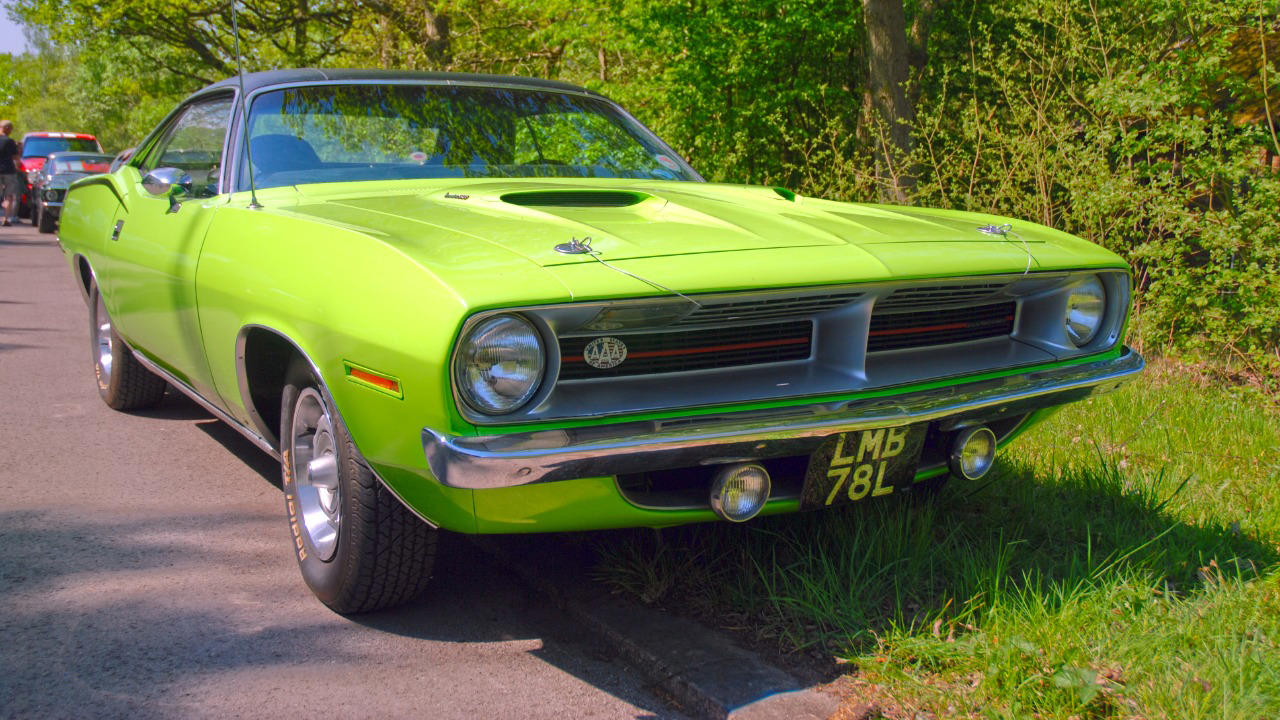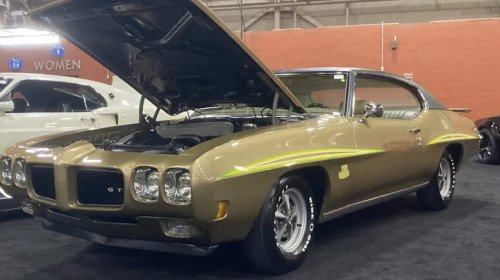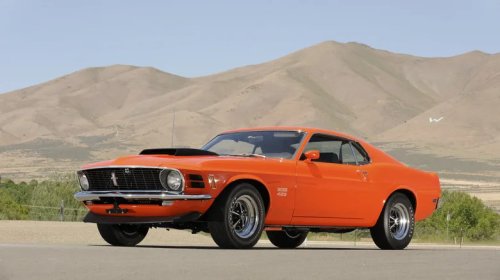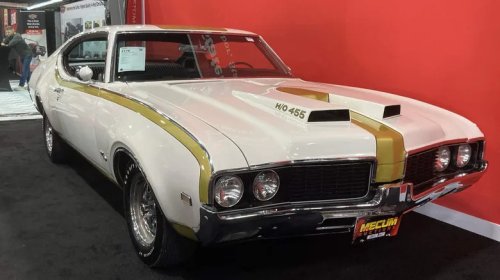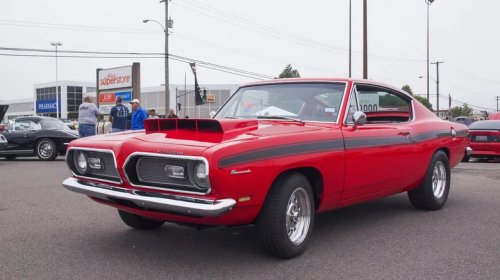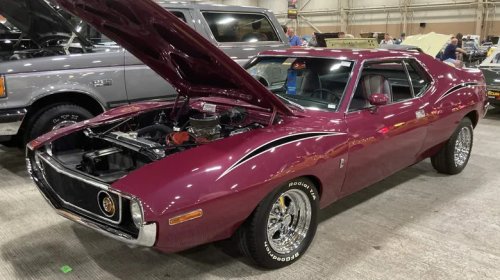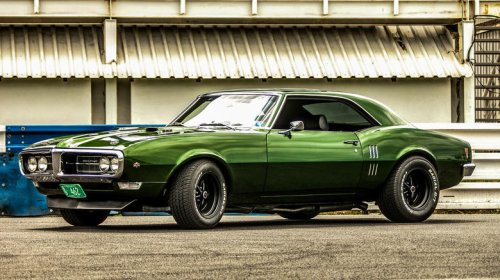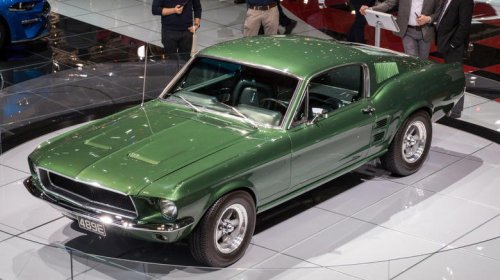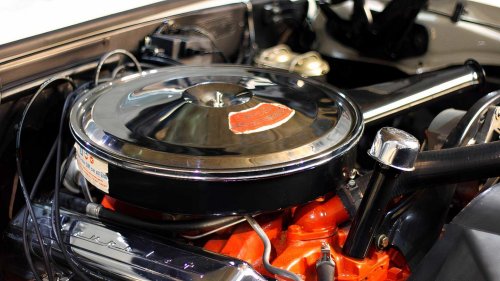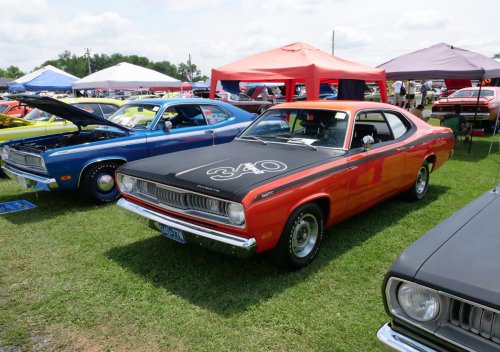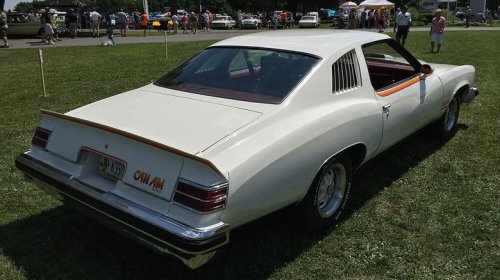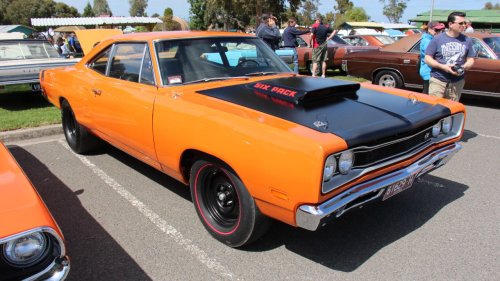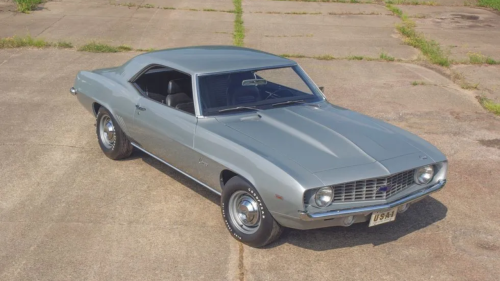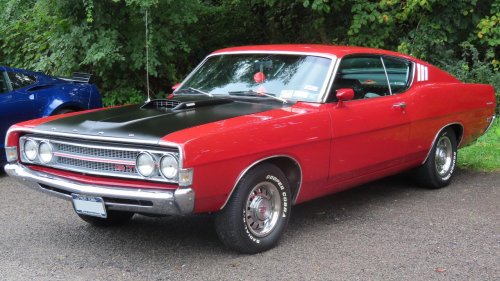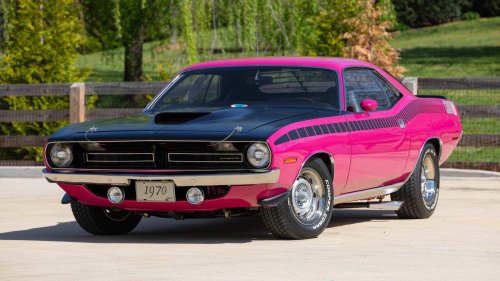
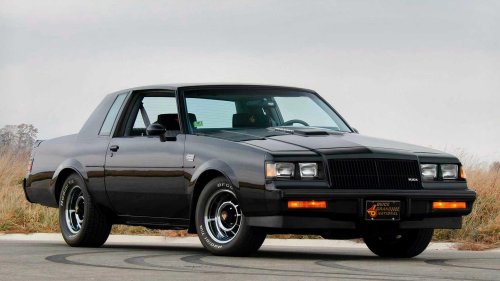
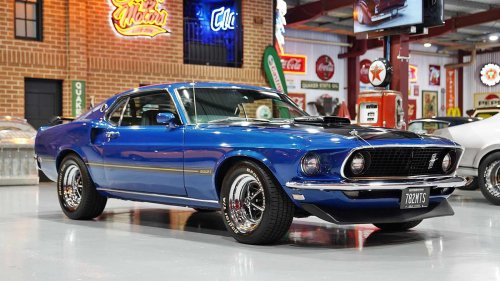
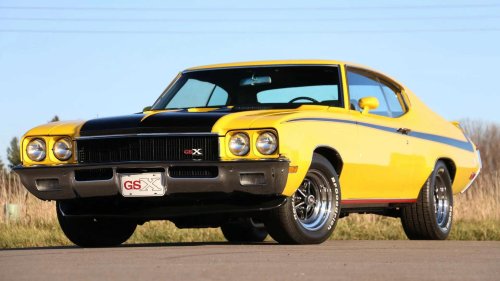
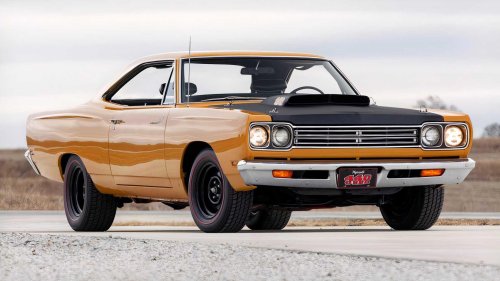
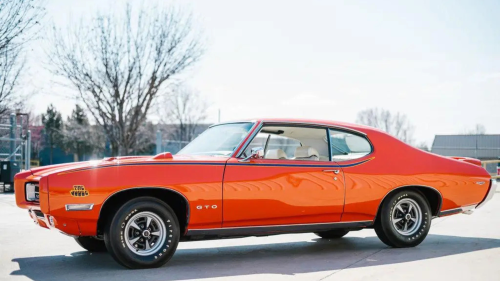
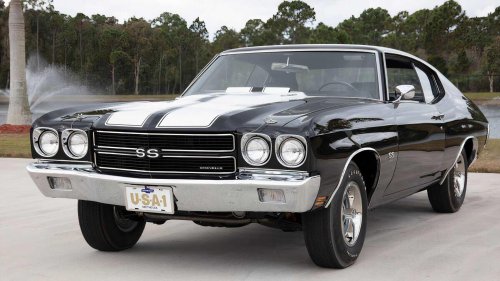
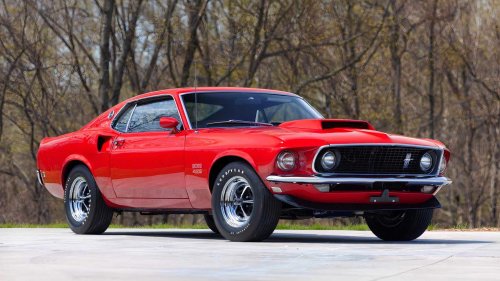
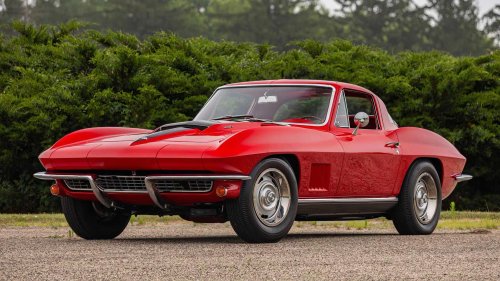
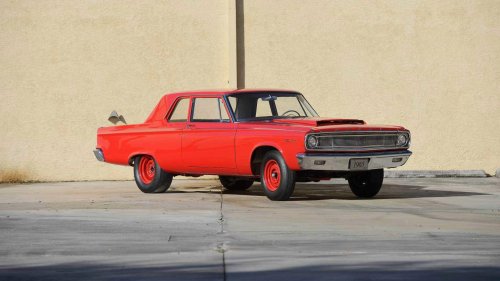



















What you see isn't always what you get. In the case of horsepower ratings, you won't always end up at the number the manufacturer said you would. Oftentimes, power ratings fall short of advertising claims. In rare instances, you actually wind up with more than you'd expected.Whether it be to uphold a gentleman's agreement or lower insurance premiums, car manufacturers have a habit of giving conservative ratings to their performance cars. America, in particular, loves a good sandbagging and has a long track record of advertising cars to produce much less power than they actually do. In celebration of that, we've rounded up ten classic muscle cars that made way more than the maker told you they would.This list of factory-underrated muscle cars has been ranked according to our best estimates of the actual power outputs these cars produce with stock engines, based on real-world dyno runs and period tests, from least to most powerful. 1970 AAR ‘Cuda/Challenger T/A: 340 Sixpack (T/A AAR) Power (Factory Vs. Actual): 275 HP/~320 HP Mecum The 340 Six-Pack defied convention in a few ways. For starters, it used the same tri-power Holley setup found on the aforementioned 440 motors, which flows somewhere in the neighborhood of 950 CFM, challenging traditional carburetor sizing formulas. These engines were outfitted to the T/A and AAR 340 cubic-inch engines, which were a bit more stout than the other 340 LA engines. The factory rating Mopar gave to these small blocks is just 290 horsepower at 5,000 RPM. While better than the 275-horsepower 4-barrel versions can produce, any gearhead will tell you there's more on the table. Real-world testing consistently shows these motors actually crank out well over 300 horsepower. HotRod tested a near-stock 340 Six-Pack, yielding 320 horsepower on the dyno. With basic modifications, that number quickly jumped to over 350 horsepower. Just goes to show how these things earned the reputation of being "giant killers." 1987 Buick GNX: 3.8 Liter V6 Power (Factory Vs. Actual): 276 HP/~350 HP Mecum The Buick Grand National GNX rewrote the rulebook for what defined a muscle car. Unlike anything preceding it, the GNX didn't lean on big-displacement V8s to make power. Instead, it called on a 3.8-liter turbocharged V6. While it might have been underestimated early on, these cars would go on to capture the hearts of many with their wicked looks and performance to match. The 1987 GNX was released during the final year of the Grand National's production run. Buick teamed up with McLaren ASC to send it off with a bang. The official rating given to these boosted black beauties was a modest 276 horsepower. However, real-world tests, as discussed here, routinely saw the GNX produce north of 300 horsepower. One user claims their car toppled the 350-horsepower threshold, but most were around 315 horsepower max. 1969 Mustang Mach 1: Cobra Jet 428 Power (Factory Vs. Actual): 335 HP/365+ HP seve82motors While it lived in its bigger brother's shadow, the 1969 Ford Mustang with a 428 CobraJet wasn't exactly a mild-mannered configuration. As with the slightly larger motor, Ford lied about power output. The factory rating attached to the 428 Cobra jet was a meager 335 horsepower, which was similar to the Mopar 383 and other smaller big blocks of the era. However, it was a bit more potent. There are many claims of stock Cobra Jets cresting the 400 mark, which is entirely possible. When Hot Rod tested a stock-spec engine, it hit 365 horsepower below 5,000 RPM. 1970 Buick GSX Stage 1: 455 Power (Factory Vs. Actual): 360 HP/~400 HP Kuyoth's Klassics The Buick GSX may be the most underrated muscle car of all time, not necessarily in terms of power output, but in terms of not getting the love it deserves. These cars had the looks and reputation of being among the meanest muscle cars ever to hit the streets. Buick even advertised these as being Hemi-killers due to their tremendous power output. Power ratings weren't exactly honest, either. The teams behind this masterpiece officially rated the Stage 1 GSX to produce 360 horsepower, though many agree that it made closer to 400 horsepower, with dyno tests like the one conducted on this bone-stock GSX 455 proving it so. 1969-½ Road Runner/Super Bee: 440 Six-Pack Power (Factory Vs. Actual): 390 HP/400+ HP Mecum Mopar's 1969-1/2 A12 cars effectively won the muscle car wars of the '60s. While there were faster specialty models, like factory race cars and dealer-tuned monsters, the Six-Barrel Road Runner wears the crown of being the fastest factory-equipped muscle car of the 1960s. When Ronnie Sox got his hands on one, he squeezed a 12.9-second quarter mile of it, which was better than anything in its class. Dodge and Plymouth rated the 440 "Six-Pack" engines to produce 390 horsepower. While Mopar ratings were known for their honesty in comparison to others, experts agree this is a gross understatement, with many dyno tests showing it to produce over 400 horsepower with factory equipment. Minor tweaks like Sox made could really wake these things up. Nick's Garage was able to get nearly 420 horsepower from a 440 Six-Barrel with just a proper tune. 1969 GTO: 400 Ram Air IV Power (Factory Vs. Actual): 370 HP/~425 HP via Bring A Trailer The 1969 Pontiac GTO Judge is among the most colorful cars of the era. From the radical styling to the name coined from the hit show Rowan and Martin's Laugh-In, it is a staple of '60s culture in America. Just like every great American, too, it didn't tell the truth about what it was actually capable of. Pontiac gave this year's GTOs 400 cubic-inch V8 an official power rating of 370 horsepower when equipped with the Ram Air IV intake. Though, according to HotRod, those numbers were low to keep insurance premiums affordable, and these cars could produce somewhere around 425 horsepower in reality. 1970 Chevelle SS: LS6 454 Power (Factory Vs. Actual): 450 HP/~485 HP American Muscle Car Museum While the Plymouth might have snagged the fastest quarter-mile time for a factory-equipped muscle car of the era, it was far from the most powerful. The muscle car that snagged the actual highest factory rating was the 1970 Chevrolet Chevelle SS equipped with the LS6 454. These cars are downright brutal-looking, and the powerplant under the hood gives them a bark to match. The1970 Chevrolet Chevelle SShas a factory rating of 450 horsepower, which is respectable on all counts. However, experts have long agreed this was a gross understatement of the engine's actual potential. A dyno test conducted by Heacock Classics on a near-stock 454 showed the motor to produce 485 horsepower. 1969 Mustang Boss 429 Power (Factory Vs. Actual): 425 HP/~500 HP Mecum The1969 Ford Mustang Boss 429 is a shining example of an engine whose factory rating didn't tell the full story. These engines were produced for special edition homologation cars showcasing Ford's racing might in a road-going package. The engine of choice was the Ford Boss 429, which was rated to produce 375 horsepower. This number didn't impress anyone, but Ford did equip it with some less-than-optimal components, including a factory rev-limiter. Gearheads naturally found ways around these obstacles, and stock 429 engines have routinely produced north of 500 horsepower on dynos since. This video shows a 429 restored to factory spec hitting 425 horsepower at just 4,800 RPM. Imagine what it could do without the rev-limiter. 1967-1969 Corvette: L88 427 Power (Factory Vs. Actual): 430 HP/~500-520 HP Mecum Auctions The L88 Corvette may be the most well-known liar in this category. These special high-performance 'Vettes were equipped with aluminum-headed 427 cubic-inch V8s. The official rating attached to them was 430 horsepower, but they consistently produce more than 500 on the dyno. Hemmings once tested a stock spec L88 engine with a cam change that produced 570 horsepower.While users on this forum talk about how 520 is a more realistic expectation, those kinds of power figures from a lightweight engine are nothing to scoff at. Similarly, the ZL1 Camaro featured an all-aluminum 427 V8 with the same 430 horsepower rating. It's no surprise Chevrolet was lying there, too, with these featherweight versions making similar power numbers to the L88. 1965 Belvedere / Coronet A990: 426 Hemi Power (Factory Vs. Actual): 425 HP/~550 HP Mecum While most of our minds shift to the latter half of the 1960s for this conversation, a lot of malarky was spread earlier on. While technically not muscle cars, the Chrysler A990 carsare a prime example of it. These factory racecars were stripped down to save weight wherever possible. Automatic transmissions even had the park functions dropped to keep things as light as possible. The thing is that Mopar claimed the 426 Hemi engines under the hood had the same power output of 425 horsepower as traditional street-going versions. Interestingly, that number was deliberately low and the fact that it was achieved at 5,000 RPM is your first clue of that. Nick's Garage tested a stock street Hemi that produced 436 horsepower at 5,000 RPM, as he noted it could continue to make power higher up. While stock A990 results are hard to find, many estimate they could produce 550 horsepower with Chrysler equipment.Sources: HotRod, Nick's Garage, Heacock Classics.