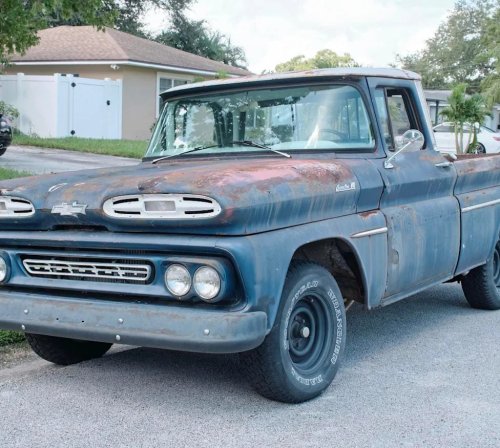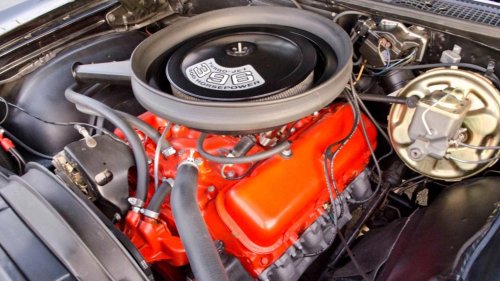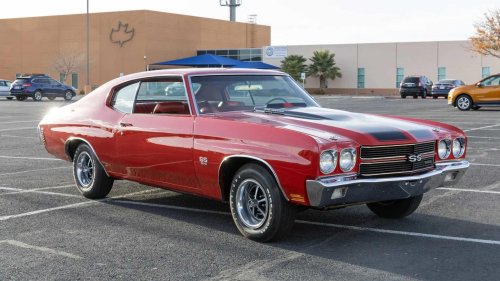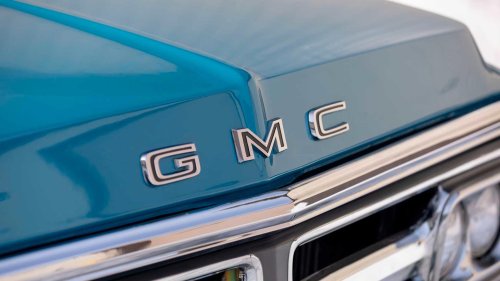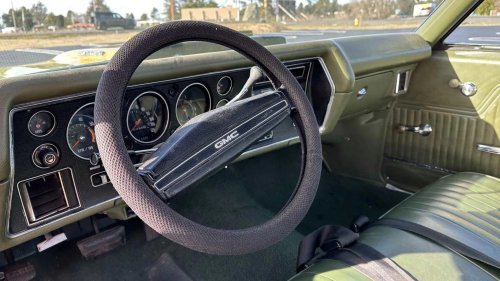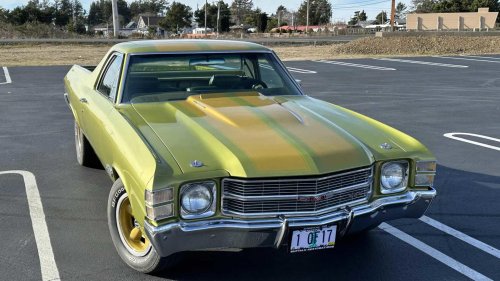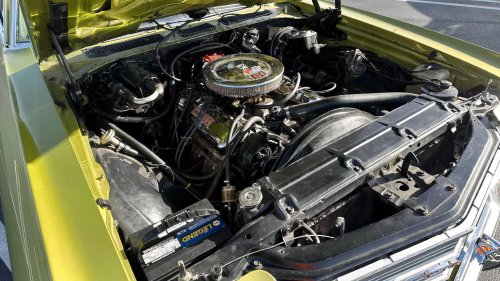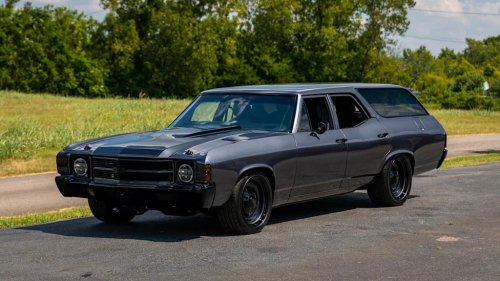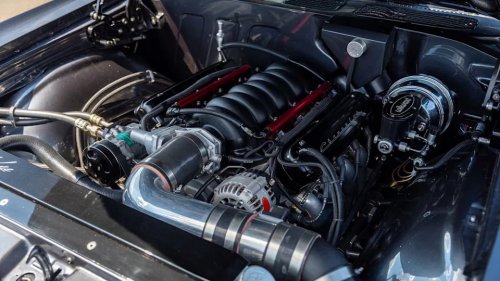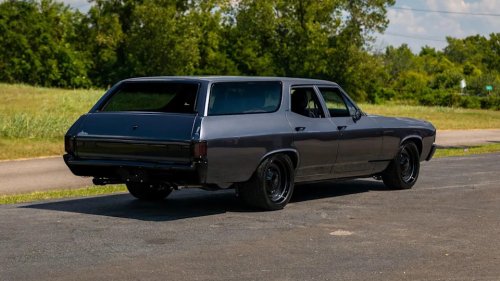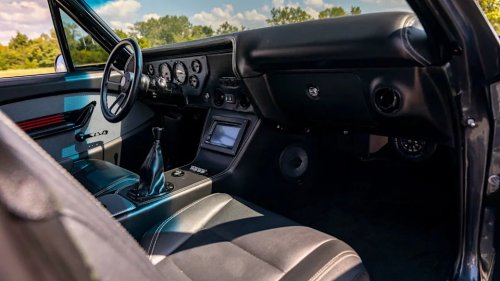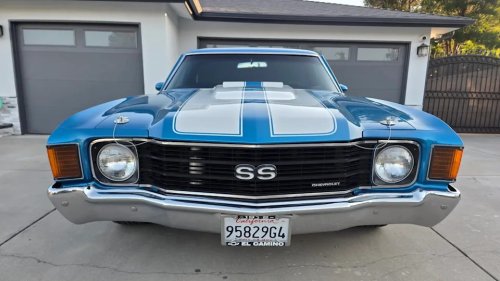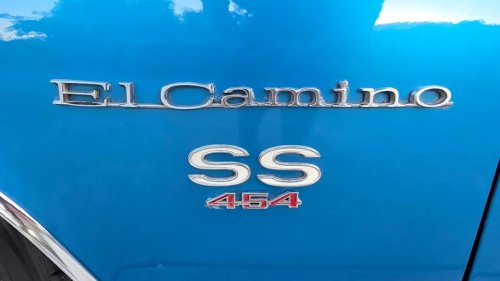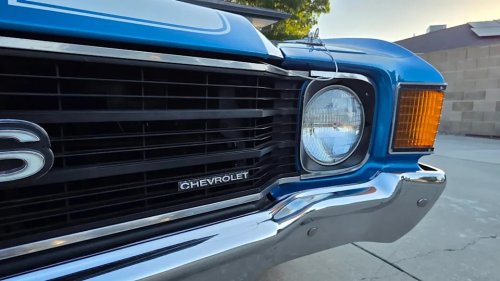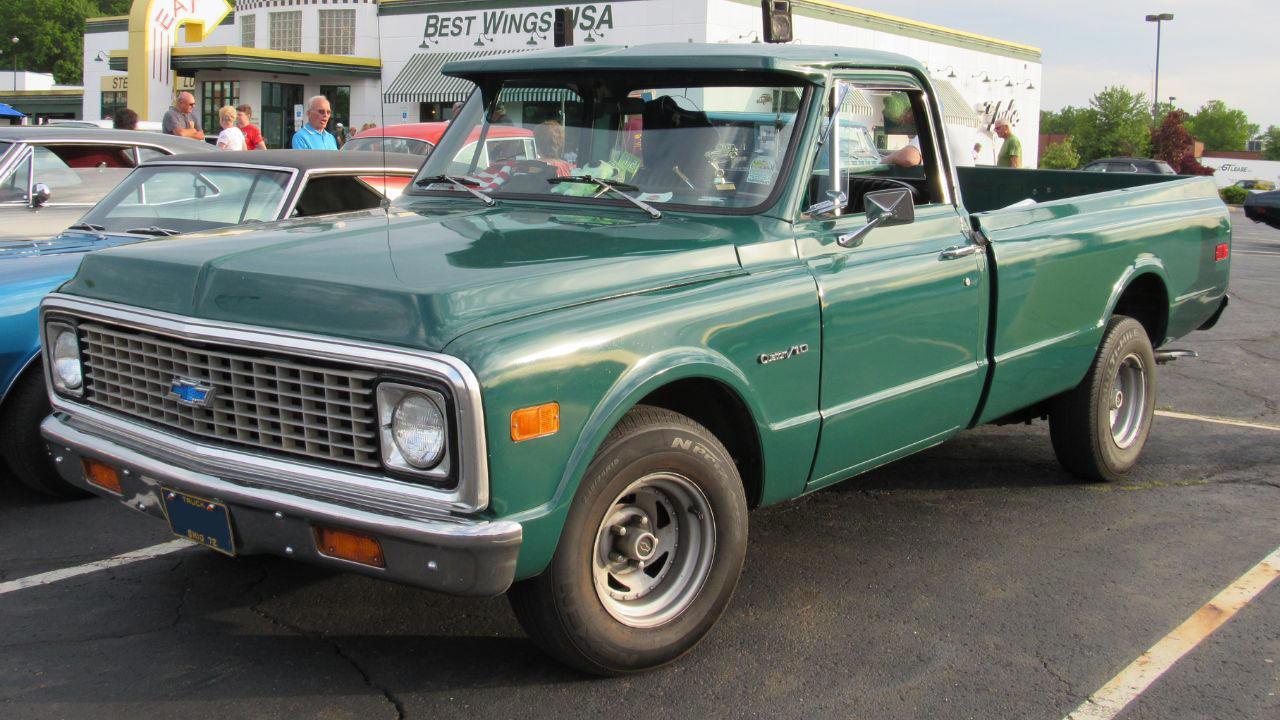



















1972 Chevrolet C10 or 1972 GMC Sprint one became a classic the other stayed overlookedThe 1972 Chevrolet C10 and the 1972 GMC Sprint arrived at the same cultural moment, built on shared General Motors DNA yet destined for very different fates. One became a staple of cruise nights and auction catalogs, the other slipped into the margins as a curiosity for specialists. Their story shows how image, use case, and nostalgia can matter more than pure engineering when the market decides what becomes a classic and what stays overlooked. Both vehicles captured the last breath of the original American muscle era, but they did it in very different bodies: one as a square-shouldered pickup, the other as a sleek car-based hauler tied to the Chevrolet El Camino. Half a century later, the C10 is treated as a cultural icon while the Sprint still fights for recognition. The C10’s rise from work truck to cultural icon In period, the 1972 Chevrolet C10 was sold as a straightforward pickup, a tool for farmers, contractors, and small-town businesses. A popular video review sets the scene with the year 1972, Richard Nixon in the White House, and gasoline at 36 cents a gallon, with Chevrolet dealer lots across America full of these trucks. No one on those lots could have predicted that the same model would later headline collector auctions and social media feeds. The 1972 model capped Chevrolet’s second-generation C/K series, often called the Action Line, and arrived as the most refined version of that design. Enthusiasts highlight that the C10 Cheyenne represented a golden era when utility met style and strength met simplicity, with the final year benefiting from incremental improvements to ride quality and comfort. Period-correct powertrains ranged from inline-sixes to small-block and big-block V8 engines, with the 350 cubic inch V8 becoming the most popular setup for its smooth torque and muscle-era sound. Today, the C10’s transformation into a status symbol is obvious on social platforms and at high-profile auctions. One enthusiast group post gushes that a 1972 Chevrolet C10 is a head-turner with power, style, and attitude, language that would have sounded strange on a dealer invoice in 1972. Another listing for a frame-off restored Super Cheyenne describes the 1972 Chevrolet C10 as more than just a truck, calling it a cultural icon and emphasizing how it blended toughness, style, and surprising comfort for its era. That shift from tool to icon has also been reinforced by the broader C10 community. A detailed history of the 1967 to 1972 trucks describes how, by the end of that run, the Chevrolet pickups sat, in the words of one commentator, Atop The Pyramid C10 family. Over time, hot rodders, mini truck builders, and restorers converged on this generation as the sweet spot between classic styling and modern drivability. Design, comfort, and the Cheyenne effect Part of the C10’s appeal comes from the way Chevrolet blurred the line between work vehicle and personal transportation. Descriptions of the 1972 C10 Cheyenne emphasize that it was not just a workhorse but a statement that a pickup could be capable and comfortable. The Cheyenne package added trim, better interiors, and features that hinted at luxury by early 1970s standards, such as upgraded upholstery and additional sound insulation. Under the hood, buyers could choose from several powertrain options. The widely favored 350 cubic inch V8, paired with either a three-speed manual or a Turbo Hydra-Matic automatic transmission, delivered a driving experience that was relatively composed for a body-on-frame truck. Rear-wheel drive came standard, with 4×4 versions available for drivers who needed real off-road capability. This flexibility helped the C10 serve as both a daily driver and a performance platform. Modern builds take that formula and update it. A high-profile Super Cheyenne example, advertised with a new LS1 V8, rebuilt TH400 automatic, and posi-traction rear end, adds air conditioning, power brakes, and power windows while still trading on the original 1972 styling. The listing notes that the 1972 Chevrolet C10 is more than a truck and stresses how every drive feels nostalgic, a link to an era when craftsmanship was mechanical rather than computerized, which helps explain why the model resonates so strongly with contemporary buyers. Market commentary backs up that sentiment. One video focused on 1967 to 1972 trucks flatly states that 67-72 Chevy truck are “insane” right now, and another appraisal clip describes a Cheyenne Super Shortbox pickup as a muscle car inside a pickup truck body, underscoring how enthusiasts now frame these trucks as performance machines as much as haulers. The Cheyenne Super Shortbox, highlighted by Keith Jerry in that appraisal, is treated less like a utility vehicle and more like a collectible muscle car with a bed. GMC Sprint: the upscale twin that never caught on While the C10 evolved into a mainstream classic, the 1972 GMC Sprint took a very different path. Mechanically, the Sprint shared much with the Chevrolet El Camino and the intermediate passenger cars of the time, but it wore GMC badges and targeted a slightly more upscale buyer. Contemporary coverage points out that GMC Sprint was positioned as a more premium counterpart to the El Camino, yet it never achieved the same recognition. One analysis notes that while the Chevrolet El Camino is a household name among classic car enthusiasts, its upscale mechanical twin, the GMC Sprint, often gets overlooked. Another segment of that reporting stresses that Chevrolet El Camino became the default reference point for car-based pickups, the Sprint remained in the shadows despite sharing the same role in the final years of the American muscle era. The Sprint line included higher performance variants such as the GMC Sprint SP, which effectively mirrored big block El Camino specifications in GMC form. One owner reflection describes a GMC Sprint SP 1972 as a big block El Camino in GMC clothing and notes that Only a few hundred were made. Despite that scarcity, the same account observes that there is no significant value premium over the Chevy equivalent, which highlights how brand identity can overpower rarity when collectors assign prices. Visual and mechanical details of the Sprint help explain its niche appeal. A catalog entry for the 1972 Gmc Sprint outlines specifications for classic cars, with a Note that Specifications for these vehicles can vary because of limited and sometimes inconsistent data. The Sprint shared the El Camino’s basic chassis and driveline options, including small-block and big-block engines, but was sold through GMC dealers rather than Chevrolet networks, which limited its exposure. Modern video tours underline how unusual the Sprint appears today. One walkaround features a 1972 GMC Sprint SP at County Classics, describing it as a unique car and an awesome muscle car with pickup capability. The host’s emphasis on its uniqueness reflects how rarely these vehicles surface compared with C10 pickups or El Caminos of the same era. Why one became a star and the other stayed obscure Given that both the 1972 Chevrolet C10 and the 1972 GMC Sprint came from the same corporate parent and shared the same broader muscle era context, their divergent trajectories raise a basic question: why did the C10 become a star while the Sprint stayed obscure? One answer lies in how each vehicle fit into American life. The C10 was a conventional pickup that could serve farms, small businesses, and suburban homeowners equally well. It was sold in huge volumes, which meant that decades later there were enough survivors to support a thriving restoration and modification culture. The truck’s boxy styling, with clean lines and a straightforward grille, aged into the kind of shape that customizers love. Enthusiasts could lower them, lift them, or restomod them without losing the essential C10 identity. The Sprint, by contrast, lived in a narrower niche. Car-based pickups have always attracted a specific type of buyer, and by the early 1970s that market was already dominated by the Chevrolet El Camino. Historical context from a feature on the Sprint’s background notes that The Chevrolet El Camino itself had been created in response to the Ford Ranchero, and that rivalry defined the segment long before GMC entered with its own version. By the time the Sprint appeared, the El Camino name carried the heritage and the marketing muscle, leaving the GMC variant as an outlier. Brand perception also played a role. Chevrolet had broad reach with passenger cars, trucks, and performance models, so a 1972 Chevrolet C10 or El Camino could easily become a family’s main vehicle. GMC, on the other hand, was more closely associated with trucks and commercial vehicles. A car-based pickup with a GMC badge did not have the same built-in audience, even if the underlying hardware matched or exceeded the Chevrolet equivalent. Collector psychology amplified those differences over time. Market commentary from a Sprint SP owner who recalled that Only a few hundred were made but that there was no extra value over the Chevy suggests that rarity alone is not enough. Collectors often chase the nameplate they recognize from posters, songs, and childhood memories. The C10 appears constantly in media and at events, from social posts that call a 1972 Chevrolet C10 a direct link to mechanical-era craftsmanship to auction promotions that frame the truck as a symbol of timeless design and nostalgic charm. The Sprint rarely gets that spotlight. Even within the specific car-based pickup world, the Sprint had to fight uphill. A feature on a 1972 GMC Sprint SP chosen as a showcase vehicle traces the lineage back to The Chevrolet El Camino and the Ford Ranchero, underscoring how those two names defined the category. The Sprint arrived as an upscale alternative, but its identity was always secondary to the Chevrolet model it mirrored. When enthusiasts discuss car-based pickups today, they tend to say El Camino first and only mention Sprint when the conversation turns to rarities. What their split destinies mean for collectors now For collectors and drivers in the present day, the split destinies of the 1972 Chevrolet C10 and the 1972 GMC Sprint create two very different opportunities. The C10, especially in Cheyenne and Super Cheyenne trims, has become a blue-chip classic truck. High-profile auction entries, such as the frame-off restored Super Cheyenne with LS1 power and modern amenities, are marketed as dream builds and often sell with no reserve because demand is so strong. Enthusiast videos point out that values for 1967 to 1972 Chevy trucks are rising fast, and appraisals of trucks like the Cheyenne Super Shortbox frame them as muscle cars in pickup form, which supports strong pricing. That popularity comes with tradeoffs. Buyers who want a 1972 C10 now face higher entry costs and more competition for clean, unmodified examples. At the same time, the depth of the aftermarket and the size of the community mean that parts, advice, and build inspiration are easy to find. For many, the C10’s cultural status and support network justify the premium. More from Fast Lane Only Unboxing the WWII Jeep in a Crate 15 rare Chevys collectors are quietly buying 10 underrated V8s still worth hunting down Police notice this before you even roll window down The post 1972 Chevrolet C10 or 1972 GMC Sprint one became a classic the other stayed overlooked appeared first on FAST LANE ONLY.