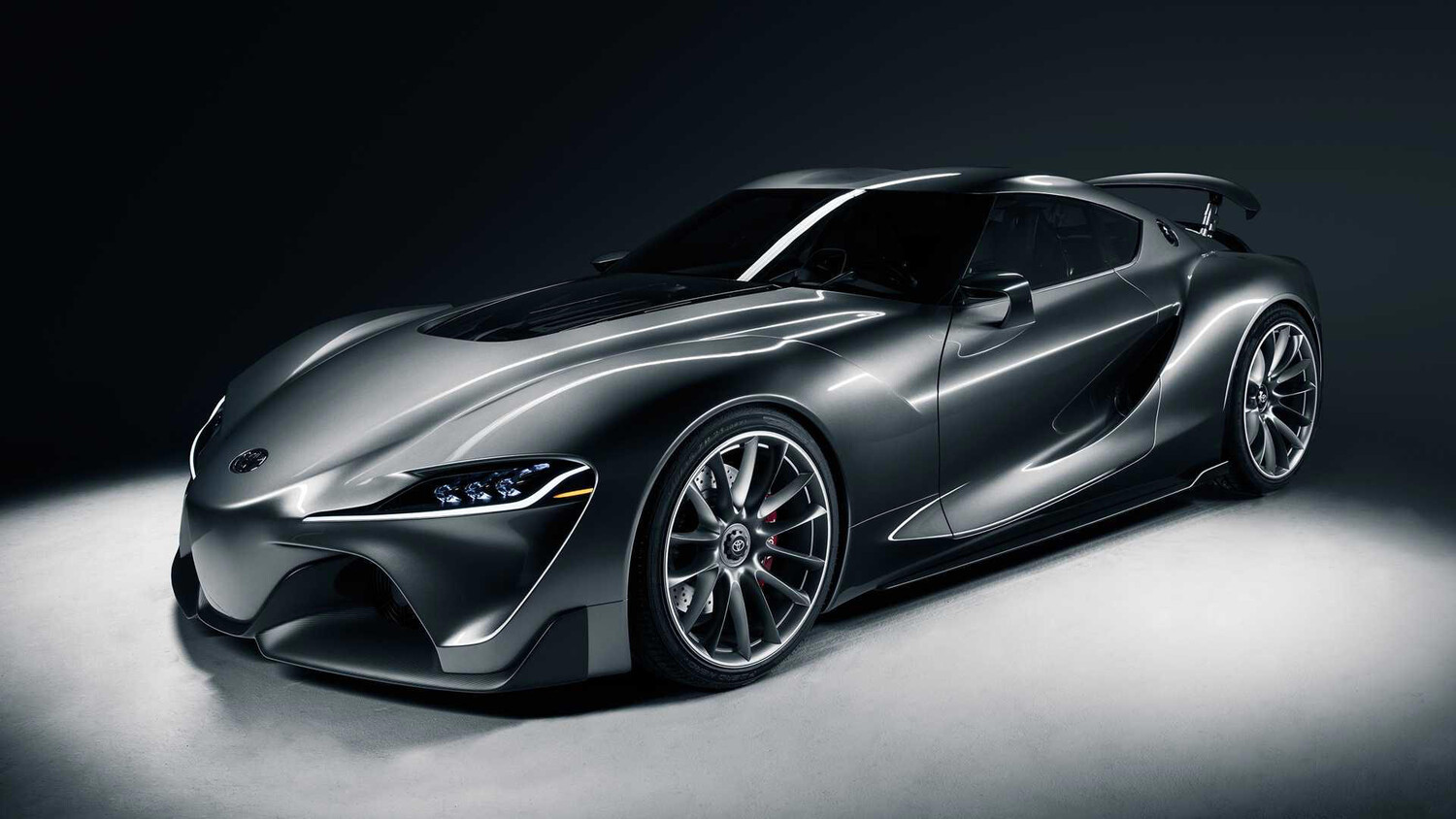
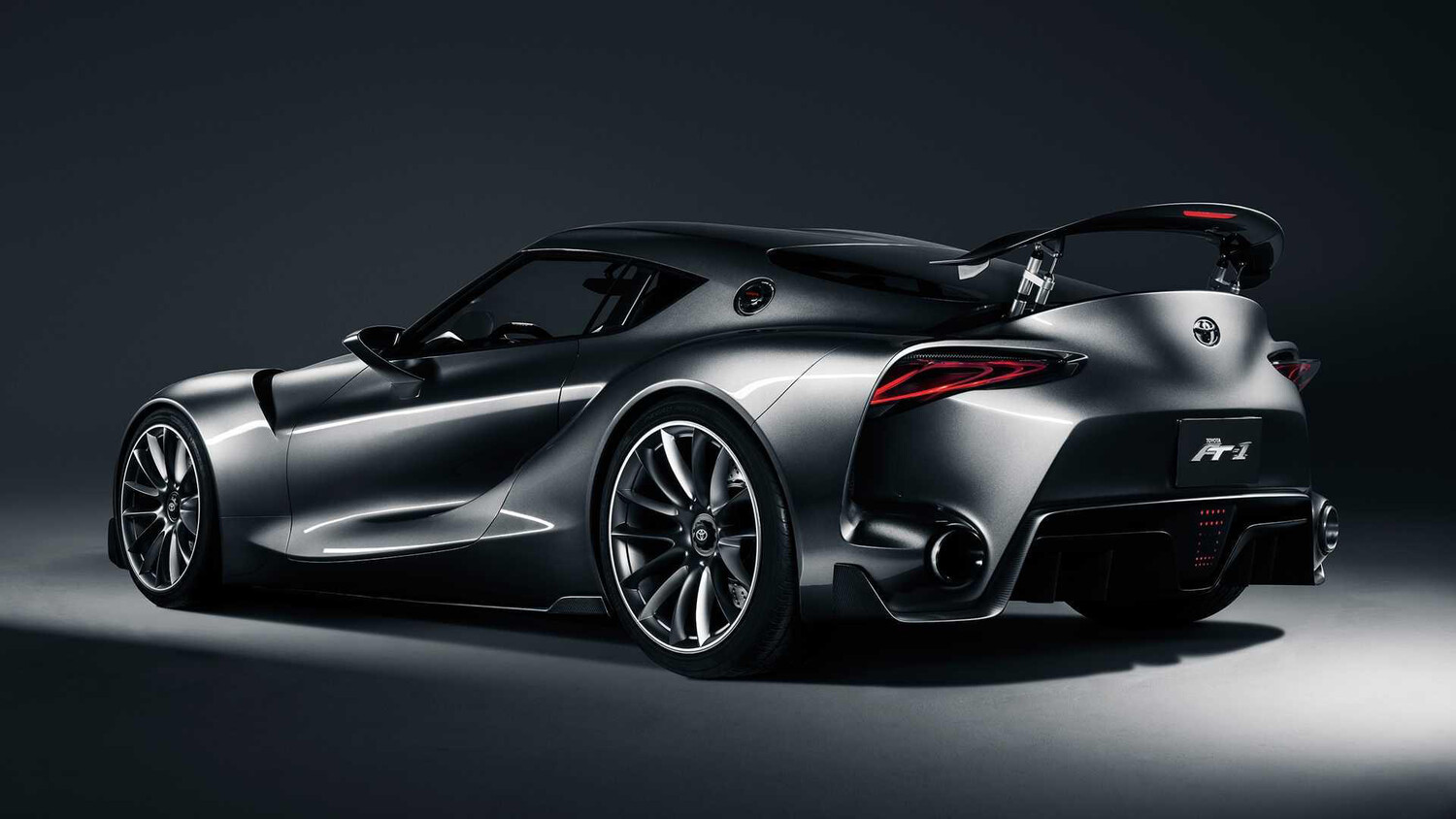
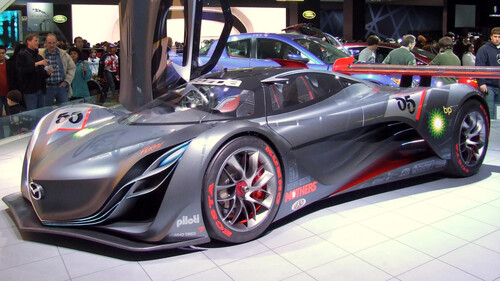
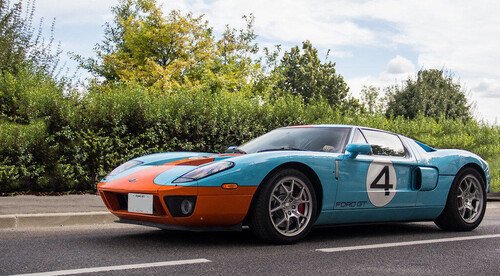
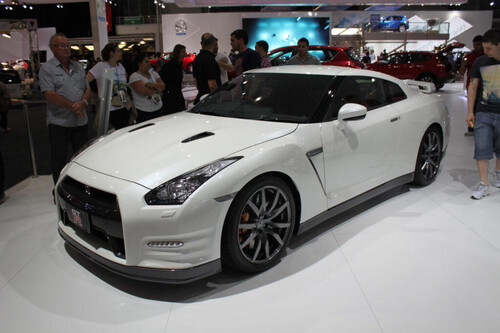
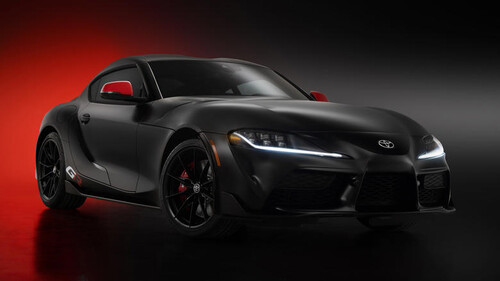
Don't you hate it when you see a concept car at an auto show that looks amazing, then you see the final product years later, and it's disappointing? Most of the time, the concept is often better than the real thing. Automakers allow their creative juices to flow during the formative phases and love to build hype at auto shows with extreme designs. Yet, once the production model comes along, it is restrained by rules, regulations, and profitability.A lot of these cool concepts never make it to full production, and there are only a select few that are exceptional and still have a lasting impact today. Our list of the ten wildest auto show cars showcases unique models from 1970 to the present. Featured in our list are pioneers that shocked the core of design to modern, timeless classics that are breathtaking even today. Let's dive in.To give you the most up-to-date and accurate information possible, the data used to compile this article was sourced from various manufacturers and other authoritative sources. The models below have been ranked based on chronological order. Lancia Stratos Zero Debut: Turin Motor Show (1970) TopSpeed | Garret DonahueIf you want to talk about the "Italian Wedge", the Lancia Stratos Zero is the epitome of this pivotal 1960s design boom. When it debuted in 1970 at the Turin Auto Show, it was safe to say there was nothing else quite like it there or anywhere else in the world at the time. Although the extreme wedge proportions of the Stratos Zero are sure to garner attention, it is the unmistakable height and size (or lack thereof) of the Lancia concept car that was a real shock.TopSpeed | Garret Donahue With a roof height of only 33.3 inches, a motorcycle rider on a super sports bike could be in full tuck, and they would tower over a Stratos Zero. The roof height alone seems to defy conventional physics, and while the Ford GT40 stunned automotive design with its 40.5-inch roof height, Lancia took this concept and pushed it beyond what was even imaginable at the time and created an unmistakable legend. Dodge Tomahawk Debut: North American International Auto Show - Detroit (2003) Stellantis The Dodge Tomahawk is, easily, one of the scariest concept vehicles ever produced. It may look like a cool motorcycle, but no, this Dodge Viper V10-powered contraption straight out of a cyberpunk movie has four wheels (thus, technically, not a motorcycle). Looking at the Tomahawk even in a 2025 lens, it is one of the best-looking concept designs we have ever seen. Then the idea of riding this deathtrap with the power-to-weight ratio of a fighter jet comes to mind.DaimlerChrysler Best ridden without any protective gear, as seen above, because if you have a Dodge Tomahawk, people pull over just to ensure your safety on public roads (or you pay to have them closed off). Onlookers simply understand that you are directly riding a V-10 engine and bracing it between your legs, and you should be praised for the fact alone (just don't skip leg day). The Tomahawk was never ridden above 100 mph in testing, and it is not street legal, but nine examples have been sold as very expensive conversation starters that are found in multi-million-dollar hallways and foyers. Nissan Pivo Debut: Tokyo Motor Show (2005) NissanAlthough the Nissan Leaf established itself as a pioneer in 2010 by being the first mass-produced electric vehicle, we are sure the Nissan Pivo concept that preceded it from 2005 had an influence on its design. The original Pivo concept is an electric car with a 360-degree rotating cabin that seats three. This 360-degree concept makes reversing a thing of the past and parking easier than ever before.TTTNIS/Wikimedia Commons Only two years later, in 2007, Nissan would introduce the updated Pivo 2, which now offered fully independent wheel structures that allowed the car to drive in any given direction. This design update further improved the easy parking concept, as the Pivo 2 could drive into a parallel parking spot fully sideways (genius, even today). The Nissan Divo 2 singular clamshell front door, as opposed to the previous conventional door design of the previous Divo, still intrigues us today. We still wish Nissan had figured out how to make this quirky city car a reality. Mazda Furai Debut: North American International Auto Show - Detroit (2008) MazdaBack in 2008, Mazda was at the peak of its experimental era, and the Mazdaspeed3 hot hatch wasn't the only thing that was making waves in the auto industry at the time. First teased at the Tokyo Motor Show in 2007, the Mazda Furai is a concept race car that looks menacingly cool even today. The Furai would be the final concept vehicle based on Mazda's Nagare-style (wind and flow) design, the predecessor to Mazda's current Kodo-style design.Mazda The Mazda Furai was based on the design of a Le Mans prototype car that directly integrated "wind and flow" styling. Although a concept race car, the Furai was built for function and was even tested on several racetracks. Sadly, the sole Furai in existence would burn to a crisp during a Top Gear photoshoot, and after that, Mazda took a different direction and didn't look back. Even now, the elegant and spectacular "flow" styling of the Mazda Furai is as impressive as it was 17 years ago, and this Mazda is, surely, one of the best-looking race cars ever designed. BMW GINA (Light Visionary Model) Debut: BMW Press Reveal (2008) BMWThere are a lot of weird and intriguing concept cars. Then there is the BMW GINA Light Visionary Model, aka the BMW GINA. This low-slung two-door roadster concept car features a specialized treated elastic spandex fabric body skin. This unique fabric allows the body and shape of the car to dynamically change in real time according to the environment and speed, and you can at any time alter the shape of the body just by touching it. BMWThe BMW GINA's human-like qualities are just as downright disturbing as they are technical marvels of design. The central opening slit in the hood opens up like a chest cavity to reveal the BMW V-8 engine under the hood (with a visible rib cage and all). The headlights also open up from hidden slits like functional eyelids, and the worst part...it looks both natural and shockingly beautiful. The sheer simplicity of the body's four-panel design and the intriguing nature of its human-like skin make the BMW GINA one of the most memorable concept cars of all time, and show the amazing potential of unconventional thinking. Nissan Juke-R Debut: Nissan Crossover Media Launch - Malaga (2011) NissanThe way Nissan promoted and hyped up the debut of the Nissan Juke-R in 2011 (it even got its own movie), you would have thought this was the most important Nissan product of all time. The Nissan Juke-R was originally destined to be "the first ever super crossover", a one-off concept car that perfectly blended a R35 Nissan GT-R drivetrain with a Nissan Juke body. NissanCrazy idea, right, but who would ever want one? Well, a fully functional Juke-R was built in only 22 weeks and, by 2012, it was the official pace car of the Dubai 24-Hour sports car race. The Juke-R was such a hit in Dubai that, soon after, the one-off concept car was made available to the public for a limited time upon request, and three were sold and delivered later that summer. Only five were ever made, and Nissan owns at least two of them. The Nissan Juke-R 2.0 was released later in 2015, but it never had the same impact as the original. Despite that, the Nissan Juke-R remains a perfect showcase of the strength of Nissan's technological innovations, spiced up with an unconventional and fun twist. Peugeot Onyx Debut: Paris Motor Show (2012) We may not get Peugeot models stateside, but there is only one distinct Peugeot that we desire more than any of the rest: the Onyx. This sharp supercar concept features a gorgeous design that emphasizes the brilliant shine of the mirror-polished copper color of the fenders and doors (hand-built from a single sheet of pure copper). The rest of the body was constructed from carbon, but painted matte black for maximum contrast.The best part is that Peugeot intentionally allowed the exposed copper to patina for over 15 months, after which they displayed the car again once the panels had oxidized. The result of this dynamic bodywork experiment was an impressive display of contrasting panel finishes and vivid colors that even the most inventive AI generation could not muster. With its sleek double bubble roof and inventive takes on material choices, the Peugeot Onyx concept car is one of those few concepts you see once and can never forget about. Toyota FT-1 Debut: North American International Auto Show - Detroit (2014) ToyotaThe Toyota FT-1 concept car that debuted in Detroit in 2014 is the first entry on our list that resulted in an actual production vehicle: the Toyota GR Supra. Although nowhere near as aggressive as the original design, the GR Supra, which debuted in 2020, shares the grand majority of its core elements with the concept version. ToyotaThe biggest alteration in the production version compared to the concept is the overall shape of the hood and front end, which is just not as sculpted and elegant as the production model. Maybe the FT-1 concept just set too high a standard because its attractiveness is on par with any $100,000+ sports car, although it was designed for around the $60,000 price point. While Toyota purists are still mad about BMW's involvement in the Supra's revival, it is truly a rare occurrence to see a concept sports car come to life as a production model and exceed all common expectations. Mercedes-Benz F 015 “Luxury in Motion” Debut: CES (2015) - Las Vegas Mercedes-BenzBack in 2015, Mercedes gave a look into the near future with the Mercedes-Benz F 015 “Luxury in Motion” concept car. This autonomous electric sedan was designed to defy every concept of what a car should be. Are cars just for transportation? That's so surface-level.Mercedes-BenzThe F 015 concept car is more than just a mere vehicle. This German luxury sedan is designed as a hyperfunctional mobile living space. Stepping into the lounge-like cabin, you may be inclined to believe it. The futuristic exterior may not be beautiful, but the strange proportions all serve to ensure maximum roominess for the passengers. This is one of the few concept cars where the interior is the real star of the show. Renault Trezor Debut: Paris Motor Show (2016) Last, but not least, is the Renault Trezor, the two-seat electric concept car that debuted to critical acclaim at the 2016 Paris Motor Show. Stunning from any angle, this French concept vehicle impresses in more ways than one. Perhaps its most interesting design element is the sheer lack of body panels (including doors), which is made viable thanks to the extreme single-piece clamshell roof.This amazing structure means that in the Renault Trezor, you don't drop the top, you raise the roof (or else you can't get in). Hidden underneath the massive, bright red bubble dome of the Trezor is a handcrafted wooden dash that integrates bespoke luggage trunks perfectly designed to fit within the space. This French electric concept car is extreme, classy, and undeniably memorable thanks to its impressive attention to detail and eye-popping proportions that would make a concept designer of any era proud.