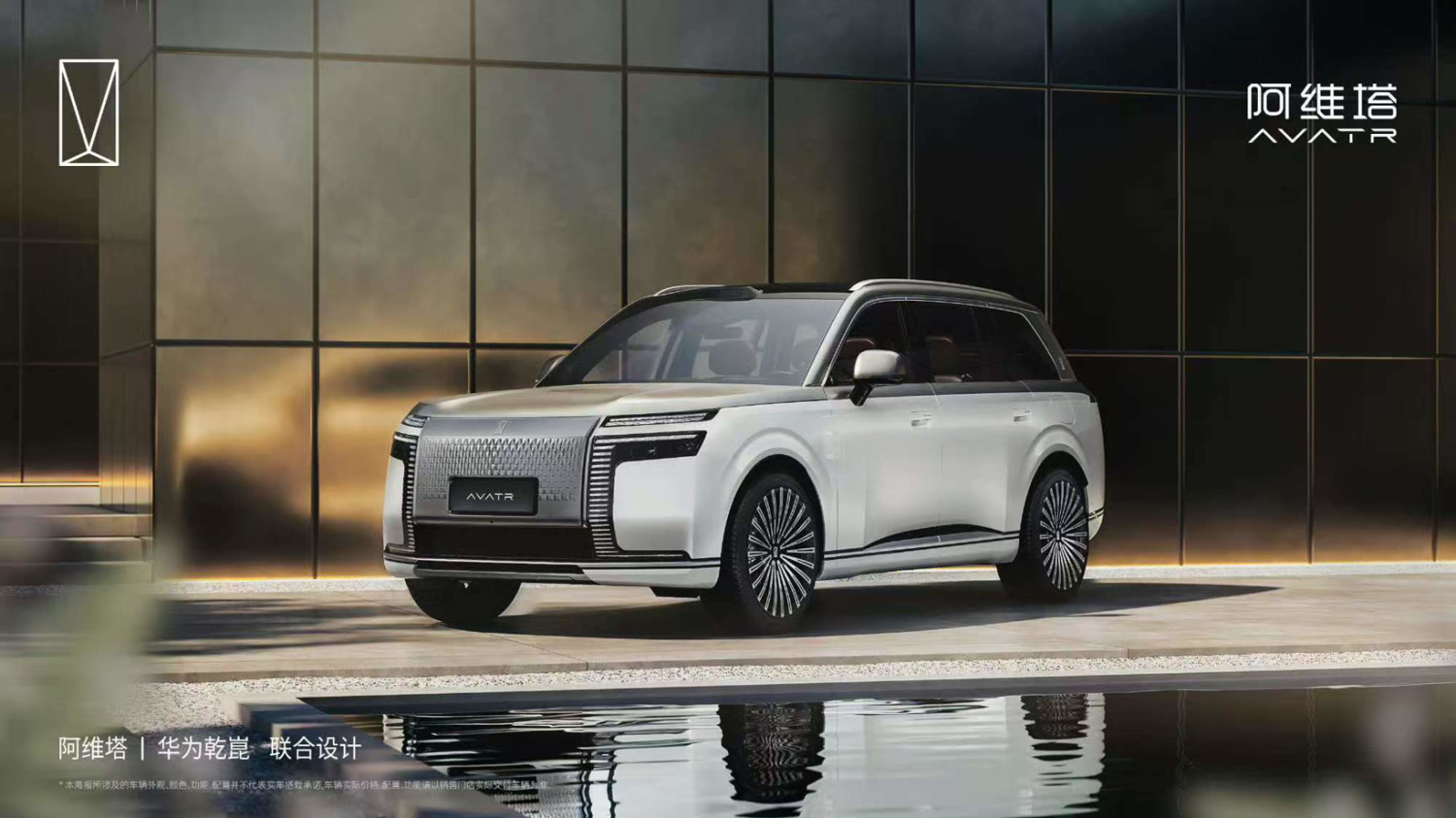
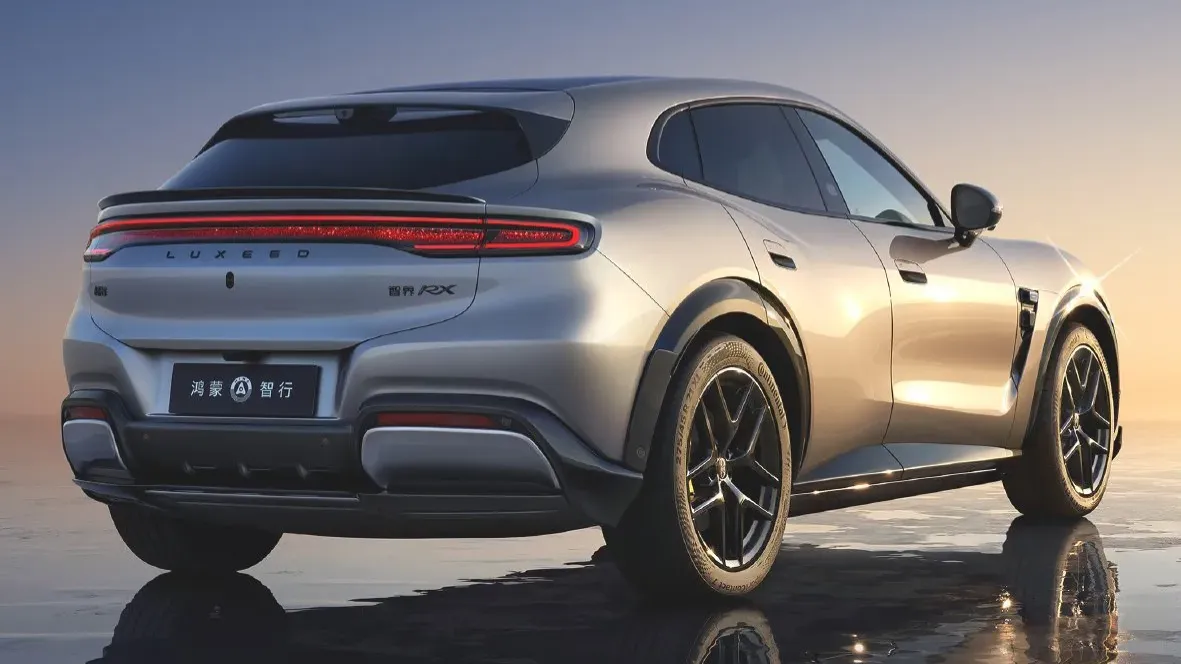
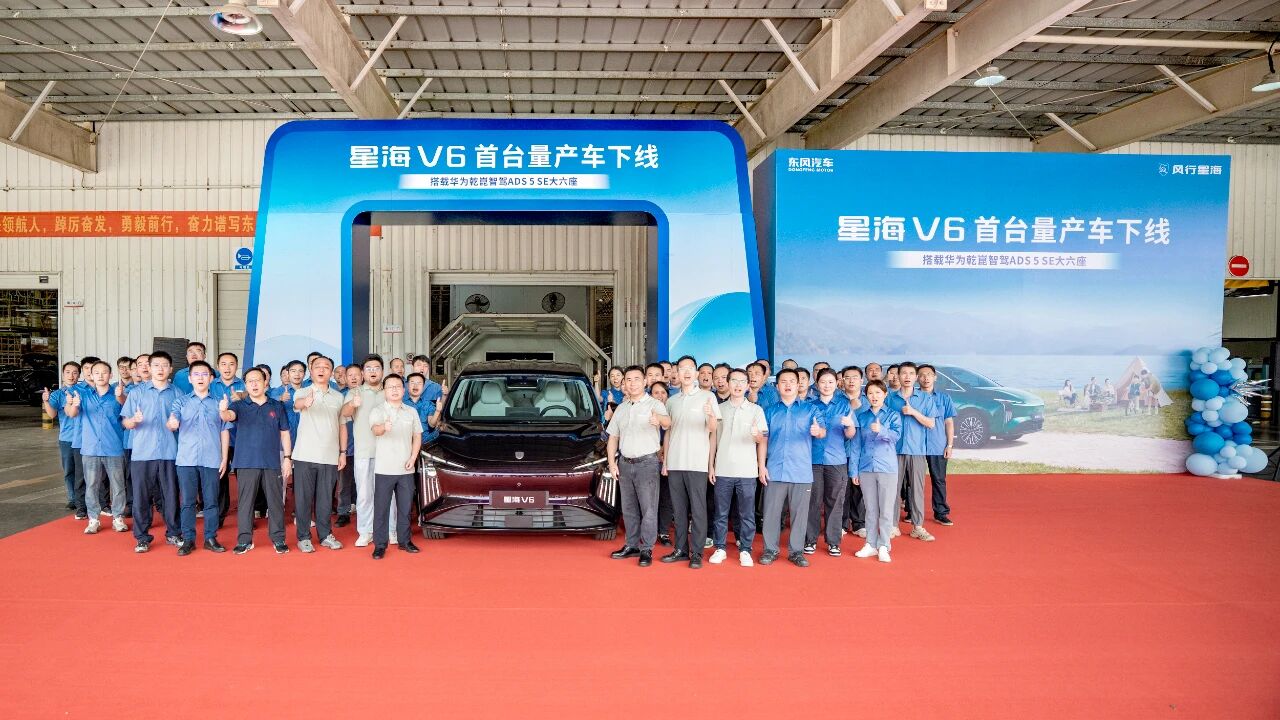
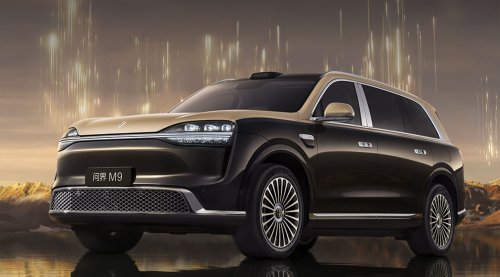
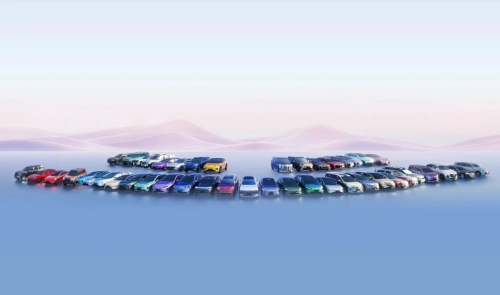
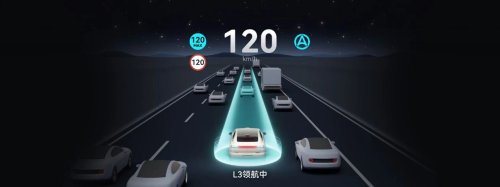
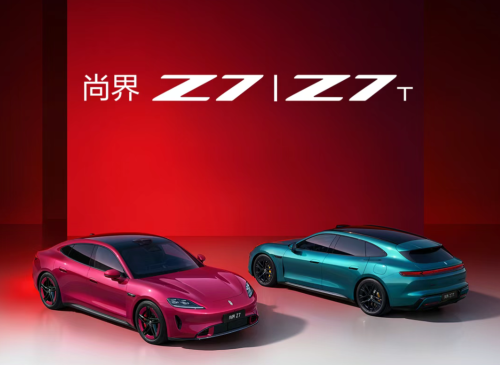
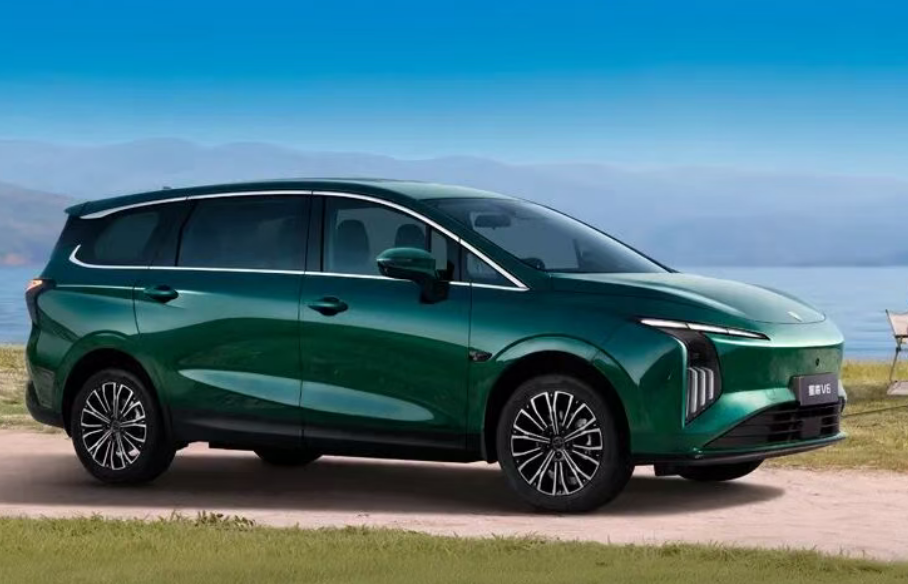
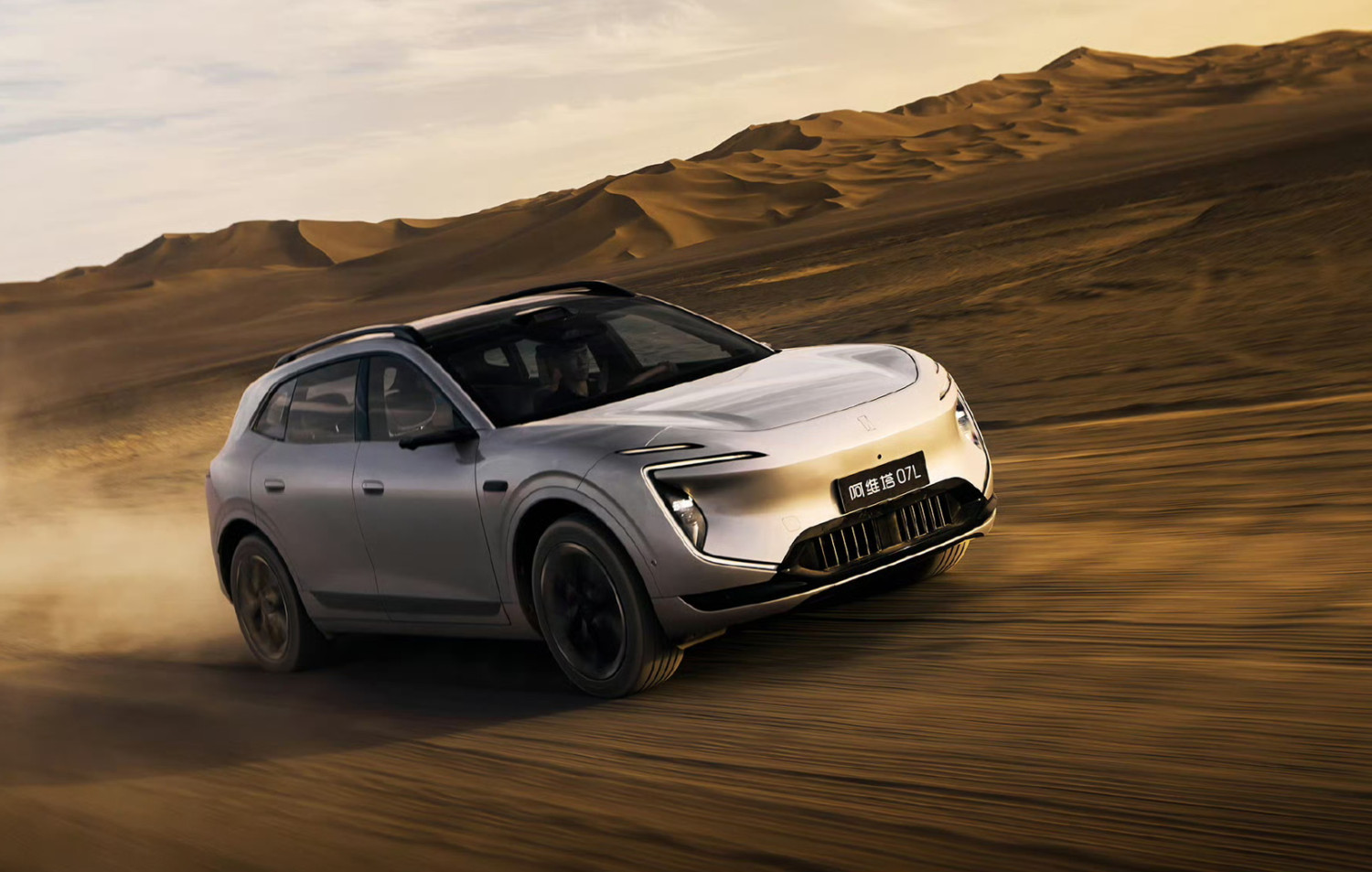
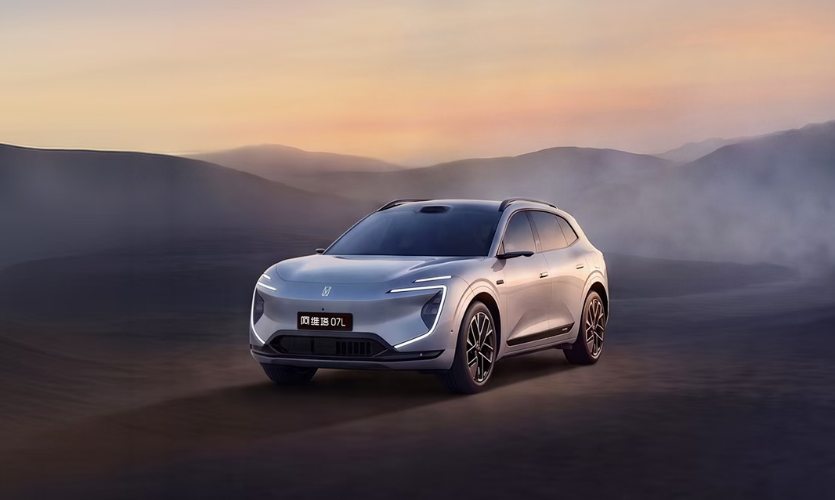
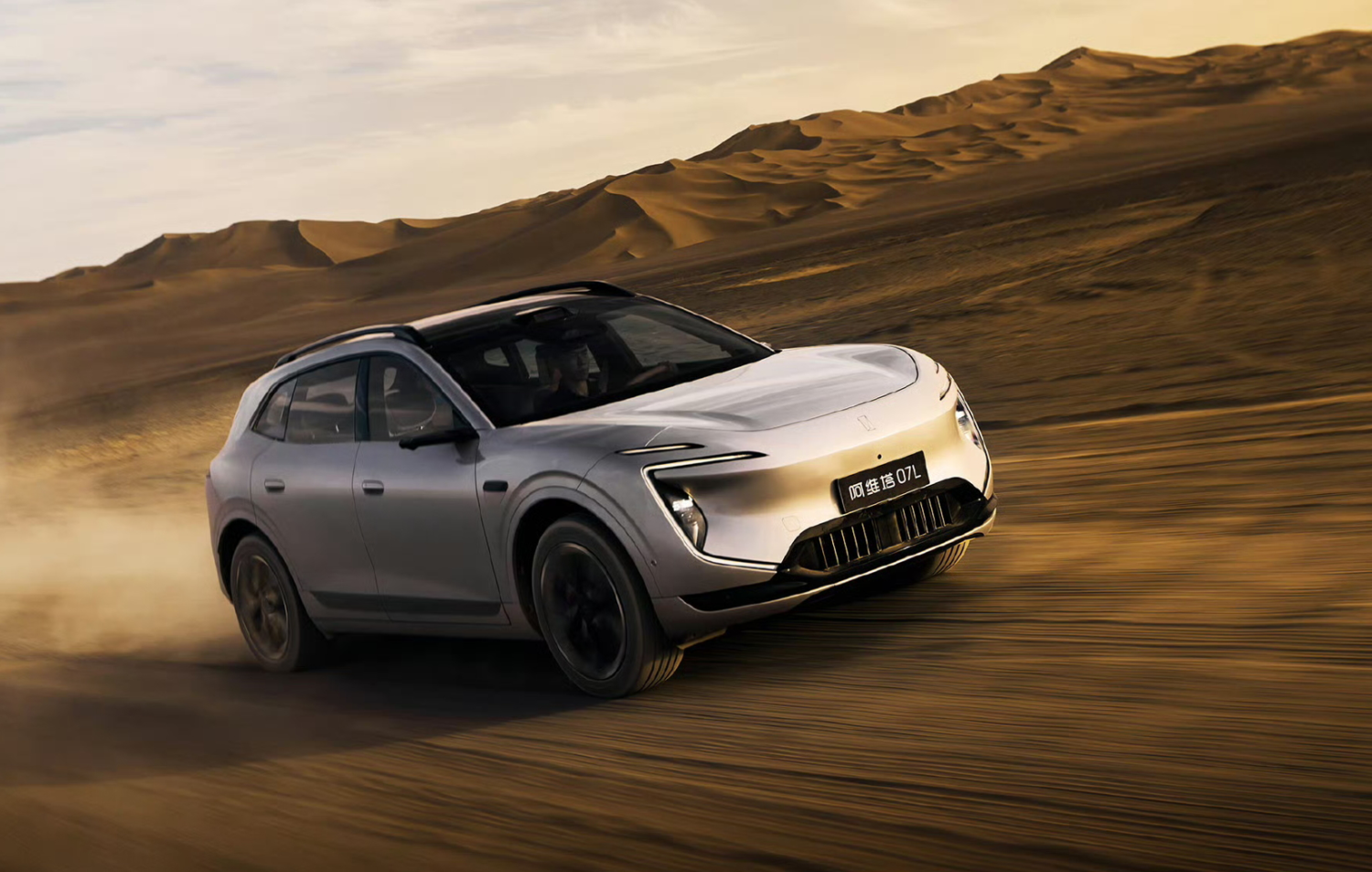
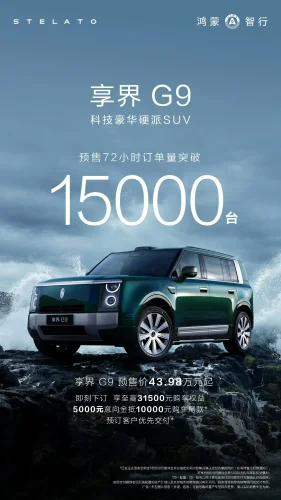
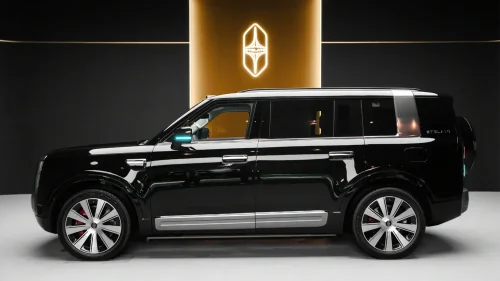
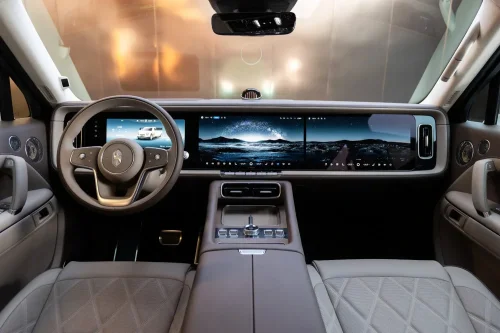
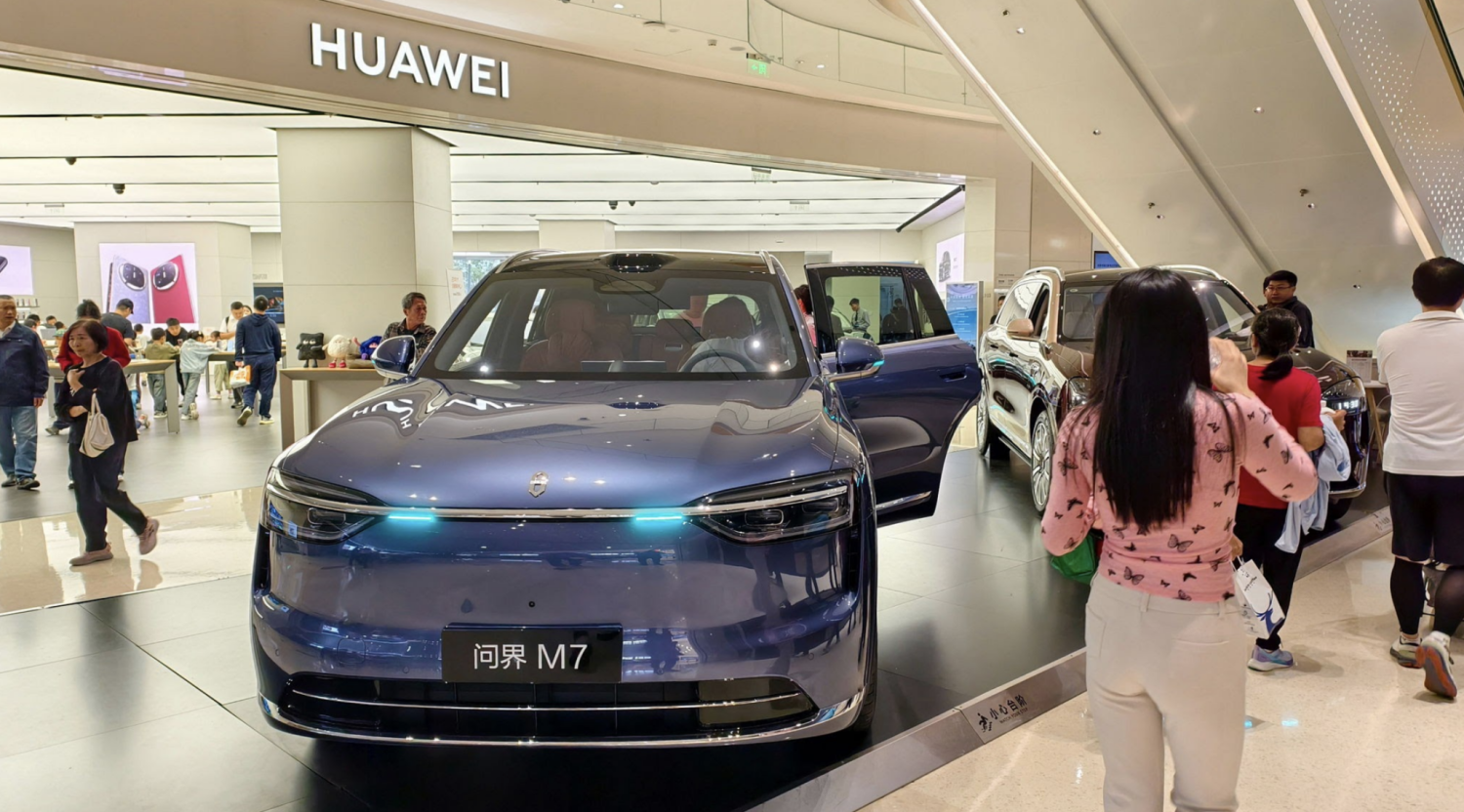
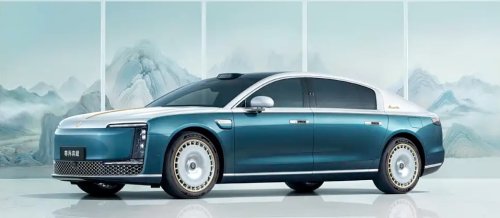
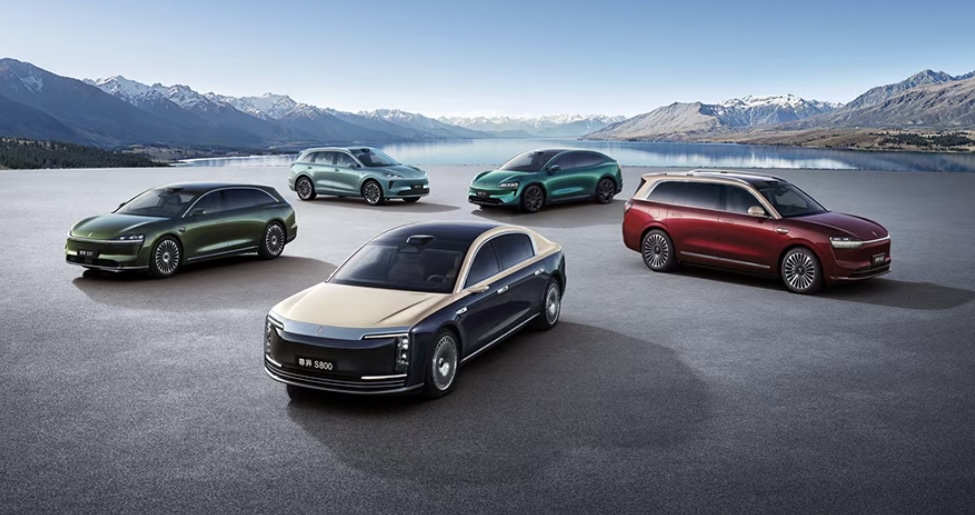
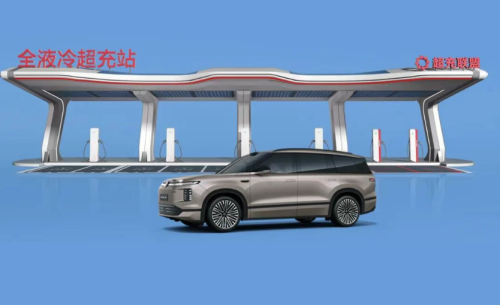
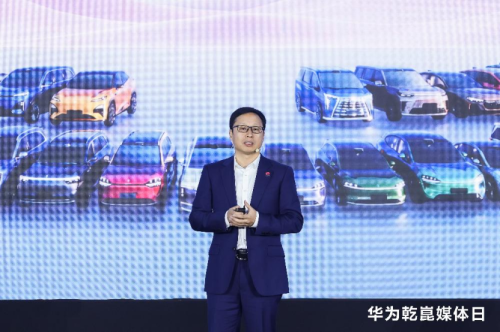
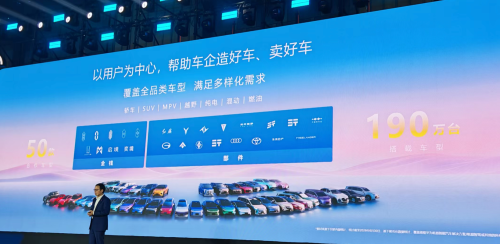
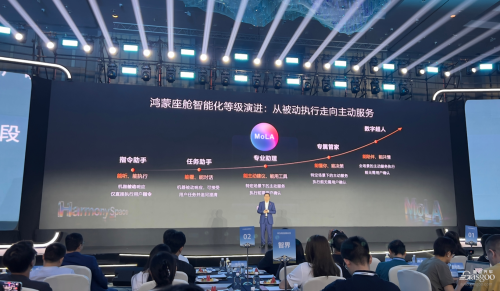
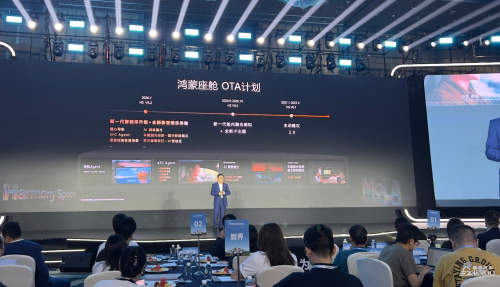
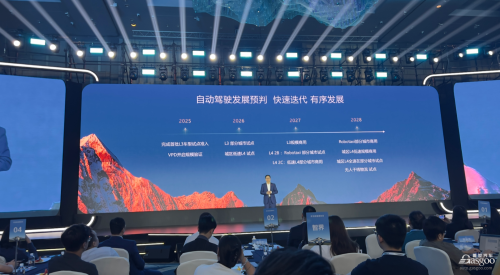
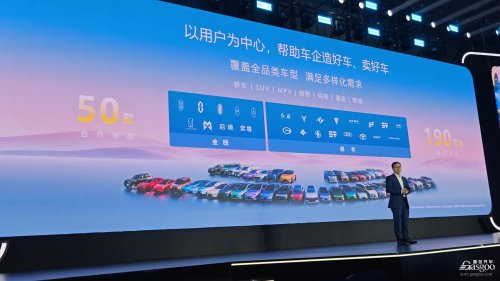
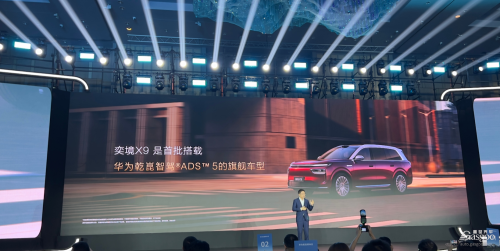
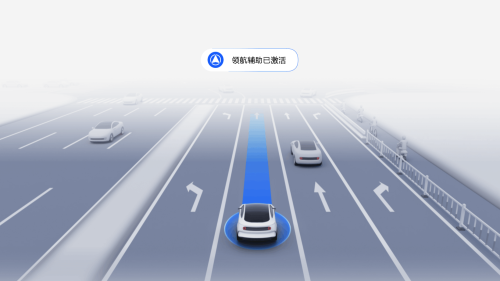
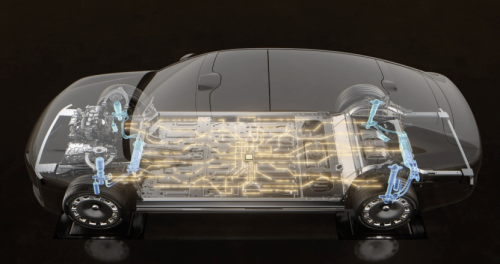
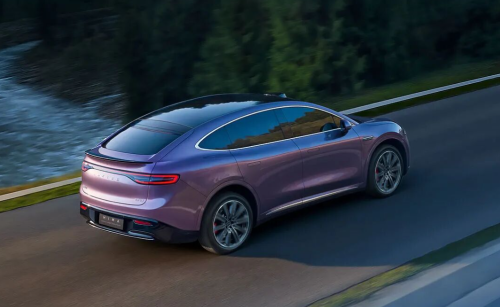
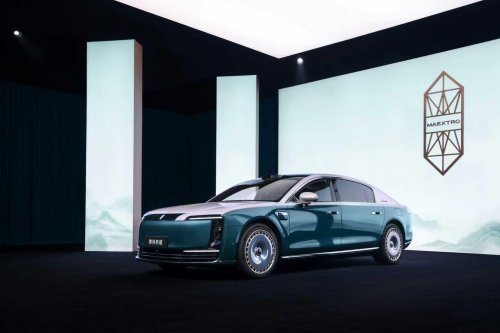
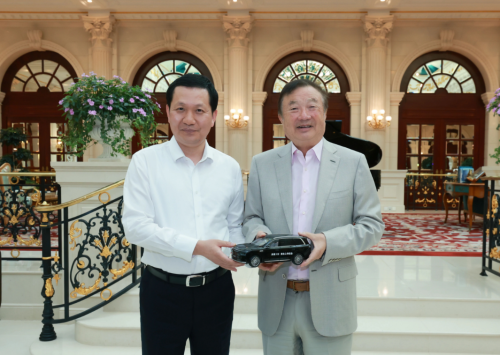
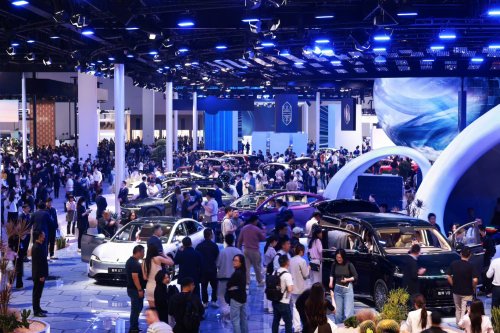
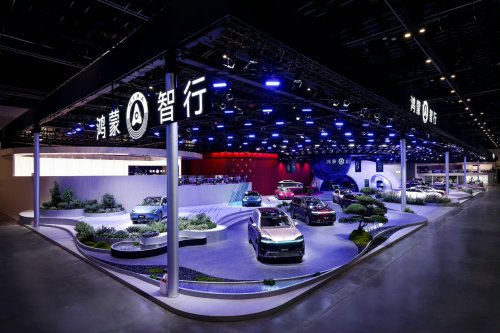
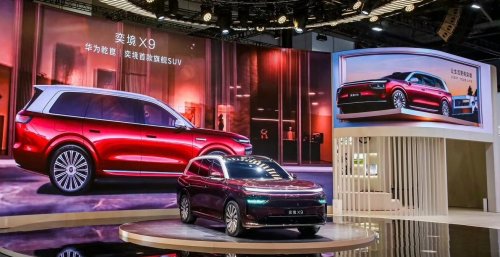
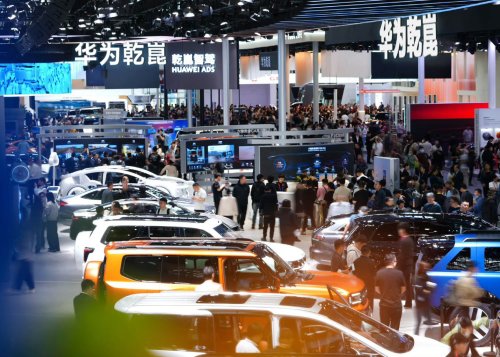
Spanning 380,000 square meters with 1,451 vehicles and 181 global debuts, this year's Auto China Show is the largest on record. Yet, the industry's gaze isn't fixed on any single new model or domestic brand—it's drawn to a company that publicly insists it doesn't build cars.Huawei commands the heart of Hall W3 in Shunyi. Its three pillars—Harmony Mobility, Huawei Qiankun, and Huawei Digital Energy—have each carved out dedicated zones within the prime hall. The Harmony Mobility and technology showcase alone spans over 4,400 square meters, featuring more than 20 vehicles.Yet, floor space and expansion alone fail to capture Huawei's full sway over the event. The real signal lies in the lineup: with the five "Jie" brands—AITO, Luxeed, Stelato, Zunjie, and Shangjie—appearing together for the first time, alongside the debut of the new "Jing series," Yijing and Qijing. Add to that the fact that all eight major state-owned auto groups have partnered with Huawei at varying levels. Suddenly, "Huawei content" is no longer marketing jargon or an unspoken understanding—it's becoming a quantifiable benchmark for intelligence across the industry.From the evolution of "Jie" to "Jing" naming, to the tiered cooperation models ranging from Harmony Mobility to HI Plus and simple parts supply, the yardstick for "Huawei content" is shifting from concept to concrete metric.The 4,400-Square-Meter "Hall Takeover"This year's show introduced "co-location," where core suppliers moved into the main halls to compete alongside automakers. The old convention of banishing parts suppliers to the periphery is gone. Heavyweights like Bosch and Horizon Robotics secured prime spots adjacent to OEMs; CATL's booth in Hall W4 even sits right next to BMW, Toyota, and Porsche.Huawei has taken this a step further. Industry observers note that while BYD occupies the entirety of Hall E3 through vertical integration—controlling everything from chips to complete vehicles—Huawei employs a distributed ecosystem model, integrating resources through technology export. The two approaches stand in stark contrast on the floor plan, separated only by Hall E2, clearly mapping the diverging paths of the smart vehicle era.Image Credit: Harmony MobilityHuawei has established Hall W3 as its central hub. Huawei Qiankun Intelligent Driving and Huawei Digital Energy command the core area of the hall, while partner brands Avatr, Yijing, and Qijing flank the sides.Meanwhile, Huawei's "satellite booths" are scattered throughout the venue: Luxeed, AITO, Dongfeng Huawei Qiankun, and supplementary Harmony Mobility zones create a "one-hub, four-spoke" network across the halls.For Huawei, this layout serves a deeper strategic purpose. The co-location trend offers suppliers unprecedented exposure, but Huawei's dominance of the hall isn't merely about parking more cars or hanging more logos.Inside Hall W3, several partners have positioned their booths directly around Huawei's zone, abandoning their parent groups' corporate stands to join the Huawei Qiankun ecosystem. Avatr and M-Hero stand tight against the core Huawei Qiankun area, blending seamlessly with the Harmony Mobility presence.This alliance—bound by technology rather than capital—marks Huawei's transformation from a standard supplier into an "ecosystem gravity center." In this field, booth ownership no longer defines corporate identity; instead, it has become a tangible expression of technological alignment.Booth proximity is essentially supply chain dependency. Huawei's stand is no longer a mere technology showroom; it is a recognized core circle operating under the banner of an ecosystem. When partners willingly abandon their parent groups' independent stands to place their products within Huawei's orbit, it proves that Huawei's reshaping of supply chain authority is no longer a blueprint—it is a fait accompli on the show floor.Five "Jie" Plus Two "Jing": Graded by "Huawei Content"If the physical booths merely sketch the geometric outline of Huawei's ecosystem, the collective debut of the Harmony Mobility "Five Jie" brands and the new "Jing series" reveals the complete product architecture within.Harmony Mobility is showcasing 13 models across its five brands: AITO, Luxeed, Stelato, Zunjie, and Shangjie. By price, these brands have established a clear hierarchy: the Shangjie Z7 starts at 219,800 yuan; the AITO M6 at 259,800 yuan; the Luxeed V9 is priced between 399,800 and 529,800 yuan; the new AITO M9 standard version begins at 499,800 yuan; and the Zunjie S800 targets the million-yuan luxury market.Image Credit: Harmony MobilityFrom entry-level to ultra-luxury, and spanning coupes, shooting brakes, SUVs, and MPVs, Harmony Mobility now covers every mainstream category. The full lineup of all five brands signals that Harmony Mobility has moved beyond isolated breakthroughs to full-scale, systematic operations.Shangjie is the last of the five to debut and carries the lowest price threshold. Specs show the Z7 comes standard with an 896-line lidar, the Huawei Tu Ling platform, a Harmony cockpit, a 21-speaker HUAWEI SOUND system, and front double-wishbone, rear multi-link independent suspension. It does 0-100 km/h in 3.44 seconds and offers up to 905 km of CLTC range. The model racked up 12,000 firm orders just 27 minutes after bookings opened.In the MPV sector, the Luxeed V9 emerged as a particularly aggressive contender at this show. Measuring 5,359 mm in length with a 3,250 mm wheelbase, it features the industry's first fully enveloping airbags and an on-board oxygen system. It also comes standard with ±7-degree rear-wheel steering, giving this 5.2-meter-plus MPV a turning radius of just 5.35 meters—making it more agile than a Golf in a U-turn.Beyond the "Five Jie," the new "Jing series"—Yijing and Qijing, created jointly with Dongfeng and GAC—made their global debut in Beijing. If the "Five Jie" represent the main force under the Harmony Mobility model, then the "Jing series," utilizing the HI PLUS joint creation model, carves out a new middle ground between the HIMA (Smart Selection) model and standard parts supply.Yijing is a high-end new energy brand co-created by Dongfeng Motor and Huawei Qiankun using a full-stack, native joint creation model. Its first model, the X9, is a flagship six-seat SUV available in both pure electric and range-extended versions. It boasts a "fully equipped ten-screen smart cockpit," featuring a world-first dual 17.2-inch "butterfly wing" screen upfront and standard 896-line dual-optical-path lidar. Official sources indicate the Yijing X9 is expected to reveal pricing and launch pre-sales or hit the market around August.Image Credit: YijingThe Qijing GT7 is another product of full-stack native co-creation between GAC and Huawei Qiankun. Positioned as a smart shooting brake, it carries the Huawei Qiankun ADS 5.0 driving system and a Harmony cockpit, targeting youth and high performance. This marks a deeper collaboration between GAC and Huawei—moving beyond single-point adaptation of specific components to full-chain coordination, from vehicle definition to the intelligent technology stack.The logic of the display is unmistakable: the "Five Jie" gather centrally under the Harmony Mobility umbrella, occupying the core; the "Jing series" and partners like Avatr flank the sides of Hall W3, adjacent to the central hub but presenting themselves as "joint creations." Across the product line, from the inner core to the outer circle of cooperation, Huawei uses different brand prefixes to pre-define the gradations of "Huawei content."Simply by seeing whether a car belongs to the "Jie" or "Jing" families—or merely "carries Huawei Qiankun Intelligent Driving"—one can gauge the depth of Huawei's involvement.Technology Is the Real Entry TicketBooths can be expanded with floor space, and brand portfolios can be inflated with naming games, but for "Huawei content" to transform from marketing hype into an industry-accepted benchmark, the depth of technological iteration is the deciding factor.Two days before the show's official opening, Huawei laid the technical groundwork intensively. On April 22, the company released its "Zhiqing" intelligent vehicle motion domain solution. On April 23, the Huawei Qiankun Technology Conference unveiled four core technologies: the ADS 5.0 intelligent driving system, HarmonySpace 6 smart cockpit, the Qiankun OS autonomous driving operating system, and the XMC 3.0 digital chassis engine.Huawei chose to unleash its tech results just before the media days, sustaining industry buzz for the show while securing core promotional leverage for its partners—who can now lock in the narrative of "world debut with Huawei's latest technology."Image Credit: Huawei QiankunADS 5.0 is the centerpiece of this upgrade. Featuring the new WEWA 2.0 world model architecture, it reconstructs the entire chain of perception, decision-making, and control across generations. This achieves a qualitative shift from passive emergency response to active predictive anticipation, with official calibration claiming the driving feel now rivals that of a seasoned veteran.On the hardware front, the ADS 5 Ultra flagship edition features mass-produced 896-line dual-optical-path lidar, boosting perception accuracy in rain and fog by 40%. The system also adds new safety features like blowout stability control, irregular obstacle recognition, and driver incapacity assistance.HarmonySpace 6 redefines the standard for smart cockpit interaction. The new system features an AI multimodal perception system that, using high-definition RGB cameras, infrared cameras, and high-precision NearLink sensors, enables refined functions like monitoring the vital signs of rear passengers.The upgraded Celia AI agent supports full-scene conversational interaction, achieving seamless ecosystem flow across vehicles, phones, and smart homes. Simultaneously released, the Qiankun OS dedicated autonomous driving system uses three deterministic technologies to cut system latency, paired with a zero-trust security model and full-dimensional redundancy to solidify the foundation for ADS 5.0's stable operation.Beyond intelligent driving and cockpits, Huawei's new "Zhiqing" motion domain solution serves as the third technological pillar for smart vehicles. Huawei Digital Energy positions it as a core motion domain parallel to the cockpit and driving systems, integrating underlying capabilities across driving, braking, steering, and suspension to create a full-chain coordinated control system capable of three-dimensional, millisecond-level precision regulation.In terms of efficiency, a dual 94% silicon carbide power platform ensures both range-extended and pure electric models meet high-efficiency standards, supporting "12 kilometers per kilowatt-hour" performance. Extreme condition testing verifies that even if all four brake calipers fail, the Zhiqing system can still bring the vehicle to a smooth stop using drive motor intervention—maxing out safety redundancy.In charging, Huawei's fully liquid-cooled ultra-fast charging solution made a full appearance. The core liquid-cooled terminal supports single-gun output up to 800A, compatible with all national-standard charging models. Dedicated commercial vehicle terminals cover multiple charging rates, accommodating both new and legacy models. The entire ultra-fast charging network supports integrated PV-storage-charging dispatch, helping operators cut peak demand and shorten station construction cycles.ConclusionAt the 2024 Beijing Auto Show, Huawei completed its migration from supplier to ecosystem architect, backed by a 4,400-square-meter booth, a "Five Jie" product matrix, and a full-stack tech lineup including ADS 5.0 and Zhiqing. With over 10 billion kilometers of autonomous driving data, a partner network covering all eight state-owned auto groups, and an empowerment model spanning parts adaptation, smart selection, and native co-creation, Huawei has outlined the ecosystem foundation it holds in the intelligent vehicle industry.Still, whether "Huawei content" becomes a universally recognized technical metric remains to be tested by the market. The reputation of the "Five Jie" brands, the actual deliveries of the "Jing series," and the global performance of joint-venture models equipped with Qiankun intelligent driving will ultimately determine the credibility of this yardstick.


















 +69 others