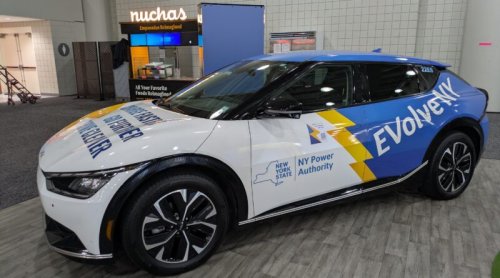
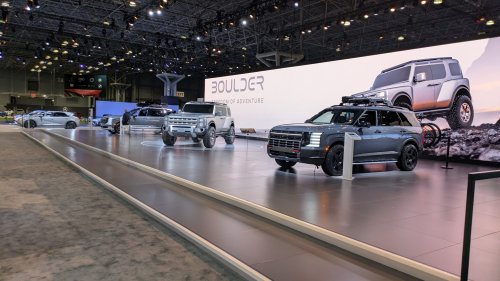
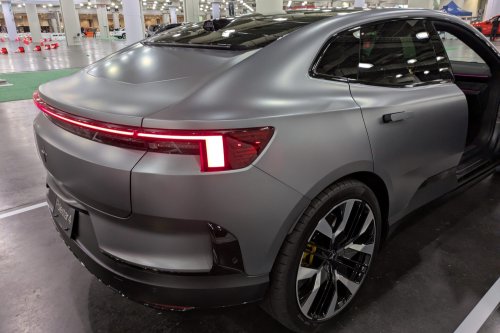
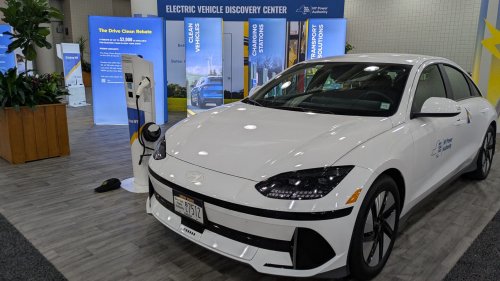
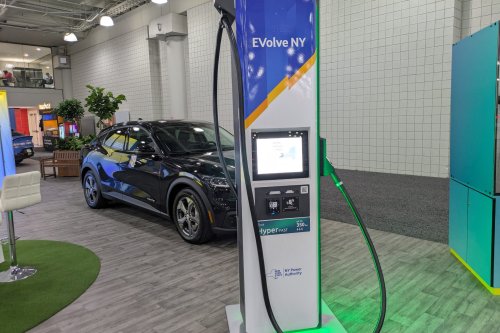
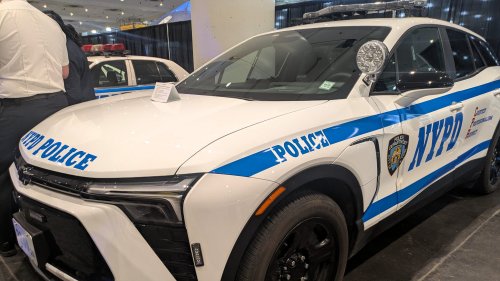
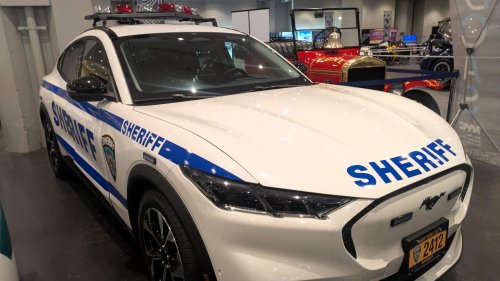
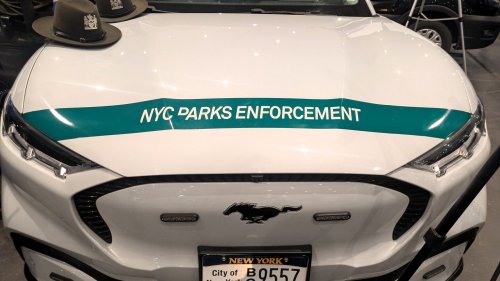
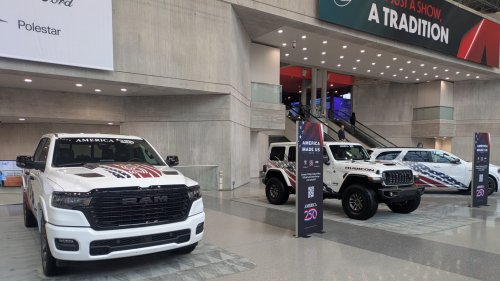
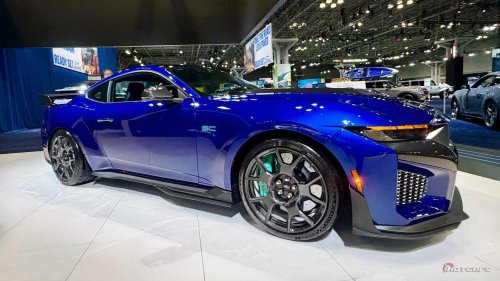
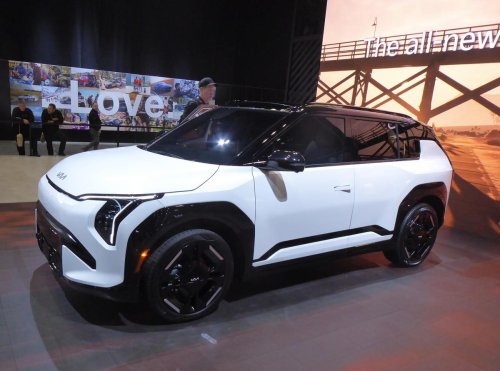
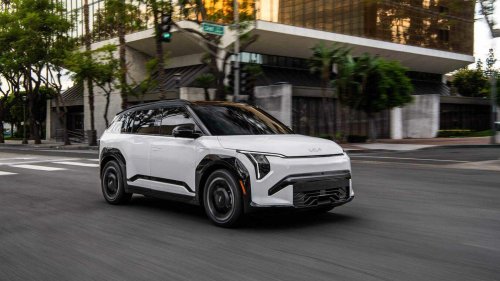
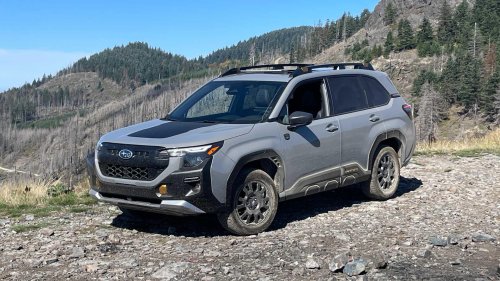
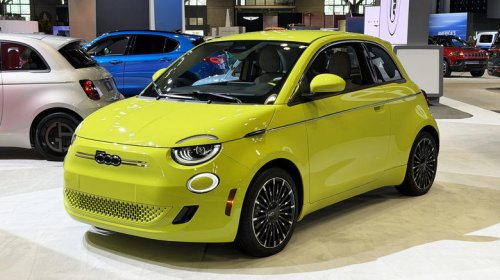
The New York Auto Show comes to a close this weekend. There were both encouraging and discouraging developments for vehicle electrification. However, while I expected innovative technology from automakers, the most encouraging presence was from the city and state of New York. Photo by Larry Evans Overall, automaker launches were not as exciting this year. You could clearly feel the regression toward ICE. EV offerings were reduced from previous years. EV announcements were moved from center stage and replaced by ICE vehicles and hybrids. Even though the impressive IONIQ 6 N won 2026 World Performance Car and was available for ride alongs, Hyundai announced a shift in focus away for BEVs to a US market focus, including more body-on-frame trucks, ICE vehicles, and hybrids. However, Kia showed the EV3 and PV5 concept, which could be related to their alliance with GM. Speaking of GM, it had a few EVs, including the resurrected to soon die again Bolt. Cadillac was not on the show floor, but it did have models on the test track. The LEAF was at the Nissan booth and seemed like a solid offering in the segment. Toyota/Subaru had their sister EVs, including the Subaru Getaway concept, but they just didn’t feel like the most advanced models globally. The overall show was smaller than previous years, moving all the automaker displays to one floor. Several automakers did not have an official presence, with dealers filling the gap (particularly for European brands) or completely absent (e.g., Mazda). Honda didn’t have any traditional cars, but it did have the Fastport delivery vehicle that takes advantage of e-bike regulations. That was a lot of fun to pedal around the track while high-power EVs sped by. Photo by Larry Evans When a colleague asked which vehicle was the biggest surprise, I said the Korean-made (for the US market) Polestar 4, which was not on the main floor but was in the atrium and test track. I thought I would hate the lack of a rear window, but the packaging started making sense when sitting in it. It felt well put together and rode well around the track. I hope to get a chance to test drive it soon. Photo by Larry Evans New York Leads the Way The official name of the event is the New York International Auto Show. However, much of the product seemed more US-specific, with greater emphasis on ICE trucks. Lobbyists, politicians, and dealers pushing for greater protectionism undermine the “International” label that was previously held in high regard. However, while the global perspective might have been a bit lacking outside of the World Car Awards held during media days, the most encouraging aspect of the show was the local efforts. The Hybrid & EV Test Track was sponsored by the state of New York, Charge NY, Evolve NY, and the Greater New York Auto Dealers Association. EVolve NY, a division of the New York Power Association, also recently deployed 60 fast charging stations in NYC. Those chargers are focused on neighborhoods where home charging is often not available. “Building EV chargers in neighborhoods where many working drivers live will make it easier to encourage a switch to electric vehicles and help for-hire vehicle drivers spend more time fulfilling rides, not searching for a charge,” said NYC DOT Commissioner Mike Flynn. “These chargers will also be available to the public and help serve communities with few affordable charging options. Achieving a greener transportation future is only possible if our city makes equitable investments in every neighborhood, for every New Yorker.” Photo by Larry Evans With low average speeds and a lot of stop-and-go traffic, EVs make sense in NYC if charging is available. While many people commute via mass transit and use their cars on weekends, greater charging infrastructure in the state also makes that low-frequency, longer-distance use case more attractive. There was also a large display at the show to answer questions about EVs, charging, and available subsidies. With the oldest electricity grid, high costs, and many people living in apartments, EV adoption does face challenges. However, New York state and New York City seem committed to vehicle electrification, with efforts extending through different administrations. Photo by Larry Evans Beyond charging, the city announced that it just deployed its 1000th law enforcement EV at the show. Currently all parks, sanitation, and administrative services enforcement vehicles will be EVs by 2030. In total, beyond enforcement, the city operates 5,780 electric vehicles and 4,600 hybrid vehicles. Photo by Larry Evans “NYC is leading the state in fleet electrification with the largest electric fleet and charging network,” states Keith Kerman, NYC Chief Fleet Officer and Deputy Commissioner at DCAS. “As importantly, we are showing EVs can work in some of the most challenging applications and assignments including law enforcement and emergency response. We have more to do but 1,000 EVs in law enforcement is an important, nation-leading, threshold and we thank our agency partners across city government.” Photo by Larry Evans New York City still has work to do. MTA buses could use a shift to electricity, but they may not get the investment, with massive budget deficits, transit workers wanting raises, rising fares, and a mayor who wants to make rides free. In addition, while state-run NYPA has reasonable electricity rates, ConEd rates are some of the highest in the nation once all the fees and taxes are added in. Last month, my net electricity bill worked out to be $0.513 per kWh consumed. However, NYPA’s EVolve NY fast chargers cost $0.47/kWh upstate and $0.52 downstate (plus tax), making them a relative bargain. This will let drivers save money over rising gas prices. With adequate charging, more people who live in apartments will be able to make EVs an affordable and practical choice. Photo by Larry Evans Given the current political situation and the shift in focus of many legacy automakers in the US back toward ICE, it is easy to get discouraged. While much of the US seems to be shifting away from electrification, there are still bright spots. As the saying goes, “think globally, act locally.” Political tides can shift. New York is showing leadership. Those places leading locally now can lead the nation forward in the future.