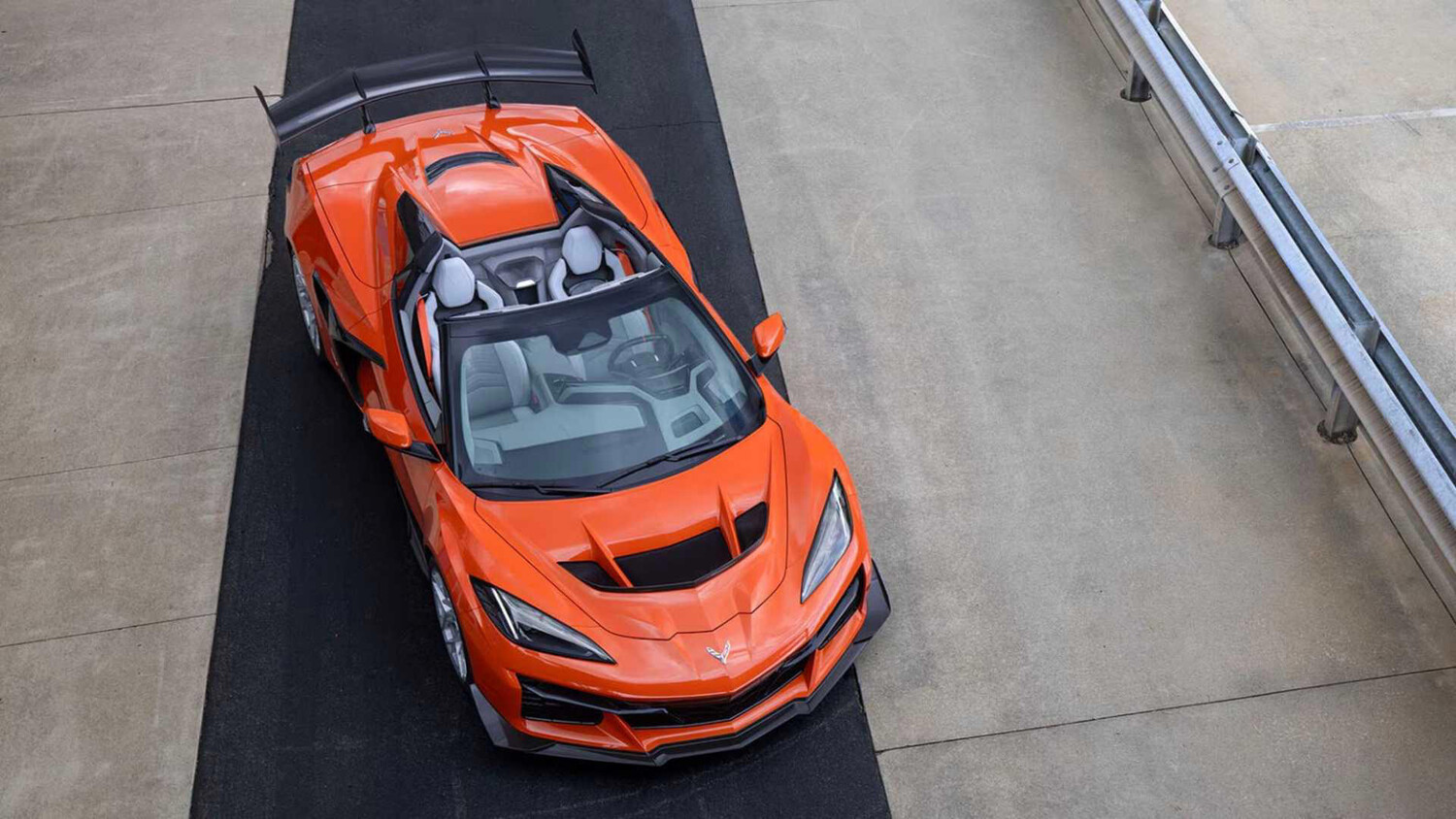
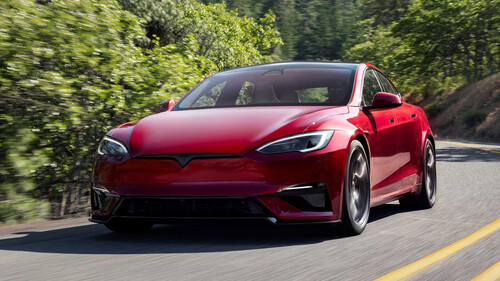
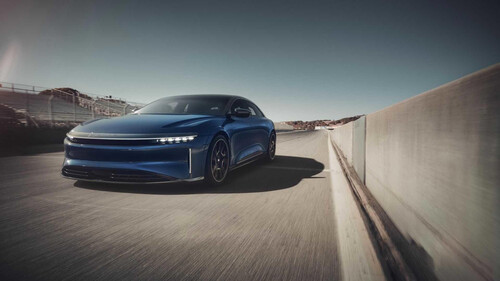
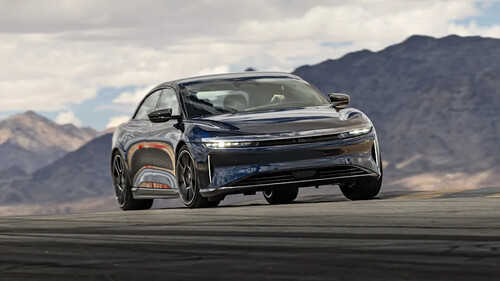
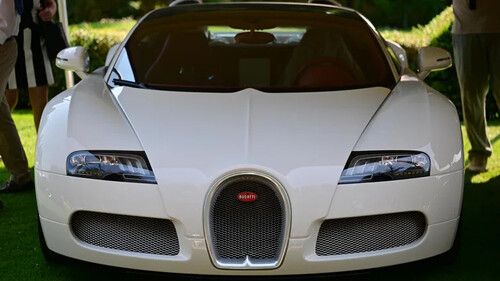
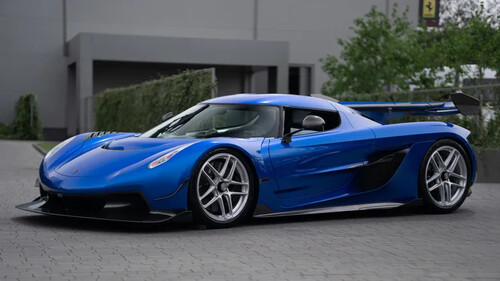
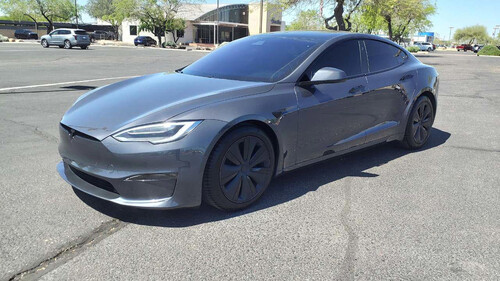
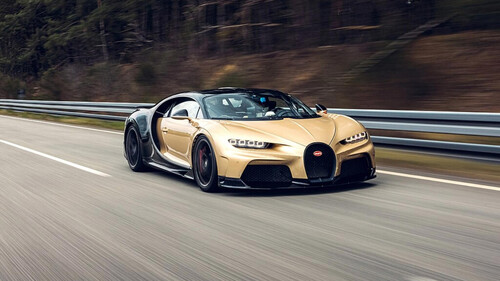
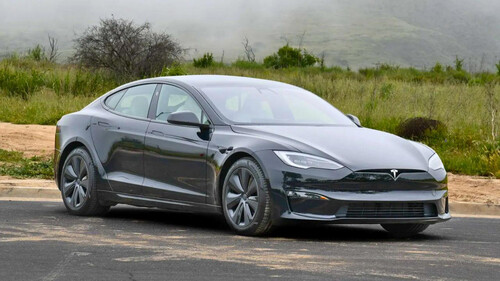
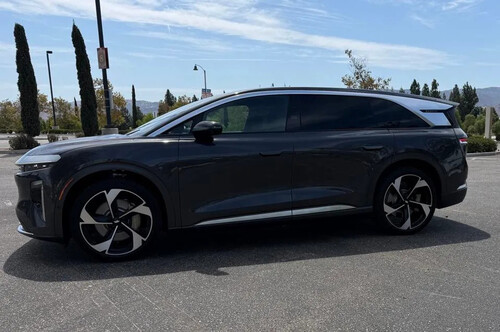
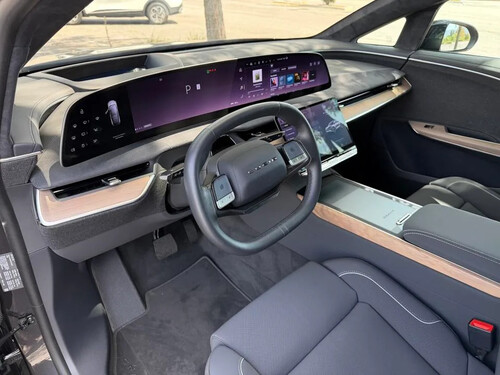
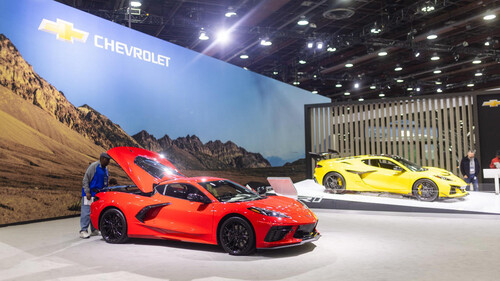
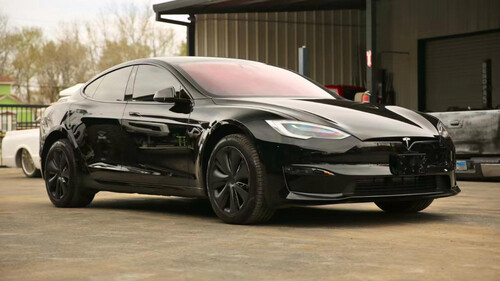
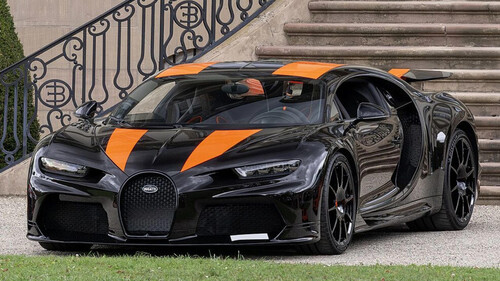
Electrification has always been sold to the public as a way to combat rising gas prices and protect the environment. Fine goals, but not all that exciting. If they'd told us from the start that EVs and hybrids would be clearing 60 mph in under two seconds, we're willing to bet you'd have had less resistance to battery power over the years.Superpowered EVs and hybrids have certainly evened the playing field when it comes to horsepower. It wasn't that long ago that you would need to spend well over a million bucks if you wanted to buy one of the quickest cars in the world. Thanks to electrification, two of the world's quickest supercars, the Lucid Air Sapphire and the Chevrolet Corvette ZR1X, can be had for a fraction of what you might spend on something built by Koenigsegg or Bugatti. Let's Watch These Suckers Fly Chevrolet Hagerty recently ran a video on their YouTube channel pitting the ZR1X and the Sapphire in a drag race against one another, and a Volkswagen Golf with a substantial headstart. The winner of this race, at the quarter-mile marker, was literally too close to call, even for computerized tracking systems.We recommend checking out the whole video, but we've cued it up to the race in case you've only got 9.1 seconds to spare.The Corvette takes an early razor-thin lead, until its wing spoiler creates starts to work against it, allowing the Sapphire to catch up by the finish line as it continues to gain speed.Finishes were marked with a pair of GPS trackers, one checking location 20 times a second, and the other checking location 25 times a second. Neither tracker was able to identify a substantial difference in quarter-mile times between these two cars. Measuring the difference might require some literal splitting of hairs to accurately gauge the distance between these two cars at the 9.1-second mark.Supercars clearing the quarter mile in under 10 seconds is nothing new, but there are two really exciting things about watching the Sapphire and the ZR1X cars do it. Firstly, these cars are relatively affordable for the power they deliver. Secondly, they're made in America, and it feels good to win one now and then. A Look At The American-Made Supercars Chevrolet The Lucid Air Sapphire is pure battery power, while the Corvette uses a hybridized V8. In Hagerty's drag race, the 'Vette matches the Sapphire's two-second take-off, but it's been clocked at 1.68 seconds, while the Sapphire's record time is 1.89 seconds.The Chevy and the Sapphire are both all-wheel-drive. It's getting harder to find new supercars and hypercars with all-wheel drive these days. When you're traveling at 150 mph and hitting 60 mph quicker than you can say "60 mph," the superior control offered by four-wheel power is simply a must-have. Both Cars Offer Perfect Weight Distribution Lucid The electric Corvette E-Ray is often reported as the first 'Vette with all-wheel drive, with the ZR1X being the first gas-powered AWD Corvette. In truth, Chevrolet has been playing with the idea of an AWD Corvette since the 1986 Corvette Indy. But, the Indy was a concept car, making the C8s the first production Corvettes with all-wheel drive.Being an electric car, the Lucid Air Sapphire packs its weight along the floor, in its lithium-ion battery pack. The Corvette is a rear-mid-engine car, providing excellent balance and traction, plus it looks cool when you open the rear hatch to access the engine. These Are Easily The Most Powerful Cars In This Price Range @Hagerty via YouTube The ZR1X starts at $209,700, while the Lucid Air Sapphire will cost you a cool quarter-million. If you want 1,000+ horsepower, you're going to be paying a premium price for a premium driving experience, but something in the low six-figure range is accessible. You might never have four million to blow on a Bugatti, but $209,700? You probably know someone in deeper debt than that over a fully-loaded Ford Raptor.The 'Vette and the Sapphire are not the most powerful cars on the market in terms of raw horsepower. But, the upgrade you're getting in a 1,479-hp Bugatti Chiron Pur Sport does not translate to quicker takeoffs or shorter quarter-mile times, despite a sticker price of around 15 times what you'd pay for one of the American-made supercars.In terms of hp, the difference between a ZR1X and a Chiron has you spending over $3,000,000 on just 229 extra horses, which comes out to something like $14,800 per pony. There's more to a sports car than numbers, sure, but that's a whole lot of money only to still come in third.A Tesla Model S Plaid may be the most affordable path to supercar performance, starting at $109,990 and coming in a hair behind the 'Vette and the Sapphire on the quarter mile. It's certainly the cheapest path to sub-two-second takeoffs. And guess what? The Model S is another American-made EV, just like the Sapphire.In any event, the 'Vette and Sapphire don't need any qualifiers when it comes to 0-60 times and quarter-miles. They're not "pretty quick for the price." They stand proudly among the quickest cars in the world in any price range. It's difficult to find many cars that beat them off the starting line without diving into experimental one-offs. It's A Whole New Era Of Performance Chevrolet Cars like the Model S Plaid, the ZR1X, and the Sapphire are exciting cars on their own, but what's even more exciting is that they're heralding the dawn of a new age in performance. Today we have cars in the low six-figure range that can clear 60 mph in under two seconds. A 1,000-hp car for the price of, say, a $62,700 Cadillac CT4-V Blackwing, seems inevitable. If superpowered cars at performance model prices aren't right around the corner, they're not too far off.What's more, we just like seeing American supercars take the gold this time. Talking supercars means learning how to pronounce a whole bunch of European names that don't come easy to the American tongue. But seriously, when you look up the quickest supercars in the world, and you see Chevrolet on the shortlist, it can't help but stir a bit of patriotic pride in even the most cynical among us. And Ford loyalists, too.