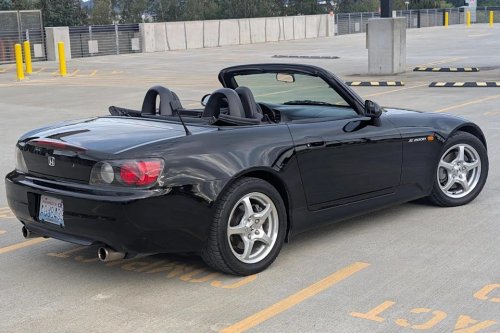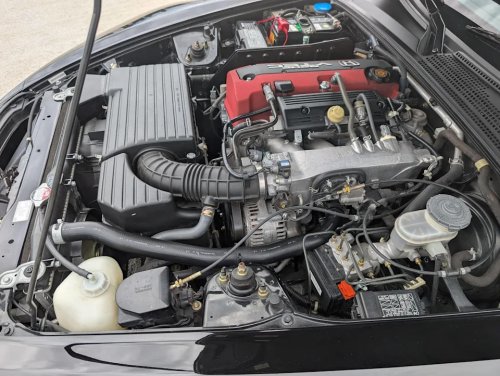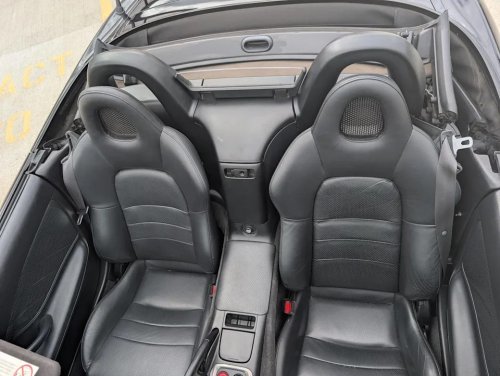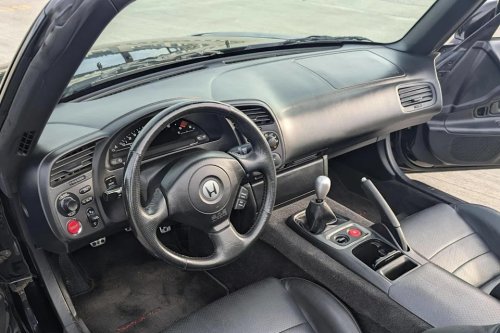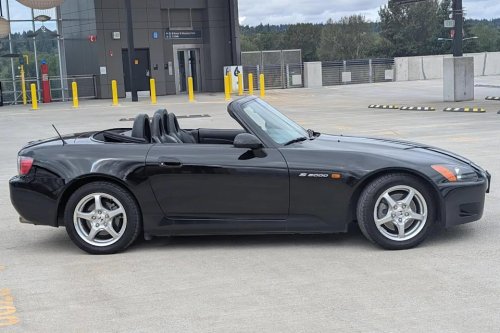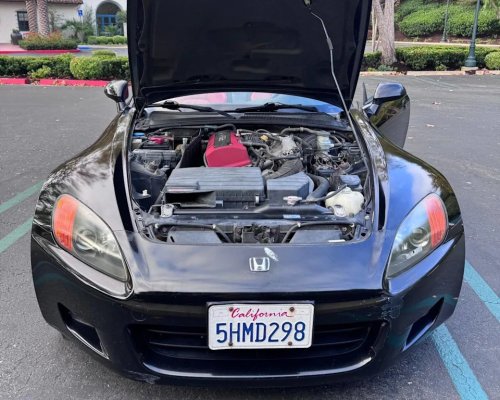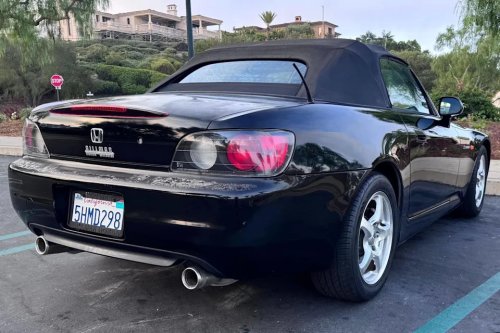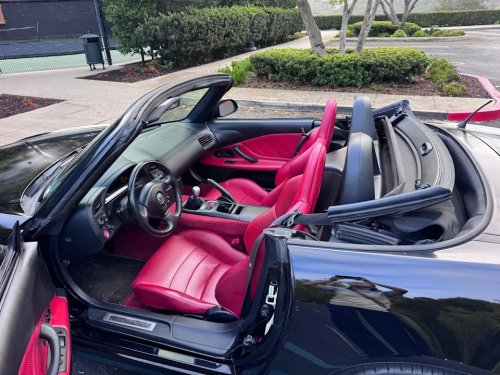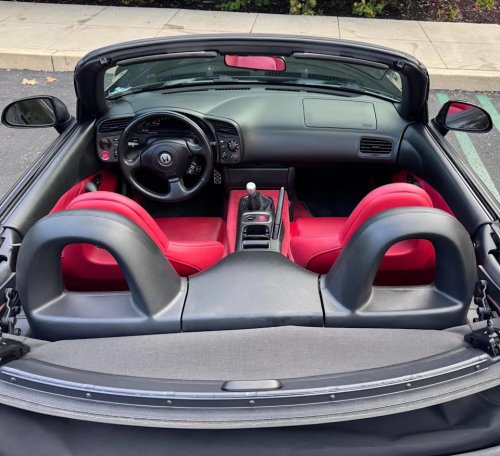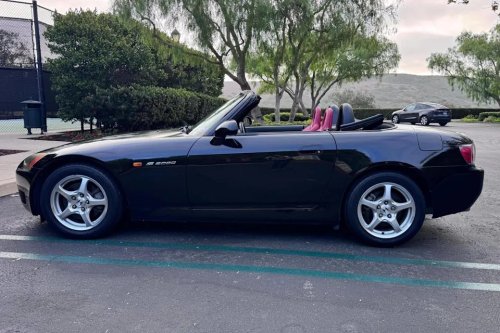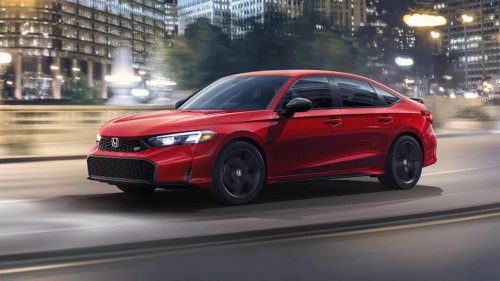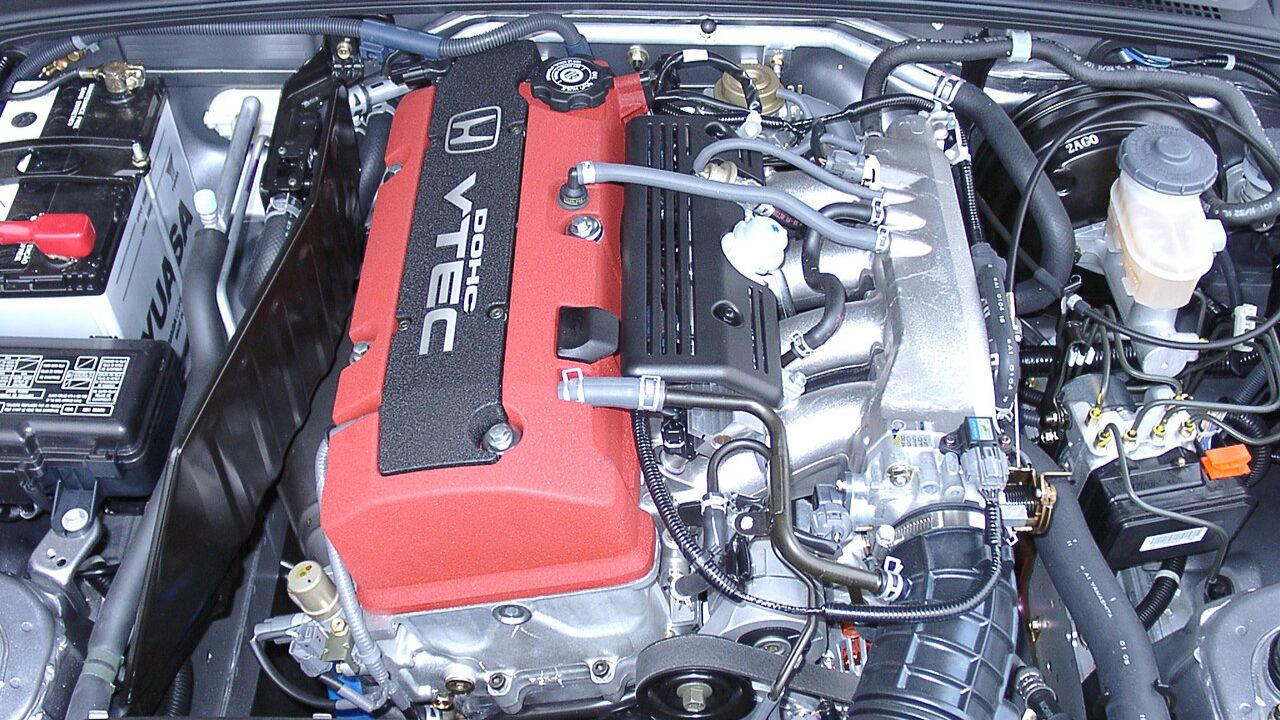



















This Honda engine proved high revs could beat raw horsepowerThe Honda engine that redefined performance metrics in the automotive world demonstrated that high revs can outperform sheer horsepower. This exploration delves into the engineering marvel that made this possible and its impact on the racing and automotive industries. Background of Honda’s Engineering Philosophy Honda has long been recognized for its commitment to engineering excellence and innovation. Since its inception, the company has focused on creating reliable and high-performing engines, prioritizing not just output but overall driving experience. One of the most significant aspects of Honda’s engineering philosophy is the emphasis on high-revving engines. This approach sets Honda apart from many competitors who primarily focused on maximizing raw horsepower. Honda’s legacy in high-revving engines spans both the motorcycle and automotive sectors. From the iconic Honda CB750 motorcycle to the acclaimed Honda S2000 sports car, the company’s pursuit of high RPMs has become a hallmark of its performance vehicles. In contrast to the traditional focus on low-end torque, Honda embraced the concept that a higher redline could deliver a more engaging and responsive driving experience. This forward-thinking philosophy has been crucial in establishing Honda as a leader in the performance automotive market. The Dawn of the 9000 RPM Engine One of the landmark achievements in Honda’s engineering history is the development of the 9000 RPM engine, specifically found in the Honda S2000, introduced in 1999. This engine, known as the F20C, showcased an impressive 2.0-liter inline-four configuration that pushed the limits of what was thought possible in a production vehicle. With an astonishing redline of 9000 RPM, the F20C was not just about peak output but also about how the power was delivered across the rev range. The technical specifications of the F20C are as remarkable as its performance. It featured a DOHC VTEC (Variable Valve Timing and Lift Electronic Control) system that enhanced airflow and efficiency at high RPMs. Initially, engineers faced significant challenges when developing an engine capable of sustaining such high RPMs, including issues related to vibration, heat management, and engine longevity. However, through meticulous design and testing, Honda succeeded in creating an engine that not only performed at high RPMs but also maintained reliability—a feat that many competitors struggled to achieve. High RPM vs. Raw Horsepower: A Comparative Analysis Understanding the distinction between high RPM and raw horsepower is essential when considering automotive performance. While raw horsepower measures an engine’s ability to produce power, high RPM focuses on how that power is delivered and experienced by the driver. High-revving engines like the F20C provide a different kind of excitement, characterized by a linear power band that allows for greater responsiveness and engagement during driving. In competitive motorsports, the advantages of high-revving engines become even more pronounced. For instance, in Formula 1, drivers often rely on engines that can reach high RPMs to maximize acceleration out of corners and maintain speed on straights. The increased responsiveness allows for more precise throttle modulation, which can be crucial in tight racing situations. This characteristic is particularly beneficial in scenarios where fractions of a second can mean the difference between victory and defeat. Success Stories in Racing Honda’s high-revving engines have achieved notable success in various motorsport disciplines, including Formula 1 and MotoGP. In Formula 1, Honda engines powered several championship-winning teams, including the legendary McLaren team during the late 1980s and early 1990s. The combination of high RPM capability and advanced engineering allowed Honda to dominate the field, showcasing the effectiveness of their performance philosophy. In MotoGP, Honda’s RC213V motorcycle has been a dominant force, leveraging high-revving technology to secure multiple championships. The performance in races like the MotoGP Grand Prix exemplifies how high RPMs contribute to winning strategies. Riders and engineers frequently highlight the importance of engine responsiveness and how the ability to rev higher gives riders a competitive edge on the track. Quotes from drivers like Marc Márquez emphasize that the high-revving nature of Honda engines allows for a more thrilling and connected riding experience. Technological Innovations Behind the Engine The engineering innovations that have enabled Honda to push the RPM limits are numerous and intricate. One of the critical breakthroughs was the development of lightweight materials that could withstand the stress of high-speed operation. Advanced alloys and composites were used in engine components, reducing weight while maintaining structural integrity. This focus on materials science was crucial in ensuring that the engine not only performed well but also lasted under rigorous conditions. Additionally, Honda utilized advanced tuning techniques and engine management systems to optimize performance at high RPMs. The implementation of the VTEC system allowed for variable valve timing, enhancing airflow and efficiency at different engine speeds. This technological advancement was not only revolutionary for Honda but also set a benchmark for the industry, prompting other manufacturers to explore similar enhancements in their own engine designs. The Impact on Competitors and the Industry Honda’s success with high-revving engines has had a profound impact on competitors and the automotive industry at large. Following Honda’s lead, many manufacturers began to explore high-revving options in their performance vehicles. Brands like Mazda with their RX-8 and Yamaha in their motorcycle lines recognized the potential advantages of higher RPMs, leading to a broader acceptance of this engineering philosophy. The shift towards high-revving engines also influenced trends in performance engineering. Many automotive engineers began to prioritize engine responsiveness and driver engagement over sheer horsepower numbers. This led to a renaissance in engine design, with many manufacturers now exploring ways to create engines that deliver a more dynamic driving experience while also considering factors like weight, efficiency, and emissions. The broader implications of Honda’s innovations continue to resonate throughout the industry, shaping the future of performance vehicle design. Consumer Reception and Market Impact The consumer reception to Honda’s high-revving engines has been overwhelmingly positive. Models like the Honda S2000 and the Civic Type R have garnered a dedicated following among automotive enthusiasts, who appreciate the engaging driving experience these vehicles provide. The unique character of high-revving engines has created a cult-like status for many Honda models, fostering a passionate community that celebrates the brand’s engineering prowess. In terms of sales performance, Honda’s introduction of high-revving models contributed significantly to market share growth. The S2000, for instance, was lauded for its performance credentials, leading to strong sales figures during its production run. Enthusiast communities have played a crucial role in promoting these models, sharing their experiences and knowledge through forums and social media, which continues to drive interest in Honda’s high-revving offerings. Challenges and Limitations of High-Reving Engines Despite the advantages offered by high-revving engines, there are challenges and limitations associated with them. One potential drawback is longevity; engines that operate at high RPMs can experience increased wear and tear, potentially leading to maintenance issues over time. This can be a concern for everyday drivers who may not be able to manage the demands of such performance-oriented engines. Moreover, the comparison with low-RPM, high-torque engines illustrates another consideration. While high-revving engines may excel in performance scenarios, low-RPM engines often provide a more relaxed and user-friendly driving experience, particularly in urban environments where stop-and-go traffic is common. Additionally, regulatory challenges and emissions concerns surrounding high-performance engines have led many manufacturers to rethink their strategies, emphasizing the need for a balance between performance and sustainability. The Future of High-Reving Engines in a Changing Market As the automotive market evolves with the rise of electric vehicles and hybrid technology, the future of high-revving engines remains uncertain. Manufacturers are increasingly focused on efficiency and sustainability, which may lead to a decline in the production of traditional high-revving gasoline engines. However, ongoing research and development efforts by Honda and other companies suggest that there is still a place for high-performance engines in the market. Innovations in hybrid technology may offer a pathway for maintaining high RPM capabilities while also addressing efficiency concerns. The integration of electric motors with high-revving gasoline engines could deliver the best of both worlds—responsive performance combined with lower emissions. As the automotive industry continues to seek a balance between high RPMs and sustainability, Honda’s legacy of engineering excellence may very well inspire a new generation of performance vehicles that cater to both enthusiasts and environmentally conscious consumers. More from Fast Lane Only Unboxing the WWII Jeep in a Crate 15 rare Chevys collectors are quietly buying 10 underrated V8s still worth hunting down Police notice this before you even roll window down *Research for this article included AI assistance, with all final content reviewed by human editors.