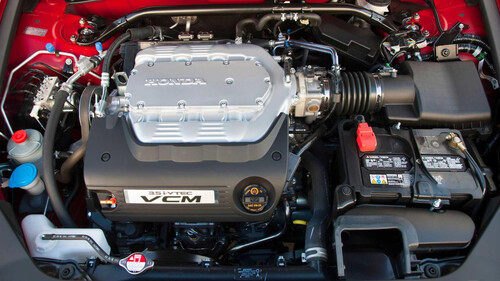
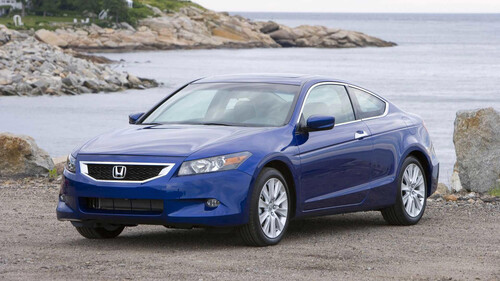
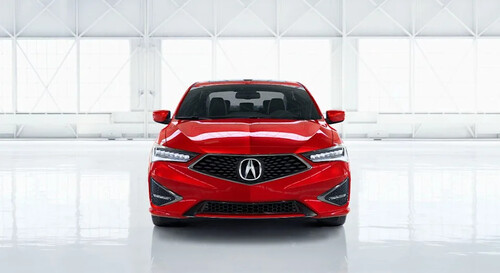
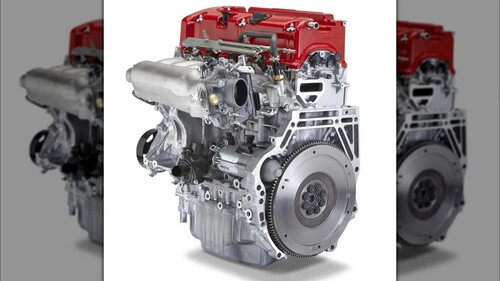
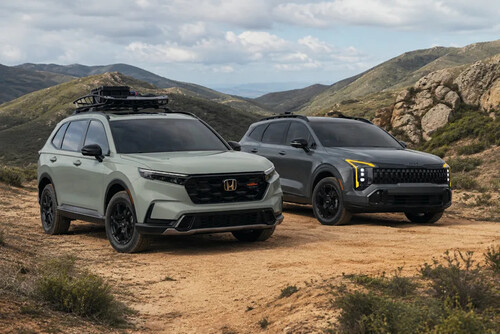
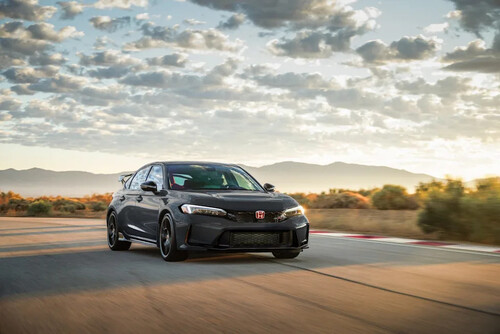
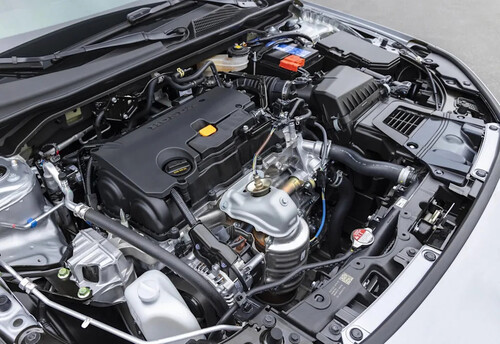
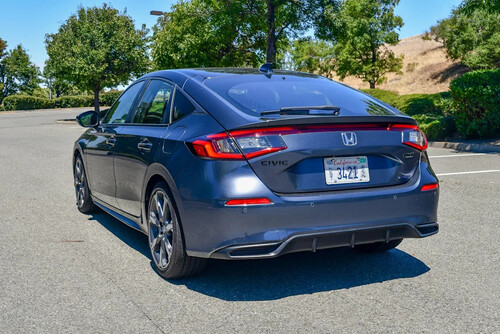
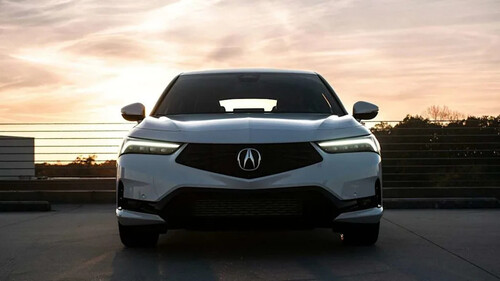
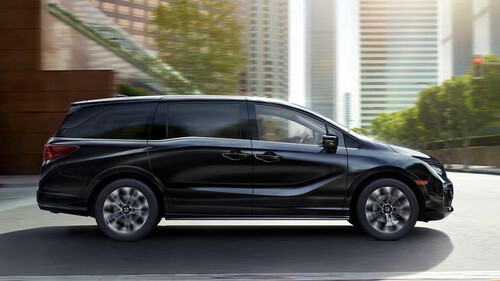
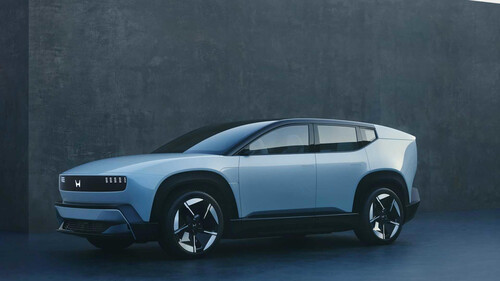
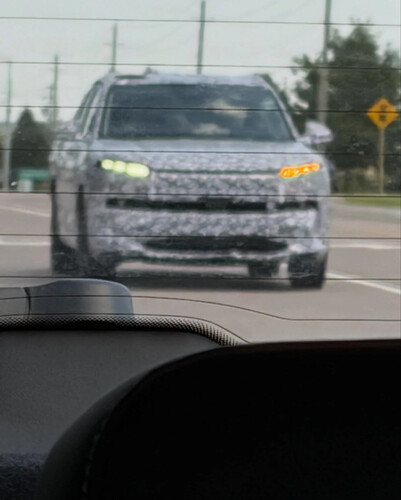
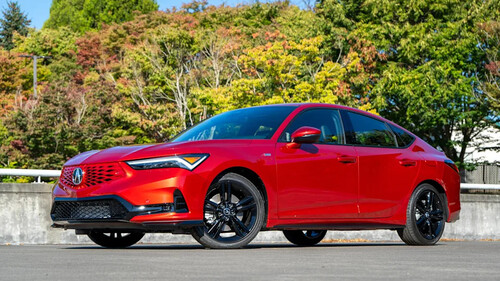
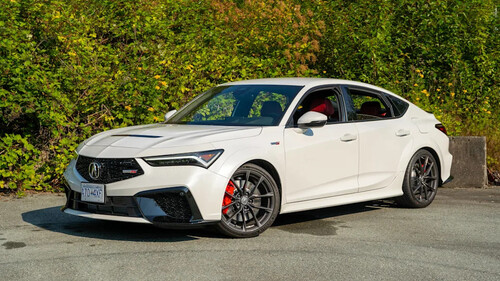
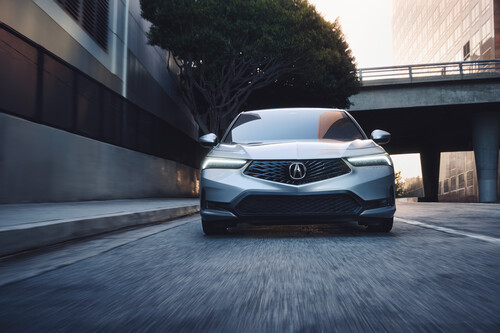
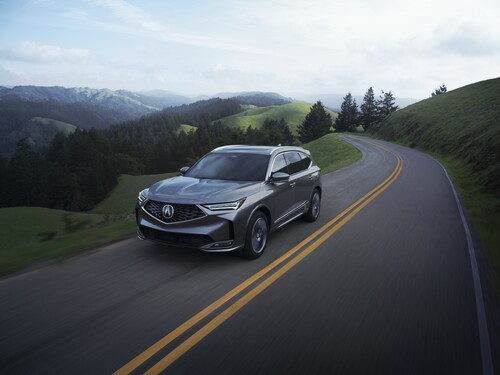
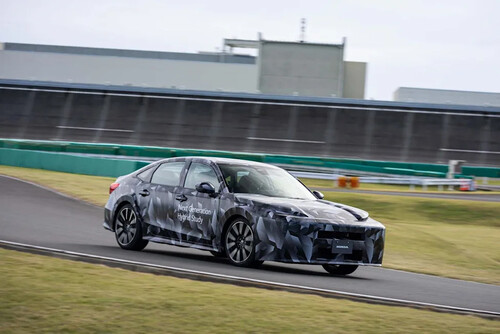
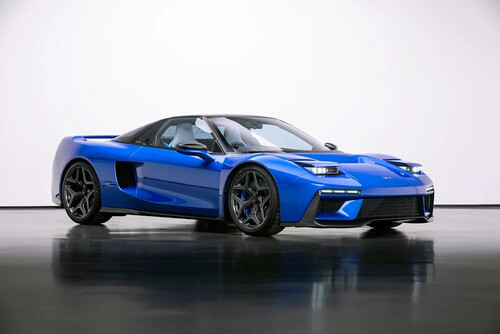
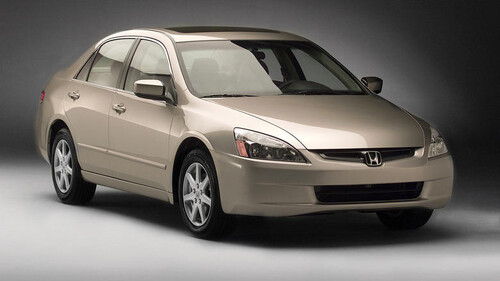
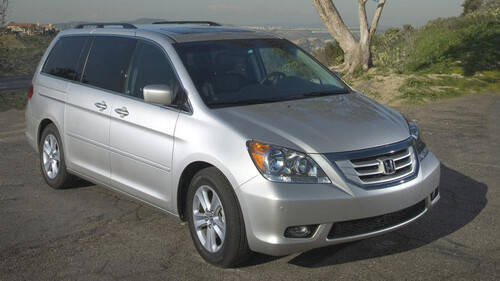
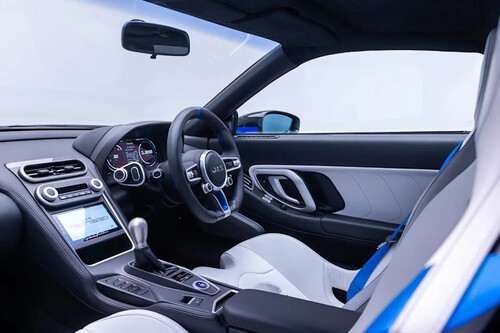
Image Credit: Honda.Honda is changing course as the global auto industry slows its rush toward full electrification. After years of talking aggressively about EV expansion, the Japanese automaker is now putting far more emphasis on hybrids while keeping traditional gasoline engines alive longer than many expected.The shift comes after a difficult financial year for Honda, which reportedly posted a $2.5 billion global loss for fiscal 2025. That reality is forcing the company to rethink how quickly consumers are actually ready to embrace EVs, especially in North America where hybrids continue gaining momentum.According to Automotive News, American Honda planning chief Gary Robinson said hybrid vehicles will become the “core” of the company’s business in North America later this decade. Rather than eliminating combustion engines entirely, Honda now plans to balance hybrids, gasoline vehicles, and eventually EVs, depending on what buyers in each segment actually want.AdvertisementAdvertisementThat strategy also creates a growing divide between Honda and Acura. While Honda intends to keep several gas-powered mainstream models around for affordability and market share reasons, Acura is expected to lean much harder into hybrids as the premium brand shifts toward electrified performance and luxury refinement.Honda Is Slowing The EV PushOnly a few years ago, Honda appeared fully committed to an EV-heavy future. Like many automakers, the company announced ambitious electrification goals as governments tightened emissions rules and competitors poured billions into battery-powered vehicles.Now, the market looks very different. EV growth has slowed in several major regions, while hybrids have become the sweet spot for many consumers who still want fuel savings without charging concerns or high purchase prices.Honda seems determined not to repeat the mistake of forcing customers into products they may not be ready for. Instead, the company is reshaping its lineup around hybrids while allowing combustion engines to survive longer in entry-level and budget-focused vehicles.AdvertisementAdvertisementThat flexibility could prove especially important in North America, where trucks, SUVs, and family vehicles still dominate sales. Buyers in those segments often prioritize affordability, reliability, and long-distance convenience over fully electric driving.Familiar Honda Models Could Stay Around LongerImage Credit: Honda.One of the biggest signs of Honda’s changing strategy is the decision to extend the life cycles of several well-known models. According to supplier information cited by Automotive News, vehicles like the Honda Accord, Odyssey, and HR-V may remain on sale longer before receiving full redesigns.Acura’s MDX and Integra are also expected to stick around deeper into the decade as Honda focuses resources on developing its next generation of hybrid systems. Stretching product cycles helps reduce development costs while giving the company more time to refine future electrified platforms.That doesn’t necessarily mean the vehicles will stagnate. Honda is expected to continue updating technology, efficiency, and styling throughout those longer production runs to keep them competitive in crowded segments.AdvertisementAdvertisementThe company is also reportedly developing an updated hybrid system aimed specifically at North American buyers. The next-generation Acura RDX could become one of the first models to receive the new setup around 2028.Hybrids Are Becoming The Main EventHonda’s future lineup will heavily revolve around hybrid technology instead of pure EVs. Smaller vehicles like the Civic, Accord, and CR-V are expected to continue using improved versions of Honda’s two-motor hybrid system, which has already become popular for its balance of efficiency and smooth performance.Larger SUVs and trucks may receive an entirely different approach. Honda is reportedly working on a V6-based hybrid system for bigger models like the Pilot, Passport, Ridgeline, Odyssey, and Acura MDX.That setup would combine electrification with all-wheel-drive capability and stronger towing performance, addressing one of the biggest weaknesses buyers still associate with many electrified vehicles. For family SUV shoppers, hybrids increasingly look like the safest middle ground between traditional gas engines and full EVs.AdvertisementAdvertisementGlobally, Honda reportedly plans to launch 15 hybrid models by 2029. A large portion of those vehicles will be targeted directly at North America, where hybrid demand has surged over the past two years.Acura And Honda Are Taking Different PathsPhoto Courtesy: Autorepublika.While Honda focuses on affordability and flexibility, Acura appears ready to move further upscale with electrification. Luxury buyers have generally been more willing to accept hybrid technology, especially when it improves performance and refinement alongside fuel economy.That gives Acura more freedom to experiment with premium electrified drivetrains while Honda continues serving buyers who still want simpler and cheaper gasoline-powered transportation. The strategy effectively splits the two brands into separate missions despite sharing engineering resources underneath.The gasoline engine is not disappearing from Honda's lineup anytime soon. EVs may still represent the future long term, but the carmaker seems increasingly convinced that hybrids, not full electrics, will dominate the next phase of the American market.AdvertisementAdvertisementIf you want more stories like this, follow Guessing Headlights on Yahoo so you don’t miss what’s coming next.