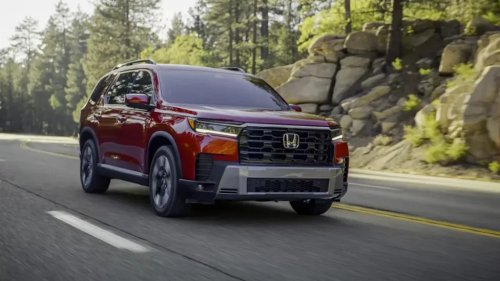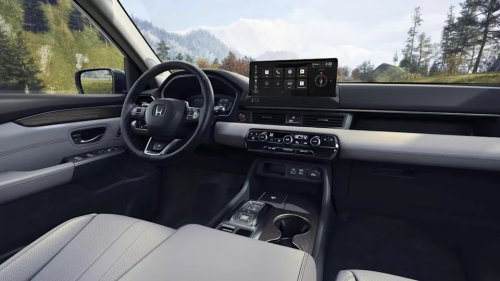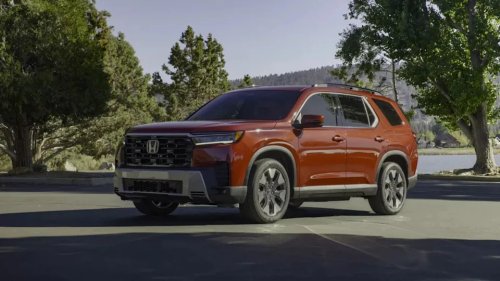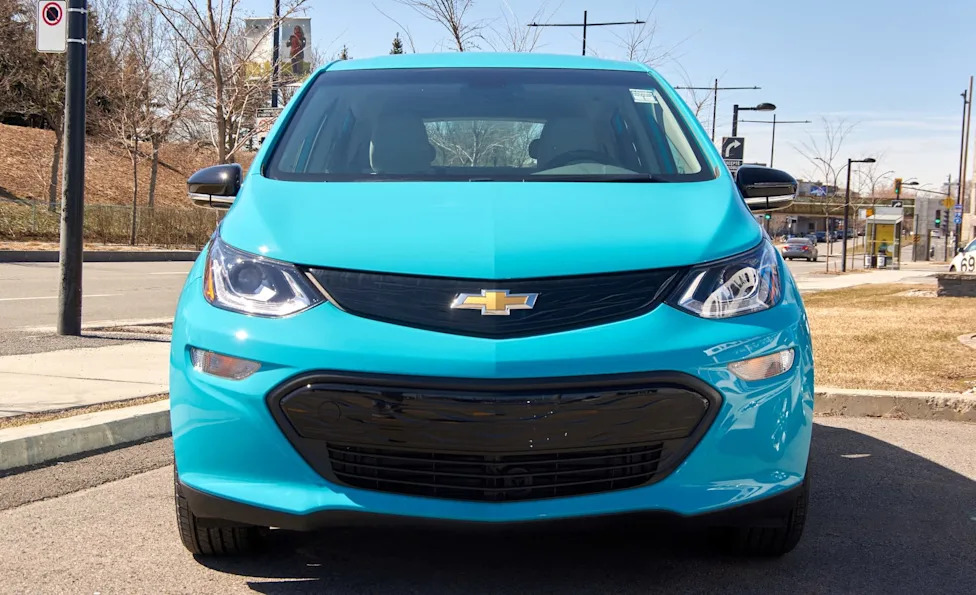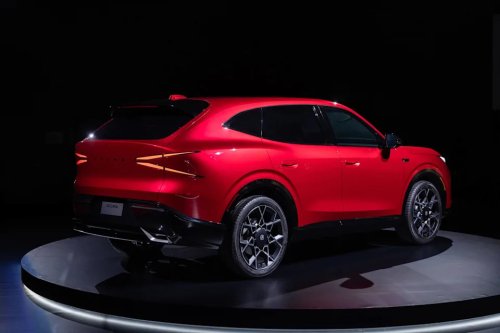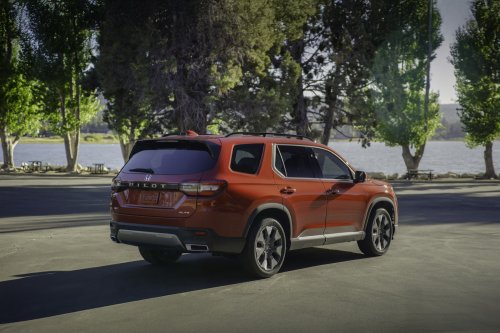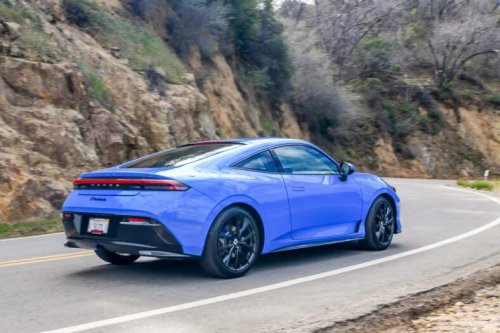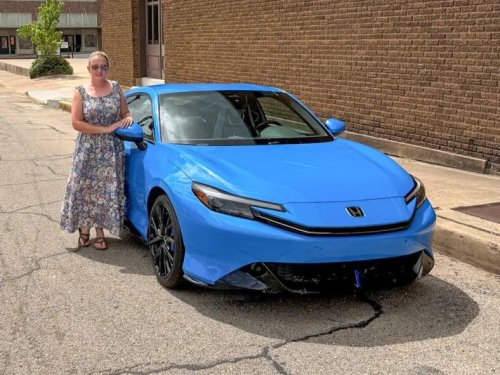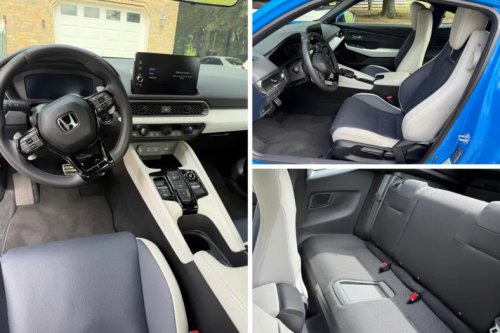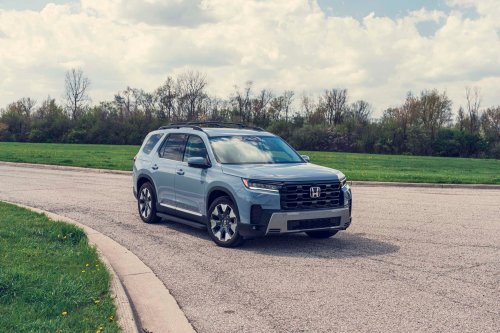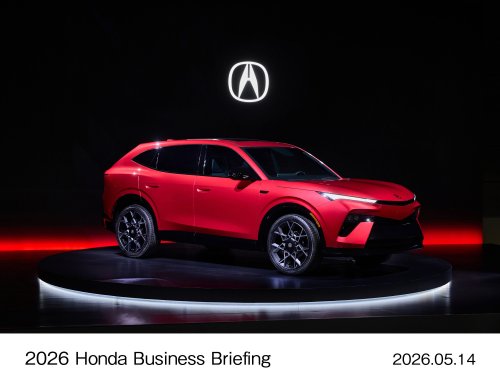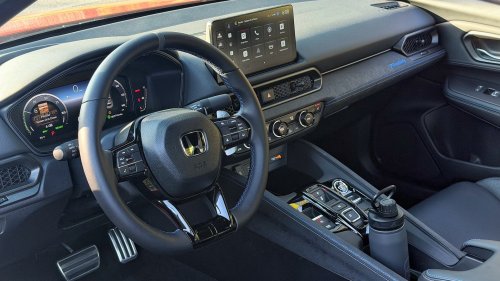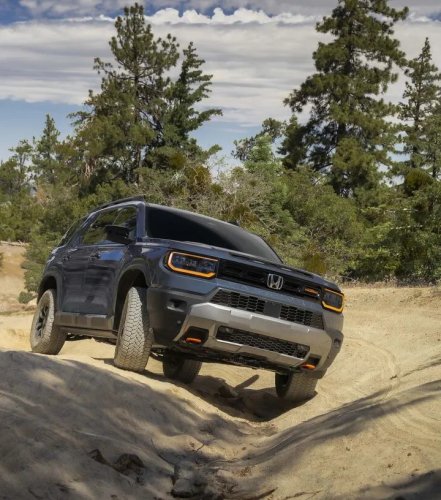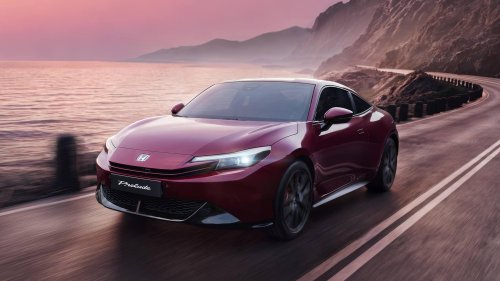



















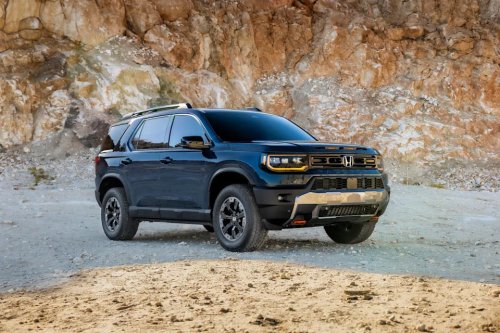

Photo Credit: iStockHonda no longer has a new battery-electric vehicle for sale in the United States after ending its lone fully electric model there, even as the EV field grows more crowded.As EV-focused creator The Electric Viking (@electricviking) breaks down, for drivers hoping to buy an electric Honda that means one fewer mainstream option.What happened?Honda is phasing out its only fully electric vehicle in the U.S., which means it is now without a battery-electric model currently on sale in the American market.More broadly, the video cast the move as another sign of the pressure facing legacy automakers. AdvertisementAdvertisementAs EV demand shifts and competition heats up, newer electric-focused brands and faster-moving global rivals have advanced quickly, while some traditional companies have delayed rollouts, revised schedules, or stepped back after uneven sales.Honda was already producing on a GM platform, which The Electric Viking speculated put a major cap on their potential profitability. That explains why the brand might walk away, even as the vehicle was a surprise top-seller in the American market.The creator added that Honda's company-wide struggles are also part of the equation. Whatever the exact reason, shoppers cannot currently walk into a U.S. Honda dealership and buy a new fully electric model."As a Honda Prologue owner [it] is sad to see this happen," one commenter wrote. "Having said that, I love driving my car. Yes, it's a GM underneath but it's a really nice car to drive."Why does it matter?When a major automaker retreats from EV availability, drivers lose choice. Fewer models on the market can mean less price competition, fewer chances to compare features, and fewer opportunities for people to switch to vehicles that are often cheaper to fuel and maintain than gas-powered alternatives.AdvertisementAdvertisement"Industry wide, the abrupt cancellation of EV subsidies by you know who caused about a 100 billion in stranded capital and sabotaged the ability of manufacturers in the US to climb the experience curve to compete with the Chinese," a top-voted commenter opined.Shoppers who trust familiar legacy brands may be left without an option from those companies. A company can promote its climate goals and future technology, but if it is not actually offering an EV for sale, those promises do not help someone trying to lower monthly fuel costs right now.What's being done?Shoppers who want to go electric may need to compare offerings from competitors that already have vehicles on lots.That can still create real opportunities to save. Many EV drivers benefit from lower fueling costs, fewer routine maintenance needs, and possible state incentives, depending on where they live and which vehicle they choose.AdvertisementAdvertisementThe broader industry response will likely be continued pressure on automakers to deliver affordable EVs that people want.Get TCD's free newsletters for easy tips, smart advice, and a chance to earn $5,000 toward home upgrades. To see more stories like this one, change your Google preferences here.