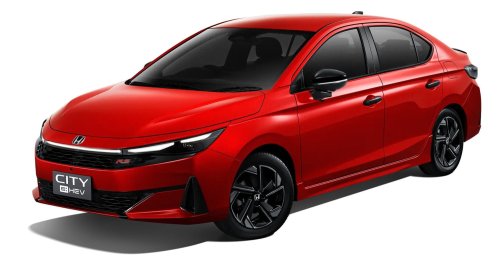
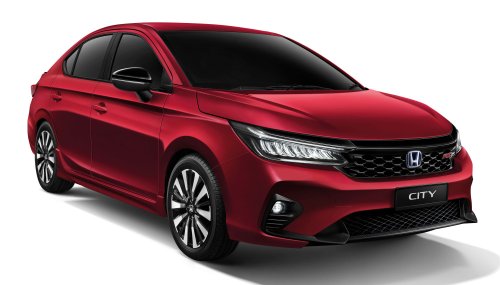
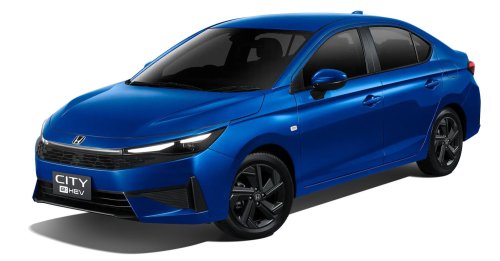
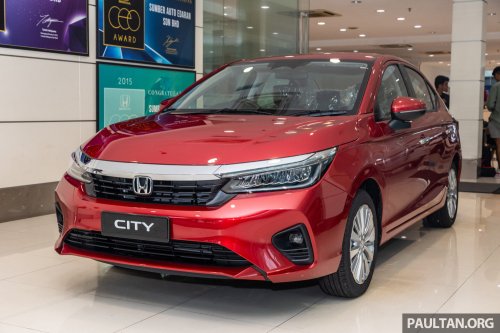
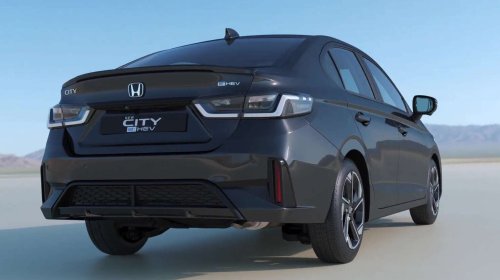
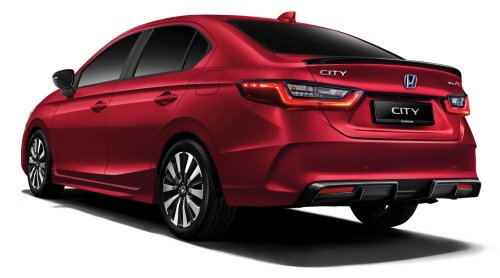
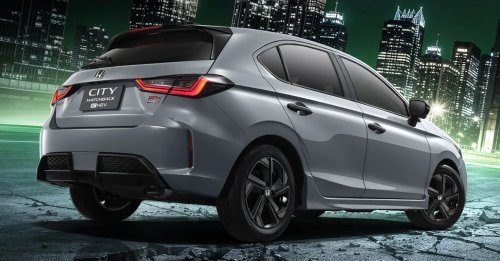
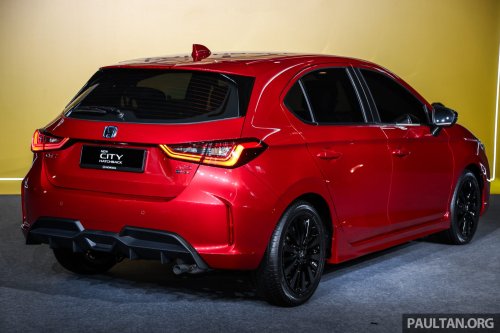
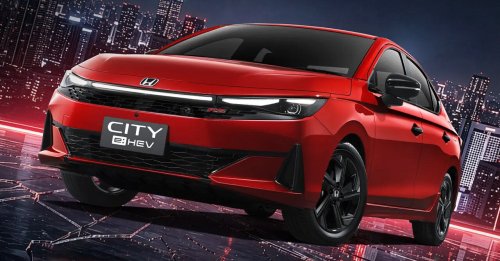
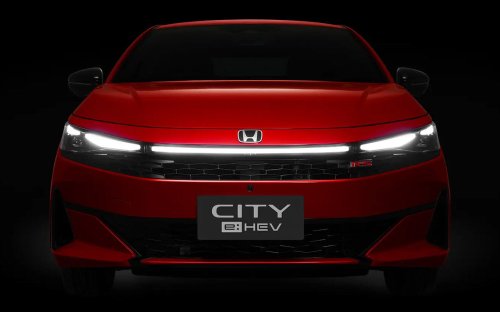
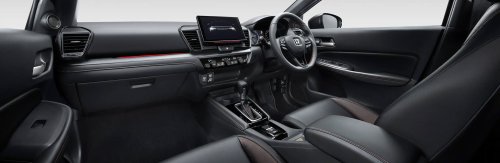
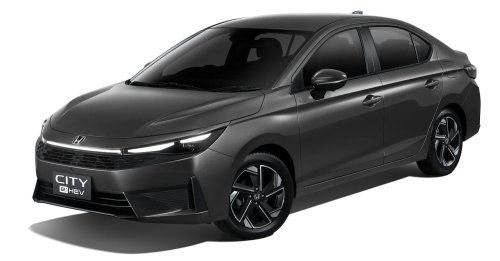
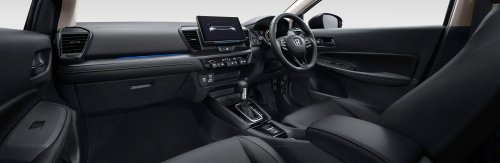
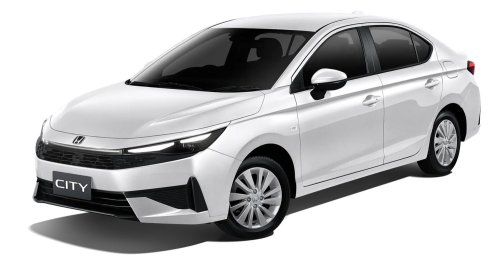
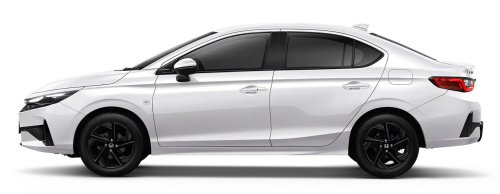
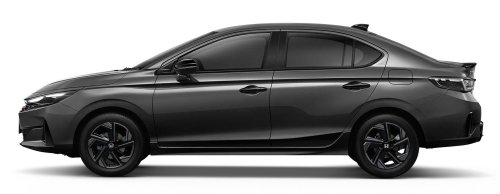
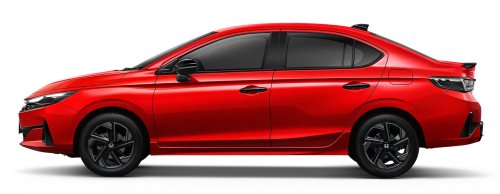
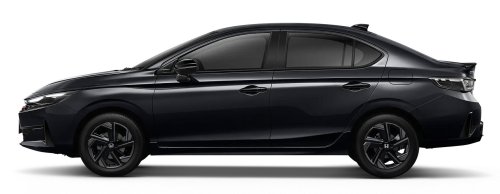
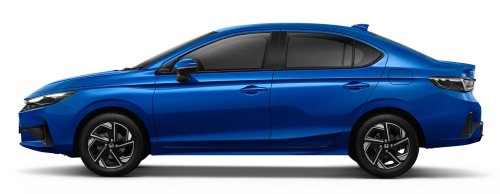
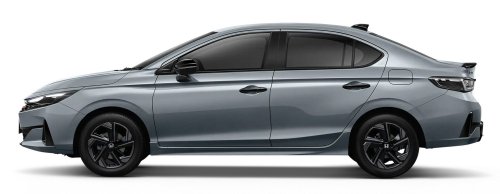
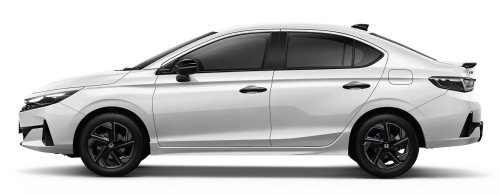
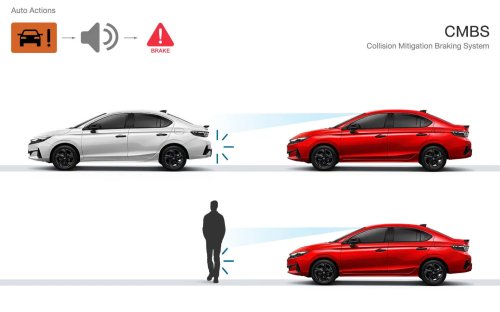
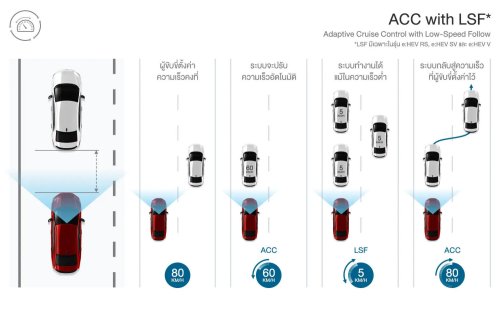
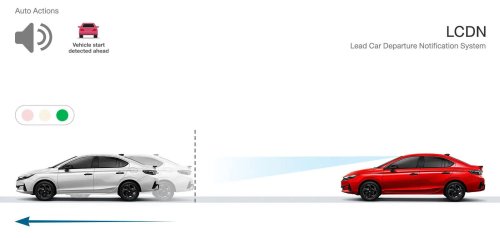
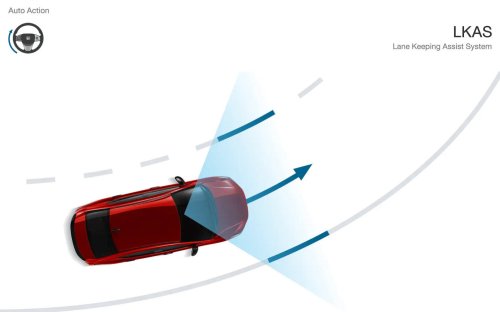
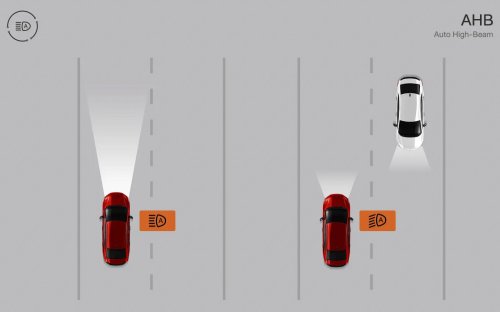
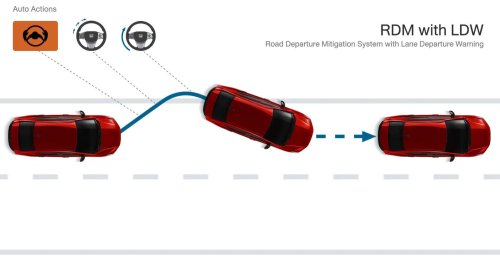
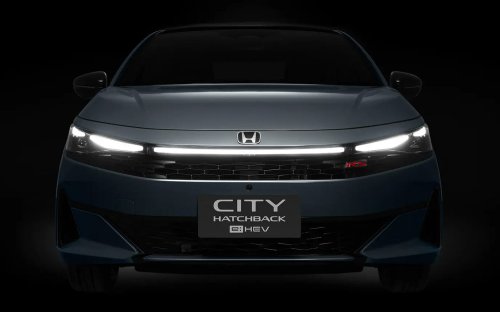
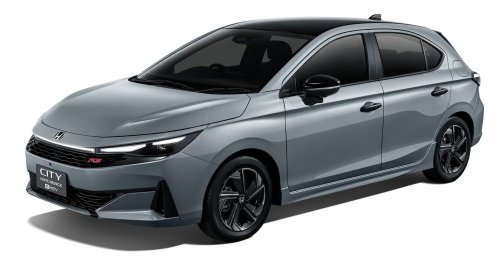
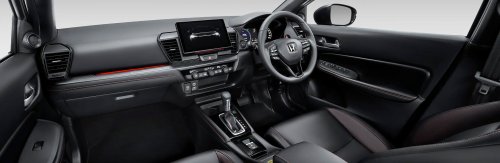
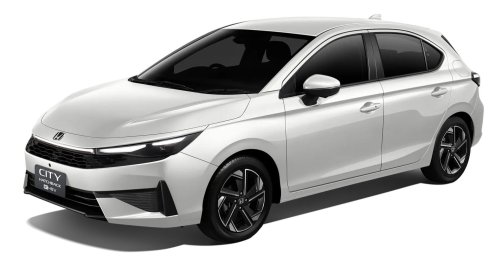
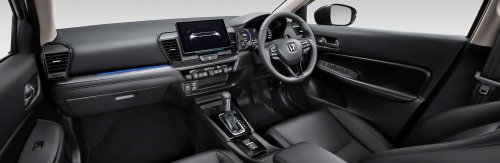
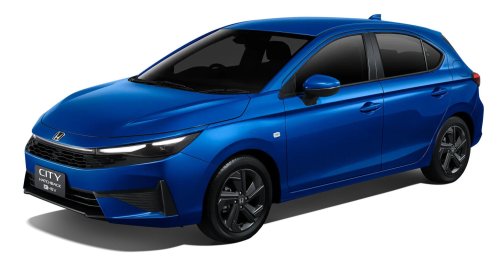
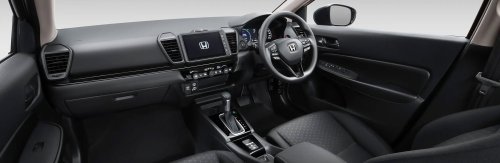
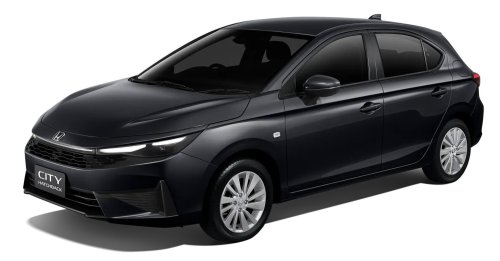
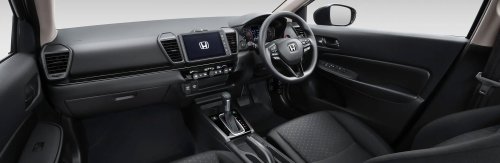
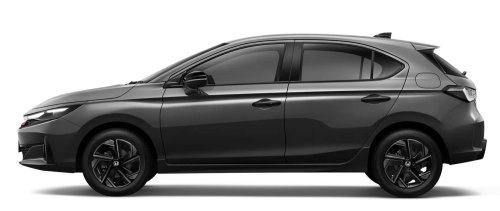
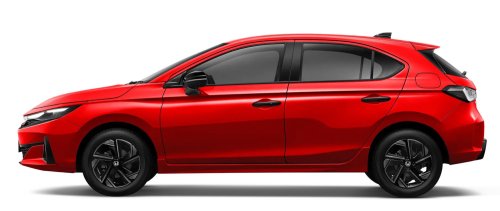
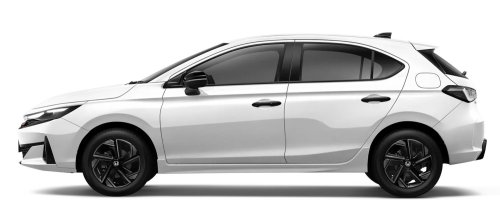
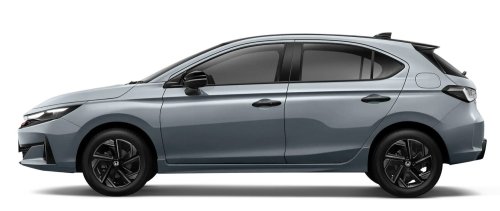
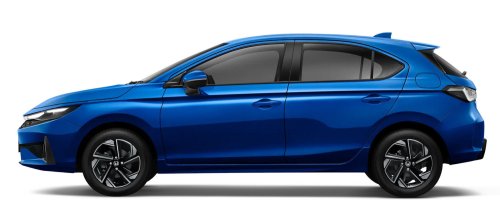
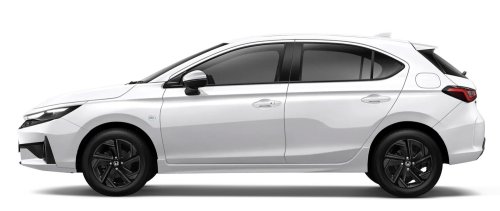
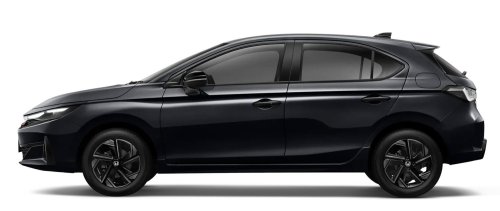
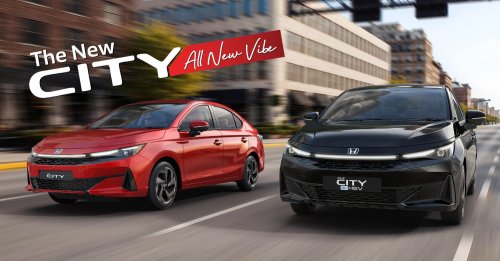
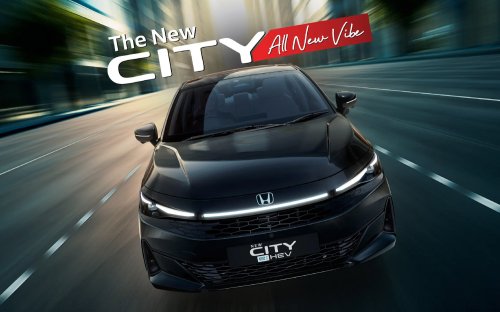
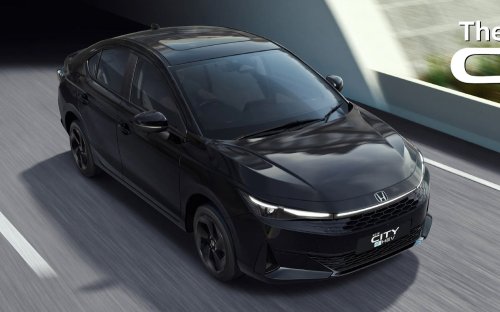
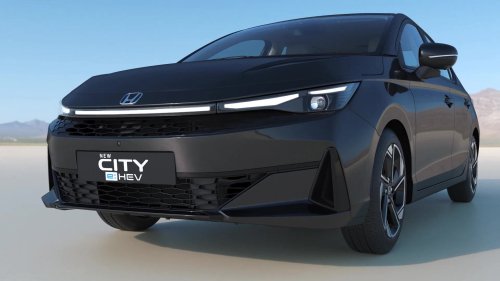
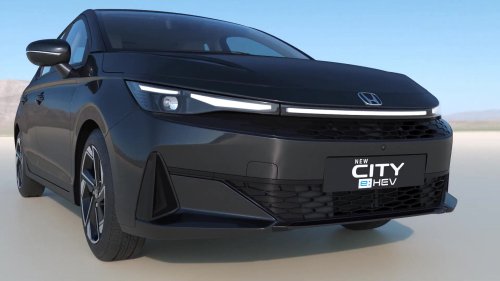
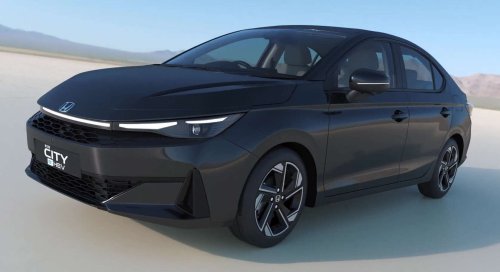
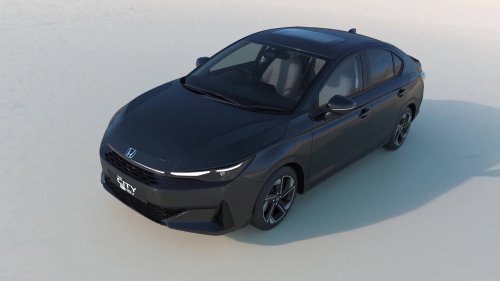
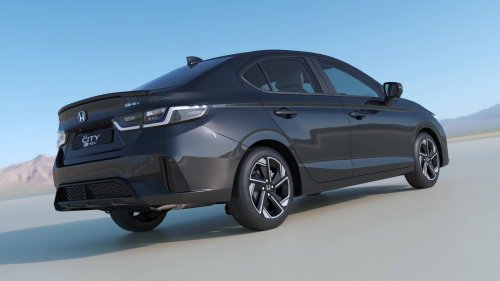
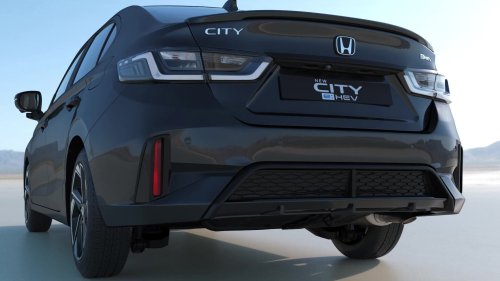
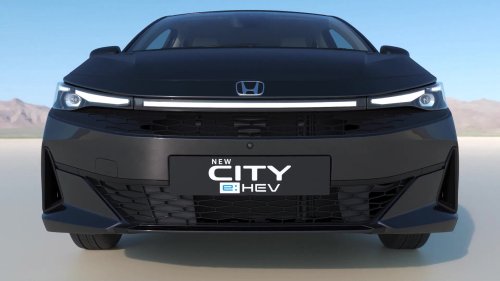
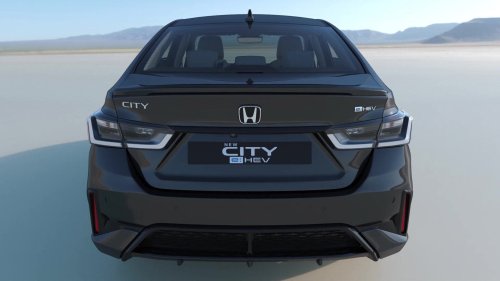
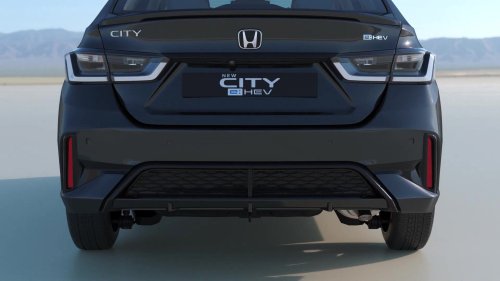
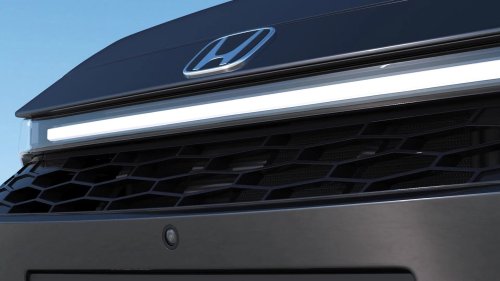
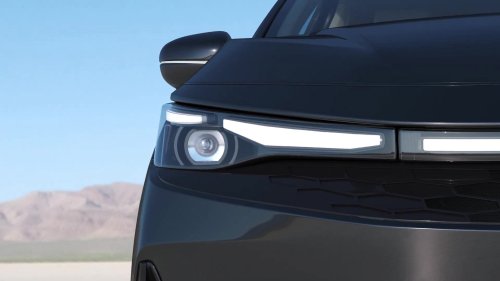
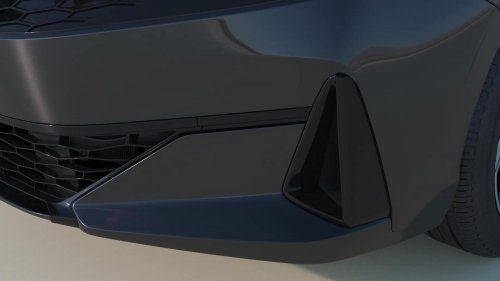
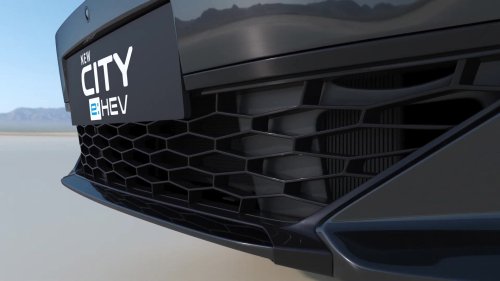
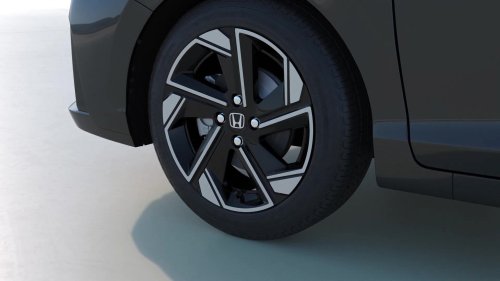
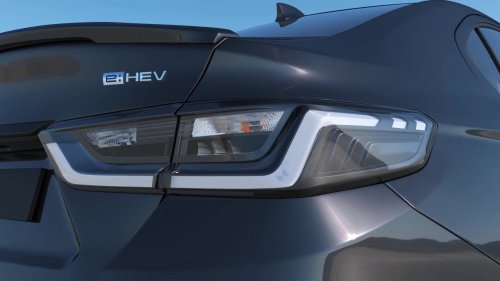
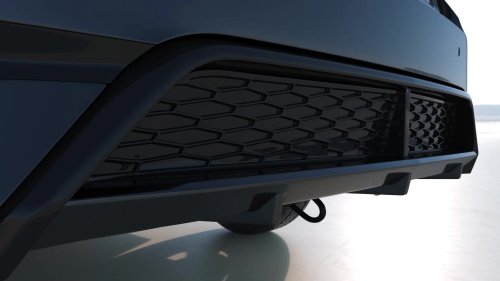
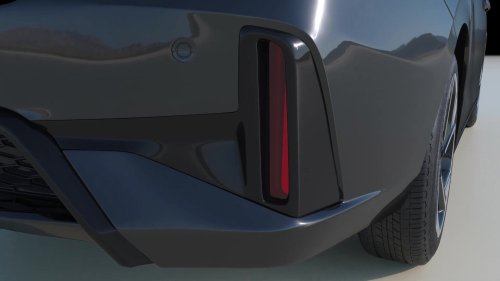
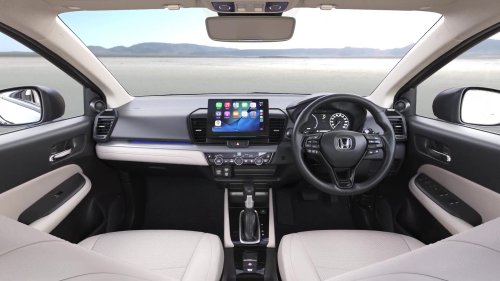
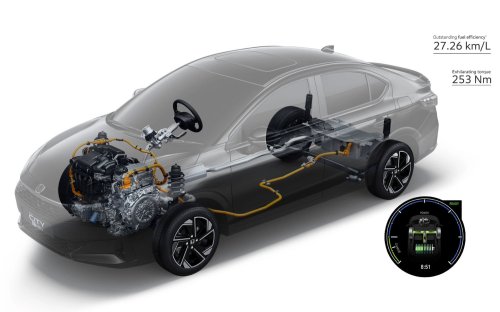
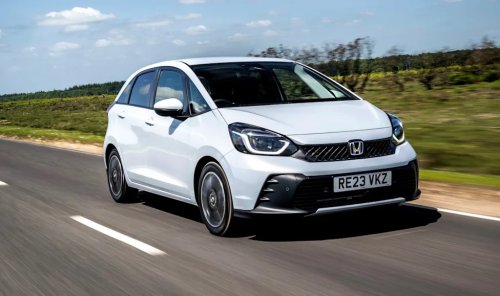
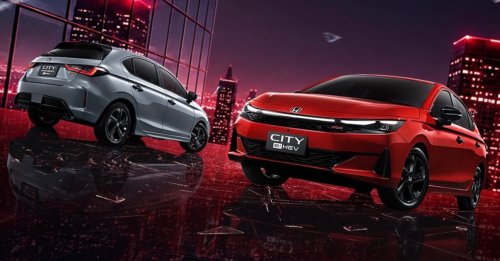
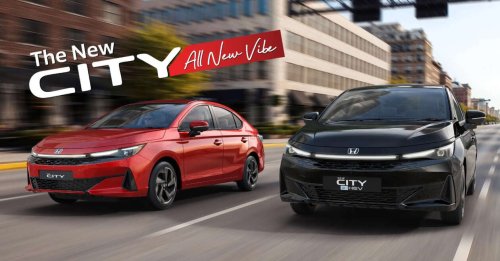
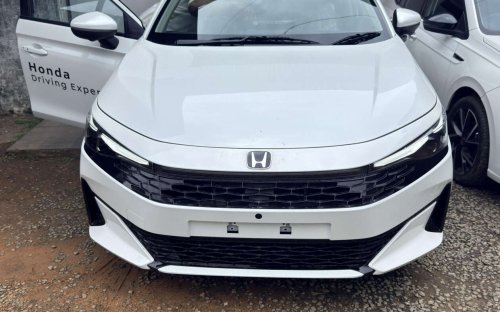
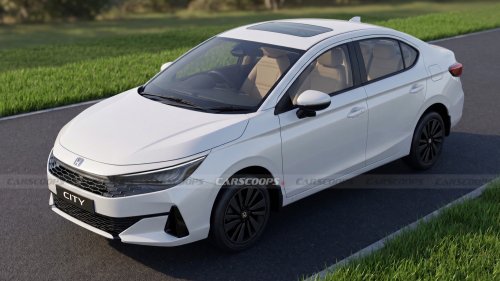
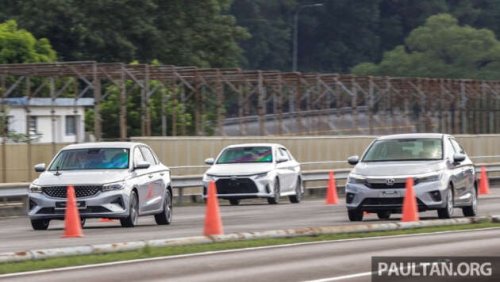
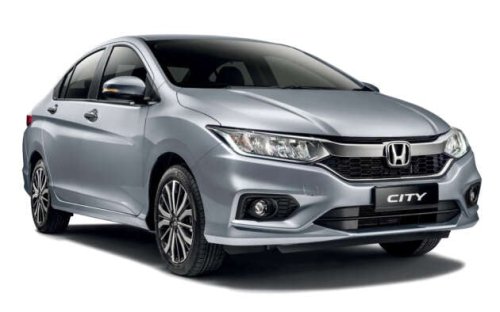
The 2026 Honda City facelift was announced for Thailand shortly after the updated B-segment model made its debut in India just a few days ago. Like with the pre-facelift model we currently get in Malaysia, Thailand will get the new City in both sedan and hatchback body styles, the latter revealing itself for the first time in its second facelift form. This is the second facelift for the City sedan, which is currently in its fifth generation. The original made its debut way back in 2019, with the first facelift making its debut in 2023. As for the hatchback, it came around in 2020 and got updated in 2024. The new City sedan and hatchback in Thailand get a revised variant line-up that now includes four options, three of which are hybrids. The only non-hybrid option is the base S, which comes with a gasohol-compliant 1.0 litre inline-three VTEC Turbo petrol engine that should serve up an unchanged 122 PS (121 hp or 90 kW) at 173 Nm of torque, with a CVT sending drive to the front wheels. As it has been for some time, the non-hybrid version of the City sold in Malaysia doesn’t come with force induction, instead sporting a 1.5 litre naturally-aspirated inline-four i-VTEC petrol mill making 121 PS (119 hp or 89 kW) and 145 Nm, paired with a CVT. 2026 Honda City e:HEV RS facelift (Thailand; left), 2023 City e:HEV RS (Malaysia; right) 2026 Honda City e:HEV V facelift (Thailand; left), 2023 City 1.5L V (Malaysia; right) The remaining three variants of the Thailand-market City are the e:HEV V, e:HEV SV and e:HEV RS, all featuring Honda’s Intelligent Multi-Mode Drive (i-MMD) hybrid system with an electric motor that should stay rated at 109 PS (107 hp or 80 kW) and 253 Nm to drive to the front wheels. Powering the motor is a lithium-ion battery that is juiced by a 1.5 litre Atkinson-cycle four-cylinder DOHC i-VTEC petrol engine making 98 PS (97 hp or 72 kW) and 127 Nm, which is attached to an integrated electric motor acting as a generator and a starter. While the petrol engine mainly acts as a power supply for the battery, it can also clutch in through a single-speed transmission (dubbed E-CVT) to provide direct drive when needed – Malaysia gets the same setup. The new face of the City is shared across body styles, with key changes being the ‘Blade-Eye’ bi-LED headlamps that integrate segmented daytime running lights doubling as indicators. The honeycomb-patterned grille is also new and wider to visually blend into the headlamps, and there’s a light bar connecting the clusters. This is said to make up the ‘Connecting Light’ headlamps, which sees the end of the thick bar on the first facelift. The light bar means the Honda badge is repositioned higher up to just under the bonnet shut line and above the grille. 2026 Honda City e:HEV facelift (India; left), 2023 City e:HEV RS (Malaysia; right) 2026 Honda City Hatchback e:HEV RS facelift (Thailand; left), 2024 City Hatchback e:HEV RS (Malaysia; right) As for the front bumper, it gets redesigned to now feature an upturned central intake (also with a honeycomb pattern) as well as ‘Aero-Blade’ elements leading into vertical air curtains at the edges. We should point out that this look is specific to RS variants, with the non-RS ones receiving a different front apron While the “lesser” variants keep the honeycomb-patterned grille, they retain the upturned central intake, albeit with a sharper profile and “fins” that point outwards. The latter is accompanied by textured trim leading into the air curtains. At the rear, you’ll find the City sedan’s new bumper with a large mesh centre section as well as reflectors placed at the corners. The taillights appear to be carried over wholesale and retain the same U-shaped light signature. Our first look at the updated City hatchback shows its bumper has also changed. On the RS variant at least, the outgoing model’s diffuser-like element is gone in favour of two meshed areas separated by a body-coloured centre section – the placement of the exhaust tip and reflectors appear unchanged. The Honda Sensing suite of ADAS functions is also touted on Honda Thailand’s official website but what isn’t mentioned is whether front seat ventilation, which is available in India, will be offered for the model in Thailand. At present, the new City is available for pre-orders in Thailand, with registrations for advance reservation available from now until June 30, 2026. Official bookings can be made between July 1 and July 31, with deliveries set to commence by August 31. Given what you know about the new City so far, what do you think of its redesign and new features? Are you looking forward to its arrival in Malaysia? Let us know your thoughts in the comments below GALLERY: 2026 Honda City sedan facelift (Thailand market) GALLERY: 2026 Honda City Hatchback facelift (Thailand market) GALLERY: 2026 Honda City facelift (India market) Looking to sell your car? Sell it with Carro. Use the promo code 'PAULTAN' when you checkout for 10% discount!