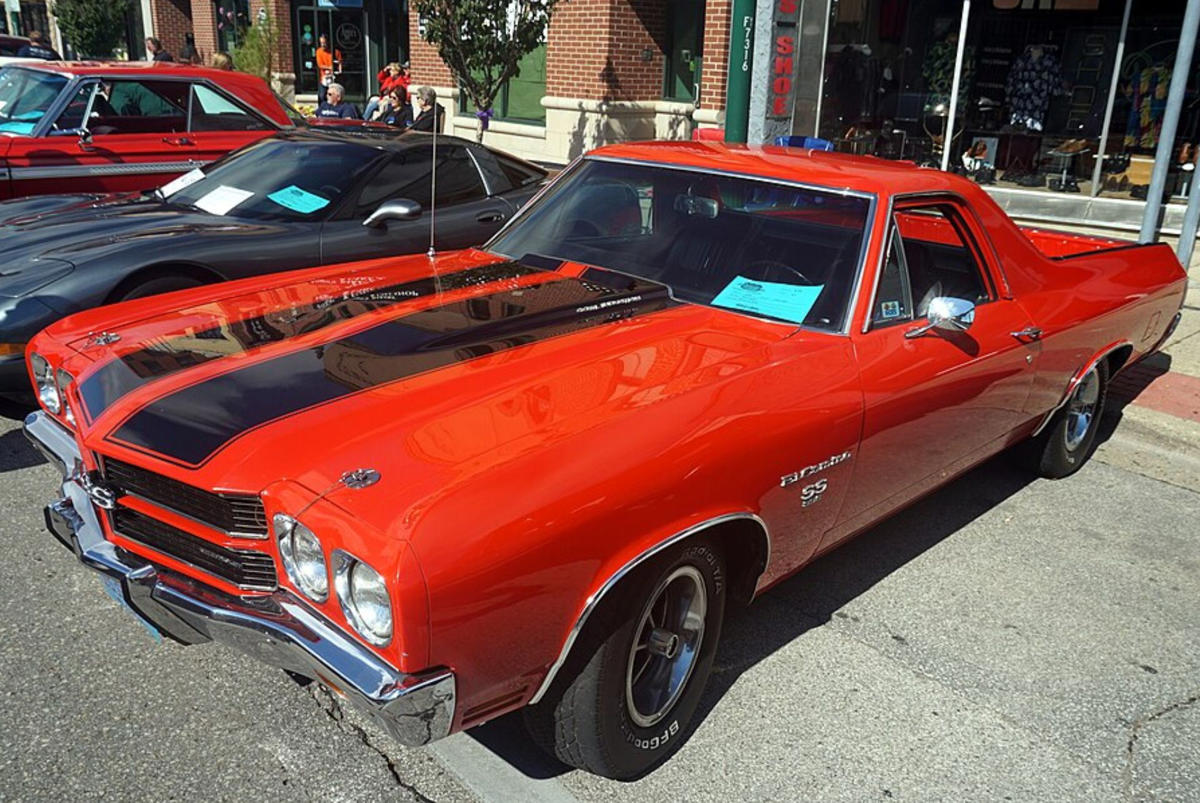
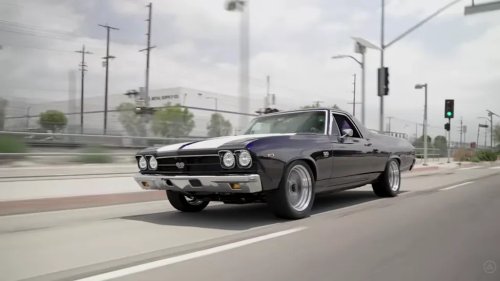
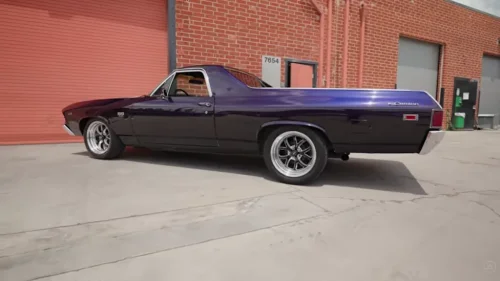
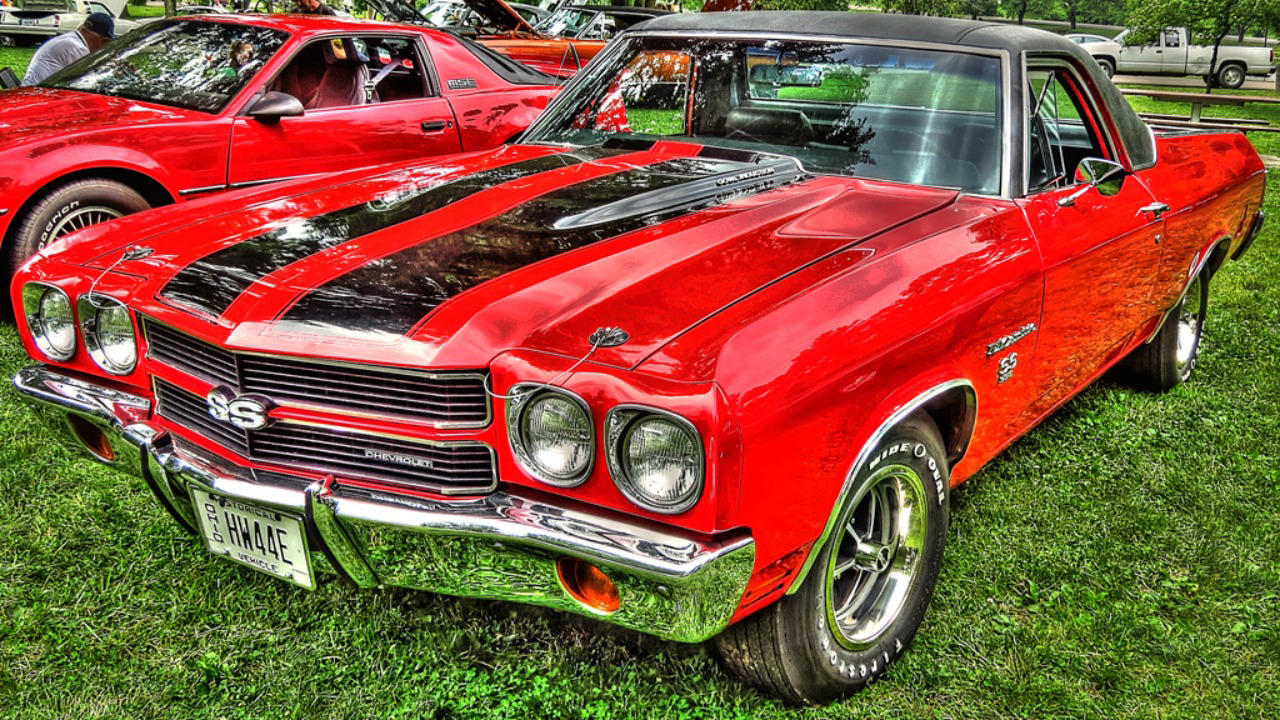
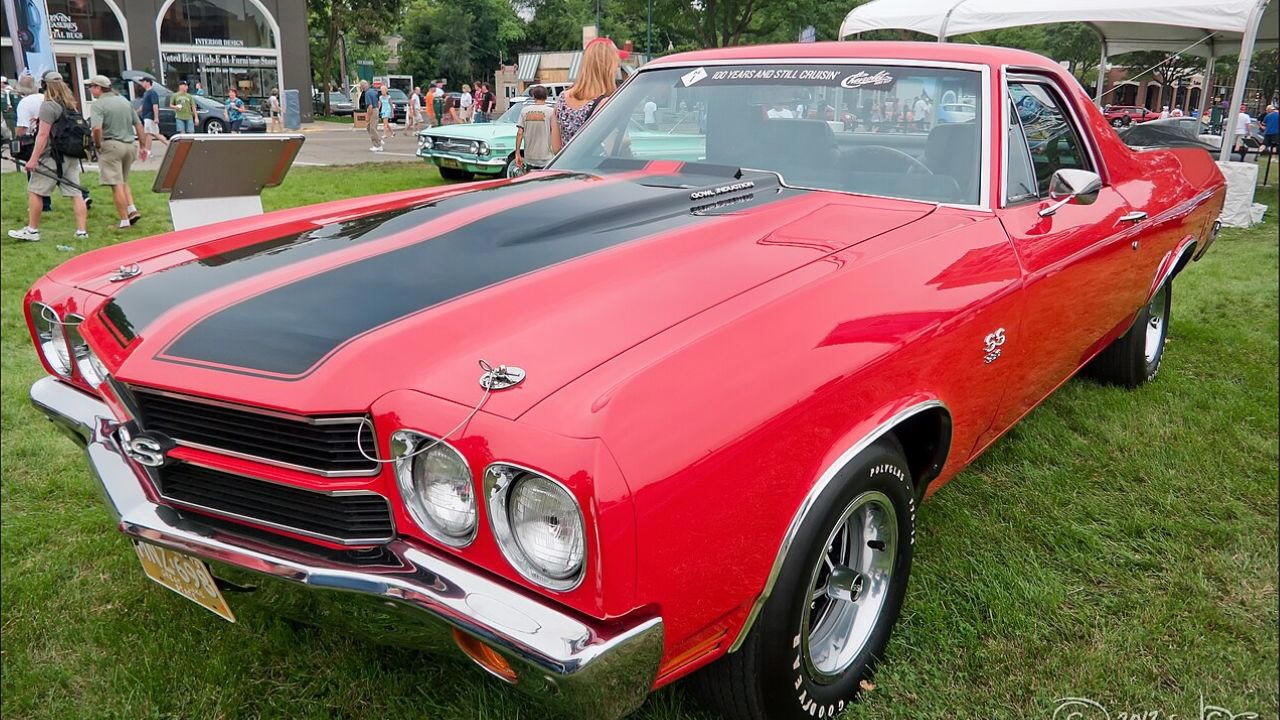
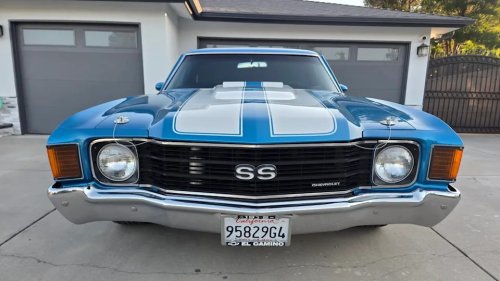
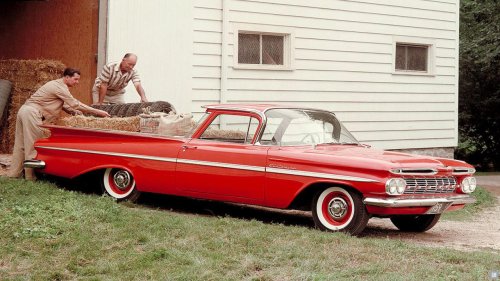
El Camino SS showed you didn’t have to choose between power and utilityThe Chevrolet El Camino SS sat in a category of one. It offered the stance and speed of a muscle car while keeping a usable pickup bed ready for lumber, tools, or a weekend parts haul. In an era that often forced drivers to pick either performance or practicality, it proved that a single vehicle could credibly do both. That balance of power and utility did more than create a quirky niche. It turned the El Camino SS into a cult icon, a machine that still sparks arguments about whether it should be judged as a truck, a car, or something that cleverly rewrote those labels altogether. From steel-bed workhorse to muscle-era star The story starts with the basic El Camino, a Chevrolet experiment that fused passenger-car comfort with open-bed usefulness. The first generation arrived with marketing that emphasized real work capability, including a steel bed floor that replaced the wood planks common in earlier pickups. The corrugated metal cargo area in the 1959 model underlined that this was not just a pretty coupe with the roof chopped off; it was a genuine hauler built by Chevrolet El Camino engineers to live in the same world as light-duty trucks. That foundation matters because the Super Sport badge never erased the El Camino’s core job. Even as the SS versions gained big-block engines and stripes, they retained the basic architecture of a car-based pickup. The frame, suspension layout, and cabin comfort borrowed heavily from Chevrolet’s intermediate cars, yet the open box at the rear kept the vehicle squarely in the utility camp. By the time the muscle car era reached full stride, Chevrolet had a platform ready to carry serious power without giving up that steel-floored bed. The SS treatment simply turned up the volume. What made an El Camino an SS Chevrolet applied the Super Sport formula to the El Camino much as it did to its coupes. On paper, the changes were straightforward: more powerful engines, upgraded suspensions, and visual cues that signaled performance intent. In practice, those pieces transformed the car-truck hybrid into something enthusiasts still argue about in forums and comment sections. Enthusiast write-ups of the 1971 and 1972 models describe the Chevrolet El Camino as a high performance version of Chevy’s already distinctive half-car, half-truck formula. The SS package wrapped muscular front-end styling around a bed that still functioned like a small pickup box. Underneath, the chassis was tuned for stronger acceleration and more confident handling than a standard work truck of the period. Another detailed breakdown of the 1971 package calls the Chevrolet El Camino a high performance version of Chevy’s iconic car-truck hybrid, a phrase that captures how the SS badge did not change the underlying identity so much as sharpen it. The same basic silhouette remained, with a car-like nose and cabin flowing into a squared-off bed, but the driveline and suspension turned that shape into something capable of high speed. Coverage of both the 1971 and 1972 models in enthusiast groups repeats the same core description. The Chevrolet El Camino is framed as a high-performance take on Chevy’s car-truck hybrid, suggesting that buyers were not trading away practicality when they ordered the SS package. They were upgrading the powertrain and dynamics of a body style already valued for its flexibility. The 1970 peak: muscle truck as headline act Among El Camino fans, one year stands out. The 1970 Chevrolet El Camino SS is often treated as the high watermark, especially in its most aggressive big-block configurations. Period-correct recreations and modern reviews describe the 1970 Chevrolet El Camino SS as a vehicle that blended the styling of Chevrolet’s intermediate coupe with the utility of a pickup bed, effectively creating a muscle truck before that term was common. Visual comparisons highlight how the Chevrolet El Camino shared its front end with a 1970 Che Chevelle, right down to the grille and quad headlights. From the cowl forward, it looked every bit like a classic muscle car. From the B-pillar back, it reverted to work mode with a squared-off box designed to carry real cargo. Video features on the 1970 El Camino SS 454 describe how the Alchemina returned in 1964 as a pickup version of the intermediate Chvel and eventually reached a blend of muscle and utility that enthusiasts still celebrate. In those accounts, the Alchemina concept matured into a configuration where the Chvel-based front clip and cabin met a functional bed in a way that supported both spirited driving and daily hauling. Other enthusiast coverage describes the same 1970 Chevrolet El Camino SS as The Muscle Truck King, a nickname that reflects how cleanly it fused big-block brawn with bed space. One account of the 1970 Chevrolet El Camino SS showdown with its coupe sibling calls it The Muscle Truck King, emphasizing that the El Camino version carried essentially the same front-end muscle hardware while adding the practical advantage of an open box. That framing turns the SS into a kind of ultimate expression of the car-truck blend. Power figures that matched the image Under the hood, the numbers backed up the attitude. A detailed feature on the big-block era calls The El Camino SS 454 The Most Powerful Member Of The El Camino’s Third Generation. In that analysis, the 454 cubic inch V8 is presented as the top dog in the lineup, a figure that appears in the description of El Camino SS 454 as The Most Powerful Member Of The El Camino’s Third Generation, with Chevrolet power that matched or exceeded many traditional muscle coupes. Those big-block SS models did not just offer straight-line speed. Accounts of the 1972 Chevrolet El Camino SS describe it as a muscle car or truck hybrid that delivered serious performance. An enthusiast breakdown of the Chevrolet El Camino in 1972 highlights that it was a muscle car or truck hybrid with a focus on acceleration and top speed, not a stripped-down work rig. The SS badge signaled that buyers were getting the same kind of quarter-mile intent they might find in a coupe, only packaged with a bed. Another comparison between a 1964 El Camino and a 1972 El Camino SS frames the latter SS as a capable muscle car, with Performance that included impressive acceleration and strong top speed. In that discussion, the El Camino SS is credited with combining power and handling in a way that made its presence on the street feel every bit as serious as more conventional muscle machines. A utility that never went away For all the focus on horsepower figures and quarter-mile times, the El Camino SS still had to function as a truck. That is where the lineage back to the original steel-bed El Camino matters. The corrugated metal floor introduced in the first generation set a tone: this was a vehicle designed to carry weight without the fragility of a show car. Owners who use SS models today often highlight how the bed makes them easier to justify than a pure toy. An El Camino SS can haul an engine block, a stack of wheels, or a load of home improvement supplies, then clean up well enough for a night out. The body-on-frame construction and pickup-style rear section give it a tolerance for abuse that many muscle coupes never had. That dual nature is why some enthusiasts describe The El Camino as the automotive version of the mullet, business in the front, party in the back. A widely shared comment on a muscle car forum puts it exactly that way, in a discussion that asks whether the El Camino counts as a full muscle car or at least half of one. The phrase captures how the car-like nose and cabin signal serious performance while the open bed promises no-nonsense utility. Was it a muscle car, a truck, or both The question of identity has followed the El Camino SS for decades. On one side, purists argue that a muscle car must be a coupe or hardtop sedan, not a vehicle with a bed. On the other hand, owners point to the engines, suspensions, and styling that clearly align SS models with the muscle era. Enthusiast discussions about whether an El Camino is a muscle car or at least half of one often hinge on the drivetrain. If a car-truck hybrid carries the same big-block V8 and performance suspension as a Chevelle SS, they argue, then it deserves the same respect regardless of what sits behind the cab. The bed becomes a feature, not a disqualifier. Social media coverage of specific builds reinforces that idea. A feature on a 1970 Chevrolet El Camino SS LS6 describes it as The Muscle Truck King, with Big Block Brawn and Bed Space, the combination that lets owners enjoy both dragstrip power and pickup practicality. That framing treats the hybrid nature as a selling point instead of a compromise. Even modern video shorts, such as a profile of a 1970 Chevrolet El Camino SS that explains how Chevrolet blended the sleek design of the Chevel with the utility of a pickup bed, lean into the dual identity. In that clip, the narrator describes how Chevrolet used the Chevel front end to give the El Camino SS a classic muscle silhouette, then extended the roofline into a functional cargo box that could still handle everyday chores. Why the SS formula still resonates Half a century later, the El Camino SS continues to attract attention in auctions, online marketplaces, and enthusiast groups. Part of that appeal is nostalgia for the golden age of American performance, but another part is the practicality of the layout. A classic SS with a bed can be used in ways that a restored coupe cannot, which gives owners more reasons to drive them instead of hiding them in garages. International coverage of the Chevrolet El Camino across multiple language editions of Wikipedia, including Afrikaans, German, Greek, and Spanish, reflects how far the fascination travels. Entries such as the Chevrolet El Camino page in Afrikaans, the Chevrolet El Camino entry in German, the Chevrolet El Camino article in Greek, and the Chevrolet El Camino coverage in Spanish all trace the same basic arc. They present a vehicle that began as a practical experiment, evolved into a muscle-era standout, and ended up as a global curiosity that defies easy categorization. In enthusiast circles, the SS badge amplifies that fascination. Owners of 1971 and 1972 SS models share photos and build details that highlight both the performance upgrades and the ways they still use the trucks for real work. One group post on the El Camino SS compares early and later models, with Performance metrics that emphasize how its acceleration and top speed kept pace with more traditional muscle cars of the same era. Video features on the 1970 El Camino SS 454, including the version that revisits how the Alchemina returned as a pickup version of the intermediate Chvel, often end up making the same point. The car-truck blend might look unconventional, but it solved a real problem for drivers who wanted one vehicle that could tow, haul, and still feel exciting on a back road. More from Fast Lane Only Unboxing the WWII Jeep in a Crate 15 rare Chevys collectors are quietly buying 10 underrated V8s still worth hunting down Police notice this before you even roll window down The post El Camino SS showed you didn’t have to choose between power and utility appeared first on FAST LANE ONLY.